qixinwei-pcba


XC2C256-7VQG100I AMD Xilinx CoolRunner-II CPLD 256 Macrocells 6.7ns 100-VQFP
XC2C256-7VQG100I Product Overview
The XC2C256-7VQG100I is a high-performance Complex Programmable Logic Device (CPLD) from AMD Xilinx in the CoolRunner-II series, manufactured on advanced 0.18μm CMOS process technology. The device features 256 macrocells, 16 function blocks, 6,000 usable gates, and 80 user I/O pins, with a propagation delay as low as 6.7ns. This industrial-grade device supports -40°C to 85°C operation and comes in a 100-pin VQFP package (14×14mm). The core feature of XC2C256-7VQG100I is its ultra-low power architecture with static current as low as 21µA, making it a star product in the CoolRunner-II series. Officially declared obsolete by AMD Xilinx, some distributors still offer genuine stock. The device supports In-System Programming (ISP) via JTAG interface, eliminating the need for dedicated programmers.
XC2C256-7VQG100I Core Features
Logic Resources: 256 macrocells, 16 function blocks, 6000 usable gates for medium-density logic designs
Ultra-Low Power: CoolRunner-II series known for low power with operating current down to 21µA at 1.8V, DataGATE register clock enable control for reduced dynamic power
Propagation Delay: 6.7ns pin-to-pin logic delay (max) with system operating frequency up to 152MHz
I/O Interfaces: 80 user I/O pins supporting 1.5V, 1.8V, 2.5V, 3.3V standards compatible with TTL, LVCMOS, HSTL
Programmable Type: In-System Programmable via IEEE 1149.1 JTAG interface, board-level programming without dedicated programmer
Supply Voltage: Internal 1.7V to 1.9V (1.8V typical), I/O voltage 1.5V to 3.3V
Security Features: Embedded security bit prevents unauthorized design readout
Package Type: 100-pin VQFP (14×14mm) with 0.5mm pin pitch, surface mount
Temperature Range: Industrial grade -40°C to 85°C
Process Technology: 0.18μm CMOS Flash process, non-volatile memory
XC2C256-7VQG100I Applications
Industrial Automation: PLC logic control, motion controllers, industrial protocol conversion
Communication Equipment: Protocol bridging, packet processing, interface expansion (UART/SPI/I2C)
Consumer Electronics: Smart home control, portable device power management, HMI logic
Automotive Electronics: Infotainment interface logic, body control module logic (non-automotive grade)
Test and Measurement: Instrumentation control logic, data acquisition front-end, signal routing
Infrastructure: Network equipment control plane, base station auxiliary logic, power sequencing
XC2C256-7VQG100I Key Advantages
Ultra-Low Power Flagship CPLD: CoolRunner-II series flagship product line with extremely low power consumption, ideal for battery-powered applications
x2 Density Design: Higher logic integration within same chip area compared to traditional CPLD architecture
High Speed Low Latency: 6.7ns propagation delay with 152MHz system frequency for real-time applications
Non-Volatile No Configuration Device: Unlike FPGAs, Flash-based CPLD powers up instantly without external configuration memory
Wide I/O Voltage Compatibility: 80 I/O pins supporting 1.5V to 3.3V standards eliminate external level shifters
Industrial Wide Temperature Range: -40°C to 85°C for demanding environments
Mature Development Ecosystem: Xilinx ISE provides complete CPLD design flow from HDL entry to JTAG download
Supply Status: Officially obsolete but available through independent distributors with inventory
Why Choose QIXINWEI
Years of experience in the electronics industry. Trusted by global customers.
Massive In-Stock Inventory – Ready to ship promptly
BOM Matching Service – One-stop solution, save time
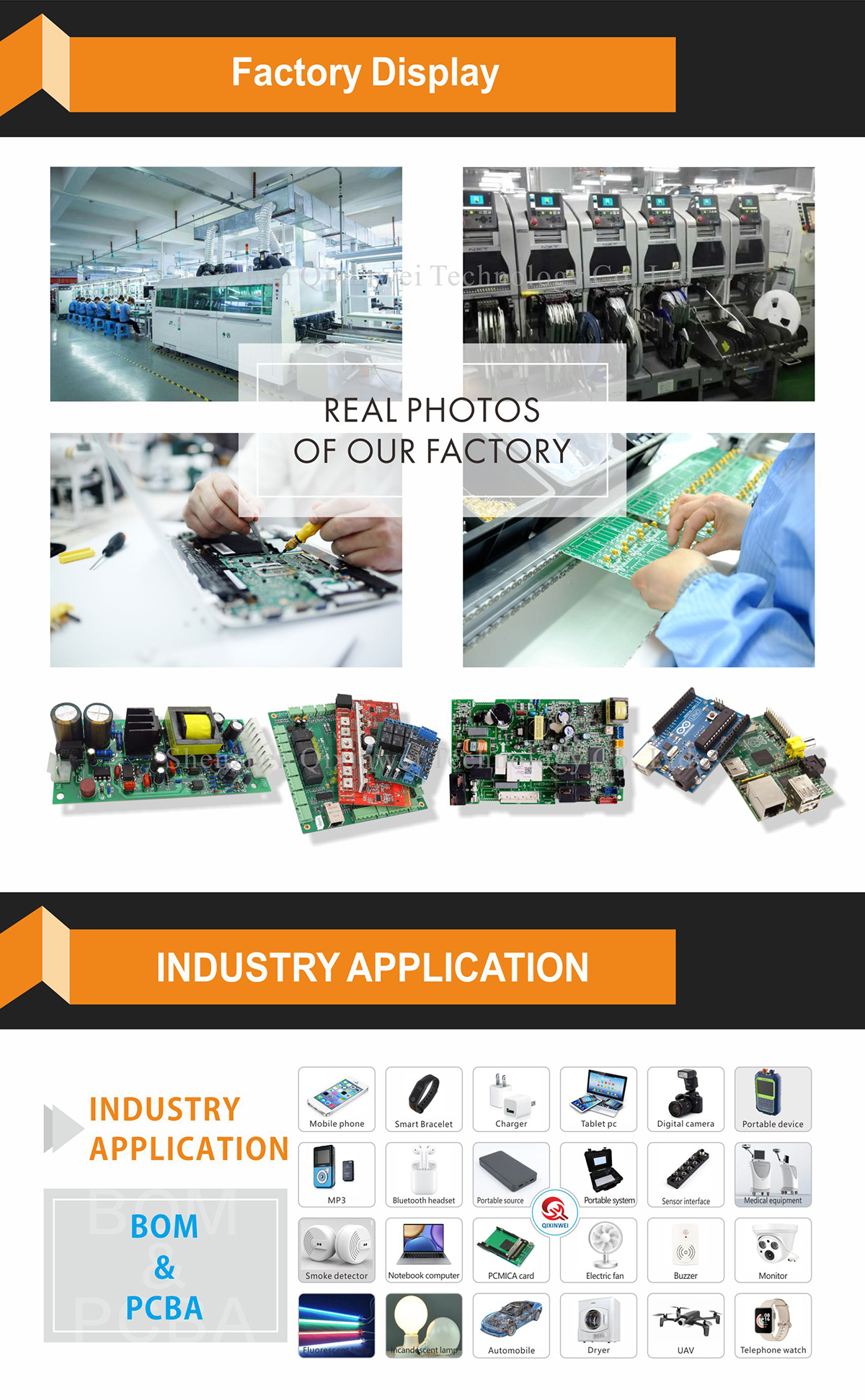
PCBA Customization – Professional engineering team creates tailor-made solutions based on your needs
Cost-Effective & Efficient – Better channel, better cost
A dedicated team makes your procurement smoother.
Contact us for BOM quotes or PCBA inquiries





FAQ:
What is the XC2C256-7VQG100I and its key specifications?
This is an AMD Xilinx CoolRunner‑II CPLD built on a 0.18 µm advanced CMOS process. It provides 256 macrocells, a 6.7 ns pin‑to‑pin propagation delay (‑7 speed grade), and operates at up to 152 MHz. The device features on‑chip non‑volatile configuration memory (no external PROM required), 1.8 V core voltage with 1.5 V – 3.3 V tolerant I/Os, and extremely low static current using RealDigital™ technology. It is housed in a compact 100‑pin VQFP (VQG100) package with 80 user I/O pins. The “‑7” is the fastest speed grade, and “I” guarantees industrial temperature operation (‑40 °C to +85 °C). This CPLD is designed for low‑power, high‑performance glue logic, interfacing, and state‑machine applications in industrial and portable equipment.How does a CoolRunner‑II CPLD differ from a traditional FPGA?
A CPLD like the XC2C256 is non‑volatile — it retains its configuration when powered off, so it boots instantly without loading a bitstream. FPGAs (like Spartan‑6) typically use SRAM‑based configuration and require an external boot memory. CPLDs have a predictable, fixed timing model with a simple sum‑of‑products architecture, making timing closure straightforward. They also feature very low static power (microamps in standby) thanks to CoolRunner‑II's RealDigital technology. FPGAs offer much higher logic density and complex blocks (DSP, transceivers), while CPLDs excel at system management, voltage‑level translation, I/O expansion, and simple control functions where instant‑on and low power are critical.What does the “‑7” speed grade mean in the XC2C256-7VQG100I?
The ‑7 speed grade guarantees a maximum pin‑to‑pin propagation delay of 6.7 ns, making it the fastest member of the XC2C256 family. This enables the CPLD to handle high‑speed glue logic, fast address decoding, and clock generation up to approximately 152 MHz. Combined with the “I” industrial temperature range, it delivers reliable performance in demanding environments where both speed and wide thermal tolerance are essential.How many macrocells and I/O pins does the XC2C256-7VQG100I provide?
The device offers 256 macrocells, which can be used to implement combinatorial and registered logic. In the VQG100 package, 80 general‑purpose I/O pins are available. Each I/O pin can be independently configured as an input, output, or bidirectional pin, and supports a wide range of standards: LVCMOS, LVTTL, SSTL2‑1, SSTL3‑1, HSTL‑1, and 1.5 V – 3.3 V I/O. The I/O pins also feature slew‑rate control and pull‑up/pull‑down resistors, simplifying board design.What is the power consumption of the XC2C256, and what is “RealDigital” technology?
The CoolRunner‑II family uses RealDigital™ technology, which eliminates the analog sense amplifiers and bias circuits found in conventional CPLDs. This results in extremely low static current — typically well under 50 µA in standby. The core operates at 1.8 V, keeping dynamic power very low. This makes the XC2C256 ideal for battery‑powered handheld equipment, power‑sensitive industrial sensors, and always‑on system management where heat and battery life are major concerns.What are the typical applications of the XC2C256 CPLD?
It is widely used in industrial control (motor control, sensor interfacing), automotive (body electronics, power management), portable medical (battery‑powered diagnostic tools), telecommunications (line cards, glue logic), and consumer electronics (smart home, gaming). Its role is often system management, I/O expansion, voltage‑level translation, power‑up sequencing, and simple real‑time control — areas where a small, instant‑on, ultra‑low‑power device is far more efficient than a full FPGA.How is the XC2C256 programmed, and what development tools are needed?
The device is programmed via JTAG using the Xilinx ISE Design Suite (WebPACK is free and fully supports CoolRunner‑II). A simple low‑cost Platform Cable USB II or compatible JTAG programmer is all the hardware required. The design flow uses VHDL or Verilog entry, synthesis, fitting, and then direct programming of the on‑chip non‑volatile Flash. Because the configuration memory is internal, no external boot PROM is needed, and the CPLD is ready to operate within microseconds of power‑on.What is the VQG100 package, and how many I/O pins are available?
The VQG100 is a 100‑pin Very Thin Quad Flat Pack with a lead pitch of 0.5 mm and a body size of 14 mm × 14 mm. It provides 80 user I/O pins plus power and JTAG pins. The gull‑wing leads allow hand‑soldering for prototyping and are fully compatible with automated SMT assembly. This package offers a very high I/O‑to‑footprint ratio, making it ideal for compact industrial boards where every millimetre counts.Does the CoolRunner‑II support hot‑swapping or mixed‑voltage I/O?
Yes. The I/O pins are 1.5 V to 3.3 V tolerant and can be configured for a variety of standards independently on each pin. The device also supports hot‑socketing (I/O pins can be driven before VCC is applied without damage), which is critical in telecom and hot‑swap applications. The core runs at 1.8 V, while the I/O banks can be powered by separate supplies, allowing direct interfacing between different voltage domains without external level shifters.Why choose the XC2C256-7VQG100I over a small FPGA for simple logic tasks?
For glue logic, power‑up sequencing, voltage translation, or simple state machines, a CPLD offers significant advantages: instant‑on operation (no configuration delay), no external boot memory, extremely low standby power (microamps), predictable fixed timing, and higher reliability in harsh environments (no bit‑upset issues). The XC2C256 delivers all of this with 256 macrocells and 80 I/Os in a compact, easy‑to‑design package, making it a perfect companion chip to processors, DSPs, and FPGAs in complex systems.
- Manufacturer:
- AMD Xilinx
- Product Family:
- CoolRunner-II CPLD
- Macrocells:
- 256 macrocells
- Logic Blocks:
- 16 function blocks, 6000 usable gates
- Propagation Delay:
- 6.7 ns max, 7.5 ns typical
- Max Frequency:
- 152 MHz
- I/O Pins:
- 80 user I/O pins
- Internal Supply Voltage:
- 1.7V ~ 1.9V (1.8V typical)
- I/O Voltage Support:
- 1.5V / 1.8V / 2.5V / 3.3V
- Temperature Range:
- -40°C to 85°C (Industrial Grade)
- Programmable Type:
- In-System Programmable via JTAG
- Process Technology:
- 0.18μm CMOS Flash
- Package Type:
- 100-VQFP (14×14mm), 0.5mm pitch
- Quiescent Current:
- 21 µA @ 1.8V
- MSL Level:
- 3 (168 Hours)
- ECCN:
- EAR99
- Environmental Compliance:
- RoHS 3 compliant, Lead free
- Standard Packaging:
- 90 units per tray
- Part Status:
- Obsolete
- Target Applications:
- Industrial automation, Communications, Consumer electronics, Test measurement