qixinwei-pcba


CH552 Development Board Core Board USB Communication 51 MCU Module Low Cost
CH552 development board, enhanced 51 core with built-in USB controller. Supports USB download and communication. 24MHz, 16KB Flash. Onboard button and LED. Ideal for USB device development, HID keyboard/mouse, DIY peripherals, low-cost embedded projects. No programmer needed, direct USB download
CH552 Development Board Application features:
◆ Main Chip
CH552 (enhanced 51 microcontroller)
◆ Core
MCS-51 compatible, single-cycle instruction
◆ Clock Speed
24MHz (built-in RC oscillator)
◆ Memory
Flash: 16KB
RAM: 1KB
Data Flash: 1KB (EEPROM emulation)
◆ USB Features
Built-in USB 2.0 controller
USB download support (no programmer needed)
Supports HID/CDC/custom devices
◆ Peripherals
UART ×2
SPI ×1
I2C ×1
ADC ×4 (10-bit)
PWM ×3 (8-bit)
Touch buttons ×6
◆ Onboard Resources
Reset button
User button
Power LED
User LED
USB Type-C/Micro port
◆ Pin Headers
All IOs broken out (2.54mm pitch)
◆ Programming Methods
USB download (official tool)
Arduino IDE (third-party support)
◆ Typical Applications
USB HID keyboard/mouse
USB to serial converter
Custom USB devices
DIY game controller
Low-cost embedded control
LED strip control
Sensor data acquisition
◆ Key Advantages
Built-in USB, no external chip needed
Direct USB download, no programmer required
Low cost
Compact size
- Great for USB learning
Why Choose QIXINWEI
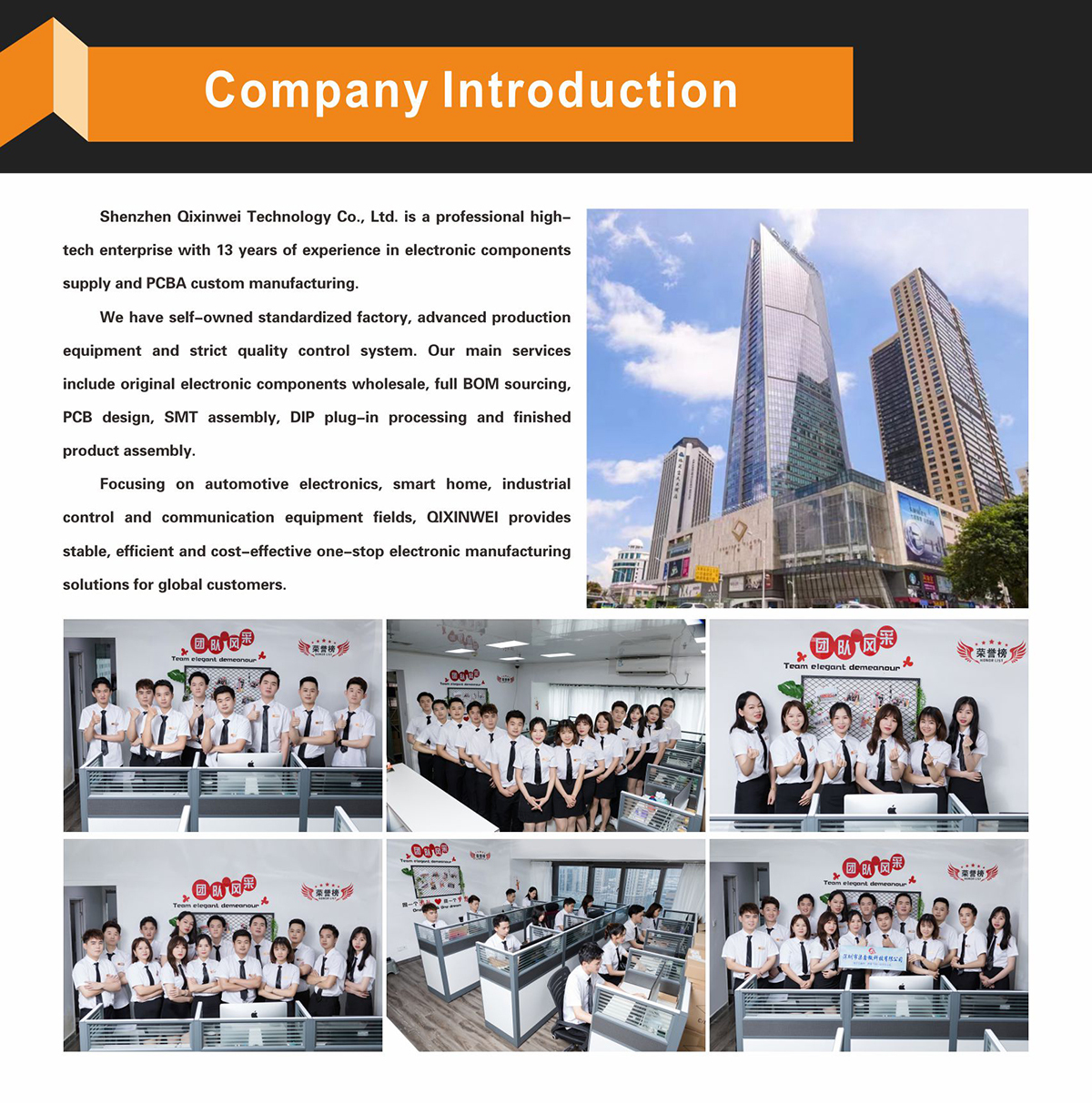
Years of experience in the electronics industry. Trusted by global customers.
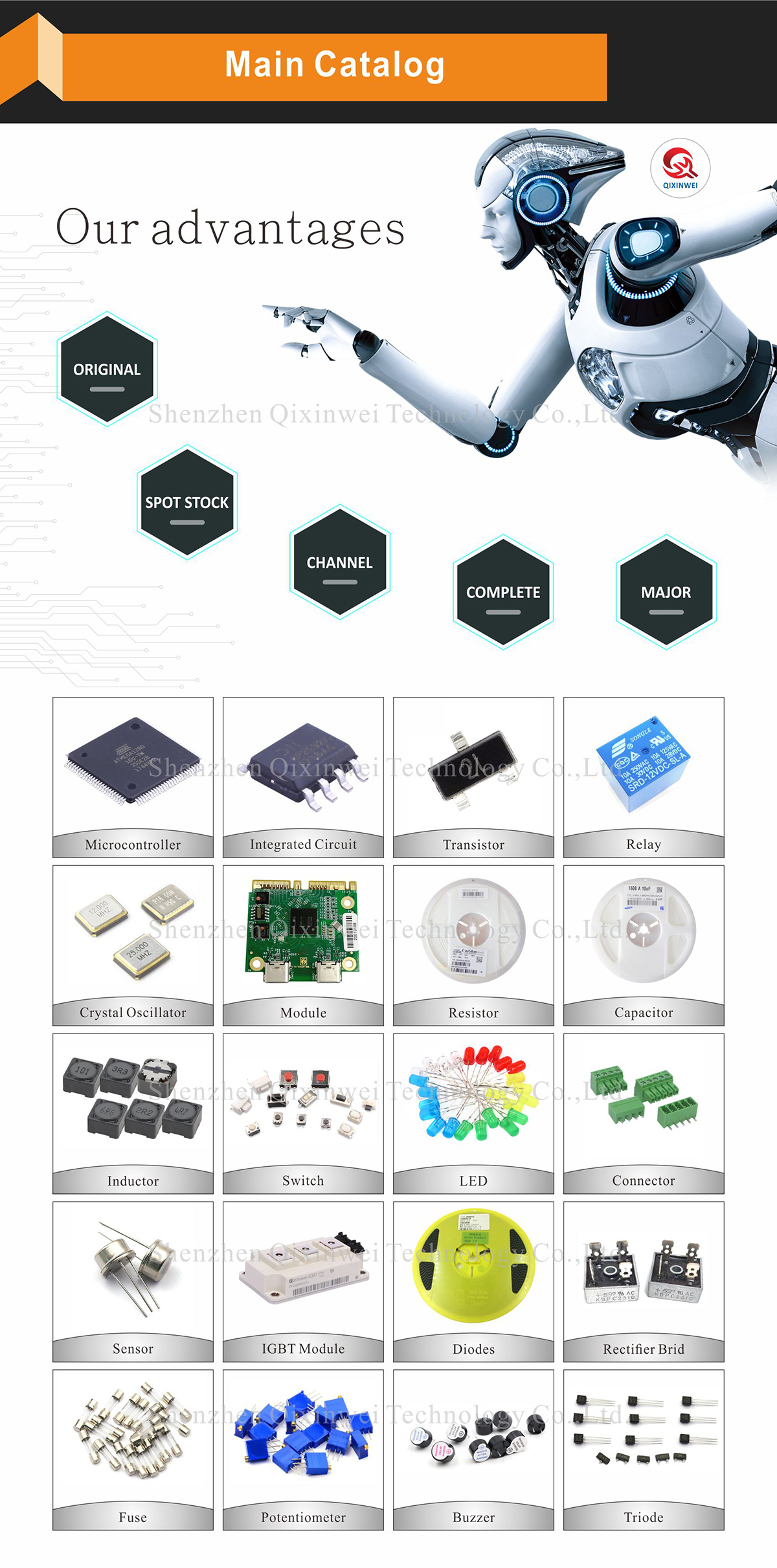
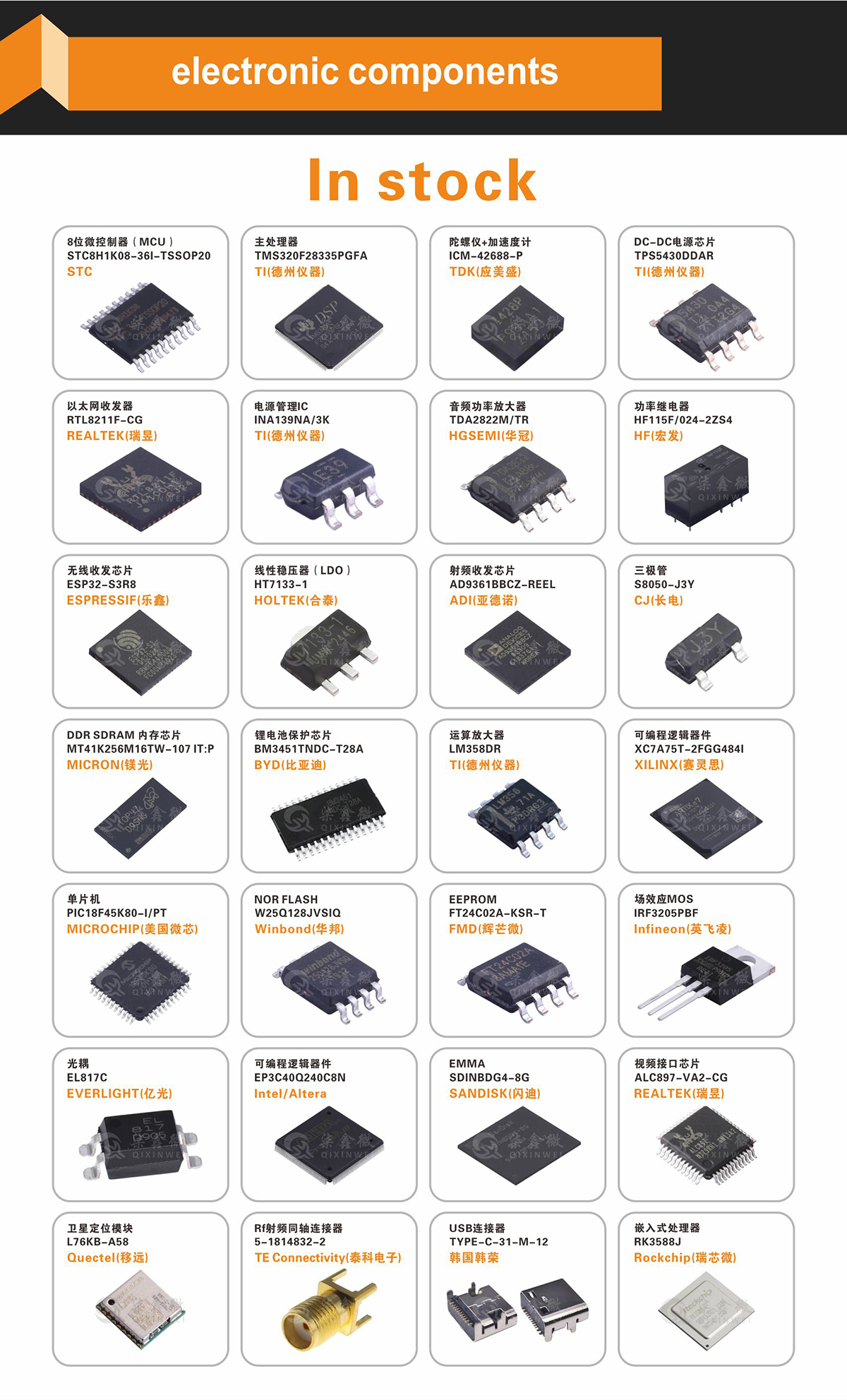
Massive In-Stock Inventory – Ready to ship promptly
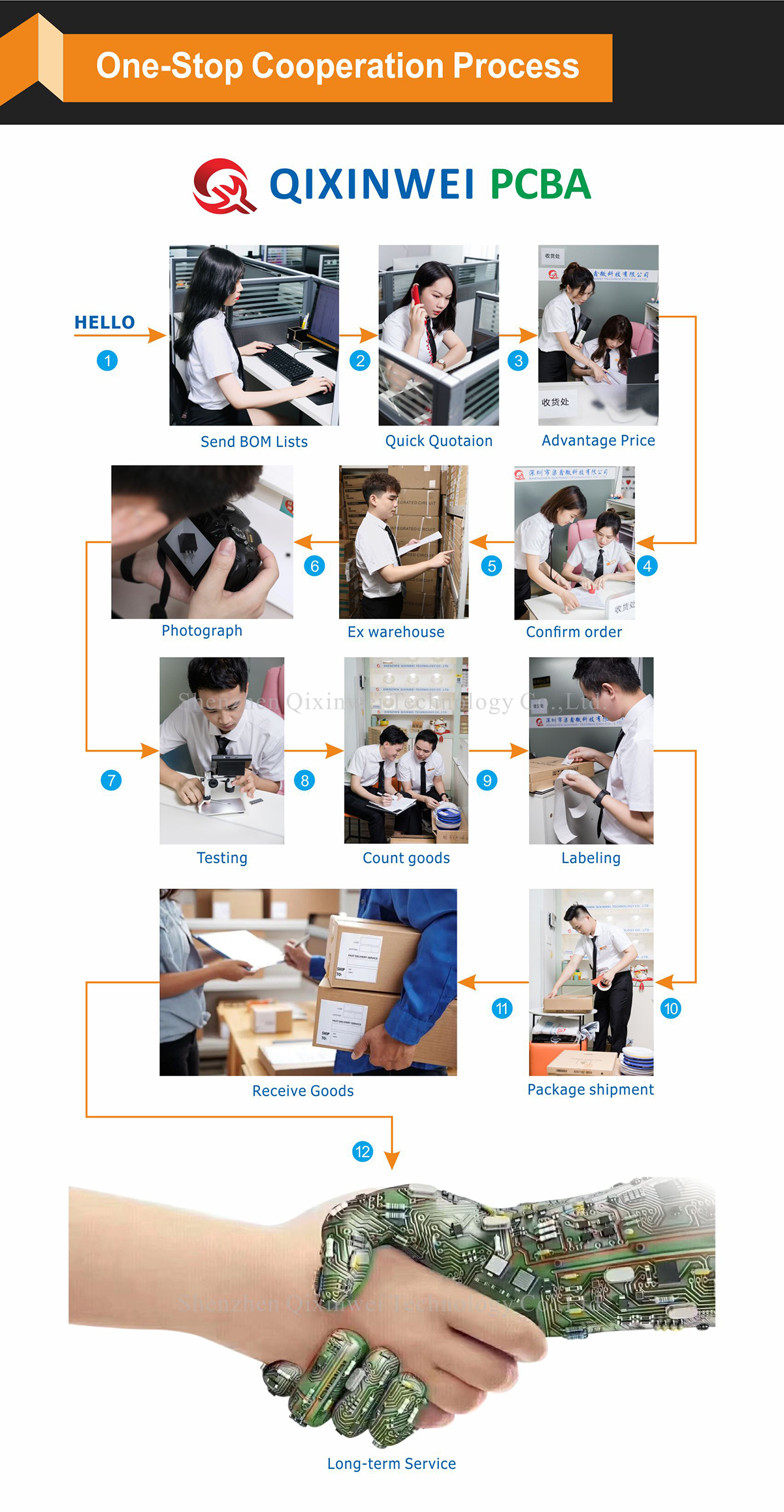
BOM Matching Service – One-stop solution, save time
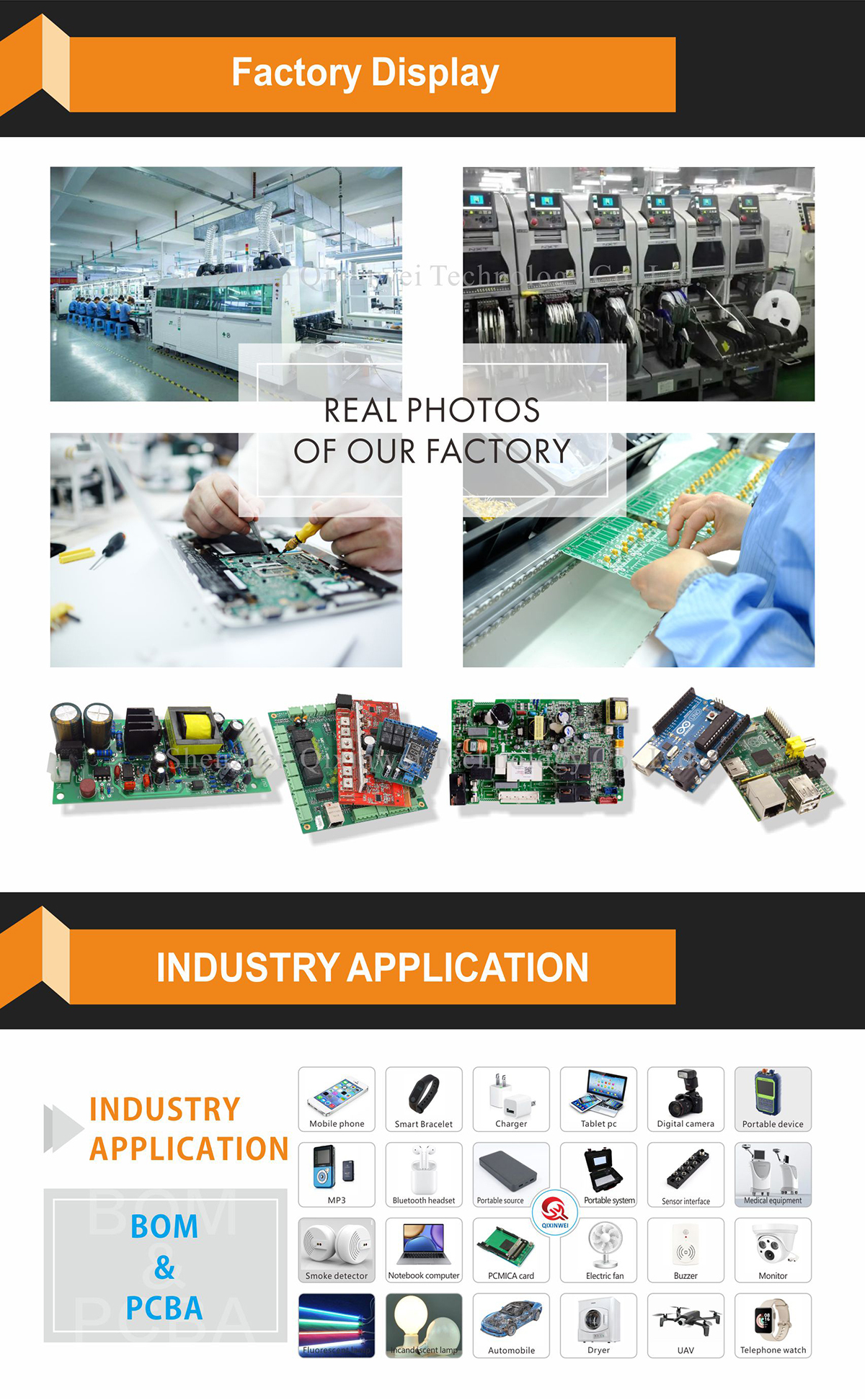
PCBA Customization – Professional engineering team creates tailor-made solutions based on your needs
Cost-Effective & Efficient – Better channel, better cost
A dedicated team makes your procurement smoother.
Contact us for BOM quotes or PCBA inquiries


FAQ
1. What is the CH552 Development Board / Core Board?
The CH552 Development Board / Core Board is a low-cost 51 MCU learning and development platform based on the CH552 microcontroller. The CH552 is an enhanced E8051 core MCU from WCH (Nanjing Qinheng Microelectronics), fully compatible with the MCS51 instruction set. 79% of its instructions are single-byte single-cycle, with an average execution speed 8–15 times faster than the standard MCS51. The chip features a built-in USB device controller and full-speed transceiver, allowing direct program download via USB without an external programmer. Development boards are typically offered as minimum system boards with all I/Os exposed, suitable for USB peripheral development and 51 MCU learning.
2. What are the key specifications of the CH552 Development Board / Core Board?
3. What package does the CH552 use?
The CH552 offers multiple package options, including TSSOP20, SOP16, QFN16, and MSOP10. Different suffixes indicate different packages:
Development boards/cores typically use TSSOP-20 or SOP-16 packaged chips, with all I/Os exposed via 2.54mm pitch pin headers.
4. What applications is the CH552 Development Board / Core Board suitable for?
The CH552 is widely used in various low-cost USB and embedded projects:
USB HID devices: Keyboards, mice, game controllers, numeric keypads
BadUSB / security testing tools
USB-to-serial / data acquisition devices
Smart home and IoT edge devices
Voice-controlled keyboards / voice control devices
USB-controlled small display devices
Industrial control and sensor data acquisition
5. What development tools support the CH552 Development Board / Core Board?
The CH552 supports multiple development approaches:
(1) Keil C51 (Official Recommended) : Install Keil C51, then use WCHISPStudio to add the WCH MCU device library to Keil. Refer to the official CH552EVT.ZIP example package.
(2) WCHISPStudio (Official Programming Tool) : WCH's dedicated programming tool supporting one-click USB download.
(3) Open-source (VSCode + SDCC + Make) : Fully open-source and free development environment.
(4) Arduino IDE: Community-maintained CH55xduino core package supports Arduino development. Note: The CH552 uses a C compiler (not C++), so standard Arduino libraries cannot be used.
(5) PlatformIO: Supports cross-platform development (Windows, Linux, macOS).
6. What is the operating temperature range of the CH552 Development Board / Core Board?
The CH552 operates over a temperature range of -40°C to +85°C (industrial grade). The CH552 features low-power design with operating current of approximately 4mA.
7. How do you program the CH552?
The CH552 supports two programming methods:
(1) USB Download (Recommended) : Connect the development board to a PC via USB, press and hold the BOOT button, then plug in the USB to enter programming mode. Use WCHISPStudio to select the firmware file and click download.
(2) UART ISP Download: Download via UART0 (P3.0/P3.1) using a dedicated ISP tool.
⚠️ Note: The CH552 uses low-cost ROM technology with a Flash write endurance of approximately 200 cycles. Actual endurance may be higher (some tests show 300+ cycles), but frequent programming should be noted.
8. What peripheral interfaces does the CH552 support?
The CH552 integrates rich peripheral interfaces:
9. What is the difference between CH552 and CH551?
CH551 is a simplified version of CH552. Key differences:
10. What power supply options does the CH552 Development Board / Core Board support?
The CH552 features a built-in 5V to 3.3V Low Dropout Regulator (LDO) , supporting flexible power options:
USB Power (Recommended) : Power directly via USB port; onboard LDO converts 5V to 3.3V for the chip
External 5V Power: Apply 5V via the VCC pin, enabling the internal LDO
External 3.3V Power: Short VCC and V33 together, apply 3.3V directly
⚠️ Note: The CH552's logic level depends on the power method — when using the internal LDO, the high level is 3.3V; when shorting VCC/V33, the logic level matches the input voltage.
- 原产地:
- Origin
- 品牌:
- Origin
- 型号:
- CH552 Development Board
- 系列:
- 模块
- 特征:
- 标准
- 安装方式:
- 标准
- 尺寸/尺寸:
- 标准
- 描述:
- CH552 开发板