qixinwei-pcba


STM8L151R6T6 ST Ultra-low-power 8-bit MCU 32KB Flash ADC DAC Comparator Touch LQFP-64
STM8L151R6T6 Product Overview
The STM8L151R6T6 is an ultra-low-power 8-bit MCU with enhanced STM8 core up to 16 MHz (16 MIPS). It offers 32 KB Flash, 2 KB RAM, 1 KB EEPROM, 350 nA Halt, 28-ch 12-bit ADC, dual 12-bit DAC, dual comparators, capacitive touch, advanced control timer, and SPI/I2C/USART interfaces. Packaged in LQFP-64 (10×10 mm) with 54 I/Os. Ideal for smart metering, industrial sensing, portable medical, and battery-powered devices[reference:8][reference:9].
STM8L151R6T6 Core Features
Ultra-low Power: 5 modes, 350 nA Halt, 5.9 µA Low-power run, 1.4 µA Active-halt with RTC, 50 nA I/O leakage, 4.7 µs wake-up Enhanced Core: STM8 16 MHz, 16 MIPS, Harvard architecture, 3-stage pipeline, 40 external interrupts Memory: 32 KB Flash, 2 KB RAM, 1 KB EEPROM (ECC, 100k cycles, RWW) 28-ch 12-bit ADC: 1 Msps, temperature sensor, internal Vref Dual 12-bit DAC: Buffered output, dual mode Dual Comparators: Fixed + rail-to-rail, both wake-up capable Capacitive Touch: Integrated touch key sensing Communication: SPI, I2C (400 kHz SMBus/PMBus), USART (IrDA) Timers: 3×16-bit GP (IC/OC/PWM/encoder), 1×16-bit advanced (3-ch complementary/dead-time), 1×8-bit basic, beeper, dual watchdogs RTC: BCD calendar, alarm, ±0.5 ppm calibration, Halt wake-up DMA: 4 channels (ADC, DAC, SPI, I2C, USART, timers) Reliability: POR/PDR, 5-level BOR, PVD, ESD Wide Range: 1.8–3.6 V, -40 °C to 85 °C Development: SWIM single-wire debug, USART bootloader, 96-bit unique ID
STM8L151R6T6 Applications
Smart Metering: Water/gas/heat/electricity meters, ultra-low power Industrial Automation: Machinery, robotics, process control, wide temperature range Smart Home: Lighting, heating, security systems, energy-efficient Automotive: Vehicle control modules, sensor nodes Medical: Glucose meters, blood pressure monitors Battery Devices: Remote controls, sensors, multi-year coin-cell life Touch HMI: Touch keys, sliders without external ICs Consumer: Digital electronics, instrumentation, industrial controllers
STM8L151R6T6 Key Advantages
Ultra-low Power: 350 nA Halt, 5 modes, years of coin-cell operation Analog Integration: 28-ch ADC + dual DAC + dual comparators, no external analog ICs Dual DAC Output: Dual buffered 12-bit DAC, rare in this class Touch Built-in: Integrated capacitive sensing, eliminates touch IC DMA Offload: 4-ch DMA manages multiple peripherals, boosting efficiency Motor Control: Advanced timer with complementary PWM & dead-time High Integration: LQFP-64 package, 54 I/Os, saves PCB area and BOM Mature Ecosystem: STM8 architecture, low-cost SWIM debug Fast Wake-up: 4.7 µs wake-up, shorter response time Industrial Reliability: -40 to 85 °C, BOR/ESD protection
Why Choose QIXINWEI
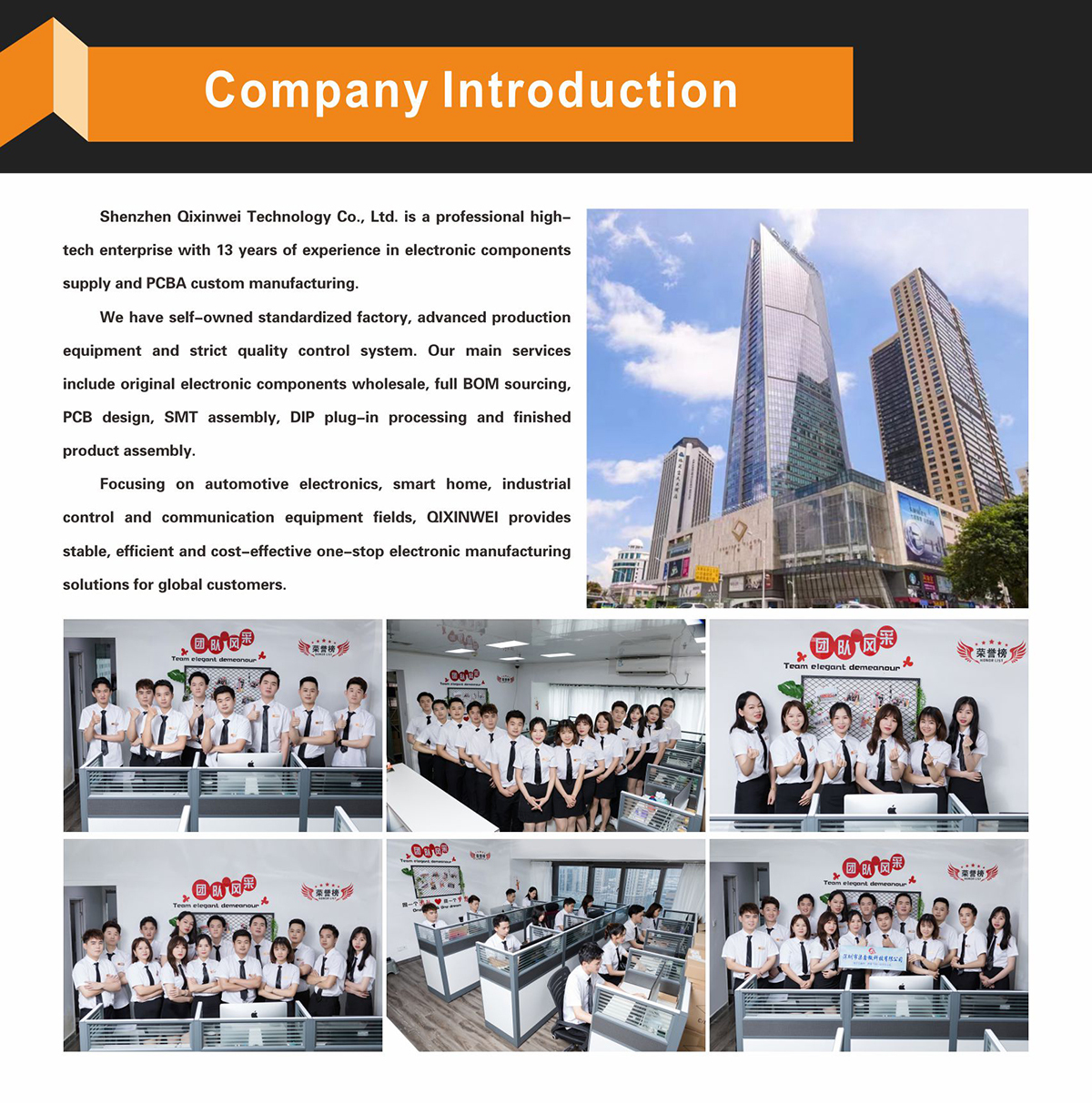
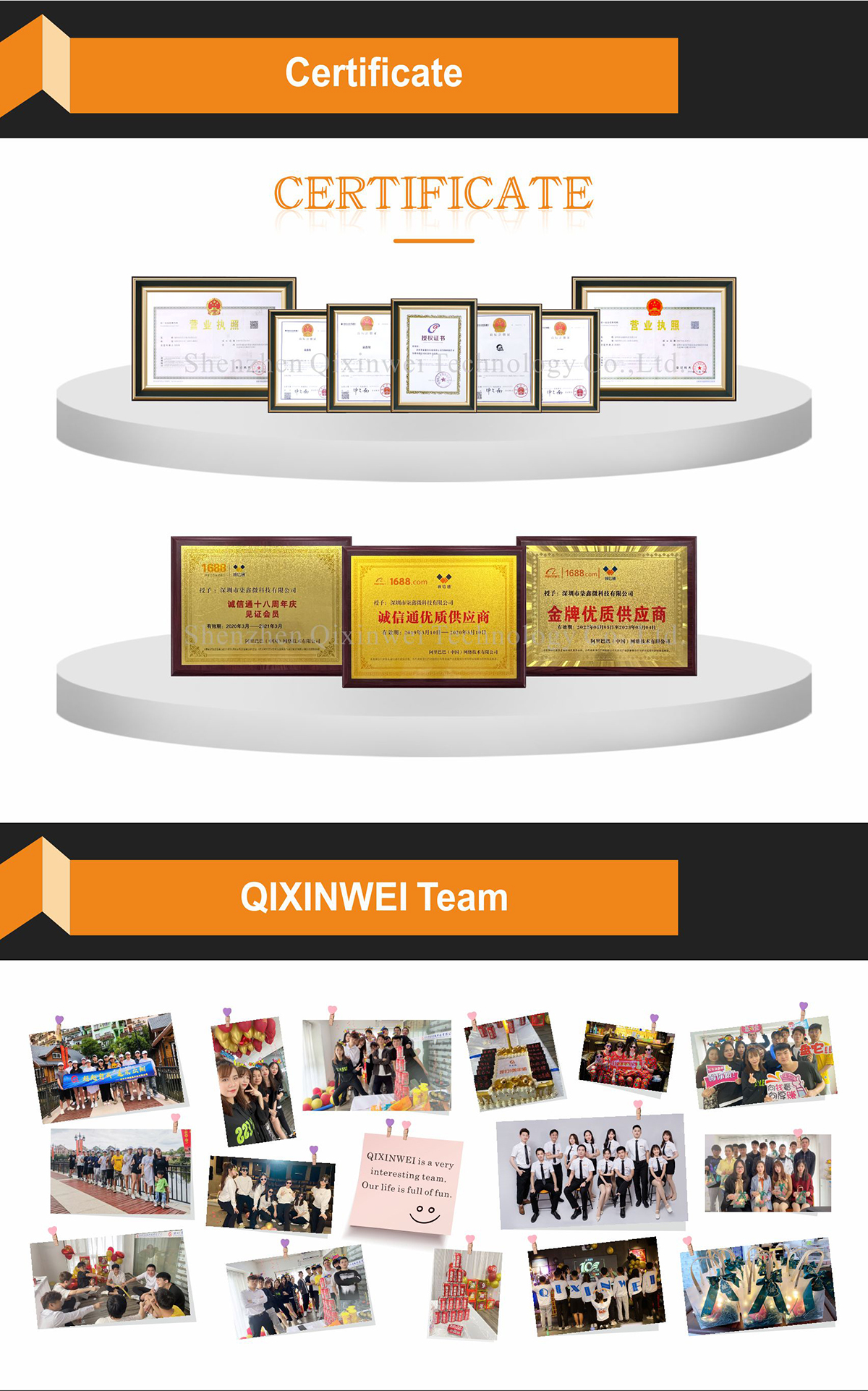
Years of experience in the electronics industry. Trusted by global customers.
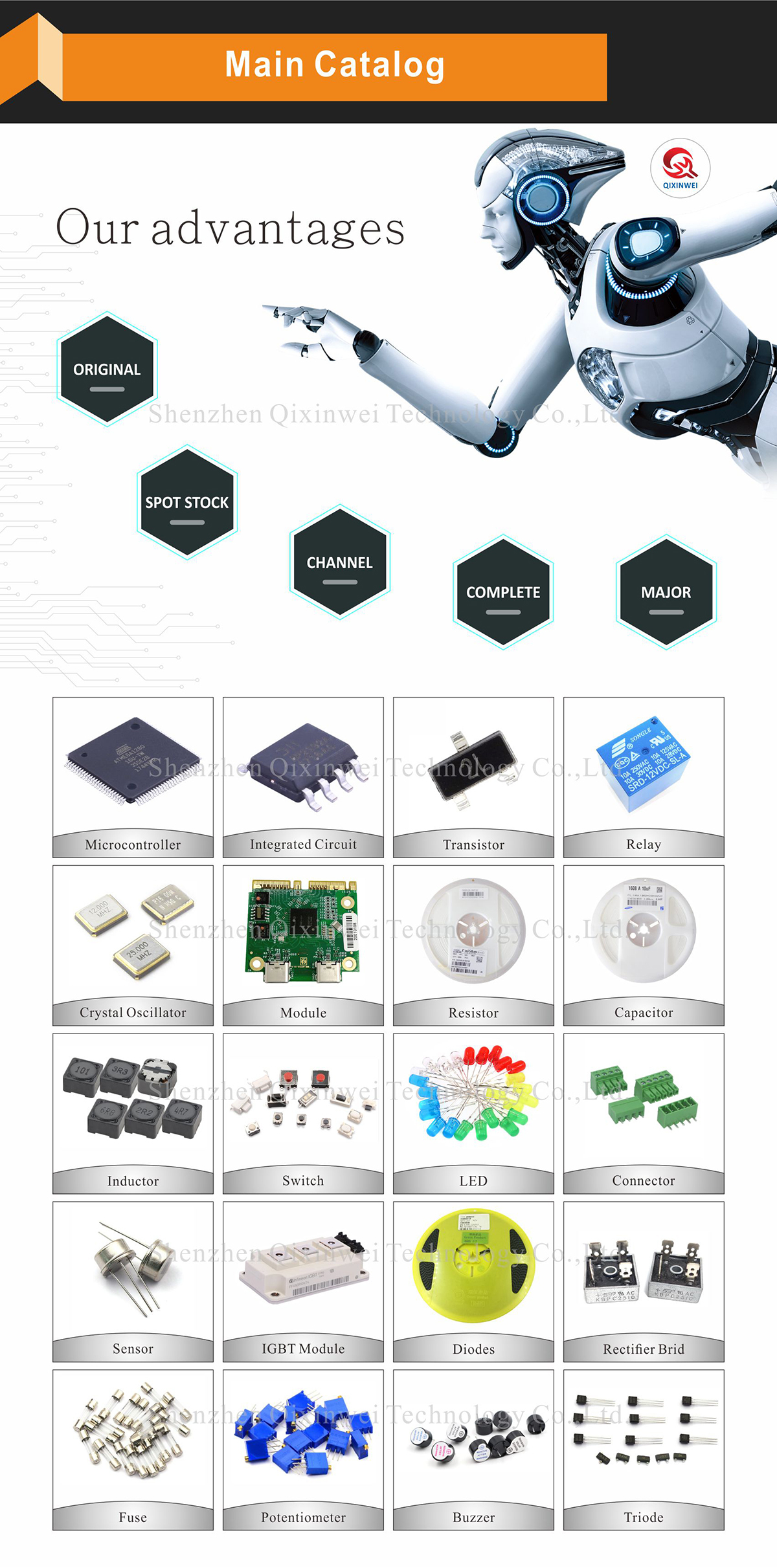
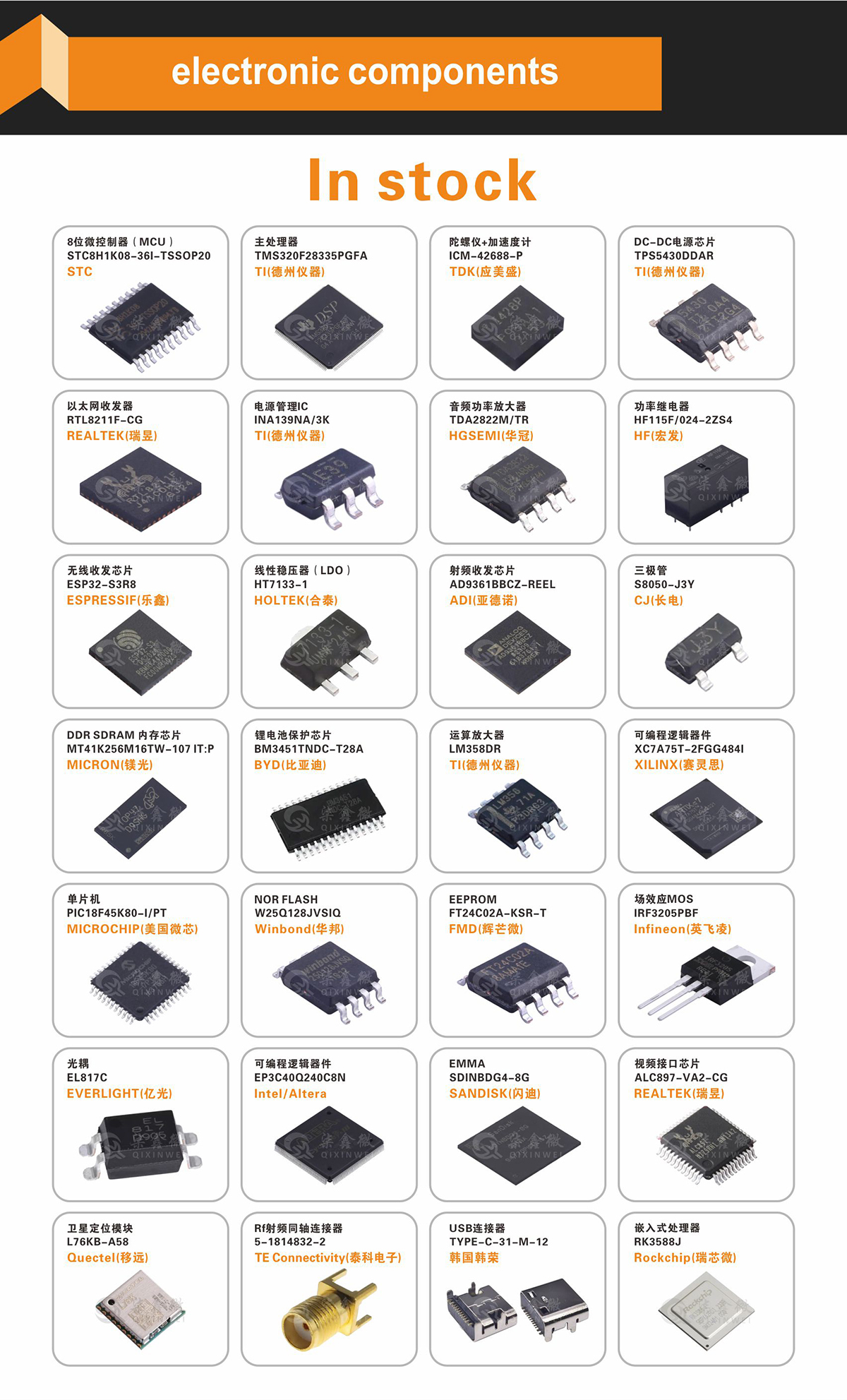
Massive In-Stock Inventory – Ready to ship promptly
BOM Matching Service – One-stop solution, save time
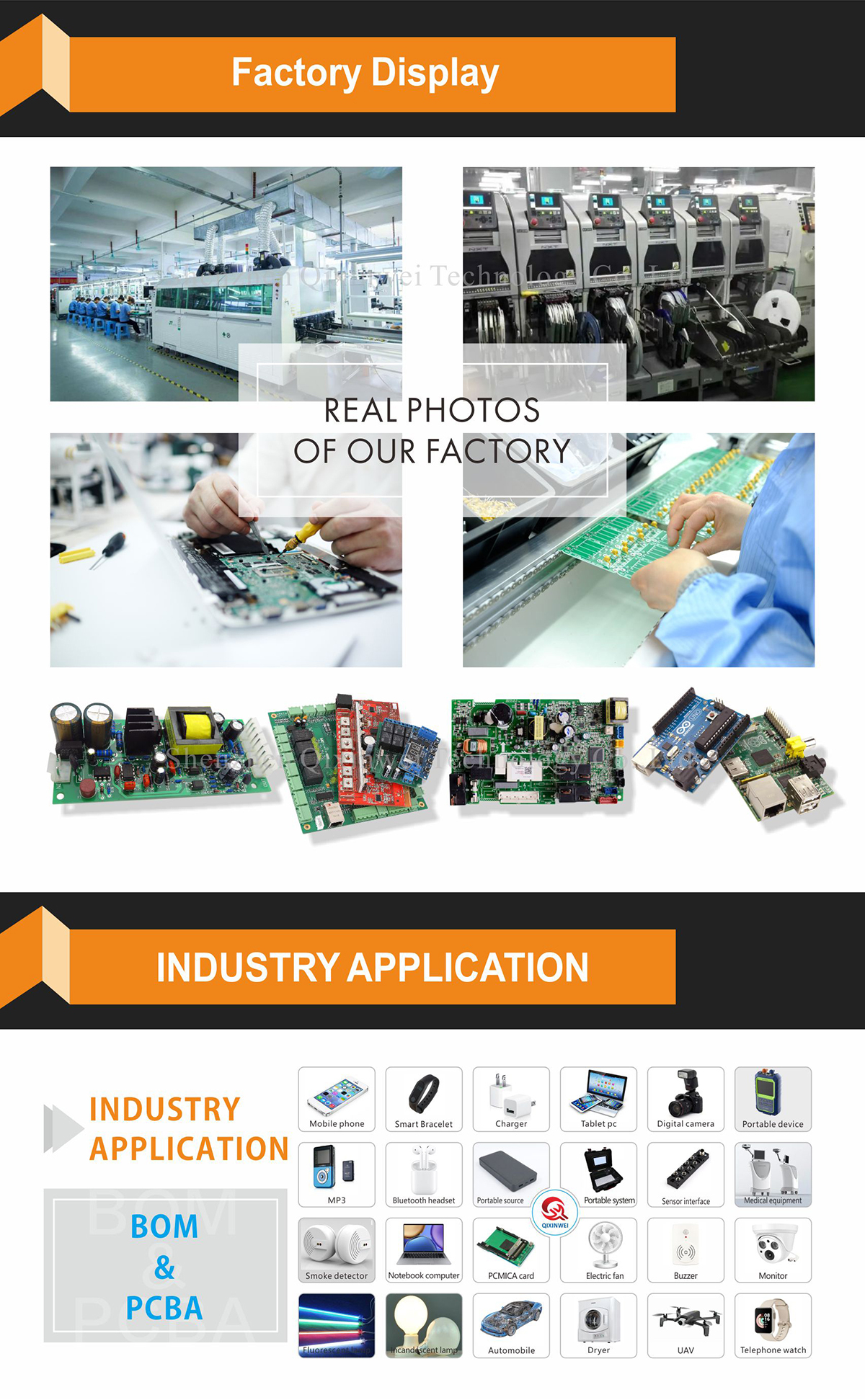
PCBA Customization – Professional engineering team creates tailor-made solutions based on your needs
Cost-Effective & Efficient – Better channel, better cost
A dedicated team makes your procurement smoother.
Contact us for BOM quotes or PCBA inquiries





FAQ:
What is the STM8L151R6T6 and its key specifications?
The STM8L151R6T6 is an ultra‑low‑power 8‑bit microcontroller from STMicroelectronics based on the STM8L core at up to 16 MHz. It provides 32 KB of Flash program memory, 2 KB of SRAM, and 1 KB of true data EEPROM. Key peripherals include a 12‑bit ADC (up to 25 external channels), a 12‑bit DAC, DMA, RTC with calendar, AES‑128 hardware encryption, and communication interfaces: USART, SPI, I2C. Housed in an LQFP‑64 package, it provides up to 54 I/O pins and operates over ‑40 °C to +85 °C. It is a cost‑optimized member of the STM8L family, designed for battery‑powered, security‑aware devices that do not require an LCD display.How does the STM8L151R6T6 differ from the STM8L151R8T6?
The main difference is the memory size. The R8T6 offers 64 KB Flash, 4 KB SRAM, and 2 KB EEPROM, while the R6T6 provides 32 KB Flash, 2 KB SRAM, and 1 KB EEPROM. Both share the same peripherals (12‑bit ADC/DAC, DMA, RTC, AES), have no LCD controller, and use the same LQFP‑64 package with 54 I/O pins. If your firmware fits comfortably within 32 KB and 2 KB RAM, the R6T6 is a more cost‑effective solution; choose the R8T6 when you need extra code space or larger data buffers.What is the difference between STM8L151R6T6 and STM8L152R6T6?
The only significant difference is the LCD controller. The STM8L151R6T6 does not have an LCD driver, while the STM8L152R6T6 integrates a hardware LCD controller capable of driving up to 4 commons × 28 segments. Both MCUs share the same memory (32 KB Flash, 2 KB SRAM, 1 KB EEPROM), analog peripherals (12‑bit ADC/DAC), DMA, RTC, and AES. Choose the L151 when no display is needed; it is a slightly more economical choice that delivers the same low‑power and analog performance.What ultra‑low‑power modes does the STM8L151R6T6 offer?
This MCU is designed for battery‑powered applications. In Run mode at 1 MHz, the current is about 195 µA. It drops to 5.1 µA in Low‑power run mode. Active‑halt mode with the RTC running draws only 1.0 µA, and full Halt mode consumes 0.35 µA (typical). The fast wake‑up from these modes makes the chip perfect for coin‑cell‑powered sensors and meters that must run for years on a single battery.Can the STM8L151R6T6 drive a brushless DC motor?
No. The STM8L151R6T6 does not include an advanced‑control timer (such as TIM1) with complementary PWM outputs and dead‑time insertion. It provides general‑purpose timers (TIM2, TIM3, TIM4) that can generate standard PWM signals for DC motor speed control, servo driving, or LED dimming. For three‑phase BLDC motor control, an external gate driver with built‑in dead‑time is required, or you can switch to an STM8S/STM32 series MCU with a motor‑control timer.What are the ADC and DAC specifications of the STM8L151R6T6?
The MCU features a 12‑bit successive‑approximation ADC with up to 25 external analog input channels (in the LQFP‑64 package) and an internal temperature sensor. The separate 12‑bit DAC provides a buffered analog voltage output for generating control voltages, audio waveforms, or reference signals. The ADC can be triggered by a timer, and together with the DMA unit, it supports high‑speed data acquisition with very low CPU overhead.How much memory does the STM8L151R6T6 have?
It provides 32 KB of Flash program memory, 2 KB of SRAM, and 1 KB of true data EEPROM. The EEPROM offers high‑endurance storage for calibration constants or user settings without wearing out the Flash. With 32 KB of code space, you can comfortably fit communication stacks, AES encryption routines, and application logic for mid‑complexity tasks.What package does the STM8L151R6T6 use and how many I/O pins are there?
It comes in an LQFP‑64 package (10 mm × 10 mm, 0.5 mm lead pitch) and provides up to 54 general‑purpose I/O pins. This large I/O count makes the chip well‑suited for sensor‑intensive applications, multi‑channel data loggers, and systems that need multiple communication ports.What is the supply voltage range of the STM8L151R6T6? Can it be powered by a coin cell?
The operating voltage is 1.8 V to 3.6 V, which is ideal for single‑cell CR2032 coin‑cell batteries or two alkaline AAA cells. The MCU includes a low‑voltage reset (BOR) with programmable thresholds to ensure safe operation as the battery discharges. Note that 5 V is not supported; if 5 V components are present, a voltage regulator is required.How to program and debug the STM8L151R6T6? What are its typical applications?
Programming and debugging use the single‑wire SWIM interface, with a low‑cost ST‑LINK/V2 as the standard tool. Firmware can be developed with STVD + Cosmic C or the open‑source SDCC compiler, and ST provides the STM8L15x standard peripheral library. Typical applications include battery‑operated utility meters (gas/water/heat), portable medical devices, industrial wireless sensors, and secure IoT endpoints that require years of battery life, a rich analog front‑end, and AES encryption without a display.
- Product Type:
- Ultra-low-power 8-bit MCU
- Brand:
- STMicroelectronics
- Series:
- STM8L EnergyLite
- Core:
- STM8 16MHz (16 MIPS)
- Package:
- LQFP-64 (10×10mm)
- Memory:
- 32KB Flash, 2KB RAM, 1KB EEPROM
- Analog:
- 12-bit ADC (28ch), Dual 12-bit DAC, Dual comparators
- Interfaces:
- SPI, I2C, USART
- Voltage:
- 1.8V~3.6V
- Temperature:
- -40°C~85°C