qixinwei-pcba


V853 Allwinner AI Vision Processor Triple-Core Heterogeneous Cortex-A7+RISC-V+1T NPU LFBGA-318 22nm 5M Codec
V853 Product Overview
The V853 is a next‑generation, high‑performance, low‑power AI vision processor SoC from Allwinner Technology, manufactured on an advanced 22nm process and packaged in LFBGA-318 (14×14mm, 0.5mm ball pitch, 0.28mm ball diameter). The chip features an innovative triple‑core heterogeneous architecture integrating a single‑core ARM Cortex-A7 main processor (1.2GHz), a XuanTie E907 RISC‑V coprocessor (600MHz), and a 1 TOPS AI NPU (0.8 TOPS for V853S version). The V853 also incorporates Allwinner's next‑generation high‑performance ISP and Smart video engine, supporting up to 5M@30fps H.265/H.264 hardware encoding/decoding, along with 4‑lane MIPI‑CSI/DVP camera interfaces and MIPI‑DSI/RGB display interfaces. The chip supports 16‑bit DDR3/DDR3L memory up to 1GB. The V853 is widely used in AI vision applications such as smart locks, intelligent access control, AI IP cameras, dash recorders, and smart desk lamps.
V853 Core Features
Triple‑Core Heterogeneous AI Architecture (ARM+RISC‑V+NPU): The V853 combines an ARM Cortex-A7 main core (1.2GHz), a XuanTie E907 RISC‑V coprocessor (600MHz), and an AI NPU. The ARM core runs Tina Linux for application development, the RISC‑V core handles sensor tasks with Melis RTOS for real‑time response, and the NPU accelerates vision detection and recognition by up to 20× compared to traditional CPU processing.
1 TOPS NPU for Edge AI Acceleration: Built‑in NPU delivering up to 1 TOPS with 128KB internal cache, supporting INT8/INT16 mixed precision and mainstream frameworks (TensorFlow, Caffe, TFLite, PyTorch, ONNX).
Next‑Generation ISP Image Processor: 5M@30fps processing capability, up to 3072×3072 resolution. Supports adjustable 3A (AE, AWB, AF), DOL WDR, and low‑light enhancement for clear, smear‑free images in challenging lighting conditions.
Professional Video Codec Engine: H.265/H.264 hardware encoding/decoding, up to 5M@25fps multi‑stream real‑time encoding, plus 4K@20fps (3840×2160) encoding. JPEG encoding at 1080p@60fps.
Rich Video I/O Interfaces: Input: 4‑lane MIPI‑CSI (configurable as 2×2‑lane), 8/10/12/16‑bit parallel DVP CSI (BT.601/BT.656/BT.1120). Output: 4‑lane MIPI DSI and RGB parallel LCD, supporting dual‑screen independent display.
Allwinner Fast System & Small Memory Technology: Hardware‑software co‑design with enhanced inline path technology that reduces video processing memory usage and encoding latency by 40‑50%. Optional ultra‑compact package with 64MB integrated DDR enables 100ms sensor startup, 200ms first frame capture, and full cold‑start + recording + AI detection within 700ms.
Rich Industrial & Communication Interfaces: 5× TWI/I²C, 4× UART, 4× SPI, 8× GPIO, 12‑channel PWM, 4× general‑purpose ADC, USB 2.0 DRD, SD 3.0/eMMC 5.1, SPI NOR/NAND Flash.
Ultra‑Low Power Design: 22nm process, only 20mW per 100 Gflops. Typical 3K AI vision solution consumes less than 500mW. With the XR806 Wi‑Fi chip, a 2500mAh battery can power a video doorbell for over six months without recharging.
LFBGA‑318 Industrial‑Grade Package: 14×14mm, 0.5mm ball pitch, -40℃ to +85℃ operating temperature range, fan‑less design support.
Comprehensive Security System: AES/DES/3DES hardware encryption, TrustZone, and Secure Boot.
V853 Applications
AI IP cameras / smart surveillance, smart locks / access control, intelligent dash recorders, smart desk lamps / educational devices, smart home vision products, edge AI computing devices, industrial vision inspection, consumer electronics and robots.
V853 Key Advantages
Triple‑core heterogeneous AI architecture breaks edge‑intelligence bottlenecks
1 TOPS NPU enables edge AI, delivering up to 20× higher frame rates for detection/recognition than CPU‑only solutions
Next‑gen ISP delivers professional‑grade image quality
Industry‑leading video codec efficiency (4K H.265 encoding)
Allwinner Fast System enables millisecond‑level cold boot
Enhanced inline path technology saves memory bandwidth
Ultra‑low power design ideal for battery‑powered applications
Flexible multi‑camera input support
Rich interfaces simplify system design
Complete software ecosystem with open‑source support
Why Choose QIXINWEI
Years of experience in the electronics industry. Trusted by global customers.
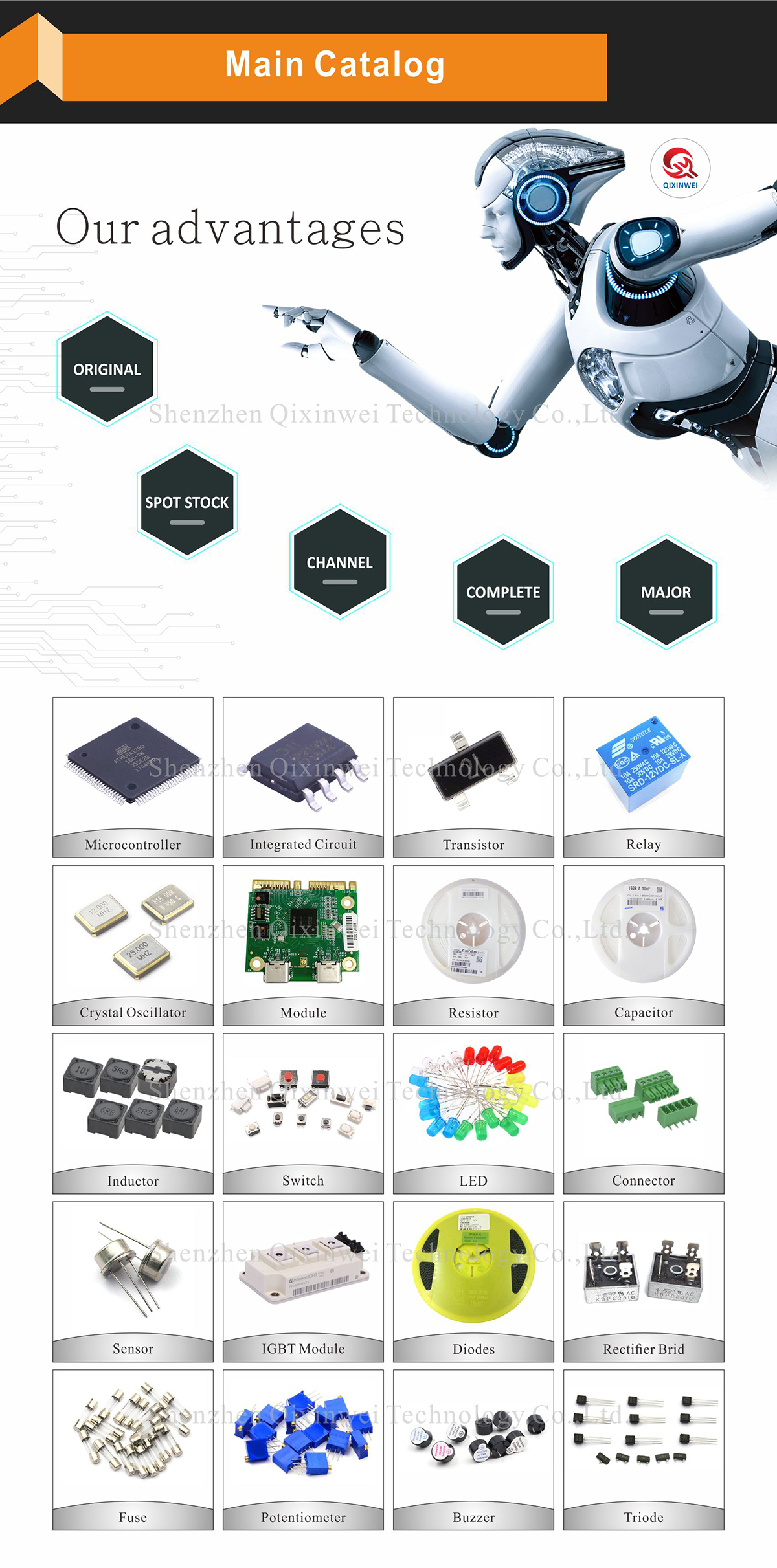
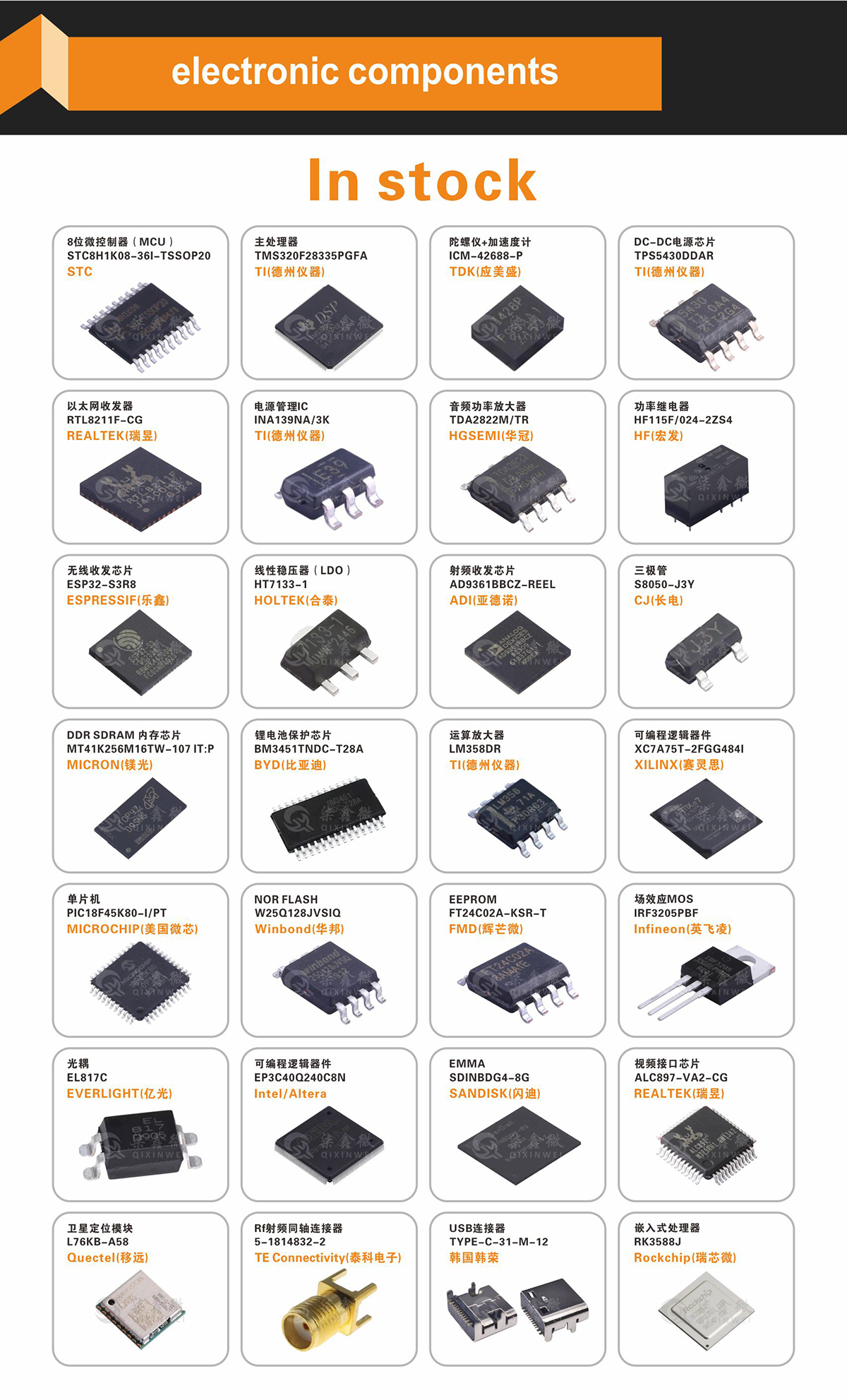
Massive In-Stock Inventory – Ready to ship promptly
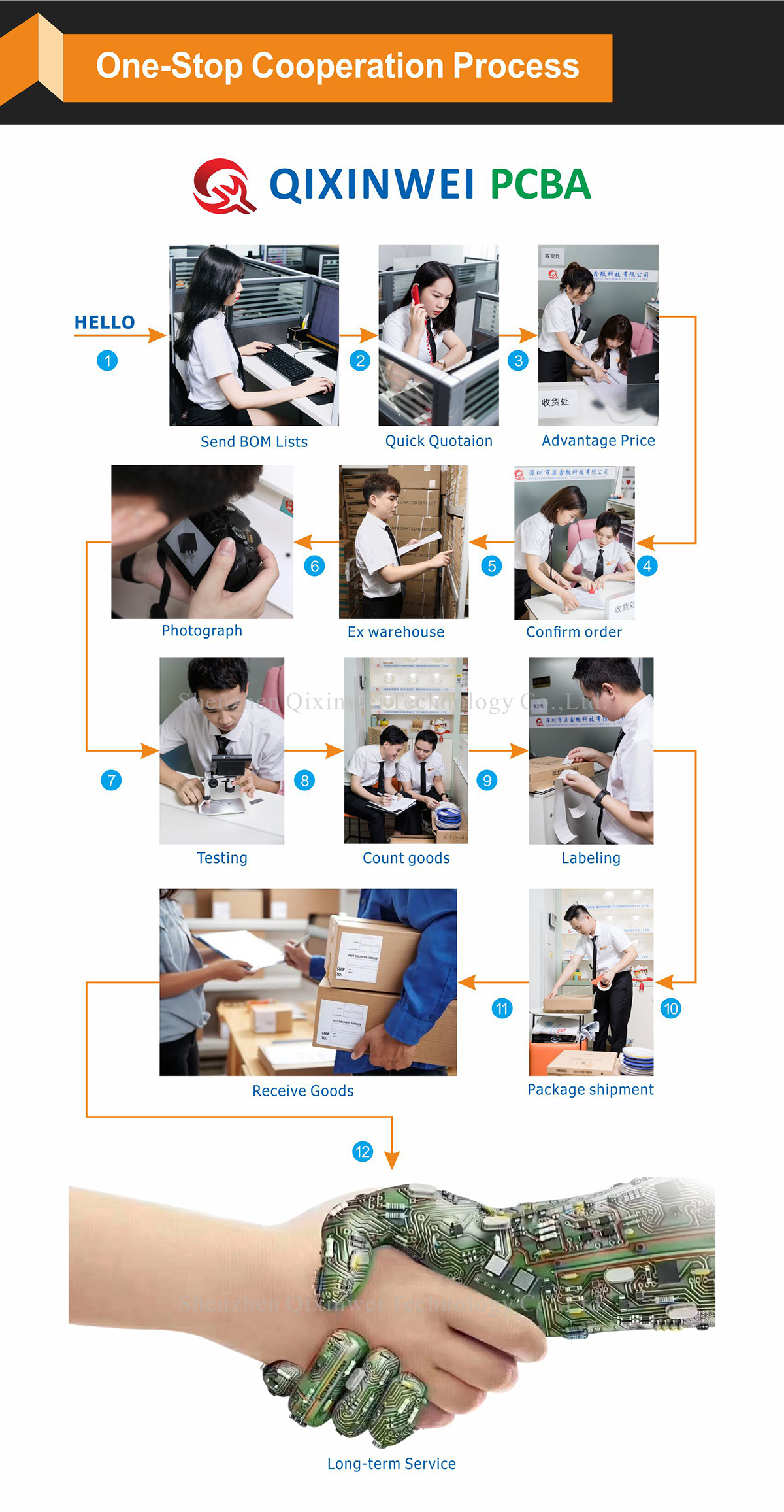
BOM Matching Service – One-stop solution, save time
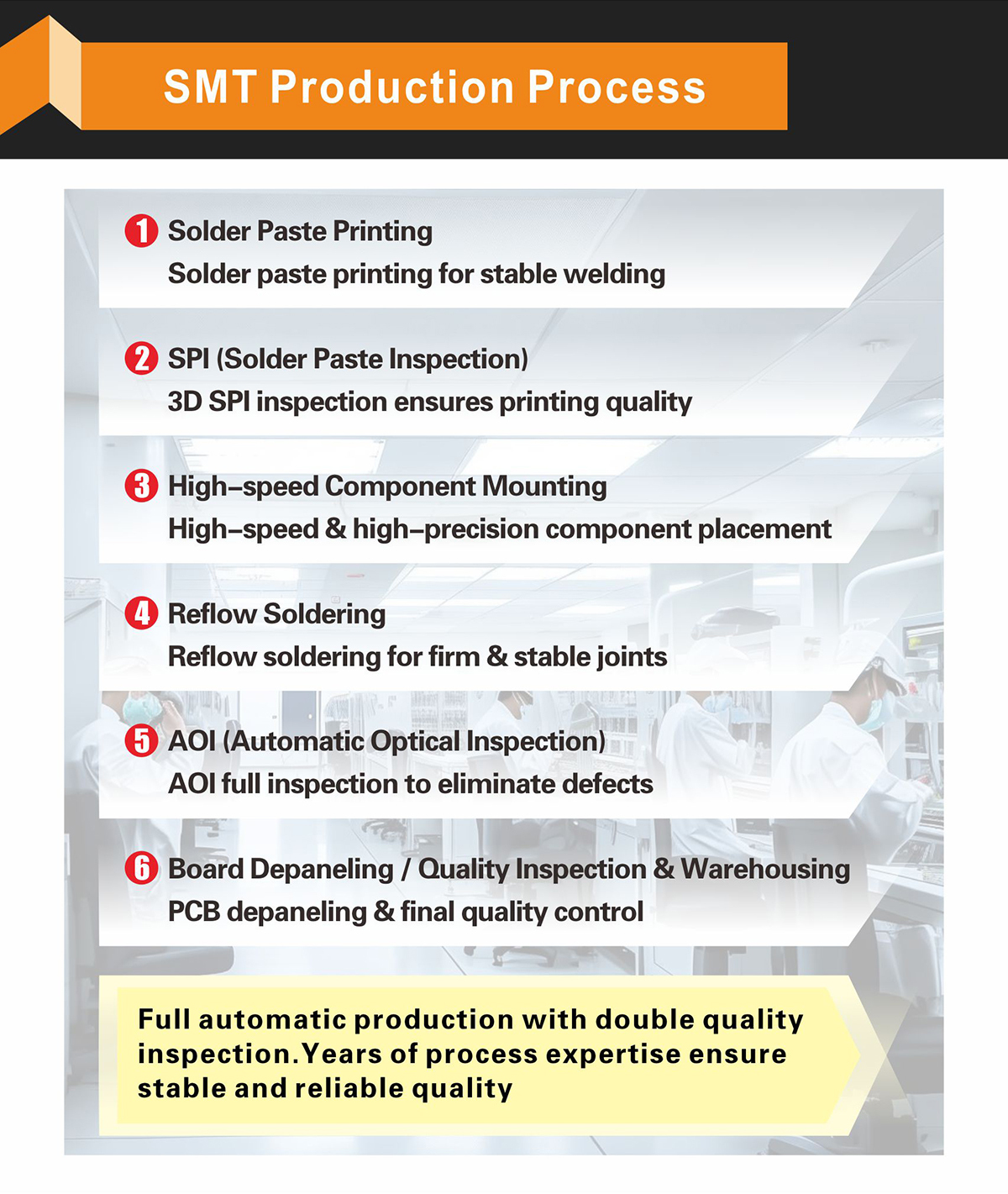
PCBA Customization – Professional engineering team creates tailor-made solutions based on your needs
Cost-Effective & Efficient – Better channel, better cost
A dedicated team makes your procurement smoother.
Contact us for BOM quotes or PCBA inquiries







FAQ:
What is the Allwinner V853 and what are its core specifications?
The Allwinner V853 is a smart vision processor built on a triple‑core heterogeneous architecture: a single Arm Cortex‑A7 running at up to 1.2 GHz for Linux and application tasks, a RISC‑V co‑processor for always‑on low‑power sensor management, and a 1 TOPS Neural Processing Unit (NPU) for AI inference. It integrates a 5‑megapixel Image Signal Processor (ISP), a hardware H.264/H.265 video encoder, and a comprehensive set of camera and display interfaces, all fabricated on an advanced 22 nm process and housed in an LFBGA‑318 package. This combination delivers high AI performance, excellent image quality, and low power consumption for a new generation of intelligent camera products.Why does the V853 use a triple‑core heterogeneous architecture? What are the benefits of having Cortex‑A7, RISC‑V, and an NPU on one chip?
The three cores are optimized for different tasks. The Cortex‑A7 runs the Linux operating system, network stacks, and application logic. The RISC‑V co‑processor handles always‑on functions such as motion detection, sensor polling, and ultra‑low‑power standby, waking the A7 only when necessary. The 1 TOPS NPU accelerates neural‑network inference for real‑time vision tasks—face detection, object recognition, human tracking—without loading the CPU. This architecture enables battery‑powered smart cameras and video doorbells to stay in a sub‑milliwatt sleep state while still monitoring for events, dramatically extending battery life.What can the 1 TOPS NPU do? Is it sufficient for real‑time AI vision?
The 1 TOPS NPU supports INT8 and INT16 quantization and can efficiently run convolutional neural networks such as MobileNet‑v1/v2, YOLO‑tiny, and customized lightweight models. It can process a 2‑megapixel video stream at 30 frames per second for real‑time object detection, or multiple lower‑resolution streams for multi‑camera analytics. The NPU operates independently of the CPU and RISC‑V core, so AI inference runs in parallel with video encoding and network communication. This makes the V853 capable of performing on‑device AI tasks that previously required a separate edge‑computing module.How does the V853 compare to the Allwinner V833 or V536‑H? When should I choose the V853?
The V833 is a single‑core Cortex‑A7 with a 0.5 TOPS NPU and 5‑MP encoding, while the V536‑H is a dual‑core Cortex‑A7 with a next‑generation ISP and 4K encoding but no dedicated NPU. The V853 is the most advanced AI‑vision chip in the lineup: it combines a 1 TOPS NPU with a 22 nm process for superior performance‑per‑watt, adds the RISC‑V co‑processor for always‑on low‑power operation, and includes a high‑quality 5‑MP ISP. Choose the V853 when your product needs strong on‑device AI inference with extremely low standby power—ideal for battery‑powered smart doorbells, AI dashcams, and intelligent surveillance cameras. The V833 is a more cost‑sensitive option for basic AI cameras, while the V536‑H focuses on 4K video quality without AI acceleration.What video encoding and ISP capabilities does the V853 offer?
The V853 integrates a hardware video encoder supporting H.264 and H.265 (HEVC) up to 5‑megapixel resolution at 30 fps, enabling efficient local recording and network streaming. Its 5‑MP ISP supports multi‑frame HDR, 3D noise reduction, lens shading correction, and defective‑pixel correction. The ISP can process data from MIPI CSI image sensors and deliver clean, color‑accurate images for both AI analysis and video recording simultaneously. The chip can also generate dual streams—a high‑resolution main stream and a lower‑resolution sub‑stream—for simultaneous local storage and remote preview.How does the RISC‑V co‑processor improve power efficiency? Can the V853 run on batteries?
The RISC‑V core is designed to remain active while the Cortex‑A7 and NPU are powered down. It can monitor a PIR sensor, microphone, or accelerometer, and wake the main processor only when a valid event is detected. In this deep‑sleep state, the V853 draws less than 1 mW, enabling months of operation on a small Li‑ion battery pack. Combined with the 22 nm low‑power process, the V853 is an ideal platform for wire‑free smart cameras, wildlife cameras, and portable AI inspection tools where every milliwatt matters.What memory configuration does the V853 support, and is external DDR required?
The V853 requires external DDR memory—it does not have on‑chip DRAM. It supports DDR3, DDR3L, LPDDR3, and DDR4 memory, typically configured with 512 MB or 1 GB. This flexibility allows designers to choose the most suitable memory for their application’s cost and bandwidth needs. The chip also supports eMMC, SD card, and SPI NOR/NAND Flash for storage, enabling fast boot and reliable storage for AI models and video data.Can the V853 run Linux? What AI development tools and SDK are available?
Yes, the V853 fully supports Linux. Allwinner provides an SDK based on Tina Linux (OpenWrt), including U‑Boot, the Linux kernel with drivers for the NPU, ISP, and video codec, and a cross‑compilation toolchain. The NPU is supported by the Allwinner NPU‑Toolkit, which converts models from TensorFlow, PyTorch, ONNX, and Caffe. Popular inference frameworks such as TensorFlow Lite, NCNN, and MNN are also supported, allowing developers to quickly deploy pre‑trained models and build edge‑intelligence applications.What are the most typical applications for the Allwinner V853 AI vision processor?
It is used in battery‑powered smart doorbells, AI dashcams, intelligent surveillance cameras, retail analytics sensors, license‑plate recognition systems, and portable industrial inspection tools. Any vision product that requires on‑device AI inferencing, high‑quality video encoding, and the ability to stay asleep while monitoring for events is a strong fit for the V853. Its heterogeneous architecture and 22 nm process deliver a unique combination of performance and battery life that is hard to achieve with single‑core or dual‑core alternatives.What is the advantage of the 22 nm process for the V853?
The 22 nm process provides significantly better transistor density and lower leakage current compared to the older 28 nm or 40 nm nodes used in many competing vision processors. This results in higher operating frequencies at lower voltages, meaning the V853 can run AI inference faster while generating less heat. The improved efficiency directly translates into longer battery life for portable devices and allows fanless, sealed‑enclosure designs for outdoor cameras. The advanced process also enables the integration of three heterogeneous cores and a high‑performance ISP within a compact LFBGA‑318 package.
- Product Type:
- AI Vision Processor SoC
- Brand:
- Allwinner
- Package Type:
- LFBGA-318
- Process Technology:
- 22nm
- CPU Core:
- ARM Cortex-A7 @ 1.2GHz
- Co‑Processor:
- XuanTie E907 RISC-V @ 600MHz
- NPU Performance:
- 1 TOPS (INT8/INT16 mixed precision), 128KB internal buffer
- ISP Performance:
- 5M@30fps, up to 3072×3072 resolution
- Operating Temperature:
- -40°C to +85°C
- Applications:
- AI IP cameras, Smart door locks, Dash recorders, Smart desk lamps, Industrial vision inspection