qixinwei-pcba


V3LP Allwinner Low Power Processor ARM Cortex-A7@1.2GHz Integrated 64MB DDR2 Dual Camera H.264 Codec LQFP-128
V3LP Product Overview
The V3LP is Allwinner Technology‘s cost‑effective SoC for entry‑level 1080P video, low power, dual‑camera, and high‑value scenarios. It is a low‑power, pin‑to‑pin compatible upgrade of the V3S. The chip features a single‑core ARM Cortex-A7 processor running at up to 1.2GHz, with 64MB of DDR2 memory integrated via SiP and a low‑voltage 1.5V DDR design, offering lower power consumption and easier memory sourcing than the V3S’s 1.8V DDR design. The V3LP supports dual‑camera input, an H.264 hardware codec engine (1080p@40fps encode / 1080p@30fps decode), a 5M pixel Hawkview ISP, and rich audio/video interfaces. Packaged in eLQFP-128 (14×14mm), it is fully pin‑compatible with the V3S. The V3LP is designed for dashcams, security IPCs, action cameras, video conferencing terminals, as well as industrial HMI and smart home display applications.
V3LP Core Features
ARM Cortex-A7 Single‑Core Processor: Single‑core ARM Cortex-A7 processor up to 1.2GHz, delivering solid computational performance with excellent power efficiency, capable of smoothly handling multitasking embedded applications
Integrated 64MB DDR2 with Low Voltage 1.5V: 64MB DDR2 SiP memory with a reduced DDR operating voltage from 1.8V (V3S) to 1.5V, resulting in significantly lower overall system power consumption. The integrated memory eliminates external DDR routing and procurement complexity, greatly simplifying PCB design for cost‑sensitive embedded products
Dual Camera Support & 5M ISP Image Processor: Supports dual‑camera input together with an integrated “Hawkview” ISP (up to 5M pixels). The ISP supports AE/AF/AWB, saturation adjustment, noise reduction, defect pixel correction, and distortion correction, delivering clear images even in challenging lighting conditions
H.264 Hardware Video Codec: H.264 VPU supports encoding at 1080p@40fps or 1080p@30fps + VGA@30fps dual‑stream, and decoding at 1080p@30fps for H.264 and MJPEG, making it ideal for high‑definition video recording in surveillance and automotive applications
Rich Video I/O Interfaces: Video input includes 8/10/12‑bit parallel CSI and 4‑lane MIPI CSI2; video output includes RGB/i80/LVDS LCD interfaces supporting resolutions up to 1024×768, offering flexible connectivity for various display modules
Comprehensive Audio Subsystem: High‑performance audio codec (92dB SNR) with 2 ADC channels and 2 DAC channels, including a low‑noise analog microphone bias output, a microphone input, and a stereo microphone output
Flexible Boot & Storage Interfaces: Supports booting from SD 2.0, eMMC 4.41, SPI NAND Flash, and SPI NOR Flash. Features 3 SD card controllers for flexible storage expansion
Rich Peripheral Interfaces: Includes LRADC, SPI, TWI/I²C, UART, PWM, USB 2.0 OTG, and integrated EMAC+PHY
eLQFP-128 Package with Pin Compatibility: eLQFP-128 package (14×14mm) is fully pin‑compatible with the V3S, allowing direct hardware replacement without PCB redesign. The exposed‑pin package simplifies SMT production and hand rework
Low Power Design: Designed for low power consumption, ideal for battery‑powered or heat‑sensitive portable devices
Camdroid OS Support: Supports Allwinner‘s lightweight Camdroid operating system, optimised for camera products with fast boot, small memory footprint, and real‑time performance; also compatible with Linux
V3LP Applications
Dashcams / Automotive Imaging: Main control for DVRs, streaming rearview mirrors, and ADAS systems – dual‑camera input captures both front and rear views, with H.264 encoding saving storage space
Security IPCs / Network Cameras: Entry‑level fixed cameras, PTZ cameras, Wi‑Fi IPCs – dual‑camera input enables multi‑angle monitoring, and the 5M ISP delivers clear images in low‑light conditions
Action Cameras / Wearable Cameras: Ideal for sports DVs, body cameras, helmet cameras – integrated 64MB DDR and compact eLQFP package facilitate small form factor designs
Video Conferencing Terminals: Processing core for entry‑level conference cameras and USB cameras, with H.264 hardware encoding reducing CPU load and optimising network transmission
Industrial HMI / Smart Home Displays: RGB/LVDS display driver and rich peripheral interfaces make it suitable for industrial touch panels, smart switch panels, and building intercom indoor units
Open Source Hardware & Maker Projects: Leverages the established open‑source community of the V3S (Armbian, Buildroot) – as a pin‑compatible upgrade, the V3LP can directly reuse existing resources
V3LP Key Advantages
Ideal Low‑Power Upgrade for V3S with Pin‑to‑Pin Compatibility: V3LP is a low‑power upgrade of the V3S with identical package and pin definitions – hardware engineers can replace it directly without PCB redesign, providing a smooth transition if V3S DDR2 becomes scarce or its price rises
1.5V Low‑Voltage DDR Significantly Reduces System Power: The integrated DDR voltage drops from 1.8V (V3S) to 1.5V (V3LP), reducing memory subsystem power consumption by approximately 17%, noticeably extending battery life and reducing heat generation in portable devices
Integrated 64MB DDR – Run Linux on 2‑Layer PCB: With 64MB DDR2 integrated, developers avoid complex external DDR routing, impedance matching, and EMI debugging – even 2‑layer PCBs can stably run Linux, dramatically lowering hardware barriers and costs
Dual Camera + 5M ISP for Professional Image Processing: Supports dual‑camera input with the Hawkview ISP handling up to 5M pixel images, with AE/AF/AWB and 3D noise reduction algorithms, delivering clear images in low light and backlit conditions
H.264 Hardware Codec + Dual‑Stream Encoding: Supports 1080p@40fps single‑stream encoding or dual‑stream encoding (1080p@30fps main + VGA@30fps sub). Stores high‑definition recordings while streaming low‑bandwidth preview streams – ideal for IP cameras and dashcams
eLQFP Package Lowers Manufacturing Costs: Exposed‑pin eLQFP-128 requires no X‑ray inspection – standard reflow soldering works, and hand rework is feasible, lowering SMT requirements and improving yield, especially for small‑to‑medium volume production
Rich Display Interfaces for Diverse Needs: RGB and LVDS LCD interfaces support resolutions up to 1024×768, flexibly adapting to industrial and TFT display modules
Camdroid + Linux Dual‑System Options: Supports both Allwinner‘s custom Camdroid camera OS and Linux (Buildroot, OpenWrt), offering flexible choices from lightweight RTOS to full‑featured Linux
Mature Open‑Source Ecosystem: The V3S already has robust third‑party system images (Armbian, Buildroot), extensive driver resources, and numerous development board cases. The V3LP, as a pin‑compatible and software‑compatible upgrade, can directly leverage this existing ecosystem
Why Choose QIXINWEI
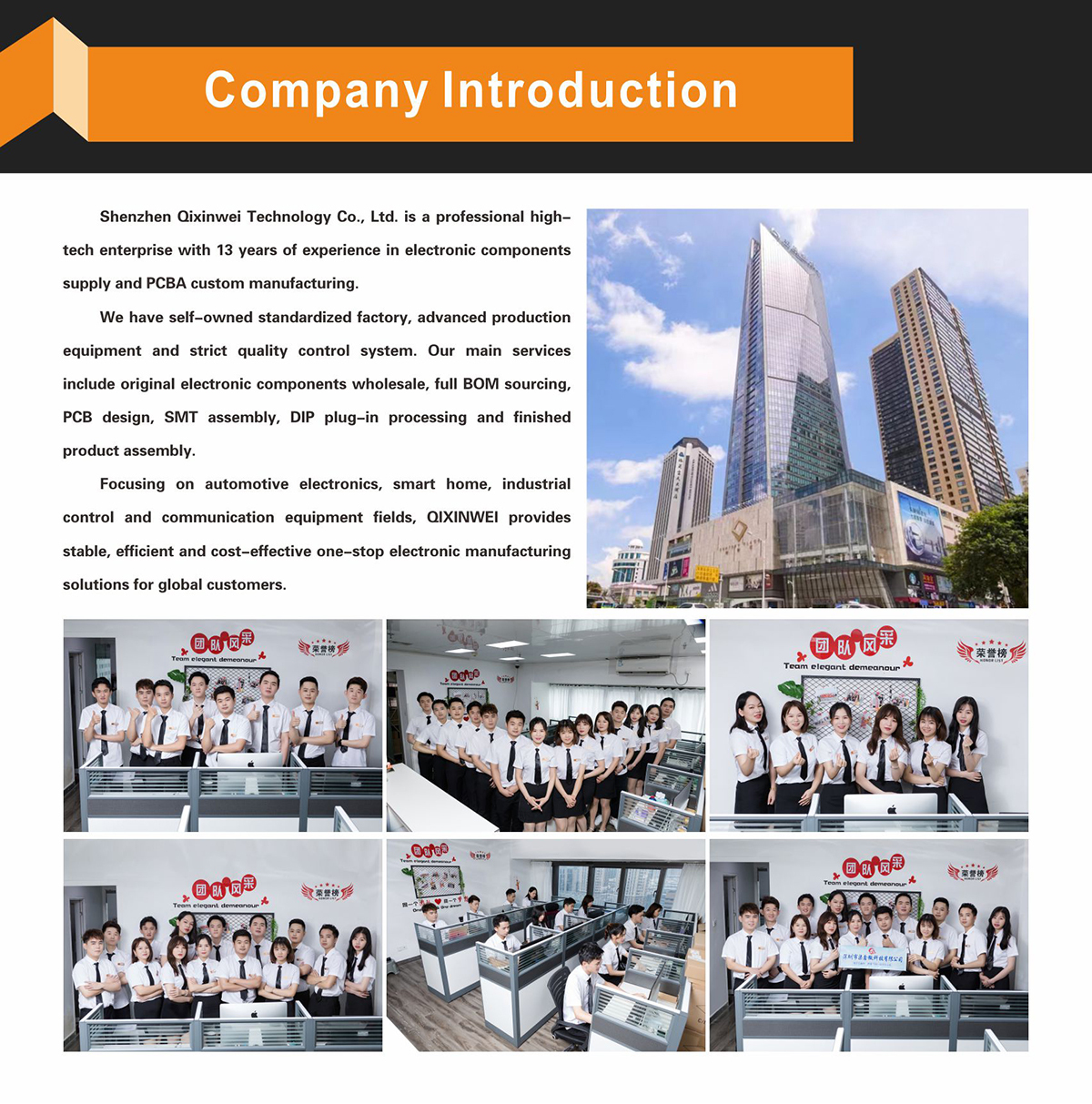
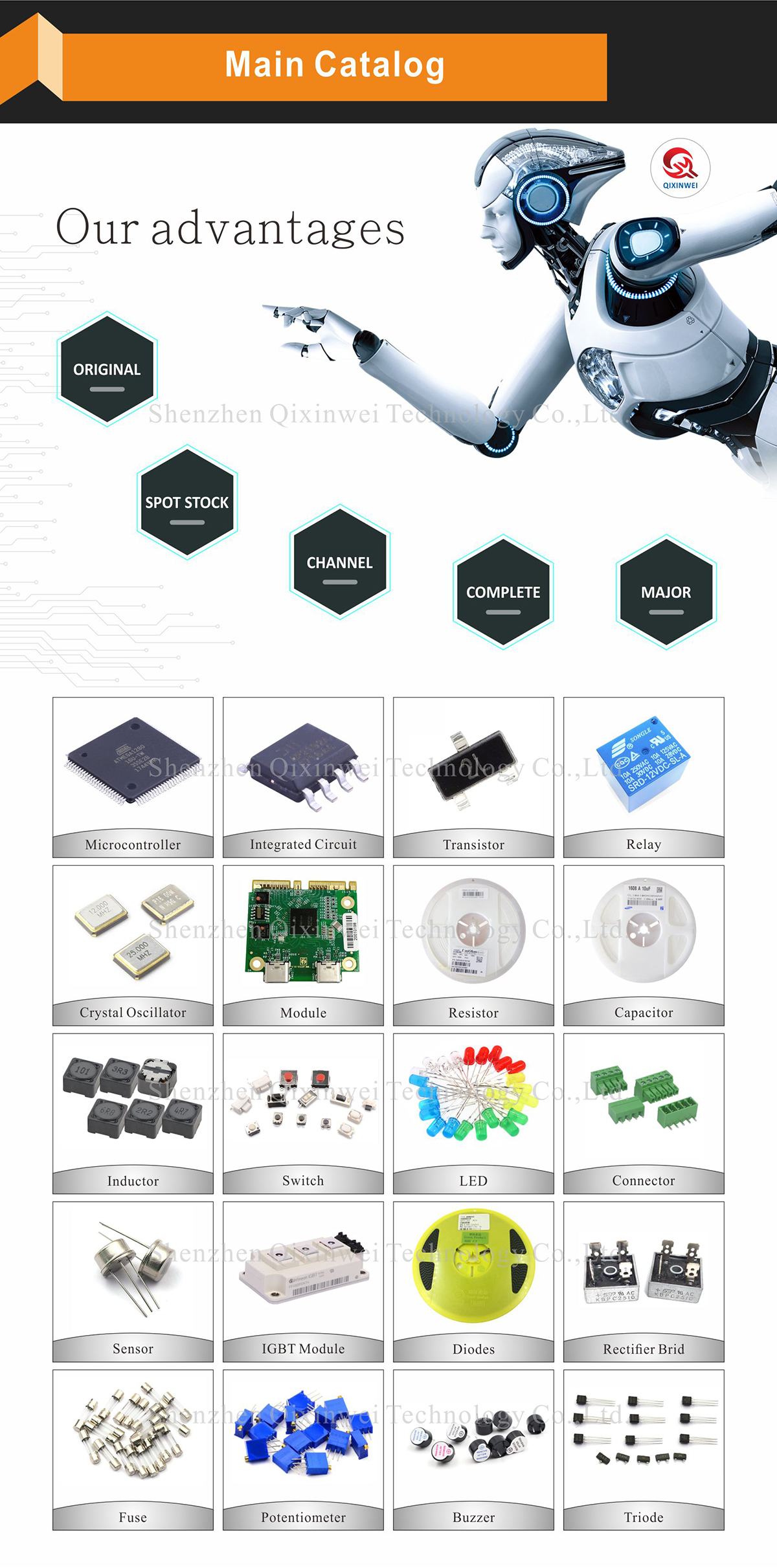
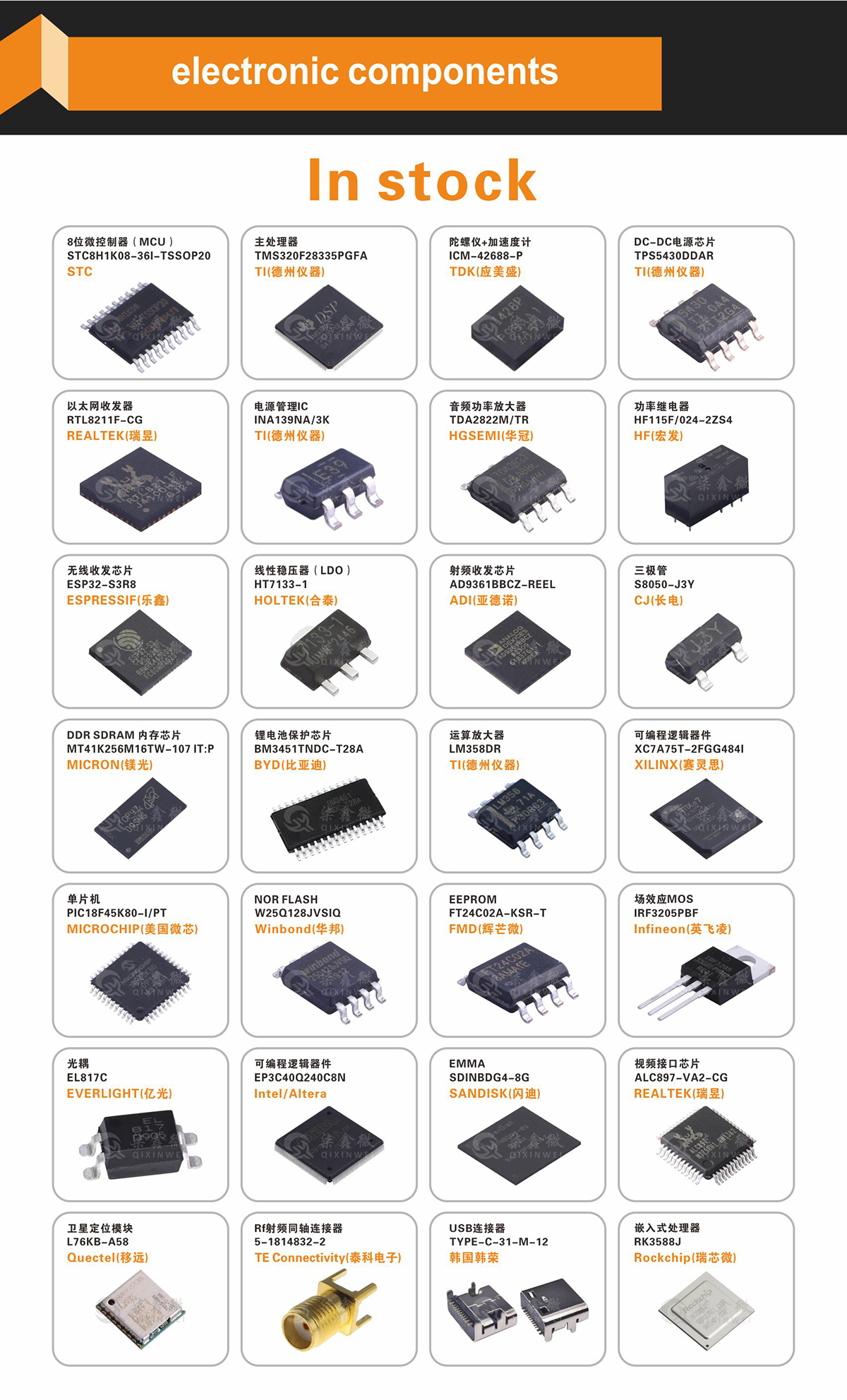
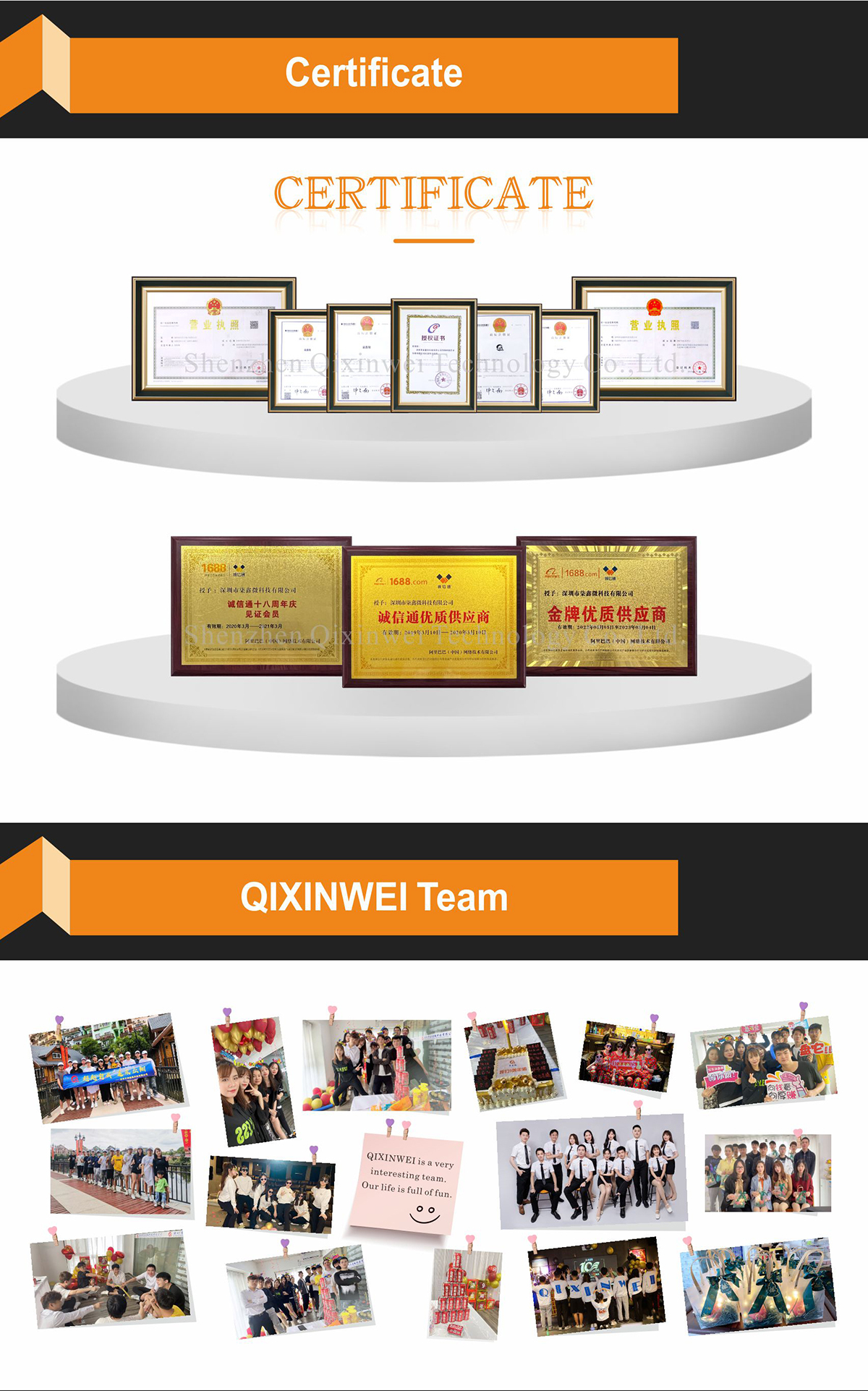
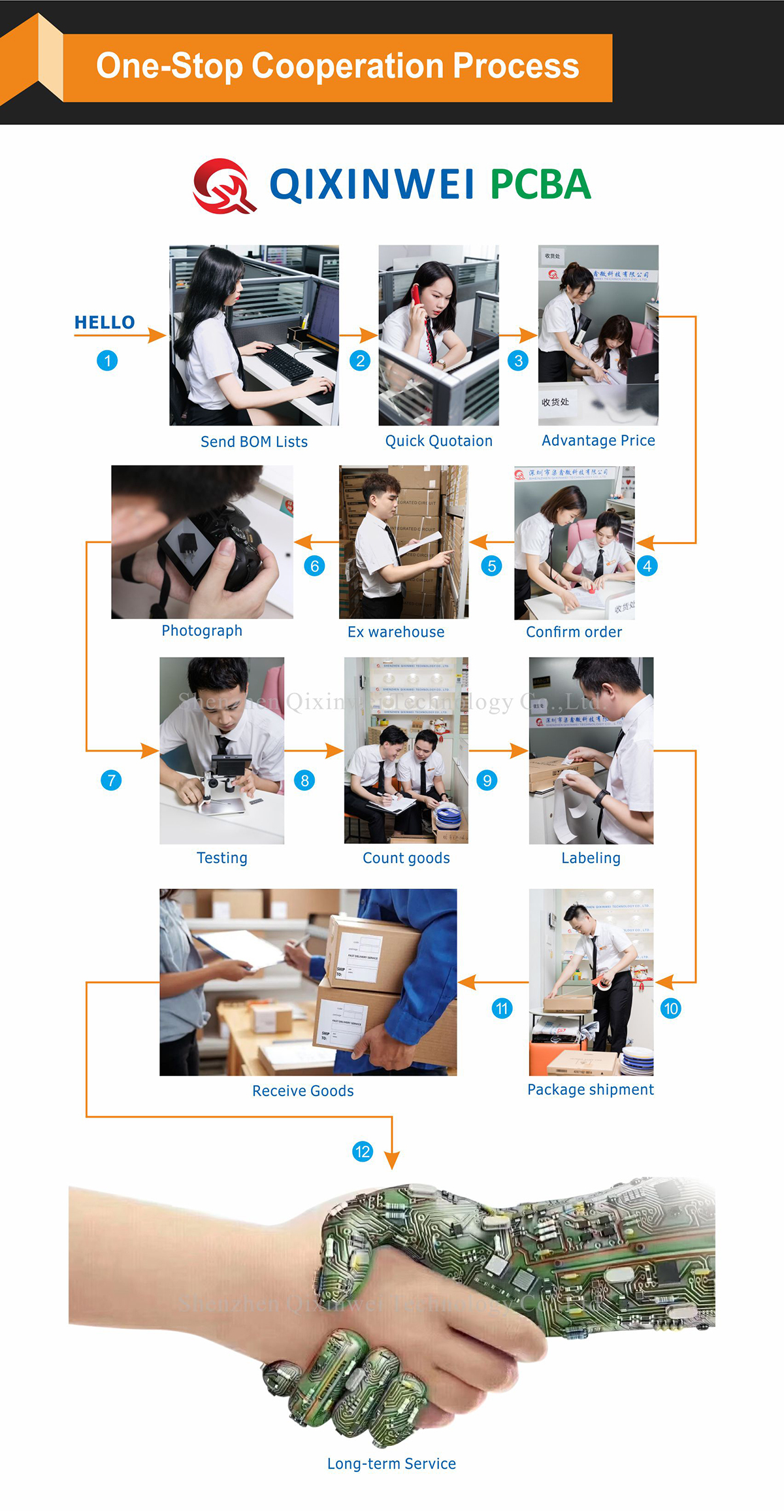
Years of experience in the electronics industry. Trusted by global customers. Massive In-Stock Inventory – Ready to ship promptly. BOM Matching Service – One-stop solution, save time. PCBA Customization – Professional engineering team creates tailor-made solutions based on your needs. Cost-Effective & Efficient – Better channel, better cost. A dedicated team makes your procurement smoother. Contact us for BOM quotes or PCBA inquiries.




FAQ:
What is the Allwinner V3LP and what are its core specifications?
The Allwinner V3LP is a low‑power camera processor featuring a single Arm Cortex‑A7 core running at up to 1.2 GHz. It integrates 64 MB of on‑chip DDR2 memory, a hardware H.264 encoder, and dual‑camera interface support—all in a hand‑solderable LQFP‑128 package. Designed specifically for battery‑powered smart cameras, video doorbells, and portable recording devices, the V3LP delivers efficient video encoding with extremely low power consumption, eliminating the need for external DRAM and complex BGA assembly.How does the V3LP differ from the Allwinner V3s? What does "LP" stand for?
"LP" stands for Low Power. The V3LP is a power‑optimized variant of the popular V3s. While both chips share the same Cortex‑A7 core, 64 MB on‑chip DDR2, and dual‑camera interface, the V3LP is designed to operate with even lower power consumption, making it ideal for battery‑powered applications where every milliwatt counts. It typically achieves this through process optimizations and refined power management, while maintaining the same LQFP‑128 package and pin‑out. Choose the V3LP when your product needs extended battery life; the V3s remains a strong choice for mains‑powered cameras where absolute minimum power is less critical.Why does the V3LP integrate 64 MB of DDR2 on the chip? Is it enough for a camera application?
The on‑chip 64 MB DDR2 eliminates the need for an external DRAM chip, drastically simplifying PCB design, reducing BOM cost, and shrinking the overall board area—critical for compact camera modules. This amount of memory is sufficient to run a lightweight Linux system (such as Tina Linux), the camera driver, the H.264 encoder, and application logic for a single‑purpose device like a video doorbell, dashcam, or baby monitor. The software stack for these dedicated products is well‑defined, and a lean embedded Linux build fits comfortably within 64 MB.Does the V3LP support H.265 encoding? What is its maximum encoding capability?
No, the V3LP integrates a hardware H.264 encoder only; it does not support H.265 (HEVC). The H.264 encoder can compress video at up to 1080p resolution at 30 frames per second, which remains the most widely used format for surveillance cameras, video doorbells, and dashcams. H.264 offers broad compatibility with all NVRs, mobile phones, and cloud services, making it a practical choice for cost‑ and power‑sensitive camera products. If you require H.265 for lower storage or bandwidth, consider the V526 or V536‑H.What dual‑camera capabilities does the V3LP offer? Can it process two video streams simultaneously?
The V3LP provides dual camera interfaces (typically a MIPI CSI and a parallel CSI), allowing it to connect two independent image sensors. This is particularly useful for video doorbells that combine a forward‑facing camera with a downward‑facing package camera, or for dual‑lens dashcams. The chip can capture from both sensors, and the H.264 encoder can compress one or both streams. The Cortex‑A7 core manages the switching or simultaneous processing, making the V3LP a cost‑effective single‑chip solution for dual‑camera products.What is the advantage of the LQFP‑128 package for the V3LP?
The LQFP‑128 package has exposed leads that can be drag‑soldered with a standard soldering iron and visually inspected. It is far more prototyping‑ and small‑batch‑production‑friendly than BGA packages. Combined with the on‑chip DDR2, the V3LP enables a true single‑chip camera solution that can be manufactured by smaller contract assembly houses without X‑ray inspection, accelerating time‑to‑market and reducing production costs. This is a key reason why the V3s‑family chips have been so popular for video doorbells and low‑cost IP cameras.Can the V3LP run Linux? What development tools and SDK are available?
Yes, the V3LP fully supports Linux. Allwinner provides the Tina Linux SDK (based on OpenWrt), which includes the U‑Boot bootloader, the Linux kernel with drivers for the camera, H.264 encoder, and all integrated peripherals, and a cross‑compilation toolchain. The SDK includes sample applications for video capture, H.264 encoding, and RTSP streaming. The V3LP also benefits from the extensive open‑source community that has grown around the V3s family, with many ready‑to‑use firmware images, tutorials, and third‑party libraries available.How low is the power consumption of the V3LP, and can it run for months on a battery?
The V3LP is designed specifically for low‑power operation. In active encoding mode (1080p H.264), the chip consumes well under 1 W. Combined with efficient sleep modes and motion‑triggered wake‑up, a typical video doorbell or wildlife camera using the V3LP can run for several months on a single 18650‑ or 21700‑sized Li‑ion battery pack. The integrated 64 MB DDR2 also contributes to lower system power by eliminating the I/O power overhead of an external DRAM interface.Does the V3LP include an Ethernet MAC? How does it connect to a network?
The V3LP does not include an Ethernet MAC. For network connectivity, you can add an external Wi‑Fi module via the SDIO or SPI interface, which is the most common approach for video doorbells and battery‑powered cameras. The chip does include a USB 2.0 OTG interface, which can be used for a cellular modem or a Wi‑Fi dongle. If your product requires wired Ethernet, the V3s (which includes an RMII Ethernet MAC) would be a more suitable choice.What are the most typical applications for the Allwinner V3LP processor?
It is widely used in battery‑powered video doorbells, wireless IP cameras, wildlife cameras, dashcams, baby monitors, and portable inspection cameras. Its combination of extremely low power consumption, on‑chip DDR2, dual‑camera support, and a hand‑solderable LQFP‑128 package makes it an ideal single‑chip solution for any compact, cost‑sensitive camera product that needs to run on batteries for extended periods.
- Model:
- V3LP
- Brand:
- Allwinner
- Package Type:
- LQFP-128, 14×14mm
- CPU:
- Single‑core ARM Cortex-A7 @ 1.2GHz
- Embedded Memory:
- 64MB DDR2 (SiP), low voltage 1.5V
- ISP:
- Hawkview ISP, up to 5M pixels (2592×1944), supports AE/AWB/AF
- Display Interfaces:
- RGB / i80 / LVDS LCD, up to 1024×768
- Communication Interfaces:
- USB 2.0 OTG, EMAC+PHY, SD 2.0, eMMC 4.41, SPI NAND/NOR, 3×SD controllers, LRADC/SPI/TWI/UART/PWM
- Operating Temperature:
- -40℃ to +85℃
- Applications:
- Dashcams, Security IPCs, Action cameras, Video conferencing, Industrial HMI