qixinwei-pcba


TM1F4GUAI Titan Micro 4Gb SPI NAND Flash Chip LGA8 Package 3.3V Embedded Storage
TM1F4GUAI Product Overview
The TM1F4GUAI is a 4Gb (512MB) SPI NAND Flash memory chip from Titan Micro, in a compact LGA8 (6mm×8mm) package, supporting 3.3V single-supply operation. The TM1F4GUAI integrates a NAND flash array with an SPI interface controller, allowing read and write operations via standard SPI commands, while internally handling bad-block management, ECC error correction, and wear leveling automatically without host intervention. Compared to the 1Gb and 2Gb versions, the 4Gb storage of the TM1F4GUAI reaches 512MB, easily accommodating large-scale firmware backups, ultra-long-term sensor logs, rich multimedia resources, and complex file systems. The TM1F4GUAI is particularly suitable for embedded systems requiring large-capacity local data storage with interface simplicity, such as IoT data concentrators, smart home hubs, industrial data recorders, portable multimedia devices, and edge computing nodes needing large local caches. Its standard SPI interface is compatible with most MCUs, with simple hardware design, and the package is fully compatible with the 1Gb and 2Gb versions for direct drop-in upgrades.
TM1F4GUAI Core Features
Capacity: 4Gb (512MB)
Interface: SPI compatible, supporting common SPI modes and command sets
Package: LGA8 (6mm×8mm), ultra-compact
Supply Voltage: 3.0V – 3.6V (nominal 3.3V)
Bad Block Management: Built-in ECC and bad-block management, host-independent
Wear Leveling: Internal automatic execution, extending storage lifespan
Reliability: Wide operating temperature range suitable for most industrial and consumer environments
TM1F4GUAI Applications
Large-Scale Firmware Backup & Recovery: Stores multiple complete firmware images, OTA download caches, and system recovery data, supporting multi-version firmware coexistence.
Long-Term Sensor & Device Logging: Ultra-long cyclic recording and local storage for industrial instruments, environmental monitoring stations, and smart meters.
Multimedia & Resource Storage: Large-capacity storage for numerous voice prompts, high-resolution display images, font libraries, and configuration files in smart devices.
Edge Computing Data Cache: Large-capacity data buffer pools in edge computing nodes, staging batch data pending processing or upload, with file system management support. The TM1F4GUAI is the ideal solution for these demanding storage applications.
TM1F4GUAI Key Advantages
4Gb Large Capacity for Massive Data: The TM1F4GUAI provides 512MB of storage space, four times the 1Gb version and double the 2Gb version, caching more firmware versions, longer-span log records, and richer multimedia resources, providing generous data storage for embedded systems.
SPI Interface + NAND High Density: The TM1F4GUAI combines the high-density storage advantages of NAND flash with the simplicity of the SPI interface, achieving 512MB large-capacity data storage with minimal pins for simplified MCU hardware design.
Built-in Management, Simplified Development: The TM1F4GUAI internally handles bad-block management, ECC error correction, and wear leveling automatically. The host simply operates via standard SPI read/write commands, significantly reducing software complexity.
LGA8 Ultra-Compact, Upgrade-Compatible: The TM1F4GUAI's 6mm×8mm ultra-small footprint delivers 512MB capacity while saving PCB space, fully compatible with the 1Gb and 2Gb version packages for direct replacement upgrades.
Low-Power Operation: The TM1F4GUAI operates on a 3.3V single-supply with low read/write power consumption, supporting standby mode to further reduce energy use, ideal for battery-powered devices.
Why Choose QIXINWEI
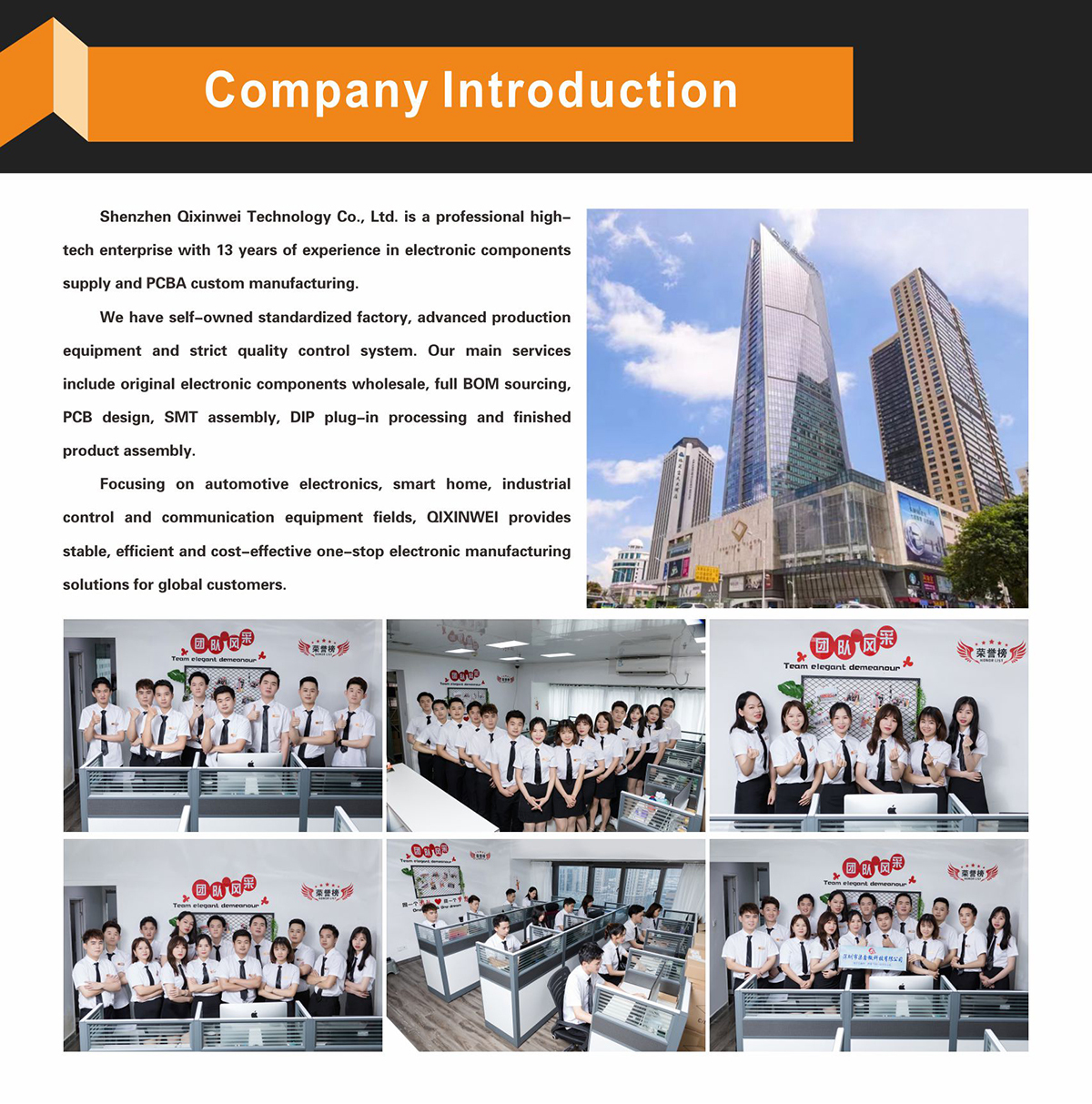
Years of experience in the electronics industry. Trusted by global customers.
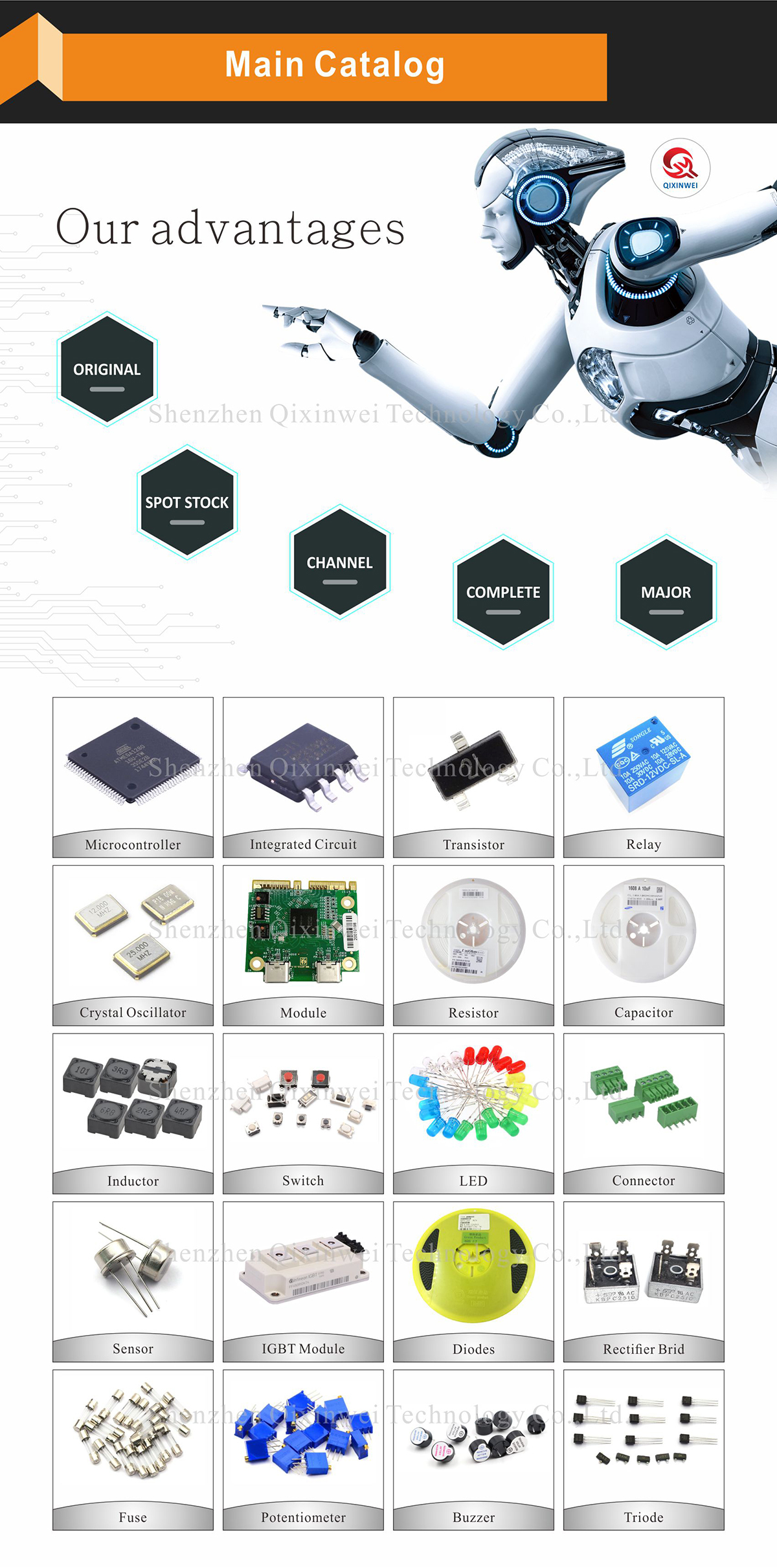
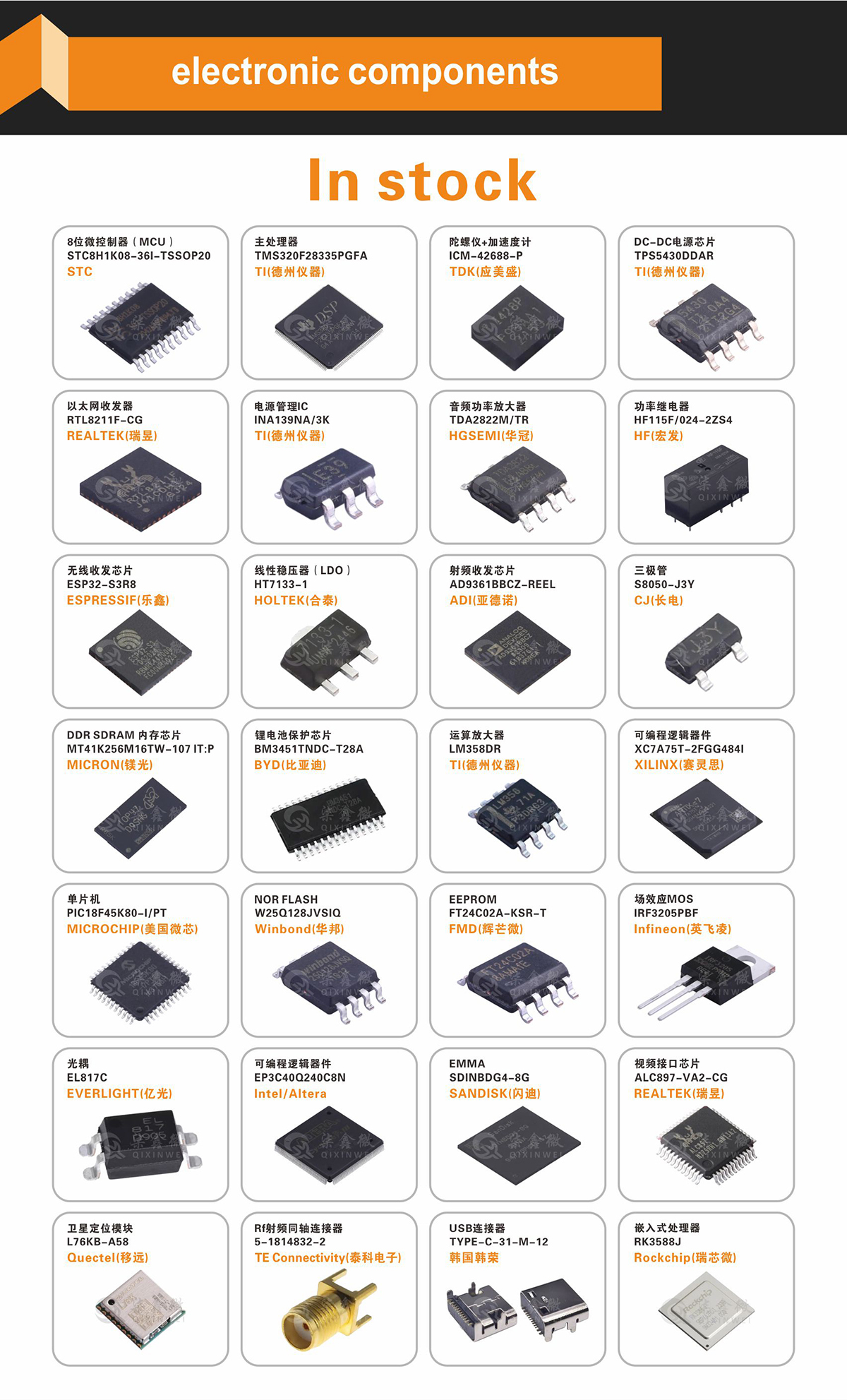
Massive In-Stock Inventory – Ready to ship promptly.
BOM Matching Service – One-stop solution, save time.
PCBA Customization – Professional engineering team creates tailor-made solutions based on your needs.
Cost-Effective & Efficient – Better channel, better cost.
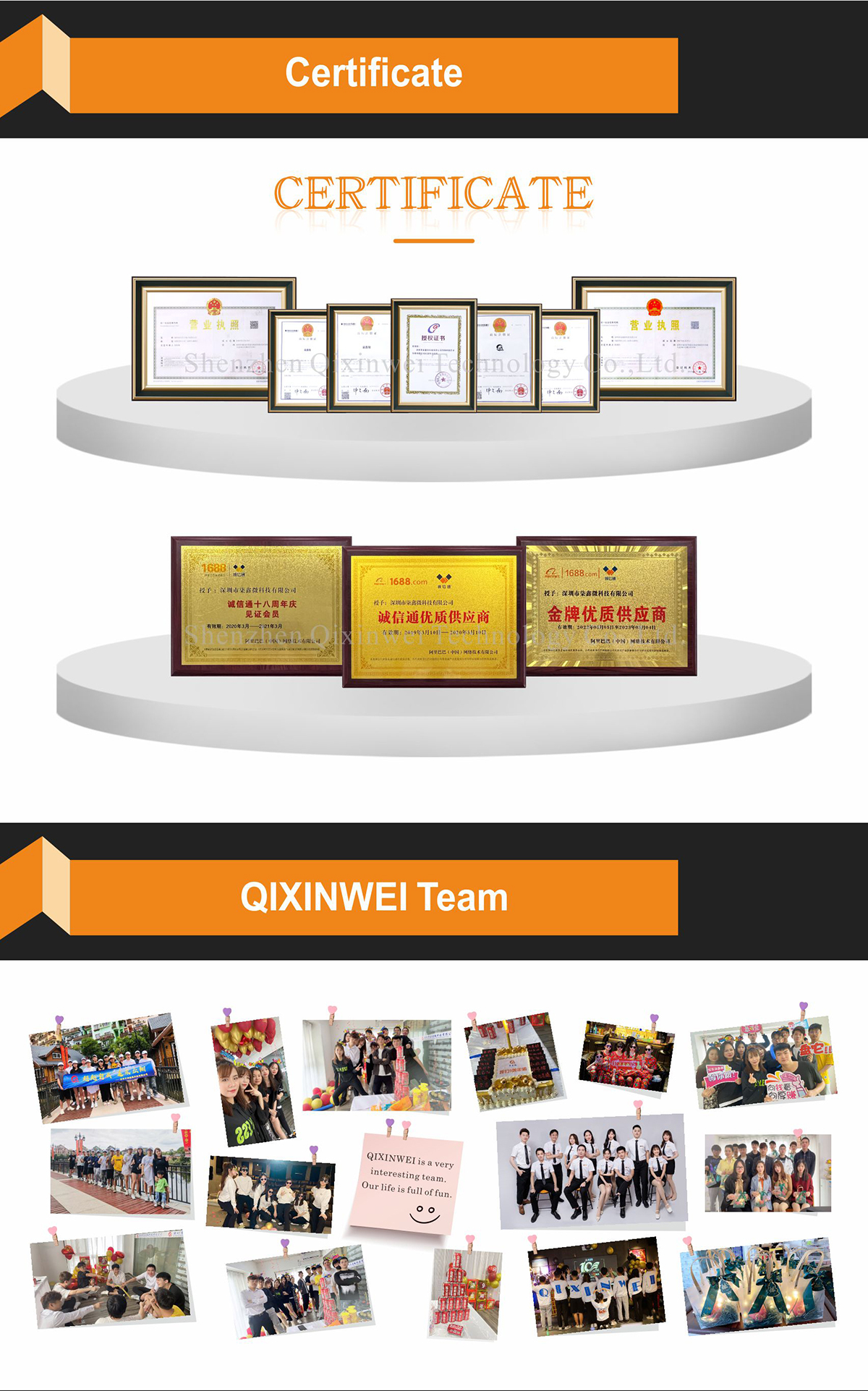
A dedicated team makes your procurement smoother.
Contact us for BOM quotes or PCBA inquiries.






FAQ
- How does the TM1F4GUAI differ from the TM1F2GUAI?
- The TM1F4GUAI has a capacity of 4Gb (512MB), double that of the TM1F2GUAI (2Gb/256MB), enabling massive data storage and more firmware backup versions.
- Package, pin definitions, SPI command set, and operating voltage are identical between the TM1F4GUAI and the TM1F2GUAI, allowing a direct drop-in upgrade.
- How does the TM1F4GUAI differ from SD NAND (TM3F series)?
- The TM1F4GUAI is SPI NAND, communicating via the SPI interface with fewer pins and simpler hardware design.
- SD NAND (TM3F series) communicates via the SD/MMC interface, supporting 4-bit mode for faster read/write speeds and a wider capacity range (up to 512Gb).
- Both the TM1F4GUAI and the TM3F series feature built-in bad-block management and ECC without host intervention.
- How does the TM1F4GUAI differ from SPI NOR Flash (TM2F series)?
- The TM1F4GUAI, as an SPI NAND, offers larger capacity (512MB vs. a few MB for common NOR Flash), making it suitable for massive data storage rather than code execution.
- SPI NOR Flash supports XIP (eXecute In Place) for code, with lower read latency, making it ideal for firmware booting.
- They are often used together: NOR Flash stores and boots code, while the TM1F4GUAI stores data.
- Do I need to handle bad-block management for the TM1F4GUAI myself?
- No. The TM1F4GUAI internally integrates bad-block management and ECC error correction. The host simply operates via standard SPI read/write commands.
- How much data can the 4Gb (512MB) of the TM1F4GUAI hold?
- The TM1F4GUAI can store dozens of complete firmware backup images, years of high-frequency sensor logs, thousands of voice prompt files, and complex file system structures.
- For IoT data concentrators, industrial data recorders, and edge computing nodes, the 512MB of the TM1F4GUAI provides extremely generous local data caching space.
- Does the TM1F4GUAI support FAT file systems?
- Yes. The host can implement FAT/FAT32 file systems over the SPI interface of the TM1F4GUAI to manage files and directory structures on the chip.
- Is the LGA8 package of the TM1F4GUAI difficult to solder?
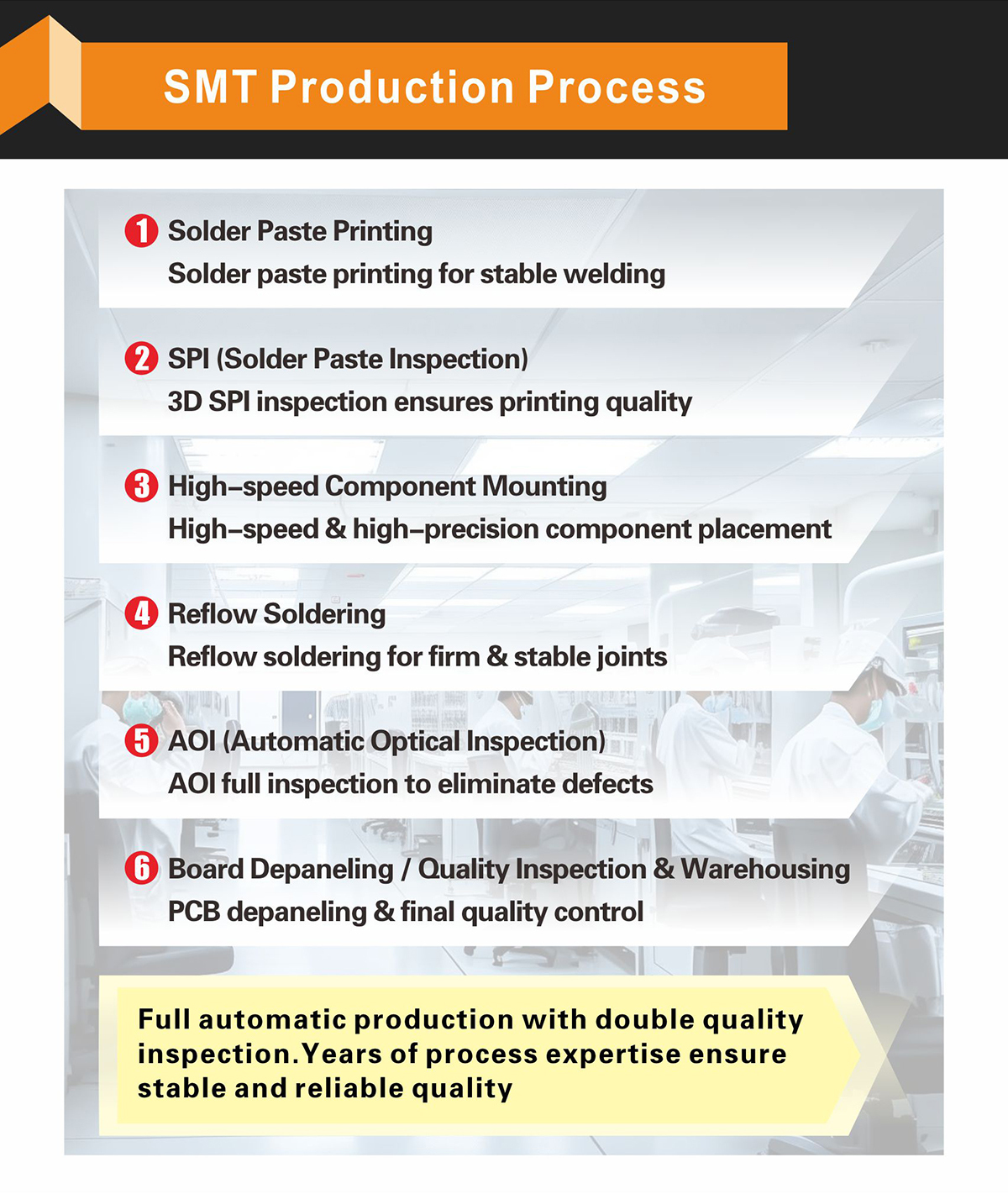
- The LGA8 used by the TM1F4GUAI is a land-grid-array package; reflow soldering is recommended with appropriate stencil openings and solder paste volume for high yield.
- Hand soldering the TM1F4GUAI requires a hot air gun or heating platform and is not suitable for direct soldering with an iron.
- What is the operating temperature range of the TM1F4GUAI?
- The TM1F4GUAI supports a wide operating temperature range, suitable for most industrial and consumer environments. Please refer to the official datasheet for the specific temperature grade.
- What is the maximum SPI clock frequency of the TM1F4GUAI?
- The TM1F4GUAI supports high SPI clock frequencies, meeting fast data read/write requirements. Please refer to the official datasheet for the specific maximum clock frequency.
- Does the TM1F4GUAI support data storage for OTA firmware updates?
- Yes. The TM1F4GUAI can serve as the firmware download cache during OTA updates, with 512MB space storing multiple complete firmware versions for verification, rollback, and updating by the MCU's boot manager.
- If I need larger capacity than the TM1F4GUAI, what options are available?
- Titan Micro offers SD NAND (TM3F series) with capacities from 1Gb to 512Gb for higher-capacity requirements. For SPI interface, the TM1F4GUAI is the current maximum capacity.
- Property:
- Specification
- Product Type:
- SPI NAND Flash
- Brand:
- Titan Micro
- Model:
- TM1F4GUAI
- Capacity:
- 4Gb (512MB)
- Interface:
- SPI
- Package:
- LGA8 (6mm×8mm)
- Supply Voltage:
- 3.0V – 3.6V (nominal 3.3V)
- Bad Block Management:
- Built-in ECC and bad-block management
- Wear Leveling:
- Internal automatic execution