qixinwei-pcba


T7 Allwinner Automotive Hexa-Core Cortex-A7@1.2GHz 1080P Codec ADAS PBGA-547
T7 Product Overview
The T7 is an automotive-grade hexa-core application processor from Allwinner Technology designed for next-generation smart cockpits, housed in a PBGA-547 package (21×21mm, 0.8mm ball pitch). It is the first domestically developed platform SoC to pass AEC-Q100 Grade 3 automotive certification. The chip integrates a hexa-core ARM Cortex-A7 processor (up to 1.2GHz, 1MB L2 shared cache), a Mali-400 MP4 GPU supporting dual-screen independent display, a dedicated ADAS acceleration engine (EVE), dual ISP image processors, and 3 analog MIC inputs. The T7 supports Android, Linux, and QNX operating systems, has achieved mass production in both front‑load and aftermarket applications, and is deployed in over 50 vehicle models. It is widely used in in‑vehicle infotainment (IVI) systems, digital instrument clusters, 360° surround view systems, ADAS, driver monitoring systems (DMS), and streaming rearview mirrors.
T7 Core Features
The T7 is the first domestically developed platform SoC to pass AEC-Q100 Grade 3 automotive certification. Its CPU features a hexa-core ARM Cortex-A7 architecture running up to 1.2GHz with 1MB L2 shared cache. The Mali-400 MP4 GPU supports OpenGL ES 2.0/1.1, 3D graphics acceleration, a 2D hardware accelerator, and image rotation at 300M pixels per second. The EVE (Embedded Vision Engine) is optimised for ADAS algorithms, delivering vehicle detection speeds up to 20× faster than a single‑core A7, processing 4‑channel integral images and 130 million features per second, with up to 3‑channel feature computation. Dual ISPs support HDR, 3D noise reduction, and sharpening algorithms, with dual image processors suitable for DVR, 360° surround view, and other automotive applications.
Video decoding supports 1080p@60fps with MPEG1/2/4, H.263/H.264/H.265, VP8, AVS/AVS+ formats. Video encoding supports H.265 and H.264 at 1080p@60fps. Audio includes 2 DAC channels, 3 ADC channels, 4 audio inputs, and 2 audio outputs, with 3 analog MIC inputs for voice interaction.
Display interfaces include 4‑lane MIPI DSI (up to 1920×1200@60fps), LVDS (up to 1920×1200@60fps), 18‑bit RGB (up to 1920×1080@60fps), and 1‑channel CVBS output. Camera inputs support 4‑channel CVBS input or 1‑channel YPbPr + 1‑channel CVBS, dual independent MIPI CSI interfaces, and dual independent CSI interfaces (16‑bit data width each). Memory supports DDR3/DDR3L/LPDDR2/LPDDR3 (up to 3GB), eMMC, SD card, NAND Flash, and SPI Nor/Nand Flash. Communication interfaces include 10 UARTs, 10 TWIs, 3 SPIs, 4×USB (1×OTG + 3×Host), EMAC Fast Ethernet, and CIR.
The T7 supports dual‑screen independent display for centre consoles and instrument clusters, and can simultaneously run navigation, 360° surround view, DVR, DMS, and ADAS. Its 360° surround view solution supports 4‑channel 1080P 3D panoramic processing and AHD input, achieving 2‑second cold boot for surround view display. The PBGA-547 package measures 21×21mm with 0.8mm ball pitch, operates from -40℃ to +85℃ (AEC-Q100 Grade 3), and supports fanless passive cooling, making it suitable for front‑load automotive and industrial environments.
T7 Applications
The T7 is ideal for in‑vehicle infotainment (IVI) / car navigation systems, full‑LCD digital instrument clusters, 360° surround view systems, ADAS (Advanced Driver-Assistance Systems), DMS (Driver Monitoring Systems), streaming rearview mirrors / smart mirrors, in‑vehicle communication systems, multimedia players, smart cockpit domain controllers, commercial vehicle centre consoles, and industrial in‑vehicle terminals.
T7 Key Advantages
The T7 is the first domestically developed platform SoC to pass AEC-Q100 Grade 3 automotive certification, marking a major milestone for domestic automotive SoCs moving from R&D to front‑load mass production. It has achieved mass production across over 50 vehicle models and 20+ Tier 1 suppliers.
With a hexa-core A7 architecture at 1.2GHz and 1MB L2 cache, the T7 delivers a balanced trade‑off between performance and power consumption. The integrated EVE acceleration engine offers up to 20× faster vehicle detection than a single‑core A7 while significantly reducing CPU load for low‑power real‑time ADAS processing. Dual ISPs support HDR, 3D noise reduction, and sharpening algorithms, meeting the demanding requirements of all‑weather HD video recording in automotive applications.
As a platform SoC, the T7 consolidates navigation, 360° surround view, DVR, DMS, ADAS, and other functions into a single chip, helping OEMs reduce costs and improve product scalability. It supports Android, Linux, and QNX, offering flexible OS options for different partners.
The T7 supports dual‑screen independent display across MIPI DSI, LVDS, and RGB interfaces, allowing centre console and instrument cluster screens to operate independently. Its 360° surround view solution supports 4‑channel 1080P 3D panoramic processing with AHD input and 2‑second cold boot, significantly improving reversing and parking safety.
The T7 is deeply integrated with front‑load automotive manufacturers, supplying over 20 Tier 1 suppliers, with more than 2 million units in front‑load production across 50+ vehicle models and over 3 million units in the aftermarket, making it a highly reliable automotive SoC with proven large‑scale adoption.
Why Choose QIXINWEI
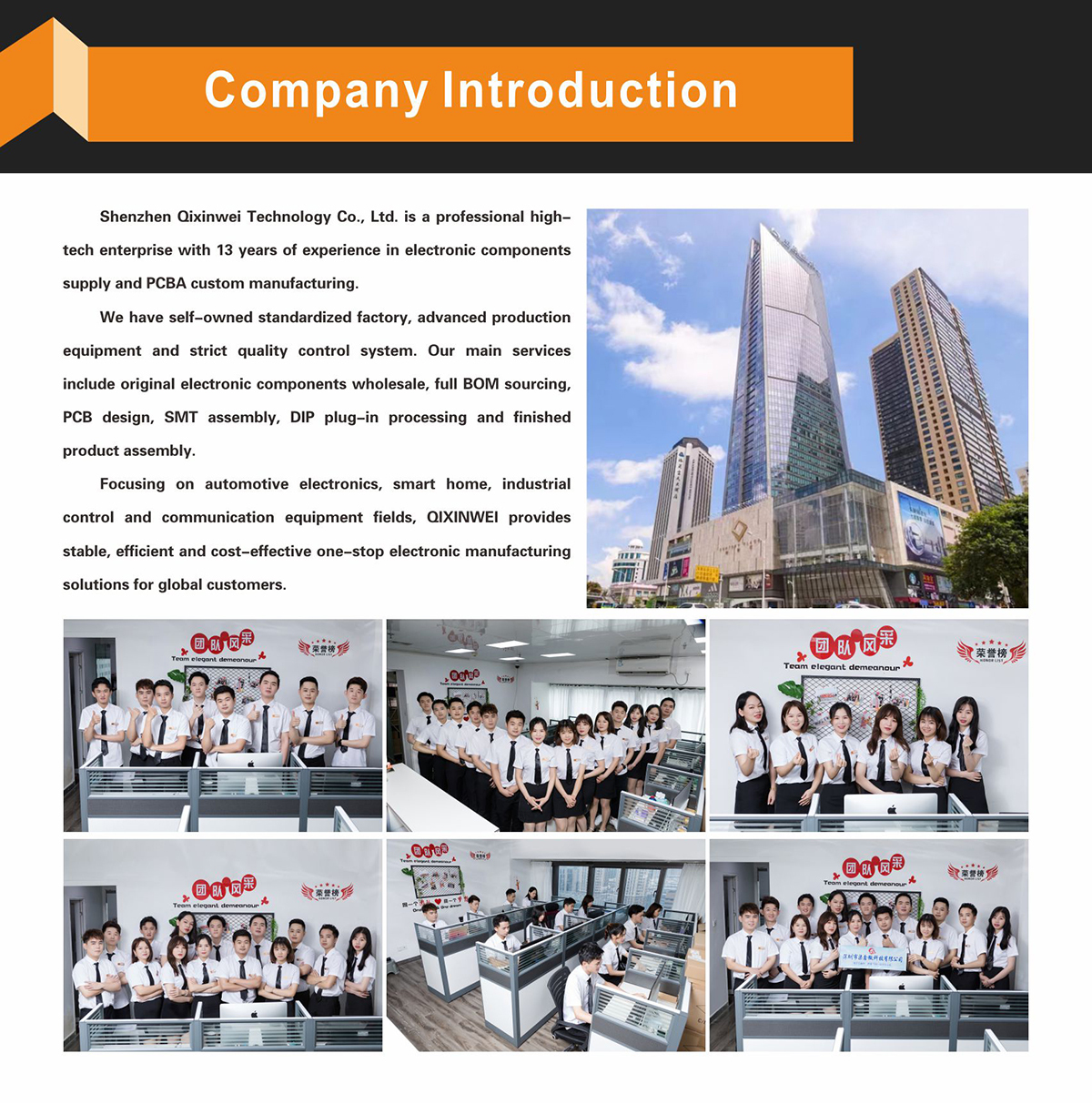
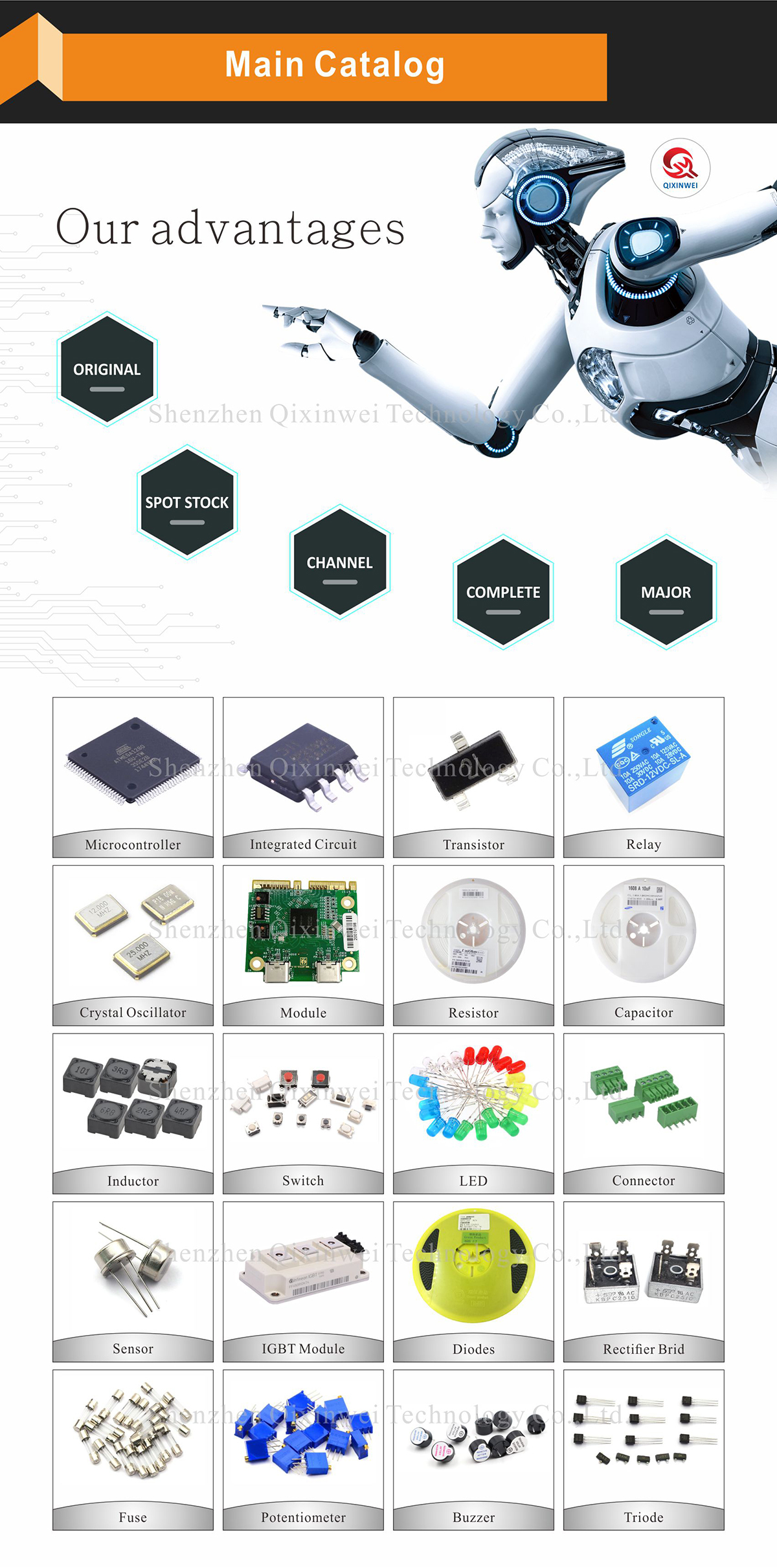
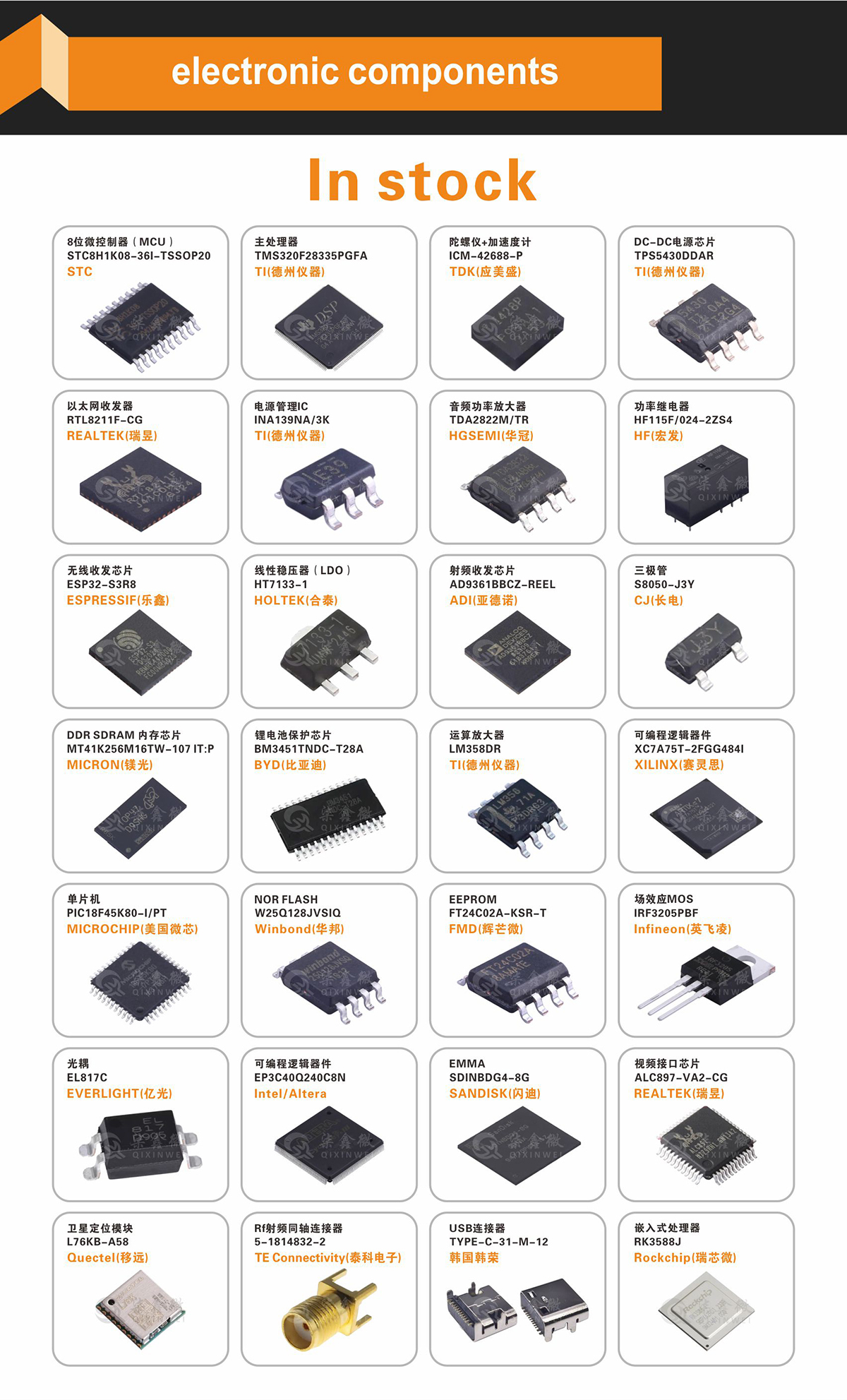
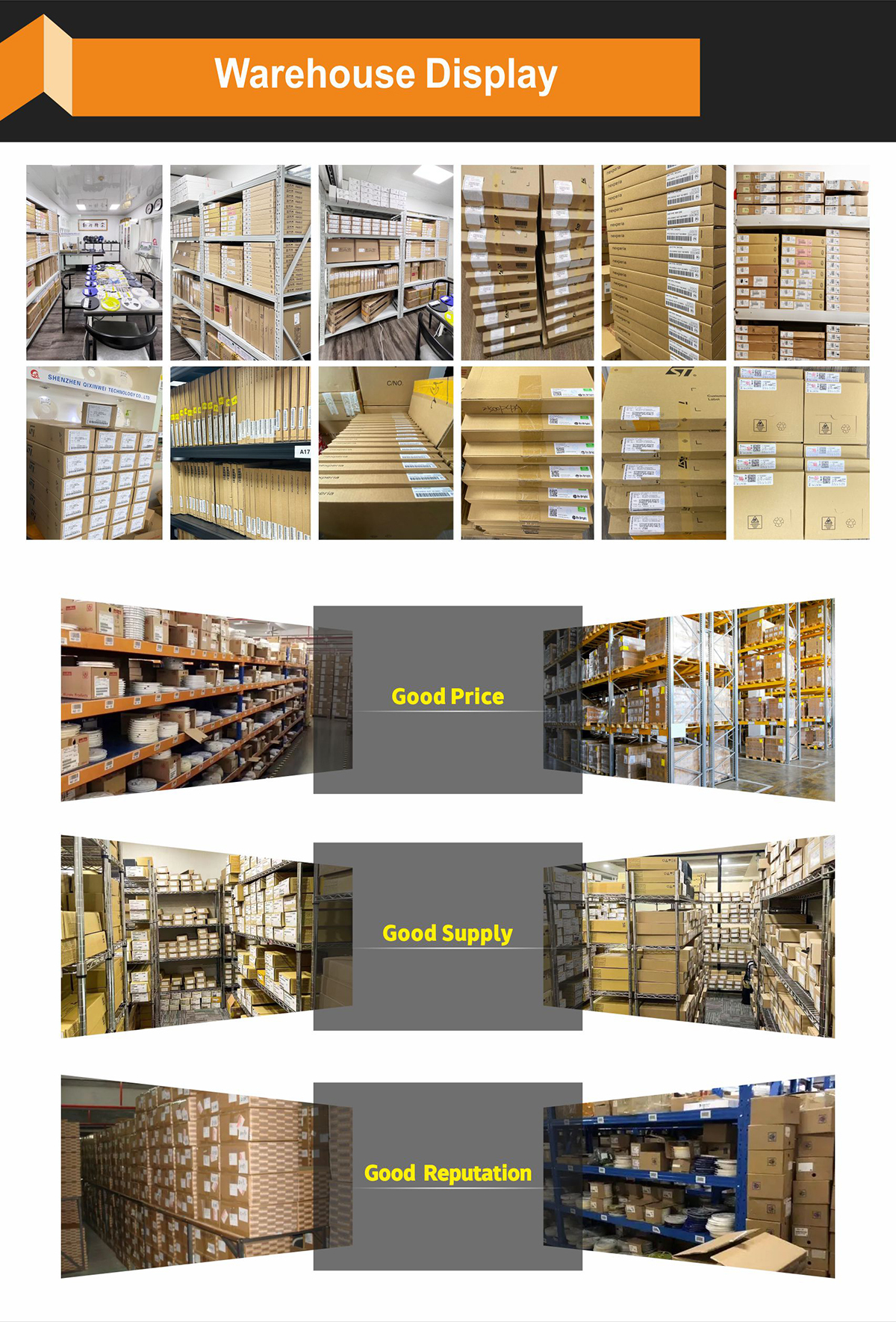
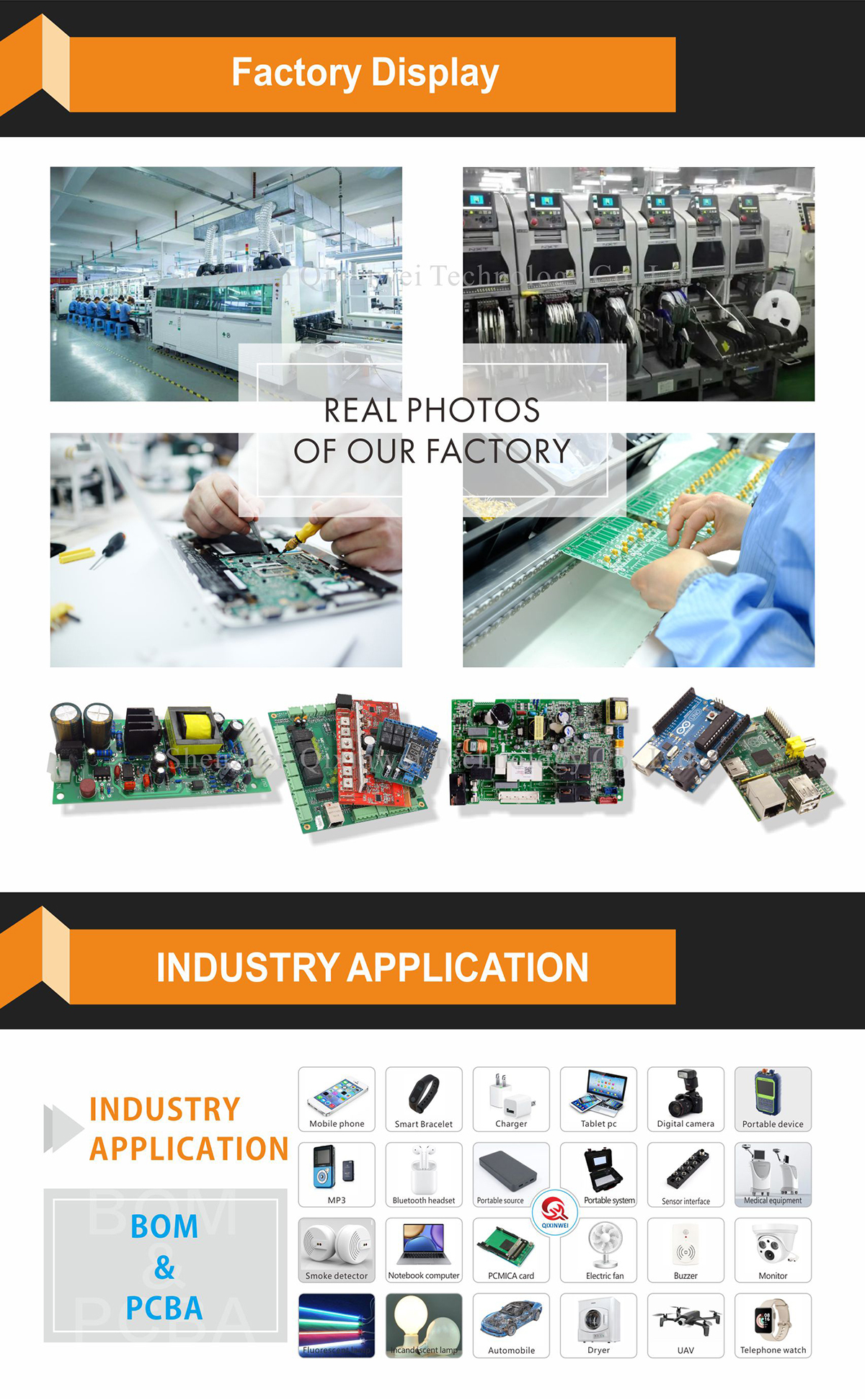
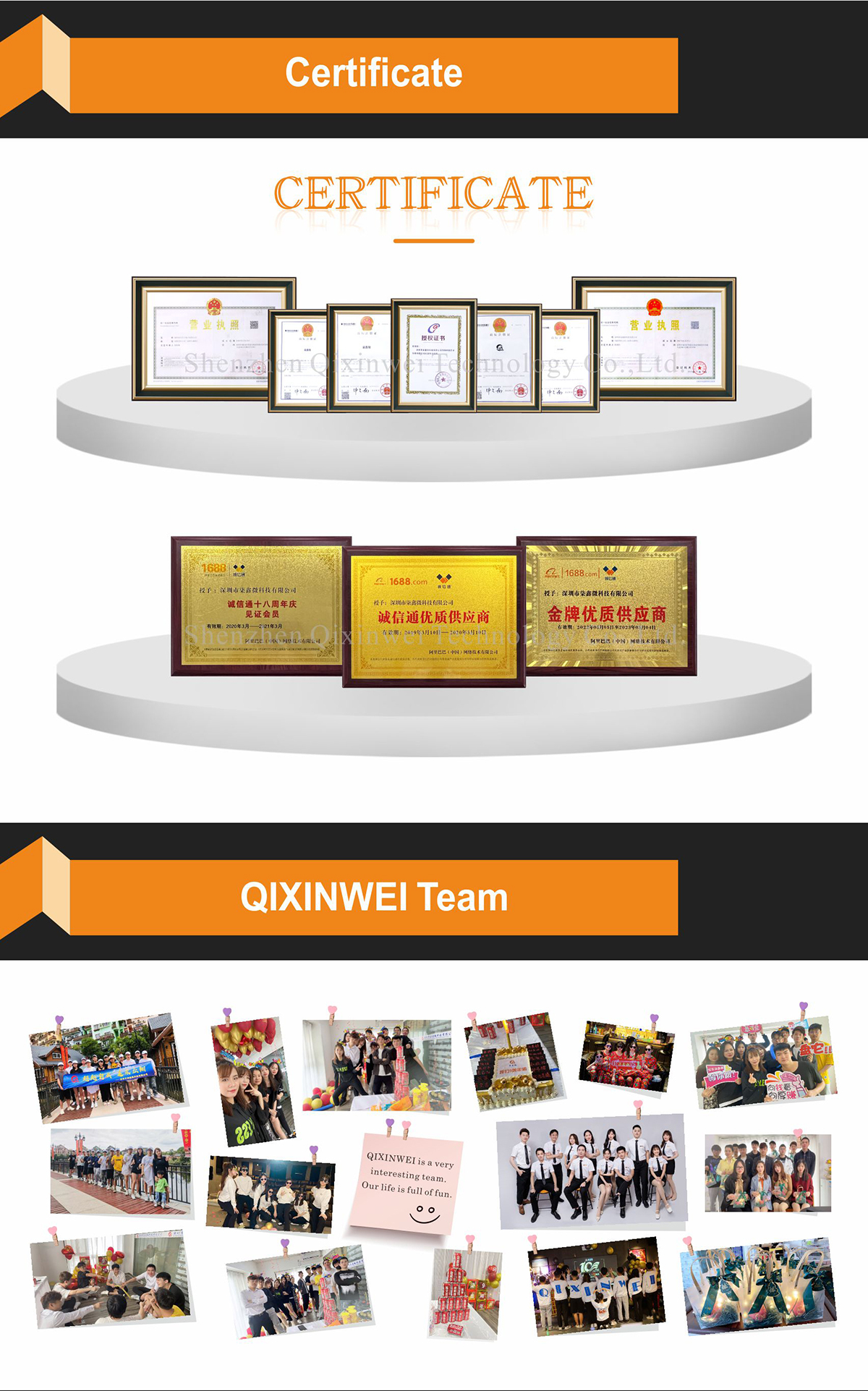
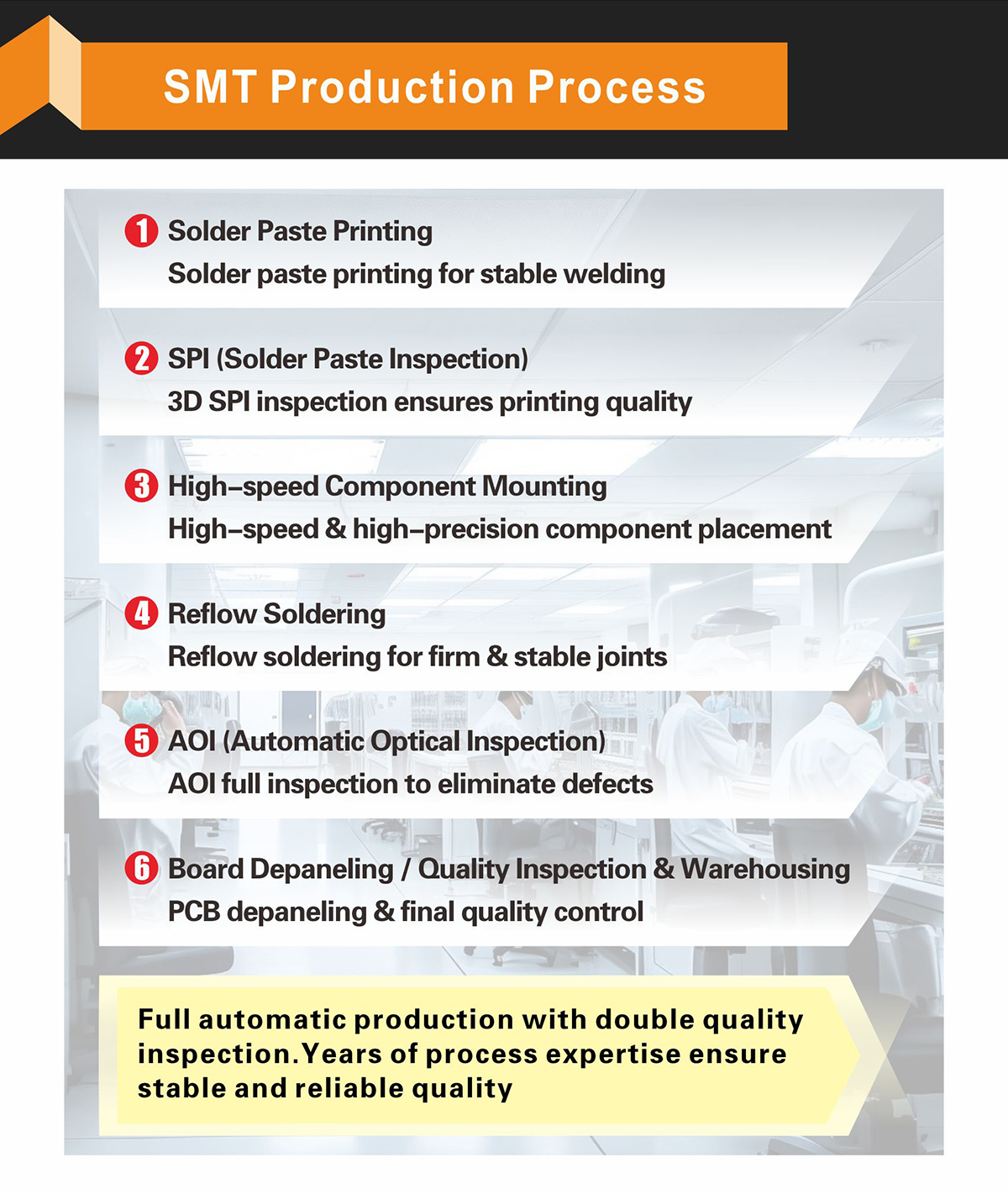
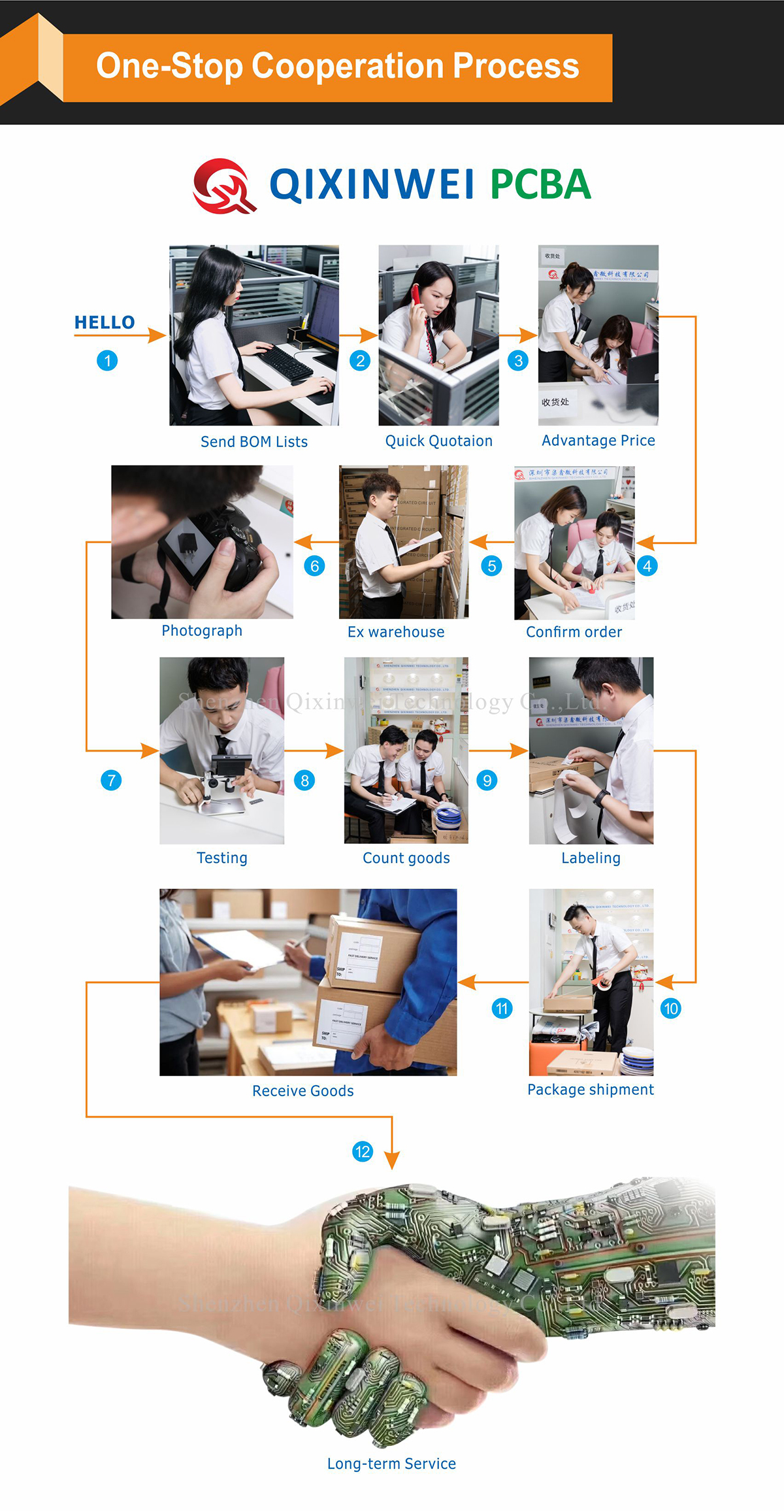
Years of experience in the electronics industry. Trusted by global customers. Massive In-Stock Inventory – Ready to ship promptly. BOM Matching Service – One-stop solution, save time. PCBA Customization – Professional engineering team creates tailor-made solutions based on your needs. Cost-Effective & Efficient – Better channel, better cost. A dedicated team makes your procurement smoother. Contact us for BOM quotes or PCBA inquiries.

FAQ:
What is the Allwinner T7 and what are its core specifications?
The Allwinner T7 is an automotive‑grade hexa‑core (six‑core) processor based on the Arm Cortex‑A7 architecture, with each core running at up to 1.2 GHz. It integrates a Mali‑400 MP4 GPU, a 1080p video encoder/decoder, and a comprehensive set of automotive interfaces, all housed in a PBGA‑547 package. It is designed for in‑vehicle infotainment (IVI) systems, digital instrument clusters, and entry‑level ADAS applications that require reliable, multi‑tasking performance and a wide operating temperature range.What is the benefit of the hexa‑core Cortex‑A7 design in an automotive SoC?
The six cores allow the T7 to run multiple independent functions simultaneously without performance bottlenecks. For example, two cores can handle video decoding for the infotainment screen, two cores can process navigation and voice commands, and the remaining two cores can manage the digital instrument cluster. This parallel processing delivers a smooth, responsive user experience even when running complex automotive HMI software, and it eliminates the need for separate MCUs for each display subsystem.What video encoding and decoding capabilities does the T7 offer?
The T7 includes a hardware video engine that supports 1080p encoding and decoding for H.264 and H.265 (HEVC) formats. It can decode multiple video streams simultaneously—for example, playing a high‑definition movie on the rear‑seat entertainment screen while displaying a real‑time navigation map on the front dashboard. The dedicated hardware codec handles all video processing, leaving the six CPU cores free for other tasks.How does the T7 support ADAS and surround‑view camera applications?
The T7 integrates a parallel CSI camera interface and an Image Signal Processor (ISP) capable of handling multiple camera inputs. Combined with the hexa‑core CPU and 1080p video encoder, it can capture and process feeds from four wide‑angle cameras, stitch them into a 360‑degree surround view, and overlay dynamic parking guidelines—all in real time. While it does not include a dedicated NPU, the six Cortex‑A7 cores can run lightweight computer‑vision algorithms for lane departure warning and basic object detection.How does the Allwinner T7 differ from the T707? When should I choose the T7?
The T707 is a newer, higher‑performance automotive SoC with six Cortex‑A7 cores running at 2.0 GHz, 4K video decoding, and a more powerful GPU. The T7 runs at 1.2 GHz and focuses on 1080p applications. Choose the T7 when your infotainment or ADAS system does not require 4K resolution, and you want a proven, cost‑optimized platform with a mature software ecosystem. The T7 remains widely used in mid‑range vehicles and commercial trucks where 1080p display resolution is sufficient.What automotive‑grade certification does the T7 hold? Can it withstand harsh vehicle environments?
The T7 is an automotive‑grade chip that meets AEC‑Q100 reliability standards. It is specified to operate across a wide temperature range, typically from ‑40 °C to +85 °C (junction temperature higher), making it suitable for dashboard installations exposed to extreme cold and heat. The PBGA‑547 package provides robust mechanical stability and thermal dissipation for the constant vibration and temperature cycling found in vehicles.What kind of displays can the T7 drive? Does it support dual independent screens?
The T7 supports dual independent display outputs, typically an LVDS or RGB interface for the main infotainment screen and a second output for the instrument cluster. It can drive 1080p panels with hardware‑accelerated 2D/3D graphics through the Mali‑400 MP4 GPU. This single‑chip dual‑display capability simplifies the vehicle's electronic architecture and reduces overall system cost.What memory and storage configurations does the T7 support?
The T7 supports DDR3/DDR3L memory, typically configured with 1 GB to 2 GB, and eMMC Flash storage. While it does not support LPDDR4 like the newer T707, the DDR3 memory interface provides sufficient bandwidth for 1080p video processing and multi‑display applications at a lower cost. The eMMC interface supports fast boot times and reliable storage for operating system images, navigation maps, and media libraries.Can the T7 run Android Automotive or Linux‑based IVI systems?
Yes, the T7 is fully supported by both Android and Linux SDKs. Allwinner provides a Board Support Package with optimized drivers for the GPU, video codec, and display controller. The mature software ecosystem and wide adoption of the T7 mean that a large number of third‑party software libraries and application frameworks have already been validated on this platform, reducing development time for Tier‑1 suppliers and OEMs.What are the most typical applications for the Allwinner T7 in the automotive industry?
It is used in mid‑range infotainment head units, digital instrument clusters, 360‑degree surround‑view camera systems, rear‑seat entertainment screens, and commercial vehicle fleet management terminals. Its combination of hexa‑core processing, 1080p video capabilities, automotive‑grade reliability, and a mature software ecosystem makes it a proven, cost‑effective choice for mainstream passenger vehicles and commercial trucks.
- Model:
- T7
- Brand:
- Allwinner
- Package:
- PBGA-547
- CPU:
- Hexa-Core ARM Cortex-A7 @ 1.2GHz, 1MB L2 shared cache
- GPU:
- ARM Mali-400 MP4, supports OpenGL ES 2.0/1.1, 3D/2D acceleration
- Video Decoding:
- H.264/H.265 up to 1080p@60fps, multi‑format support
- Video Encoding:
- H.265/H.264 up to 1080p@60fps
- Memory Interface:
- 32‑bit DDR3/DDR3L/LPDDR2/LPDDR3, up to 3GB
- Display Interfaces:
- MIPI DSI (4‑lane), LVDS, RGB, CVBS OUT – dual‑screen independent display
- ISP:
- Dual ISP, supports HDR, 3D noise reduction, sharpening
- Applications:
- IVI, digital instrument clusters, 360° surround view, ADAS, DMS, streaming rearview mirrors