qixinwei-pcba


T113-S3 Allwinner Industrial Processor Dual-Core Cortex-A7 Video Decoding Domestic Automotive
T113-S3 Product Overview
The T113-S3 is a high-cost-performance industrial application processor from Allwinner Technology, featuring a dual-core Cortex-A7 architecture with a maximum frequency of 1.2GHz. The chip integrates H.265/H.264 video decoding engine, 2D graphics acceleration unit, and rich peripheral interfaces such as CAN, UART, SPI, I2C, and Ethernet. It is specifically designed for embedded applications including industrial HMIs, automotive instrument clusters, smart home appliances, and IoT gateways. The T113-S3 achieves an excellent balance between performance, power consumption, and cost, making it a core main control solution for domestic embedded platforms.
T113-S3 Core Features
Dual-Core Cortex-A7 Architecture: Adopts ARM Cortex-A7 dual-core processor with maximum frequency of 1.2GHz, supporting symmetric multi-processing (SMP) technology, delivering robust computing performance while maintaining extremely low power consumption
High-Performance Video Decoding: Integrated H.265/H.264 hardware decoding engine supporting 1080p@60fps video decoding, easily handling multimedia display and human-machine interface requirements
Graphics and Display Capabilities: Built-in 2D graphics acceleration unit supporting multiple display interfaces including RGB, LVDS, and MIPI DSI, supporting up to 1920×1080 display resolution
Industrial Grade Operating Temperature: Supports -40°C to +85°C wide temperature range, meeting the demanding environmental requirements of industrial control and automotive electronics
Rich Storage Interfaces: Supports eMMC, NAND Flash, SDIO, and SPI NOR Flash storage options, providing flexible system configuration choices
Multiple Display Outputs: Integrated RGB (24-bit), single-channel LVDS, and MIPI DSI display interfaces, compatible with different specification display modules
CAN Bus Interface: Built-in CAN controller directly supporting industrial fieldbus and in-vehicle network communication, simplifying external circuit design
Networking Capability: Integrated 10/100M Ethernet MAC with RMII interface for external PHY chips, meeting industrial Ethernet communication requirements
Rich Peripheral Interfaces: Provides up to 6 UARTs, 4 SPIs, 4 I2Cs, 2 PWMs, multi-channel ADC and other peripheral interfaces, meeting expansion needs of complex embedded systems
Low-Cost System Solution: Supports DDR3/DDR3L memory, can be paired with low-cost storage solutions, achieving significant overall BOM cost optimization
T113-S3 Applications
Industrial Human-Machine Interface (HMI): Suitable for industrial PLC programmers, CNC system control panels, industrial instrument displays and other equipment requiring graphical interaction
Automotive Instrument Clusters and Infotainment: Central control entertainment systems, full LCD instrument clusters, in-vehicle information terminals in passenger and commercial vehicles
Smart Appliance Control Panels: Color touch control panels and human-machine interfaces in high-end refrigerators, washing machines, ovens, and smart home appliances
IoT Gateways: Industrial IoT data aggregation gateways, edge computing nodes, protocol converters supporting multi-channel serial port and CAN bus data aggregation
Medical Display Terminals: Display control cores in medical monitors, portable ultrasound devices, and rehabilitation therapy equipment
Self-Service Terminal Equipment: Display control boards for vending machines, self-service kiosks, parcel lockers, and EV charging stations
T113-S3 Key Advantages
Domestic Independent Control Solution: The T113-S3 adopts Allwinner Technology domestic chip solution, providing significant advantages for industrial control and automotive projects with localization requirements, reducing dependency risks on overseas chips
Industrial Grade Wide Temperature Reliability: Supports -40°C to +85°C industrial operating temperature range, ensuring stable operation even in harsh environments such as outdoor high/low temperatures and automotive vibration, meeting industrial product reliability requirements
High-Performance Video and Display Integration: Dual-core 1.2GHz computing performance combined with 1080p hardware decoding, enabling single-chip handling of UI rendering, video playback, and data processing without external graphics coprocessors
Rich Industrial Communication Interfaces: Built-in CAN bus, multiple UARTs, Ethernet MAC and other industrial communication interfaces, allowing direct connection to PLCs, sensors, and industrial instruments, greatly reducing PCB area and system complexity
Excellent Cost Control Advantage: Among industrial processors with equivalent performance, the T113-S3 offers a highly competitive price while supporting low-cost DDR3 memory and standard PCB design, significantly reducing overall BOM cost
Complete Allwinner Software Ecosystem: Allwinner provides Linux and Tina Linux system support, including complete BSP driver packages and SDK development kits, shortening product development cycles
Low Power Design: The dual-core Cortex-A7 architecture is known for high energy efficiency, combined with Allwinner low-power management technology, suitable for battery-backed or thermally constrained applications
Stable Long-Term Supply Guarantee: As a leading domestic IC design company, Allwinner provides long-term product lifecycle support for industrial and automotive markets, ensuring continuity for mass production and after-sales maintenance
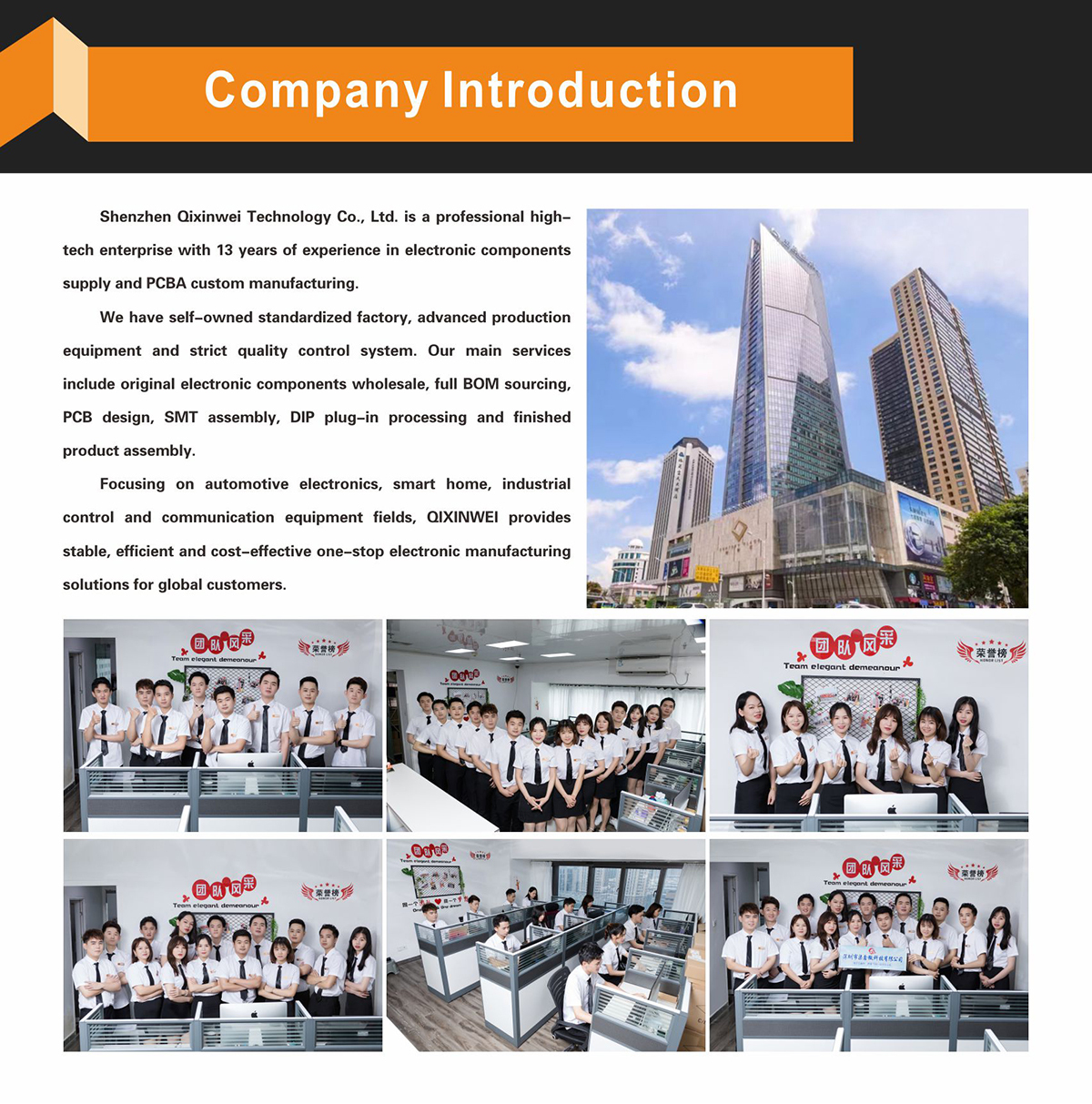
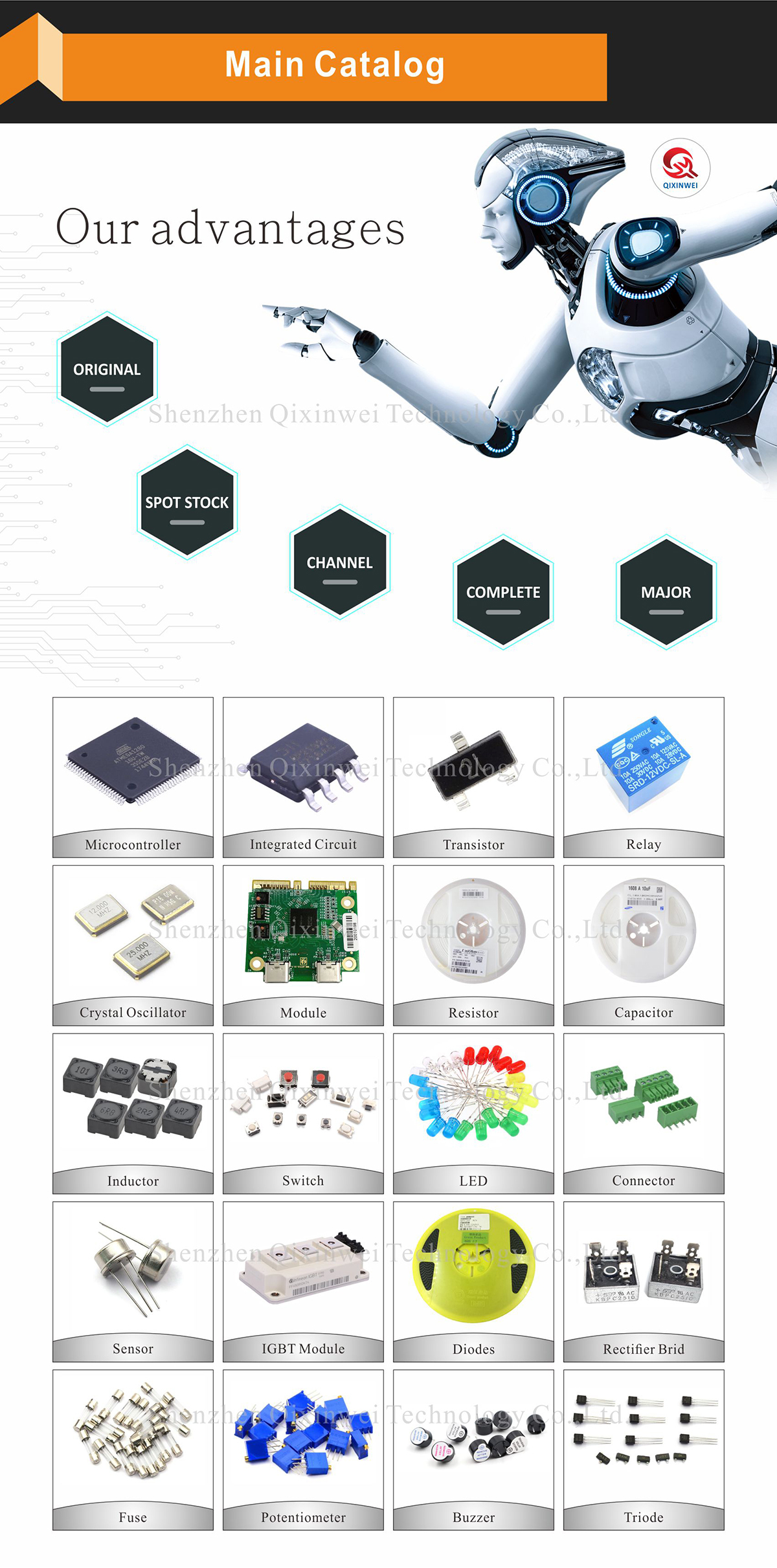
Why Choose QIXINWEI
Years of experience in the electronics industry. Trusted by global customers.
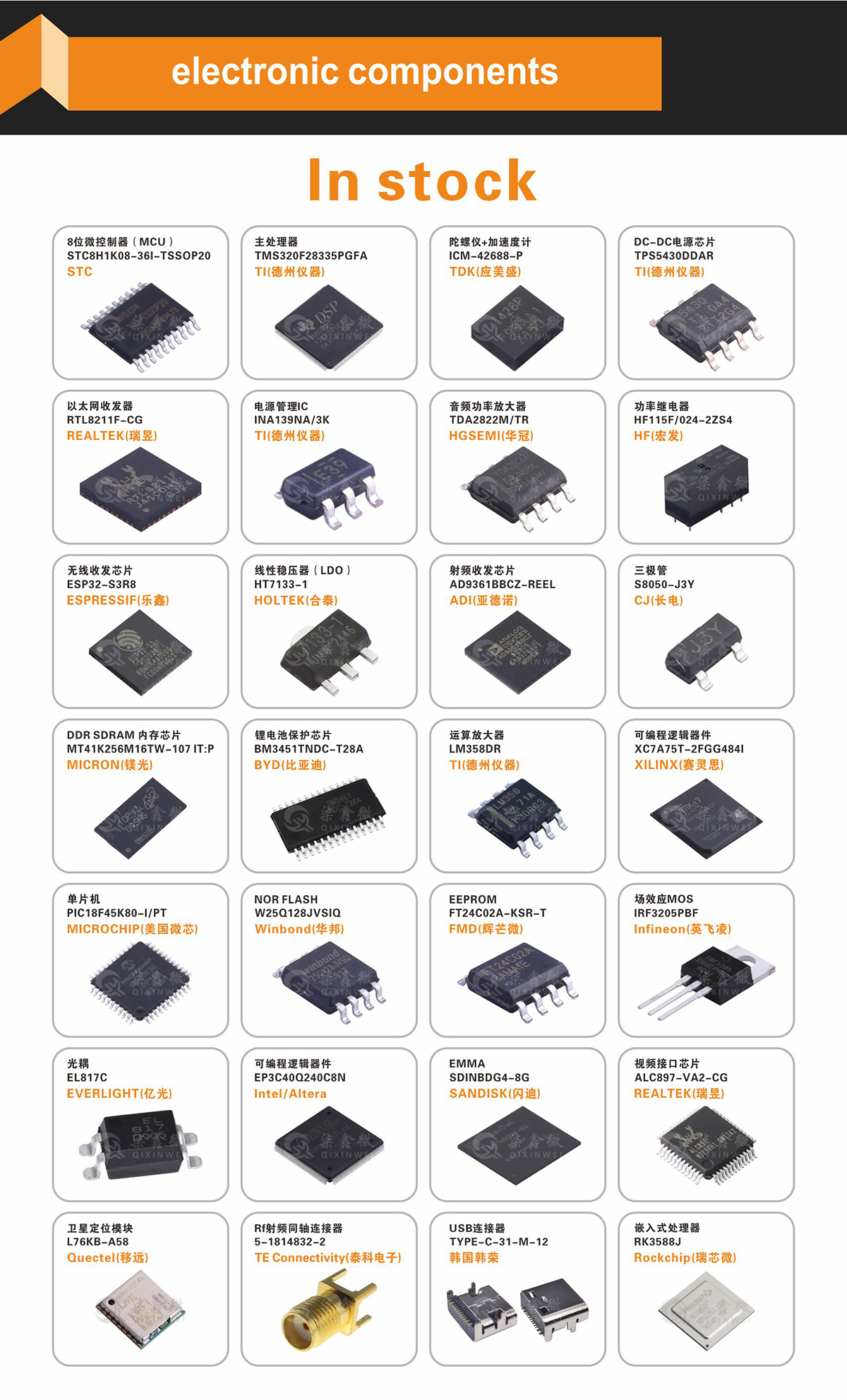
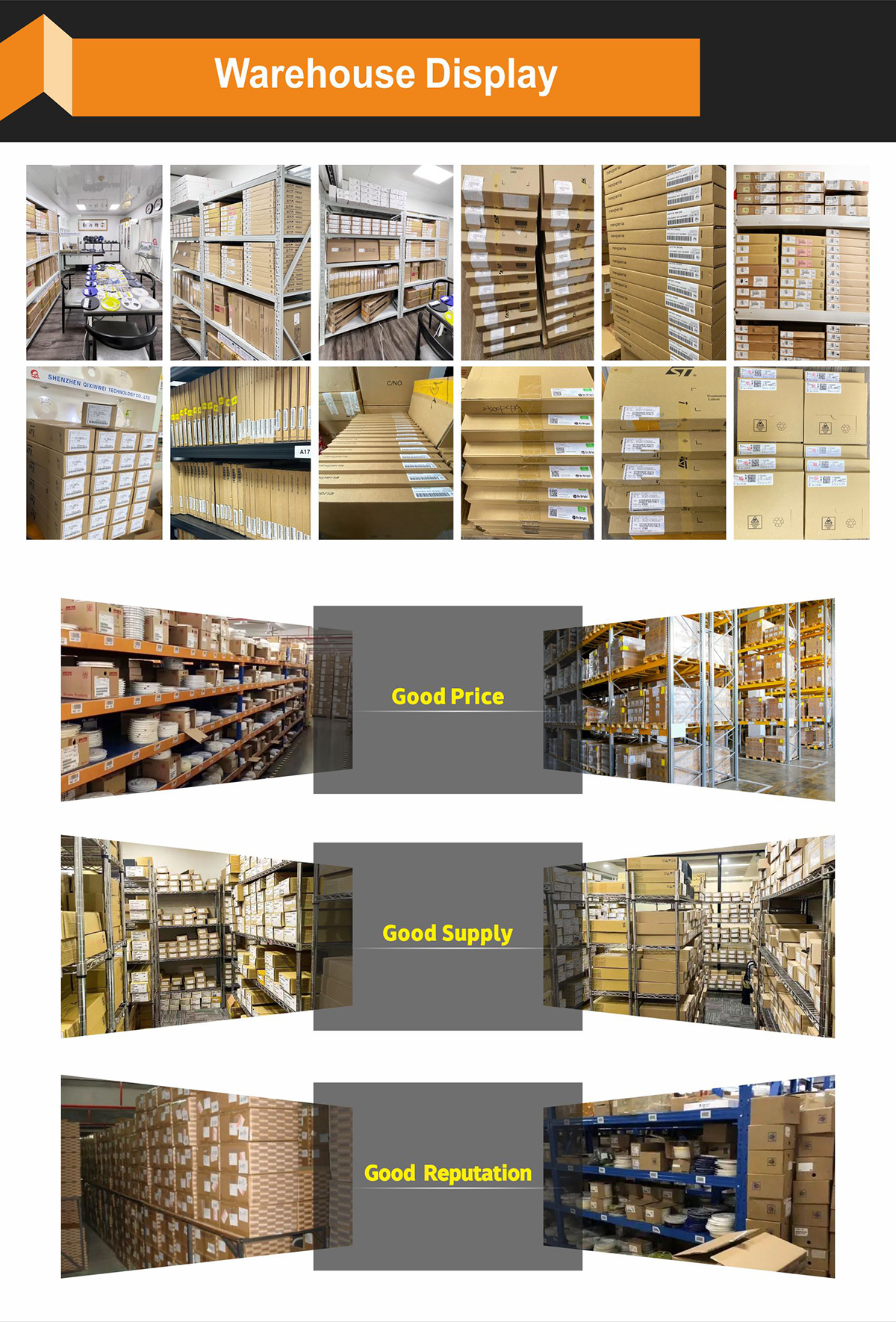
Massive In-Stock Inventory – Ready to ship promptly
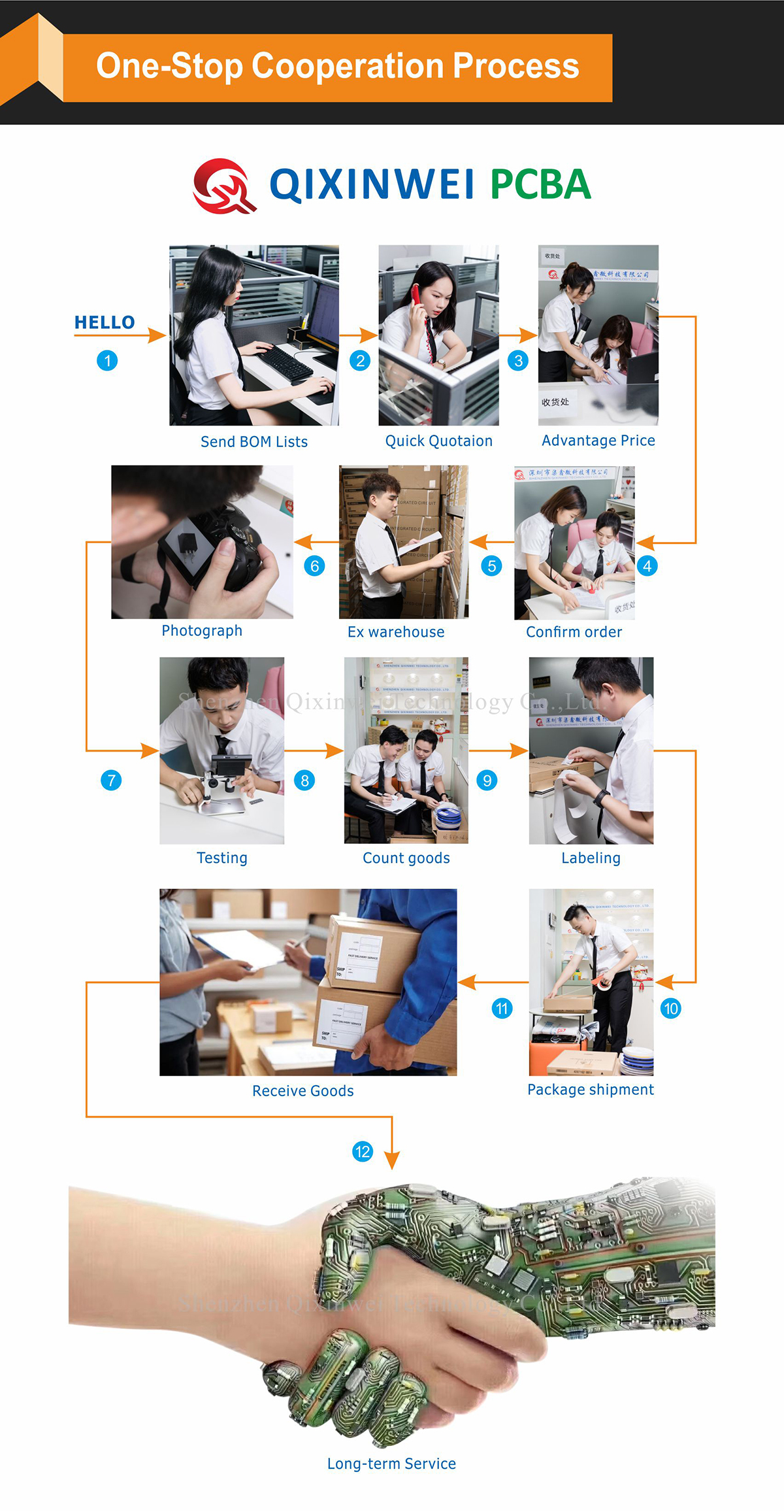
BOM Matching Service – One-stop solution, save time
PCBA Customization – Professional engineering team creates tailor-made solutions based on your needs
Cost-Effective & Efficient – Better channel, better cost
A dedicated team makes your procurement smoother.
Contact us for BOM quotes or PCBA inquiries



FAQ:
What is the Allwinner T113-S3 and its key specifications?
The T113‑S3 is a high‑performance industrial‑grade dual‑core application processor from Allwinner, purpose‑built for display and video‑centric embedded systems. It integrates two ARM Cortex‑A7 cores running at up to 1.2 GHz, 128 MB of on‑package DDR3 memory, a powerful hardware video engine supporting H.265/H.264 1080p@60fps decoding, and a rich set of peripherals. The chip is housed in a LQFP-128 package, supports an extended temperature range of ‑40 °C to +85 °C, and targets domestic industrial, automotive, and smart‑appliance applications. It provides parallel RGB, dual‑link LVDS, and MIPI‑DSI display outputs, 10/100 M Ethernet, USB 2.0, SD/MMC, and multiple UART/SPI/I2C interfaces.How does the T113-S3 differ from the T113-i?
Both belong to the Allwinner T113 series and share the same dual‑core Cortex‑A7 CPU, memory architecture, and most peripherals. The key differences are in the co‑processors and target applications. The T113‑i is a full‑featured heterogeneous processor with an additional RISC‑V core and a HiFi4 DSP for audio processing and real‑time tasks. The T113‑S3 omits these co‑processors, focusing instead on a cost‑optimised, display‑oriented feature set with hardware video decoding and rich display interfaces. The T113‑S3 also typically adds MIPI‑DSI output, making it more suitable for high‑resolution screen applications. Choose the T113‑S3 for Linux‑based HMI, digital signage, and simple video‑player designs; choose the T113‑i when you need real‑time RISC‑V processing or advanced audio DSP.What video decoding and display capabilities does the T113-S3 offer?
The T113‑S3 features a hardware video decoder capable of H.265/HEVC and H.264/AVC playback at up to 1080p@60fps, enabling smooth video playback without loading the Cortex‑A7 cores. For display output, it supports parallel RGB (up to 1920×1080@60 fps), dual‑link LVDS, and MIPI‑DSI (4‑lane). This allows direct connection to a wide range of TFT, LVDS, and MIPI screens, making it a strong choice for smart home panels, industrial HMIs, and automotive instrument clusters.How much memory does the T113-S3 have, and can it be expanded?
The T113‑S3 integrates 128 MB of on‑package DDR3 memory directly inside the chip. This built‑in RAM eliminates the need for external SDRAM components, significantly reducing PCB complexity, EMI, and BOM cost. The on‑package memory is the sole system RAM and cannot be expanded via external DDR buses. For persistent storage, the chip supports booting from SPI NOR/NAND Flash, eMMC, or an SD card.What operating systems can run on the T113-S3?
The dual‑core Cortex‑A7 is fully capable of running Linux. Allwinner provides the Tina Linux SDK (based on Buildroot), which includes U‑Boot, the Linux kernel, and drivers for all peripherals, video decoder, and display controller. Third‑party community builds like Armbian and OpenWrt are also available. A lightweight RTOS can run on the A7 cores for bare‑metal or real‑time applications. The 128 MB RAM comfortably supports a full Linux system with a graphical interface, network stack, and video playback.What interfaces and peripherals are integrated into the T113-S3?
The T113‑S3 offers a rich set of integrated peripherals: 10/100 M Ethernet MAC (RMII), USB 2.0 OTG and USB 2.0 Host, SD/MMC, SPI NOR/NAND Flash, eMMC, multiple UART, SPI, I2C buses, PWM, GPIOs, and an I2S audio interface. It also includes an analog audio codec (stereo DAC + mono ADC) for direct speaker/microphone connection. The absence of an on‑chip PHY means an external Ethernet PHY is required. This comprehensive integration reduces external component count and simplifies board design.What industrial‑grade features does the T113-S3 have?
The T113‑S3 is designed for reliable operation in harsh environments. It is specified over an industrial temperature range of ‑40 °C to +85 °C (with some variants supporting up to +105 °C). The LQFP‑128 package with exposed leads provides strong mechanical reliability under thermal cycling and vibration. The integrated on‑package DDR3 further enhances reliability by eliminating external RAM solder joints. These characteristics, combined with a stable supply chain and domestic manufacturing focus, make it well‑suited for automotive, outdoor, and factory‑floor applications.What is the typical power consumption and supply voltage of the T113-S3?
The T113‑S3 is highly power‑efficient. Core voltage is 1.1 V, I/O voltage is 3.3 V, and the on‑package DDR3 supply is internally generated. Typical system power consumption when running Linux with a display active is under 1 W, and often as low as 0.5 W – 0.7 W depending on the workload. This makes it ideal for battery‑powered or always‑on devices where thermal management and long‑term reliability are important.How do I program and debug the T113-S3, and what development tools are needed?
Allwinner provides the Tina Linux SDK, which includes a cross‑compilation toolchain, U‑Boot, the Linux kernel, and a root filesystem. Debugging is done via a UART serial console. Firmware can be loaded over USB using the on‑chip FEL (boot ROM) mode, eliminating the need for a dedicated programmer. The LQFP‑128 package is hand‑solderable, making it accessible for prototyping. A standard USB‑to‑UART adapter and an SD card are the basic hardware tools required to start development. Many community guides and ready‑to‑flash images are available to accelerate the design process.What are the most typical applications for the T113-S3?
With its hardware video decoder, rich display interfaces, integrated memory, and industrial temperature range, the T113‑S3 is widely used in smart home panels, industrial HMI touchscreens, automotive instrument clusters, digital signage, video intercom doorbells, and portable media players. It is an ideal choice for any embedded Linux design that requires reliable, cost‑effective 1080p video playback and a crisp graphical display without the complexity of external RAM.
- Product Type:
- Industrial Application Processor
- Brand:
- Allwinner Technology
- Core Architecture:
- Dual-core ARM Cortex-A7
- Maximum Frequency:
- 1.2 GHz
- Video Decoding:
- H.265/H.264, 1080p@60fps
- Display Interfaces:
- RGB (24bit), Single-channel LVDS, MIPI DSI
- Operating Temperature Range:
- -40°C to +85°C
- Communication Interfaces:
- CAN, 10/100M Ethernet MAC, 6×UART, 4×SPI, 4×I2C
- Storage Interfaces:
- eMMC, NAND Flash, SDIO, SPI NOR Flash
- Target Applications:
- Industrial HMI, Automotive instrument cluster, Smart appliances, IoT gateway