qixinwei-pcba


STM32L496RET6 ST Mainstream Arm Cortex-M4 Ultra-Low-Power 32-bit MCU 512KB Flash 320KB SRAM USB CAN FD LCD-TFT SAI LQFP-64
STM32L496RET6 Product Overview
The STM32L496RET6 is an Arm Cortex-M4 MCU at 80 MHz with FPU and ART Accelerator, LQFP-64. 512 KB Dual-Bank Flash, 320 KB SRAM, LCD-TFT controller (up to 320×240), USB OTG FS (crystal-less), CAN FD, OctoSPI, two 12-bit ADCs (5 Msps, 16 ch), two 12-bit DACs, two op-amps (8 MHz GBW), two comparators, capacitive touch sensing (TSC), true random number generator (TRNG), 2×SAI audio interfaces, SDMMC (4-bit), LP timers, RTC, 3×USART, 1×UART, 1×LPUART, 2×SPI/I2S, 3×I2C. Up to 52 x 5 V-tolerant I/Os. 1.71–3.6 V, -40–85 °C. Compared to the STM32L476 series, the STM32L496RET6 upgrades SRAM to 320 KB, adds an LCD-TFT controller and CAN FD support, and introduces OctoSPI for high-speed external memory expansion, delivering a more comprehensive ultra-low-power platform for battery-powered IoT nodes, portable meters, and industrial control applications needing graphical display, high-speed CAN communication, and large data buffering.
STM32L496RET6 Core Features
Core: The STM32L496RET6 features an Arm Cortex-M4 80 MHz, FPU + ART Accelerator + MPU
Memory: The STM32L496RET6 provides 512 KB Dual-Bank Flash (RWW), 320 KB SRAM
Display: The STM32L496RET6 integrates an LCD-TFT controller (up to 320×240)
USB & CAN: The STM32L496RET6 supports USB OTG FS (Crystal-less), CAN FD
Analog: The STM32L496RET6 includes 2×12-bit ADCs (5 Msps, 16 ch), 2×12-bit DACs, 2×Op-Amps (PGA), 2×Comparators
Audio & Storage: The STM32L496RET6 offers 2×SAI audio interfaces, SDMMC (4-bit), OctoSPI
Capacitive Touch: The STM32L496RET6 enables Capacitive Touch Sensing (TSC)
Connectivity: The STM32L496RET6 delivers 3×USART, 1×UART, 1×LPUART, 2×SPI/I2S, 3×I2C
Security: The STM32L496RET6 embeds a True Random Number Generator (TRNG)
Timers: The STM32L496RET6 contains 2×Advanced Motor Control Timers, multiple GP/LP timers, RTC
I/Os: The STM32L496RET6 offers 52 I/Os (5 V-tolerant)
Package: LQFP-64
Temperature Range: -40°C to 85°C
STM32L496RET6 Applications
IoT & Industrial Bus Nodes: The STM32L496RET6 is ideal for CAN FD sensors, USB data acquisition, industrial IoT gateways
Battery-Powered Sensors: The STM32L496RET6 is suited for wireless sensors needing analog signal conditioning and high-precision acquisition
Portable Devices: The STM32L496RET6 can be used in wearables, portable medical devices, USB peripherals
Industrial Metering: The STM32L496RET6 is a great fit for water, gas, electricity meters, and industrial instruments
Handheld Terminals with LCD: The STM32L496RET6 enables portable test instruments, handheld POS
Audio & Consumer Electronics: The STM32L496RET6 supports digital audio interfaces, advanced remote controls, smart cards
Motor Control: The STM32L496RET6 can handle dual-motor FOC, servo drives
STM32L496RET6 Key Advantages
LCD-TFT Controller + 320 KB SRAM: The STM32L496RET6 supports simple graphical displays with ample memory for frame buffers and complex data processing
USB + CAN FD + Ultra-Low Power: The STM32L496RET6 provides crystal-less USB and high-speed CAN FD bus for flexible industrial communication
OctoSPI High-Speed Memory Expansion: The STM32L496RET6 easily connects external large-capacity Flash/RAM to supplement on-chip storage
On-Chip Op-Amps + Dual DACs + Dual Comparators: The STM32L496RET6 delivers powerful analog signal conditioning and output, saving external analog components
SAI Audio + SDMMC: The STM32L496RET6 offers flexible audio interface and external storage expansion
52 x 5 V-tolerant I/Os in LQFP-64: The STM32L496RET6 provides high-density connectivity with enhanced noise immunity
Cortex-M4 + FPU + Ultra-Low Power: The STM32L496RET6 achieves excellent DSP and floating-point performance while maintaining extremely low power consumption
Full Ecosystem Compatibility: The STM32L496RET6 enables easy development with STM32CubeIDE/HAL/LL libraries
Why Choose QIXINWEI
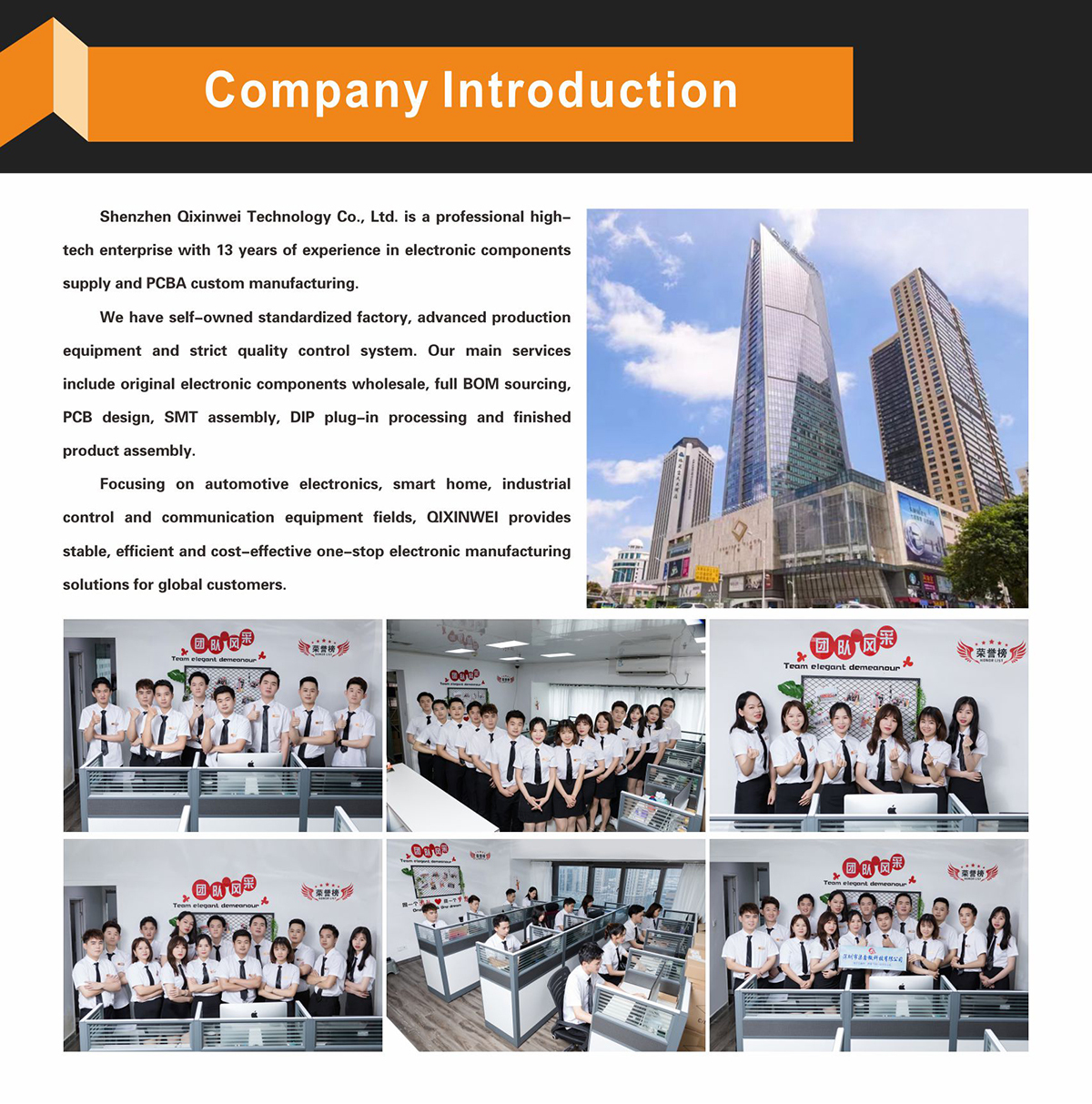
Years of experience in the electronics industry. Trusted by global customers.
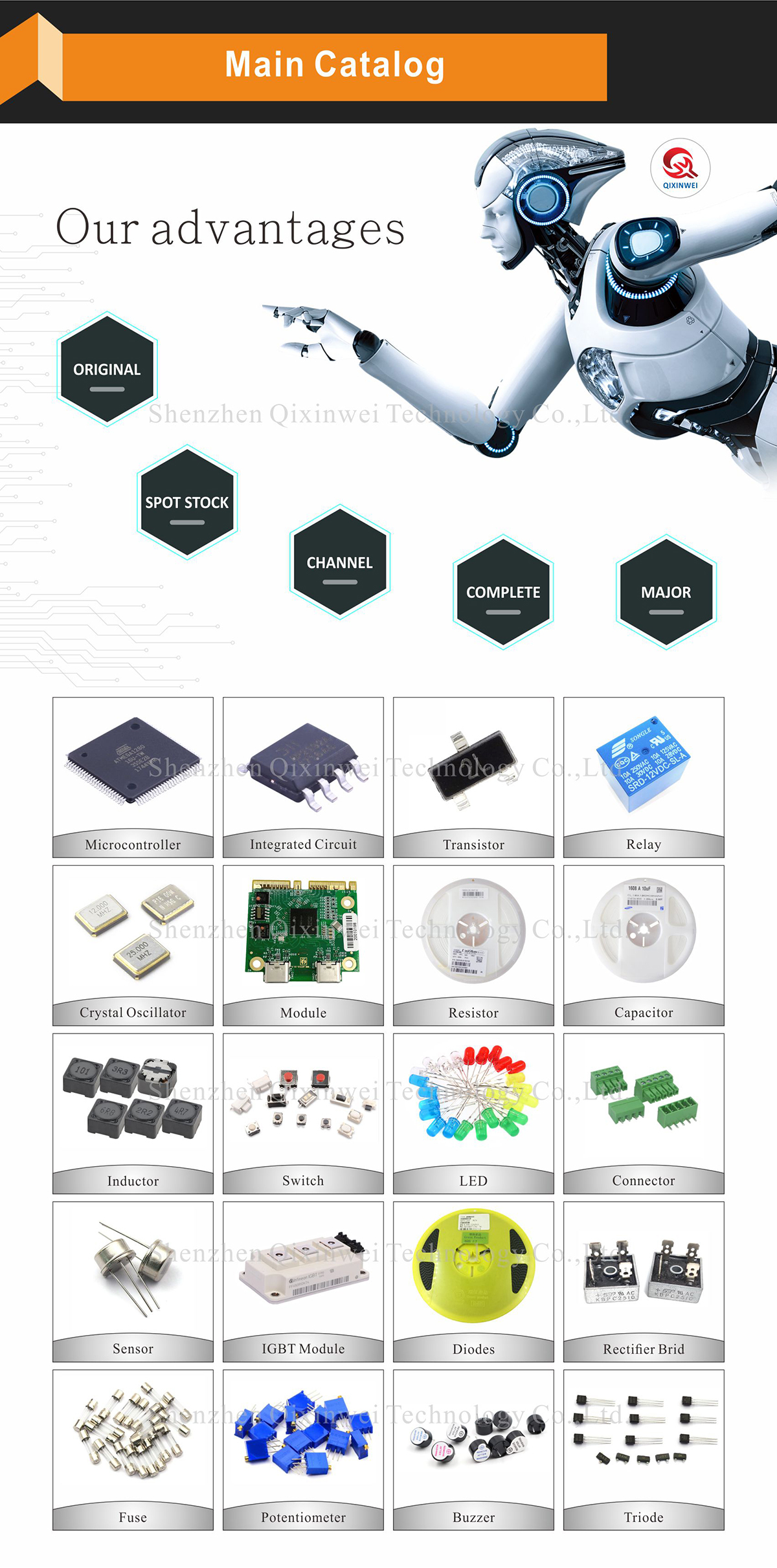
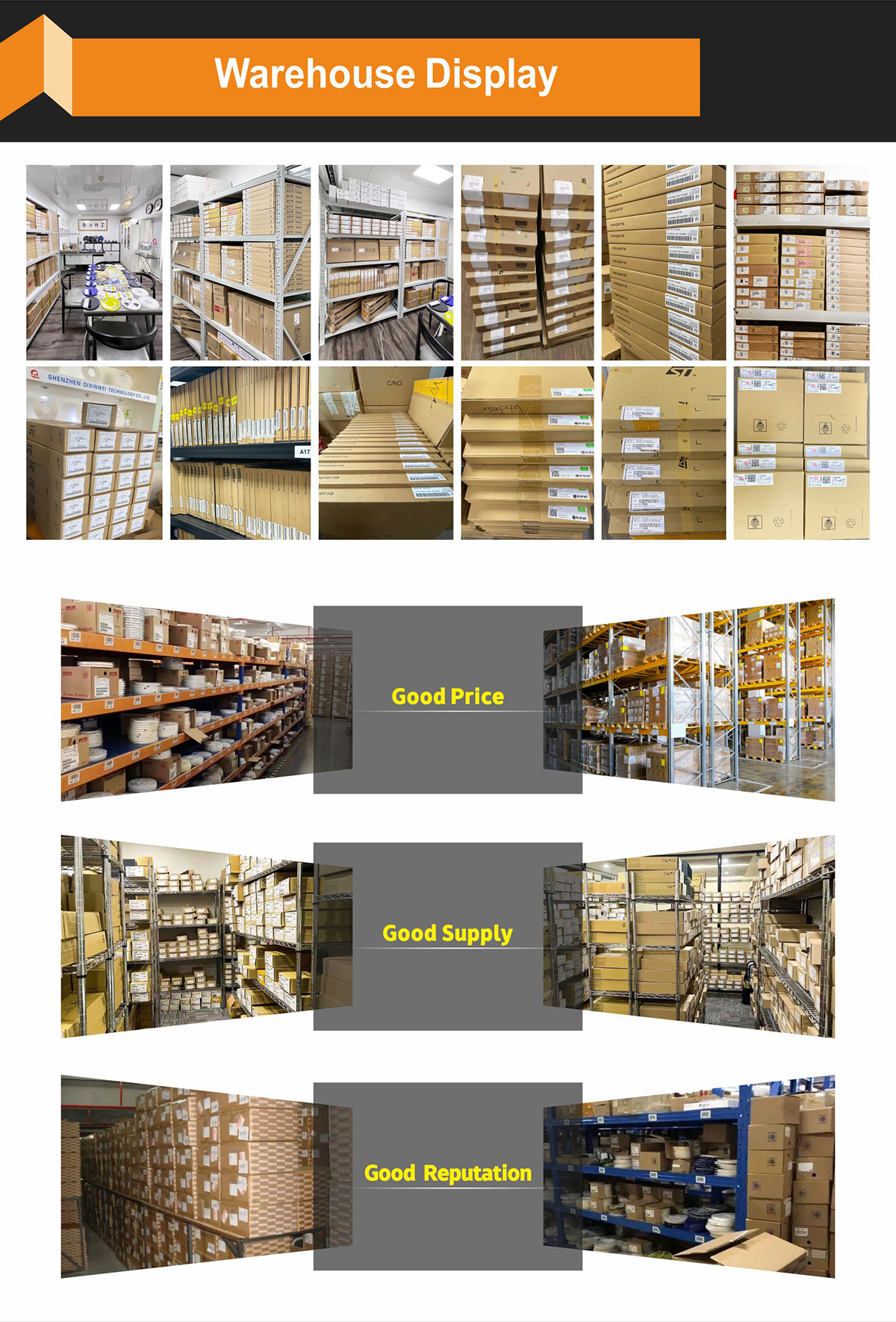
Massive In-Stock Inventory – Ready to ship promptly.
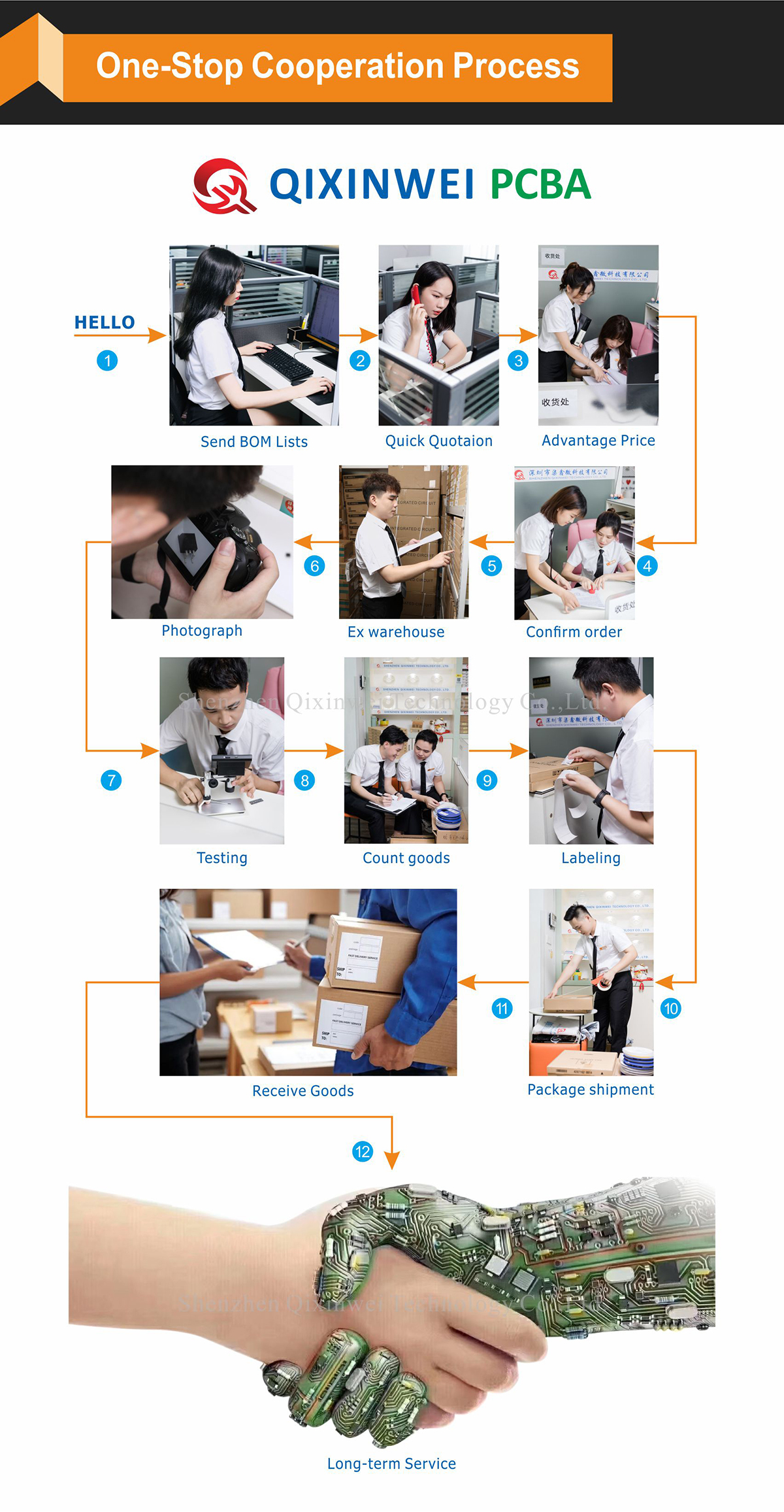
BOM Matching Service – One-stop solution, save time.
PCBA Customization – Professional engineering team creates tailor-made solutions based on your needs.
Cost-Effective & Efficient – Better channel, better cost.
A dedicated team makes your procurement smoother.
Contact us for BOM quotes or PCBA inquiries.

FAQ:
How is the 320 KB of SRAM organized on the STM32L496RET6, and what is the CCM RAM used for?
The 320 KB includes 64 KB of Core Coupled Memory (CCM) that is connected directly to the Cortex-M4 core, bypassing the bus matrix. This allows zero-wait-state access by the CPU, making the STM32L496RET6 ideal for storing real-time interrupt service routines, critical control loops, or frequently accessed data buffers where deterministic execution time is essential.What are the practical benefits of the dual-bank Flash, and can it support OTA updates?
Dual-bank Flash lets the application run from one bank while a new firmware image is written to the other. After a verified switch, the new firmware takes over; if anything goes wrong, the system can automatically roll back. This is extremely valuable for the STM32L496RET6 in IoT devices that require remote updates without downtime.How low can power consumption go in Stop 2 mode, and how quickly does it wake up?
Stop 2 mode retains all SRAM content while drawing as little as around 2 µA typical. The STM32L496RET6 can wake up in only a few microseconds, allowing the MCU to return to full-speed operation almost instantly—perfect for low-duty-cycle applications that periodically wake to sample sensors and then process data.The on-chip 12-bit ADC supports up to 5 Msps. Can it really be used for audio acquisition?
Yes. A 5 Msps sampling rate easily covers the audio band; for example, oversampling at 48 kHz can be used for software noise reduction. The ADC of the STM32L496RET6 works with DMA to move data into SRAM efficiently, making it suitable for voice recognition, vibration analysis, and other high-speed sensing tasks.Does this MCU have a CAN interface? Is it CAN FD capable?
The STM32L496RET6 integrates a standard CAN 2.0B controller supporting 11-bit and 29-bit identifiers at up to 1 Mbps. It does not support CAN FD. For CAN FD, you would need to look at STM32L5 or STM32G4 families. The CAN 2.0B peripheral on the STM32L496RET6 remains the most widely used protocol in legacy industrial and automotive networks.What can the SAI interface do? Can it connect to digital microphones or audio codecs?
The SAI (Serial Audio Interface) on the STM32L496RET6 is a flexible synchronous audio port supporting I2S, PCM, PDM, and other formats. It can directly connect to MEMS digital microphones, audio codecs, or DSPs. With DMA, the SAI transfers data in the background with minimal CPU overhead.Which low-power modes can keep USB or UART reception active?
Stop 0 and Stop 1 modes can keep some high-speed clocks running, allowing a low-power UART (LPUART) to receive data and wake the device. USB requires full-speed operation or Sleep mode; it cannot remain active in Stop modes. A common approach with the STM32L496RET6 is to use a wake-up source such as an LPUART start bit to bring the MCU out of Stop mode before handling communication.How many GPIOs and analog inputs are available on the 64-pin LQFP package?
The LQFP-64 package provides up to about 51 GPIOs while keeping a rich set of peripherals functional. These pins are multiplexed with functions such as UART, SPI, I2C, ADC, and timer channels, giving you flexibility to allocate them according to system needs when using the STM32L496RET6.With an 80 MHz Cortex-M4 and 320 KB SRAM, can it run lightweight AI or DSP algorithms?
Absolutely. The FPU, DSP instructions, and generous SRAM of the STM32L496RET6 allow efficient execution of frameworks such as TensorFlow Lite Micro or CMSIS-NN, as well as custom FIR and FFT routines. The STM32L496RET6 is commonly used for keyword spotting, vibration pattern recognition, and other low-power edge AI workloads that need real-time local inference.Can USB OTG FS act as both host and device simultaneously? How do I power external USB devices?
In OTG mode, the STM32L496RET6 automatically switches to host or device role based on the ID pin level, but it cannot be both at the same time. The USB port itself does not supply power; to power an external device, you need to add an external power switch (e.g., an STMPS series IC) and control it from the MCU.
- Property:
- Specification
- Product Type:
- Arm Cortex-M4 Ultra-Low-Power 32-bit MCU
- Brand:
- STMicroelectronics
- Core:
- Cortex-M4 80 MHz (FPU + ART)
- Package:
- LQFP-64
- Memory:
- 512 KB Flash, 320 KB SRAM
- Display:
- LCD-TFT Controller (320×240)
- Connectivity:
- USB OTG FS (Crystal-less), CAN FD
- Analog:
- 2×Op-Amps, 2×DACs, 2×Comparators, 2×ADCs
- Audio & Storage I/F:
- 2×SAI, SDMMC, OctoSPI
- I/Os:
- 52
- Voltage:
- 1.71V–3.6V
- Temperature:
- -40°C to 85°C