qixinwei-pcba


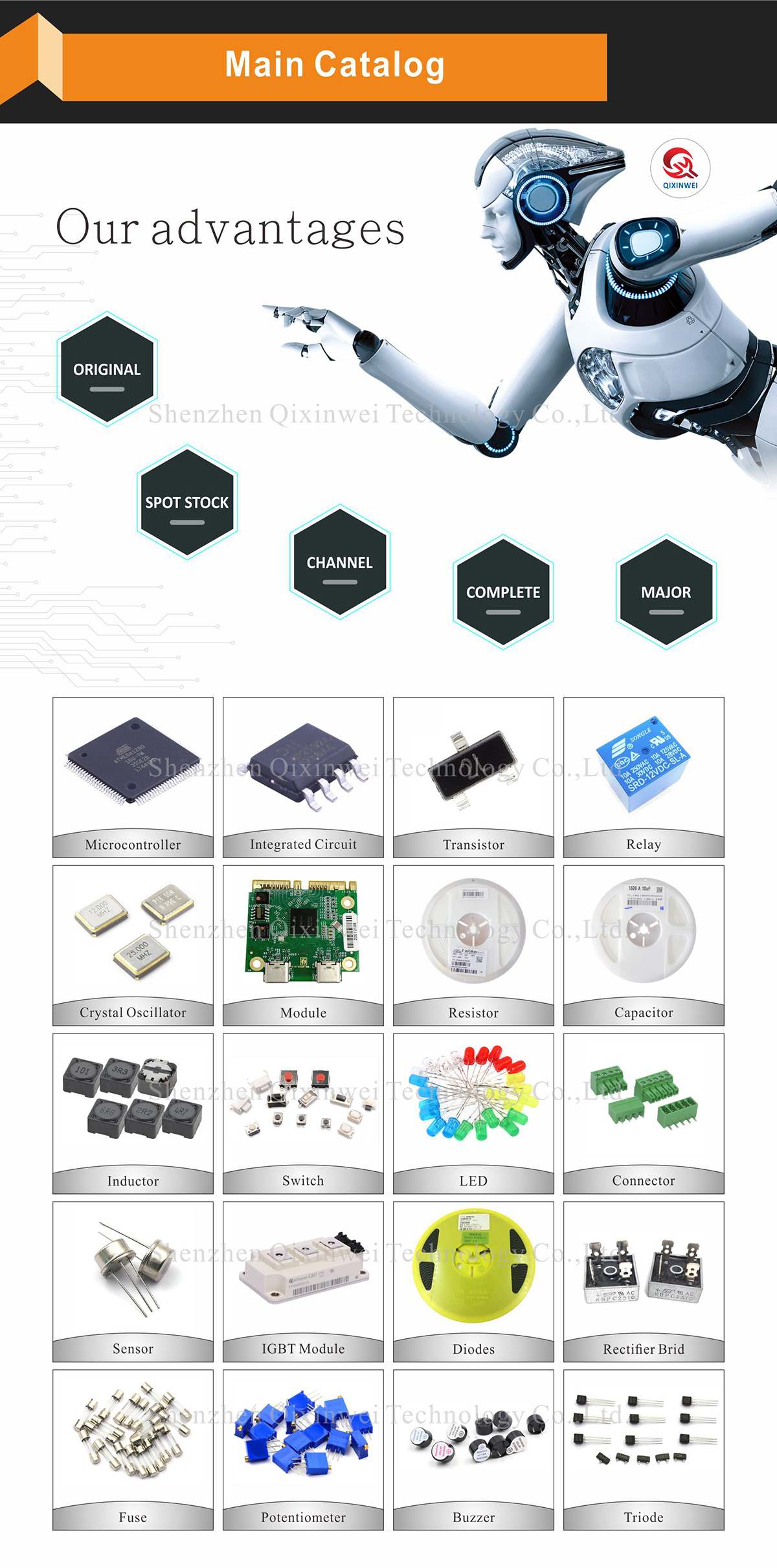
STM32L476VGT6 ST Mainstream Arm Cortex-M4 Ultra-Low-Power 32-bit MCU 1MB Flash 128KB SRAM USB CAN OpAmp DAC SAI Touch LQFP-100
STM32L476VGT6 Product Overview
STM32L476VGT6 is an Arm Cortex-M4 MCU at 80 MHz with FPU and ART Accelerator, LQFP-100. The STM32L476VGT6 features 1 MB Dual-Bank Flash, 128 KB SRAM, USB OTG FS (crystal-less), CAN 2.0B, two 12-bit ADCs (5 Msps, 16 ch), two 12-bit DACs, two op-amps (8 MHz GBW), two comparators, capacitive touch sensing (TSC), true random number generator (TRNG), 2×SAI audio interfaces, SDMMC (4-bit), LP timers, RTC, 3×USART, 1×UART, 1×LPUART, 2×SPI/I2S, 3×I2C. The STM32L476VGT6 offers up to 83 x 5 V-tolerant I/Os and operates from 1.71–3.6 V, -40–85 °C. Compared to the STM32L476VET6 (512 KB Flash), the STM32L476VGT6 doubles the Flash to 1 MB, delivering the top-tier ultra-low-power platform for battery-powered IoT gateways, industrial bus nodes, and portable instruments needing massive program storage, USB, CAN, and complete analog and audio features.
STM32L476VGT6 Core Features
Core: The STM32L476VGT6 features an Arm Cortex-M4 core running at 80 MHz, with FPU + ART Accelerator + MPU
Memory: The STM32L476VGT6 provides 1 MB Dual-Bank Flash (RWW) and 128 KB SRAM
USB & CAN: The STM32L476VGT6 integrates USB OTG FS (Crystal-less) and CAN 2.0B
Analog: The STM32L476VGT6 includes 2×12-bit ADCs (5 Msps, 16 ch), 2×12-bit DACs, 2×Op-Amps (PGA), and 2×Comparators
Audio & Storage: The STM32L476VGT6 features 2×SAI audio interfaces and SDMMC (4-bit)
Capacitive Touch: The STM32L476VGT6 supports Capacitive Touch Sensing (TSC)
Connectivity: The STM32L476VGT6 offers 3×USART, 1×UART, 1×LPUART, 2×SPI/I2S, and 3×I2C
Security: The STM32L476VGT6 includes a True Random Number Generator (TRNG)
Timers: The STM32L476VGT6 has 2×Advanced Motor Control Timers, multiple GP/LP timers, and RTC
I/Os: The STM32L476VGT6 provides 83 (5 V-tolerant)
Package: The STM32L476VGT6 comes in LQFP-100
Temperature Range: The STM32L476VGT6 operates from -40°C to 85°C
STM32L476VGT6 Applications
IoT & Industrial Bus Nodes: The STM32L476VGT6 excels in CAN bus sensors, USB data acquisition, and industrial IoT gateways
Battery-Powered Sensors: The STM32L476VGT6 is ideal for wireless sensors needing analog signal conditioning and high-precision acquisition
Portable Devices: The STM32L476VGT6 supports wearables, portable medical devices, and USB peripherals
Industrial Metering: The STM32L476VGT6 is well-suited for water, gas, electricity meters, and industrial instruments
Audio & Consumer Electronics: The STM32L476VGT6 handles digital audio interfaces, advanced remote controls, and smart cards
Motor Control: The STM32L476VGT6 supports dual-motor FOC and servo drives
STM32L476VGT6 Key Advantages
1 MB Dual-Bank Flash + 128 KB SRAM: The STM32L476VGT6 provides top-tier storage for large programs, safe firmware updates, and complex algorithms
USB + CAN + Ultra-Low Power: The STM32L476VGT6 integrates crystal-less USB and industrial CAN bus in one chip
On-Chip Op-Amps + Dual DACs + Dual Comparators: The STM32L476VGT6 offers powerful analog signal conditioning and output, saving external analog components
SAI Audio + SDMMC: The STM32L476VGT6 provides flexible audio interface and external storage expansion
83 I/Os in LQFP-100 Package: The STM32L476VGT6 offers rich pin resources for peripheral-intensive systems
Cortex-M4 + FPU + Ultra-Low Power: The STM32L476VGT6 delivers excellent DSP and floating-point performance while maintaining extremely low power consumption
5 V-tolerant I/Os: The STM32L476VGT6's 5 V-tolerant I/Os enhance system noise immunity and simplify external level-shifting circuitry
Full Ecosystem Compatibility: The STM32L476VGT6 ensures easy development with STM32CubeIDE/HAL/LL libraries
Why Choose QIXINWEI
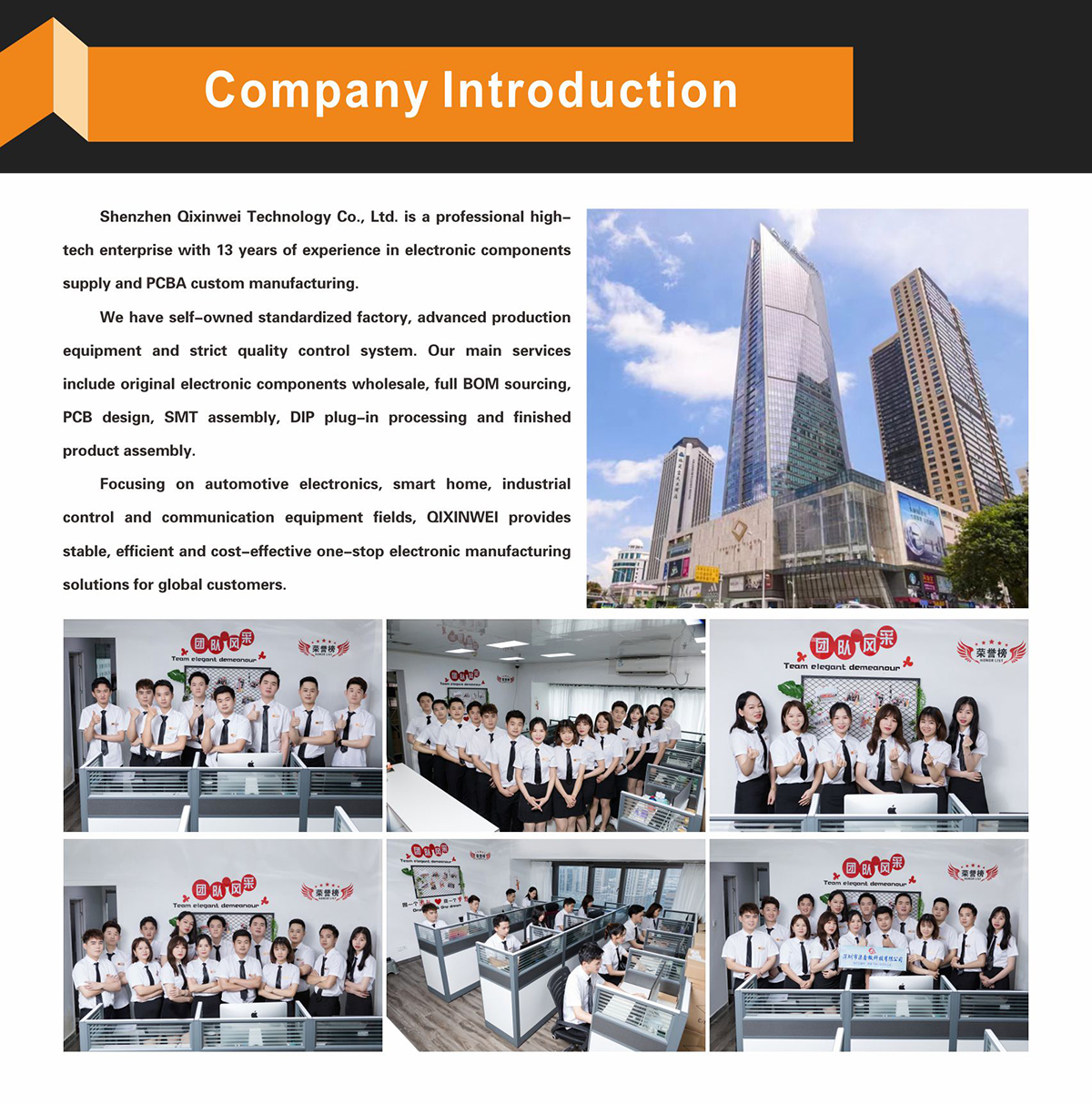
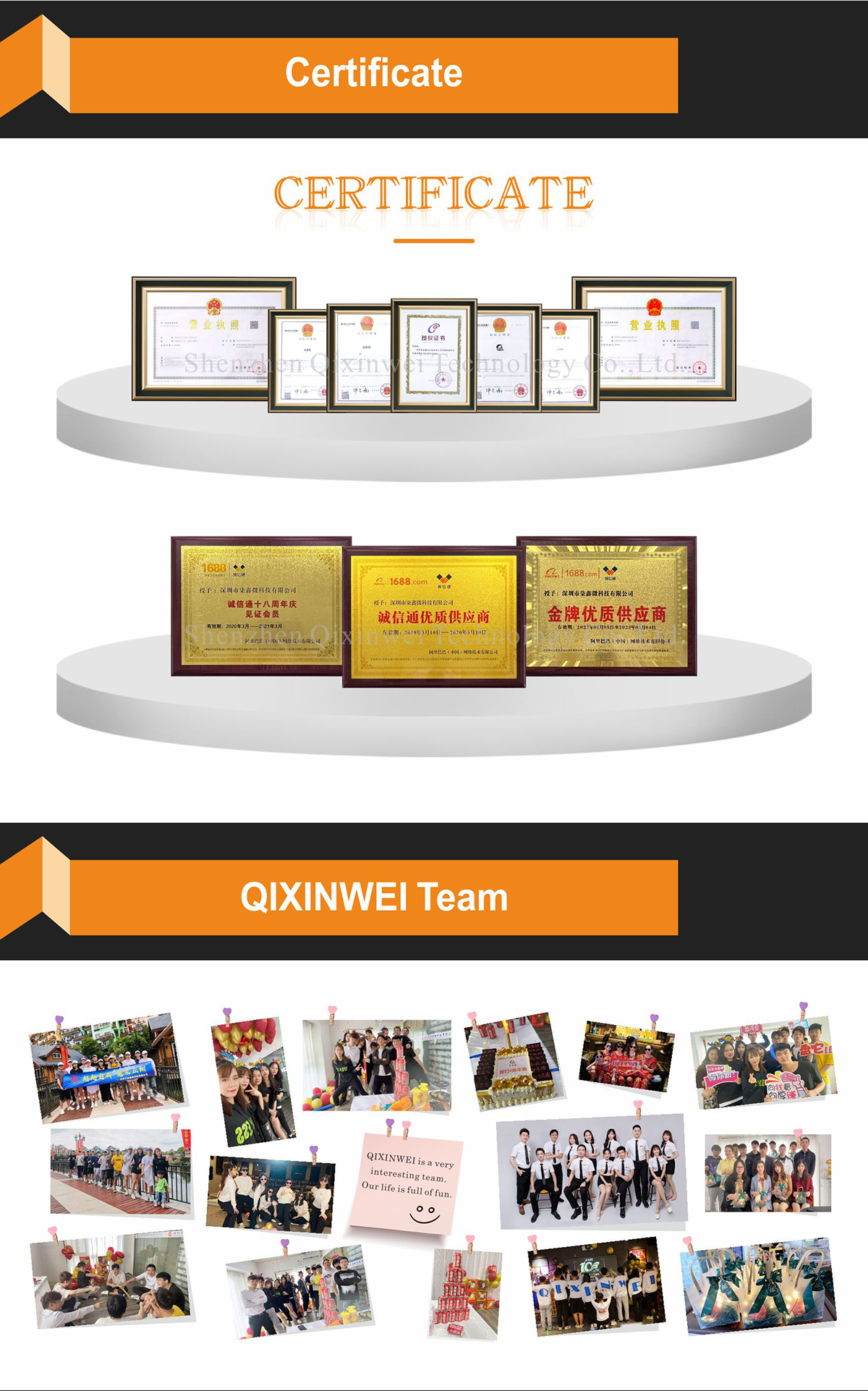
Years of experience in the electronics industry. Trusted by global customers.
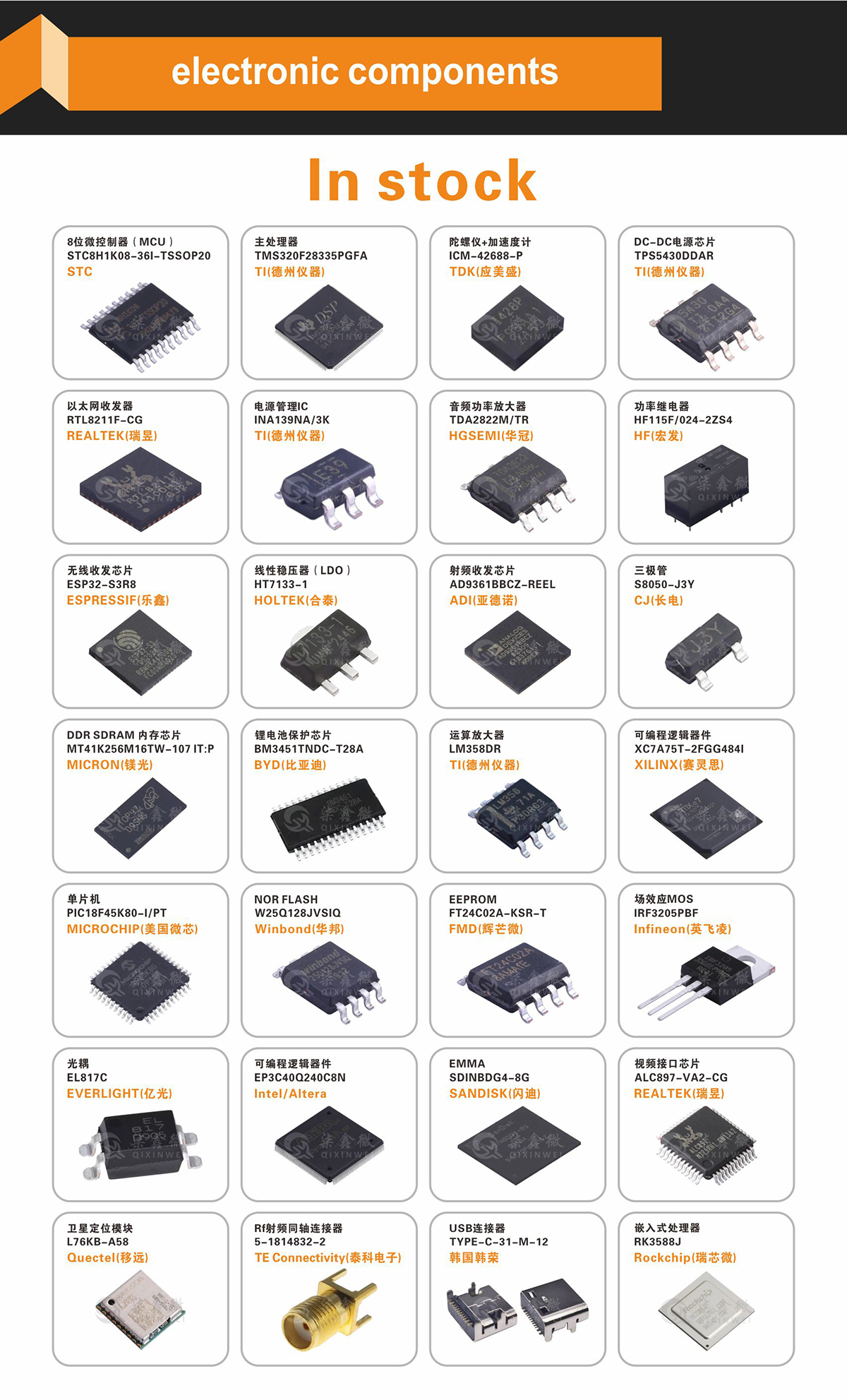
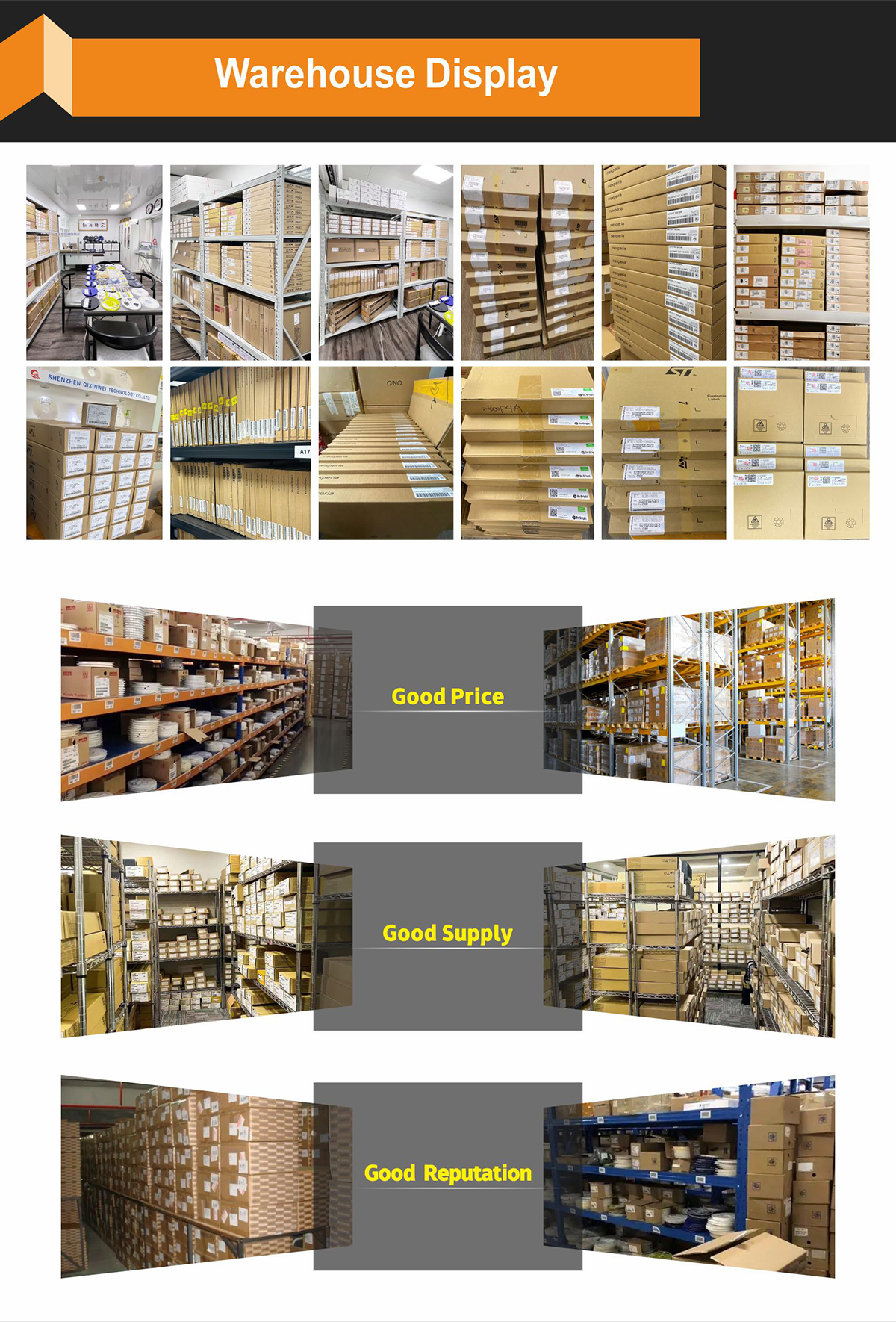
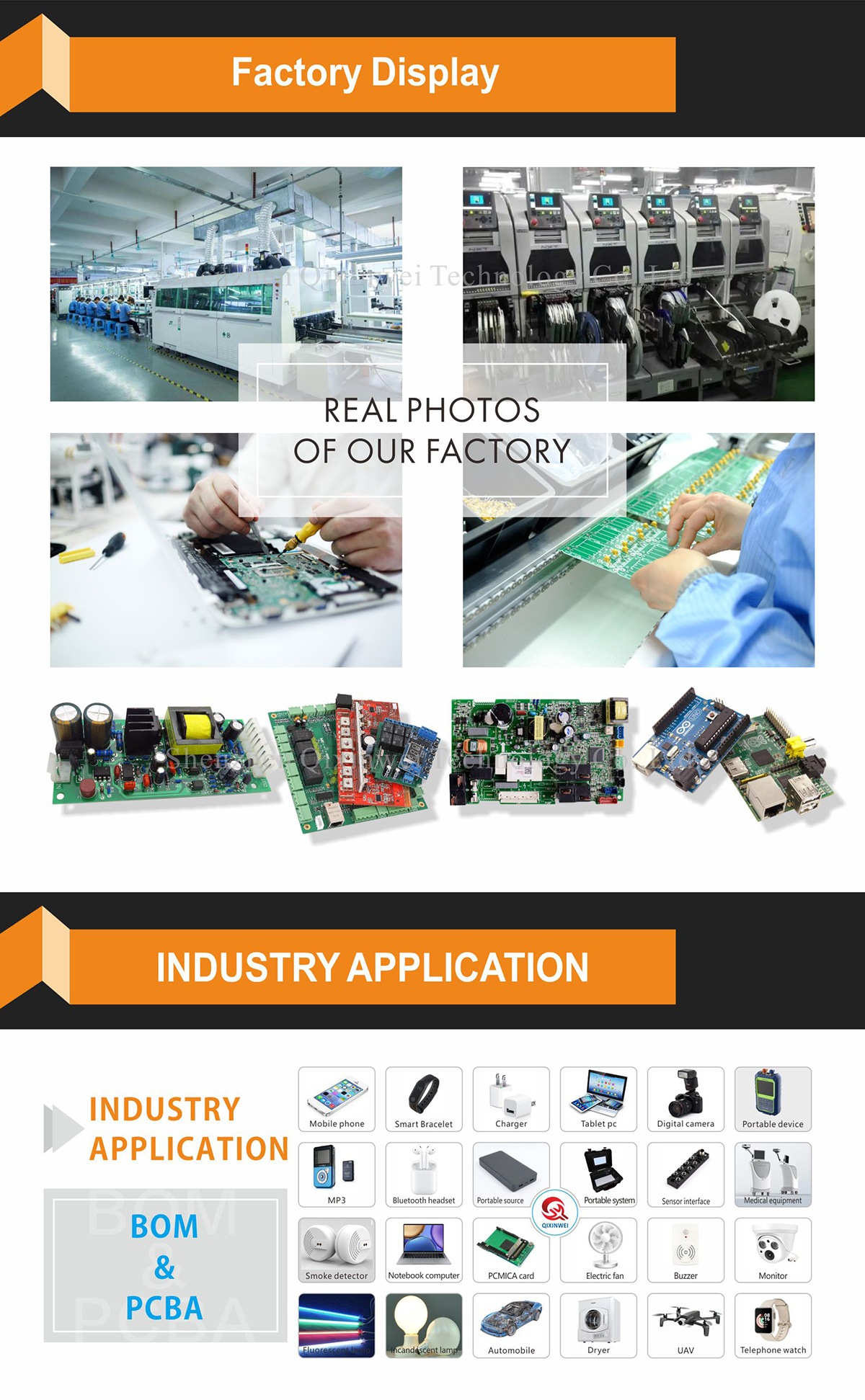
Massive In-Stock Inventory – Ready to ship promptly.
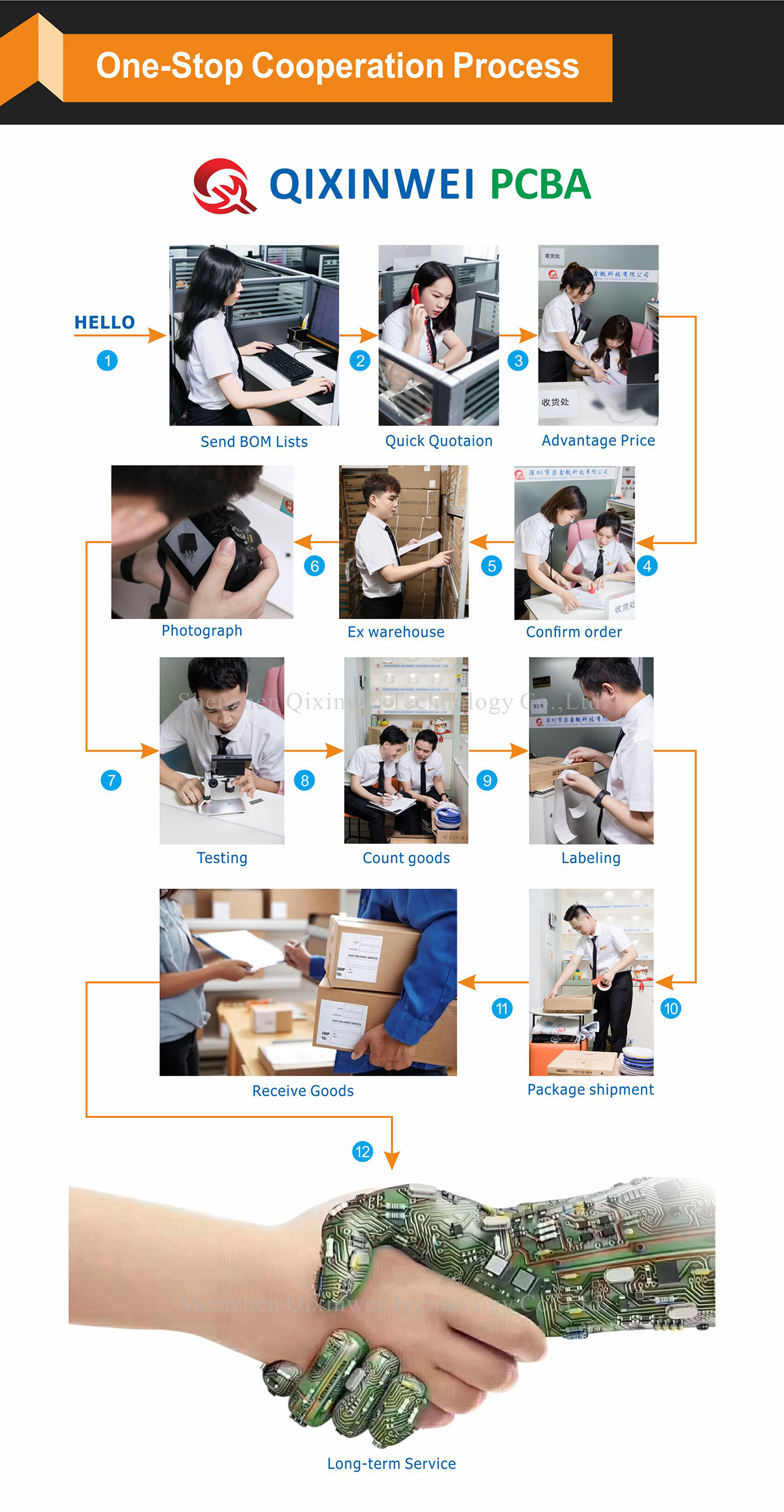
BOM Matching Service – One-stop solution, save time.
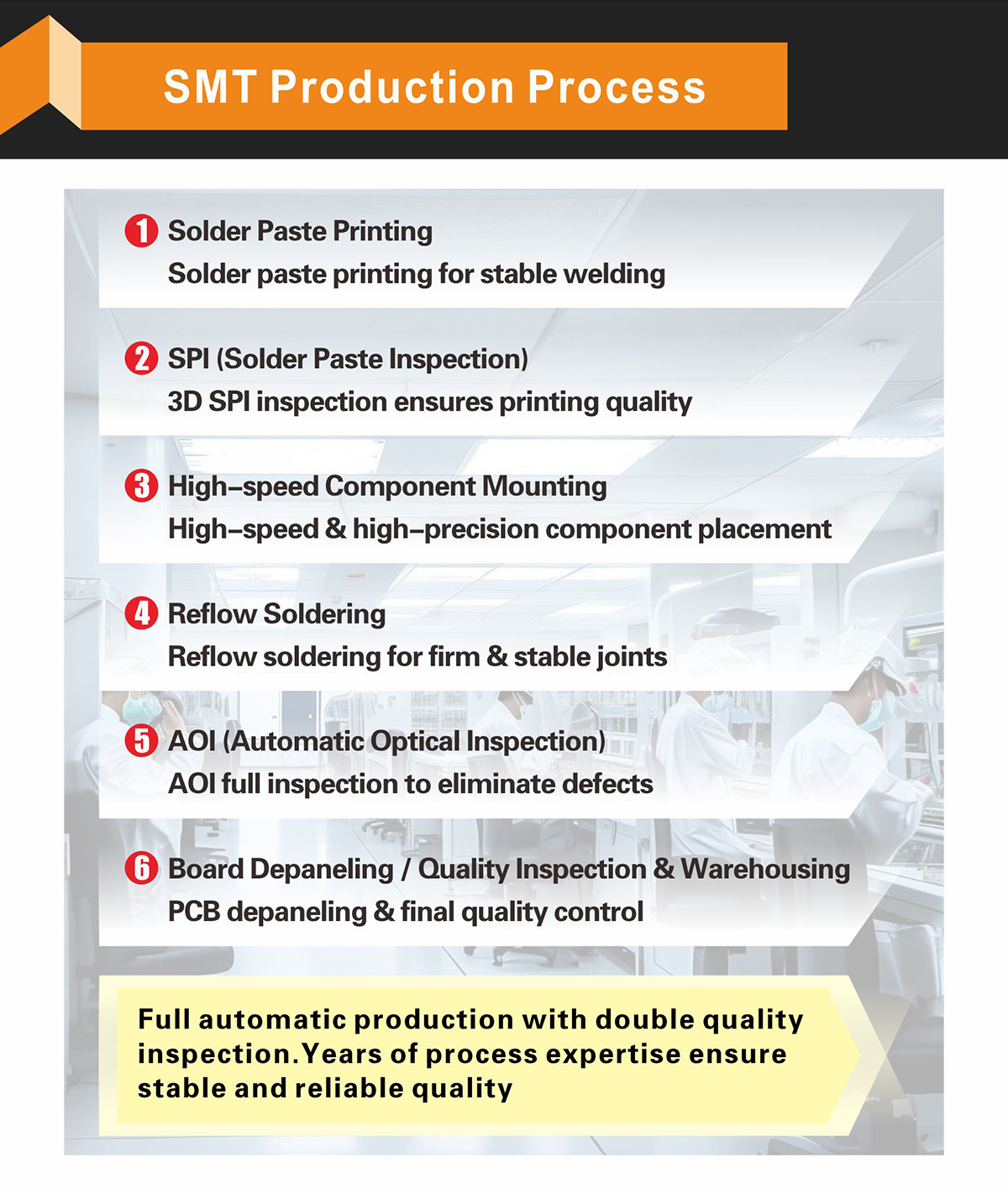
PCBA Customization – Professional engineering team creates tailor-made solutions based on your needs.
Cost-Effective & Efficient – Better channel, better cost.
A dedicated team makes your procurement smoother.
Contact us for BOM quotes or PCBA inquiries.

FAQ:
What is the core difference between the STM32L476VGT6 and STM32L476ZGT6, and how do I choose?
Both share the identical core (Cortex-M4 80 MHz), memory (1 MB Flash, 128 KB SRAM), and peripherals (LCD driver, USB OTG, CAN, SAI, etc.) with the STM32L476VGT6. The only difference is the package and available pins: the STM32L476VGT6 comes in an LQFP-100 package with up to about 82 GPIOs, while the ZGT6 uses an LQFP-144 with about 114 GPIOs. If your application does not require a large number of I/O pins or LCD segments, choosing the STM32L476VGT6 saves PCB space and cost while delivering the same performance.How many segments can the LCD driver drive in the LQFP-100 package of the STM32L476VGT6? Is it enough for an instrument panel?
In the 100-pin package, the LCD controller of the STM32L476VGT6 can be configured for up to 8 common lines and 28 segment lines (8 COM x 28 SEG), driving up to 224 segments. This is sufficient for meters, thermostats, and home appliance panels requiring numeric displays, unit symbols, and simple icons—all without an external driver chip.Can the 80 MHz core with 128 KB SRAM on the STM32L476VGT6 handle a lightweight graphical interface?
Yes, with proper design. For segment LCD interfaces, the STM32L476VGT6's controller refreshes autonomously with almost no CPU or memory load. For dot-matrix displays over SPI or parallel interfaces, 128 KB SRAM on the STM32L476VGT6 can accommodate a frame buffer, and the Cortex-M4 at 80 MHz can render basic graphics smoothly. More complex GUIs may benefit from an STM32F4 or H7 with Chrom-ART acceleration.Can the segment LCD on the STM32L476VGT6 stay on in Stop 2 low-power mode, and how much current does it add?
Yes. In Stop 2 mode, the segment LCD of the STM32L476VGT6 can continue refreshing using its internal voltage converter and low-speed independent clock. The total typical current (MCU + LCD) for the STM32L476VGT6 can remain under 3 µA. This enables always-on display functionality for battery-powered devices like water meters or thermostats.Can the internal 12-bit 5 Msps ADC of the STM32L476VGT6 directly acquire microphone signals for voice recognition?
Yes. The high-speed ADC of the STM32L476VGT6 supports oversampling in the audio band, and with DMA it can stream PCM data efficiently into memory. After software noise reduction and feature extraction, lightweight keyword spotting models (e.g., TensorFlow Lite Micro) can run directly on the STM32L476VGT6. Note that the ADC input requires proper biasing—usually provided by an external op-amp or an analog MEMS microphone.There is only one USB OTG port on the STM32L476VGT6. How can I simultaneously communicate over USB and detect a charger?
USB OTG FS on the STM32L476VGT6 can perform data communication, but charger detection is not built in. You can use an external charger detection IC (such as a BQ24392) or an ADC channel with GPIO logic to identify the charger type. Data and charging detection share the same D+/D- lines but are handled logically in a time-multiplexed manner.How can the CAN 2.0B interface of the STM32L476VGT6 automatically wake up the MCU to save power?
The CAN controller of the STM32L476VGT6 can be configured to wake the MCU from Stop mode when a matching frame arrives on the bus. Using hardware message filters, you can ensure that only relevant messages trigger a wake-up for the STM32L476VGT6, avoiding unnecessary power cycles and significantly reducing average system consumption.Does the SAI interface of the STM32L476VGT6 support PDM mode, and can it connect directly to MEMS digital microphones?
Yes. One SAI sub-block on the STM32L476VGT6 can be configured in PDM mode to accept up to 4 digital microphone inputs. You can directly connect the DATA and CLK pins of MEMS microphones to the SAI of the STM32L476VGT6, enabling multi-channel synchronous recording without external conversion ICs.Is the LQFP-100 package of the STM32L476VGT6 easy to solder? Will there be yield issues in small batch production?
The LQFP-100 of the STM32L476VGT6 has exposed pins with 0.5 mm pitch and can be drag-soldered using a standard soldering iron and flux—no hot-air station required. It is very friendly for small-batch hand assembly, and inspection and rework are far easier than with BGA or QFN packages.How can I use the 1 MB Flash of the STM32L476VGT6 to emulate EEPROM for saving user settings, and what is the expected lifetime?
ST provides an EEPROM emulation library that stores variables in dedicated sectors of the internal Flash. Because Flash on the STM32L476VGT6 typically has a 10K-cycle endurance, the library uses wear-leveling to distribute writes across the sector, greatly extending effective lifetime. It is well suited for low-frequency write operations such as saving user configurations and calibration data over the product lifecycle.
- Property:
- Specification
- Product Type:
- Arm Cortex-M4 Ultra-Low-Power 32-bit MCU
- Brand:
- STMicroelectronics
- Core:
- Cortex-M4 80 MHz (FPU + ART)
- Package:
- LQFP-100
- Memory:
- 1 MB Flash, 128 KB SRAM
- Connectivity:
- USB OTG FS, CAN 2.0B, USART, UART, LPUART, SPI/I2S, I2C
- Analog:
- 2×Op-Amps, 2×DACs, 2×Comparators, 2×ADCs
- Audio & Storage:
- 2×SAI, SDMMC
- I/Os:
- 83
- Voltage:
- 1.71V–3.6V
- Temperature:
- -40°C to 85°C