qixinwei-pcba


STM32L433CCU6 ST Mainstream Arm Cortex-M4 Ultra-Low-Power 32-bit MCU 256KB Flash 64KB SRAM USB DAC Comparator UFQFPN-48
STM32L433CCU6 Product Overview
STM32L433CCU6 is an Arm Cortex-M4 MCU at 80 MHz with FPU and ART Accelerator, UFQFPN-48. 256 KB Flash, 64 KB SRAM, USB 2.0 FS device (crystal-less), 12-bit ADC (10 ch), two 12-bit DACs, two comparators, LP timers, RTC, 2×USART, 1×UART, 1×LPUART, 2×SPI/I2S, 2×I2C. Up to 38 x 5 V-tolerant I/Os. 1.71–3.6 V, -40–85 °C. Compared to the LQFP-48 STM32L433CCT6, the STM32L433CCU6 uses a more compact UFQFPN-48 package, further reducing footprint while retaining the same large Flash, dual DACs, and rich peripherals, making it ideal for space-sensitive, battery-powered IoT nodes, portable devices, and sensor applications.
STM32L433CCU6 Core Features
Core: The STM32L433CCU6 features an Arm Cortex-M4 core at 80 MHz, with FPU + ART Accelerator
Memory: The STM32L433CCU6 provides 256 KB Flash and 64 KB SRAM (incl. 16 KB with HW parity)
USB: The STM32L433CCU6 integrates a USB 2.0 FS device (crystal-less)
Analog: 12-bit ADC (10 ch), 2×12-bit DACs, 2×Comparators
Connectivity: 2×USART, 1×UART, 1×LPUART, 2×SPI/I2S, 2×I2C
Timers: 1×Advanced Timer, multiple GP/LP timers, RTC
I/Os: 38 (5 V-tolerant)
Package: UFQFPN-48
Temperature Range: -40°C to 85°C
STM32L433CCU6 Applications
IoT Sensor Nodes: Battery-powered wireless sensors and USB data acquisition modules can leverage the STM32L433CCU6's low power and connectivity
Portable Devices: Wearables, portable medical devices, and USB peripherals benefit from the STM32L433CCU6's compact integration
Industrial Metering: Water, gas, and electricity meters are ideal applications for the STM32L433CCU6
Consumer Electronics: Remote controls, e-labels, smart cards
Space-Constrained Energy Harvesting: Self-powered sensor nodes and energy harvesting systems can rely on the STM32L433CCU6's ultra-low power consumption
STM32L433CCU6 Key Advantages
Cortex-M4 + FPU + Ultra-Low Power: The STM32L433CCU6 delivers excellent DSP and floating-point performance while maintaining extremely low power consumption
Integrated Crystal-less USB: The STM32L433CCU6 enables USB communication without an external crystal, simplifying design and saving BOM
256 KB Flash + 64 KB SRAM: The STM32L433CCU6 provides large storage for complex protocol stacks and data processing
Dual DACs + Dual Comparators: The STM32L433CCU6 offers flexible analog output and signal threshold detection without external components
LPUART Low-Power Serial Interface: Supports asynchronous communication in low-power modes, further optimizing system power consumption
Ultra-Compact UFQFPN-48 Package: Significantly reduces PCB area while retaining all peripherals
5 V-tolerant I/Os: Enhanced system noise immunity, simplified external level-shifting circuitry
Full Ecosystem Compatibility: Easy development with STM32CubeIDE/HAL/LL libraries for the STM32L433CCU6
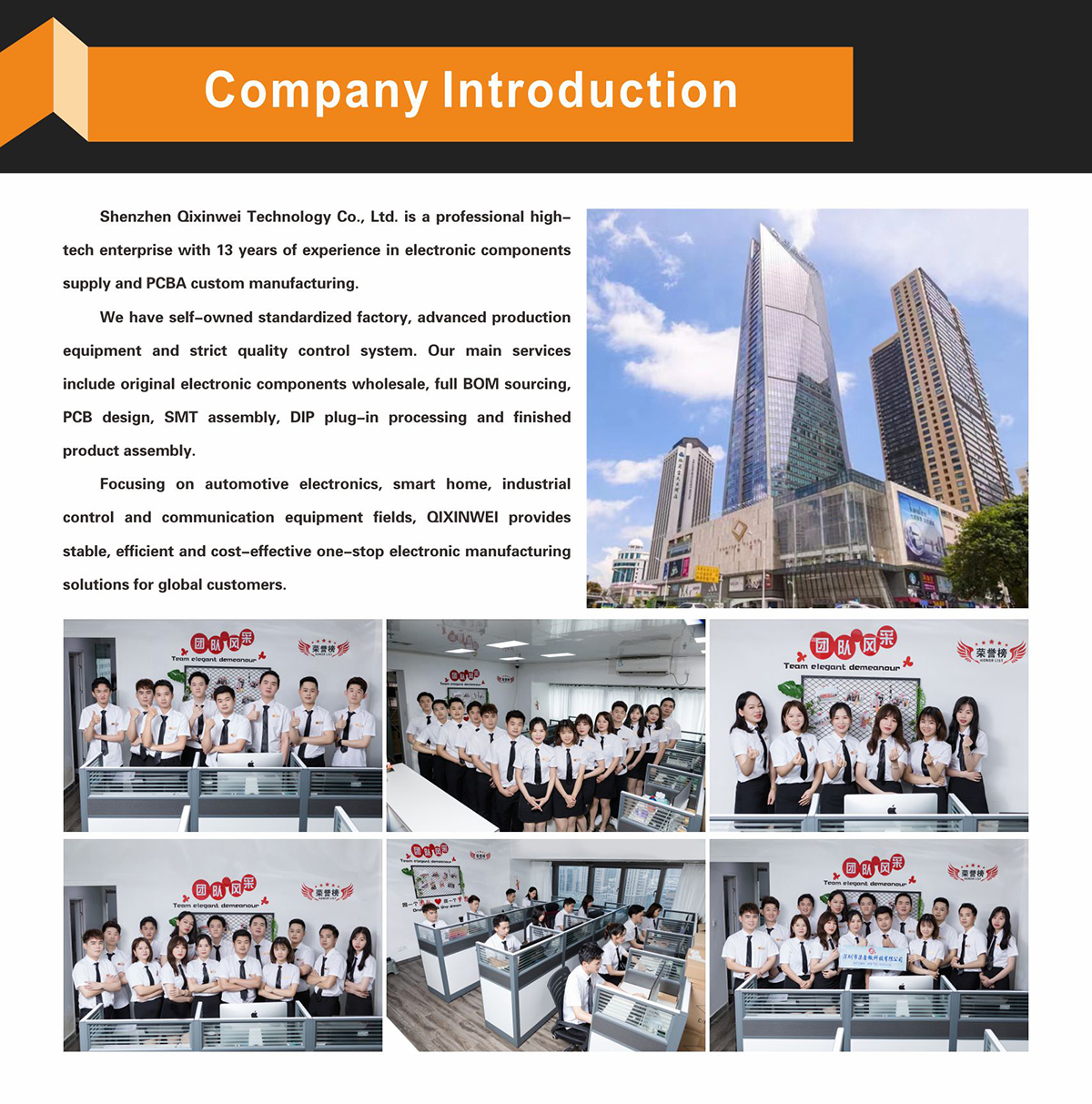
Why Choose QIXINWEI
Years of experience in the electronics industry. Trusted by global customers.
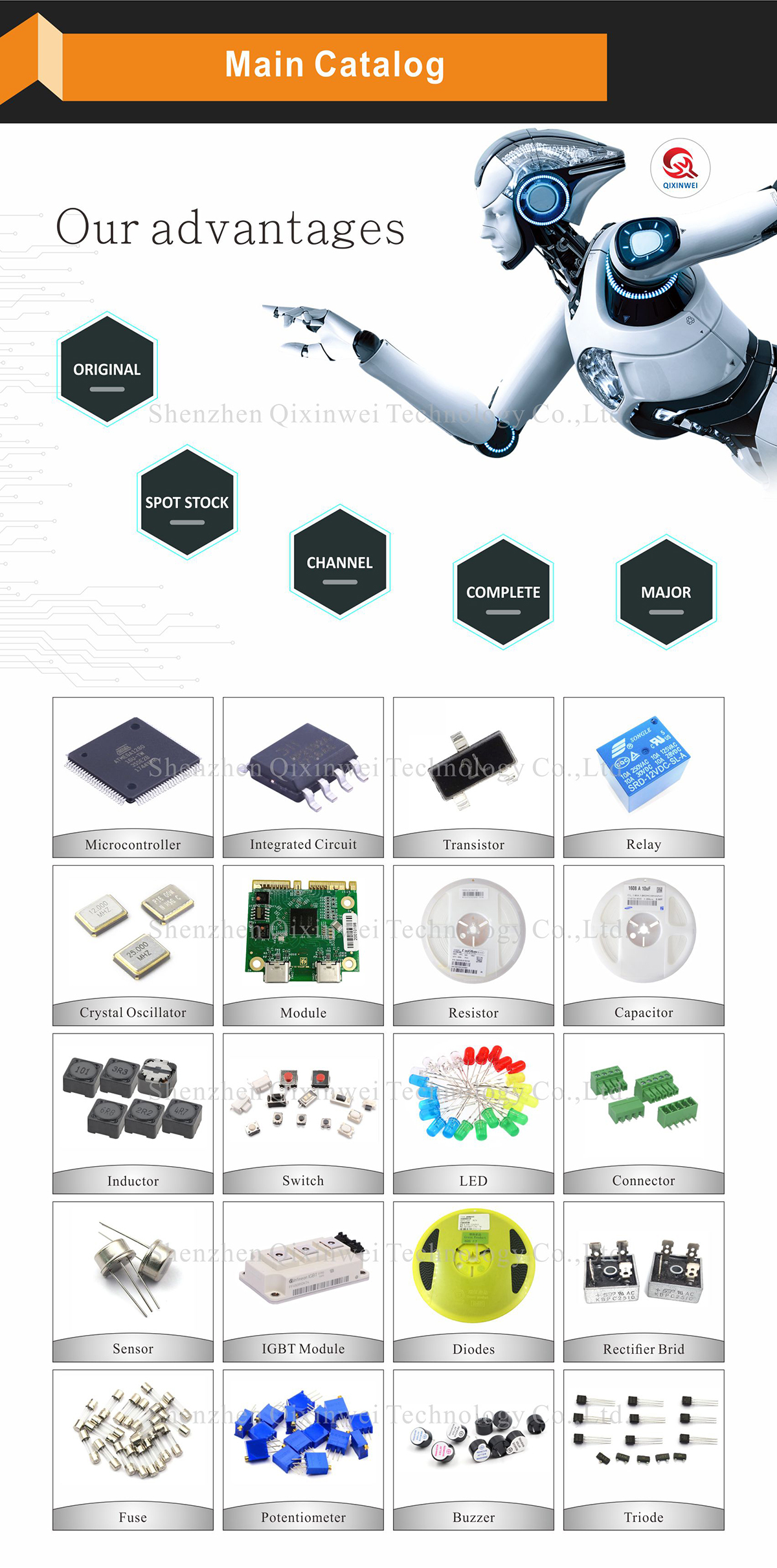
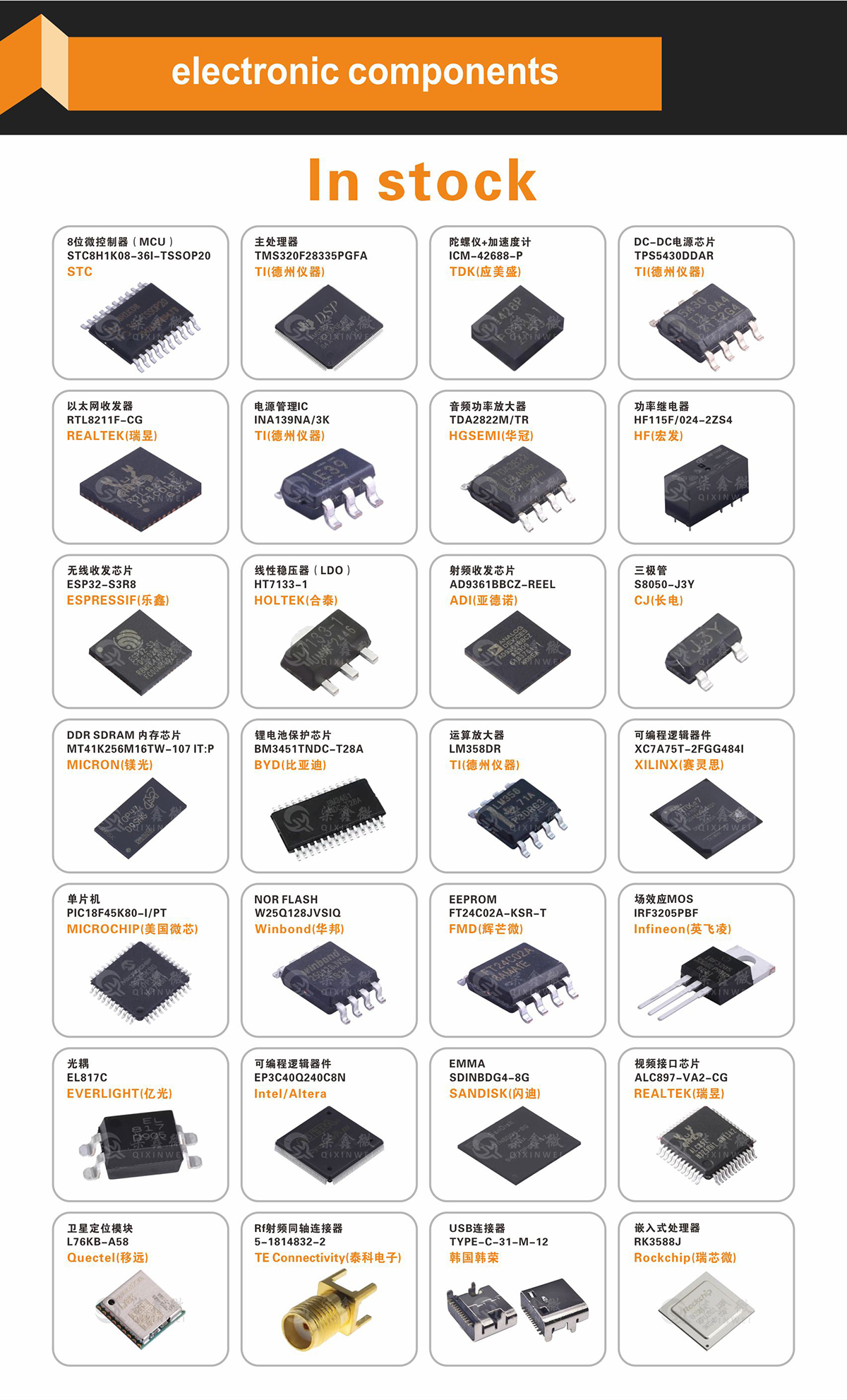
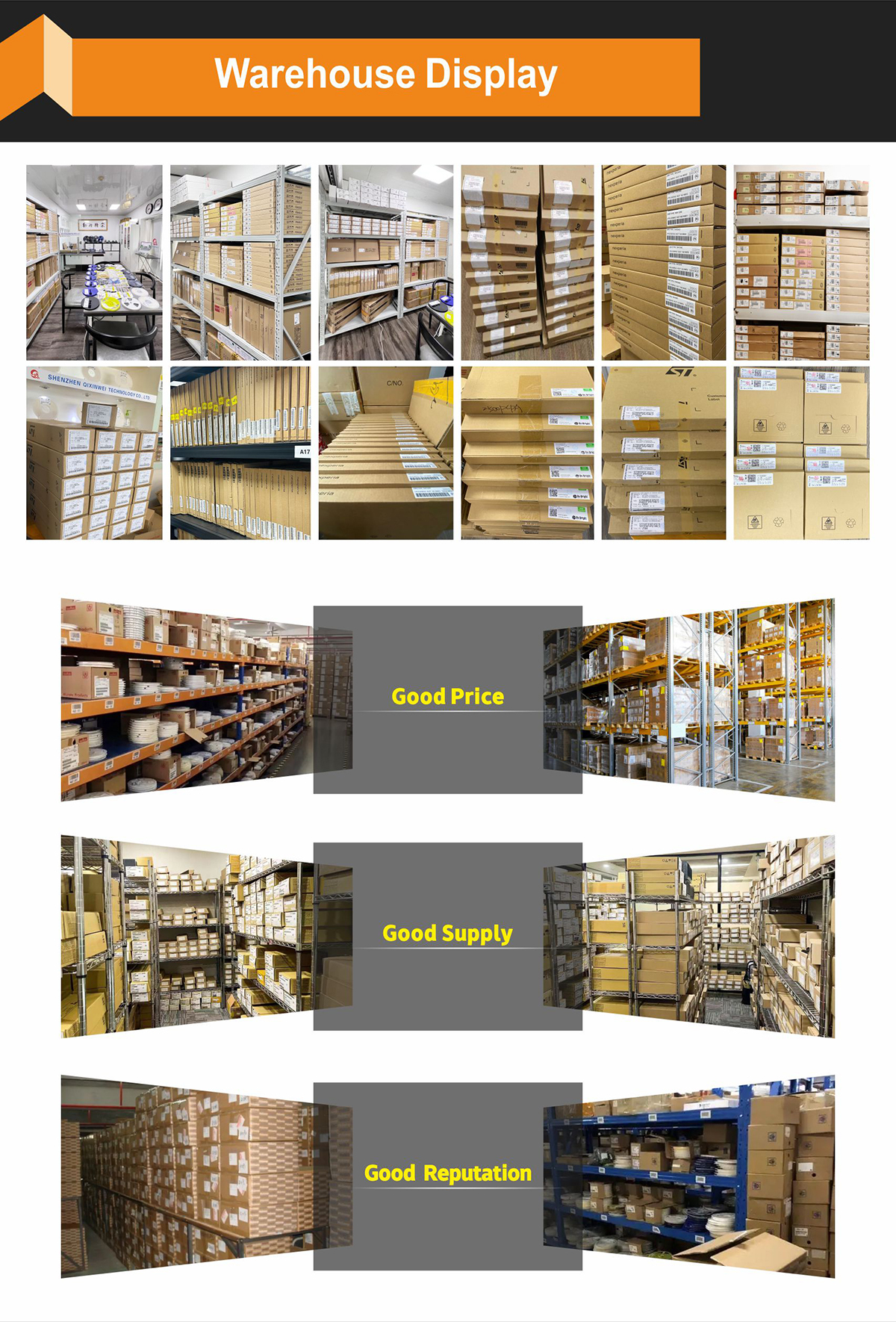
Massive In-Stock Inventory – Ready to ship promptly.
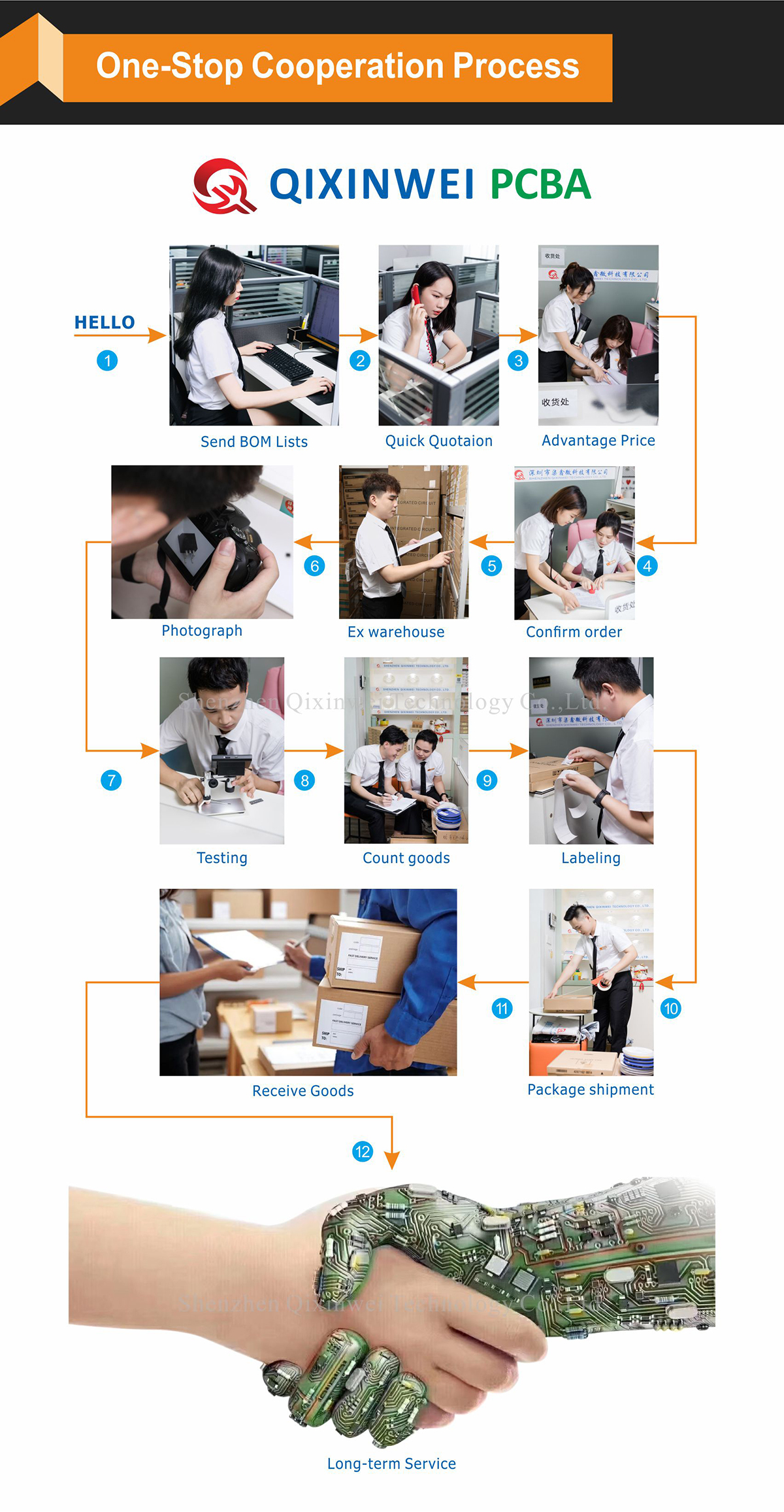
BOM Matching Service – One-stop solution, save time.
PCBA Customization – Professional engineering team creates tailor-made solutions based on your needs.
Cost-Effective & Efficient – Better channel, better cost.
A dedicated team makes your procurement smoother.
Contact us for BOM quotes or PCBA inquiries.

FAQ
1. What is STM32L433CCU6?
STM32L433CCU6 is an ultra-low-power 32-bit MCU from STMicroelectronics' STM32L4 series, built around an Arm® Cortex®-M4 core with FPU and DSP instructions in a UFQFPN-48 package (7 mm × 7 mm). Operating at 80 MHz, the STM32L433CCU6 provides 256 KB Flash and 128 KB SRAM, integrating CAN 2.0B, USB OTG FS, SAI audio interface, and high-precision analog peripherals into an extremely compact footprint—ideal for space-constrained battery-powered devices that need industrial connectivity and audio processing capabilities.
2. What are the key specifications of STM32L433CCU6?
Core: Arm® Cortex®-M4, up to 80 MHz, 100 DMIPS with FPU and DSP
Memory: 256 KB Flash, 128 KB SRAM
Operating Voltage: 1.71 V to 3.6 V
Temperature Range: -40 °C to +85 °C (industrial grade)
I/O Count: up to 38
Package: UFQFPN-48 (7 mm × 7 mm)
3. What are the characteristics of the UFQFPN-48 package on the STM32L433CCU6, and is it difficult to solder?
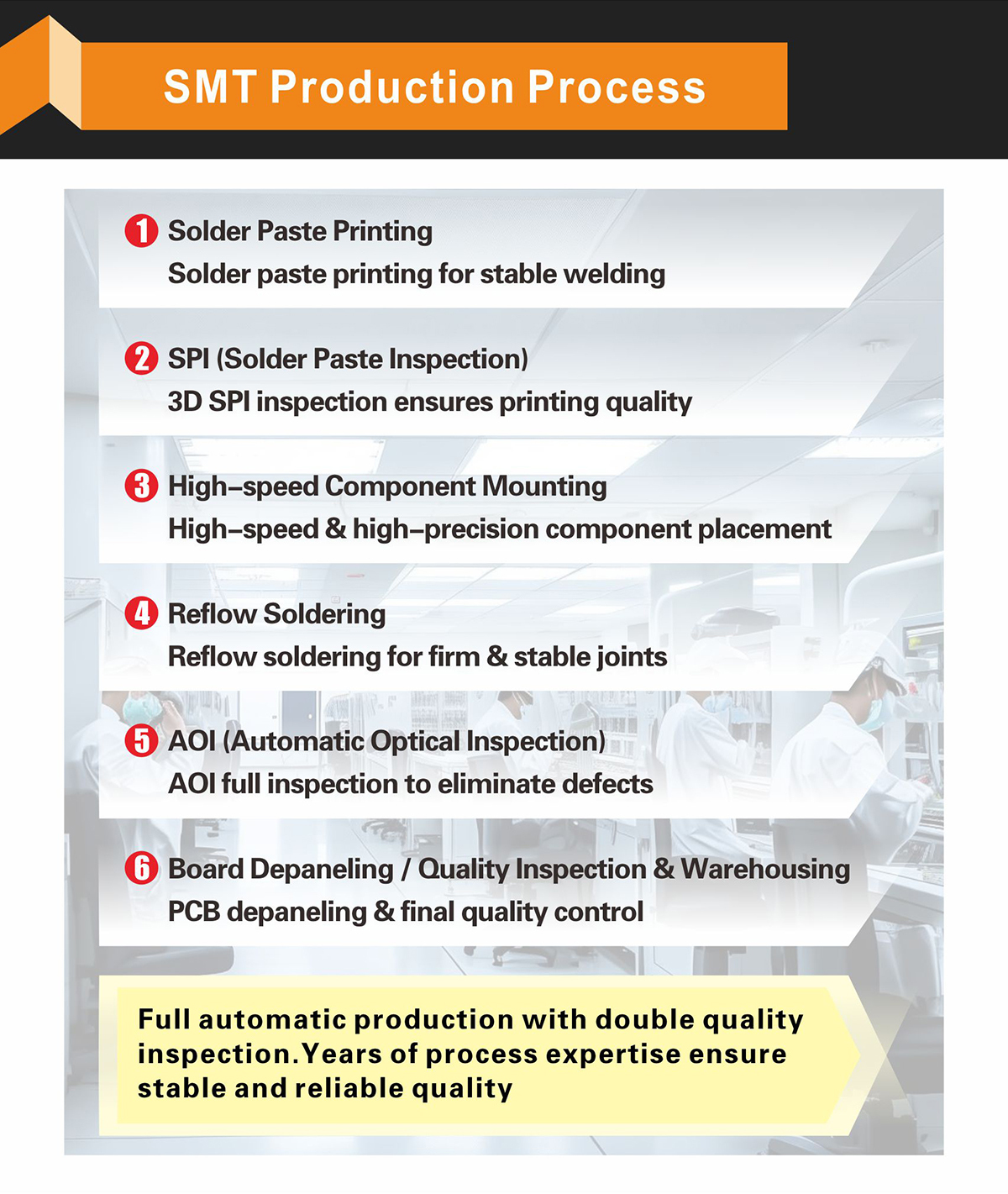
The UFQFPN-48 is an ultra-thin QFN package measuring only 7 mm × 7 mm with an exposed thermal pad underneath. All pins of the STM32L433CCU6 are on the bottom side, requiring reflow soldering or a hot-air station—manual soldering with a conventional iron is not feasible. This package significantly saves PCB space but demands precise stencil design and controlled reflow profiles, making the STM32L433CCU6 best suited for automated SMT production.
4. What applications is STM32L433CCU6 suitable for?
Thanks to its ultra-compact 48-pin package, 256 KB Flash, 128 KB SRAM, CAN 2.0B, USB OTG, and SAI, the STM32L433CCU6 is ideal for size-constrained devices that still require industrial communication and audio processing, such as miniature industrial sensor nodes, portable medical terminals, small drone flight controllers, wearables, and compact IoT edge computing modules.
5. What development tools support STM32L433CCU6?
ST provides free STM32CubeMX for graphical configuration and STM32CubeIDE as an integrated development environment for the STM32L433CCU6, along with the STM32CubeL4 firmware library. Debugging and programming are handled by ST-Link debuggers. For early prototyping, the NUCLEO-L433RC board (LQFP-64) or QFN adapter boards can be used for functional verification before transitioning to the final compact design of the STM32L433CCU6.
6. What is the power consumption of the STM32L433CCU6 across its low-power modes?
Temperature Range: -40 °C to +85 °C
Ultra-low-power modes of the STM32L433CCU6:
Shutdown mode: ~33 nA (5 wake-up pins)
Standby mode: ~125 nA (5 wake-up pins), ~430 nA with RTC
Stop 2 mode: ~1.2 µA, ~1.4 µA with RTC
Run mode: ~100 µA/MHz (LDO mode)
7. How does STM32L433CCU6 differ from STM32L432KCU6?
Both share a UFQFPN-48 package and 80 MHz Cortex-M4 core, but the STM32L433CCU6 offers larger SRAM (128 KB vs 64 KB) and more communication interfaces such as CAN 2.0B and SAI. The L432KCU6 typically lacks CAN and has smaller SRAM, making it suitable for ultra-compact designs without industrial bus requirements. Choose the STM32L433CCU6 when you need CAN, audio, and more memory.
8. What key peripheral interfaces does STM32L433CCU6 offer?
Communication: CAN 2.0B, I²C, SPI, UART/USART, USB OTG FS, SAI (I2S/PCM/PDM)
Analog: 12-bit 5 Msps ADC, 12-bit DAC, ultra-low-power comparators
Timers: 16-bit and 32-bit general-purpose timers, advanced motor-control timer
Others: Quad SPI interface, SDMMC interface
9. Can CAN, USB, and SAI be used simultaneously in the 48-pin STM32L433CCU6? How to resolve pin conflicts?
With flexible pin multiplexing on the STM32L433CCU6, CAN, USB, and SAI can generally operate together, but careful pin assignment is needed. For example, if CAN uses PA11/PA12 and USB also defaults to these pins, you can remap CAN to alternate pins such as PB8/PB9 or PD0/PD1, and assign SAI to a different I/O group. STM32CubeMX helps visualize conflicts and suggests viable alternatives for the STM32L433CCU6.
10. What practical advantages does the 128 KB SRAM on the STM32L433CCU6 offer compared to the 64 KB on the L432?
The doubled SRAM allows more complex applications on the STM32L433CCU6—running an RTOS alongside multiple protocol stacks (CAN, USB) and audio buffers, implementing longer data logging, or executing more sophisticated signal processing algorithms. For devices that cache sensor data or perform edge AI inference in memory, the extra RAM reduces dependency on external memory, lowering overall power consumption and PCB footprint.
- Property:
- Specification
- Product Type:
- Arm Cortex-M4 Ultra-Low-Power 32-bit MCU
- Brand:
- STMicroelectronics
- Core:
- Cortex-M4 80 MHz (FPU)
- Package:
- UFQFPN-48
- Memory:
- 256 KB Flash, 64 KB SRAM
- Connectivity:
- USB 2.0 FS (Crystal-less), USART, UART, LPUART, SPI/I2S, I2C
- Analog:
- 12-bit ADC, 2×12-bit DACs, 2×Comparators
- I/Os:
- 38
- Voltage:
- 1.71V–3.6V
- Temperature:
- -40°C to 85°C