qixinwei-pcba


STM32L431VCT6 ST Mainstream Arm Cortex-M4 Ultra-Low-Power 32-bit MCU 256KB Flash 64KB SRAM USB ADC DAC Comparator LQFP-100
STM32L431VCT6 Product Overview
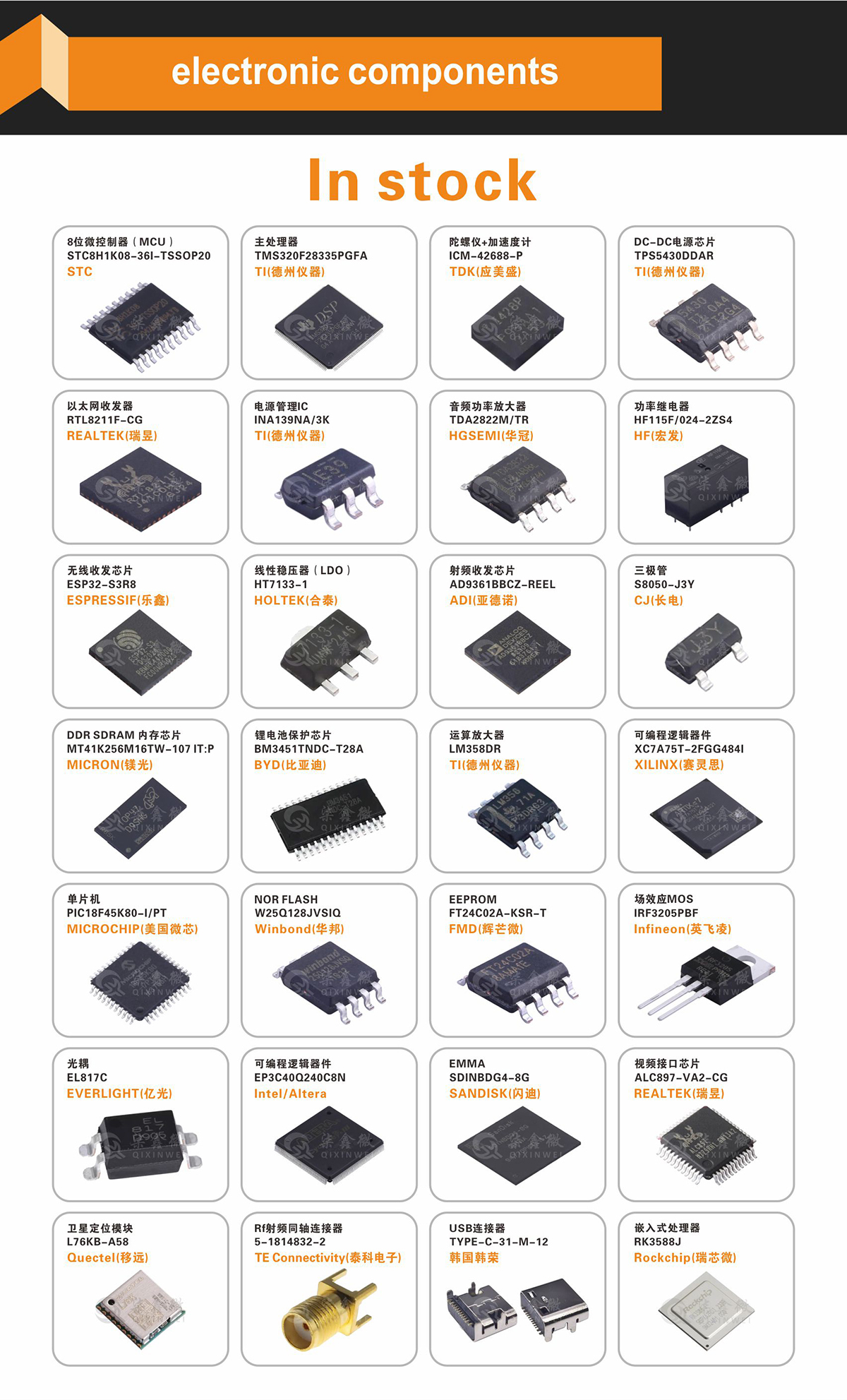
STM32L431VCT6 is an Arm Cortex-M4 MCU at 80 MHz with FPU and ART Accelerator, LQFP-100. 256 KB Flash, 64 KB SRAM, USB 2.0 FS device (crystal-less), 12-bit ADC (16 ch), two 12-bit DACs, two comparators, LP timers, RTC, 2×USART, 1×UART, 1×LPUART, 3×SPI/I2S, 3×I2C. Up to 83 x 5 V-tolerant I/Os. 1.71–3.6 V, -40–85 °C. Compared to the 64-pin STM32L431RCT6, the 100-pin STM32L431VCT6 offers more I/Os, making it a more powerful ultra-low-power platform for battery-powered IoT nodes, portable instruments, and industrial sensors needing extensive pin connectivity, rich peripheral communication, and USB.
STM32L431VCT6 Core Features
Core: The STM32L431VCT6 features an Arm Cortex-M4 core at 80 MHz, with FPU + ART Accelerator
Memory: The STM32L431VCT6 provides 256 KB Flash and 64 KB SRAM (incl. 16 KB with HW parity)
USB: The STM32L431VCT6 integrates a USB 2.0 FS device (crystal-less)
Analog: 12-bit ADC (16 ch), 2×12-bit DACs, 2×Comparators
Connectivity: 2×USART, 1×UART, 1×LPUART, 3×SPI/I2S, 3×I2C
Timers: 1×Advanced Timer, multiple GP/LP timers, RTC
I/Os: 83 (5 V-tolerant)
Package: LQFP-100
Temperature Range: -40°C to 85°C
STM32L431VCT6 Applications
IoT Sensor Nodes: Battery-powered wireless sensors and USB data acquisition modules can leverage the STM32L431VCT6's low power and rich I/O
Portable Devices: Wearables, portable medical devices, and USB peripherals benefit from the STM32L431VCT6's compact integration
Industrial Metering: Water, gas, and electricity meters are ideal applications for the STM32L431VCT6
Consumer Electronics: Remote controls, e-labels, smart cards
Low-Power Systems Needing Rich I/Os & Analog: Portable instruments and industrial sensor nodes can rely on the STM32L431VCT6's extensive pin count
STM32L431VCT6 Key Advantages
Cortex-M4 + FPU + Ultra-Low Power: The STM32L431VCT6 delivers excellent DSP and floating-point performance while maintaining extremely low power consumption
Integrated Crystal-less USB: The STM32L431VCT6 enables USB communication without an external crystal, simplifying design and saving BOM
256 KB Flash + 64 KB SRAM: The STM32L431VCT6 provides large storage for complex protocol stacks and data processing
Dual DACs + Dual Comparators + 16-ch ADC: The STM32L431VCT6 offers flexible analog output, signal threshold detection, and multi-channel acquisition
83 I/Os + LPUART + Rich SPI/I2C: The STM32L431VCT6 has strong peripheral connectivity for multi-sensor and complex systems
5 V-tolerant I/Os: Enhanced system noise immunity, simplified external level-shifting circuitry
Full Ecosystem Compatibility: Easy development with STM32CubeIDE/HAL/LL libraries for the STM32L431VCT6
Why Choose QIXINWEI
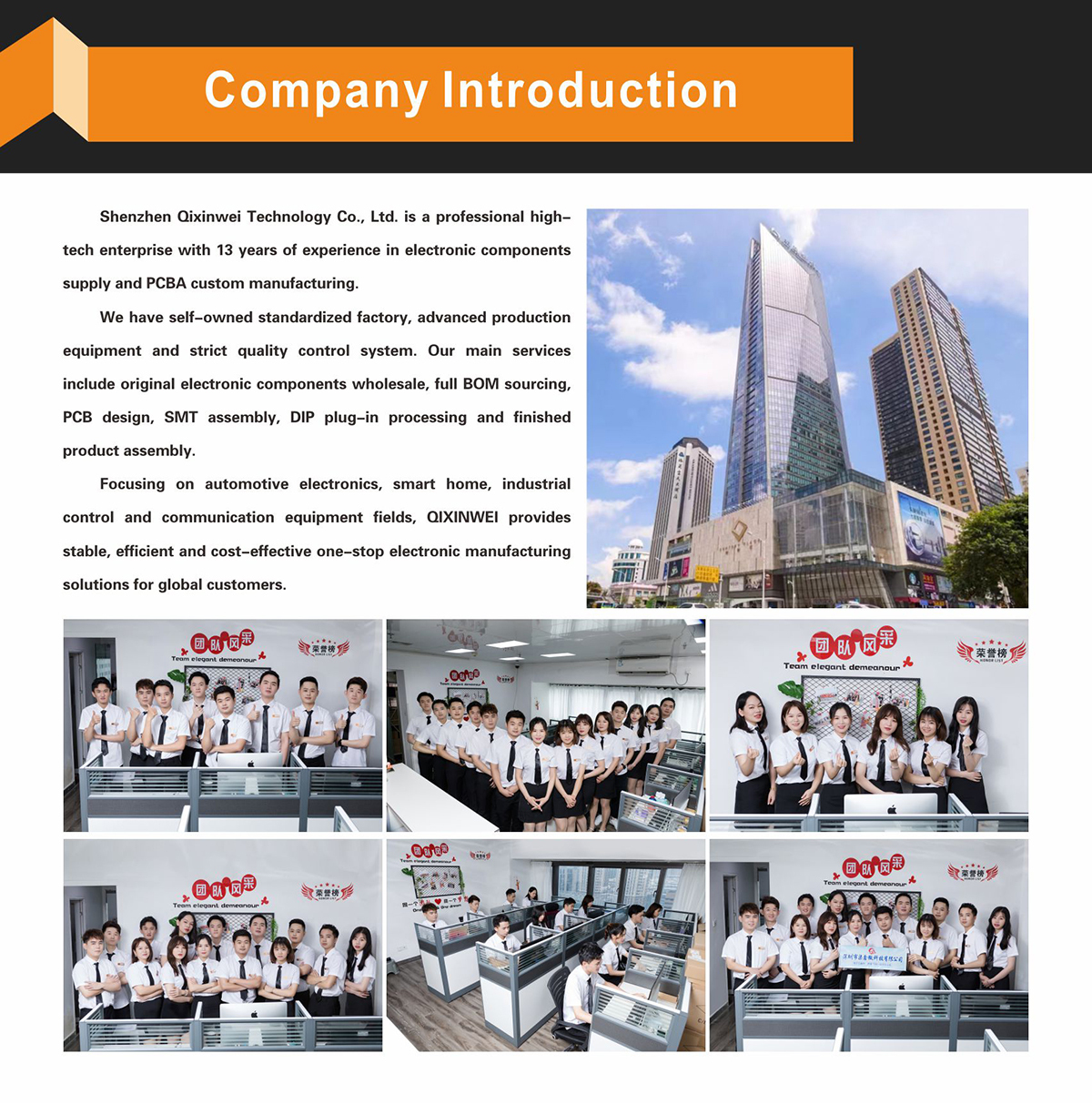
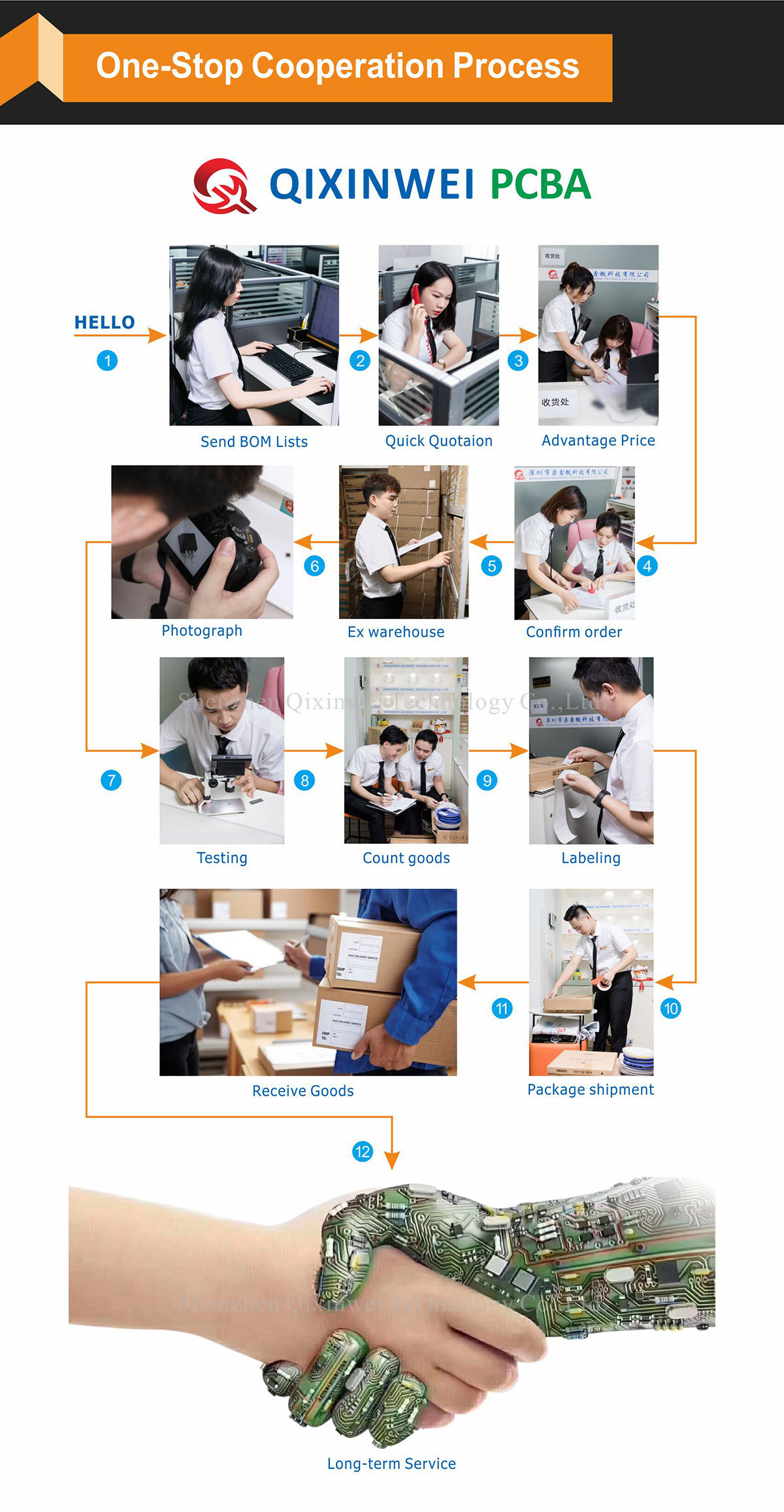
Years of experience in the electronics industry. Trusted by global customers.
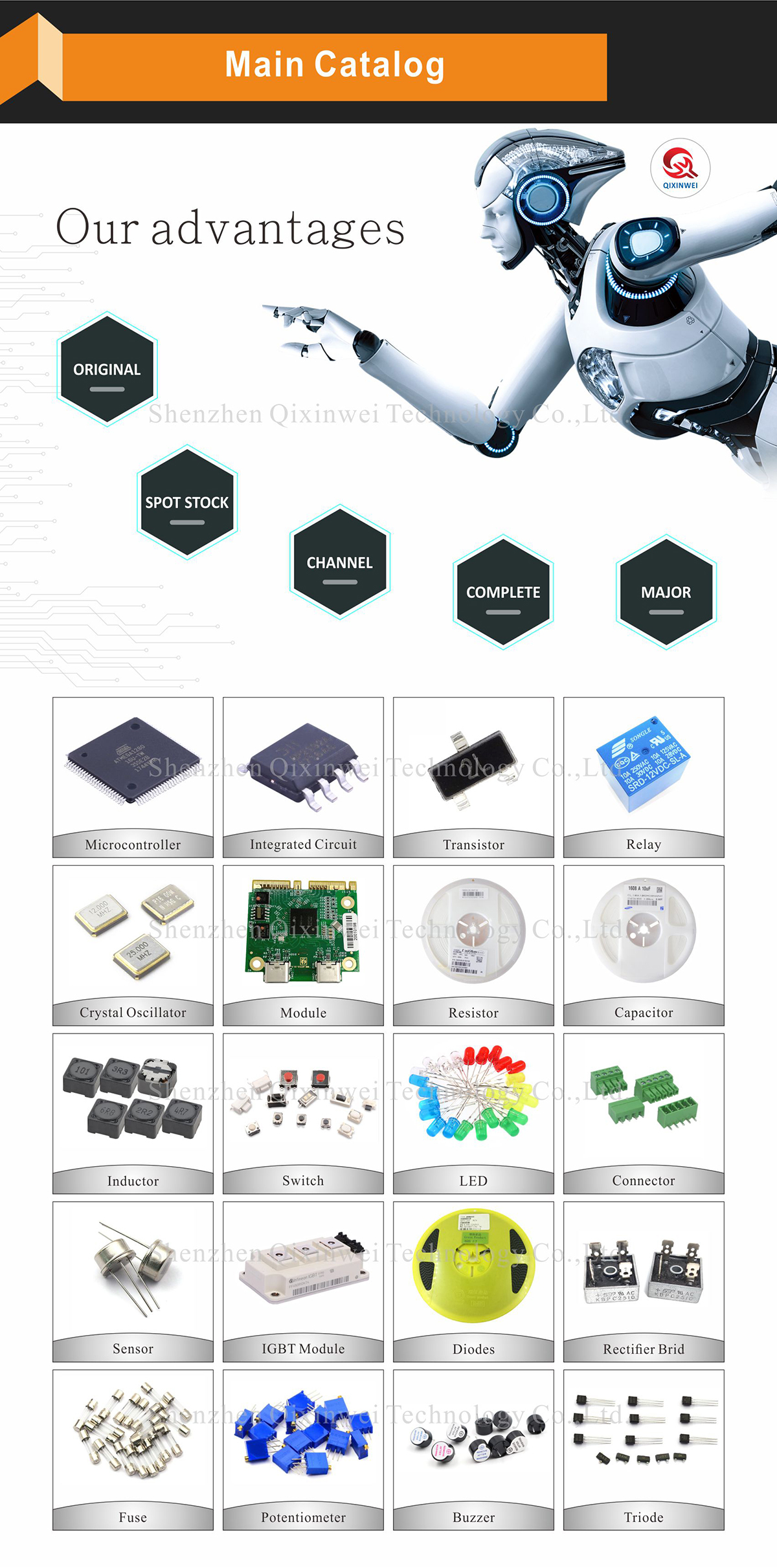
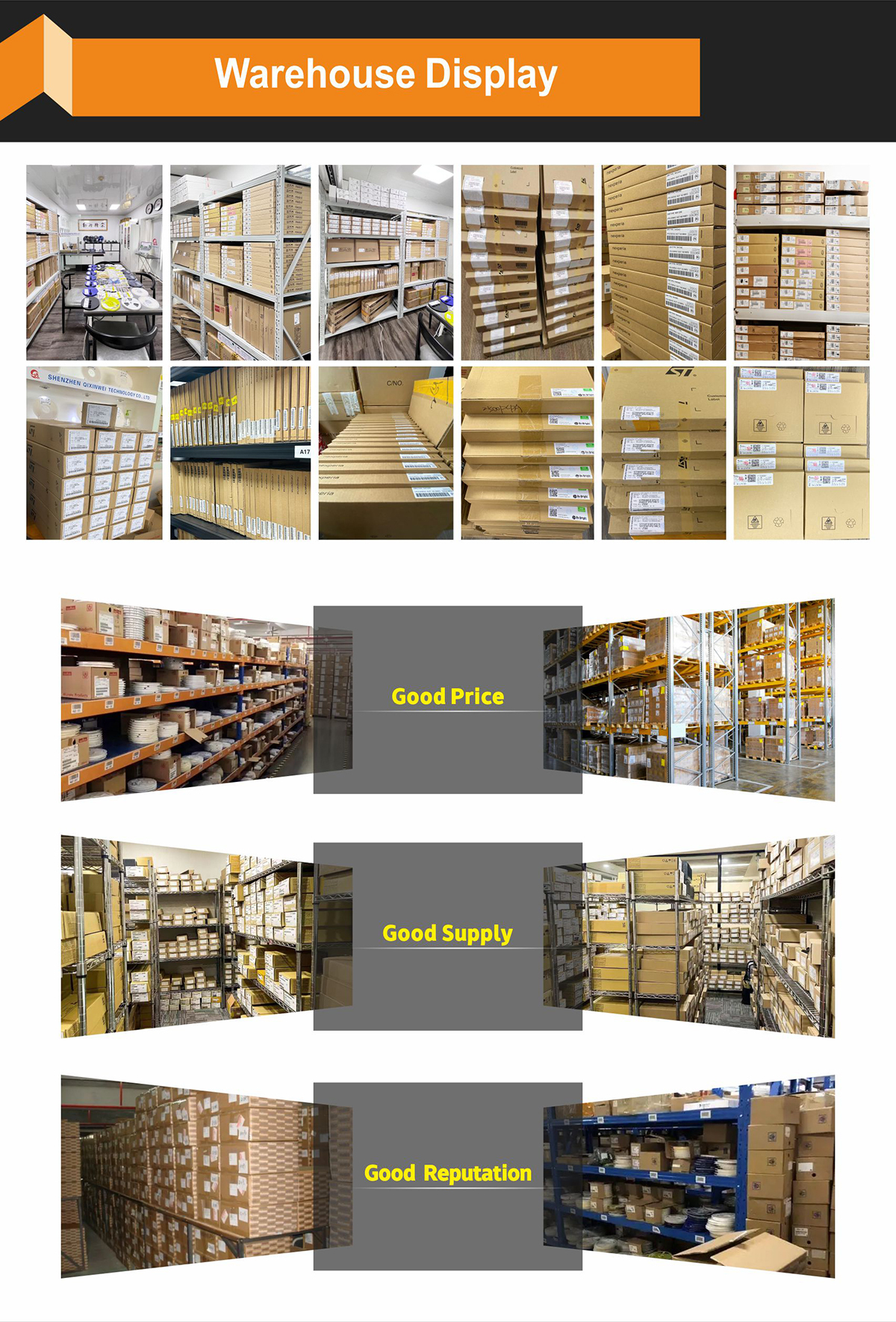
Massive In-Stock Inventory – Ready to ship promptly.
BOM Matching Service – One-stop solution, save time.
PCBA Customization – Professional engineering team creates tailor-made solutions based on your needs.
Cost-Effective & Efficient – Better channel, better cost.
A dedicated team makes your procurement smoother.
Contact us for BOM quotes or PCBA inquiries.

FAQ
1. What is STM32L431VCT6?
STM32L431VCT6 is an ultra-low-power 32-bit MCU from STMicroelectronics' STM32L4 series, based on an Arm® Cortex®-M4 core with FPU and DSP in an LQFP-100 package. Running at 80 MHz, the STM32L431VCT6 provides 256 KB Flash and 64 KB SRAM, along with CAN 2.0B, USB OTG FS, SAI audio interface, and high-precision analog peripherals. With a streamlined memory configuration and comprehensive industrial connectivity, the STM32L431VCT6 offers a balanced platform for cost-sensitive, multi-pin battery-powered devices.
2. What are the key specifications of STM32L431VCT6?
Core: Arm® Cortex®-M4, up to 80 MHz, 100 DMIPS with FPU and DSP
Memory: 256 KB Flash, 64 KB SRAM
Operating Voltage: 1.71 V to 3.6 V
Temperature Range: -40 °C to +85 °C (industrial grade)
I/O Count: up to 83
Package: LQFP-100 (14 mm × 14 mm)
3. What package does STM32L431VCT6 use and is it easy to solder?
It comes in an LQFP-100 package measuring 14 mm × 14 mm with exposed 0.5 mm pitch leads. Drag-soldering the STM32L431VCT6 with a standard iron is straightforward—no hot-air station required—making it well-suited for small-batch hand assembly, prototyping, and rework. This package provides excellent accessibility and visual inspection for designs requiring abundant I/O.
4. What applications is STM32L431VCT6 suitable for?
With CAN 2.0B, USB OTG, SAI, and 83 GPIOs, the STM32L431VCT6 is widely used in battery-powered devices needing many pins and multiple communication interfaces, such as industrial fieldbus nodes, motor drive controllers, distributed sensor networks, portable medical diagnostic equipment, and IoT concentrators connecting numerous peripherals. The 64 KB SRAM comfortably supports lightweight RTOS and standard communication stacks.
5. What development tools support STM32L431VCT6?
ST provides free STM32CubeMX for graphical configuration and STM32CubeIDE as an integrated development environment for the STM32L431VCT6, along with the STM32CubeL4 firmware library. Debugging and programming use ST-Link debuggers. The NUCLEO-L433RC or other compatible boards with similar peripheral architecture enable rapid prototyping and straightforward code migration.
6. What is the power consumption of the STM32L431VCT6 across its low-power modes?
Temperature Range: -40 °C to +85 °C
Ultra-low-power modes of the STM32L431VCT6:
Shutdown mode: ~33 nA (5 wake-up pins)
Standby mode: ~125 nA (5 wake-up pins), ~430 nA with RTC
Stop 2 mode: ~1.2 µA, ~1.4 µA with RTC
Run mode: ~100 µA/MHz (LDO mode)
7. How does STM32L431VCT6 differ from STM32L433VCT6?
Both share the same LQFP-100 package and 80 MHz Cortex-M4 core. The STM32L431VCT6 has 64 KB SRAM, while the L433VCT6 provides 128 KB SRAM. The L431 also omits some analog features like operational amplifiers but retains core communication interfaces (CAN, USB, SAI). If your application has moderate memory needs and a tight budget, the STM32L431VCT6 delivers identical connectivity and pin count at a more economical price.
8. What key peripheral interfaces does STM32L431VCT6 offer?
Communication: CAN 2.0B, I²C, SPI, UART/USART, USB OTG FS, SAI (I2S/PCM/PDM)
Analog: 12-bit 5 Msps ADC, 12-bit DAC, ultra-low-power comparators
Timers: 16-bit and 32-bit general-purpose timers, advanced motor-control timer
Others: Quad SPI interface, SDMMC interface
9. Is 64 KB SRAM sufficient for the STM32L431VCT6 in applications using both CAN and USB stacks, and how can I optimize memory usage?
The 64 KB SRAM of the STM32L431VCT6 can comfortably run a lightweight RTOS (like FreeRTOS), CANopen, or basic USB device libraries, but careful memory planning is needed. Use appropriately sized task stacks, favor static allocation over dynamic to reduce fragmentation, and leverage DMA for data transfers to lower CPU and memory pressure. For applications needing larger buffers, external Quad SPI PSRAM can be added.
10. Does the SAI interface on STM32L431VCT6 support multiple digital microphones, and how should I configure it?
Yes. The SAI interface on the STM32L431VCT6 can be configured in PDM mode to connect up to four MEMS digital microphones. By setting appropriate clock dividers and decimation rates, and using DMA in double-buffer mode, you can achieve low-power, high-fidelity multi-channel audio capture—ideal for IoT devices requiring voice control or environmental sound analysis.
- Property:
- Specification
- Product Type:
- Arm Cortex-M4 Ultra-Low-Power 32-bit MCU
- Brand:
- STMicroelectronics
- Core:
- Cortex-M4 80 MHz (FPU)
- Package:
- LQFP-100
- Memory:
- 256 KB Flash, 64 KB SRAM
- Connectivity:
- USB 2.0 FS (Crystal-less), USART, UART, LPUART, SPI/I2S, I2C
- Analog:
- 12-bit ADC, 2×12-bit DACs, 2×Comparators
- I/Os:
- 83
- Voltage:
- 1.71V–3.6V
- Temperature:
- -40°C to 85°C