qixinwei-pcba


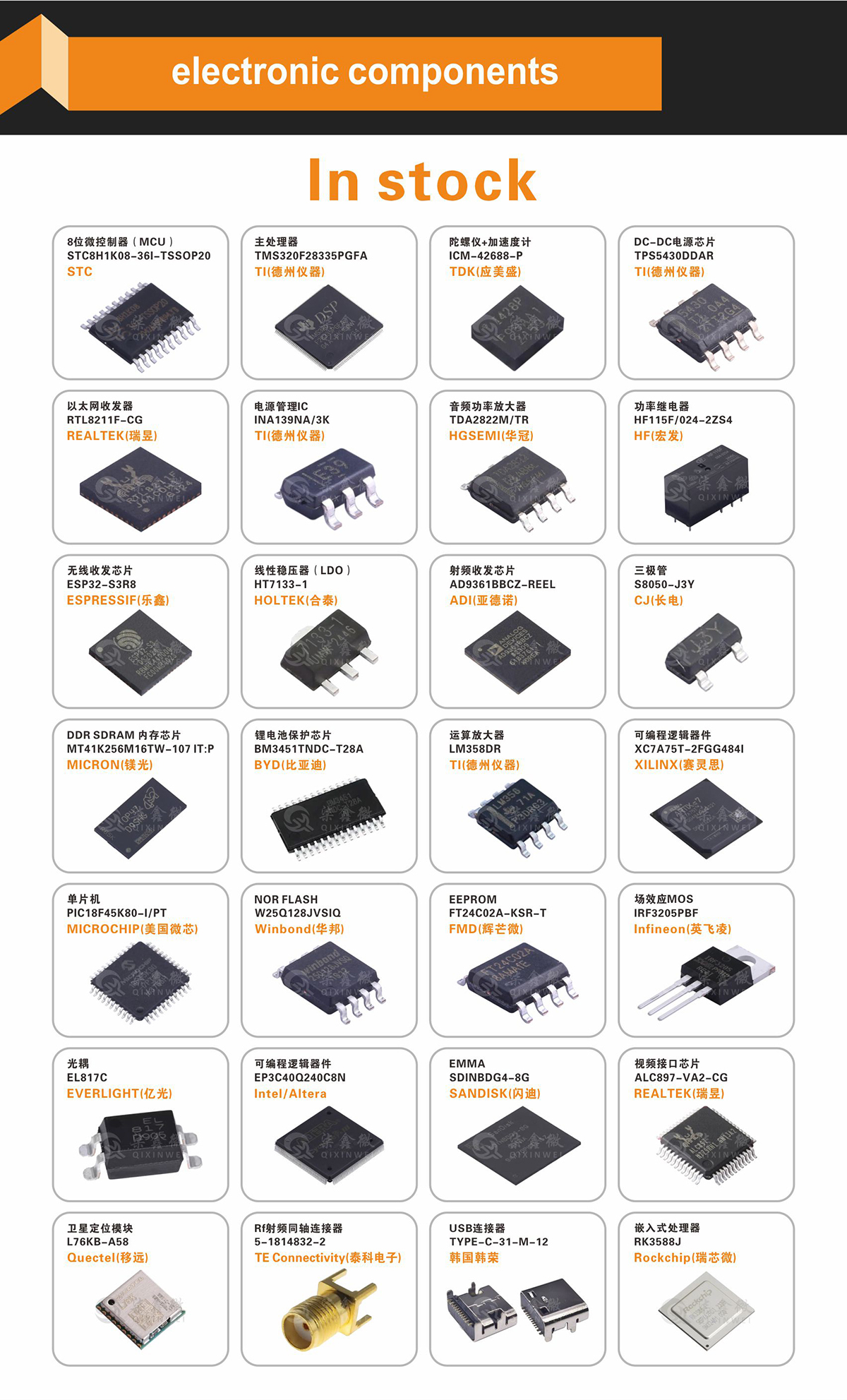
STM32L151CBT6A ST Mainstream Arm Cortex-M3 Ultra-Low-Power 32-bit MCU 128KB Flash 16KB SRAM EEPROM DAC Comparator Capacitive Touch LQFP-48
STM32L151CBT6A Product Overview
The STM32L151CBT6A is an Arm Cortex-M3 MCU at 32 MHz, LQFP-48. 128 KB Flash, 16 KB SRAM, 4 KB EEPROM, 12-bit ADC (14 ch), 12-bit DAC, two comparators, capacitive touch channels, LP timers, RTC, 3×USART, 2×SPI, 2×I2C. Up to 37 x 5 V-tolerant I/Os. 1.8–3.6 V, -40–85 °C. Compared to the STM32L151C8T6 (64 KB Flash, 10 KB SRAM), the STM32L151CBT6A doubles both Flash and SRAM, providing a more powerful ultra-low-power platform for battery-powered sensors, portable meters, and industrial measurement applications that need more memory but no segment display.
STM32L151CBT6A Core Features
Core: The STM32L151CBT6A features an Arm Cortex-M3 core at 32 MHz with a low-power design.
Memory: The STM32L151CBT6A provides 128 KB Flash, 16 KB SRAM, 4 KB EEPROM.
Analog: The STM32L151CBT6A integrates a 12-bit ADC (14 ch), a 12-bit DAC, two comparators, and capacitive touch sensing.
Connectivity: The STM32L151CBT6A supports 3×USART, 2×SPI, and 2×I2C interfaces.
Timers: The STM32L151CBT6A includes LP timers, general-purpose timers, and an RTC.
I/Os: The STM32L151CBT6A offers up to 37 I/O pins, all 5 V-tolerant.
Package: The STM32L151CBT6A comes in an LQFP-48 package.
Temperature Range: The STM32L151CBT6A operates from -40°C to 85°C.
STM32L151CBT6A Applications
Battery-Powered Sensors: The STM32L151CBT6A is ideal for wireless sensors needing complex data processing, environmental monitoring nodes.
Portable Devices: The STM32L151CBT6A can be used in wearables and portable medical devices.
Industrial Metering: The STM32L151CBT6A is suitable for water, gas, and electricity meters.
Consumer Electronics: The STM32L151CBT6A serves remote controls, e-labels, smart cards.
Energy Harvesting Applications: The STM32L151CBT6A supports self-powered sensor nodes and energy harvesting systems.
STM32L151CBT6A Key Advantages
128 KB Flash + 16 KB SRAM: The STM32L151CBT6A offers a large memory combination to comfortably fit complex algorithms and protocol stacks.
Cortex-M3 Core + Ultra-Low Power: The STM32L151CBT6A balances processing performance and long battery life.
On-Chip DAC & Comparators: The STM32L151CBT6A provides analog output and signal threshold detection without external components.
Capacitive Touch Sensing: The STM32L151CBT6A enables easy implementation of touch buttons and sliders for enhanced HMI.
4 KB EEPROM: The STM32L151CBT6A's on-chip 4 KB EEPROM safely stores critical configuration parameters and operational data.
5 V-tolerant I/Os: The STM32L151CBT6A features enhanced system noise immunity, simplified external level-shifting circuitry.
Full Ecosystem Compatibility: The STM32L151CBT6A is supported by STM32CubeIDE/HAL/LL libraries for easy development.
Why Choose QIXINWEI
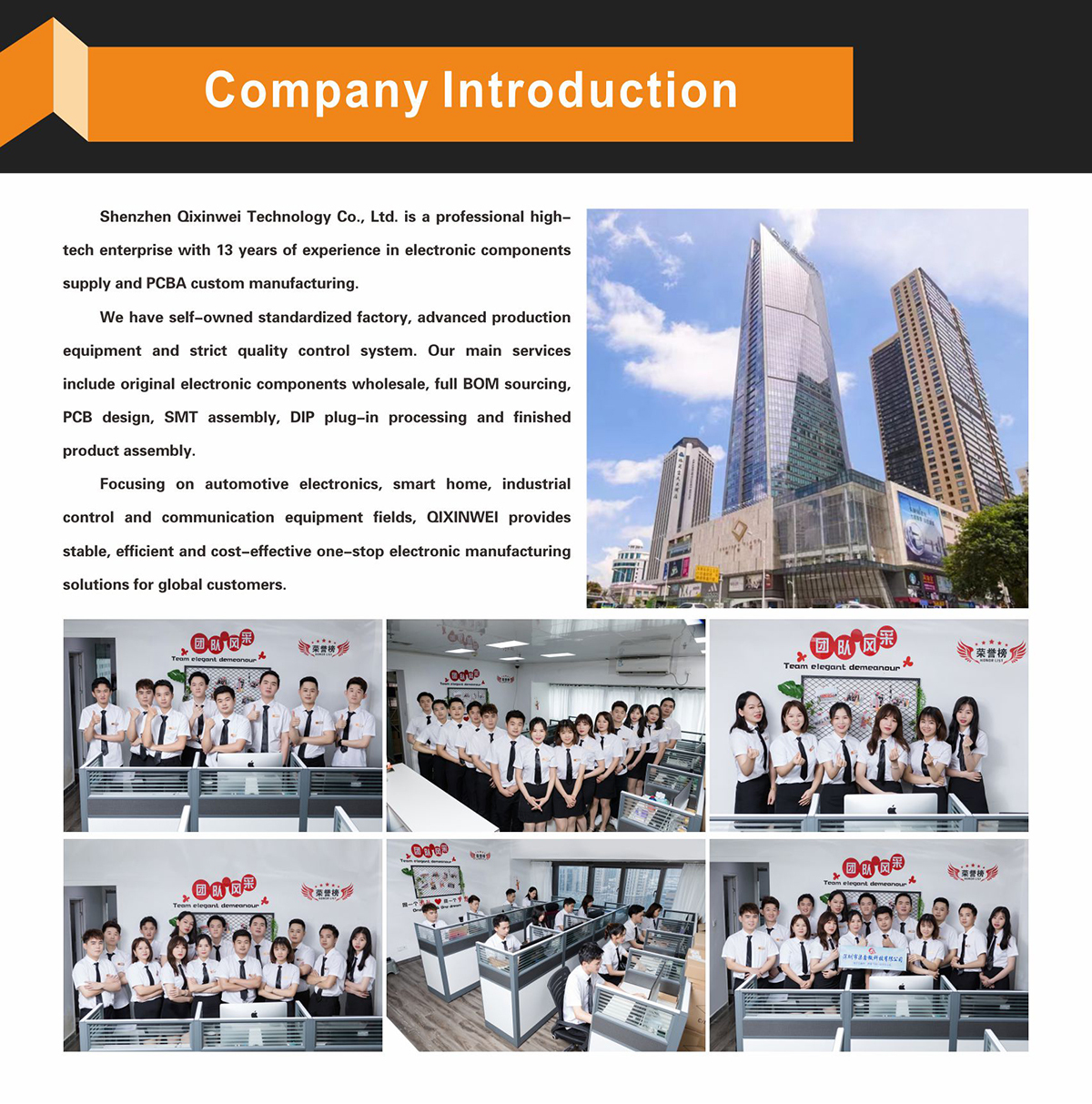
Years of experience in the electronics industry. Trusted by global customers.
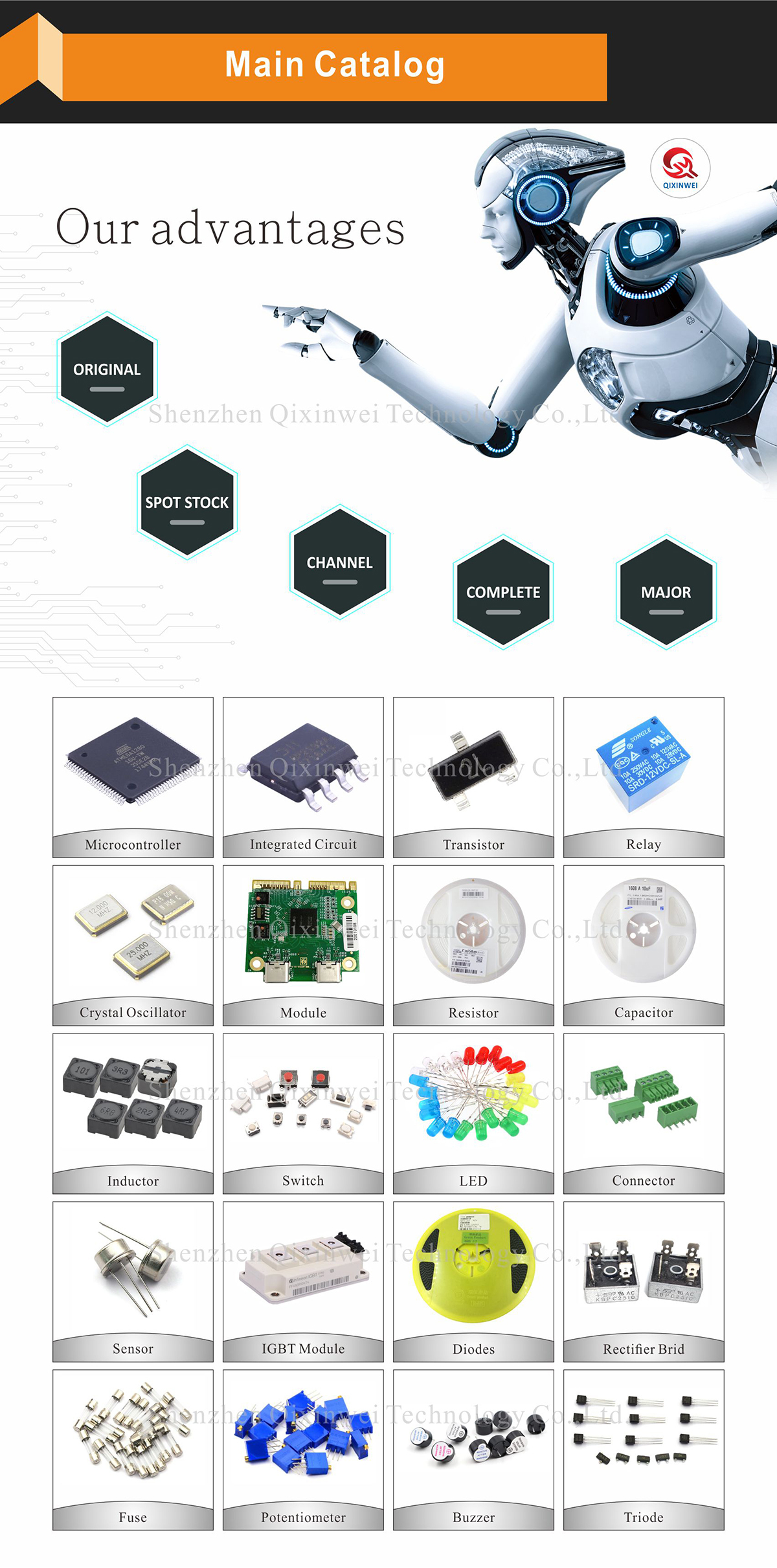
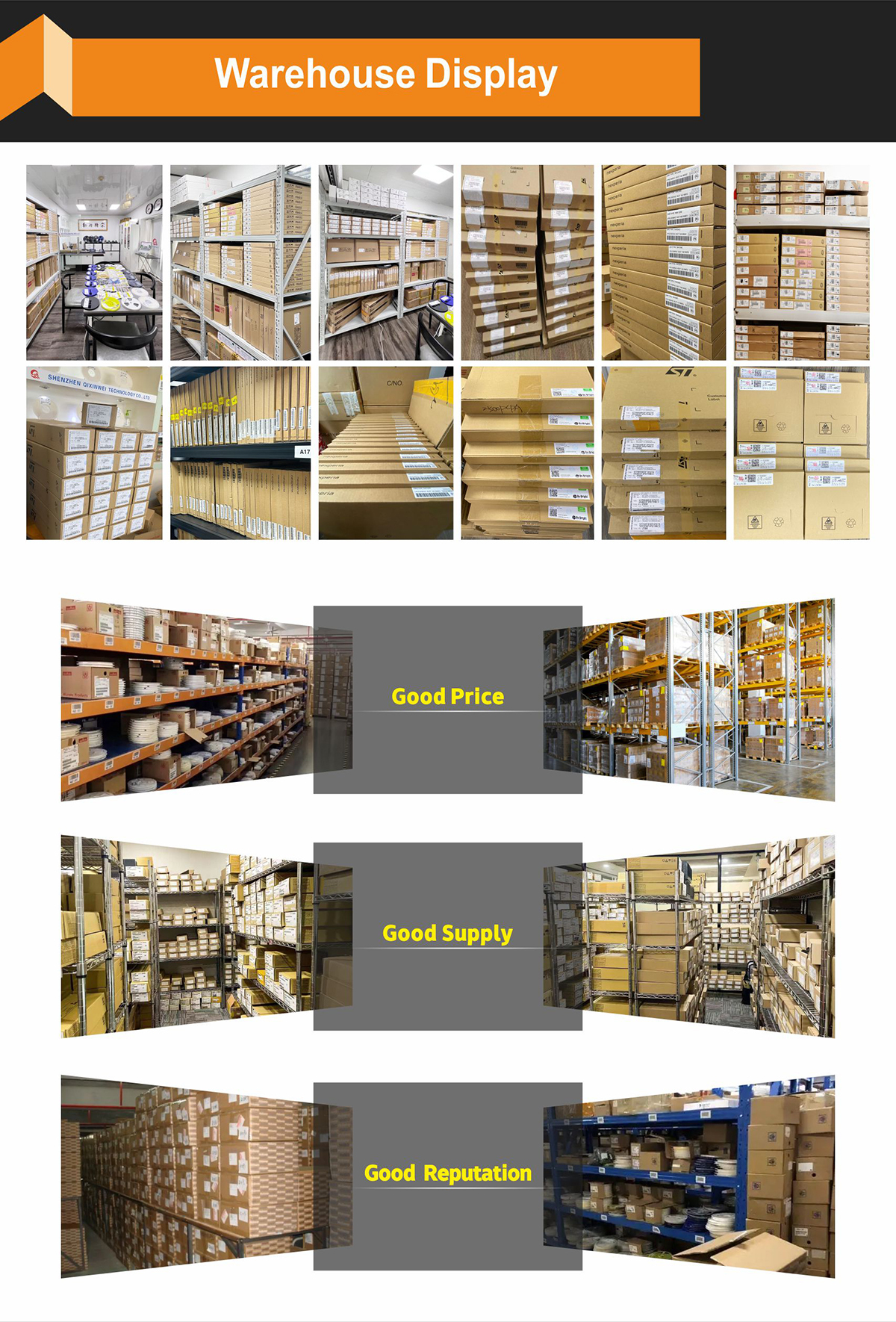
Massive In-Stock Inventory – Ready to ship promptly.
BOM Matching Service – One-stop solution, save time.
PCBA Customization – Professional engineering team creates tailor-made solutions based on your needs.
Cost-Effective & Efficient – Better channel, better cost.
A dedicated team makes your procurement smoother.
Contact us for BOM quotes or PCBA inquiries.

FAQ
1. What is STM32L151CBT6A?
The STM32L151CBT6A is an ultra-low-power 32-bit MCU from STMicroelectronics' STM32L1 series, based on an Arm® Cortex®-M3 core in an LQFP-48 package (7 mm × 7 mm). Running at up to 32 MHz, the STM32L151CBT6A provides 256 KB Flash and 32 KB SRAM, along with a 12-bit ADC, 12-bit DAC, capacitive touch sensing (TSC), and a USB device interface. Without a segment LCD driver, the STM32L151CBT6A focuses on delivering complete analog functionality, USB connectivity, and touch interaction in a compact, easy‑to‑solder 48‑pin LQFP package, making the STM32L151CBT6A a well‑balanced choice for battery‑powered devices with moderate firmware size and no segment display requirement.
2. What are the key specifications of STM32L151CBT6A?
Core: Arm® Cortex®-M3, up to 32 MHz, 1.25 DMIPS/MHz
Memory: 256 KB Flash, 32 KB SRAM
Operating Voltage: 1.65 V to 3.6 V
Temperature Range: -40 °C to +85 °C (industrial grade)
I/O Count: up to 37
Package: LQFP-48 (7 mm × 7 mm)
3. Is the LQFP-48 package easy to solder? Is it suitable for low‑volume hand assembly?
Yes, very much so. The STM32L151CBT6A uses an LQFP-48 package that has all pins exposed with a 0.5 mm pitch and can be drag‑soldered using a standard soldering iron and flux—no hot‑air station required. Compared to QFN packages, the STM32L151CBT6A offers significant advantages in hand soldering, visual inspection, and rework, making the STM32L151CBT6A an ideal choice for hobbyists, makers, and small teams for prototyping and small‑batch production. The 7 mm × 7 mm size strikes a good balance between compactness and ease of handling.
4. How does it differ from the STM32L152CBT6A? Why doesn’t it have a segment LCD driver?
The core difference lies in the L151 series omitting the segment LCD driver to achieve lower cost and power consumption. Apart from that, both share identical core performance, memory sizes, and analog/digital peripherals (ADC, DAC, USB, TSC). If your application does not require a segment display, the STM32L151CBT6A is the more cost‑effective choice; if you need a segment display, the L152 series is the correct choice.
5. What kind of firmware can the 256 KB Flash and 32 KB SRAM combination support?
For the STM32L151CBT6A, the 256 KB Flash can comfortably accommodate FreeRTOS, USB device libraries (CDC/HID), the capacitive touch library, and moderately complex user code. The 32 KB SRAM requires careful task stack planning and memory management—use static allocation, trim unused stack modules, and offload data transfers with DMA. This configuration is well‑suited for relatively fixed‑function applications such as portable medical data loggers, wireless sensor nodes, USB dongles, and industrial handheld instruments, making the STM32L151CBT6A a versatile low‑power platform.
6. What can the built‑in 12‑bit DAC do? Can it output audio signals?
The STM32L151CBT6A provides two independent 12‑bit DAC channels capable of outputting 0–3.3 V DC voltages or low‑frequency waveforms. While not intended for high‑fidelity audio, the STM32L151CBT6A is excellent for generating sensor excitation signals, 4–20 mA loop control voltages, driving analog panel meters, or producing simple alarm tones. Paired with DMA, smooth ramp or sine‑wave generation can be performed in the background, making the STM32L151CBT6A very useful for battery‑powered analog‑output devices.
7. How does capacitive touch sensing (TSC) work? Is an extra chip required?
No extra touch IC is needed. On the STM32L151CBT6A, the TSC controller uses GPIO pins and PCB copper pads as sensing electrodes, supporting up to 24 channels for touch keys, sliders, or proximity detection. ST provides a mature software library; developers only need to design the electrode geometry and call the API to achieve robust, moisture‑tolerant touch interaction with the STM32L151CBT6A, effectively reducing BOM cost.
8. What can the USB device interface do, and why must an external crystal be used?
The STM32L151CBT6A's on‑chip USB 2.0 full‑speed device controller can be configured as a CDC virtual COM port, an HID keyboard/mouse, or an MSC mass storage device. Because USB communication demands extremely tight clock accuracy (≤0.25% tolerance), the internal RC oscillator of the STM32L151CBT6A is insufficient. An external 8 MHz or 16 MHz high‑precision crystal must be used with the STM32L151CBT6A to ensure stable connectivity and compliance.
9. If 32 KB SRAM proves insufficient, what optimization or upgrade options are available?
If the STM32L151CBT6A's 32 KB SRAM proves insufficient, first optimize firmware to free up memory—enable compiler optimizations, adopt more compact data structures, and disable unused library features. If more SRAM is still needed, you can add external SPI SRAM or PSRAM for expansion, or upgrade to the pin‑compatible STM32L151RET6 (512 KB Flash / 80 KB SRAM) which offers more generous storage without altering the PCB design.
10. What peripheral changes should I expect when migrating from the STM32L1 to the STM32L4 series?
The L4 series upgrades to a Cortex®‑M4 core (with FPU and DSP) at up to 80 MHz, delivering several times the performance. However, most L4 devices no longer integrate a DAC, and the capacitive touch module may differ. If your product heavily relies on DAC analog output and TSC touch sensing, the STM32L151CBT6A remains a mature and cost‑effective choice. For future designs requiring stronger processing power or color TFT displays, the L4 series is an excellent direction, with high HAL code reusability—but the analog and display circuitry will need to be re‑evaluated.
- Property:
- Specification
- Product Type:
- Arm Cortex-M3 Ultra-Low-Power 32-bit MCU
- Brand:
- STMicroelectronics
- Core:
- Cortex-M3 32 MHz
- Package:
- LQFP-48
- Memory:
- 128 KB Flash, 16 KB SRAM, 4 KB EEPROM
- Analog:
- 12-bit ADC, 12-bit DAC, 2×Comparators, Capacitive Touch
- Connectivity:
- USART, SPI, I2C
- I/Os:
- 37
- Voltage:
- 1.8V–3.6V
- Temperature:
- -40°C to 85°C