qixinwei-pcba


STM32L100RBT6 ST Mainstream Arm Cortex-M3 Ultra-Low-Power 32-bit MCU 128KB Flash 16KB SRAM EEPROM DAC Comparator Capacitive Touch LQFP-64
STM32L100RBT6 Product Overview
The STM32L100RBT6 is an Arm Cortex-M3 MCU at 32 MHz, LQFP-64. 128 KB Flash, 16 KB SRAM, 4 KB EEPROM, 12-bit ADC (16 ch), 12-bit DAC, two comparators, capacitive touch channels, LP timers, RTC, 3×USART, 2×SPI, 2×I2C. Up to 51 x 5 V-tolerant I/Os. 1.8–3.6 V, -40–85 °C. As a member of the STM32L1 ultra-low-power series, the STM32L100RBT6 adopts the Cortex-M3 core, delivering stronger processing performance, large storage, and rich analog features for battery-powered IoT nodes, portable meters, and industrial sensors.
STM32L100RBT6 Core Features
Core: The STM32L100RBT6 features an Arm Cortex-M3 core at 32 MHz with a low-power design.
Memory: The STM32L100RBT6 provides 128 KB Flash, 16 KB SRAM, and 4 KB EEPROM.
Analog: The STM32L100RBT6 integrates a 12-bit ADC (16 ch), a 12-bit DAC, two comparators, and capacitive touch sensing.
Connectivity: The STM32L100RBT6 supports 3×USART, 2×SPI, and 2×I2C interfaces.
Timers: The STM32L100RBT6 includes an LP timer, general-purpose timers, and an RTC.
I/Os: The STM32L100RBT6 offers up to 51 I/O pins, all 5 V-tolerant.
Package: The STM32L100RBT6 comes in an LQFP-64 package.
Temperature Range: The STM32L100RBT6 operates from -40°C to 85°C.
STM32L100RBT6 Applications
IoT Sensor Nodes: The STM32L100RBT6 is ideal for battery-powered wireless sensors and data acquisition modules.
Portable Devices: The STM32L100RBT6 is suitable for wearables and portable medical devices.
Industrial Metering: The STM32L100RBT6 can be used in water, gas, and electricity meters.
Consumer Electronics: The STM32L100RBT6 serves remote controls, e-labels, and smart cards.
Energy Harvesting Applications: The STM32L100RBT6 supports self-powered sensor nodes.
STM32L100RBT6 Key Advantages
Cortex-M3 Core + Ultra-Low Power: The STM32L100RBT6 delivers higher processing performance than M0+ while maintaining extremely low power consumption.
128 KB Flash + 4 KB EEPROM: The STM32L100RBT6 provides large program storage and data logging without external memory.
DAC + Comparators + Capacitive Touch: The STM32L100RBT6 integrates analog output, signal comparison, and touch sensing.
51 x 5 V-tolerant I/Os in LQFP-64: The STM32L100RBT6 offers rich pins with enhanced noise immunity for multi-peripheral connectivity.
Wide Operating Voltage 1.8–3.6 V: The STM32L100RBT6 is flexible for battery-powered applications.
Full Ecosystem Compatibility: The STM32L100RBT6 is supported by STM32CubeIDE/HAL/LL libraries for easy development.
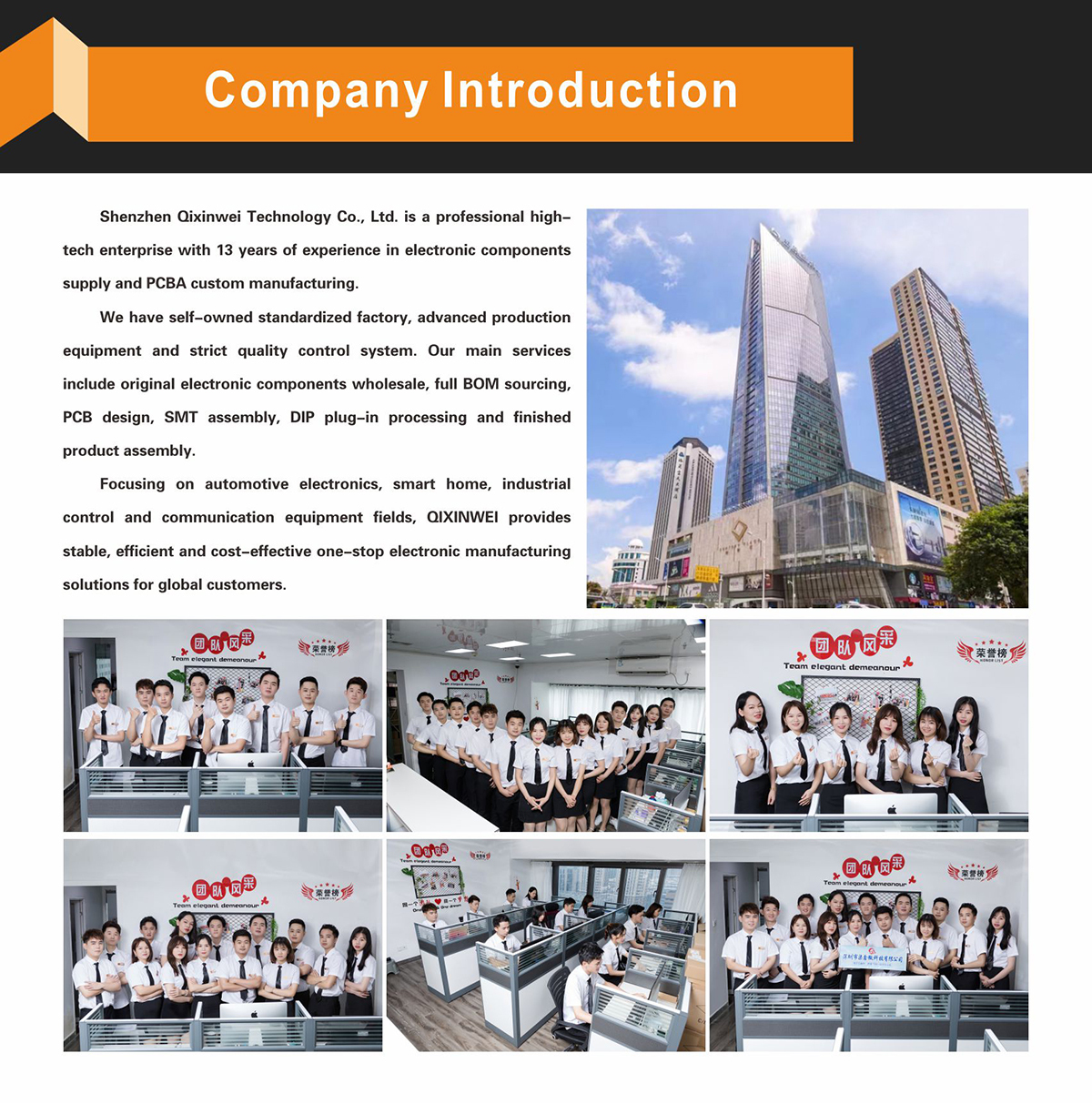
Why Choose QIXINWEI
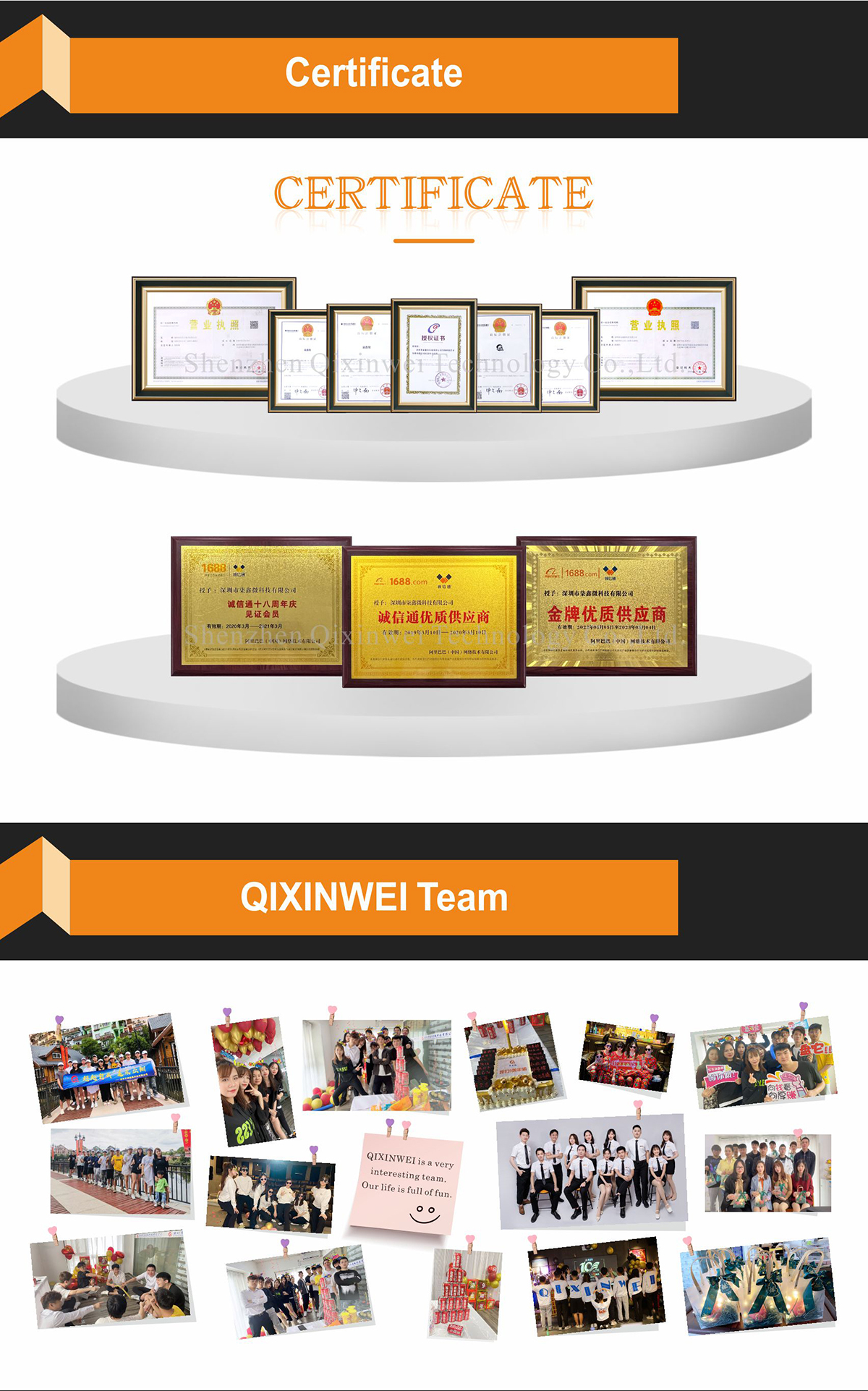
Years of experience in the electronics industry. Trusted by global customers.
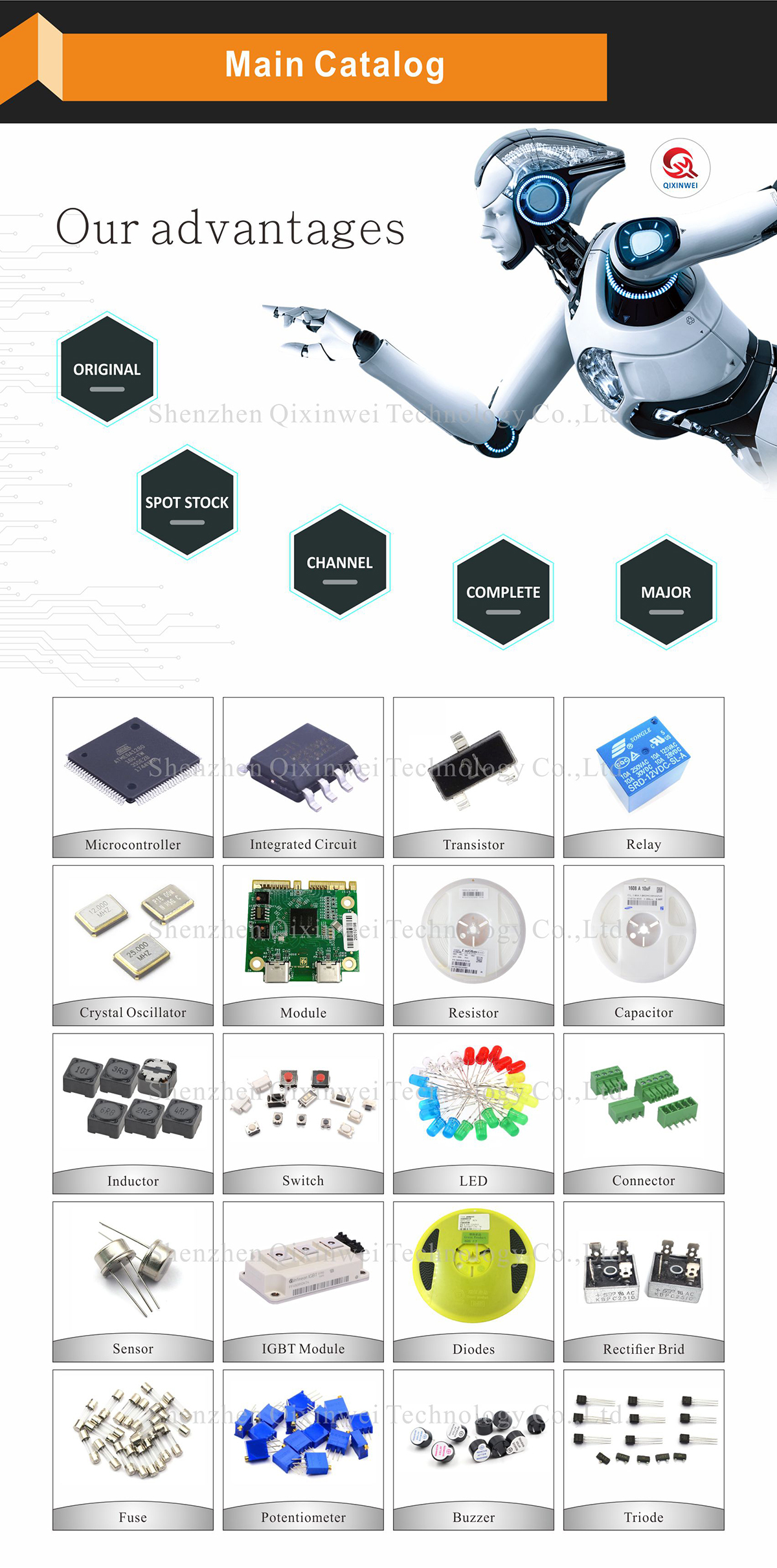
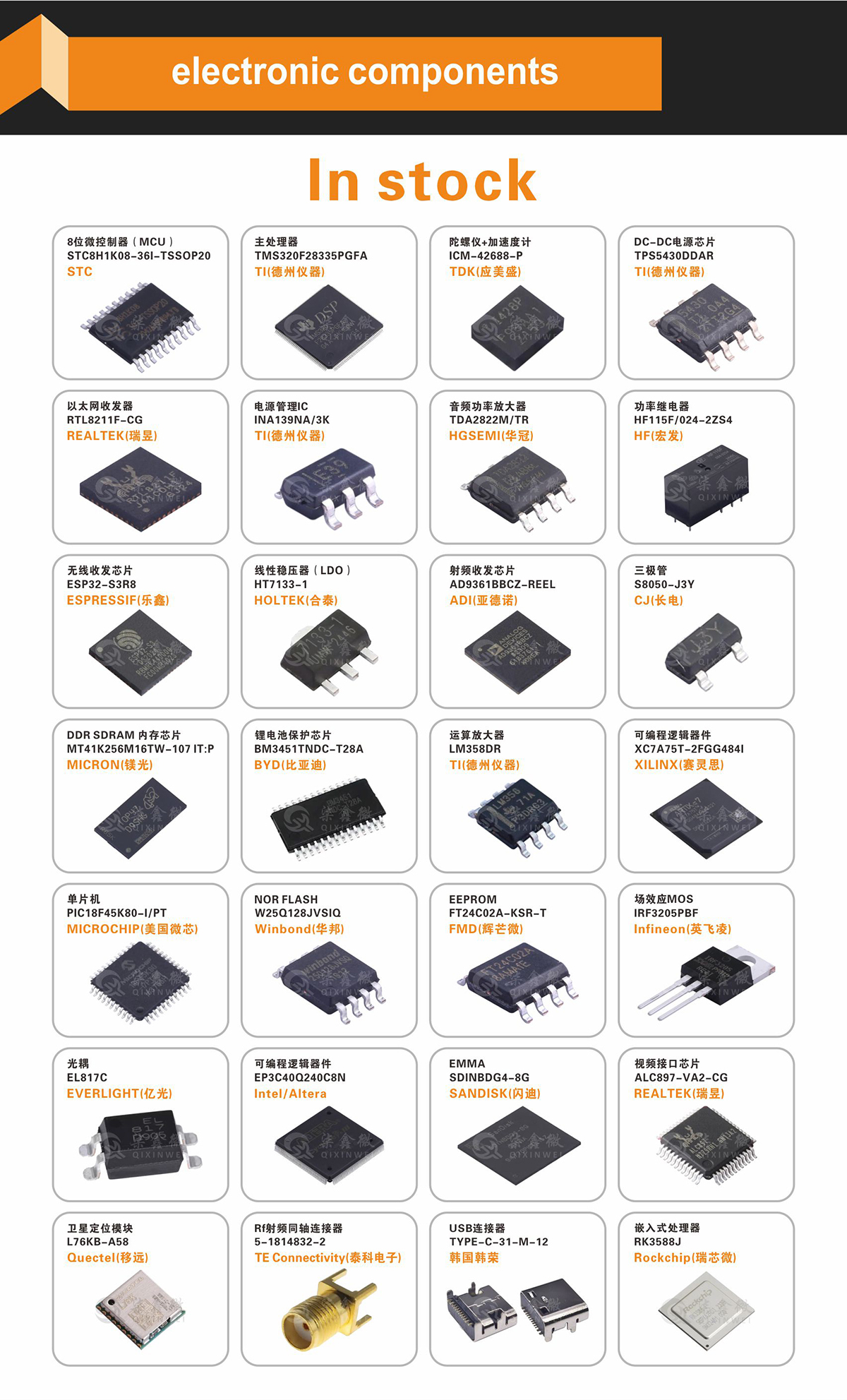
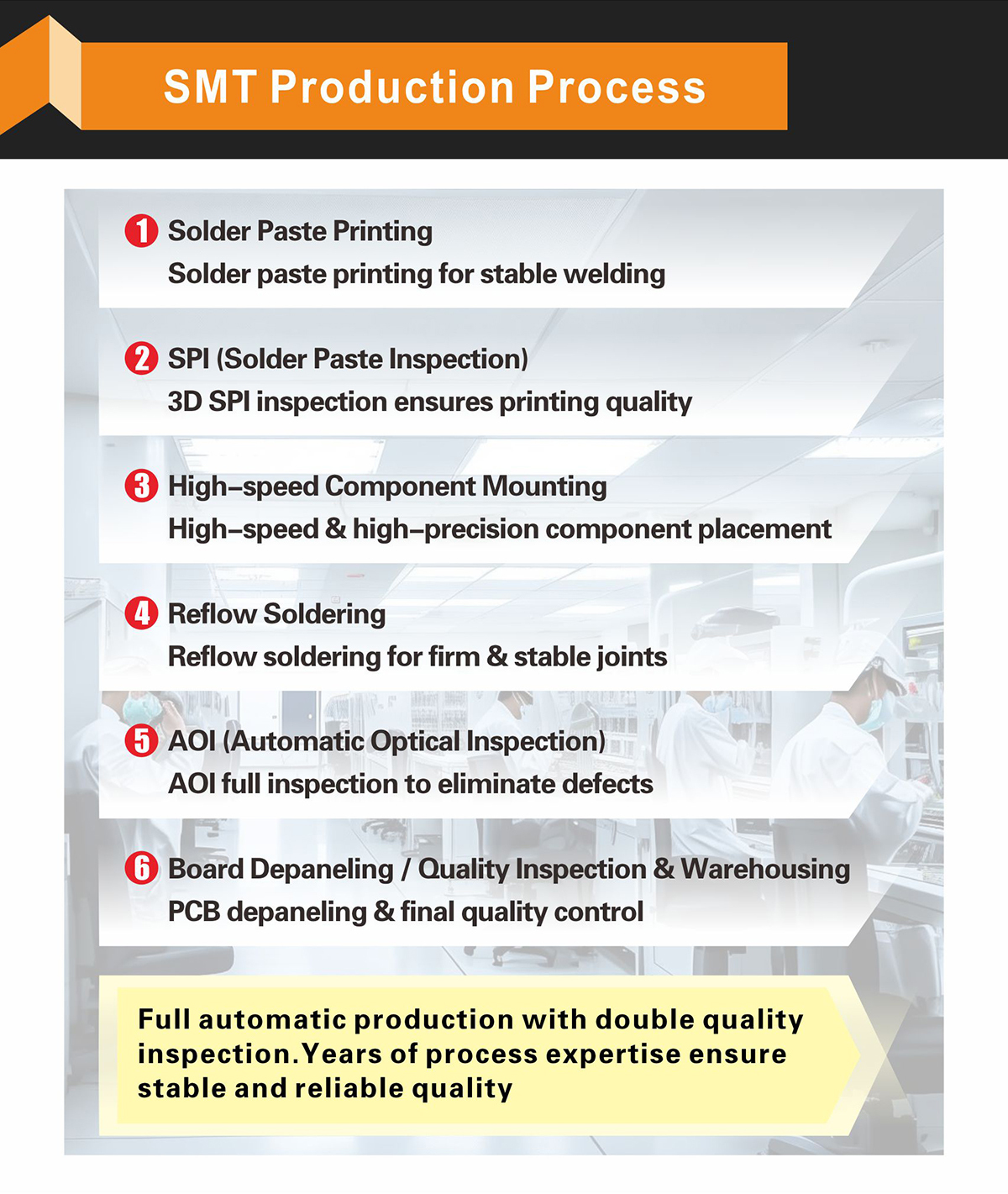
Massive In-Stock Inventory – Ready to ship promptly.
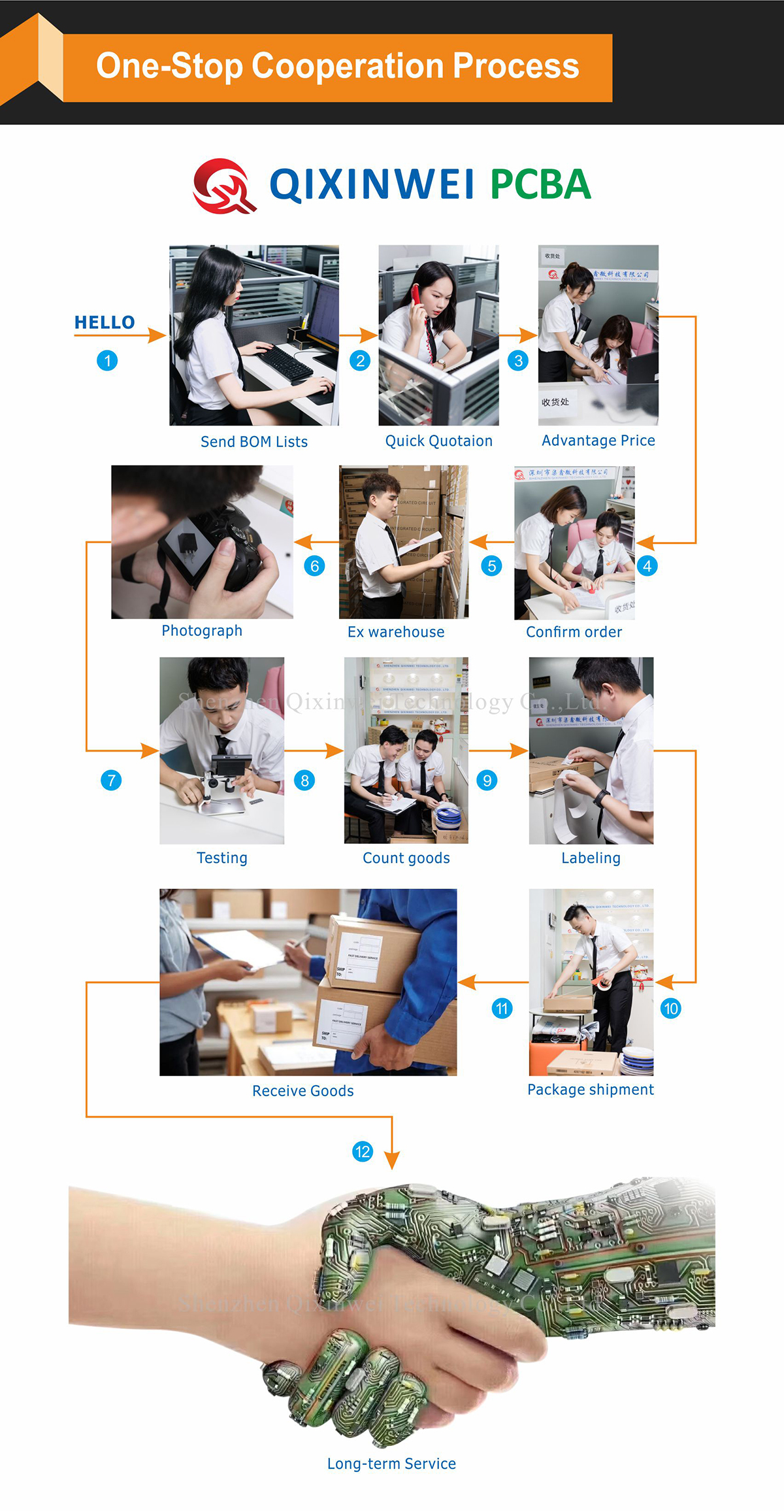
BOM Matching Service – One-stop solution, save time.
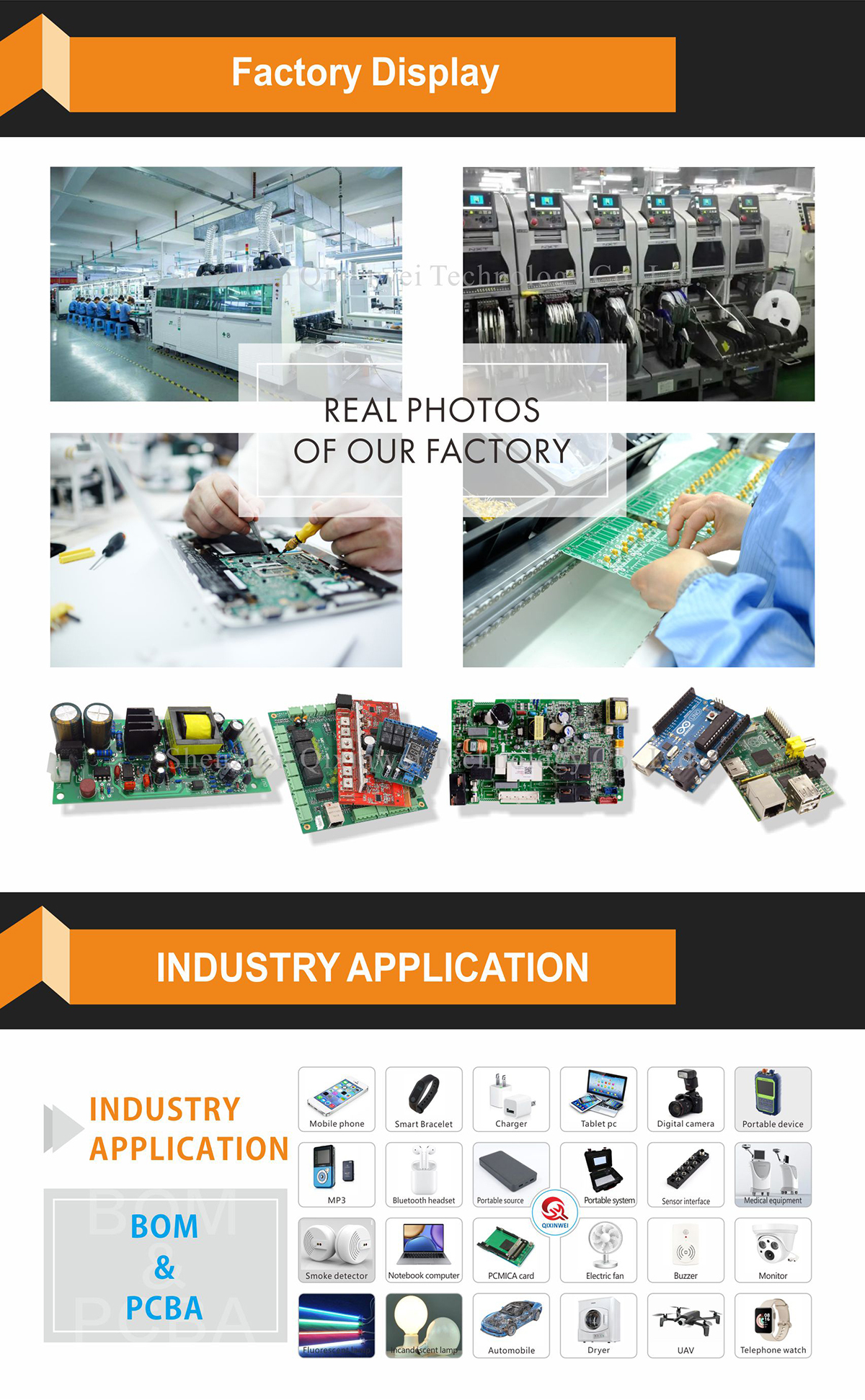
PCBA Customization – Professional engineering team creates tailor-made solutions based on your needs.
Cost-Effective & Efficient – Better channel, better cost.
A dedicated team makes your procurement smoother.
Contact us for BOM quotes or PCBA inquiries.


FAQ
1. What is STM32L100RBT6 and where does it fit in the STM32L1 series?
The STM32L100RBT6 is a cost‑optimized ultra‑low‑power MCU from STMicroelectronics' STM32L1 family, built around an Arm® Cortex®‑M3 core in an LQFP‑64 package. Operating at 32 MHz, it provides 128 KB Flash and 16 KB SRAM, along with a 12‑bit ADC, 12‑bit DAC, USB device interface, and comprehensive low‑power modes. Compared to the L151/L152 series, the STM32L100RBT6 omits capacitive touch sensing (TSC) and the segment LCD driver to deliver essential analog features and USB connectivity at a highly competitive price point, making it ideal for battery‑powered devices that do not require touch or segment displays.
2. What are the key specifications of STM32L100RBT6?
Core: Arm® Cortex®‑M3, up to 32 MHz, 1.25 DMIPS/MHz
Memory: 128 KB Flash, 16 KB SRAM
Operating Voltage: 1.8 V to 3.6 V
Temperature Range: -40 °C to +85 °C (industrial grade)
I/O Count: up to 51
Package: LQFP‑64 (10 mm × 10 mm)
3. What features does the L100 lack compared to the STM32L151 and L152, and how should I choose?
The STM32L100RBT6 is the value‑line member of the L1 family; it omits capacitive touch sensing (TSC) and the segment LCD driver, but retains the full set of precision analog peripherals (ADC, DAC), the USB device interface, and all ultra‑low‑power modes. If your design does not need touch keys/sliders or a segment display, the STM32L100RBT6 delivers the same processing performance and energy efficiency at a lower cost. Choose the L151 if you need touch, or the L152 if you need both touch and a segment LCD.
4. What applications can run comfortably with 128 KB Flash and 16 KB SRAM? Is that enough?
The 128 KB Flash of the STM32L100RBT6 easily accommodates a lightweight RTOS (such as FreeRTOS), USB device stacks (CDC/HID), and moderate sensor drivers and control logic. The 16 KB SRAM demands careful memory budgeting—use static allocation, trim task stacks, and offload data movement with DMA. This combination makes the STM32L100RBT6 well‑suited for fixed‑function devices like portable medical accessories, wireless sensor nodes, USB dongles, and simple human‑machine interfaces. For data‑intensive tasks, consider the L151/152 series with 32 KB or 80 KB SRAM.
5. It has a built‑in 12‑bit DAC. What can I do with it in a real project?
The STM32L100RBT6 provides two 12‑bit DAC channels capable of outputting 0–3.3 V DC voltages or low‑frequency waveforms. When combined with DMA, they can generate smooth ramps or sine waves, commonly used to produce control voltages for 4–20 mA transmitters, provide programmable excitation to external sensors, drive analog panel meters, or create simple audio alerts. This integrated capability eliminates the need for external DAC chips in portable instruments, simplifying design and lowering power consumption.
6. What USB modes does the device interface support, and why is an external crystal necessary?
The on‑chip USB 2.0 full‑speed device controller of the STM32L100RBT6 can be configured as a CDC virtual COM port, an HID keyboard/mouse, or an MSC mass storage device for data exchange and firmware updates with a PC or mobile device. Because USB communication demands extremely tight clock accuracy (≤0.25% tolerance), the internal RC oscillator cannot meet the specification. An external 8 MHz or 16 MHz high‑precision crystal is mandatory to ensure stable connectivity.
7. How does it perform in terms of low power consumption? What are the typical currents across its modes?
Temperature Range: -40 °C to +85 °C
Ultra‑low‑power modes of the STM32L100RBT6:
Standby mode: ~0.3 µA (no RTC)
Stop mode: ~0.5 µA (no RTC), ~1.3 µA with RTC
Low‑power Run mode: ~10 µA/MHz
Run mode: ~230 µA/MHz
8. How can I prevent memory exhaustion when running a USB stack with only 16 KB SRAM?
16 KB SRAM is very tight, so strict memory management is essential with the STM32L100RBT6: use static allocation instead of dynamic, carefully size task stacks, disable unused library modules (e.g., MSC mass storage or HID if not needed), and maximize DMA usage to offload data movement. If more memory is required, consider upgrading to the pin‑compatible STM32L151RCT6 (32 KB SRAM) or STM32L151RET6 (80 KB SRAM).
9. What development tools are needed for the STM32L100RBT6?
ST provides free STM32CubeMX for graphical configuration and STM32CubeIDE as an integrated development environment, along with the STM32CubeL1 firmware library. Debugging and programming are handled by ST‑Link debuggers. For rapid prototyping, the NUCLEO‑L152RE board can serve as a compatible starting point—while it carries an L152 chip, the peripheral architecture is highly compatible, and code can be easily ported to the STM32L100RBT6 with minor adjustments.
10. What adjustments are needed when migrating from the STM32L100 to the L4 series?
The L4 series upgrades to a Cortex®‑M4 core (with FPU and DSP) at up to 80 MHz, delivering a significant performance boost. However, most L4 devices do not include a DAC, and some also lack a segment LCD driver. If your product relies on DAC analog output, the STM32L100RBT6 remains a mature and low‑cost choice. For future designs targeting more complex algorithms or color TFT displays, the L4 series is an excellent direction, with high HAL code reusability—but the analog output and display strategies will need to be re‑evaluated.
- Property:
- Specification
- Product Type:
- Arm Cortex-M3 Ultra-Low-Power 32-bit MCU
- Brand:
- STMicroelectronics
- Core:
- Cortex-M3 32 MHz
- Package:
- LQFP-64
- Memory:
- 128 KB Flash, 16 KB SRAM, 4 KB EEPROM
- Analog:
- 12-bit ADC, 12-bit DAC, 2×Comparators, Capacitive Touch
- Connectivity:
- USART, SPI, I2C
- I/Os:
- 51
- Voltage:
- 1.8V–3.6V
- Temperature:
- -40°C to 85°C