qixinwei-pcba


STM32L073RBT6 ST Mainstream Arm Cortex-M0+ Ultra-Low-Power 32-bit MCU 128KB Flash 20KB SRAM EEPROM USB LCD DAC Comparator Crypto LQFP-64
STM32L073RBT6 Product Overview
STM32L073RBT6 is a Cortex-M0+ MCU at 32 MHz, LQFP-64. 128 KB Flash, 20 KB SRAM, 6 KB EEPROM, USB 2.0 FS device (crystal-less), LCD segment driver (up to 8×32), 12-bit ADC (16 ch), 12-bit DAC, two comparators, capacitive touch channels, hardware AES-128 encryption engine, LP timers, RTC, 2×USART, 1×UART, 2×SPI, 2×I2C. Up to 51 x 5 V-tolerant I/Os. 1.65–3.6 V, -40–85 °C. Compared to the STM32L072RBT6, this model adds a hardware AES-128 crypto engine, providing a more comprehensive integrated platform for low-power IoT nodes, smart meters, and portable devices requiring segment display, USB communication, and data security protection.
STM32L073RBT6 Core Features
Core: Cortex-M0+ 32 MHz, low-power design
Memory: 128 KB Flash, 20 KB SRAM, 6 KB EEPROM
Display & Analog: LCD segment driver (up to 8×32), 12-bit DAC, 12-bit ADC (16 ch), 2×Comparators, capacitive touch
USB: USB 2.0 FS device (crystal-less)
Security: Hardware AES-128 encryption engine
Connectivity: 2×USART, 1×UART, 2×SPI, 2×I2C
Timers: LP Timer, GP Timers, RTC
I/Os: 51 (5 V-tolerant)
Package: LQFP-64
Temperature Range: -40°C to 85°C
STM32L073RBT6 Applications
Smart Metering & Instrumentation: Water, gas, electricity meters, industrial instruments requiring data encryption
Portable Devices: Wearables, portable medical devices, USB peripherals
Smart Home: Thermostats, smart switches, secure HMI panels
Consumer Electronics: Remote controls, e-labels, smart cards
Energy Harvesting Applications: Self-powered sensor nodes
STM32L073RBT6 Key Advantages
LCD + USB + AES Crypto: Segment display, crystal-less USB, and hardware encryption — one-stop low-power secure HMI solution
128 KB Flash + 20 KB SRAM + 6 KB EEPROM: Massive memory for complex programs and secure data logging
Capacitive Touch Sensing: Built-in touch channels for easy button and slider implementation
51 I/Os in LQFP-64 + 8×32 LCD: Rich pins and stronger segment driving for complex displays and multi-peripheral systems
Ultra-Low Power: Multiple low-power modes extend battery life
5 V-tolerant I/Os: Enhanced robustness, simplified level shifting
Full Ecosystem Compatibility: Easy development with STM32CubeIDE/HAL/LL libraries
Why Choose QIXINWEI
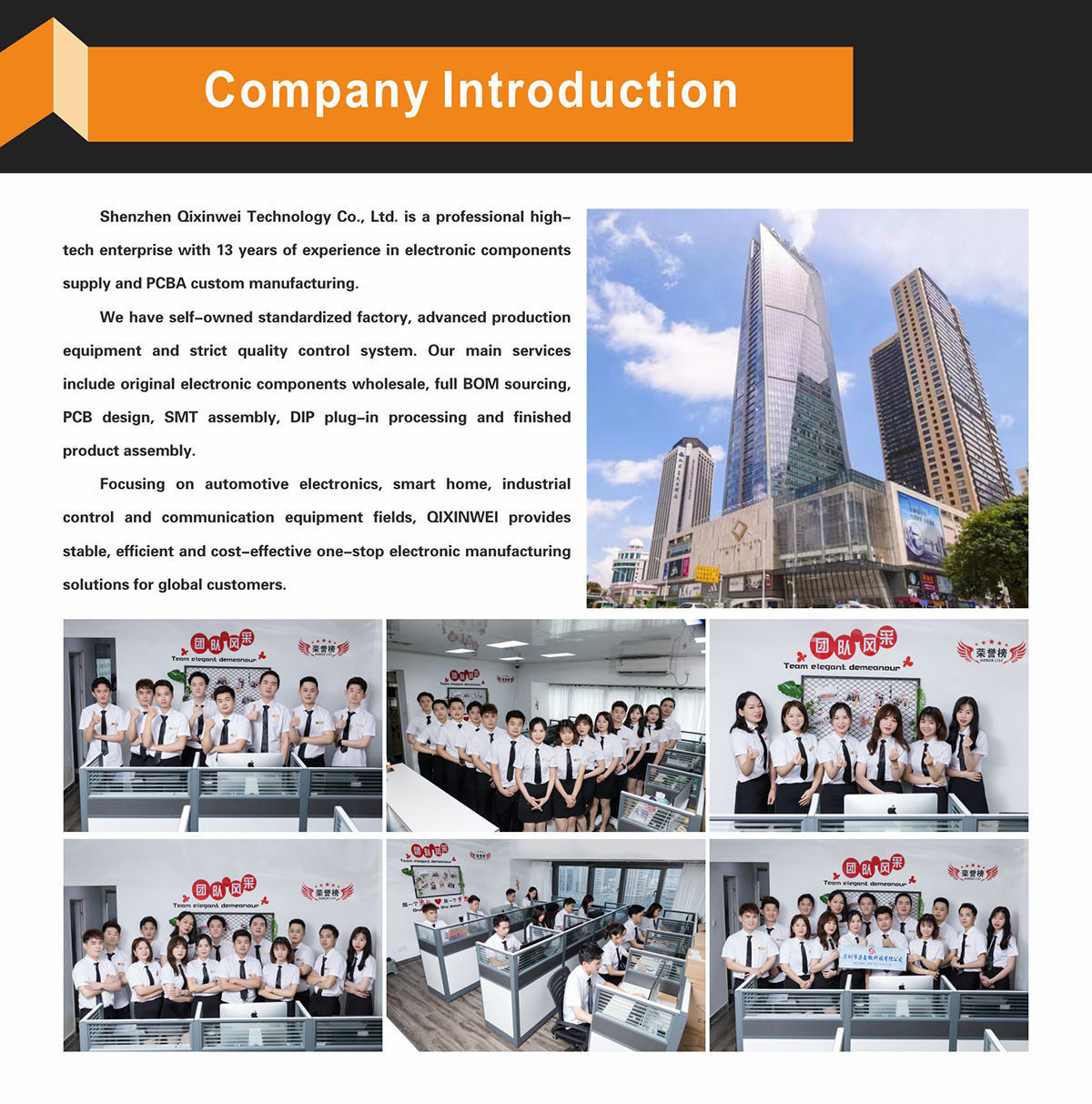
Years of experience in the electronics industry. Trusted by global customers.
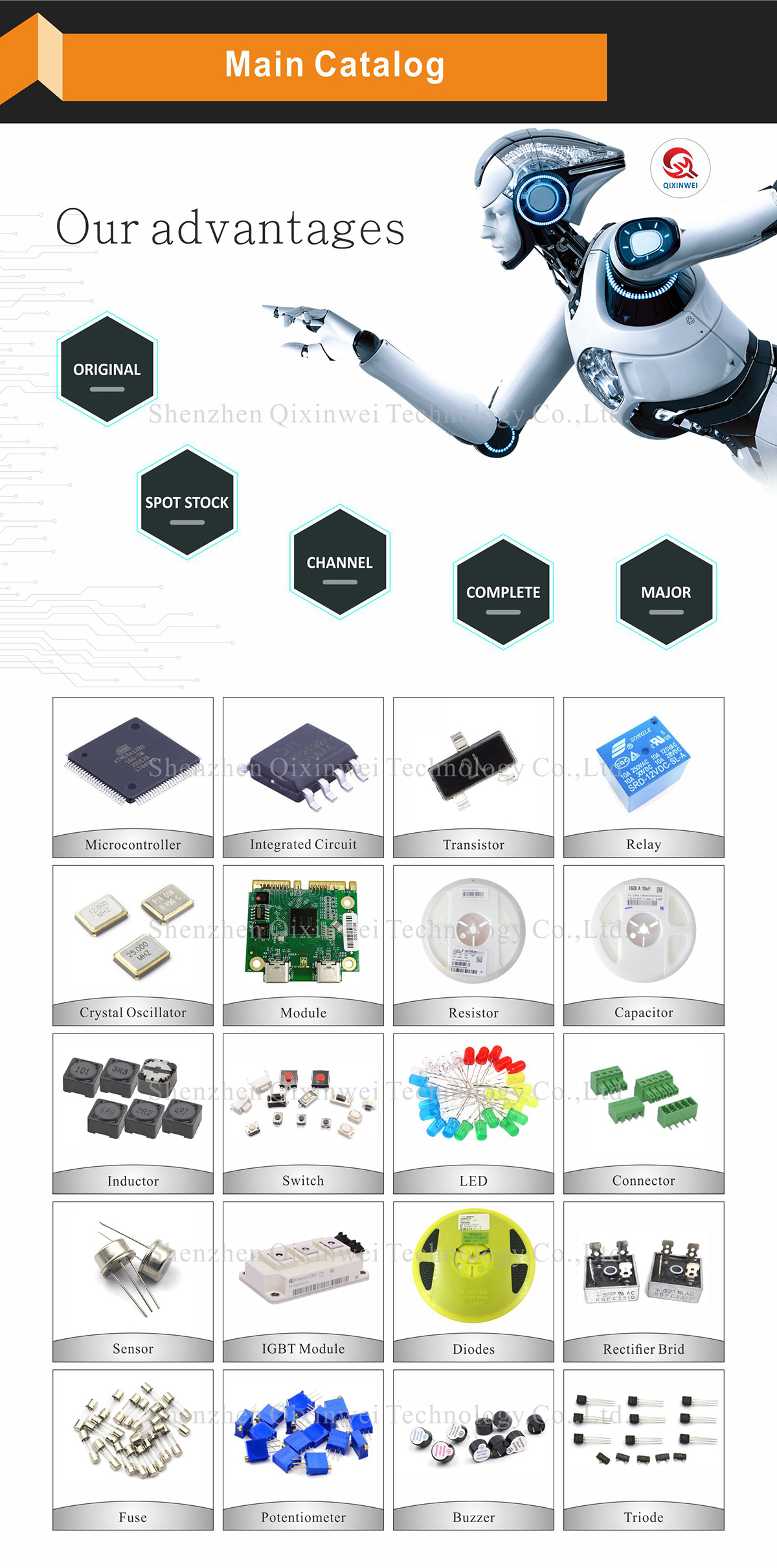
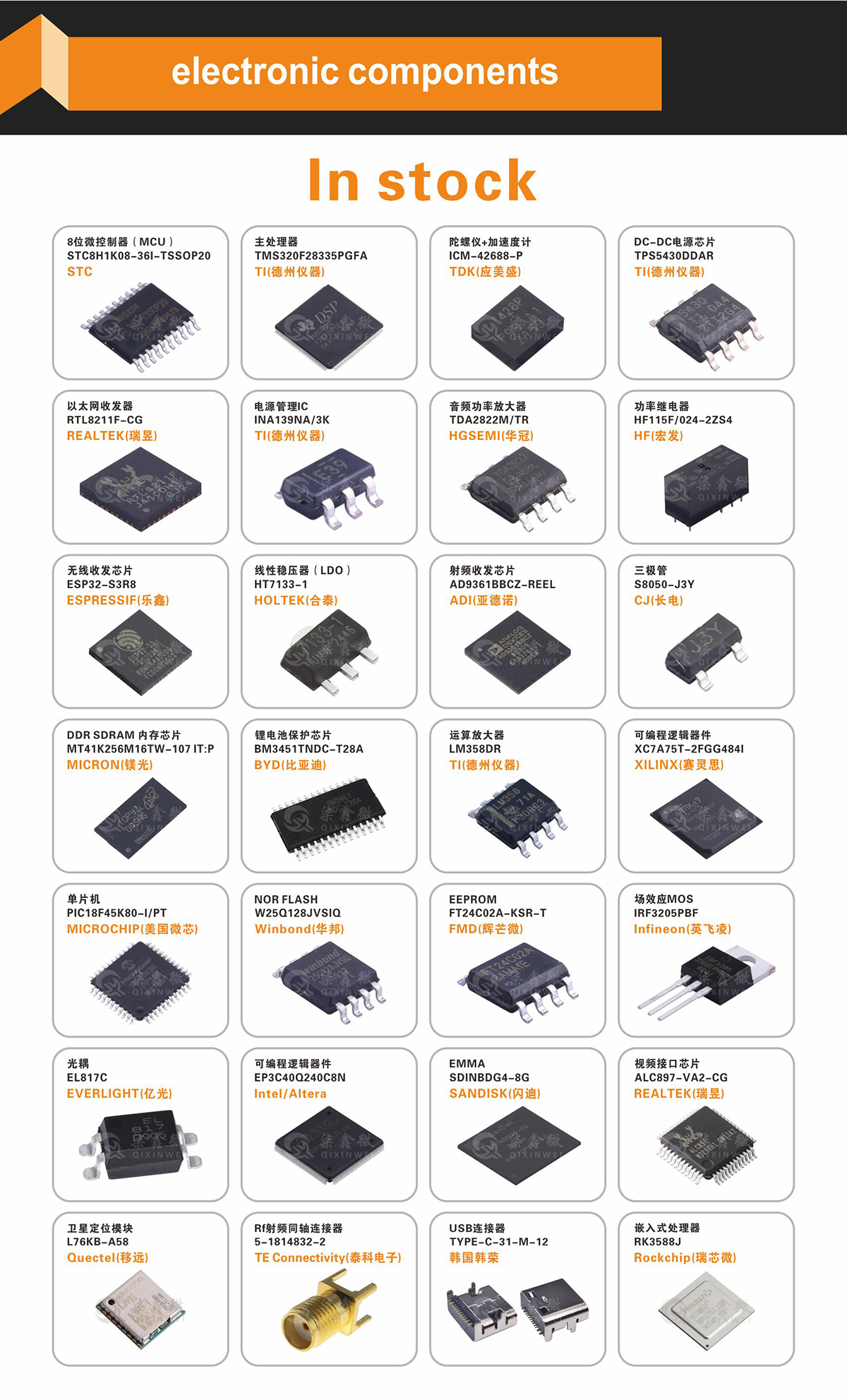
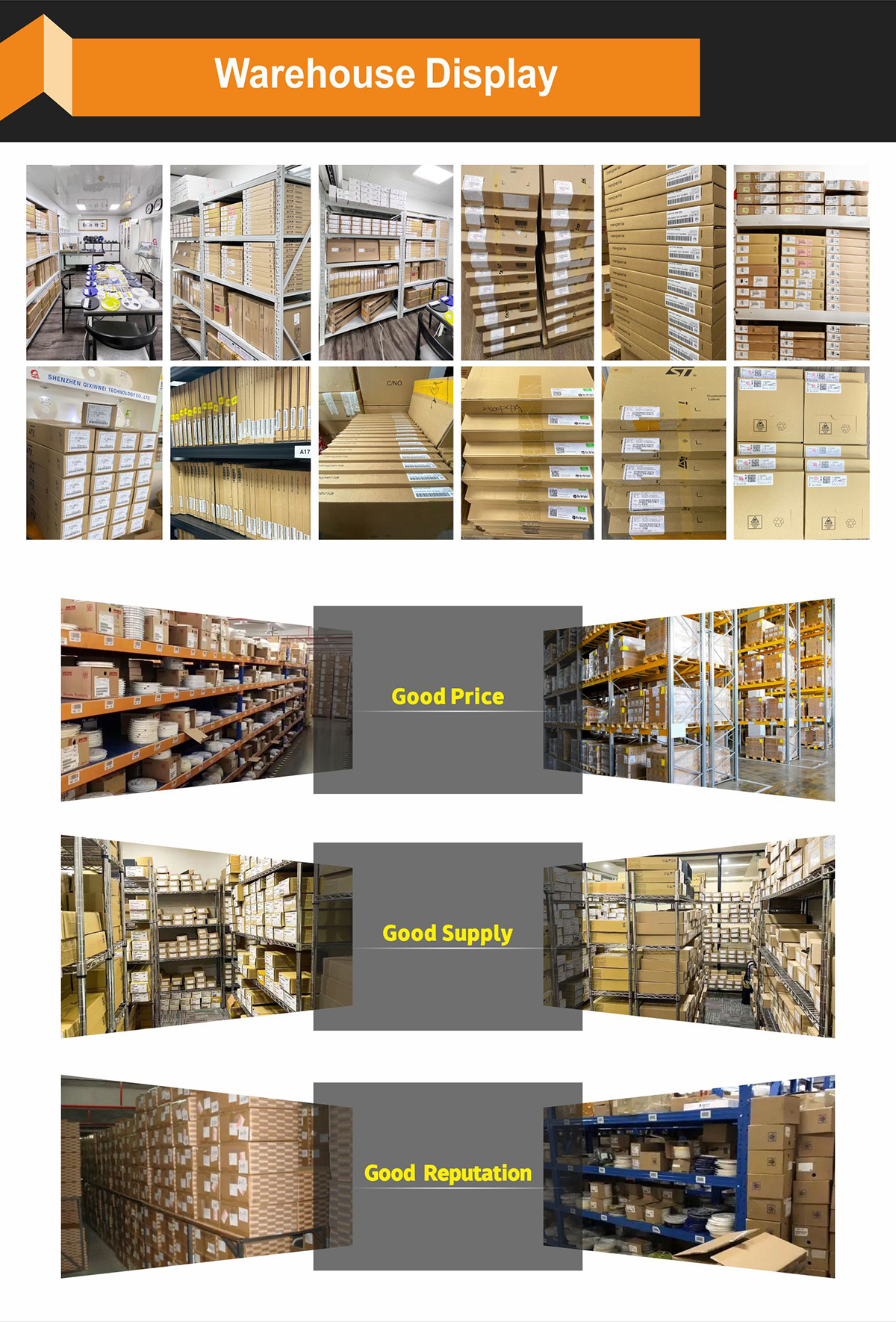
Massive In-Stock Inventory – Ready to ship promptly.
BOM Matching Service – One-stop solution, save time.
PCBA Customization – Professional engineering team creates tailor-made solutions based on your needs.
Cost-Effective & Efficient – Better channel, better cost.
A dedicated team makes your procurement smoother.
Contact us for BOM quotes or PCBA inquiries.


FAQ
1. What is STM32L073RBT6 and where does it fit in the L073 series?
STM32L073RBT6 is an ultra-low-power 32-bit MCU from STMicroelectronics' STM32L0 series, built around an Arm® Cortex®‑M0+ core in an LQFP‑64 package. Operating at 32 MHz, it provides 128 KB Flash and 20 KB SRAM, and integrates a segment LCD driver, a USB 2.0 full‑speed device controller, a 12‑bit ADC, and a 12‑bit DAC. As the mid‑range flash option in the 64‑pin L073 family, it delivers the full peripheral set at a more competitive cost, making it ideal for battery‑powered devices with moderate firmware size that need a segment display and USB connectivity.
2. What are the key specifications of STM32L073RBT6?
Core: Arm® Cortex®‑M0+, up to 32 MHz
Memory: 128 KB Flash, 20 KB SRAM
Operating Voltage: 1.65 V to 3.6 V
Temperature Range: -40 °C to +85 °C (industrial grade)
I/O Count: up to 51
Package: LQFP‑64 (10 mm × 10 mm)
3. How does STM32L073RBT6 differ from STM32L073RZT6? How should I choose based on Flash size?
Both share identical packages, pinouts, and peripherals—including the segment LCD, USB, ADC, DAC, and all low‑power modes. The sole difference is Flash capacity: RBT6 has 128 KB, while RZT6 has 192 KB. If your firmware fits within 128 KB, the RBT6 delivers the same functionality and performance at a lower cost. For larger program space or future expansion, the RZT6 provides extra headroom. For most simple metering and sensor applications, 128 KB is already adequate.
4. How many segments can the segment LCD driver handle in the 64‑pin package, and can it stay on in low‑power modes?
Due to pin‑count constraints, the LCD controller is configured for 8 common lines and 28 segment lines (8 COM × 28 SEG), driving up to 224 segments. This easily covers household meters, thermostat panels, and handheld devices requiring numeric readouts, units, and basic icons. When the MCU enters Stop mode, the LCD can continue refreshing using its own independent clock and internal boost circuitry, achieving an always‑on display with virtually no power penalty—perfect for battery‑powered metering devices.
5. What kind of applications can the 128 KB Flash and 20 KB SRAM combination realistically support? Is it enough?
The 128 KB Flash can comfortably hold a FreeRTOS kernel, a USB device stack (CDC virtual COM port or HID), a segment display driver, and moderate sensor acquisition and control logic. The 20 KB SRAM requires careful planning—use static allocation, trim task stacks, and offload data transfers with DMA. This configuration is well‑suited for relatively fixed‑function applications such as smart water/gas meters, handheld medical monitors, thermostats, and industrial data loggers.
6. How does it perform in terms of low power consumption? What are the typical currents across its modes?
Temperature Range: -40 °C to +85 °C
Ultra‑low‑power modes:
Standby mode: ~0.27 µA (no RTC)
Stop mode: ~0.4 µA (no RTC), ~0.8 µA with RTC
Run mode: ~88 µA/MHz
7. What can the USB 2.0 full‑speed device interface do, and why must an external crystal be used?
The on‑chip USB device controller can be configured as a CDC virtual COM port (for PC communication), an HID human interface device (keyboard/mouse), or an MSC mass storage device (flash drive emulation) for data exchange, parameter configuration, and firmware updates. USB communication demands extremely tight clock accuracy (≤0.25% tolerance), which the internal RC oscillator cannot meet. An external high‑precision 8 MHz or 16 MHz crystal is therefore mandatory for reliable enumeration and connectivity.
8. What are some typical uses of the built‑in 12‑bit DAC in real‑world projects?
It provides two independent 12‑bit DAC channels capable of outputting 0–3.3 V DC voltages. When combined with DMA, it can generate smooth low‑frequency arbitrary waveforms, commonly used to supply programmable excitation to external sensors, produce control voltages for 4–20 mA transmitters, drive analog panel meters, or output simple alarm tones. This integrated capability eliminates external DAC chips, simplifying design and reducing power in portable instruments.
9. What development tools are needed for the STM32L073RBT6? Is there a suitable evaluation board?
ST provides free STM32CubeMX for graphical configuration and STM32CubeIDE as an integrated development environment, along with the STM32CubeL0 firmware library. Debugging and programming are handled by ST‑Link debuggers. For rapid prototyping, the NUCLEO‑L073RZ board features the same LQFP‑64 package and L073 chip family with fully compatible peripherals. Code can be directly migrated to the RBT6, requiring only a Flash size adjustment in the project settings.
10. If I later need more Flash or higher performance, what upgrade paths are available?
For larger code space, you can seamlessly upgrade to the pin‑compatible STM32L073RZT6 (192 KB Flash) with zero hardware changes. If you require significantly more processing power or a color TFT display, the STM32L4 series is an excellent direction, though most L4 devices lack a segment LCD driver and DAC. Therefore, if segment display and analog output remain core requirements, the L073 series continues to offer the best balance of functionality and power efficiency.
- Property:
- Specification
- Product Type:
- Arm Cortex-M0+ Ultra-Low-Power 32-bit MCU
- Brand:
- STMicroelectronics
- Core:
- Cortex-M0+ 32 MHz
- Package:
- LQFP-64
- Memory:
- 128 KB Flash, 20 KB SRAM, 6 KB EEPROM
- Display & Analog:
- LCD Segment Driver, 12-bit DAC, 12-bit ADC, 2×Comparators, Capacitive Touch
- Connectivity & Security:
- USB 2.0 FS, USART, UART, SPI, I2C, HW AES-128
- I/Os:
- 51
- Voltage:
- 1.65V–3.6V
- Temperature:
- -40°C to 85°C