qixinwei-pcba


STM32L072CBT6 ST Mainstream Arm Cortex-M0+ Ultra-Low-Power 32-bit MCU 128KB Flash 20KB SRAM EEPROM USB LCD DAC Comparator LQFP-48
STM32L072CBT6 Product Overview
STM32L072CBT6 is a Cortex-M0+ MCU at 32 MHz, LQFP-48. 128 KB Flash, 20 KB SRAM, 6 KB EEPROM, USB 2.0 FS device (crystal-less), LCD segment driver (up to 8×28), 12-bit ADC (16 ch), 12-bit DAC, two comparators, capacitive touch channels, LP timers, RTC, 2×USART, 1×UART, 2×SPI, 2×I2C. Up to 41 x 5 V-tolerant I/Os. 1.65–3.6 V, -40–85 °C. Compared to the STM32L071CBT6, this model adds an LCD segment driver, providing a fully integrated ultra-low-power platform for low-power IoT nodes, smart meters, and portable devices requiring segment display, USB communication, and rich analog features.
STM32L072CBT6 Core Features
Core: Cortex-M0+ 32 MHz, low-power design
Memory: 128 KB Flash, 20 KB SRAM, 6 KB EEPROM
Display & Analog: LCD segment driver (up to 8×28), 12-bit DAC, 12-bit ADC (16 ch), 2×Comparators, capacitive touch
USB: USB 2.0 FS device (crystal-less)
Connectivity: 2×USART, 1×UART, 2×SPI, 2×I2C
Timers: LP Timer, GP Timers, RTC
I/Os: 41 (5 V-tolerant)
Package: LQFP-48
Temperature Range: -40°C to 85°C
STM32L072CBT6 Applications
Smart Metering & Instrumentation: Water, gas, electricity meters, industrial instruments
Portable Devices: Wearables, portable medical devices, USB peripherals
Smart Home: Thermostats, smart switches, HMI panels
Consumer Electronics: Remote controls, e-labels, smart cards
Energy Harvesting Applications: Self-powered sensor nodes
STM32L072CBT6 Key Advantages
LCD + USB + DAC + Comparators: Segment display, crystal-less USB, analog output, and comparators — one-stop low-power HMI solution
128 KB Flash + 20 KB SRAM + 6 KB EEPROM: Massive memory for complex programs and data logging
Capacitive Touch Sensing: Built-in touch channels for easy button and slider implementation
41 I/Os in LQFP-48 Package: Balance of compact size and rich pins
Ultra-Low Power: Multiple low-power modes extend battery life
5 V-tolerant I/Os: Enhanced robustness, simplified level shifting
Full Ecosystem Compatibility: Easy development with STM32CubeIDE/HAL/LL libraries
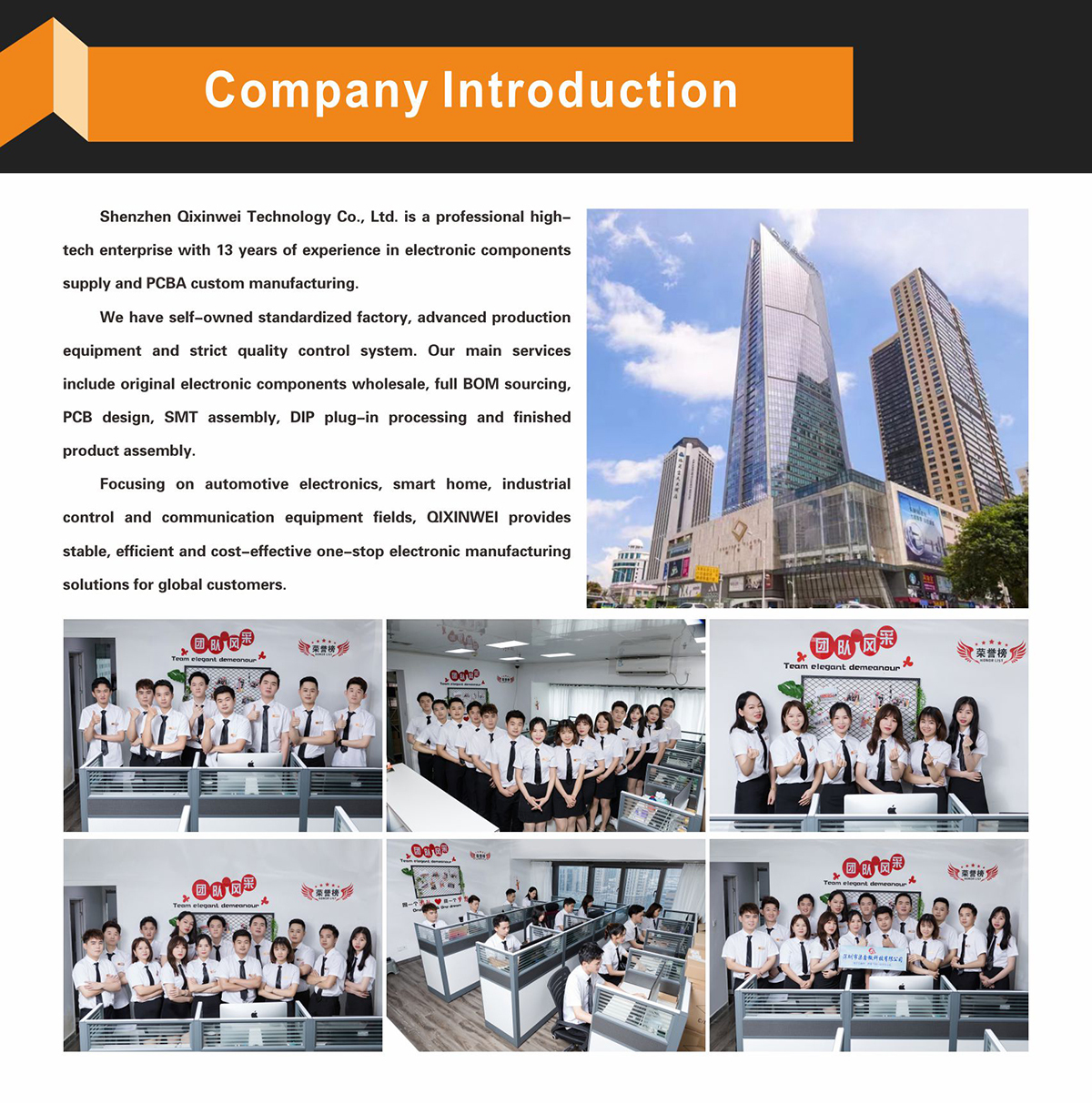
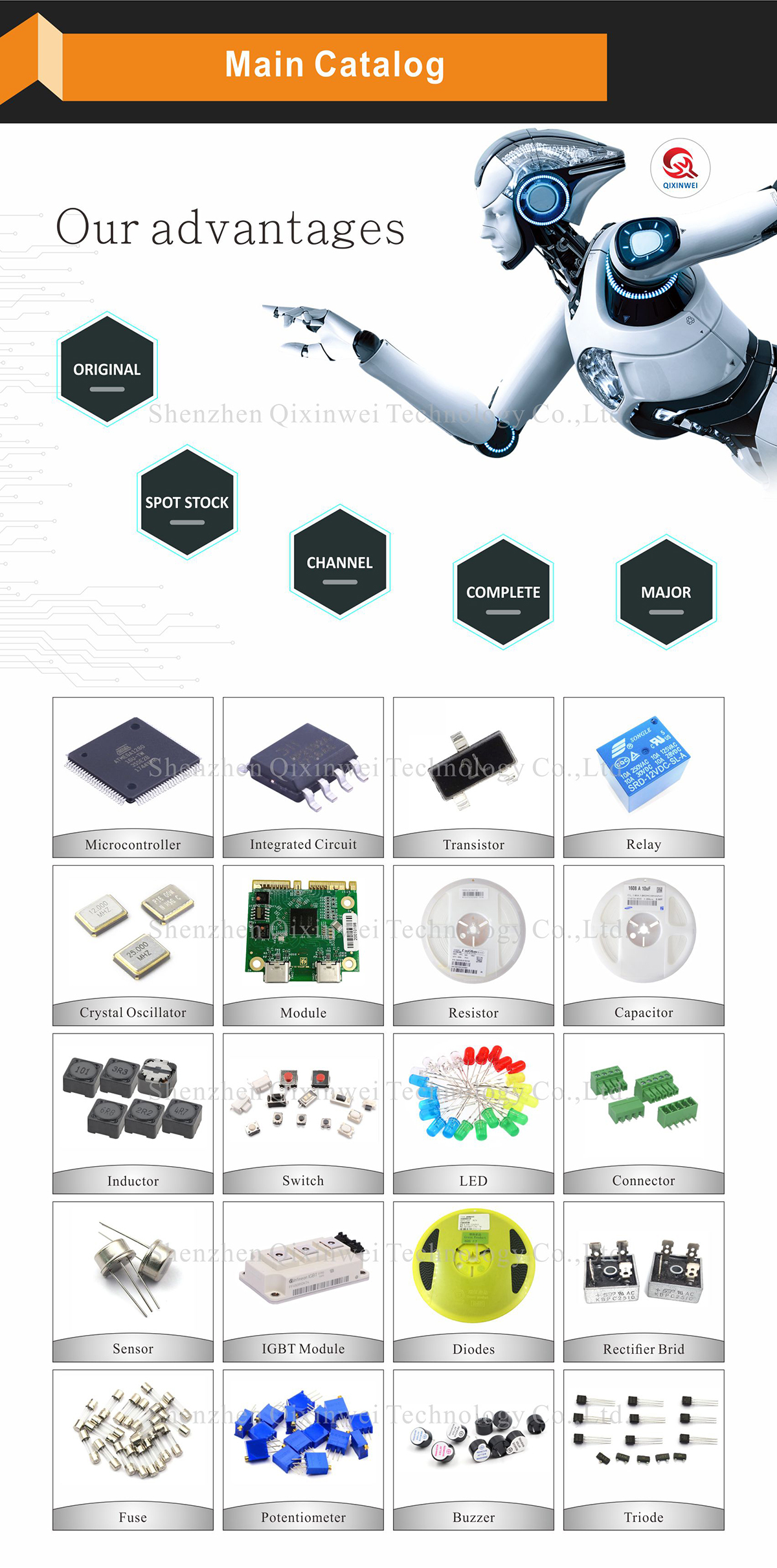
Why Choose QIXINWEI
Years of experience in the electronics industry. Trusted by global customers.
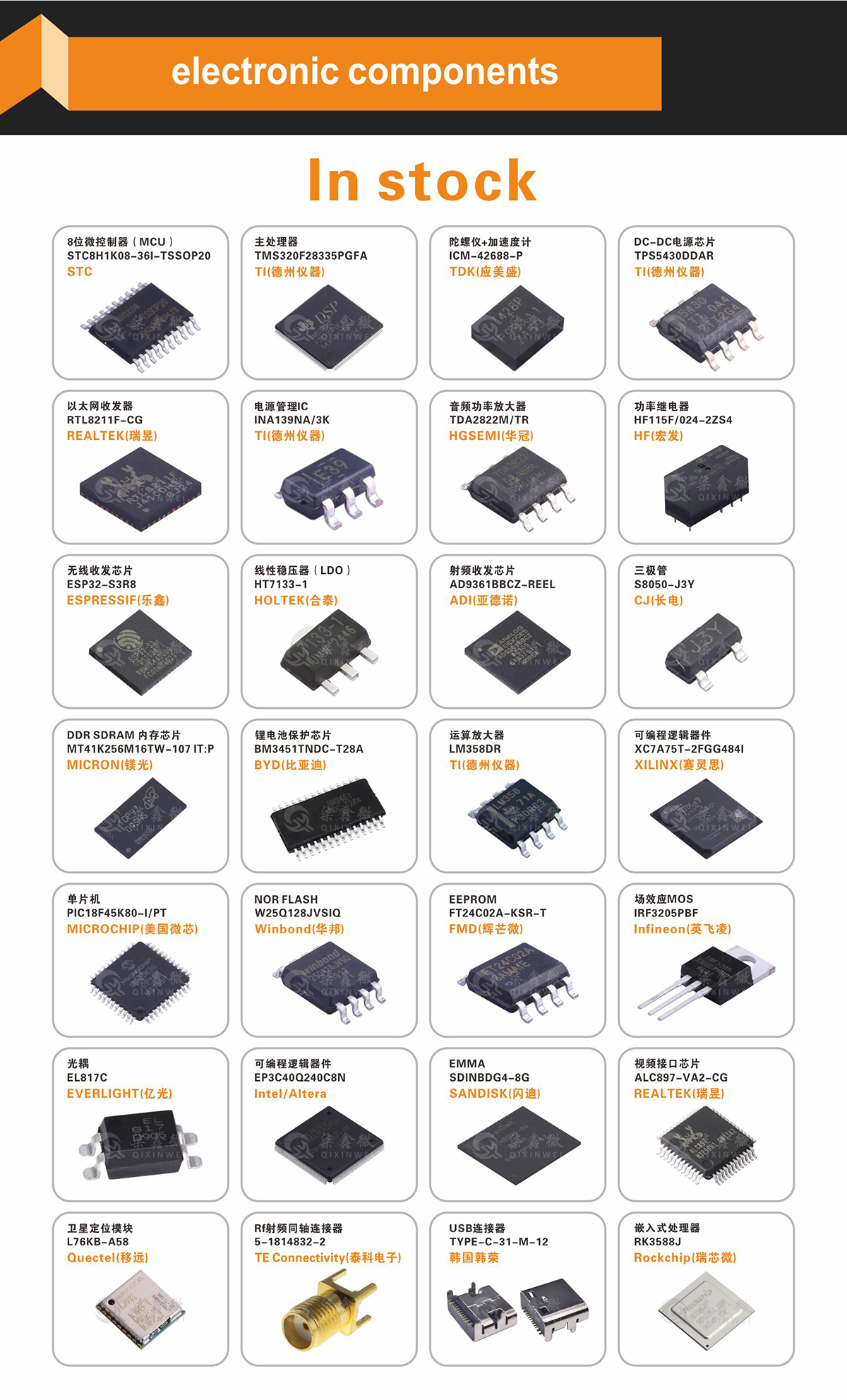
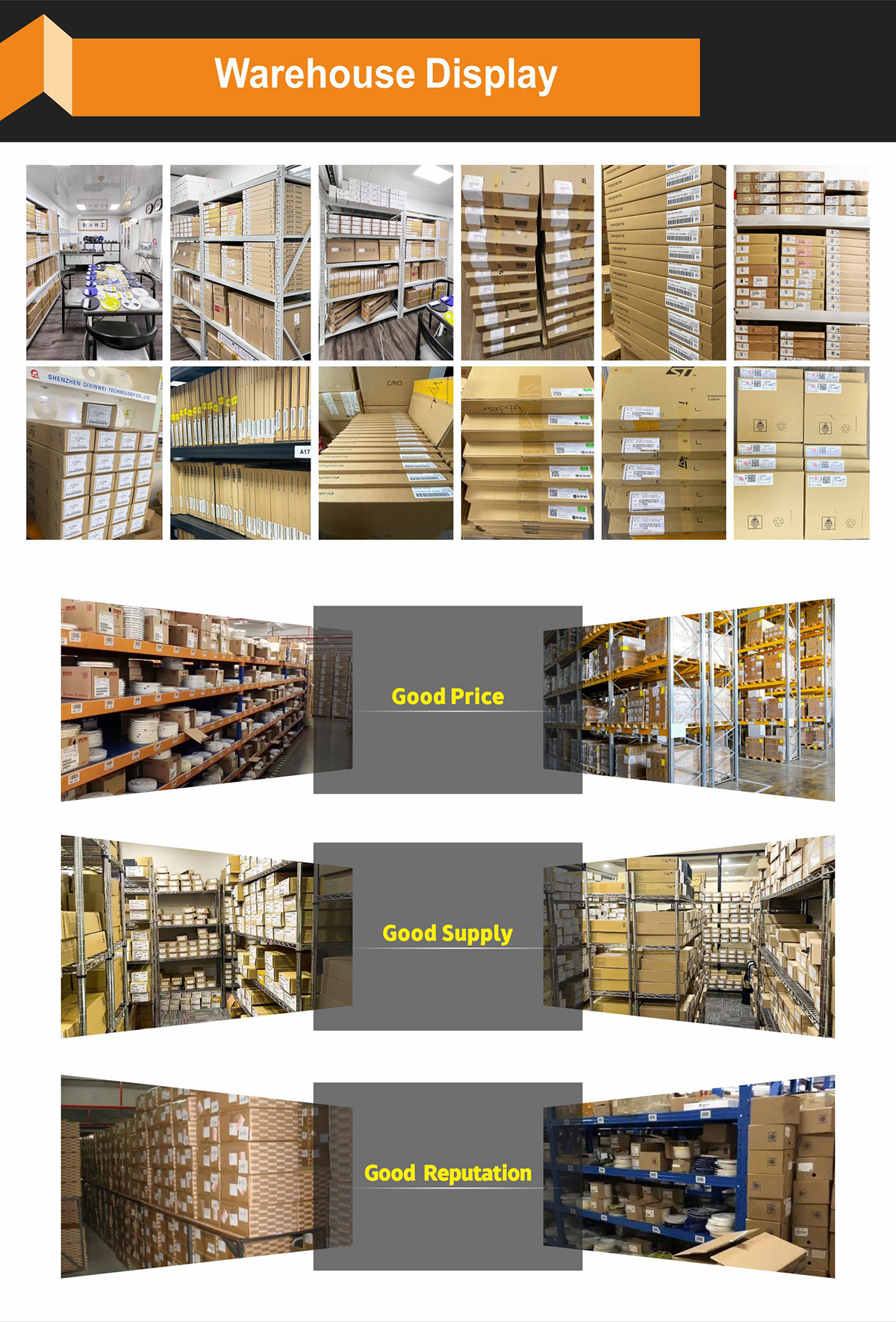
Massive In-Stock Inventory – Ready to ship promptly.
BOM Matching Service – One-stop solution, save time.
PCBA Customization – Professional engineering team creates tailor-made solutions based on your needs.
Cost-Effective & Efficient – Better channel, better cost.
A dedicated team makes your procurement smoother.
Contact us for BOM quotes or PCBA inquiries.

FAQ
1. What is STM32L072CBT6 and what makes it distinctive within the STM32L0 series?
STM32L072CBT6 is an ultra-low-power 32-bit MCU from STMicroelectronics' STM32L0 series, built around an Arm® Cortex®‑M0+ core in an LQFP‑48 package (7 mm × 7 mm). Operating at 32 MHz, it provides 128 KB Flash and 20 KB SRAM, and integrates a segment LCD driver, a USB 2.0 full‑speed device controller, and a 12‑bit ADC. Compared to the L073 series, it omits the DAC and capacitive touch sensing (TSC) to deliver a more compact and cost‑optimized solution focused on segment display, USB communication, and basic analog acquisition—ideal for space‑ and cost‑sensitive battery‑powered devices that do not require analog output or touch interfaces.
2. What are the key specifications of STM32L072CBT6?
Core: Arm® Cortex®‑M0+, up to 32 MHz
Memory: 128 KB Flash, 20 KB SRAM
Operating Voltage: 1.65 V to 3.6 V
Temperature Range: -40 °C to +85 °C (industrial grade)
I/O Count: up to 37
Package: LQFP‑48 (7 mm × 7 mm)
3. What are the differences between STM32L072CBT6 and STM32L073CBT6? Why doesn't it have a DAC or touch sensing?
Both share the same core, Flash, SRAM, segment LCD driver, and USB interface. The key distinction is that the L072 series omits the 12‑bit DAC and the capacitive touch sensing (TSC) module, whereas the L073 retains them. If your application does not require analog voltage output or touch keys/sliders, the L072 delivers identical processing performance and display capabilities at a lower cost. Choose the L073 series if DAC or touch functionality is needed.
4. What applications can the 128 KB Flash and 20 KB SRAM combination support? Will memory be a limiting factor?
The 128 KB Flash comfortably accommodates FreeRTOS, USB device stacks (CDC virtual COM port or HID), a segment display driver, and moderate user control logic. The 20 KB SRAM is sufficient for fixed‑function applications such as smart water meters, gas meters, thermostat panels, and portable health monitors. If more memory is needed later, external PSRAM can be added via SPI, or a pin‑compatible upgrade to the STM32L073 series can be considered.
5. How many segments can the segment LCD driver handle in the 48‑pin LQFP package, and can the display stay on in low‑power modes?
Due to the 48‑pin limitation, the LCD controller is configured for 8 common lines and 24 segment lines (8 COM × 24 SEG), driving up to 192 segments—sufficient for most household meters, thermostats, and handheld instrument panels without external driver ICs. When the MCU enters Stop mode, the LCD can continue refreshing using its internal boost circuitry and independent clock, achieving an always‑on display with virtually no power overhead, which is highly beneficial for battery‑powered metering devices.
6. How does it perform in terms of ultra‑low power consumption? What are the typical currents across its modes?
Temperature Range: -40 °C to +85 °C
Ultra‑low‑power modes:
Standby mode: ~0.27 µA (no RTC)
Stop mode: ~0.4 µA (no RTC), ~0.8 µA with RTC
Run mode: ~88 µA/MHz
7. What can the USB 2.0 full‑speed device interface do in practice, and why must an external crystal be used?
The interface can be configured as a CDC virtual COM port (for PC or mobile communication), an HID keyboard/mouse, or an MSC mass storage device for data exchange, parameter configuration, and firmware updates. USB protocol demands extremely tight clock accuracy (≤0.25% tolerance), which the internal RC oscillator cannot meet. An external high‑precision 8 MHz or 16 MHz crystal is therefore mandatory for reliable enumeration and communication.
8. This chip has no built‑in DAC. What if my project needs an analog output?
Since the L072 series lacks an integrated DAC, you can achieve analog output through these methods: ① use a PWM channel with an external RC low‑pass filter to generate low‑frequency analog voltages; ② add a low‑cost external DAC chip (e.g., MCP4725) via SPI or I²C; ③ if on‑chip DAC is mandatory, upgrade to the pin‑compatible STM32L073 series. The choice depends on the required output accuracy, response speed, and cost targets.
9. What development tools are needed for the STM32L072CBT6? Is there a suitable evaluation board?
ST provides free STM32CubeMX for graphical configuration and STM32CubeIDE as an integrated development environment, along with the STM32CubeL0 firmware library. Debugging and programming are handled by ST‑Link debuggers. For rapid prototyping, the NUCLEO‑L073RZ board (LQFP‑64) features a similar L073 chip with highly compatible peripherals; code can be easily ported to the L072CBT6 with minor adjustments.
10. If I need more storage or additional peripherals in the future, what upgrade paths are available?
First, you can upgrade to the fully pin‑compatible STM32L073CBT6, which adds an on‑chip DAC and capacitive touch sensing while retaining the same Flash size (or select the 192 KB STM32L073VCT6 with a PCB change). If significantly higher processing power (e.g., Cortex‑M4 core, color TFT display) is required, the STM32L4 series is a strong direction, though most L4 devices lack a segment LCD driver, so the display design would need to be re‑evaluated. As long as segment display and ultra‑low power remain core requirements, the L072/L073 series continue to offer the best balance of functionality and cost.
- Property:
- Specification
- Product Type:
- Arm Cortex-M0+ Ultra-Low-Power 32-bit MCU
- Brand:
- STMicroelectronics
- Core:
- Cortex-M0+ 32 MHz
- Package:
- LQFP-48
- Memory:
- 128 KB Flash, 20 KB SRAM, 6 KB EEPROM
- Display & Analog:
- LCD Segment Driver, 12-bit DAC, 12-bit ADC, 2×Comparators, Capacitive Touch
- Connectivity:
- USB 2.0 FS, USART, UART, SPI, I2C
- I/Os:
- 41
- Voltage:
- 1.65V–3.6V
- Temperature:
- -40°C to 85°C