qixinwei-pcba


STM32L031F6P6 ST Mainstream Arm Cortex-M0+ Ultra-Low-Power 32-bit MCU 32KB Flash 8KB SRAM EEPROM ADC TSSOP-20
STM32L031F6P6 Product Overview
STM32L031F6P6 is a Cortex-M0+ MCU at 32 MHz, TSSOP-20. 32 KB Flash, 8 KB SRAM, 1 KB EEPROM, 12-bit ADC (10 ch), LP timers, RTC, 1×USART, 1×SPI, 1×I2C. Up to 15 x 5 V-tolerant I/Os. 1.8–3.6 V, -40–85 °C. Compared to the STM32L011 series, it provides larger Flash, SRAM, and EEPROM, offering more storage resources for battery-powered IoT nodes and portable devices while maintaining ultra-low power consumption.
STM32L031F6P6 Core Features
Core: Cortex-M0+ 32 MHz, low-power design
Memory: 32 KB Flash, 8 KB SRAM, 1 KB EEPROM
Analog: 12-bit ADC (10 ch)
Connectivity: 1×USART, 1×SPI, 1×I2C
Timers: LP Timer, GP Timers, RTC
I/Os: 15 (5 V-tolerant)
Package: TSSOP-20
Temperature Range: -40°C to 85°C
STM32L031F6P6 Applications
IoT Sensor Nodes: Battery-powered environmental sensors, wireless modules
Portable Devices: Wearables, portable medical devices
Industrial Metering: Water, gas, and electricity meters
Consumer Electronics: Remote controls, e-labels, smart cards
Space-Constrained Energy Harvesting: Self-powered systems using energy harvesting
STM32L031F6P6 Key Advantages
Ultra-Low Power: Multiple low-power modes extend battery life
Larger Memory: 32 KB Flash + 8 KB SRAM + 1 KB EEPROM, capable of more complex data processing
32-bit Performance, 8-bit Price: Enjoy the ARM ecosystem at a very low cost
5 V-tolerant I/Os: Enhanced robustness, simplified level shifting
TSSOP-20 Package: Easy to hand-solder, ideal for rapid prototyping
Full Ecosystem Compatibility: Easy development with STM32CubeIDE/HAL/LL libraries
Why Choose QIXINWEI
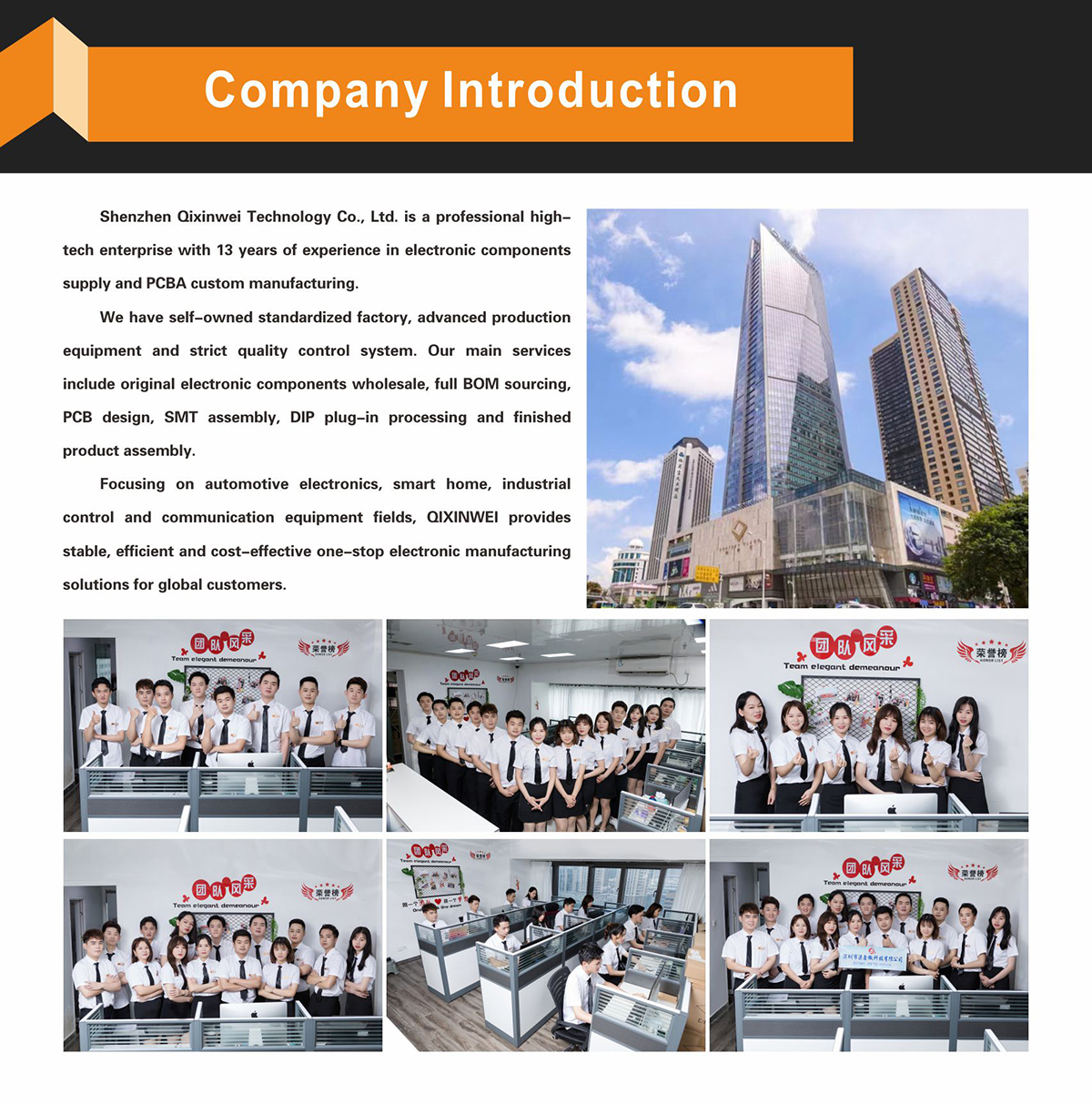
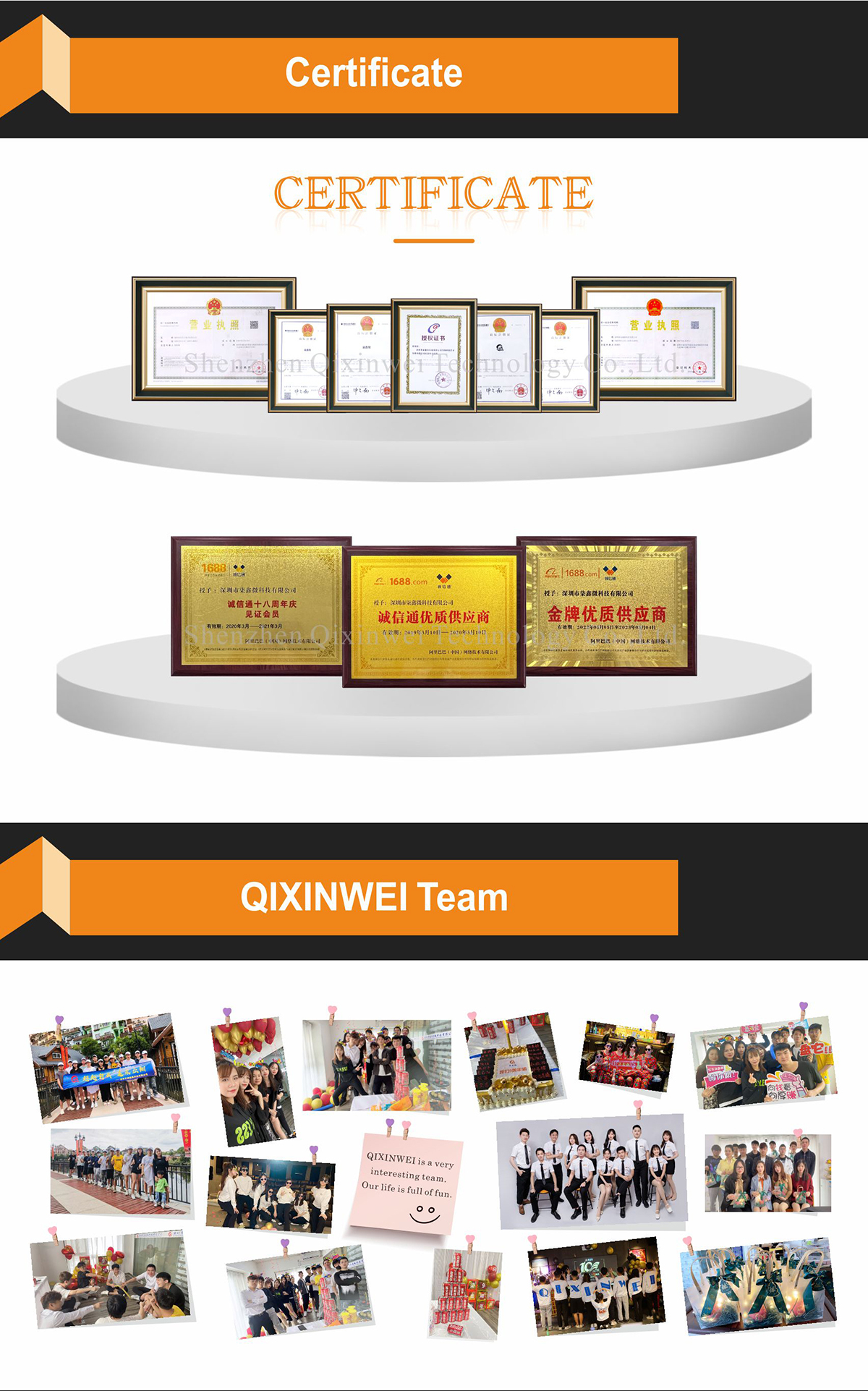
Years of experience in the electronics industry. Trusted by global customers.
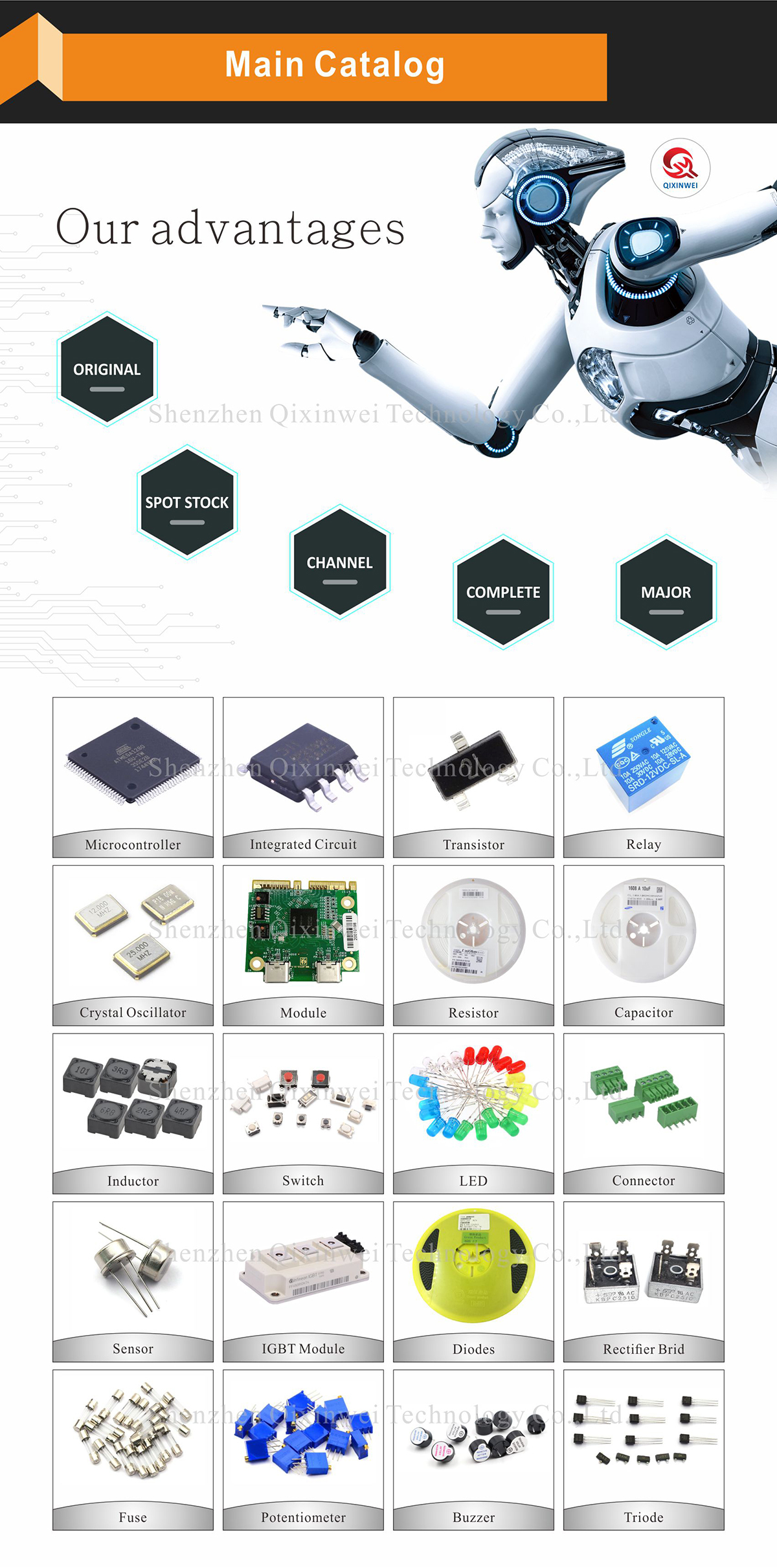
Massive In-Stock Inventory – Ready to ship promptly.
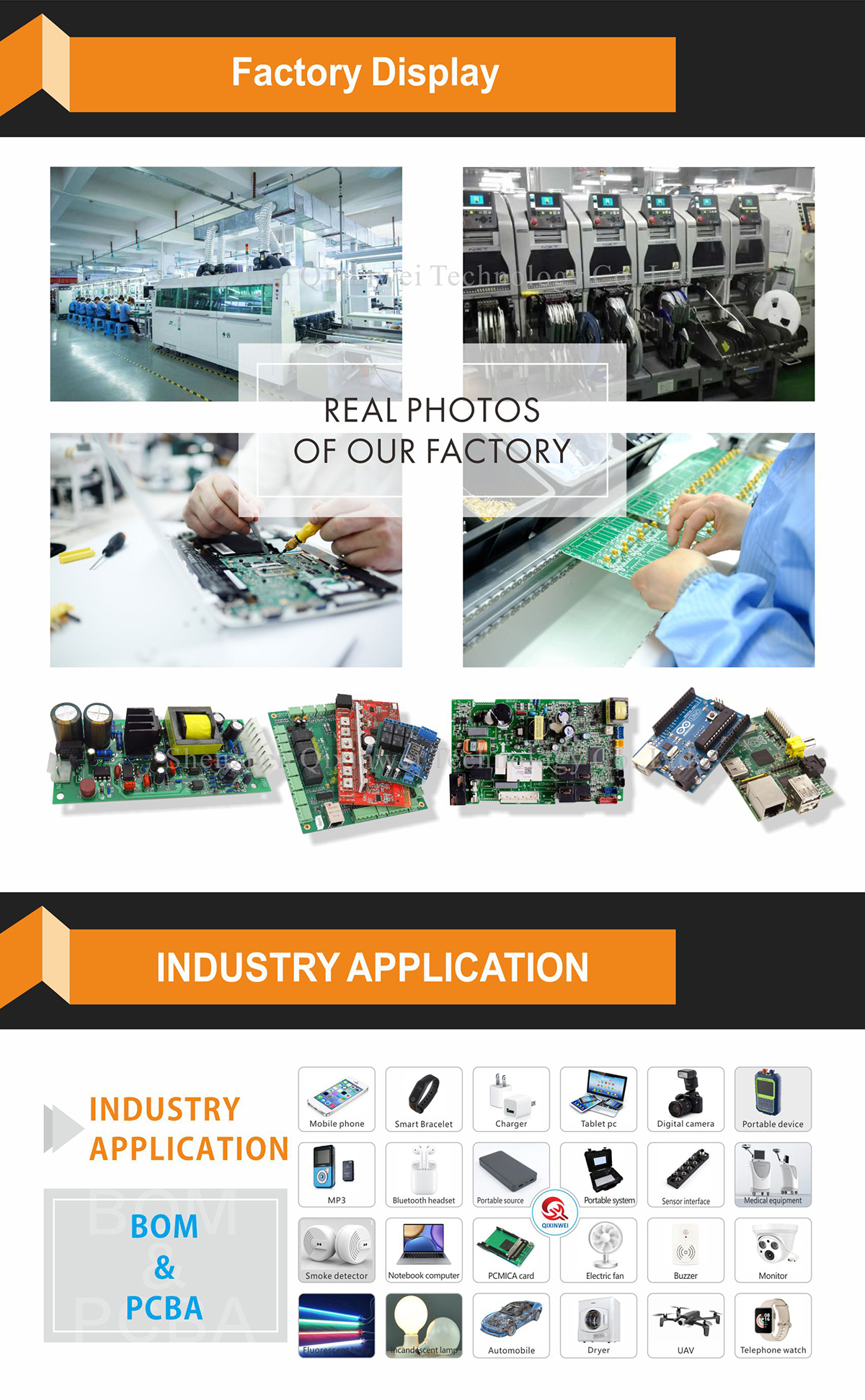
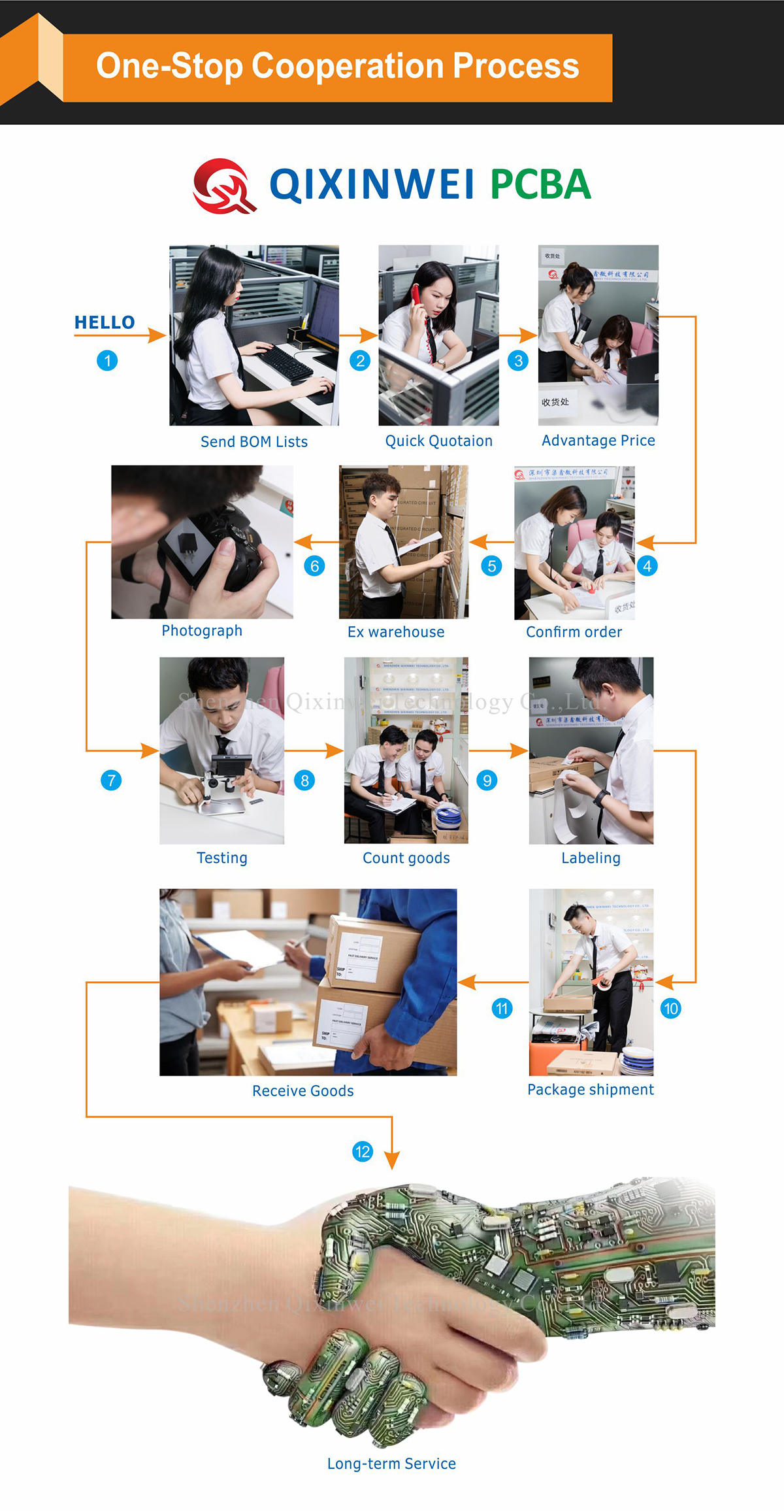
BOM Matching Service – One-stop solution, save time.
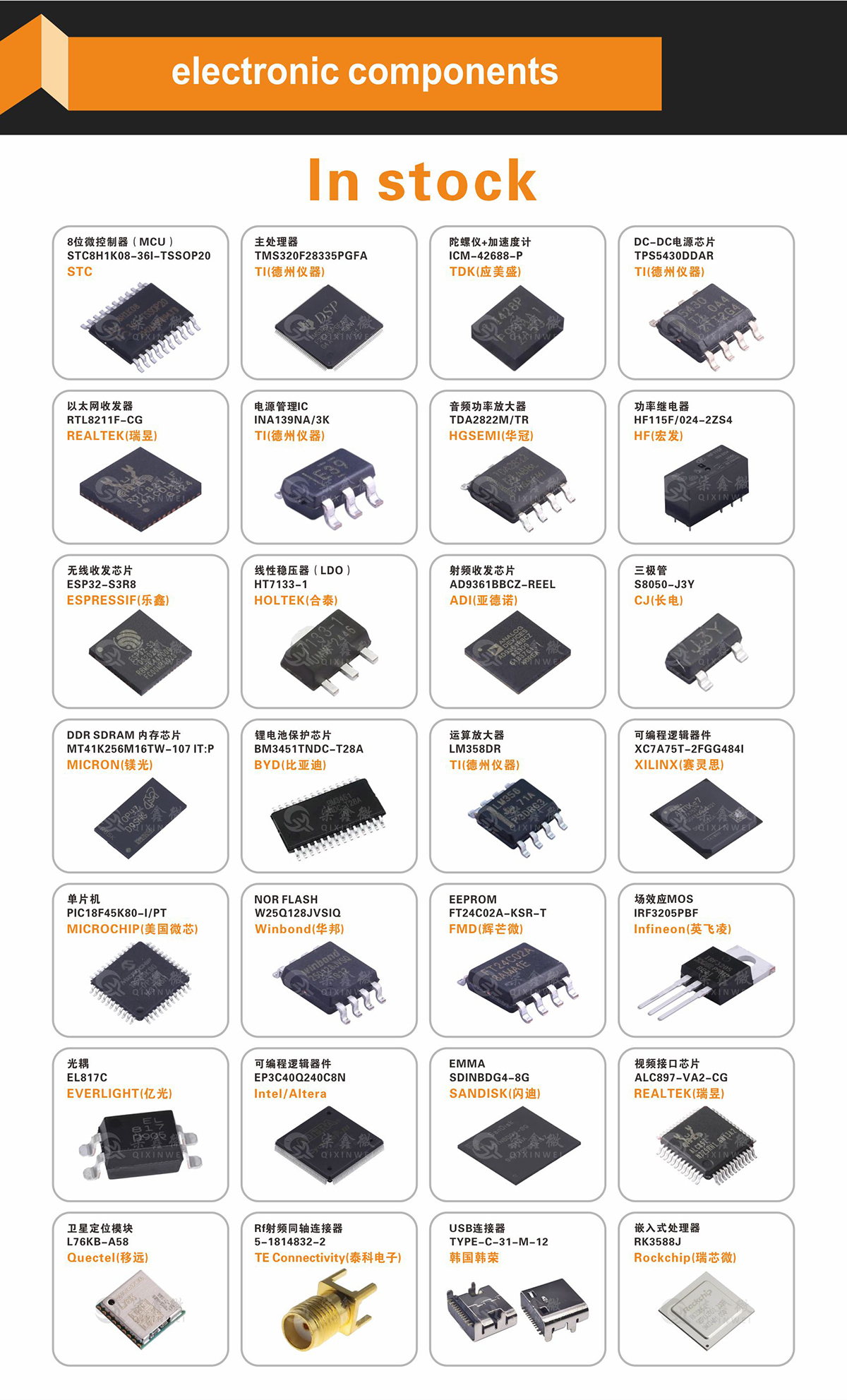
PCBA Customization – Professional engineering team creates tailor-made solutions based on your needs.
Cost-Effective & Efficient – Better channel, better cost.
A dedicated team makes your procurement smoother.
Contact us for BOM quotes or PCBA inquiries.



FAQ
1. What is STM32L031F6P6 and what is its most distinctive feature in the STM32L0 series?
STM32L031F6P6 is an ultra-low-power 32-bit MCU from STMicroelectronics' STM32L0 series, built around an Arm® Cortex®‑M0+ core in a TSSOP‑20 package (6.5 mm × 4.4 mm). Operating at 32 MHz, it provides 32 KB Flash and 8 KB SRAM, and integrates a 12‑bit ADC and a low‑power UART. As one of the smallest and most pin‑compact members of the L031 family, it delivers core processing capability in a tiny, easy‑to‑hand‑solder package, making it perfect for simple battery‑powered devices with extreme cost, space, and power constraints such as disposable sensor modules and miniature controllers.
2. What are the key specifications of STM32L031F6P6?
Core: Arm® Cortex®‑M0+, up to 32 MHz
Memory: 32 KB Flash, 8 KB SRAM
Operating Voltage: 1.65 V to 3.6 V
Temperature Range: -40 °C to +85 °C (industrial grade)
I/O Count: up to 15
Package: TSSOP‑20 (6.5 mm × 4.4 mm)
3. Is the TSSOP‑20 package easy to solder? What are its advantages over QFN or smaller packages?
Very easy. The TSSOP‑20 has all pins exposed with a 0.65 mm pitch, allowing drag‑soldering with a standard iron and flux—no hot‑air station required. Compared to QFN packages, TSSOP offers significant advantages in hand soldering, visual inspection, and rework, making it an excellent choice for hobbyists, students, and small teams for prototyping and small‑batch production. Its 6.5 mm × 4.4 mm size also balances compactness with easy manual handling, taking up less space than an LQFP‑32 while remaining easy to work with.
4. Why choose STM32L031F6P6 over STM32L031K6T6 or other packages? What are the differences?
The main difference lies in the package and I/O count. F6P6 uses a TSSOP‑20 package with 15 I/Os, while K6T6 uses an LQFP‑32 with 25 I/Os. Both share the same core, Flash, SRAM, and ADC. If your application requires only a few I/Os—for example, connecting a couple of sensors and a serial interface—and you want the smallest, most cost‑effective solution, F6P6 is the best choice. If you need more I/Os or more routing flexibility, choose K6T6 or an LQFP‑48 variant.
5. Are 32 KB Flash and 8 KB SRAM sufficient? What kind of programs can they support?
32 KB Flash can hold a compact bare‑metal program or a lightweight RTOS kernel, along with typical sensor drivers and basic communication stacks (e.g., UART, I²C). 8 KB SRAM requires careful variable management, but is perfectly adequate for very fixed‑function micro‑applications such as disposable temperature loggers, miniature battery monitors, and wireless sensor nodes. If more code space is needed, upgrade to a 64 KB Flash variant (e.g., STM32L051F6P6 or STM32L051K8T6).
6. How does it perform in terms of low power consumption? What are the typical currents across its modes?
Temperature Range: -40 °C to +85 °C
Ultra‑low‑power modes:
Standby mode: ~0.27 µA (no RTC)
Stop mode: ~0.4 µA (no RTC), ~0.8 µA with RTC
Run mode: ~88 µA/MHz
7. How capable is the built‑in 12‑bit ADC? How many analog channels are usable in the 20‑pin package?
The ADC supports up to 16 external input channels, a maximum sampling rate of 1.14 Msps, 12‑bit resolution, and a built‑in window comparator. In the TSSOP‑20 package, the number of externally available ADC channels is reduced due to the limited pin count, but several analog input pins remain for measuring battery voltage, temperature sensors, or potentiometers. It can stay active in low‑power modes and wake the CPU via the analog watchdog, making it ideal for battery‑powered devices that periodically monitor analog signals.
8. What communication interfaces are integrated? Is there a low‑power UART?
The STM32L031F6P6 includes 1× SPI, 1× I²C, and 1× low‑power UART (LPUART). The LPUART can remain operational in Stop mode and wake the MCU upon address match or start bit detection, significantly reducing system standby power. This is particularly useful for miniature devices that communicate with wireless modules or sensors over a serial link. Due to pin multiplexing in the 20‑pin package, careful pin planning with STM32CubeMX is recommended.
9. What development tools are needed for the STM32L031F6P6? Is there a suitable evaluation board?
ST provides free STM32CubeMX for graphical configuration and STM32CubeIDE as an integrated development environment, along with the STM32CubeL0 firmware library. Debugging and programming are handled by ST‑Link debuggers. For rapid prototyping, the NUCLEO‑L031K6 board (LQFP‑32) is highly recommended—it carries the same L031 chip family with fully compatible peripherals and code. After development, the code can be seamlessly migrated to the 20‑pin TSSOP F6P6 by simply adjusting the pin configuration in CubeMX.
10. If I later need more storage or richer peripherals, what upgrade options are available?
If more Flash is needed, consider a 64 KB variant such as the STM32L051F6P6 or STM32L051K8T6. For more I/Os, upgrade to an LQFP‑32 or LQFP‑48 package. If a segment LCD driver or USB is required, step up to the L052 or L053 series respectively. In all these upgrade paths, core code is reusable—only pin configuration and peripheral parameters need adjustment in STM32CubeMX.
- Property:
- Specification
- Product Type:
- Arm Cortex-M0+ Ultra-Low-Power 32-bit MCU
- Brand:
- STMicroelectronics
- Core:
- Cortex-M0+ 32 MHz
- Package:
- TSSOP-20
- Memory:
- 32 KB Flash, 8 KB SRAM, 1 KB EEPROM
- Analog:
- 12-bit ADC (10 ch)
- Connectivity:
- USART, SPI, I2C
- I/Os:
- 15
- Voltage:
- 1.8V–3.6V
- Temperature:
- -40°C to 85°C