qixinwei-pcba


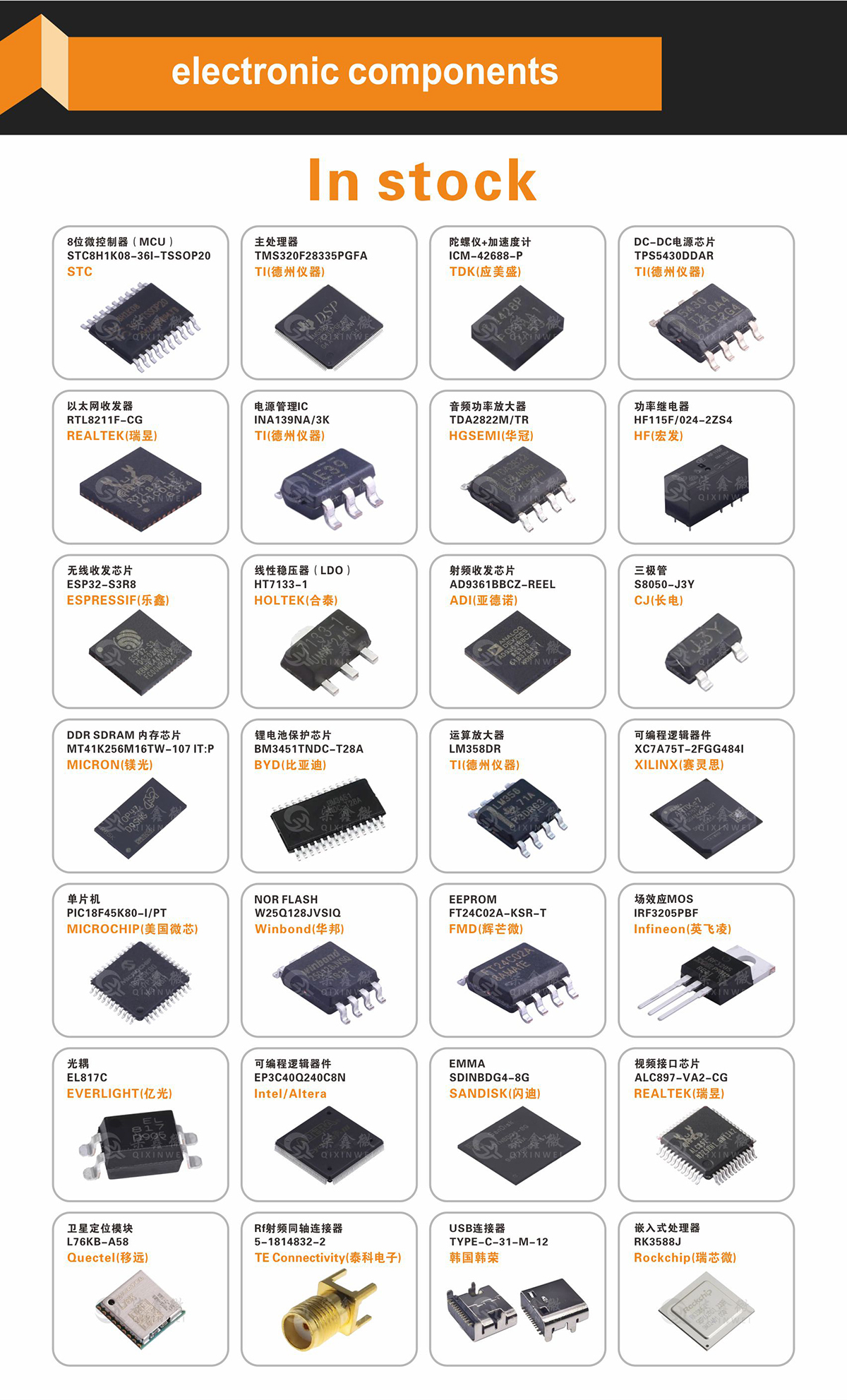
STM32H563VIT6 ST Mainstream Arm Cortex-M33 High-Performance 32-bit MCU 2MB Flash 640KB SRAM TrustZone CAN FD USB OTG Ethernet Crypto LQFP-100
STM32H563VIT6 Product Overview
STM32H563VIT6 is an Arm Cortex-M33 MCU at 250 MHz with FPU and TrustZone, LQFP-100. 2 MB dual-bank Flash, 640 KB SRAM, USB OTG HS/FS (on-chip HS PHY), Ethernet MAC, CAN FD, HW security (AES/PKA/HASH/RNG/secure storage), SDIO, OCTOSPI, two 16-bit ADCs (5 Msps), 12-bit DAC, two comparators, two op-amps, advanced motor control timers, LP timers, RTC, 4×USART/UART, 2×SPI/I2S, 3×I2C. Up to 82 x 5 V-tolerant I/Os. 1.71–3.6 V, -40–85 °C. Compared to the H7 series, brings the Armv8-M architecture with native TrustZone for hardware-enforced security isolation, making it ideal for industrial IoT, secure communication, and real-time control.
STM32H563VIT6 Core Features
Core: Arm Cortex-M33 250 MHz, FPU + TrustZone + MPU
Memory: 2 MB Dual-Bank Flash, 640 KB SRAM
Connectivity: Ethernet MAC, USB OTG HS/FS (on-chip HS PHY), CAN FD, SDIO, OCTOSPI, 4×USART/UART, 2×SPI/I2S, 3×I2C
Security: TrustZone hardware isolation, HW crypto (AES/PKA/HASH/RNG), secure storage
Analog: 2×16-bit ADCs (5 Msps), 12-bit DAC, 2×Comparators, 2×Op-Amps
Motor Control: Advanced Timers (PWM/Deadtime/Brake), multiple GP/LP timers
I/Os: 82 (5 V-tolerant)
Package: LQFP-100
Temperature Range: -40°C to 85°C
STM32H563VIT6 Applications
Industrial IoT Security: Secure gateways, PLCs, controllers requiring TrustZone isolation
Real-Time Ethernet & CAN FD: Industrial Ethernet nodes, CAN FD real-time networks
Motor Control & Digital Power: High-precision FOC, servo drives
Consumer & Portable Devices: Smart devices requiring high performance and secure boot
Secure Storage & Authentication: Key management, anti-cloning
STM32H563VIT6 Key Advantages
Armv8-M TrustZone: Hardware-enforced security partitioning for critical code and data
250 MHz + 2 MB Dual-Bank Flash + 640 KB SRAM: High performance and ample storage for firmware updates and complex applications
On-Chip USB HS PHY + Ethernet + CAN FD: Single-chip for high-speed USB, industrial networking, and real-time bus
OCTOSPI + SDIO: Flexible external memory expansion for large-capacity needs
Comprehensive HW Security: Crypto coprocessor, secure storage, lifecycle management
82 I/Os in LQFP-100 Package: Rich pin count, high integration
1.71–3.6 V Wide Supply: Adaptable to various power scenarios
Why Choose QIXINWEI
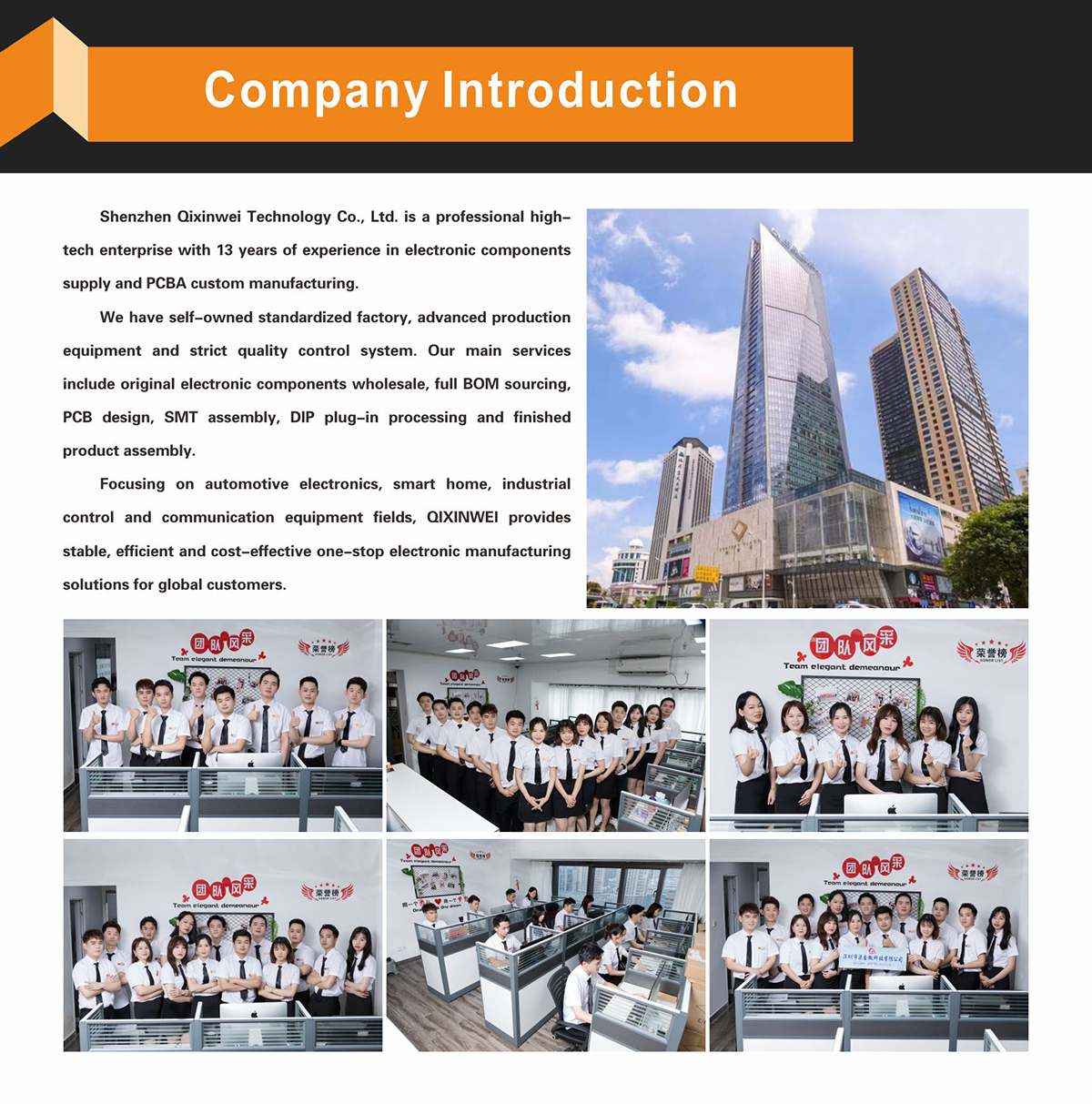
Years of experience in the electronics industry. Trusted by global customers.
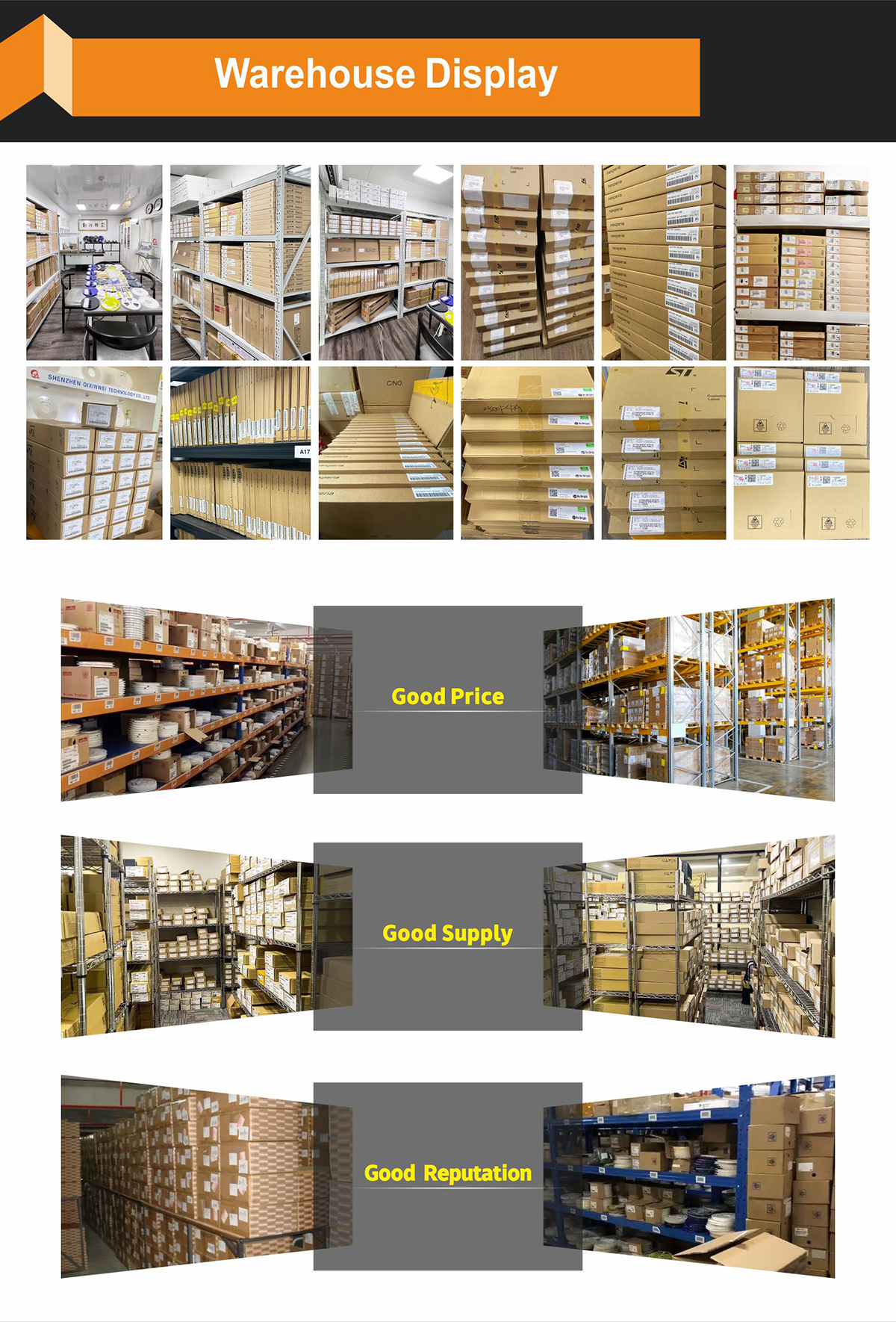
Massive In-Stock Inventory – Ready to ship promptly.
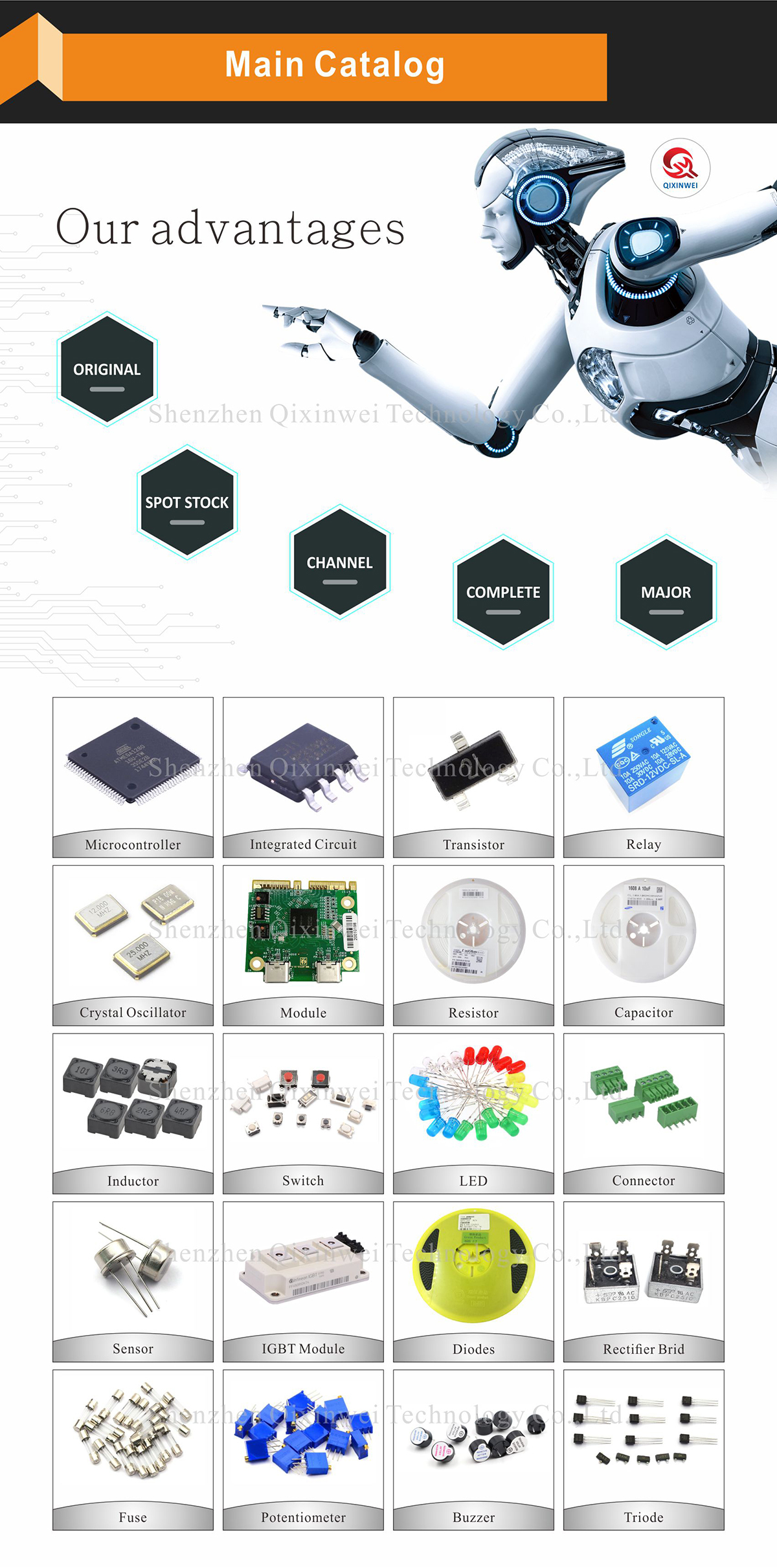
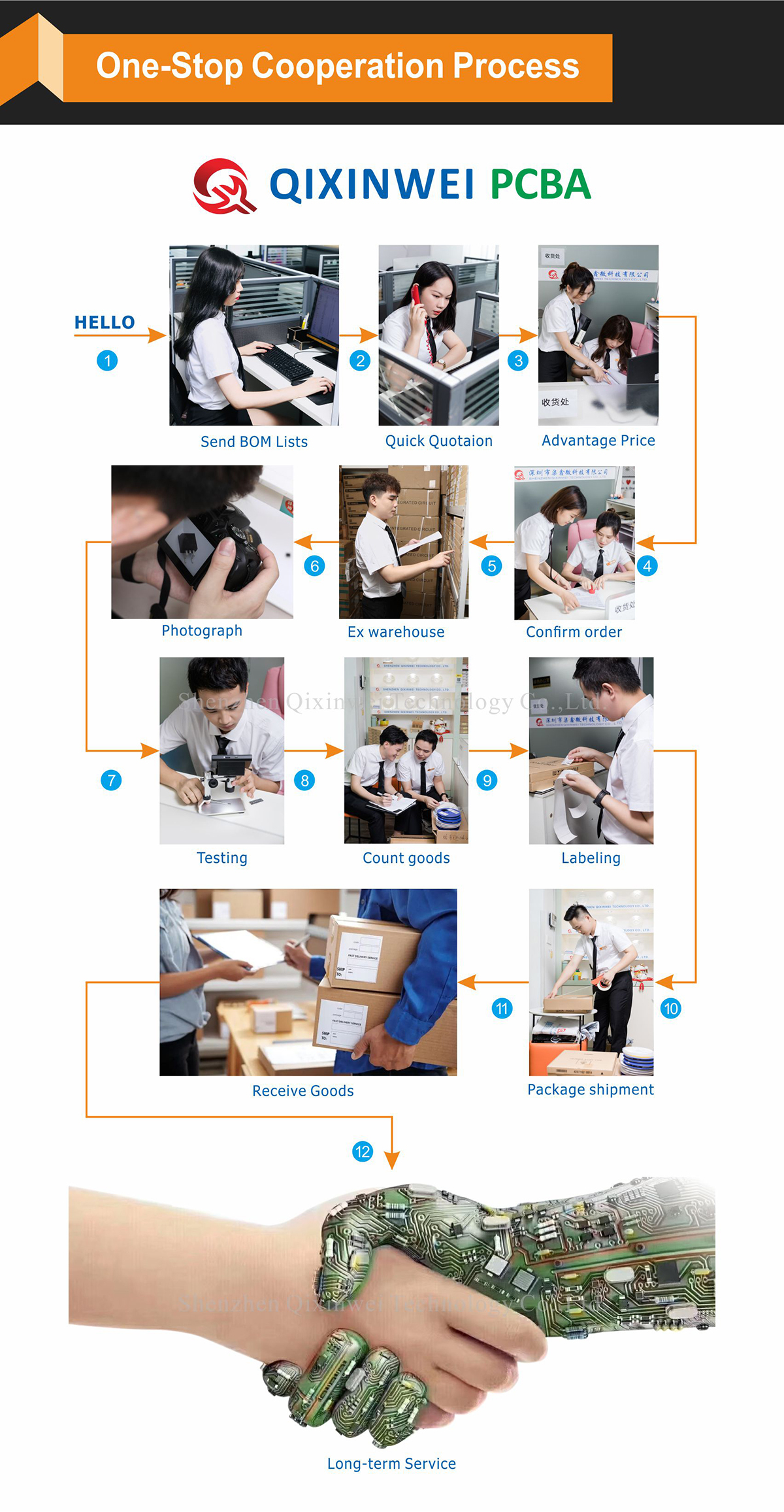
BOM Matching Service – One-stop solution, save time.
PCBA Customization – Professional engineering team creates tailor-made solutions based on your needs.
Cost-Effective & Efficient – Better channel, better cost.
A dedicated team makes your procurement smoother.
Contact us for BOM quotes or PCBA inquiries.

FAQ
1. What is the STM32H563VIT6, and which series does it belong to?
The STM32H563VIT6 is a high‑performance secure microcontroller from STMicroelectronics' STM32H5 series, built around an Arm® Cortex®‑M33 core running at up to 250 MHz, in an LQFP‑100 package. It is a representative model in the STM32H5 family that integrates a complete hardware security module, 2 MB of dual‑bank Flash, and 640 KB of SRAM. It is purpose‑designed for industrial IoT, smart home, and medical devices that demand a high level of security, real‑time control, and rich communication interfaces. The Cortex‑M33 core introduces TrustZone® security isolation technology, providing hardware‑level protection for firmware and sensitive data.
2. What are the key advantages of the Cortex‑M33 over the earlier Cortex‑M4 or M7?
The Cortex‑M33 is based on the Armv8‑M architecture. Compared to the M4, it brings TrustZone® security extensions that can partition firmware into secure and non‑secure regions, achieving hardware‑grade isolation. Even if the non‑secure code is compromised, an attacker cannot access keys, certificates, or core algorithms stored in the secure region. It retains DSP extensions and a single‑precision FPU, delivering strong real‑time processing at 250 MHz. Compared to the M7, the M33 achieves a better balance between security and energy efficiency, making it ideal for IoT edge devices that require both protection and low power.
3. What hardware security features does the STM32H563VIT6 include? Does it support secure boot?
It incorporates a comprehensive hardware security module, including AES‑256, SHA‑1/SHA‑2, HMAC, a true‑random‑number generator (TRNG), and a public‑key accelerator (PKA). Together with TrustZone® and the secure dual‑bank Flash, it can implement a complete chain of trust from ROM to application, ensuring that only firmware with a verified signature is allowed to run. It also supports secure firmware updates (SBSFU) and runtime isolation, making it highly suitable for payment terminals, secure gateways, and industrial controllers where intellectual property must be protected.
4. How is the 640 KB SRAM organized, and how does it benefit real‑time tasks?
The 640 KB SRAM includes 192 KB of tightly coupled memory (TCM), split into ITCM (Instruction TCM) and DTCM (Data TCM), providing zero‑wait‑state CPU access for the lowest and most deterministic interrupt and control‑loop latency. The remaining SRAM uses a multi‑bank architecture that allows DMA and the CPU to access different regions simultaneously without blocking, significantly boosting throughput when concurrently handling Ethernet, high‑speed ADC acquisition, and complex algorithms.
5. Does the 2 MB dual‑bank Flash support OTA updates? How is update security ensured?
Fully supported. The dual‑bank architecture allows current firmware to execute from one bank while new firmware is downloaded and verified in the other. During an update, the hardware crypto accelerator verifies the signature of the new image to confirm its integrity and authenticity; then a simple boot‑address switch completes the update. If a power loss or verification failure occurs, the system automatically rolls back to the original firmware, guaranteeing the device is never bricked. This mechanism, combined with TrustZone® isolation, provides extremely reliable remote maintenance for industrial IoT gateways and critical infrastructure.
6. What can the USB and Ethernet interfaces on the chip do? Can they be used simultaneously?
It integrates a USB 2.0 full‑speed/high‑speed (FS/HS) controller and a 10/100M Ethernet MAC (supporting IEEE 1588 precision time protocol), both of which can operate simultaneously without conflicts. The USB HS interface can reach data rates of 480 Mbps, making it suitable for connecting high‑speed data‑acquisition modules or communicating with a PC. The Ethernet MAC features DMA transfers to significantly offload the CPU. Additionally, multiple FDCAN controllers are provided, making it ideal for multi‑protocol industrial gateways and distributed control systems.
7. What can the built‑in op‑amps, comparators, ADC, and DAC do? Can they eliminate external analog chips?
The STM32H563VIT6 integrates two 12‑bit ADCs (up to 5 Msps), one 12‑bit DAC, multiple rail‑to‑rail operational amplifiers, and ultra‑low‑power comparators. The op‑amps can directly process small signals from current‑sense resistors, Hall sensors, or thermocouples; the comparators can be used for over‑current protection and zero‑crossing detection. These analog peripherals are tightly coupled with timers and DMA inside the MCU, forming complete digital control loops that significantly reduce BOM cost and PCB area, especially for digital power and motor‑control applications.
8. What is the power consumption like? Is it suitable for industrial wide‑temperature environments?
The STM32H5 series is built on an advanced 40 nm process, keeping power consumption at a low level even at 250 MHz full load. It supports multiple low‑power modes—Sleep, Stop, and Standby—with Standby current dropping to the micro‑amp range while retaining some SRAM and register contents. The chip is typically rated for the industrial temperature range (-40 °C to 85 °C) and can operate reliably over the long term in harsh industrial environments. Combined with dynamic frequency scaling and flexible power management, it is well‑suited for battery‑powered devices and outdoor terminals that require high energy efficiency.
9. Is the toolchain for the STM32H563VIT6 mature? Can I reuse code from previous projects?
Very mature. It is fully compatible with the STM32Cube ecosystem, including the free STM32CubeMX graphical configuration tool, STM32CubeIDE integrated development environment, and the feature‑rich STM32CubeH5 firmware package. If you have previously developed on STM32F4, G4, or H7 projects, a large portion of HAL code can be reused; the main adjustments involve peripheral configuration and implementing security features. ST also provides extensive example projects covering Ethernet, USB, file systems, and secure boot to help jump‑start development.
10. If I need more resources or a higher security level, what upgrade options are available?
If the 640 KB of SRAM or 2 MB of Flash is insufficient, you can upgrade to higher‑end configurations within the STM32H563 series that offer larger memory capacities. If stronger security certifications (such as PSA Level 2 or higher physical‑attack protection) are required, consider the STM32H573 or future enhanced models in the STM32H5 family. All these migration paths remain within the same STM32Cube ecosystem, enabling extensive code and hardware design reuse with minimal migration effort.
- Property:
- Specification
- Product Type:
- Arm Cortex-M33 High-Performance 32-bit MCU
- Brand:
- STMicroelectronics
- Core:
- Cortex-M33 250 MHz (FPU + TrustZone)
- Package:
- LQFP-100
- Memory:
- 2 MB Flash, 640 KB SRAM
- Connectivity:
- Ethernet, USB OTG HS/FS, CAN FD
- Security:
- TrustZone, AES/PKA/HASH/RNG
- Analog:
- 2×16-bit ADCs, 12-bit DAC, 2×Op-Amps, 2×Comparators
- I/Os:
- 82
- Voltage:
- 1.71V–3.6V
- Temperature:
- -40°C to 85°C