qixinwei-pcba


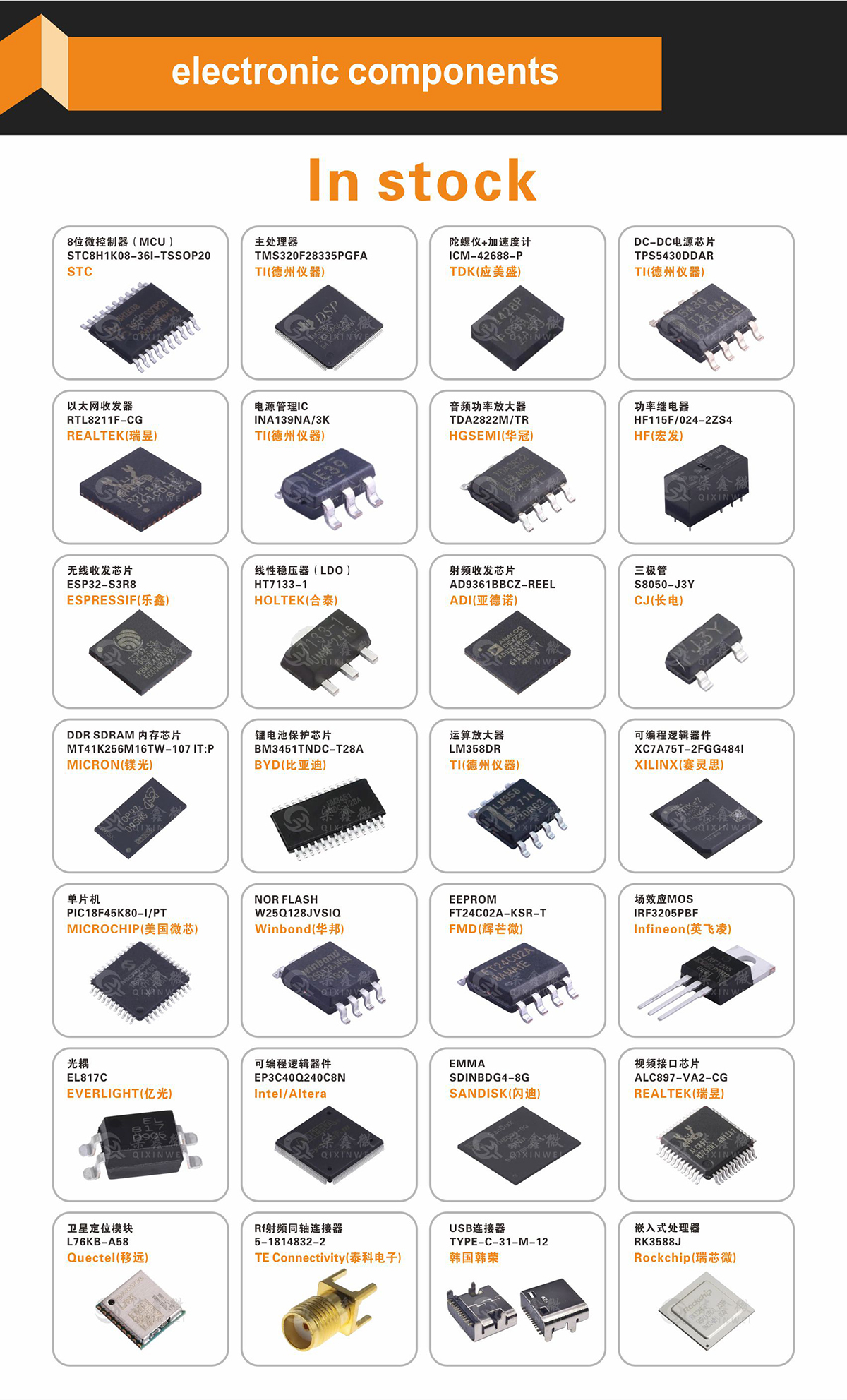
STM32G474RBT3 ST Mainstream Arm Cortex-M4 Mixed-Signal 32-bit MCU 128KB Flash 128KB SRAM HRTIM Σ-Δ OpAmp DAC Comparator CAN FD USB LQFP-64
STM32G474RBT3 Product Overview
STM32G474RBT3 is a Cortex-M4 MCU at 170 MHz with FPU and math accelerator, LQFP-64. It features 128 KB Flash, 128 KB SRAM, a high-resolution timer (HRTIM, 12 channels, 184 ps resolution), USB 2.0 FS device (crystal-less), CAN FD, two 12-bit ADCs (5 Msps, 21 ch), two 12-bit DACs, four op-amps (PGA), three comparators, four Σ-Δ modulators (DFSDM), advanced motor control PWM, LP timers, RTC, 3×USART/UART, 2×SPI/I2S, 2×I2C. 52 x 5 V-tolerant I/Os. 1.7–3.6 V, -40–125 °C. Compared to the G474CET6 (48-pin, 512 KB Flash), it offers more I/Os in a 64-pin package and an extended temperature range of 125°C, making it suitable for high-temperature, precision switching control in digital power, motor drives, and precision sensing.
STM32G474RBT3 Core Features
Core: Cortex-M4 170 MHz, FPU + ART Accelerator + Math Accelerator (FMAC, CORDIC)
Memory: 128 KB Flash, 128 KB SRAM
High-Resolution PWM: 12-ch HRTIM with 184 ps resolution for complex topologies and precise switching
Analog: 4×PGAs, 2×12-bit ADCs (5 Msps, 21 ch), 2×12-bit DACs, 3×Comparators
Σ-Δ Modulators: 4×Σ-Δ modulators with DFSDM for high-precision sensor interfaces
Motor Control: 2×Advanced Timers (PWM/Deadtime/Brake), HRTIM, multiple GP/LP timers
Connectivity: USB 2.0 FS (Crystal-less), CAN FD, 3×USART/UART, 2×SPI/I2S, 2×I2C
I/Os: 52 (5 V-tolerant)
Package: LQFP-64
Temperature Range: -40°C to 125°C
STM32G474RBT3 Applications
Digital Power: Precision SMPS, full-bridge/half-bridge resonant converters, PFC, digital power management
Motor Control: FOC, high-precision servo control, BLDC/PMSM drives, stepper motors
Lighting Control: High-accuracy LED drivers, dimming control, smart lighting systems
Precision Sensing: High-accuracy Σ-Δ sensor measurement, industrial transmitters
Instrumentation: High-Precision Data Acquisition & Signal Conditioning
Automotive/Industrial: High-temp CAN FD nodes, industrial automation
STM32G474RBT3 Key Advantages
High-Resolution Timer (HRTIM): 12 channels, 184 ps resolution — the ultimate solution for digital power and precision switching control
128 KB Flash + 128 KB SRAM: Balanced memory for real-time control and complex algorithms
4×Σ-Δ + 4×Op-Amps + 3×Comparators + ADC/DAC: Top-tier analog integration for precision measurement and closed-loop control
170 MHz Cortex-M4 + FPU + Math Accelerator: Blazing-fast DSP and control
USB 2.0 + CAN FD: High-speed USB and industrial CAN bus on one chip
52 I/Os in 64-Pin Package + 125°C Wide Temp: Rich pin resources for harsh industrial and automotive environments
1.7–3.6 V Wide Supply: Flexible for battery and various power sources
Why Choose QIXINWEI
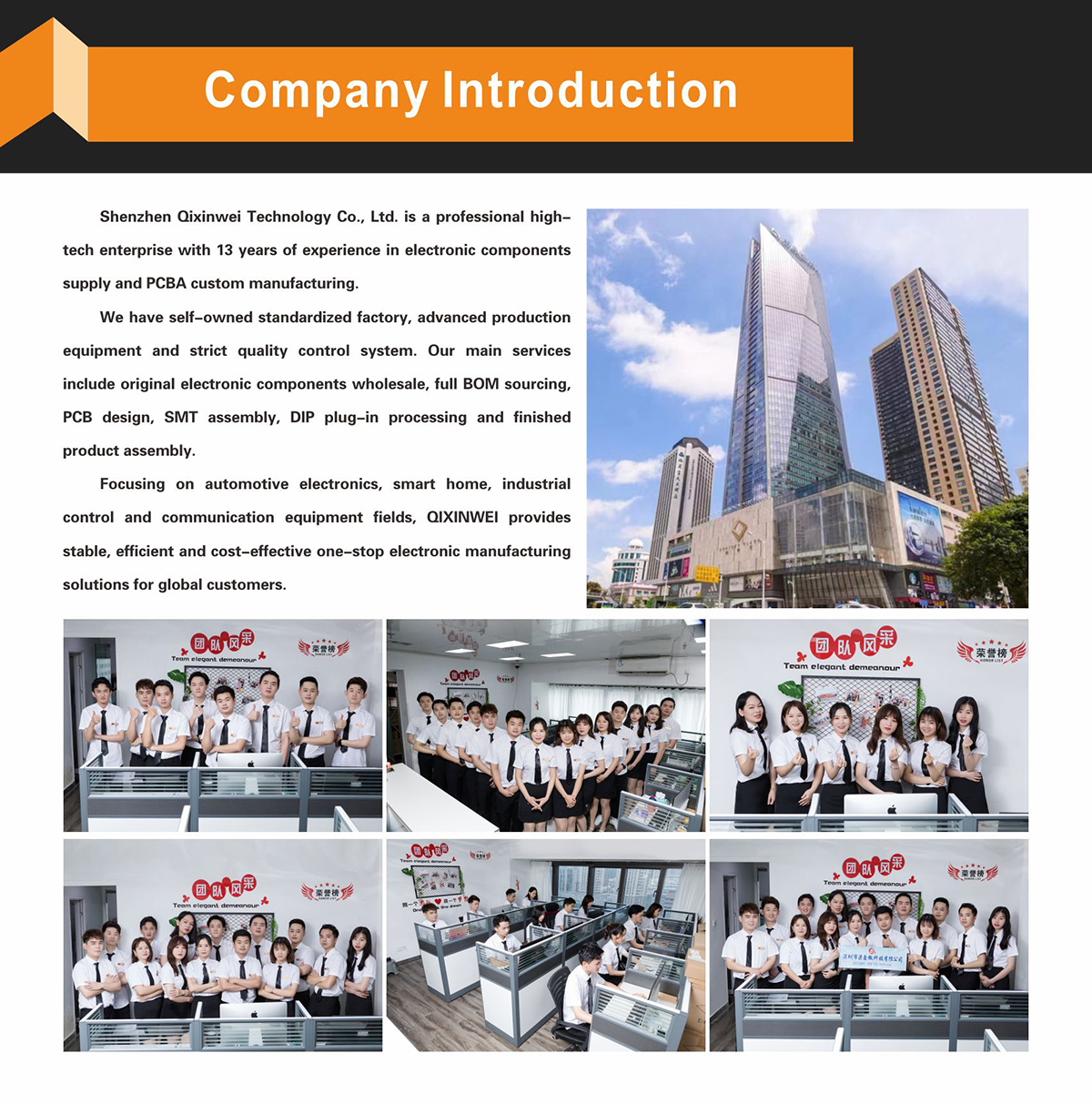
Years of experience in the electronics industry. Trusted by global customers.
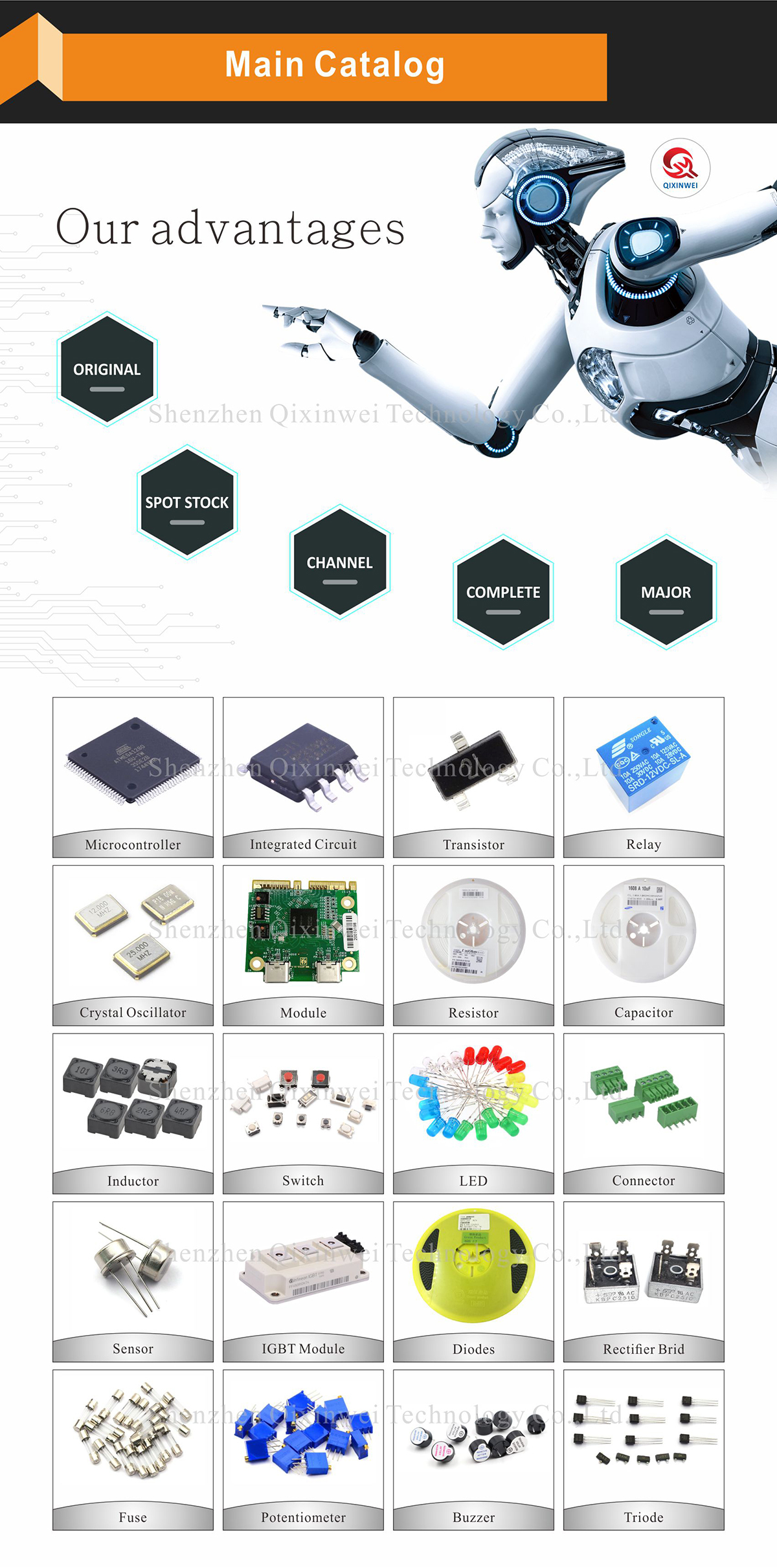
Massive In-Stock Inventory – Ready to ship promptly.
BOM Matching Service – One-stop solution, save time.
PCBA Customization – Professional engineering team creates tailor-made solutions based on your needs.
Cost-Effective & Efficient – Better channel, better cost.
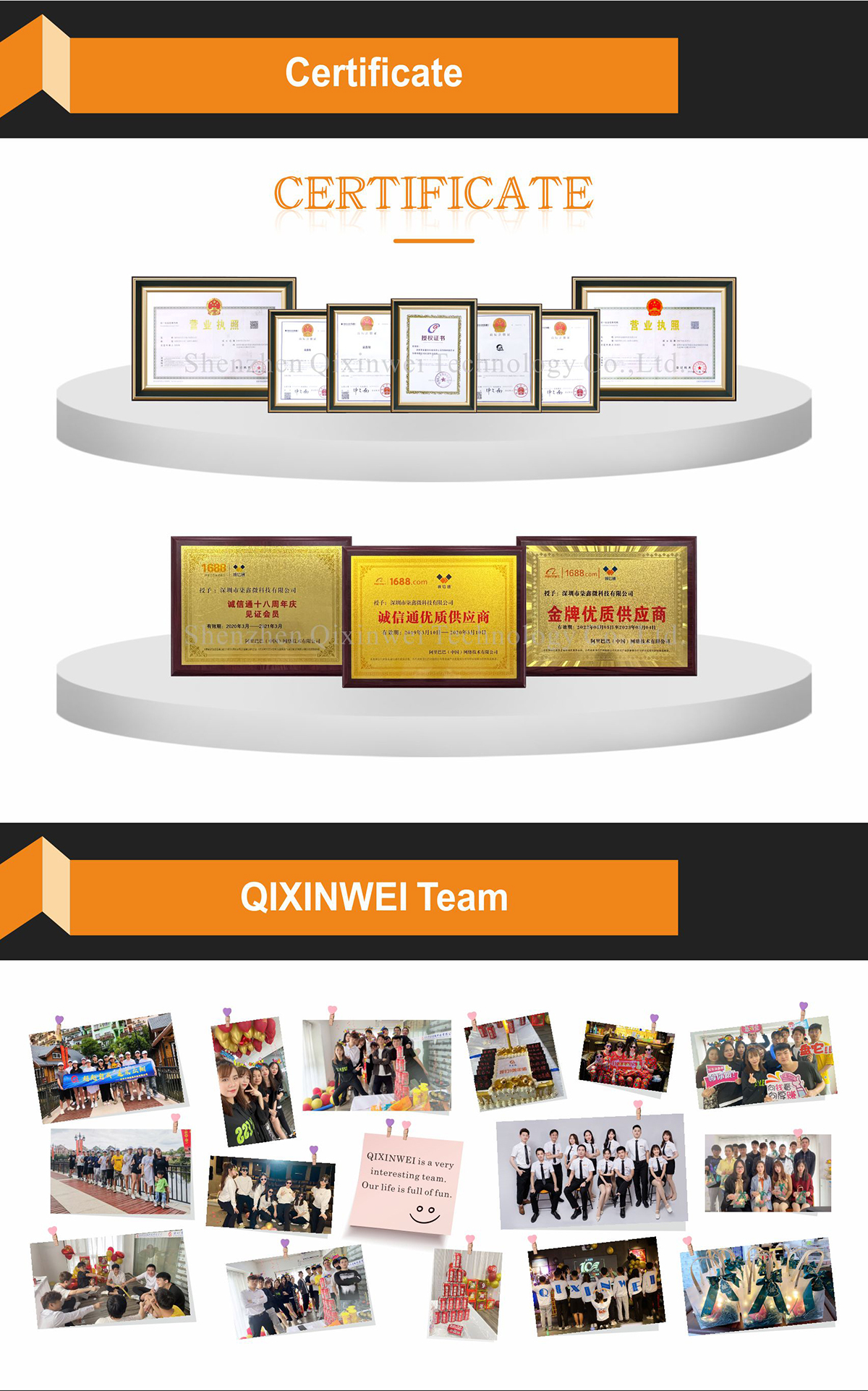
A dedicated team makes your procurement smoother.
Contact us for BOM quotes or PCBA inquiries.






FAQ
1. What is the difference between STM32G474RBT3 and STM32G474RBT6? What does the “T3” suffix indicate?
Both are identical in processor core (Cortex‑M4 at 170 MHz), Flash (128 KB), SRAM (128 KB), high‑resolution timer (HRTIM), five op‑amps, seven comparators, and all other digital and analog peripherals, and share the same LQFP‑64 package. The only difference is the operating temperature range: the “T3” suffix designates an extended temperature grade, ensuring reliable operation from -40 °C to +125 °C, while “T6” is the industrial grade (-40 °C to +85 °C). If your equipment must operate in a high‑temperature environment—such as near an engine, inside a densely packed sealed enclosure, or under direct outdoor sun exposure—the RBT3 is the more reliable choice, guaranteeing consistent performance and reliability at extreme temperatures without derating.
2. What practical benefits does the extended temperature range offer? Can the chip truly run at 170 MHz at 125 °C?
The extended temperature grade means the chip has passed more stringent environmental stress screening during production and testing. All electrical parameters and performance specifications published in the datasheet—including 170 MHz operation, 5 Msps ADC accuracy, and op‑amp offset voltages—are guaranteed across the full -40 °C to +125 °C range. For controllers installed in engine compartments, outdoor cabinets, or inside high‑power‑density power modules, this wide‑temperature capability directly impacts long‑term system reliability. You can be confident the system will not experience clock throttling or resets due to high temperatures.
3. Is 128 KB of Flash sufficient at high temperatures? Can it run motor FOC or digital power algorithms?
With proper optimization, 128 KB of Flash can comfortably accommodate a complete motor FOC control firmware, digital power control algorithms (such as LLC or phase‑shifted full‑bridge), a CANopen slave stack, and basic fault‑protection logic. The STM32G474 series’ efficient code density helps keep algorithm sizes compact. If your application’s functionality is relatively fixed and does not require large graphics libraries or file systems, 128 KB is sufficient. For additional non‑volatile data, external SPI/QSPI Flash can be added, allowing you to keep core real‑time algorithms in on‑chip Flash while balancing performance and cost.
4. Why does this chip have five built‑in op‑amps and seven comparators? Will their performance degrade at high temperatures?
The rich analog front‑end is a core strength of the STM32G474 series. The five rail‑to‑rail op‑amps can simultaneously condition multiple current‑sense signals, eliminating external op‑amp arrays. The seven ultra‑low‑power comparators are used for multi‑channel over‑current protection and zero‑crossing detection. Over the -40 °C to +125 °C range, parameters such as input offset voltage and gain‑bandwidth product are guaranteed by the datasheet and will not exceed specifications due to temperature. Using the internal voltage reference or an external precision reference helps ensure measurement consistency at high temperatures.
5. Will the high‑resolution timer (HRTIM) be affected by high temperatures?
No. The HRTIM’s 184 ps resolution is based on digital logic and a PLL, and its accuracy is guaranteed across the entire operating temperature range. Even at 125 °C, it can still generate stable, precise, and flexible PWM waveforms supporting topologies such as LLC, half‑bridge, full‑bridge, and phase‑shifted full‑bridge. For automotive DC‑DC converters and industrial servo drives that demand high power density and efficiency, the HRTIM is a critical peripheral ensuring control‑loop stability and transient response.
6. Does the 128 KB Flash support dual‑bank and OTA updates? How can update safety be ensured?
Yes. Despite the 128‑KB capacity, it still supports a dual‑bank architecture with each bank being 64 KB, allowing current firmware to execute from one bank while the other is erased and programmed. After a new firmware image is downloaded to the alternate bank and verified, a simple boot‑address switch completes the update. If a power loss or verification failure occurs, the system automatically rolls back to the original firmware, guaranteeing the device is never bricked. Combined with code readout protection (RDP) and the Memory Protection Unit (MPU), a secure remote firmware‑update scheme can be implemented, making it ideal for equipment installed in harsh, hard‑to‑reach environments.
7. What high‑speed communication interfaces does the chip offer? Does it support CAN FD, and is communication stable at high temperatures?
It integrates up to three FDCAN (Flexible Data‑Rate CAN) controllers, which are backward‑compatible with CAN 2.0 while supporting data rates up to 5 Mbps and payloads up to 64 bytes. Additionally, it provides multiple UARTs, SPIs, I²Cs, and I²S interfaces. All of these operate reliably across the full temperature range, making the chip well‑suited for automotive powertrain, industrial automation, and distributed control systems that require dependable communication in high‑temperature environments. Within the 64‑pin package, careful pin‑multiplexing allows multiple CAN FD and UART/SPI channels to be brought out simultaneously.
8. Will power consumption increase at 125 °C? How should thermal design be handled?
Elevated temperatures do cause some increase in static leakage current, but the STM32G4’s 90 nm low‑power process is designed to suppress leakage. Under full load, power consumption remains within acceptable limits. To ensure reliability at high temperatures, it is recommended to use a large ground copper pour under the chip, a multi‑layer PCB, and sufficient thermal vias. The chip supports dynamic frequency scaling and multiple low‑power modes, which can reduce power during idle periods. Even without a heatsink, the chip can operate stably at an ambient temperature of 125 °C with proper PCB thermal design.
9. What development tools are needed for the STM32G474RBT3? Is the code compatible with the RBT6?
The code is fully compatible. In STM32CubeMX and STM32CubeIDE, simply select the STM32G474RBT3 device; all HAL libraries and firmware code are identical to the RBT6 version and require no modification. If you have previously worked with STM32F3 or STM32F4 series, a large portion of HAL code can be reused. Debugging and programming use a standard ST‑Link probe. ST also provides detailed example projects covering digital power and motor control to accelerate development in high‑temperature environments.
10. If I later need larger Flash or higher processing performance, what upgrade options are available?
If you need more program storage, you can upgrade to the pin‑compatible STM32G474RCT6 (256 KB) or RET6 (512 KB), both of which are also available in extended‑temperature (“3” suffix) versions. If you require greater computational power and more SRAM, you can move to the STM32H7 series (such as the STM32H723 or H743), which are also offered in LQFP‑64 packages with extended‑temperature options. Because all these devices belong to the same STM32 ecosystem, code and hardware designs can be highly reused, and migration effort is minimal, with the same wide‑temperature reliability from -40 °C to +125 °C.
- Property:
- Specification
- Product Type:
- Arm Cortex-M4 Mixed-Signal 32-bit MCU
- Brand:
- STMicroelectronics
- Core:
- Cortex-M4 170 MHz (FPU + Math Accelerator)
- Package:
- LQFP-64
- Memory:
- 128 KB Flash, 128 KB SRAM
- Analog:
- 4×Op-Amps, 2×DACs, 3×Comparators, ADC, Σ-Δ
- HRTIM:
- 12-ch, 184 ps resolution
- Connectivity:
- USB 2.0 FS, CAN FD
- I/Os:
- 52
- Voltage:
- 1.7V–3.6V
- Temperature:
- -40°C to 125°C