qixinwei-pcba


STM32G473VET6 ST Mainstream Arm Cortex-M4 Mixed-Signal 32-bit MCU 512KB Flash 128KB SRAM Σ-Δ OpAmp DAC Comparator CAN FD USB LQFP-100
STM32G473VET6 Product Overview
STM32G473VET6 is a Cortex-M4 MCU at 170 MHz with FPU and math accelerator, LQFP-100. 512 KB Flash, 128 KB SRAM, USB 2.0 FS device (crystal-less), CAN FD, two 12-bit ADCs (5 Msps, 21 ch), two 12-bit DACs, four op-amps (PGA), three comparators, four Σ-Δ modulators (DFSDM), advanced motor control PWM, LP timers, RTC, 3×USART/UART, 2×SPI/I2S, 2×I2C. 86 x 5 V-tolerant I/Os. 1.7–3.6 V, -40–85 °C. Compared to G473VBT6 (128 KB Flash), doubles Flash to 512 KB, providing ample code space for complex precision sensing, digital power, and motor control — the top-tier 100-pin model in the G473 series.
STM32G473VET6 Core Features
Core: Cortex-M4 170 MHz, FPU + ART Accelerator + Math Accelerator (FMAC, CORDIC)
Memory: 512 KB Flash, 128 KB SRAM
Analog: 4×PGAs, 2×12-bit ADCs (5 Msps, 21 ch), 2×12-bit DACs, 3×Comparators
Σ-Δ Modulators: 4×Σ-Δ modulators with DFSDM for high-precision sensor interfaces
Motor Control: 2×Advanced Timers (PWM/Deadtime/Brake), multiple GP/LP timers
Connectivity: USB 2.0 FS (Crystal-less), CAN FD, 3×USART/UART, 2×SPI/I2S, 2×I2C
I/Os: 86 (5 V-tolerant)
Package: LQFP-100
STM32G473VET6 Applications
Digital Power: SMPS, Inverters, PFC
Motor Control: FOC, BLDC/PMSM Drives, Servo Controllers
Precision Sensing: High-accuracy Σ-Δ sensor measurement, industrial transmitters
Instrumentation: High-Precision Data Acquisition & Signal Conditioning
Consumer Electronics: Drones, Power Tools, Portable Medical
Automotive/Industrial: CAN FD Nodes, Industrial Automation
STM32G473VET6 Key Advantages
512 KB Flash + 128 KB SRAM: Massive storage for complex control algorithms and protocol stacks
4×Σ-Δ Modulators + 4×Op-Amps + 3×Comparators + ADC/DAC: Top-tier analog integration for precision measurement and control
170 MHz Cortex-M4 + FPU + Math Accelerator: Blazing-fast DSP and control
USB 2.0 + CAN FD: High-speed USB and industrial CAN bus on one chip
86 I/Os in 100-Pin Large Package: Abundant pin resources for I/O-intensive complex systems
1.7–3.6 V Wide Supply: Flexible for battery and various power sources
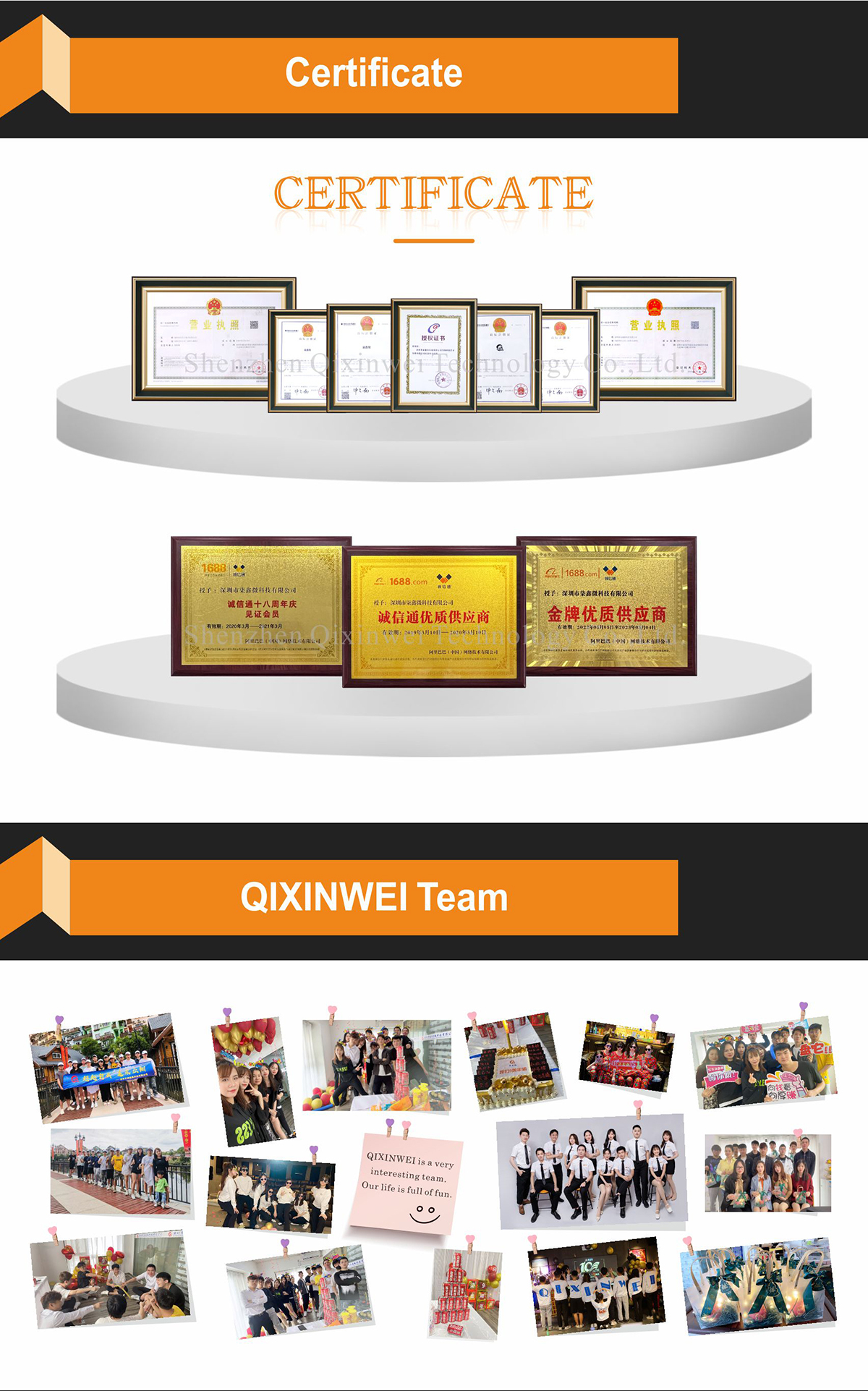
Why Choose QIXINWEI
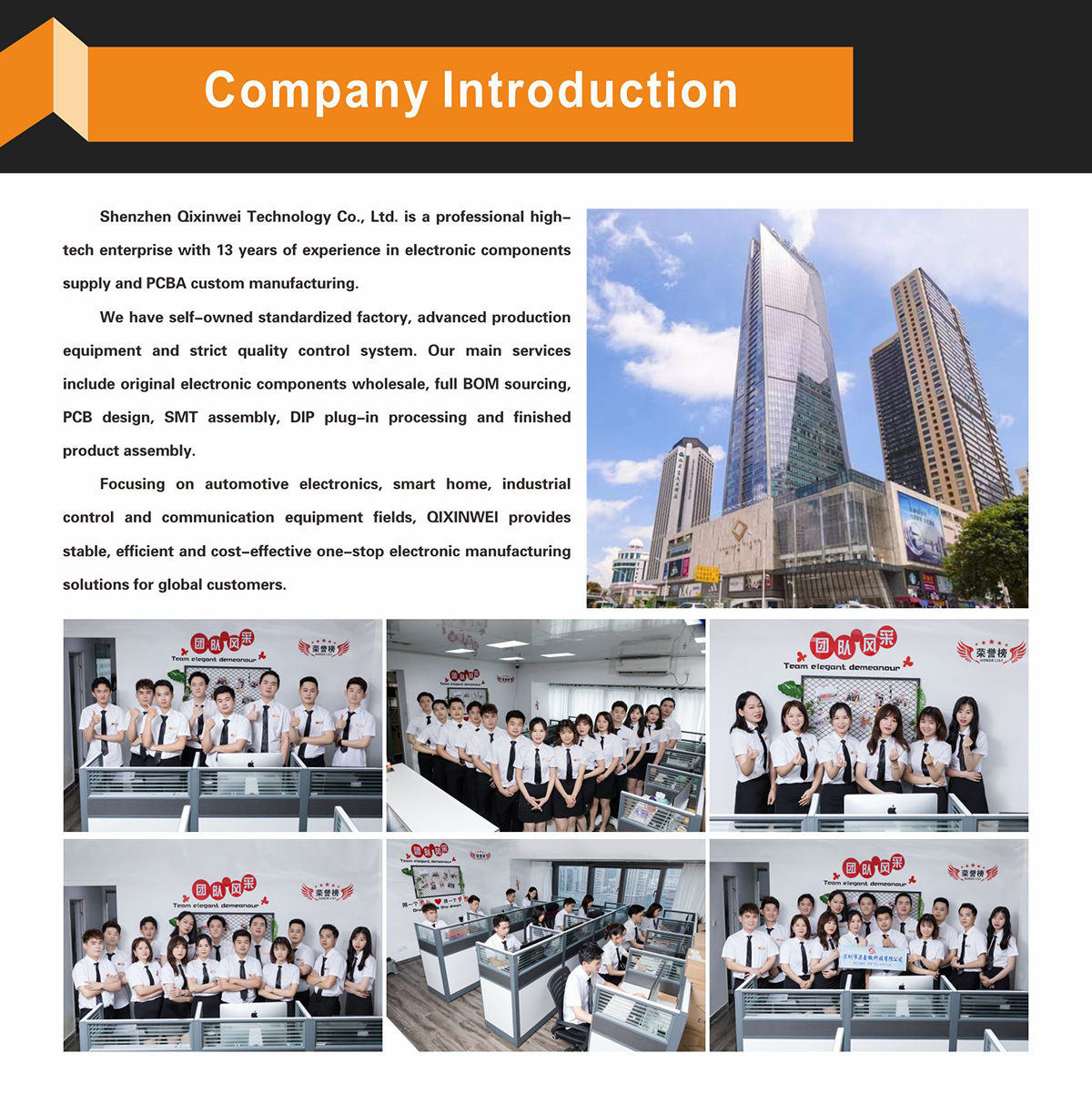
Years of experience in the electronics industry. Trusted by global customers.
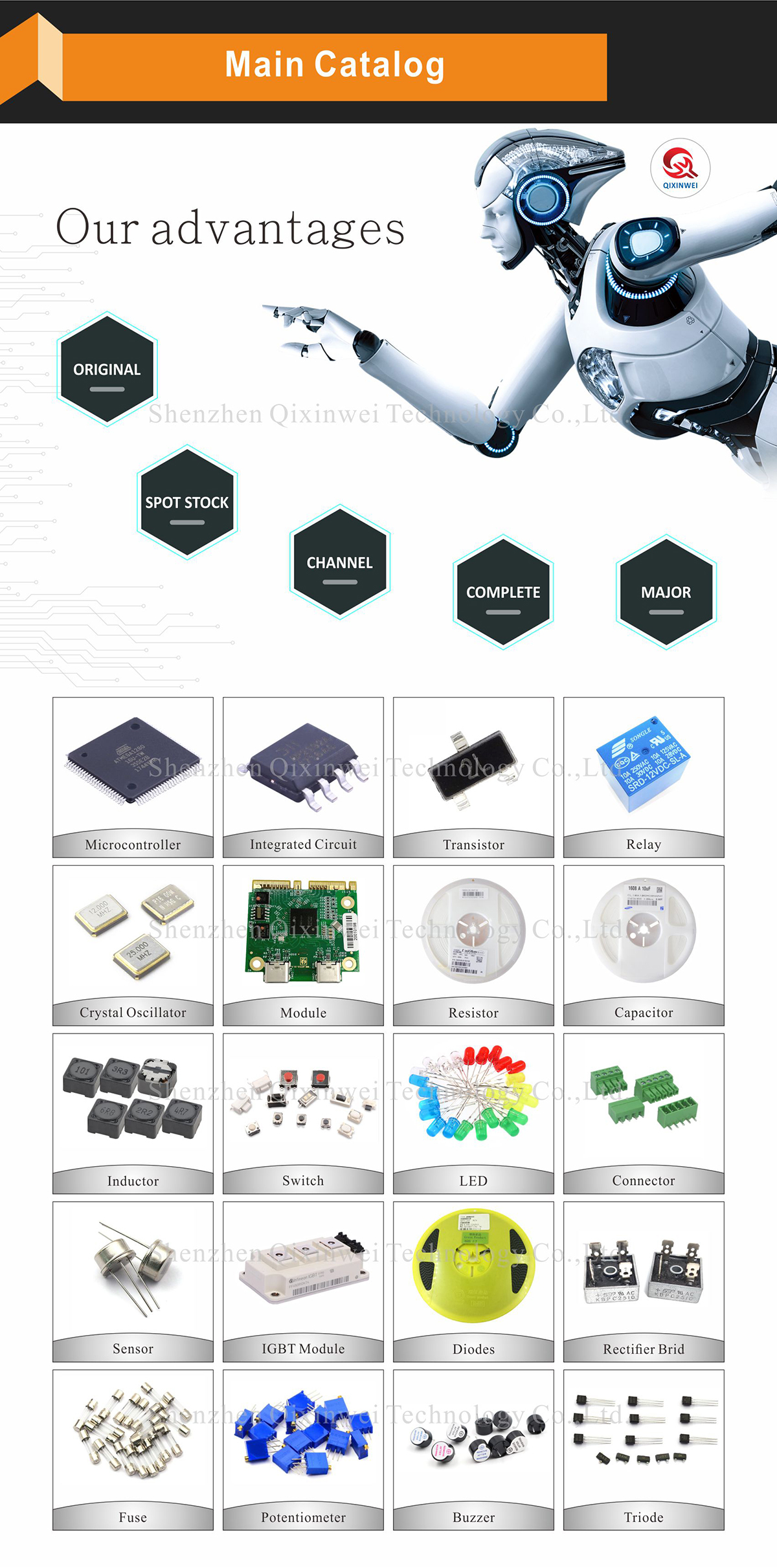
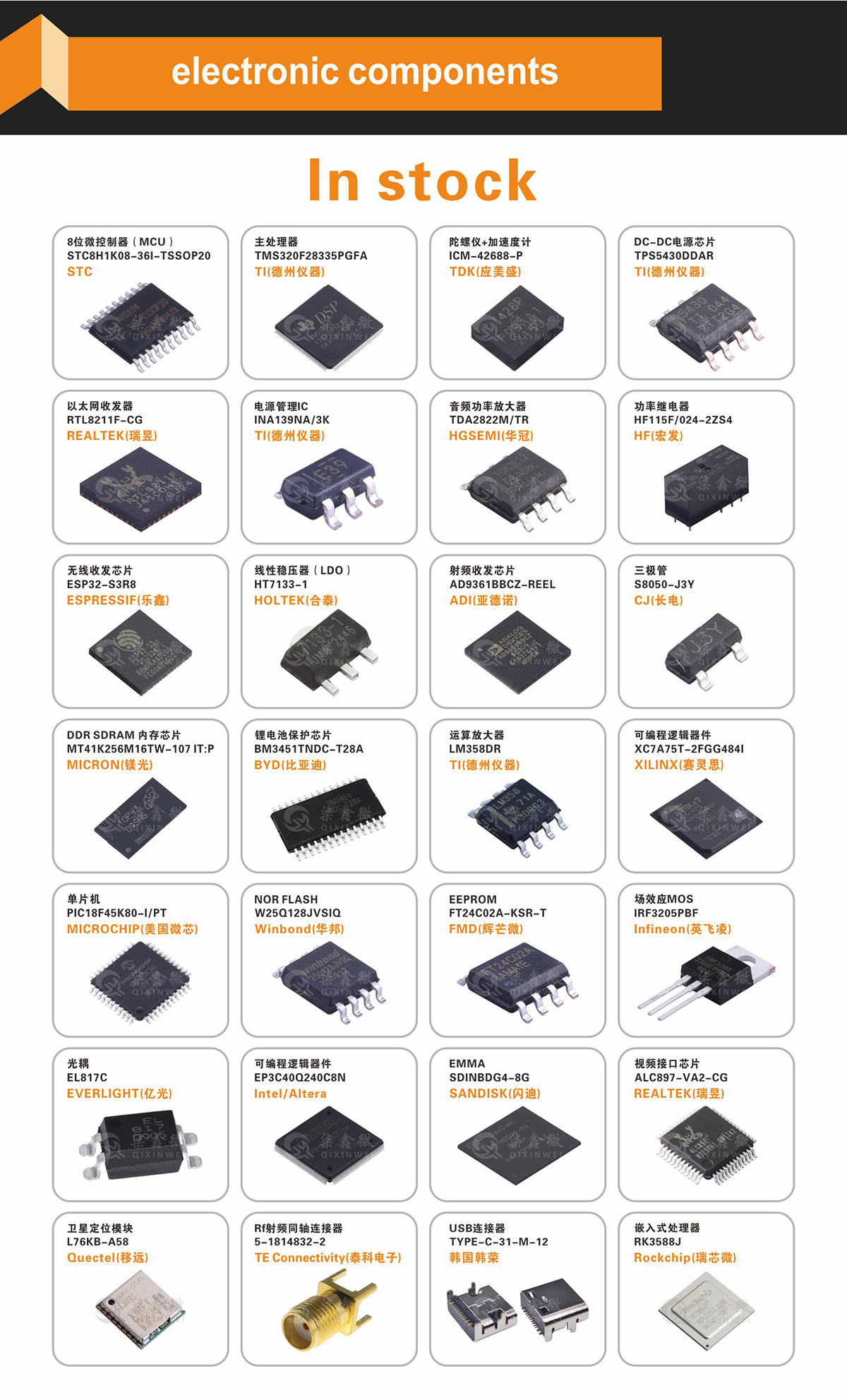
Massive In-Stock Inventory – Ready to ship promptly.
BOM Matching Service – One-stop solution, save time.
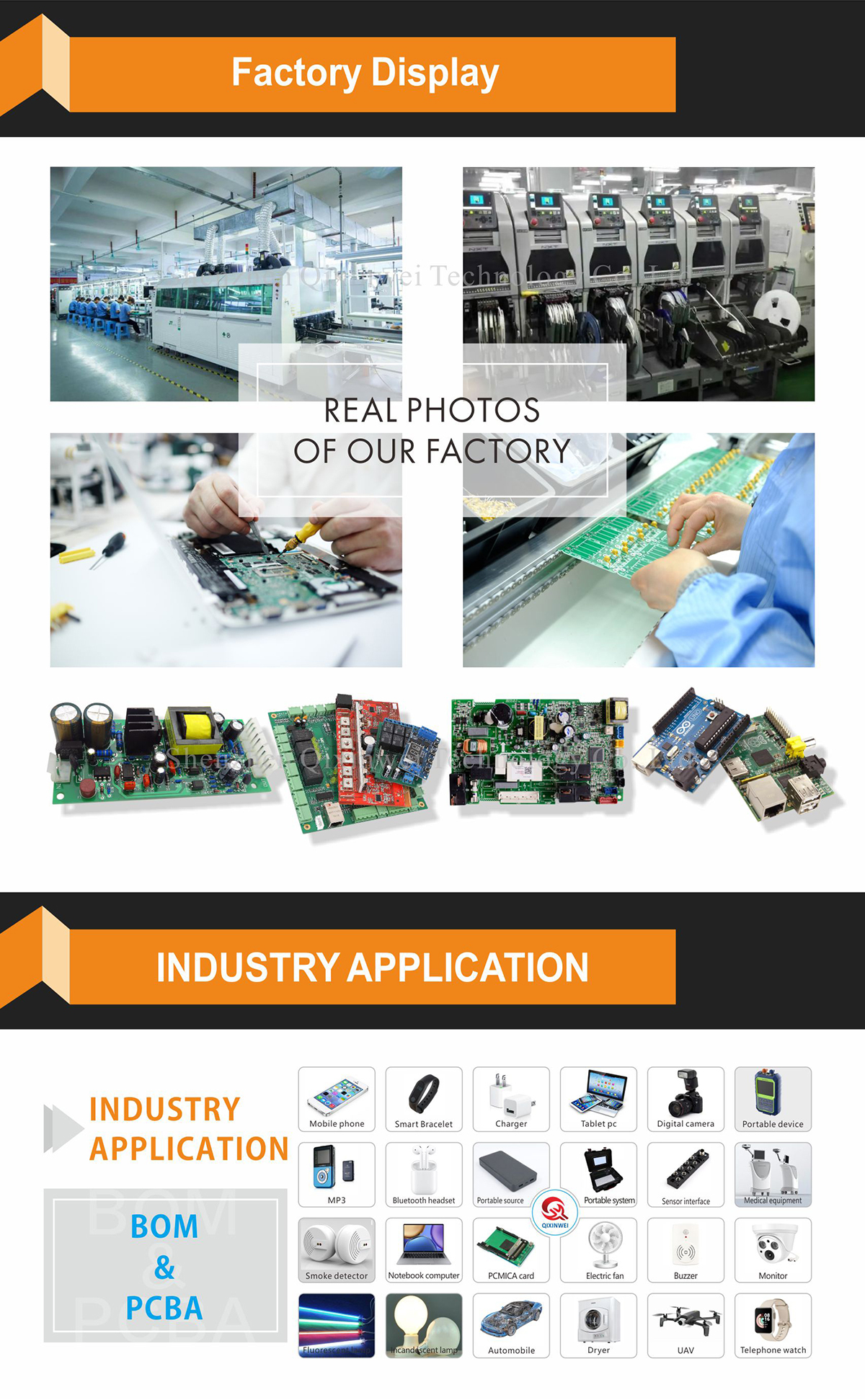
PCBA Customization – Professional engineering team creates tailor-made solutions based on your needs.
Cost-Effective & Efficient – Better channel, better cost.
A dedicated team makes your procurement smoother.
Contact us for BOM quotes or PCBA inquiries.





FAQ
1. What is the STM32G473VET6, and how does it differ from the STM32G474?
The STM32G473VET6 is a high‑performance mixed‑signal microcontroller from STMicroelectronics' STM32G4 series, built around an Arm® Cortex®‑M4 core with FPU and DSP extensions running at 170 MHz, in an LQFP‑100 package. Its key difference from the G474 series is the absence of the high‑resolution timer (HRTIM) and a slightly reduced number of op‑amps and comparators (typically four op‑amps and four comparators). It retains the 512 KB dual‑bank Flash, 128 KB SRAM, FDCAN, USB‑C, and multiple advanced general‑purpose timers. The G473 is optimized for cost‑sensitive applications that do not require HRTIM but still demand excellent analog signal conditioning and real‑time control, such as general‑purpose variable‑frequency drives, industrial sensors, power tools, and home‑appliance controllers.
2. Why choose the G473 over the G474? Is the lack of HRTIM a significant limitation?
If your application does not involve complex digital power topologies that require extremely high PWM resolution (such as LLC resonant converters, phase‑shifted full‑bridges, or precision servo drives), and the regular advanced timers (e.g., TIM1/TIM8) already meet the accuracy requirements for motor control or power conversion, the G473 is a more cost‑effective choice. It preserves the powerful Cortex‑M4 core, generous Flash, and a rich analog front‑end while eliminating the HRTIM‑related cost, making it ideal for cost‑sensitive, high‑volume products with moderate feature requirements.
3. How many built‑in op‑amps and comparators does it have? Can they eliminate external analog chips?
The STM32G473VET6 typically integrates four rail‑to‑rail operational amplifiers and four ultra‑low‑power comparators (confirm the exact count in the datasheet). The op‑amps can directly handle current sensing, sensor‑signal amplification, and filtering, while the comparators are used for over‑current protection and zero‑crossing detection. These analog blocks are tightly coupled internally with ADCs and timers to form complete control loops, greatly reducing the number of external op‑amp and comparator ICs, thereby significantly lowering BOM cost and PCB area.
4. Does the 512 KB Flash support dual‑bank and OTA updates? How can update safety be ensured?
Fully supported. The dual‑bank architecture allows current firmware to execute from one bank while the other is erased and programmed. After a new firmware image is downloaded to the alternate bank and verified, a simple boot‑address switch completes the update. If a power loss or verification failure occurs, the system automatically rolls back to the original firmware, guaranteeing the device is never bricked. Combined with code readout protection (RDP) and the Memory Protection Unit (MPU), a secure and reliable remote firmware‑update mechanism can be implemented—ideal for industrial equipment and IoT nodes deployed in remote locations.
5. What high‑speed communication interfaces does the chip offer? Does it support CAN FD?
It integrates up to three FDCAN (Flexible Data‑Rate CAN) controllers, which are backward‑compatible with CAN 2.0 while supporting data rates up to 5 Mbps and payloads up to 64 bytes. Additionally, it provides multiple UARTs, SPIs, I²Cs, and I²S interfaces. All of these can operate simultaneously, making the chip ideal for industrial automation, vehicle networks, and distributed control systems that require high‑speed, reliable communication. The LQFP‑100 package provides 82 I/Os, allowing multiple CAN FD channels and other peripherals to be brought out easily without pin‑conflict concerns.
6. What can the USB‑C interface on the STM32G473VET6 do? Does it support Power Delivery?
The integrated USB‑C power‑delivery and communication controller supports USB 2.0 full‑speed device communication and can deliver up to 15 W (5 V/3 A) through simple CC‑pin detection. It does not implement the full USB Power Delivery (PD) protocol. If a complete PD stack is required, an external dedicated PD controller can be added. For applications that do not need PD, the MCU can be powered and communicate directly over USB‑C, making it ideal for portable devices and small USB‑powered instruments.
7. Is the LQFP‑100 package easy to solder? Is it suitable for low‑volume hand assembly?
Very easy. The LQFP‑100 has all pins exposed with a 0.5 mm pitch and can be drag‑soldered with a standard iron and flux—no hot‑air station required. It strikes an excellent balance between mass production and hand prototyping, making it ideal for hobbyists, students, and small teams for rapid development and low‑volume production. The 14 mm × 14 mm size offers great compactness while remaining highly manageable, and it provides 82 usable I/Os to meet the needs of most industrial control and IoT applications.
8. What is its power consumption like? Is it suitable for industrial wide‑temperature environments?
The STM32G4 series is built on an advanced 90 nm process, with a run‑mode current as low as about 100 µA/MHz. It supports multiple low‑power modes—Sleep, Stop, and Standby—with Standby current dropping to the micro‑amp range. Combined with fast wake‑up times, it is well‑suited for battery‑powered portable industrial equipment and handheld instruments that require long battery life. The chip is typically rated for the industrial temperature range (-40 °C to 85 °C) and can operate reliably over the long term in harsh industrial environments.
9. What development tools are needed for the STM32G473VET6, and is it compatible with previous STM32 ecosystems?
It is fully compatible with the STM32Cube ecosystem, including the free STM32CubeMX configuration tool, STM32CubeIDE integrated development environment, and the STM32CubeG4 firmware package. If you have previously worked with STM32F3 or STM32F4 series, a large portion of HAL code can be reused; the main adjustments involve analog‑peripheral configuration and pin mapping. Official example projects and reference designs for motor control and digital power are also provided to accelerate development.
10. If I later need HRTIM or more analog peripherals, what upgrade options are available?
If your project later requires high‑resolution PWM (e.g., for LLC or phase‑shifted full‑bridge) or more op‑amps/comparators, you can directly upgrade to the pin‑compatible STM32G474VET6. It provides the full HRTIM, along with five op‑amps and seven comparators, while retaining the same Flash and SRAM capacities, with zero hardware changes. If you need greater computational power and larger SRAM, you can move to the STM32H7 series (such as the STM32H723 or H743). Because all these devices belong to the same STM32 ecosystem, code and hardware designs can be highly reused, and migration effort is minimal.
- Property:
- Specification
- Product Type:
- Arm Cortex-M4 Mixed-Signal 32-bit MCU
- Brand:
- STMicroelectronics
- Core:
- Cortex-M4 170 MHz (FPU + Math Accelerator)
- Package:
- LQFP-100
- Memory:
- 512 KB Flash, 128 KB SRAM
- Analog:
- 4×Op-Amps, 2×DACs, 3×Comparators, ADC, Σ-Δ
- Connectivity:
- USB 2.0 FS, CAN FD
- I/Os:
- 86
- Voltage:
- 1.7V–3.6V
- Temperature:
- -40°C to 85°C