qixinwei-pcba


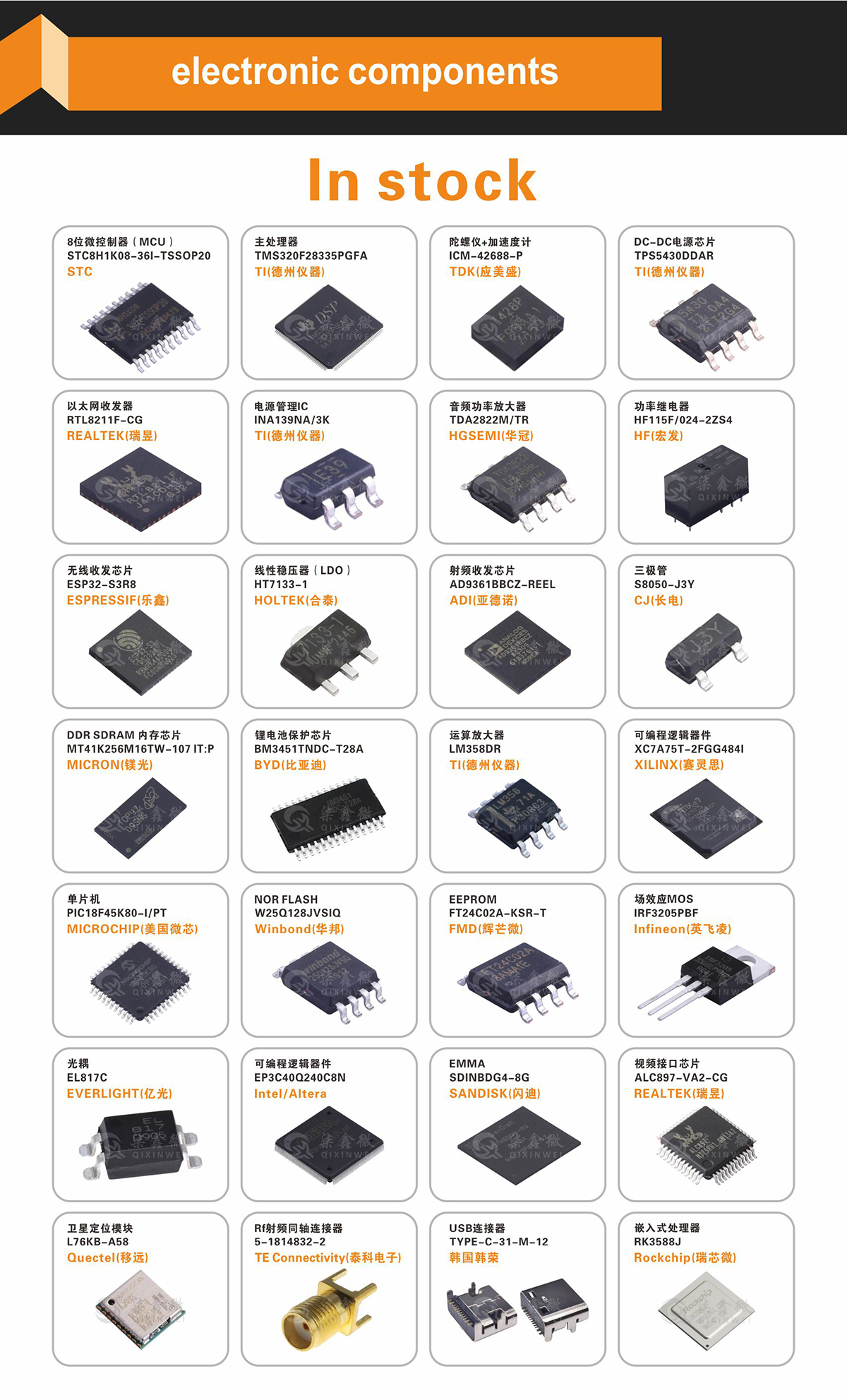
STM32G431C8T6 ST Mainstream Arm Cortex-M4 Mixed-Signal 32-bit MCU 64KB Flash 32KB SRAM 170MHz FPU OpAmp DAC Comparator CAN FD USB LQFP-48
STM32G431C8T6 Product Overview
STM32G431C8T6 is a Cortex-M4 MCU at 170 MHz with FPU and math accelerator, LQFP-48. 64 KB Flash, 32 KB SRAM, USB 2.0 FS device (crystal-less), CAN FD, two 12-bit ADCs (5 Msps), two 12-bit DACs, four op-amps (PGA), two comparators, advanced motor control PWM, LP timers, RTC, 3×USART/UART, 2×SPI/I2S, 2×I2C. 38 x 5 V-tolerant I/Os. 1.7–3.6 V, -40–85 °C. Exceptional analog integration and math acceleration for digital power, motor control, and precision sensing.
STM32G431C8T6 Core Features
Core: Cortex-M4 170 MHz, FPU + ART Accelerator + Math Accelerator (FMAC, CORDIC)
Memory: 64 KB Flash, 32 KB SRAM
Analog: 2×12-bit ADCs (5 Msps), 2×12-bit DACs, 4×PGAs, 2×Comparators
Motor Control: 2×Advanced Timers (PWM/Deadtime/Brake), multiple GP/LP timers
Connectivity: USB 2.0 FS (Crystal-less), CAN FD, 3×USART/UART, 2×SPI/I2S, 2×I2C
I/Os: 38 (5 V-tolerant)
Package: LQFP-48
STM32G431C8T6 Applications
Digital Power: SMPS, Inverters, PFC
Motor Control: FOC, BLDC/PMSM Drives, Servo Controllers
Instrumentation: High-Precision Sensor Conditioning & Data Acquisition
Consumer Electronics: Drones, Power Tools, Portable Medical
Automotive/Industrial: CAN FD Nodes, Industrial Automation
STM32G431C8T6 Key Advantages
170 MHz Cortex-M4 + FPU + Math Accelerator: Blazing-fast DSP and control
4 Op-Amps + 2 DACs + 2 Comparators + ADC: Unmatched analog integration, saves BOM
USB 2.0 + CAN FD: High-speed USB and industrial CAN bus on one chip
38 I/Os in Compact 48-Pin: High-density connectivity for complex control
1.7–3.6 V Wide Supply: Flexible for battery and various power sources
Why Choose QIXINWEI
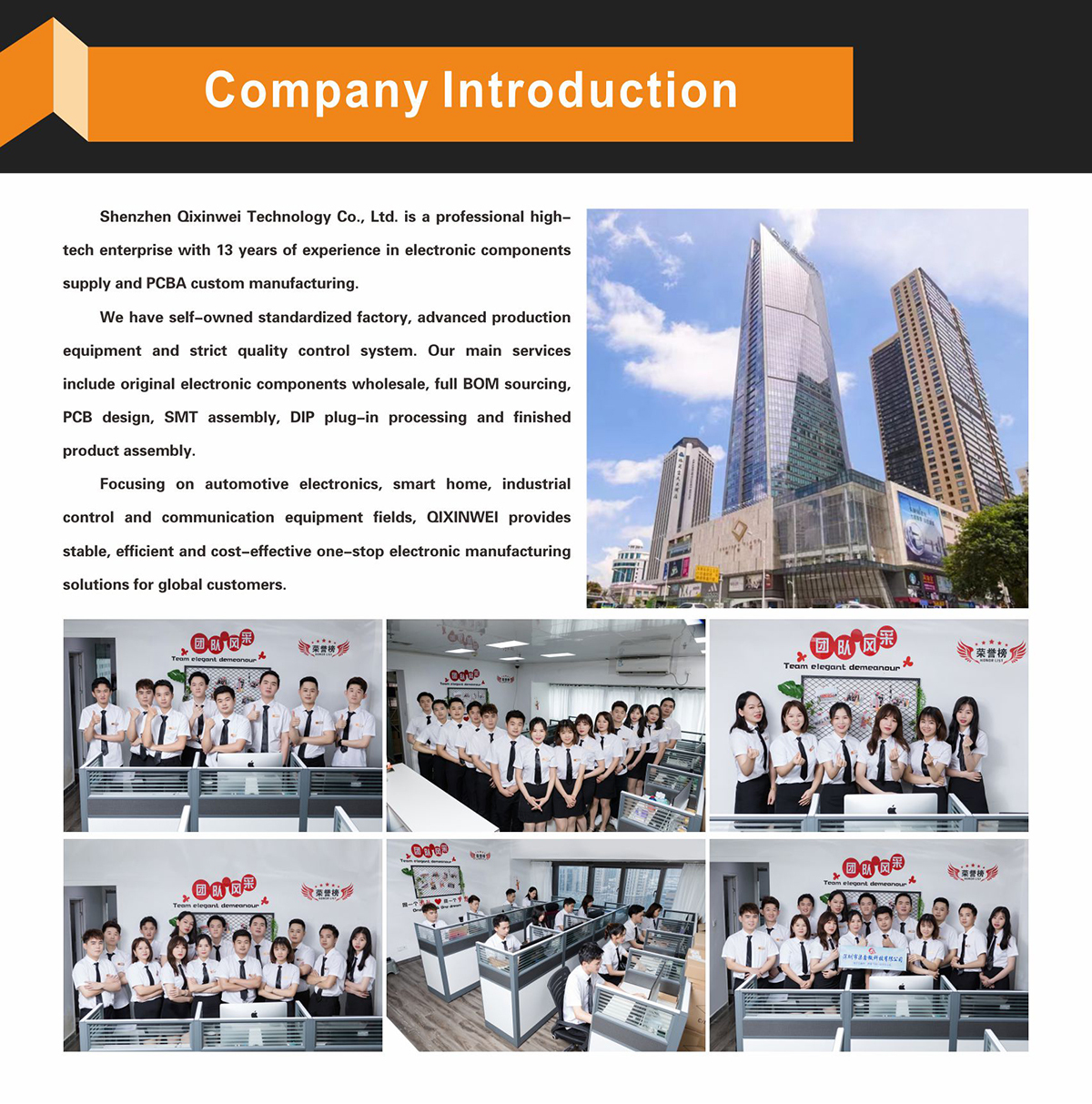
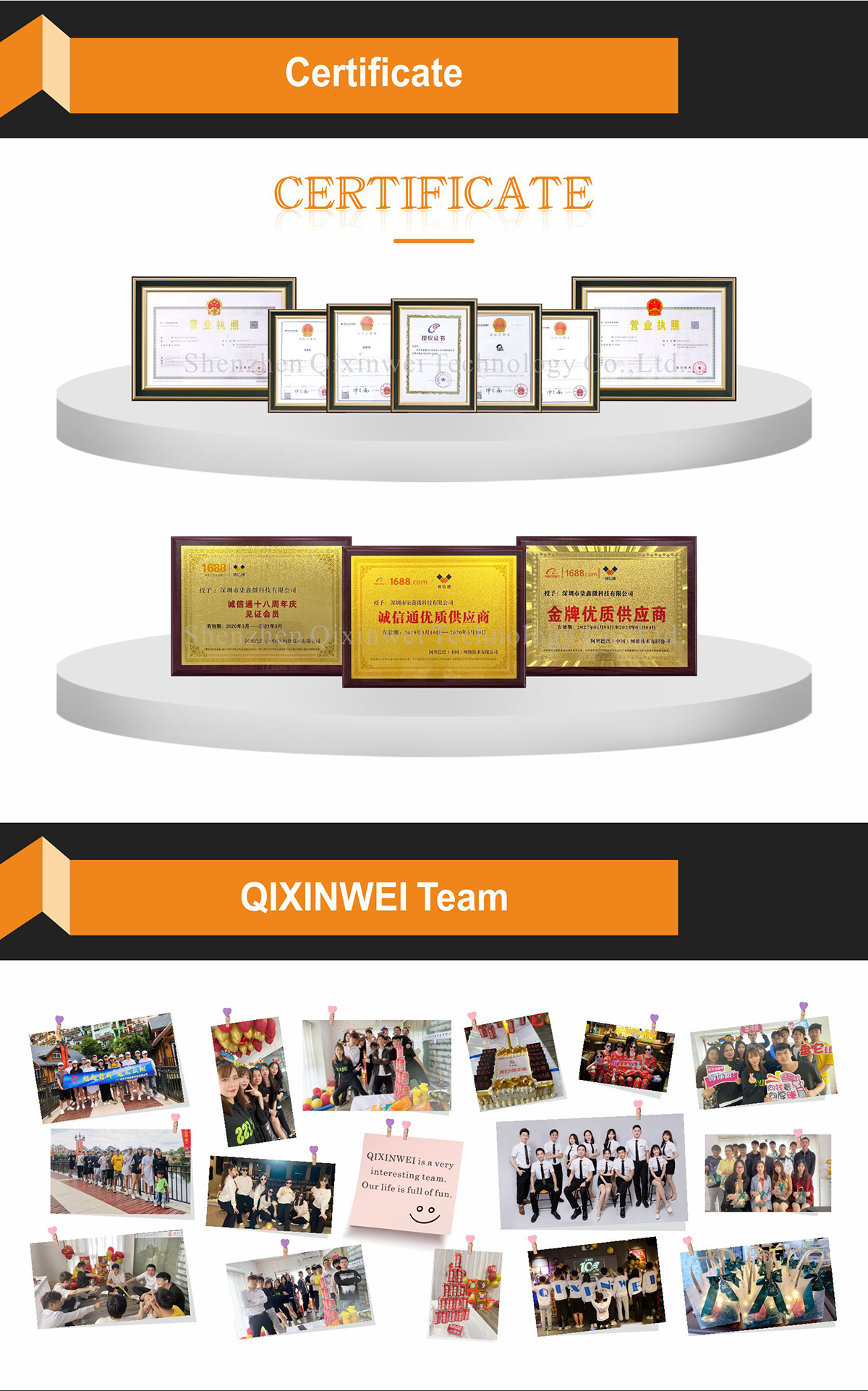
Years of experience in the electronics industry. Trusted by global customers.
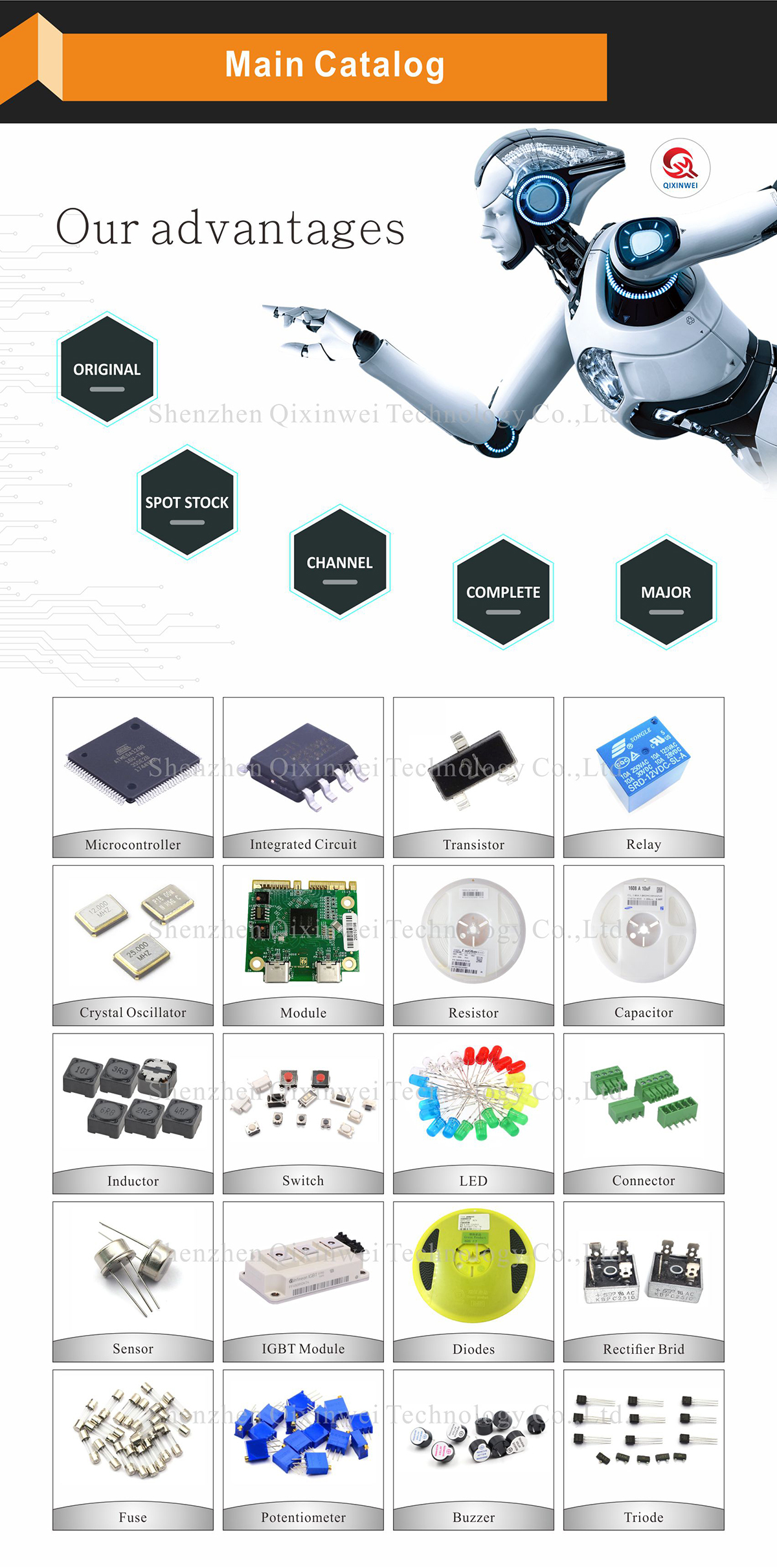
Massive In-Stock Inventory – Ready to ship promptly.
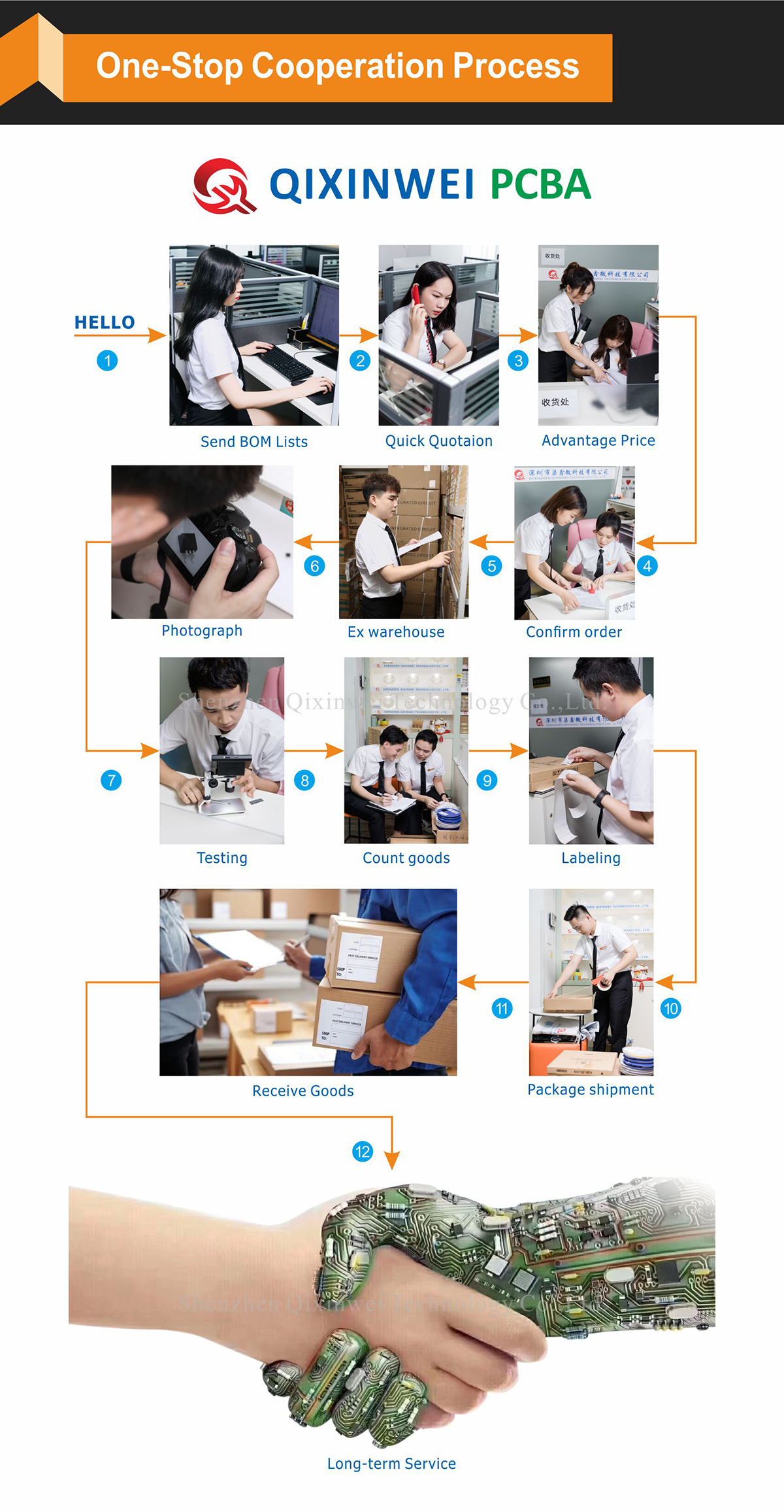
BOM Matching Service – One-stop solution, save time.
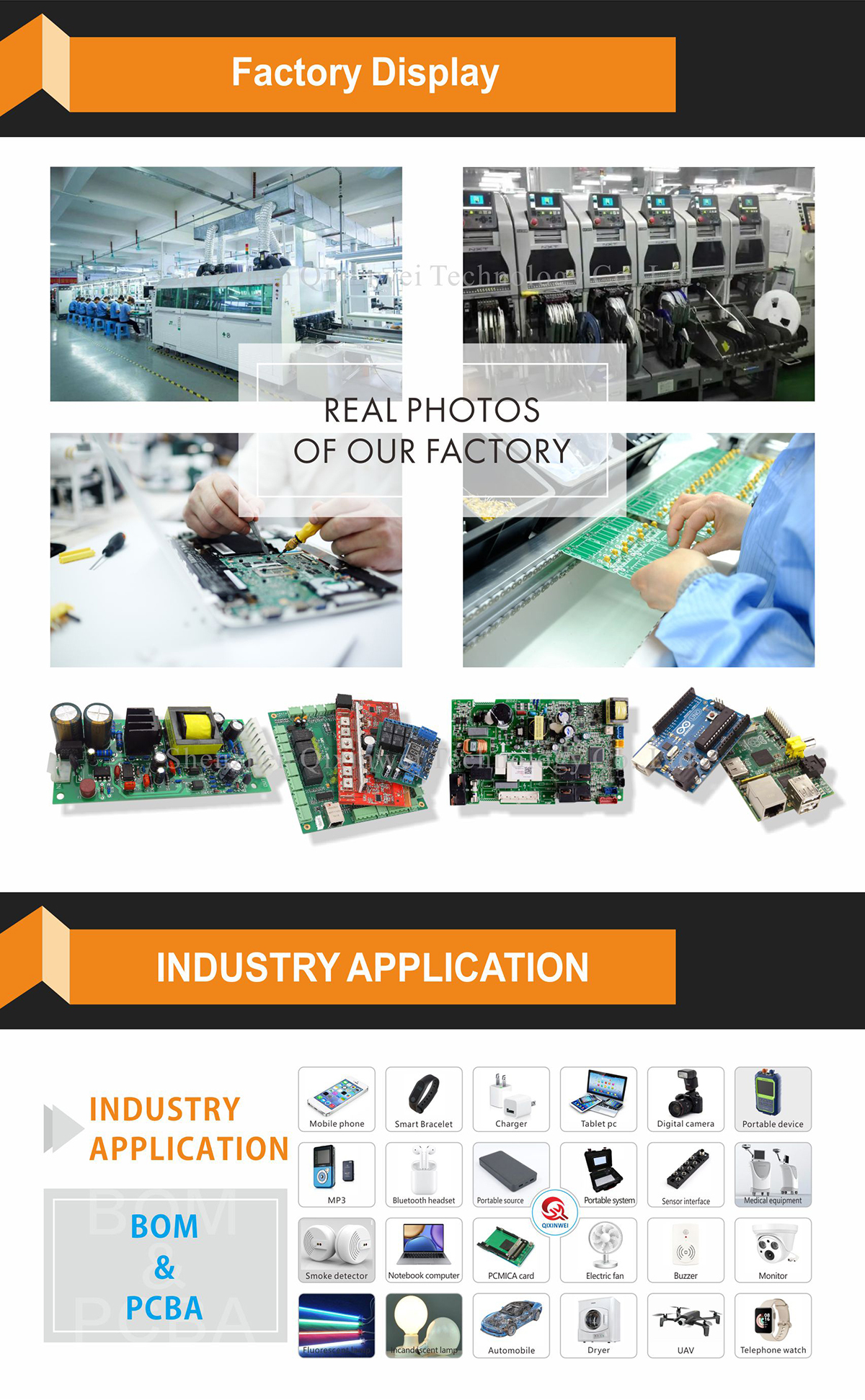
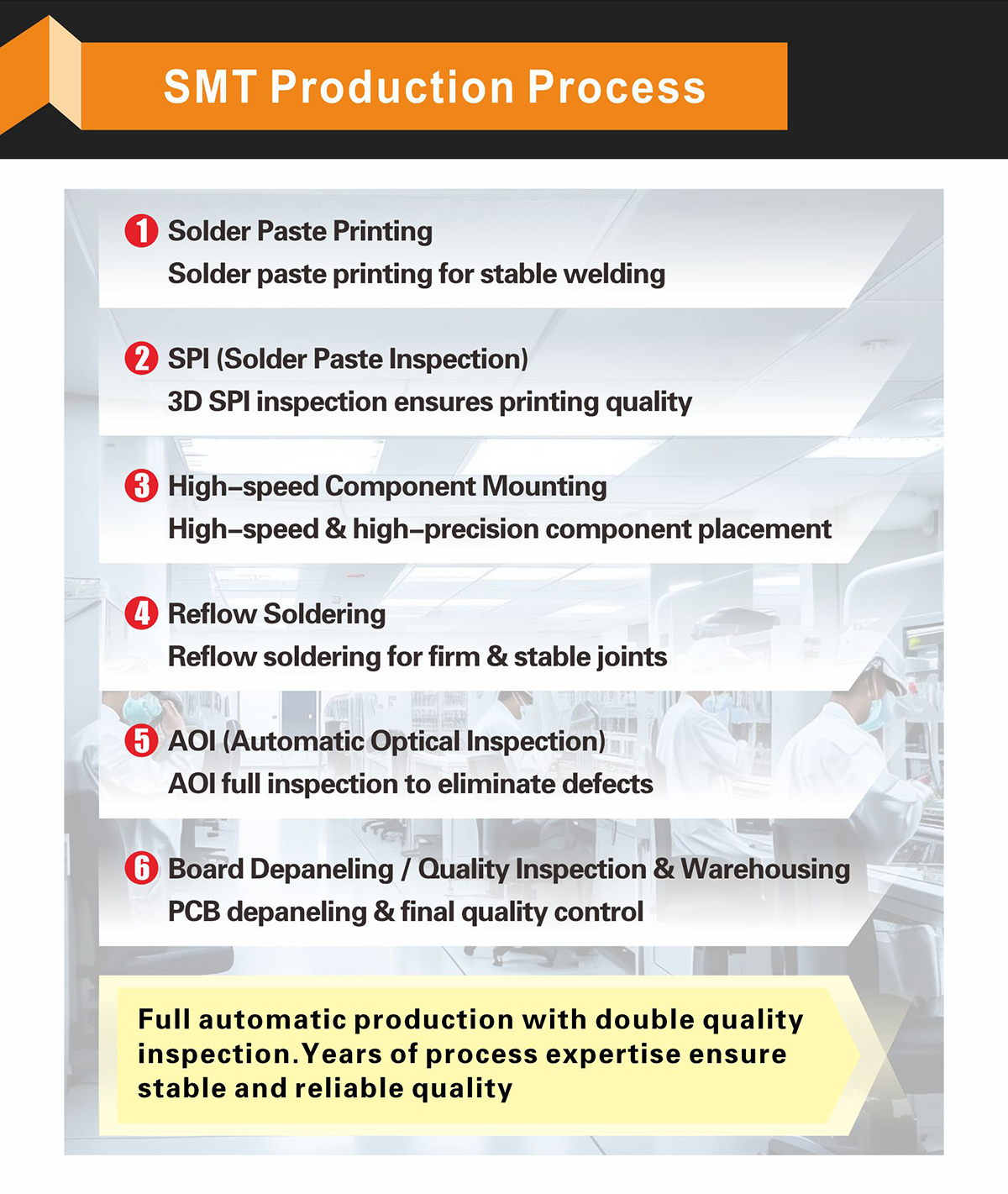
PCBA Customization – Professional engineering team creates tailor-made solutions based on your needs.
Cost-Effective & Efficient – Better channel, better cost.
A dedicated team makes your procurement smoother.
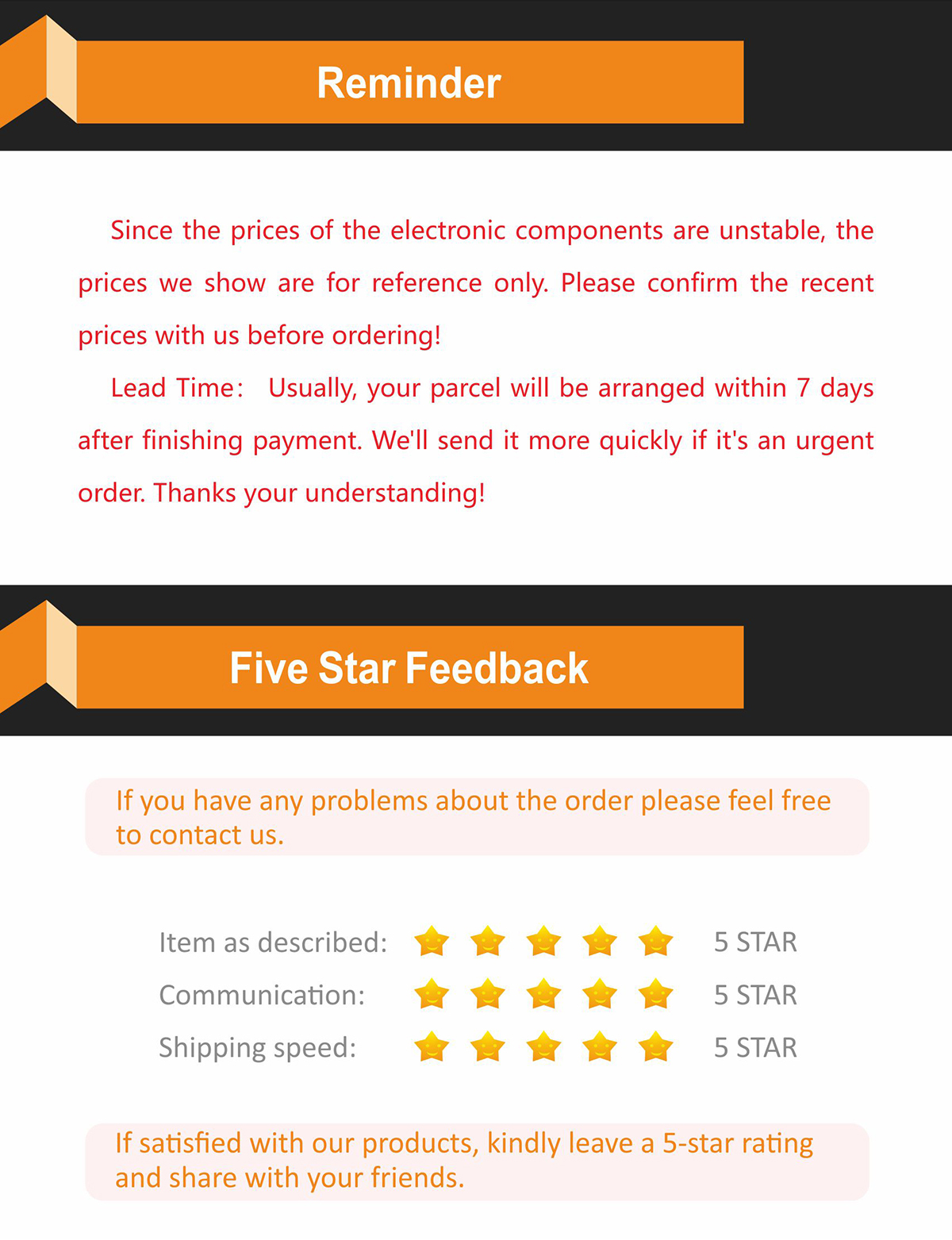
Contact us for BOM quotes or PCBA inquiries.



FAQ
1. What is the STM32G431C8T6, and where is it positioned in the STM32G4 series?
The STM32G431C8T6 is a cost‑optimized mixed‑signal MCU from STMicroelectronics' STM32G4 family, featuring a 170 MHz Cortex‑M4 core, 64 KB dual‑bank Flash, and 32 KB SRAM in an LQFP‑48 package. It retains the G4 series’ powerful real‑time processing, two rail‑to‑rail op‑amps, two ultra‑low‑power comparators, a 12‑bit 5 Msps ADC, a 12‑bit DAC, FDCAN, and USB‑C interfaces. As the smallest‑Flash member of the G431 family, it is purpose‑built for highly optimized, cost‑sensitive applications that still demand solid analog performance and modern connectivity—such as simple motor drives, power tools, drone ESCs, and compact industrial sensor nodes.
2. Is 64 KB of Flash enough? Can it run motor FOC or digital power algorithms?
64 KB of Flash can accommodate a tightly optimized motor FOC core, a basic buck/boost converter algorithm, or a streamlined CANopen slave stack. It also supports a dual‑bank architecture (32 KB per bank), enabling OTA updates by executing from one bank while programming the other, with automatic rollback on verification failure. If your application does not need large protocol stacks or a graphical interface, 64 KB provides a safe and reliable solution. Should you require more program space later, you can seamlessly upgrade to the pin‑compatible 128 KB G431CBT6 without any hardware changes.
3. What is the difference between the STM32G431C8T6 and the G431CBT6 (128 KB)?
Both share the identical processor core, SRAM (32 KB), op‑amps, comparators, FDCAN, USB‑C, and LQFP‑48 package with fully compatible pinouts. The only difference is on‑chip Flash capacity: the C8T6 has 64 KB, while the CBT6 has 128 KB. If your code fits strictly within 64 KB, the C8T6 delivers the same performance and peripherals at a lower cost; if you need more room or plan future expansion, the CBT6 is the safer choice. The hardware design can remain unchanged when switching between the two.
4. What can the built‑in op‑amps and comparators do? Can they eliminate external analog chips?
The chip integrates two rail‑to‑rail op‑amps and two ultra‑low‑power comparators. The op‑amps can directly amplify small signals from current‑sense resistors or sensors, performing filtering and offset adjustment without external op‑amps. The comparators are used for over‑current protection, zero‑crossing detection, and voltage‑threshold monitoring. Although fewer in number than the high‑end G474, they are fully adequate for single‑ or dual‑shunt motor control or digital power applications, significantly reducing BOM cost and PCB area.
5. Does this chip support CAN FD? What are its advantages in industrial communication?
Yes, it integrates up to three FDCAN controllers, backward‑compatible with CAN 2.0, supporting data rates up to 5 Mbps and payloads up to 64 bytes. FDCAN dramatically improves real‑time throughput over classic CAN, making it ideal for industrial automation, vehicle networks, and distributed control systems. Even within the LQFP‑48 package, careful pin‑multiplexing allows CAN FD to coexist with UART/SPI peripherals.
6. What can the USB‑C interface do? Does it support Power Delivery?
The integrated USB‑C power‑delivery and communication controller supports USB 2.0 full‑speed device communication and can deliver up to 15 W (5 V/3 A) through simple CC‑pin detection, without a full USB PD stack. For applications not requiring PD, the MCU can be powered and communicate directly over USB‑C, making it ideal for portable devices and small USB‑powered instruments without a dedicated power adapter.
7. Is the LQFP‑48 package easy to solder? Is low‑volume hand assembly feasible?
Very easy. The LQFP‑48 has all pins exposed with a 0.5 mm pitch and can be drag‑soldered with a standard iron and flux—no hot‑air station required. It strikes an excellent balance between mass production and hand prototyping, and its 7 mm × 7 mm size offers great compactness while remaining highly manageable, making it a solid choice for hobbyists, students, and small teams.
8. What is its power consumption like? Is it suitable for battery‑powered devices?
The STM32G4 series uses an advanced 90 nm process, with run‑mode current as low as about 100 µA/MHz. It supports Sleep, Stop, and Standby low‑power modes, with Standby current dropping to the micro‑amp range. Combined with fast wake‑up times, it is well‑suited for battery‑powered portable industrial equipment, handheld instruments, and wireless sensor nodes.
9. What development tools are needed, and is it compatible with the previous STM32 ecosystem?
It is fully compatible with the STM32Cube ecosystem, including the free STM32CubeMX configurator and STM32CubeIDE, along with the STM32CubeG4 firmware package. Code from STM32F3 or F4 projects can be largely reused, with the main adjustments being analog‑peripheral configuration and pin mapping. Official example projects for motor control and digital power are provided to accelerate development. For rapid prototyping, the NUCLEO‑G431KB or NUCLEO‑G474RE boards can be used, with smooth code migration to the 48‑pin package.
10. If I later need larger Flash or HRTIM, what upgrade options are available?
If 64 KB of Flash becomes insufficient, you can directly upgrade to the pin‑compatible STM32G431CBT6 (128 KB) with zero hardware changes. If you need the high‑resolution timer (HRTIM) or more op‑amps/comparators, you can move to the STM32G474RET6 (LQFP‑64) or G474VET6 (LQFP‑100), which offer the full HRTIM, five op‑amps, seven comparators, and larger memory. Because all these devices belong to the same STM32 ecosystem, code and hardware designs can be highly reused, keeping migration effort low.
- Property:
- Specification
- Product Type:
- Arm Cortex-M4 Mixed-Signal 32-bit MCU
- Brand:
- STMicroelectronics
- Core:
- Cortex-M4 170 MHz (FPU + Math Accelerator)
- Package:
- LQFP-48
- Memory:
- 64 KB Flash, 32 KB SRAM
- Analog:
- 4×Op-Amps, 2×DACs, 2×Comparators, ADC
- Connectivity:
- USB 2.0 FS, CAN FD
- I/Os:
- 38
- Voltage:
- 1.7V–3.6V
- Temperature:
- -40°C to 85°C