qixinwei-pcba


STM32G0B0CET6 ST Mainstream Arm Cortex-M0+ Low-Power 32-bit MCU 512KB Flash 144KB SRAM ADC Comparator LQFP-48
STM32G0B0CET6 Product Overview
STM32G0B0CET6 is a Cortex-M0+ MCU at 64 MHz, LQFP-48. 512 KB Flash, 144 KB SRAM, 12-bit ADC (19 ch), 2 comparators, 2×12-bit DACs, 5×USART/UART, 6×SPI/I2S, 3×I2C, advanced PWM timer, LP timers, RTC. 44 x 5 V-tolerant I/Os. 1.7–3.6 V, -40–85 °C. Cost-effective large memory for complex applications.
STM32G0B0CET6 Core Features
Core: Cortex-M0+ 64 MHz Memory: 512 KB Flash, 144 KB SRAM Analog: 12-bit ADC (19 ch), 2×12-bit DACs, 2× comparators Connectivity: 5×USART/UART, 6×SPI/I2S, 3×I2C Timers: Advanced PWM, multiple GP/LP timers I/Os: 44 (5 V-tolerant) Package: LQFP-48
STM32G0B0CET6 Applications
Industrial sensors, motor control, home appliances, consumer electronics, IoT nodes, lighting control
STM32G0B0CET6 Key Advantages
512 KB Flash + 144 KB SRAM: Large storage at low cost Rich analog: ADC/DAC/comparators 44 I/Os in compact 48-pin Low-power Cortex-M0+, great value
Why Choose QIXINWEI
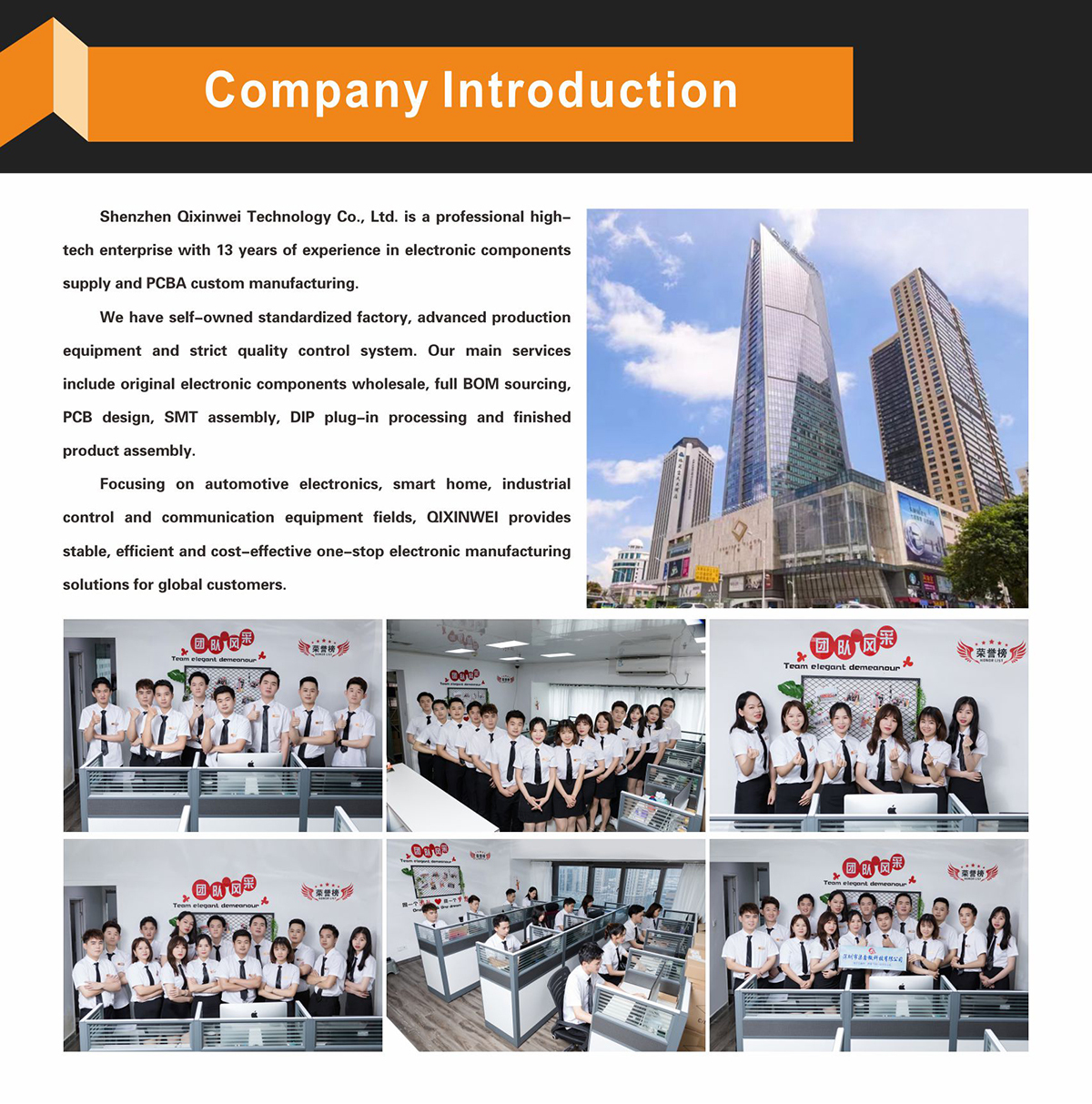
Years of experience in the electronics industry. Trusted by global customers.
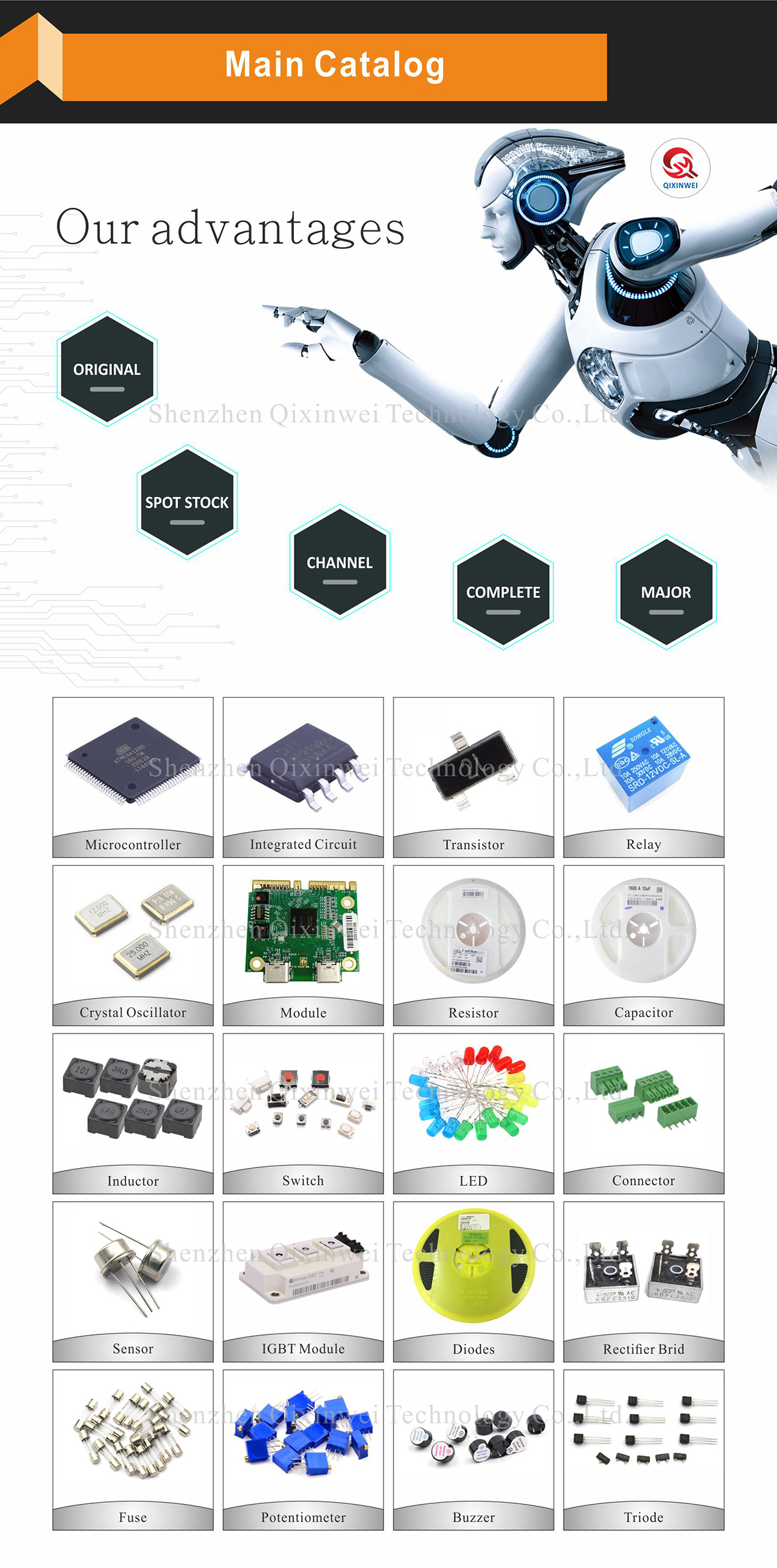
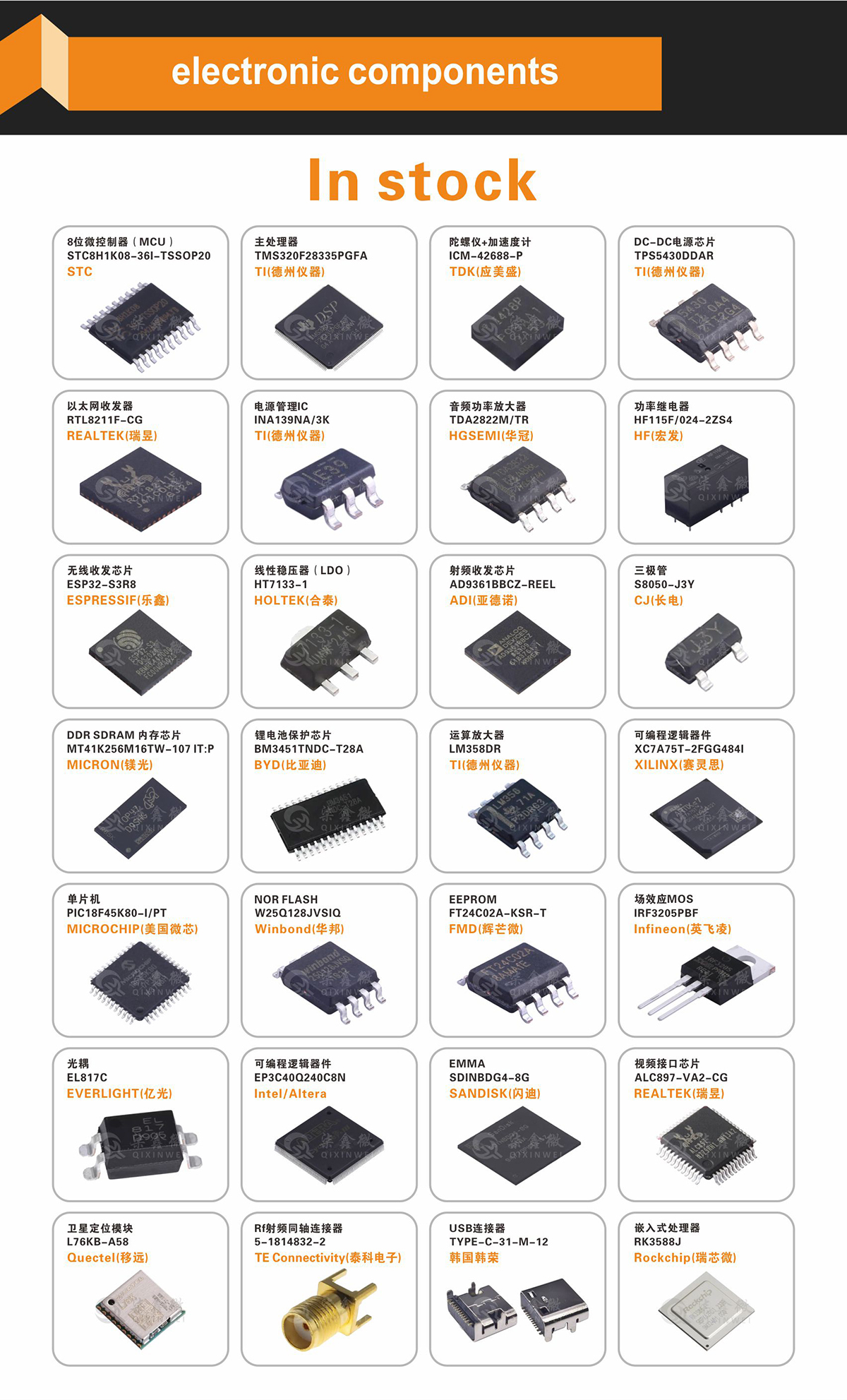
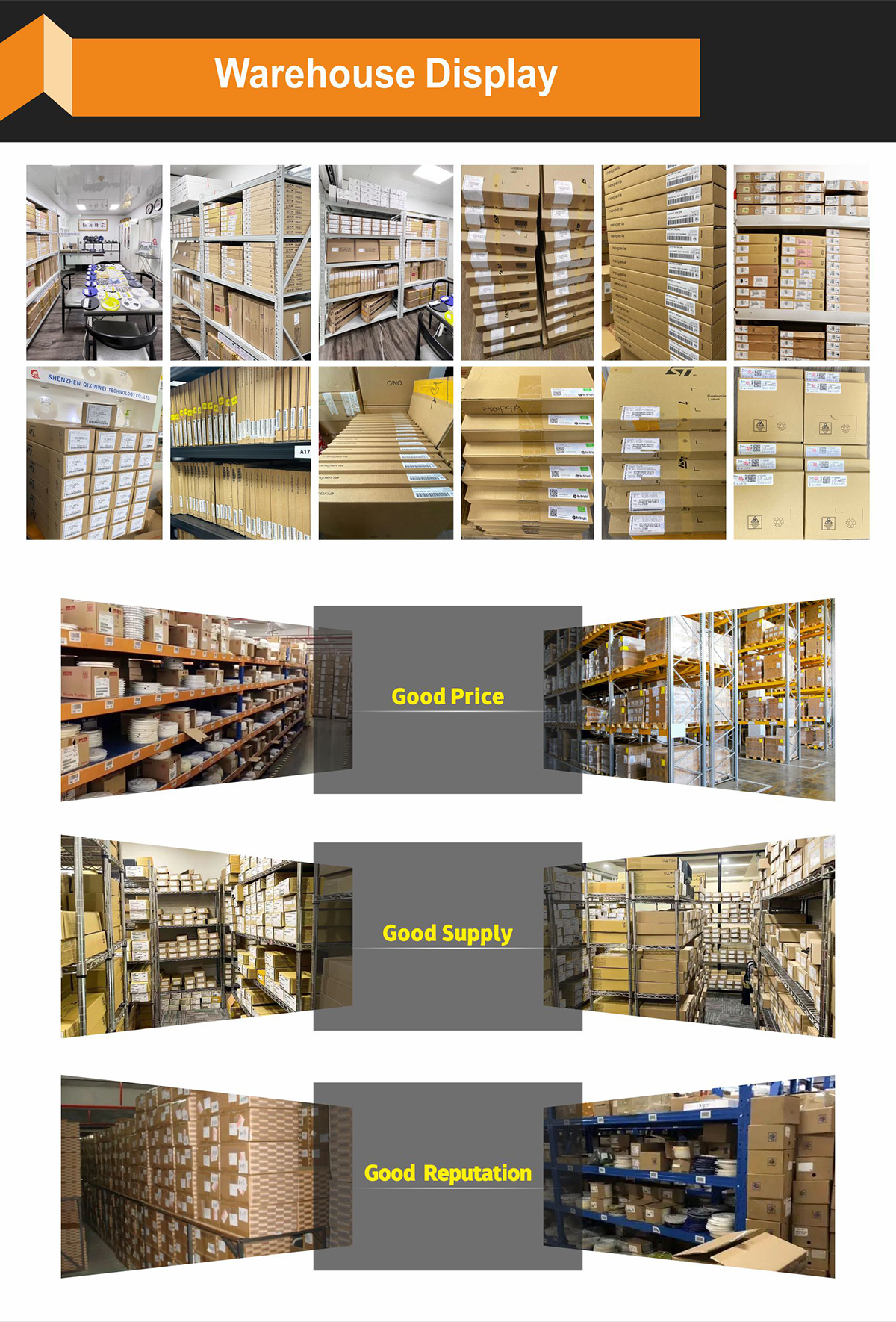
Massive In-Stock Inventory – Ready to ship promptly.
BOM Matching Service – One-stop solution, save time.
PCBA Customization – Professional engineering team creates tailor-made solutions based on your needs.
Cost-Effective & Efficient – Better channel, better cost.
A dedicated team makes your procurement smoother.
Contact us for BOM quotes or PCBA inquiries.


FAQ:
What is STM32G0B0CET6 and how does it differ from the STM32G0B1 series?
STM32G0B0CET6 is a value‑line Arm Cortex‑M0+ microcontroller with 256 KB Flash, 144 KB SRAM, and a full‑speed USB 2.0 device controller in an LQFP‑48 package. It omits the USB Type‑C PD and CAN FD peripherals found on G0B1 devices, making it a more cost‑effective choice for designs that need generous memory and standard communication interfaces without advanced connectivity.Can a 48‑pin MCU really offer 144 KB of SRAM? How does this compare with other small‑package chips?
Yes—the CET6 packs the same 144 KB SRAM as larger G0B1 variants into an LQFP‑48 footprint. Most competing Cortex‑M0+ MCUs in 48‑pin packages provide only 32‑64 KB of SRAM. This generous SRAM enables heavy data buffering for protocols, sensor fusion, and display management without external RAM, all on a compact and easy‑to‑solder LQFP body.What kind of USB does STM32G0B0CET6 support? Can it act as a host or use USB PD?
It includes a USB 2.0 full‑speed device interface, which can be used for virtual COM ports, HID keyboards/mice, or mass‑storage class implementations. It does not support USB host mode or USB Power Delivery—if your design needs USB PD negotiation, you should look at the G0B1 series. For standard USB data connections, however, it works perfectly.How does STM32G0B0CET6 compare with STM32G0B0RET6? When should I choose CET6 over RET6?
Both share the same 144 KB SRAM and value‑line feature set (no USB PD/CAN FD). CET6 has 256 KB Flash in an LQFP‑48, while RET6 doubles the Flash to 512 KB in an LQFP‑64. Pick CET6 when 256 KB is enough and you want the smallest possible PCB with fewer pins; choose RET6 if you need the extra code space or more I/O lines for your application.Is the STM32G0B0CET6 software‑compatible with STM32G0B1 chips? Can I reuse HAL drivers?
Yes, fully. The core, memory map, and standard peripherals (timers, UART, SPI, I2C, ADC, etc.) are identical. Code developed with STM32Cube HAL/LL drivers for a G0B1 can be reused directly—simply disable the USB PD and CAN FD middleware and adjust the clock configuration. This makes migration effortless.Can I upgrade from an older STM32F0 to STM32G0B0CET6? What benefits do I get?
Absolutely. Compared to typical STM32F0 devices, the CET6 offers significantly larger SRAM (144 KB vs. 8–32 KB), more Flash (256 KB), lower run and stop currents, and modern features like a touch‑sensing controller. The newer STM32Cube ecosystem also provides better tooling, making it a straightforward and future‑proof replacement.What low‑power modes does STM32G0B0CET6 support, and can it keep all SRAM alive in deep sleep?
It supports Sleep, Stop, and Standby modes. In Stop mode, the chip retains the full 144 KB of SRAM while drawing only about 5 µA. Wake‑up takes a few microseconds, enabling always‑responsive, battery‑powered devices that can preserve large data sets between active bursts.Can STM32G0B0CET6 perform over‑the‑air (OTA) firmware updates with its 256 KB single‑bank Flash?
Yes. The 256 KB Flash can be partitioned into a bootloader and a main application area, while the 144 KB SRAM serves as a safe staging buffer for the new firmware image. The update can be delivered via USB (virtual COM port), UART, or an external wireless module. Once validated, the image is written to Flash, enabling reliable single‑bank updates.What development tools and IDEs can I use? Is STM32CubeIDE free?
The free STM32CubeIDE (with integrated CubeMX) fully supports the CET6, allowing graphical configuration of pins, clocks, and middleware. Keil MDK‑ARM and IAR EWARM are also compatible. Debugging is done via SWD with an STLINK/V3. All major toolchains offer free or code‑size‑limited versions, so you can start developing with no tool cost.What are the best applications for STM32G0B0CET6 given its compact LQFP‑48 and large SRAM?
It is ideal for space‑constrained systems that still need hefty data processing: smart sensor hubs, portable medical monitors, compact motor controllers, building automation nodes, and USB‑enabled data loggers. The 144 KB SRAM allows extensive buffering and real‑time processing, while the 48‑pin LQFP keeps the board small and easy to assemble, even for hand‑soldered prototypes.
- Property:
- Specification
- Product Type:
- Arm Cortex-M0+ Low-Power 32-bit MCU
- Brand:
- STMicroelectronics
- Core:
- Cortex-M0+ 64 MHz
- Package:
- LQFP-48
- Memory:
- 512 KB Flash, 144 KB SRAM
- Analog:
- 12-bit ADC, 2×DACs, 2×Comparators
- Connectivity:
- USART/UART, SPI/I2S, I2C
- I/Os:
- 44
- Voltage:
- 1.7V–3.6V