qixinwei-pcba


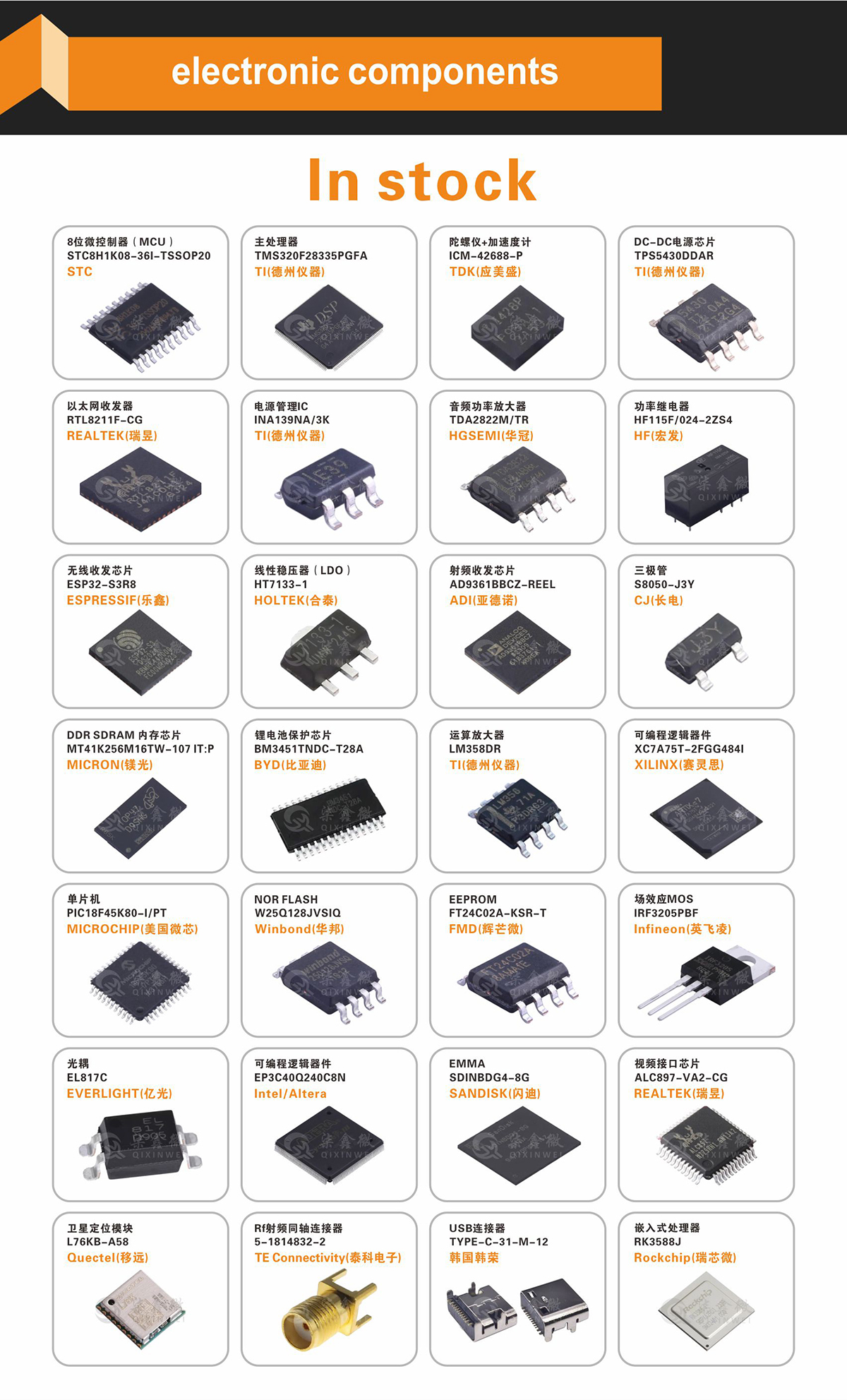
STM32G031K6T6 ST Mainstream Arm Cortex-M0+ Low-Power 32-bit MCU 32KB Flash 8KB SRAM ADC Comparator LQFP-32
STM32G031K6T6 Product Overview
STM32G031K6T6 is a Cortex-M0+ MCU at 64 MHz, LQFP-32. 32 KB Flash, 8 KB SRAM, 12-bit ADC (12 ch), 1 comparator, LP timers, RTC, 2×USART, 1×SPI/I2S, 1×I2C. 29 x 5 V-tolerant I/Os. 2.0–3.6 V, -40–85 °C. Compared to TSSOP-20 package, offers more I/Os and ADC channels for cost-sensitive applications needing richer connectivity.
STM32G031K6T6 Core Features
Core: Cortex-M0+ 64 MHz Memory: 32 KB Flash, 8 KB SRAM Analog: 12-bit ADC (12 ch), 1× comparator Connectivity: 2×USART, 1×SPI/I2S, 1×I2C Timers: Advanced PWM, LP timers, RTC I/Os: 29 (5 V-tolerant) Package: LQFP-32
STM32G031K6T6 Applications
Sensor signal conditioning, home appliances, consumer electronics, industrial nodes, cost-sensitive systems needing more I/Os
STM32G031K6T6 Key Advantages
64 MHz Cortex-M0+ with comparator: Efficient performance and analog integration 29 I/Os in compact 32-pin package, high integration 12-channel ADC for flexible signal acquisition Wide 2.0–3.6 V for battery operation
Why Choose QIXINWEI
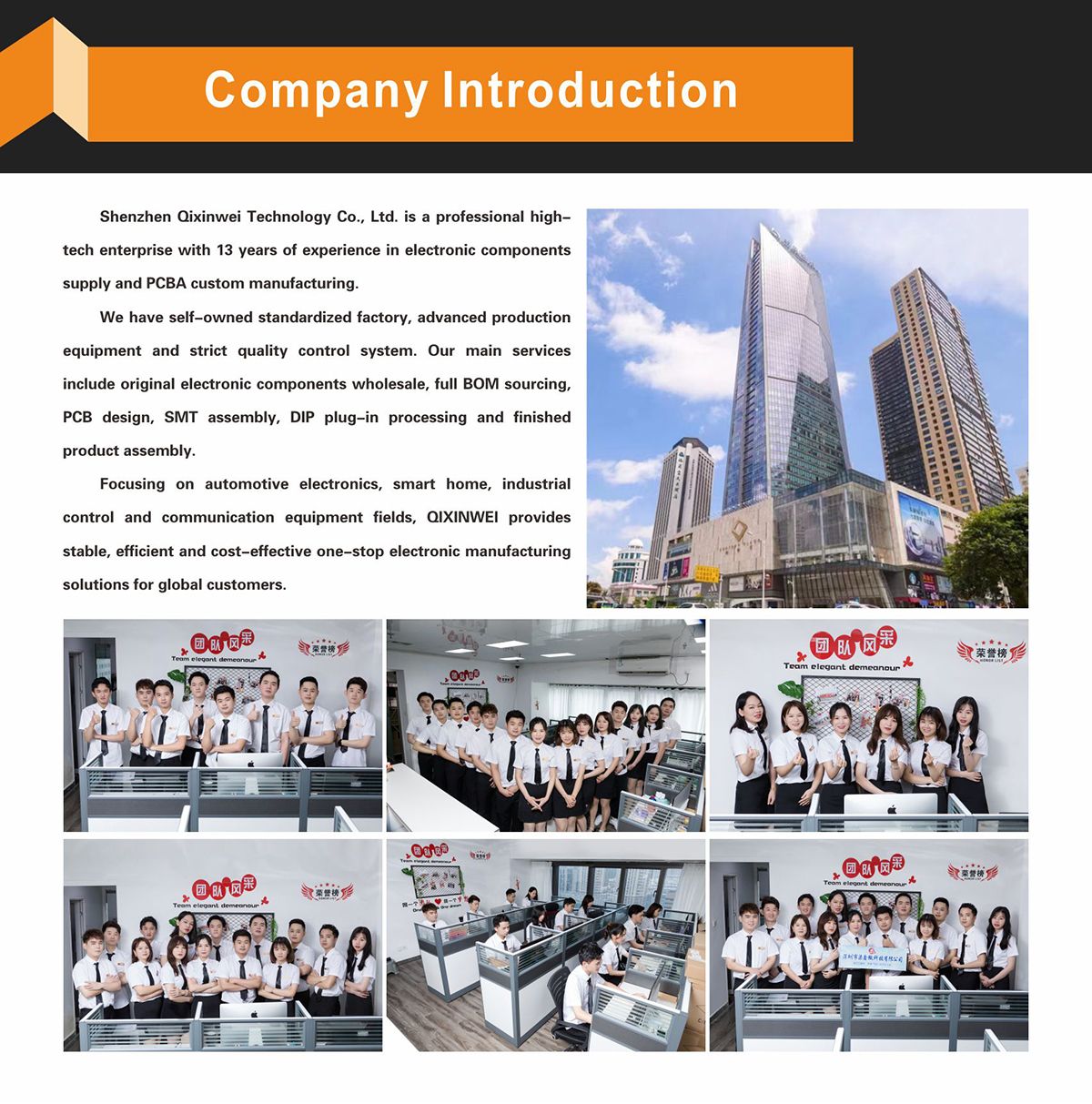
Years of experience in the electronics industry. Trusted by global customers.
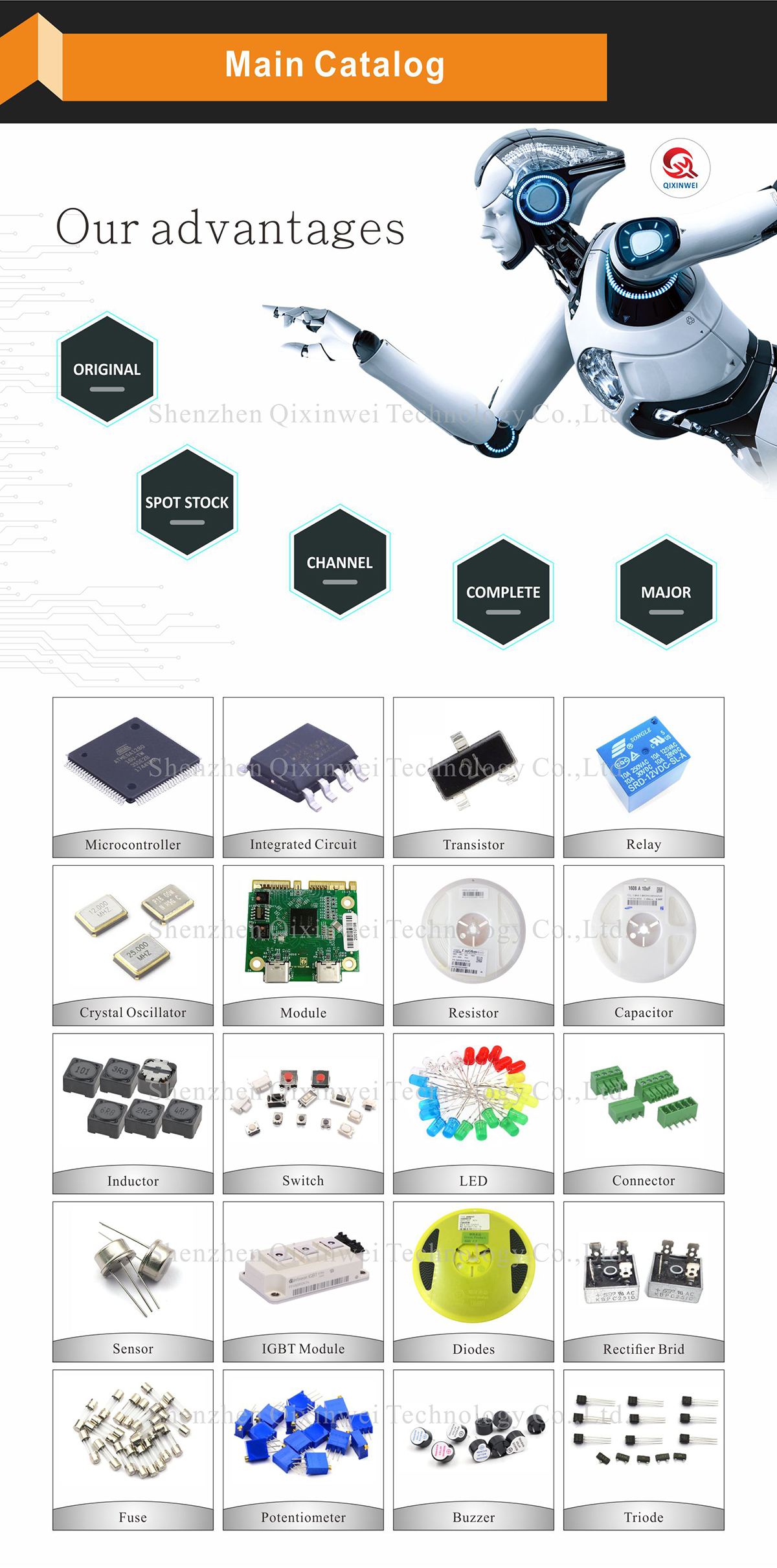
Massive In-Stock Inventory – Ready to ship promptly.
BOM Matching Service – One-stop solution, save time.
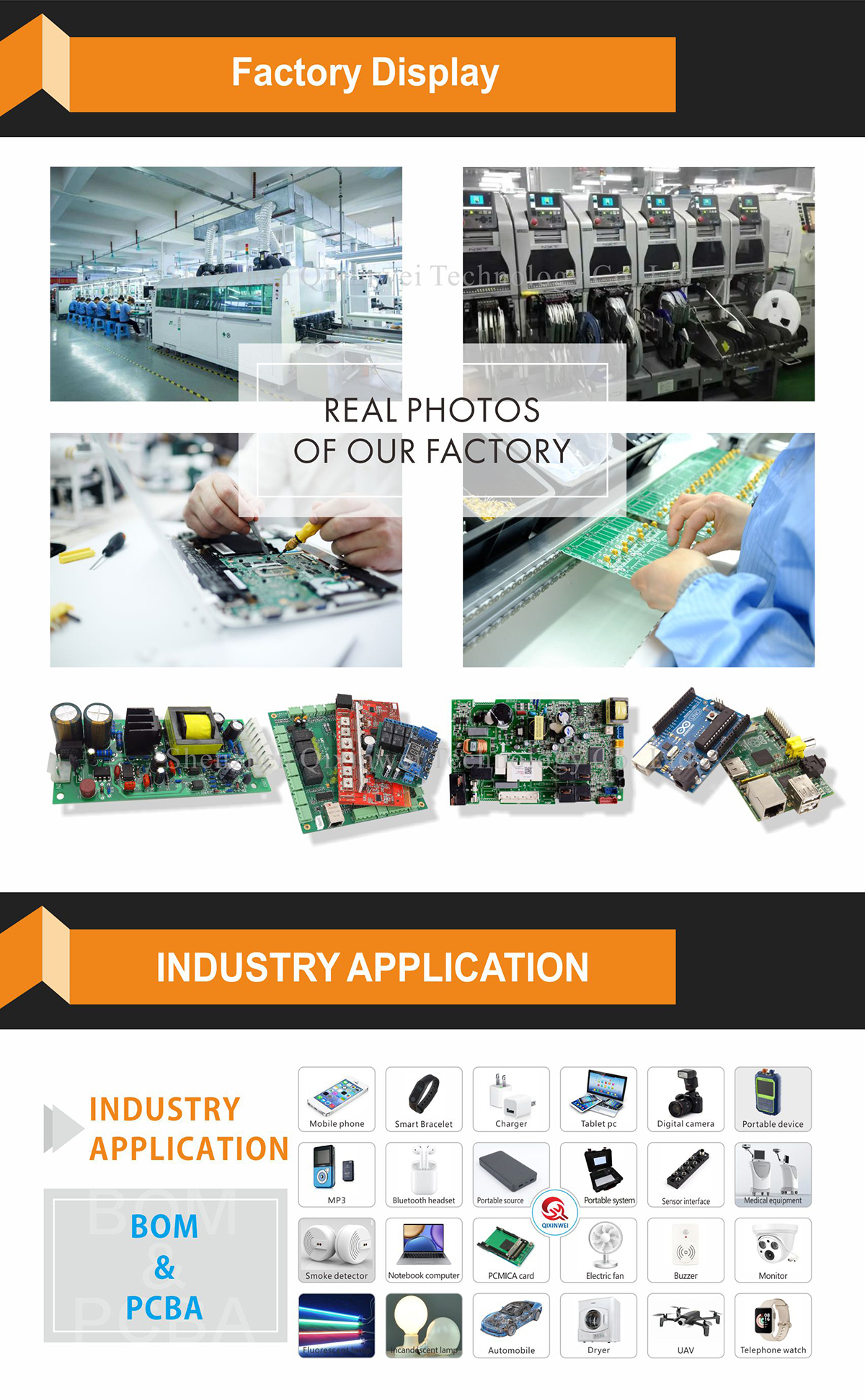
PCBA Customization – Professional engineering team creates tailor-made solutions based on your needs.
Cost-Effective & Efficient – Better channel, better cost.
A dedicated team makes your procurement smoother.
Contact us for BOM quotes or PCBA inquiries.



FAQ
1. What is the STM32G031K6T6, and where is it positioned in the STM32G0 series?
The STM32G031K6T6 is an ultra‑streamlined MCU from STMicroelectronics' STM32G0 series, built around a 64 MHz Arm® Cortex®‑M0+ core in an LQFP‑32 package. It features only 32 KB Flash and 8 KB SRAM, omitting advanced peripherals like USB and CAN FD to focus on delivering the lowest possible cost and the easiest hand‑solderable package. It is designed for micro embedded applications where code size is minimal, functionality is extremely fixed, and cost is the absolute priority—such as simple sensor nodes, disposable consumer electronics, and IoT endpoints that need small size, low power, and ease of production.
2. How does the STM32G031K6T6 differ from the G031K6U6 (QFN‑32), and what advantages does the LQFP‑32 package offer?
Both share the same core, memory (32 KB Flash, 8 KB SRAM), peripherals, and pin count; the only difference is the package. The K6T6 uses an LQFP‑32 with all pins exposed and a generous 0.8 mm pitch, making drag‑soldering with a standard iron easy—ideal for hand prototyping, low‑volume production, and rework. The K6U6 uses a UFQFPN‑32 (5 mm × 5 mm) with bottom pads that requires reflow soldering but saves more PCB area. If you need a package that is easy to hand‑solder and visually inspect, the K6T6 is the more practical choice.
3. With only 32 KB Flash and 8 KB SRAM, what kind of programs can I run? Is it enough?
This combination is designed for extremely optimized bare‑metal code. The 32 KB Flash can accommodate streamlined peripheral drivers, basic communication routines (e.g., UART transmit/receive), and simple state‑machine logic. The 8 KB SRAM requires very careful variable management, but is entirely adequate for single‑function applications—such as reading one sensor and sending data over serial, or simple button‑controlled LED operation. If the program size may exceed 32 KB, it is recommended to upgrade to the pin‑compatible G031K8T6 with 64 KB Flash and zero hardware changes.
4. How does the STM32G031K6T6 differ from the G030K6T6, and how should I choose?
The G031 offers richer communication peripherals than the G030: it includes two low‑power UARTs (LPUART) and two SPI/I²S interfaces, whereas the G030 typically has only one. Additionally, the G031 supports more flexible DMA channels and extra timers on certain variants. If your application only requires a very limited number of communication interfaces, the G030 can further reduce cost; if you need more serial ports, the G031 is the more flexible choice.
5. Does this chip have a USB or CAN interface? What if I need those?
The G031 series does not integrate USB or CAN FD controllers; its communication capabilities rely entirely on UART, SPI, and I²C interfaces. If USB is a must, you can add an external USB‑UART chip such as the CH340. If you require CAN bus, you can upgrade to the pin‑compatible G071K8T6 (LQFP‑32) or G071CBT6 (LQFP‑48), which have a built‑in FDCAN controller.
6. Is the LQFP‑32 package easy to solder? Is low‑volume hand assembly feasible?
Very easy. The LQFP‑32 has all pins exposed with a generous 0.8 mm pitch, allowing drag‑soldering with a standard iron and flux—no hot‑air station required. The 7 mm × 7 mm size balances compactness with easy manual handling, making it an excellent choice for hobbyists, students, and small teams for prototyping and low‑volume production.
7. What is its power consumption like? Is it suitable for battery‑powered portable devices?
Excellent. The G0 series features a run‑mode current of about 100 µA/MHz and supports multiple low‑power modes—Sleep, Stop, and Standby—with Standby current dropping to the micro‑amp range while retaining the RTC and backup registers. Combined with fast wake‑up times, it can easily achieve years of battery life, making it ideal for wireless sensor nodes, wearables, and outdoor monitoring tools.
8. How accurate is the built‑in 12‑bit ADC? Can it meet typical sensor acquisition needs?
It integrates a 12‑bit successive‑approximation ADC with a maximum sampling rate of 2.5 Msps and up to 16 external input channels. Its accuracy and speed are fully adequate for common sensor signals such as current, voltage, and temperature measurements—often without the need for an external dedicated ADC chip.
9. What are the main upgrades of the STM32G031K6T6 over the STM32F0 series?
Compared to the STM32F0, the G031 series offers significant improvements: core frequency increases from 48 MHz to 64 MHz; Flash and SRAM capacities are larger (32 KB/8 KB vs. typical 16 KB/4 KB on the F0); the ADC is more advanced; and overall power management is more refined. It delivers better processing performance and energy efficiency at an entry‑level price, making it an ideal replacement and upgrade for F0 designs.
10. If I later need more storage or USB/CAN functionality, what upgrade options are available?
For more Flash, you can directly upgrade to the pin‑compatible STM32G031K8T6 (64 KB Flash, 8 KB SRAM) or G071K8T6 (128 KB Flash, 36 KB SRAM, adds USB‑C and FDCAN) with zero hardware changes. If you need more I/Os, choose the LQFP‑48 G071CBT6. All these upgrades remain within the same STM32Cube ecosystem, allowing extensive code reuse and minimal migration effort.
- Property:
- Specification
- Product Type:
- Arm Cortex-M0+ Low-Power 32-bit MCU
- Brand:
- STMicroelectronics
- Core:
- Cortex-M0+ 64 MHz
- Package:
- LQFP-32
- Memory:
- 32 KB Flash, 8 KB SRAM
- Analog:
- 12-bit ADC, 1× Comparator
- Connectivity:
- USART, SPI/I2S, I2C
- I/Os:
- 29
- Voltage:
- 2.0V–3.6V