qixinwei-pcba


STM32G031G8U6 ST Mainstream Arm Cortex-M0+ Low-Power 32-bit MCU 64KB Flash 8KB SRAM ADC Comparator UFQFPN-28
STM32G031G8U6 Product Overview
STM32G031G8U6 is a Cortex-M0+ MCU at 64 MHz, UFQFPN-28. 64 KB Flash, 8 KB SRAM, 12-bit ADC (10 ch), 1 comparator, LP timers, RTC, 2×USART, 1×SPI, 1×I2C. 26 x 5 V-tolerant I/Os. 2.0–3.6 V, -40–85 °C. Compared to STM32G031G6U6 (32 KB Flash), doubles Flash to 64 KB for larger program storage in compact analog-sensing and communication applications.
STM32G031G8U6 Core Features
Core: Cortex-M0+ 64 MHz Memory: 64 KB Flash, 8 KB SRAM Analog: 12-bit ADC (10 ch), 1× comparator Connectivity: 2×USART, 1×SPI, 1×I2C Timers: Advanced PWM, LP timers, RTC I/Os: 26 (5 V-tolerant) Package: UFQFPN-28
STM32G031G8U6 Applications
Sensor signal conditioning, home appliances, consumer electronics, IoT nodes, space-constrained analog and communication systems
STM32G031G8U6 Key Advantages
64 MHz Cortex-M0+ with comparator: Efficient performance and analog integration 64 KB Flash for more code space Ultra-small 28-pin QFN package saves board space Wide 2.0–3.6 V for battery operation 26 I/Os in compact footprint, high value
Why Choose QIXINWEI
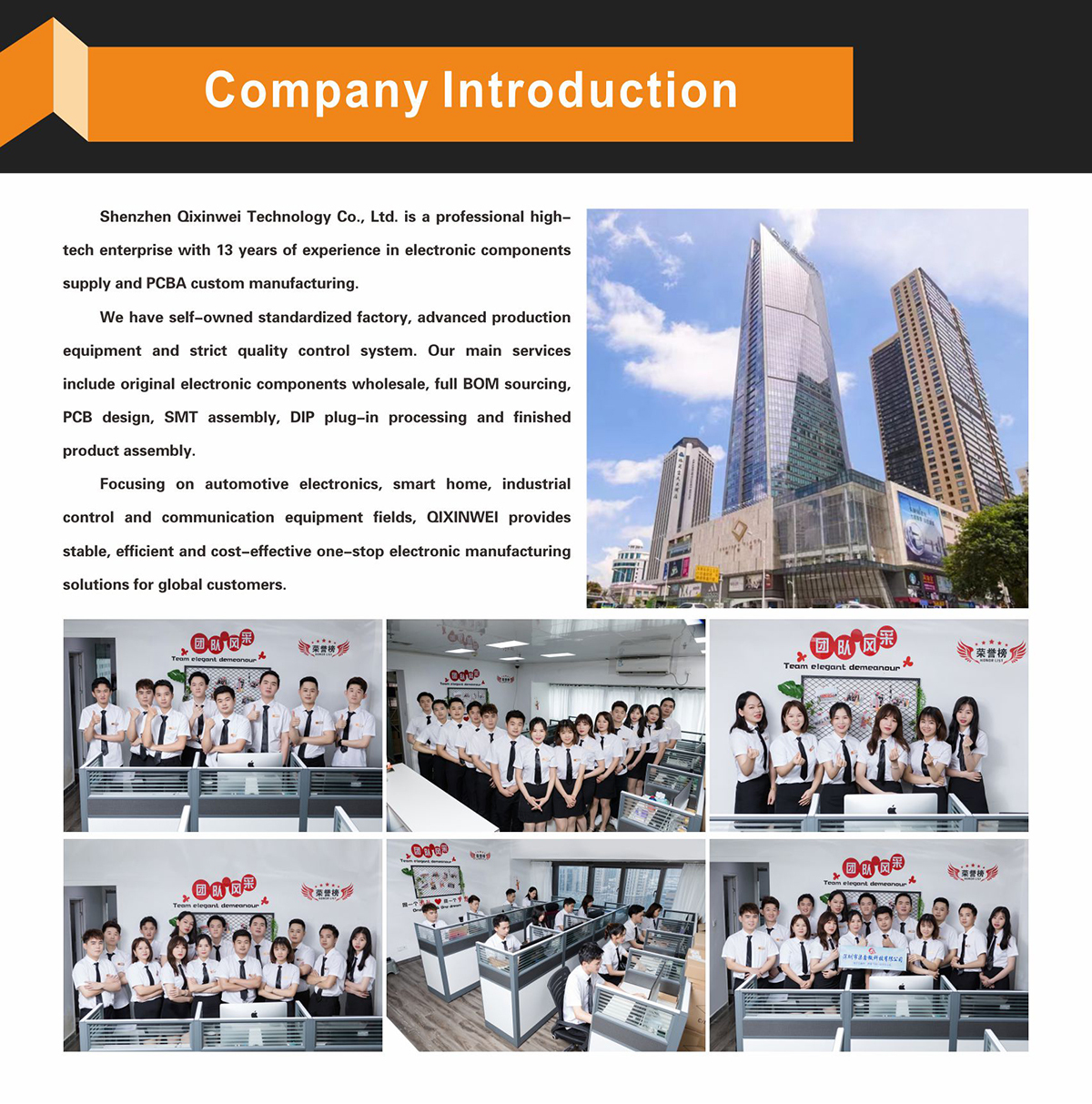
Years of experience in the electronics industry. Trusted by global customers.
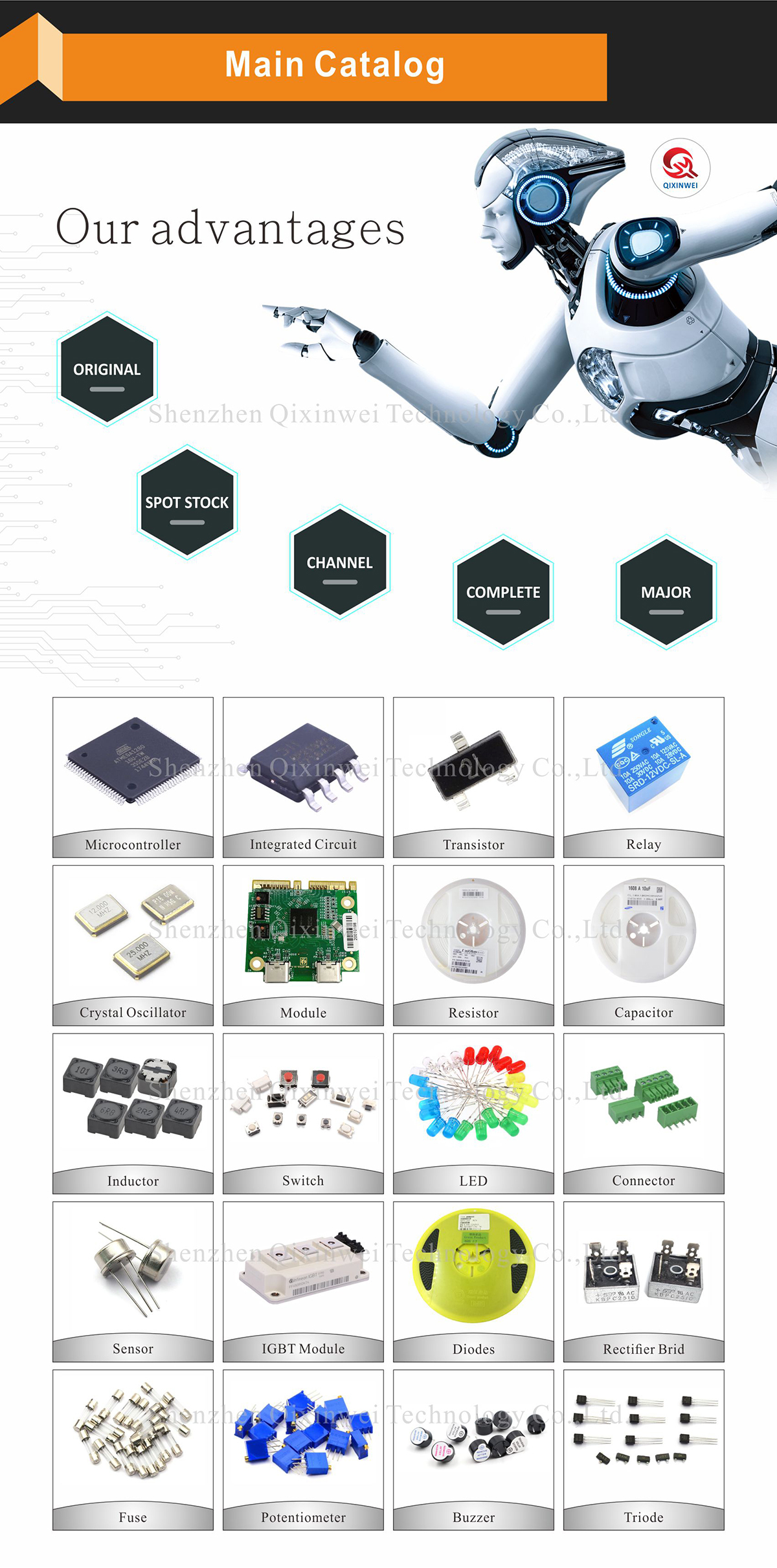
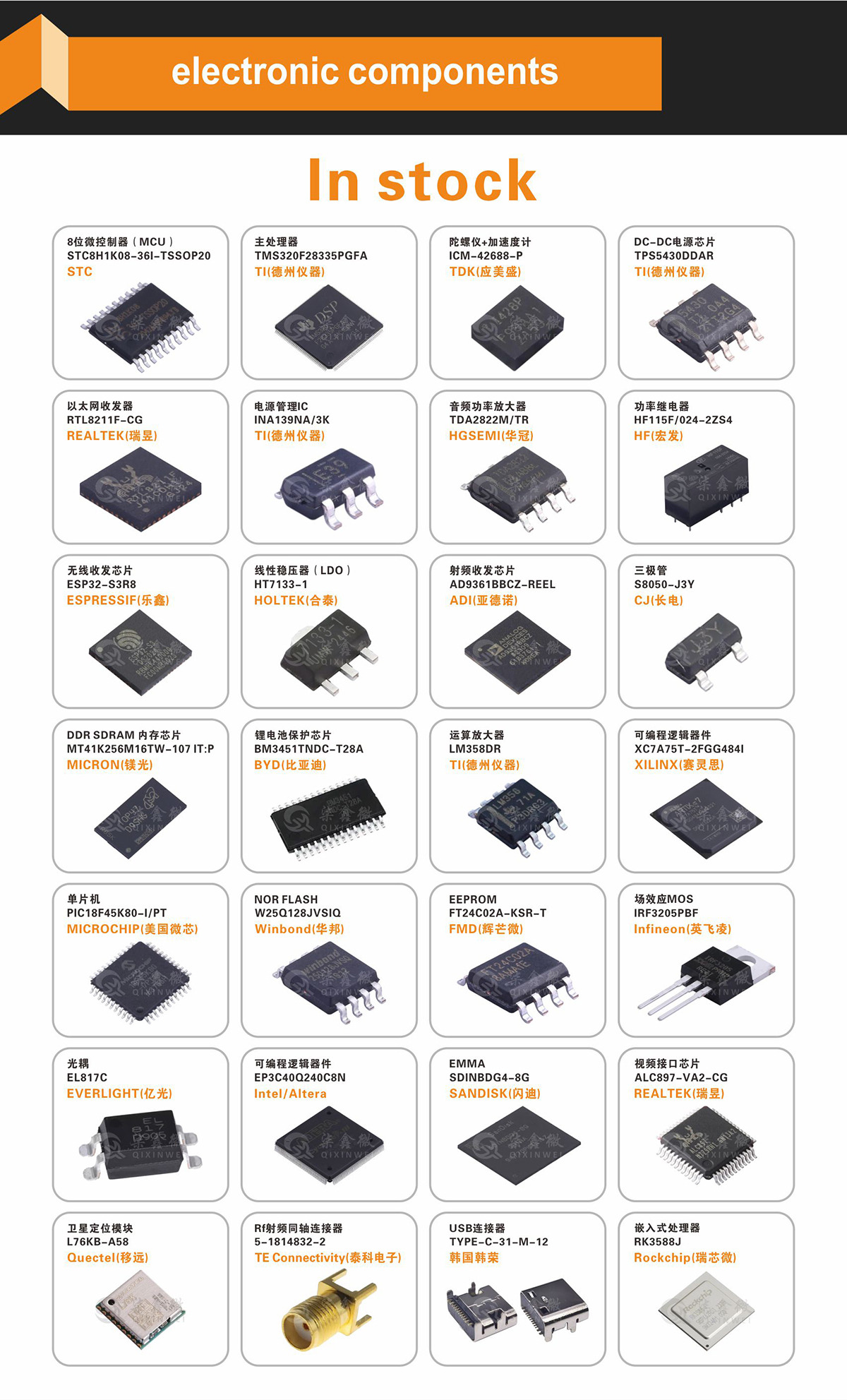
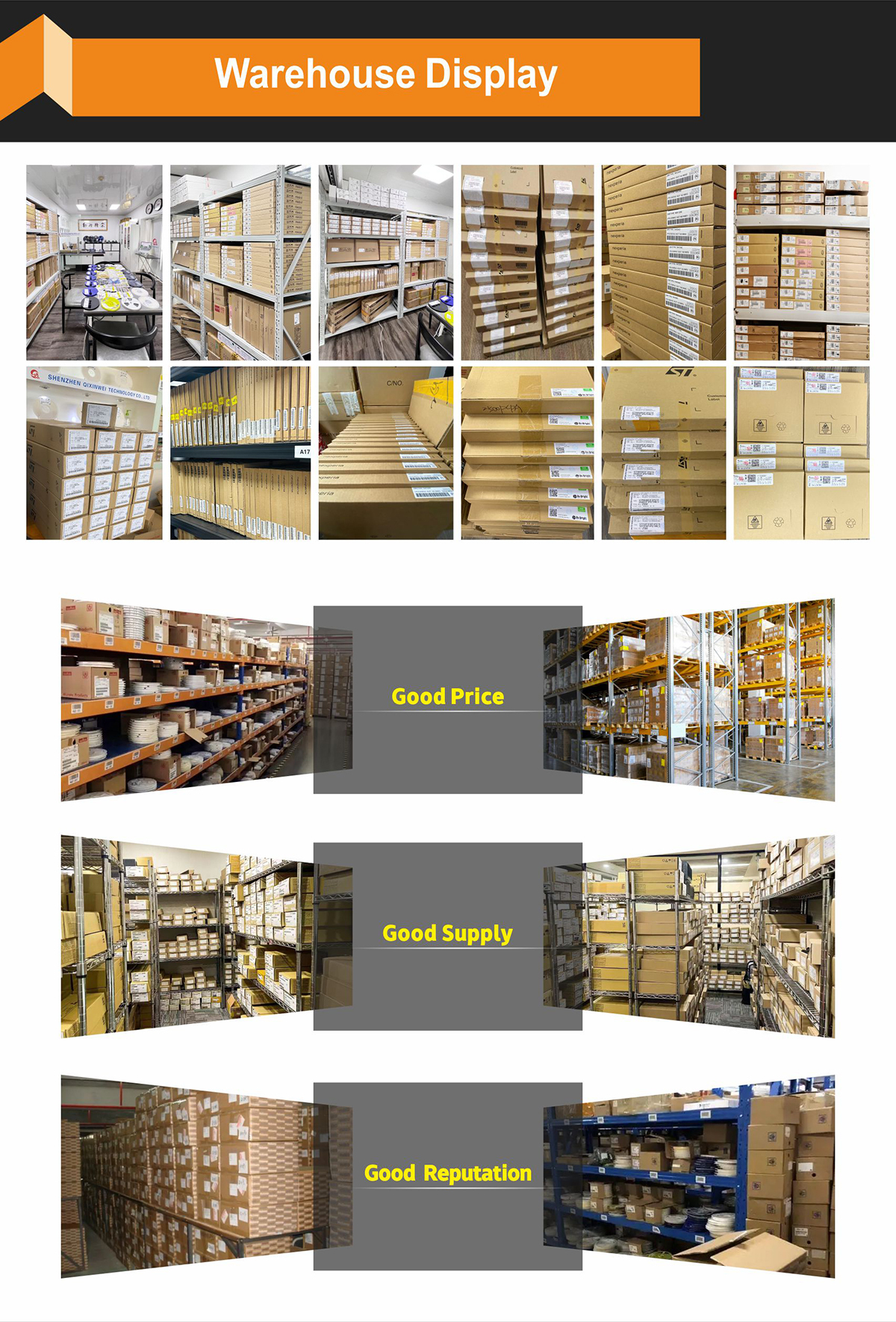
Massive In-Stock Inventory – Ready to ship promptly.
BOM Matching Service – One-stop solution, save time.
PCBA Customization – Professional engineering team creates tailor-made solutions based on your needs.
Cost-Effective & Efficient – Better channel, better cost.
A dedicated team makes your procurement smoother.
Contact us for BOM quotes or PCBA inquiries.


FAQ
1. What is the STM32G031G8U6, and what are its highlights in the STM32G0 series?
The STM32G031G8U6 is a cost‑effective MCU from STMicroelectronics' STM32G0 series, built around a 64 MHz Arm® Cortex®‑M0+ core in a UFQFPN‑28 package (4 mm × 4 mm). It is one of the largest‑memory members of the G031 family, offering 64 KB Flash and 8 KB SRAM, while retaining two low‑power UARTs, two SPI/I²C interfaces, and a high‑precision 12‑bit ADC. This chip packs rich communication interfaces and generous memory into an extremely small 28‑pin QFN package, making it ideal for compact applications with strict PCB area and cost requirements that still need multiple serial ports and a reasonable program capacity—such as micro sensor hubs, wearables, and small IoT nodes.
2. How does the STM32G031G8U6 differ from the G031K8U6 (32‑pin) and G031K6U6 (32 KB Flash)? How should I choose based on package and memory?
The G8U6 uses a UFQFPN‑28 package with up to about 23 usable I/Os, while the K8U6 uses a UFQFPN‑32 package with about 26 I/Os. Both share the same processor core, 64 KB Flash, 8 KB SRAM, and all communication peripherals. Compared to the K6U6 (32 KB Flash), the G8U6 provides twice the storage. If your application does not require more than 23 I/Os and benefits from a smaller package to save PCB space, the G8U6 is the ideal choice. If you need more I/Os, choose the K8U6; if your code is compact and cost is the priority, the K6U6 offers a more economical option.
3. Are 64 KB Flash and 8 KB SRAM sufficient? What kind of programs can they run?
The 64 KB Flash can comfortably accommodate a lightweight RTOS (such as FreeRTOS), multiple sensor drivers, UART/SPI communication stacks, and moderately complex control logic. The 8 KB SRAM requires careful task‑stack and variable allocation, but is perfectly adequate for relatively fixed‑function applications—such as multi‑sensor data fusion, communication gateway protocol conversion, and simple motor control. If more memory is needed later, you can upgrade to the pin‑compatible G071G8U6 or G071GBU6 with 128 KB Flash and 36 KB SRAM.
4. Does this chip have a USB or CAN interface? What if I need those?
The G031 series does not integrate USB or CAN FD controllers; its communication relies on two low‑power UARTs and two SPI/I²C interfaces. If USB is a must, you can add an external USB‑UART chip such as the CH340. If you require CAN bus, you can upgrade to the pin‑compatible G071G8U6 or G071GBU6 (with built‑in FDCAN controller). In these upgrade paths, hardware changes are minimal, and most of your code can be reused.
5. Is the UFQFPN‑28 package (4 mm × 4 mm) difficult to solder? Is it suitable for hand assembly?
This is an ultra‑small QFN package with all pins hidden underneath; reflow soldering or a hot‑air station is required, and hand soldering with an iron is not feasible. It is primarily intended for automated SMT production to minimize PCB area. For prototyping, it is strongly recommended to develop and debug on the NUCLEO‑G031K8 board (LQFP‑32) first, then migrate to the UFQFPN‑28 chip. If hand‑solderability is essential, choose the LQFP‑32 packaged STM32G031K8T6.
6. What is its power consumption like? Is it suitable for battery‑powered portable devices?
Excellent. The G0 series features a run‑mode current of about 100 µA/MHz and supports multiple low‑power modes—Sleep, Stop, and Standby—with Standby current dropping to the micro‑amp range while retaining the RTC and backup registers. Combined with fast wake‑up times, it can easily achieve years of battery life, making it ideal for wireless sensor nodes, wearables, and outdoor monitoring tools.
7. How accurate is the built‑in 12‑bit ADC? Can it meet typical sensor acquisition needs?
It integrates a 12‑bit successive‑approximation ADC with a maximum sampling rate of 2.5 Msps and up to 16 external input channels. Its accuracy and speed are fully adequate for common sensor signals such as current, voltage, and temperature measurements—often without the need for an external dedicated ADC chip. Even in the 28‑pin package, multiple ADC channels remain accessible.
8. What are the main upgrades of the STM32G031G8U6 over the STM32F0 series?
Compared to the STM32F0, the G031 series offers significant improvements: core frequency increases from 48 MHz to 64 MHz; Flash and SRAM capacities are larger (64 KB/8 KB vs. typical 16–32 KB/4–8 KB on the F0); the ADC is more advanced; and overall power management is more refined. It delivers better processing performance and energy efficiency at an entry‑level price, making it an ideal replacement and upgrade for F0 designs.
9. What development tools are needed for the STM32G031G8U6? Is it compatible with the previous STM32 ecosystem?
It is fully compatible with the STM32Cube ecosystem, including the free STM32CubeMX and STM32CubeIDE, along with the STM32CubeG0 firmware package. Code from STM32F0 or F1 projects can be largely reused, with the main adjustments being peripheral configuration and pin mapping. For rapid prototyping, the NUCLEO‑G031K8 board features an LQFP‑32 package with highly compatible pinout and functionality, allowing direct code migration.
10. If I later need more storage or USB/CAN functionality, what upgrade options are available?
For larger Flash and SRAM, you can directly upgrade to the same‑package UFQFPN‑28 STM32G071G8U6 (128 KB Flash, 36 KB SRAM, adds USB‑C and FDCAN) with zero hardware changes. If you need more I/Os, choose the LQFP‑32 G071K8T6 or the LQFP‑48 G071CBT6. All these upgrades remain within the same STM32Cube ecosystem, allowing extensive code reuse and minimal migration effort.
- Property:
- Specification
- Product Type:
- Arm Cortex-M0+ Low-Power 32-bit MCU
- Brand:
- STMicroelectronics
- Core:
- Cortex-M0+ 64 MHz
- Package:
- UFQFPN-28
- Memory:
- 64 KB Flash, 8 KB SRAM
- Analog:
- 12-bit ADC, 1× Comparator
- Connectivity:
- USART, SPI, I2C
- I/Os:
- 26
- Voltage:
- 2.0V–3.6V