qixinwei-pcba


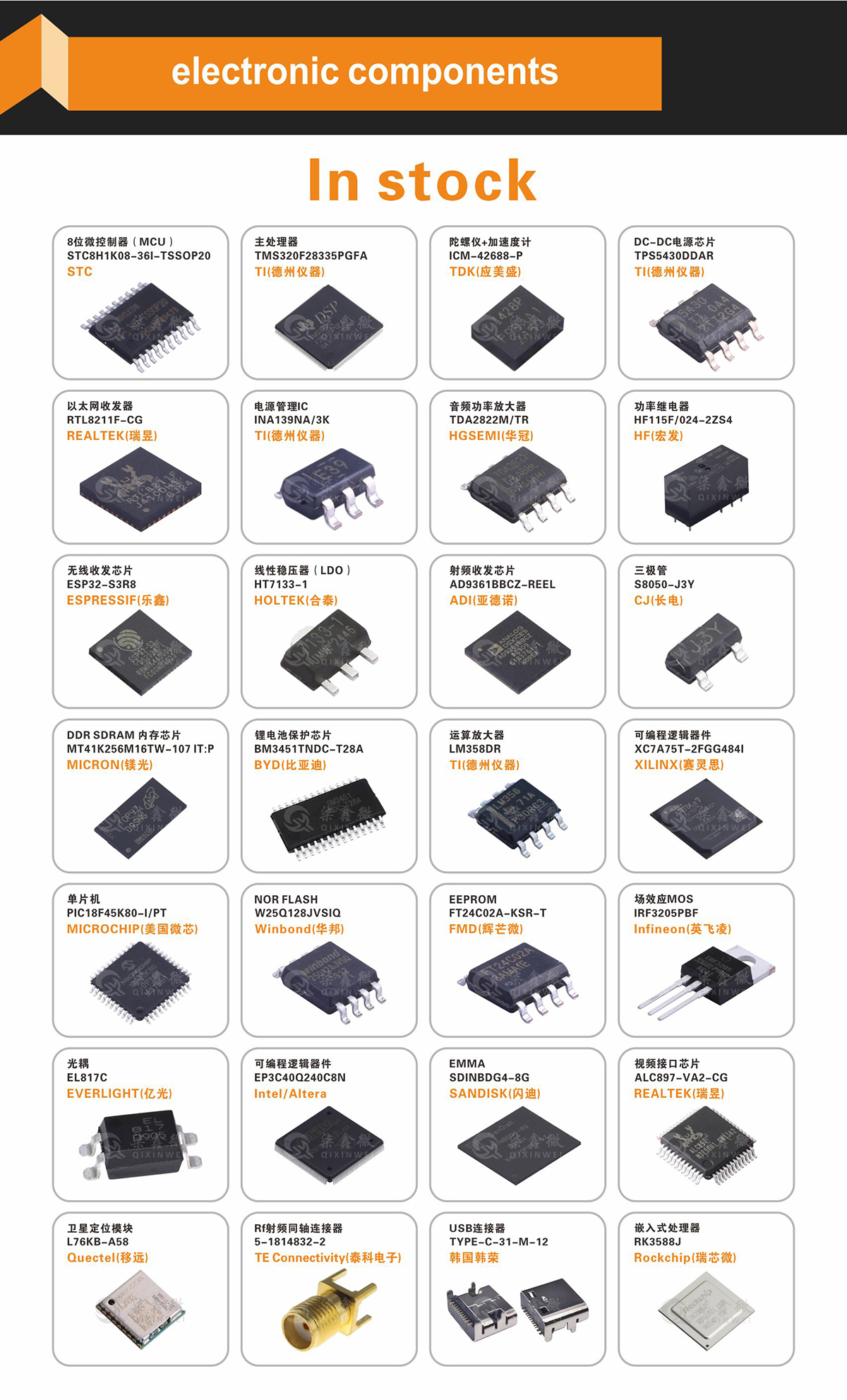
STM32F777NIH6 ST Mainstream Arm Cortex-M7 High-Performance 32-bit MCU 2MB Flash 512KB SRAM Dual Quad SPI CAN FD Ethernet USB OTG Crypto TFBGA-216
STM32F777NIH6 Product Overview
STM32F777NIH6 is a Cortex-M7 MCU at 216 MHz with double-precision FPU, TFBGA-216. 2 MB Flash, 512 KB SRAM (128 KB DTCM, 16 KB ITCM), LCD-TFT controller, Chrom-ART (DMA2D), Ethernet MAC, USB OTG HS/FS, DCMI, HW crypto (AES/3DES/HASH/RNG), CAN FD, FMC (SDRAM), dual Quad SPI, 2×SAI, SPDIF-Rx, SPDIF-Tx, 3×12-bit ADCs (24 ch), 2×12-bit DACs, 17 timers (2× advanced motor control). 168 x 5 V-tolerant I/Os. 1.7–3.6 V, -40–85 °C. Compared to F767, adds dual Quad SPI and SPDIF-Tx for faster memory and audio out, ideal for space-constrained high-performance graphics and communication.
STM32F777NIH6 Core Features
Core: Cortex-M7 216 MHz, DPFPU + L1 cache + ART Memory: 2 MB Flash, 512 KB SRAM (128 KB DTCM, 16 KB ITCM) Display: LCD-TFT, Chrom-ART (DMA2D) Memory I/F: FMC (SDRAM/NOR/NAND), Dual Quad SPI Connectivity: Ethernet MAC, USB OTG HS/FS, CAN FD, DCMI, SDIO, 2×SAI, SPDIF-Rx, SPDIF-Tx, 4×USART+4×UART, 6×SPI/I2S, 3×I2C Security: AES/3DES/HASH (MD5/SHA-1), True RNG Analog: 3×12-bit ADCs (24 ch), 2×12-bit DACs Timers: 17 (2× motor control PWM/deadtime, 10× GP, 2× basic, 2× WDT) I/Os: 168 (5 V-tolerant) Package: TFBGA-216
STM32F777NIH6 Applications
Advanced HMI, real-time Ethernet & CAN FD gateways, motor control, audio processing, secure communication, space-constrained high-performance systems
STM32F777NIH6 Key Advantages
DPFPU + 2 MB Flash + 512 KB SRAM: High compute and massive storage Dual Quad SPI + Ethernet + CAN FD: High-speed memory and multi-protocol communication SPDIF-Tx + SAI: Multi-channel audio I/O LCD-TFT + Chrom-ART: Smooth graphics TFBGA-216 compact package, 168 I/Os
Why Choose QIXINWEI
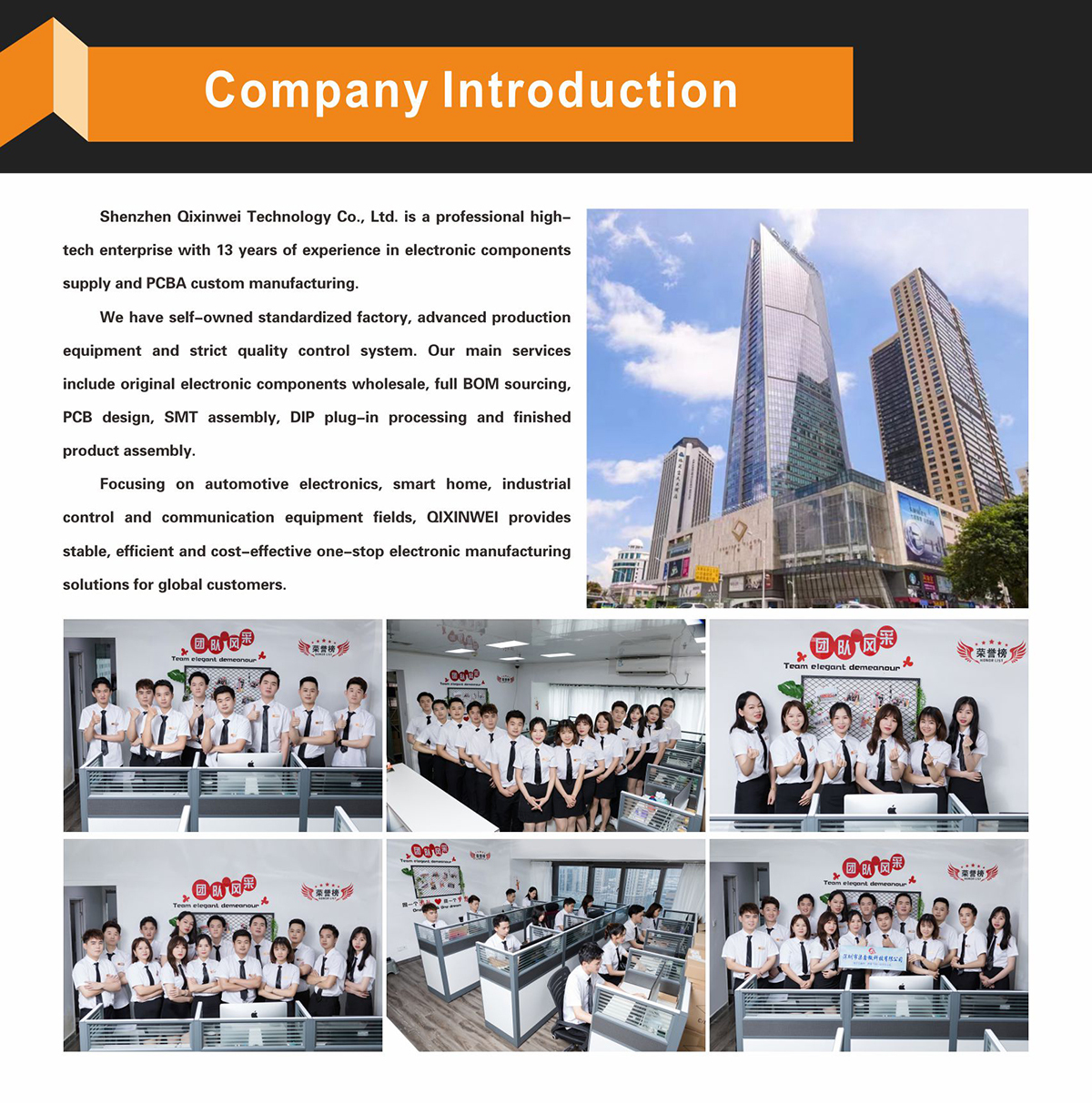
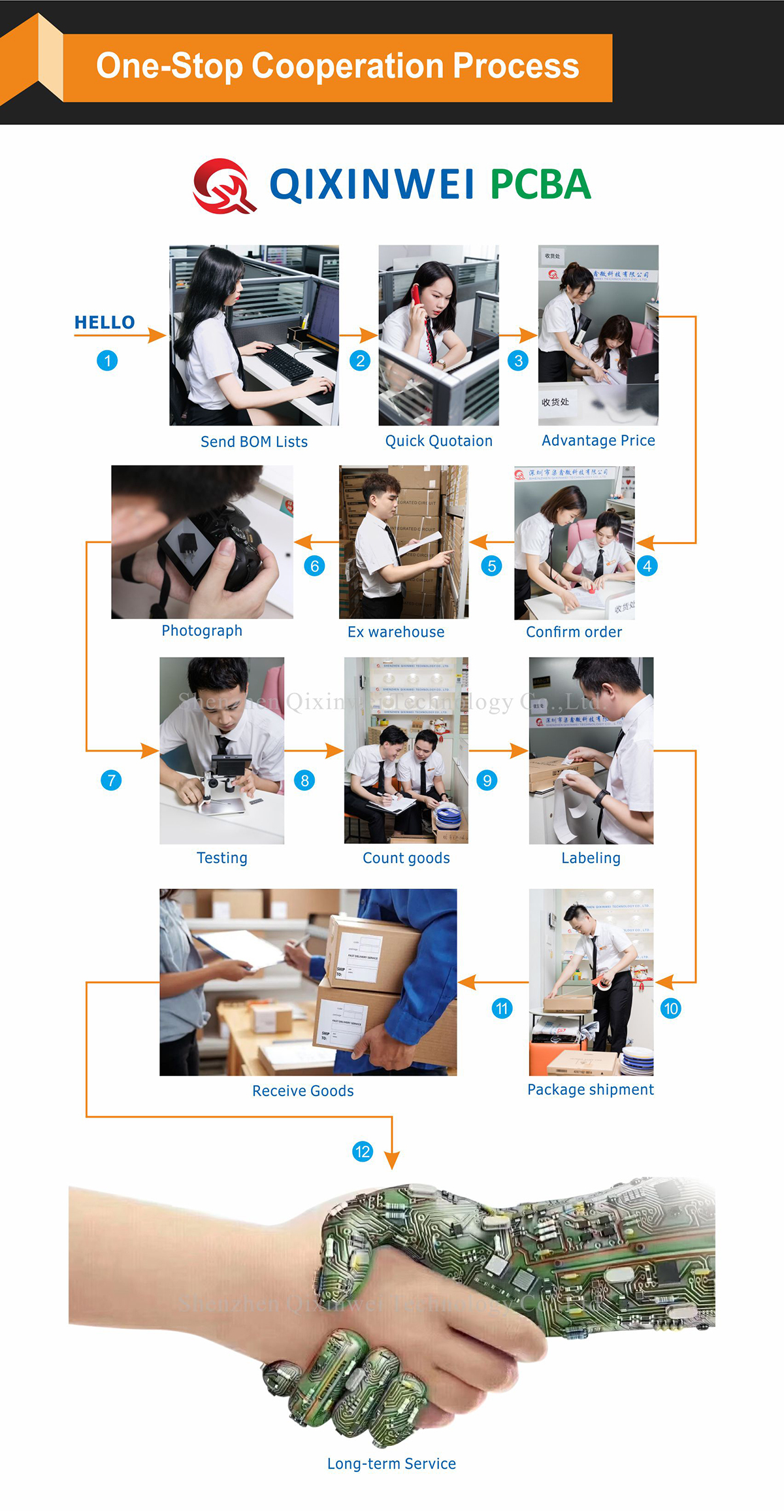
Years of experience in the electronics industry. Trusted by global customers.
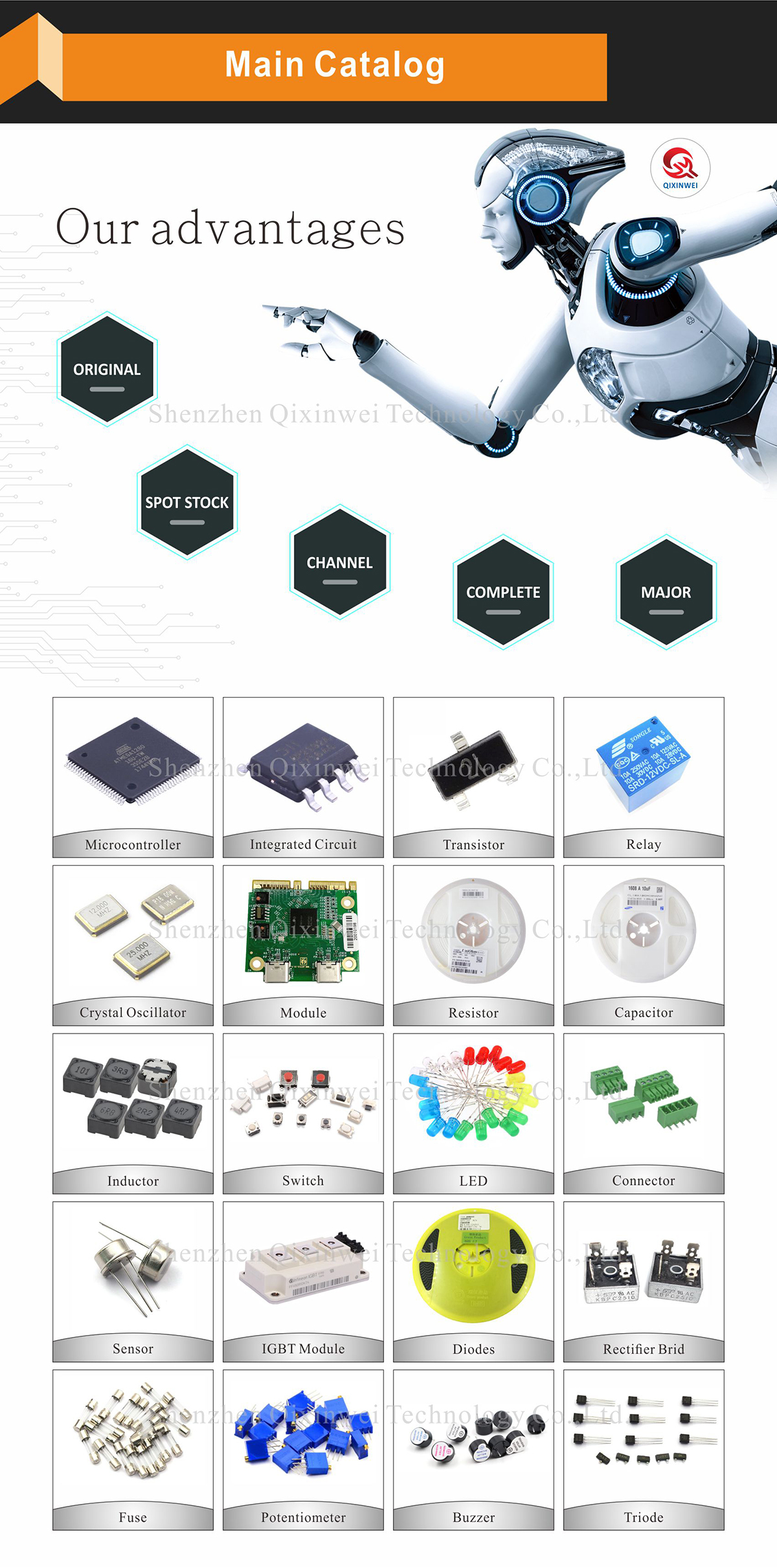
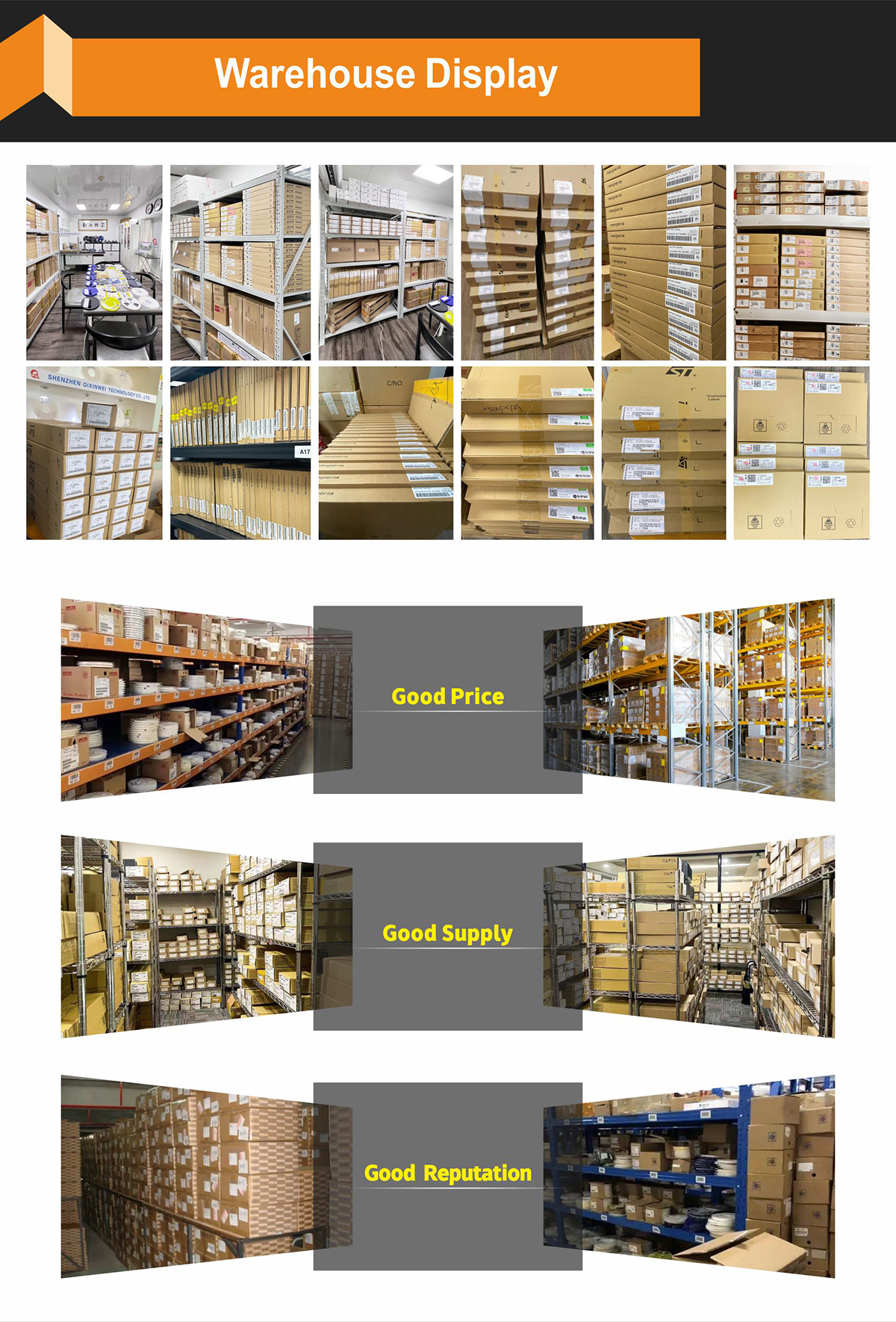
Massive In-Stock Inventory – Ready to ship promptly.
BOM Matching Service – One-stop solution, save time.
PCBA Customization – Professional engineering team creates tailor-made solutions based on your needs.
Cost-Effective & Efficient – Better channel, better cost.
A dedicated team makes your procurement smoother.
Contact us for BOM quotes or PCBA inquiries.



FAQ:
What is the STM32F777NIH6 and what are its standout features compared to other STM32F7 MCUs?
The STM32F777NIH6 is a high‑performance Arm Cortex‑M7 microcontroller with a 216 MHz core, double‑precision FPU, 2 MB Flash, and 512 KB of system SRAM (plus TCM). Its key differentiators in the F7 family are the integrated hardware JPEG codec, Chrom‑ART accelerator for fast 2D graphics, and MIPI DSI host controller, making it a multimedia‑centric choice for embedded HMIs and imaging applications.How much internal memory does the STM32F777NIH6 provide? Can complex graphics and large frame buffers fit inside?
It provides 2 MB of Flash and 512 KB of general‑purpose SRAM, along with 16 KB of instruction and 16 KB of data TCM. The large on‑chip SRAM can hold substantial frame buffers for TFT displays, while the Chrom‑ART Accelerator offloads pixel‑copy and blending operations from the CPU. This often eliminates the need for external SDRAM in moderate‑resolution GUI designs, saving BOM and PCB space.How does the double‑precision floating‑point unit benefit applications, and where would I use it?
The double‑precision FPU supports 64‑bit IEEE 754 operations directly in hardware, greatly accelerating algorithms like digital signal processing, motor control, sensor fusion, and audio processing. It avoids the overhead of software emulation or the reduced precision of single‑float only, making it ideal for industrial drives, scientific instruments, and high‑fidelity audio.What is the Chrom‑ART Accelerator and how does it improve graphical performance?
Chrom‑ART is a dedicated 2D DMA‑like engine that performs pixel‑format conversion, alpha blending, and image copying without CPU intervention. It can directly fill and manage the LCD frame buffer, substantially lowering CPU load during GUI rendering. When used with ST’s TouchGFX or other embedded GUI frameworks, it enables smooth transitions and animations even at high display resolutions.Does the STM32F777NIH6 support JPEG encoding and decoding in hardware?
Yes, it integrates a hardware JPEG codec that handles baseline JPEG encoding and decoding. This is very useful for storing camera snapshots, previewing MJPEG video streams, or decompressing images from external memory, all with minimal CPU intervention and reduced power consumption.What display interfaces does the STM32F777NIH6 have? Can it drive a MIPI DSI screen directly?
It includes a parallel TFT‑LCD controller (24‑bit RGB) and a MIPI DSI host controller with two data lanes. The MIPI DSI interface can directly drive compatible LCD panels up to XGA resolution (1024×768), reducing the need for external bridges and simplifying high‑quality display integration in space‑constrained devices.What high‑speed connectivity options are available, and can it handle Ethernet and USB simultaneously?
The chip provides a 10/100 Ethernet MAC with MII/RMII, two USB OTG interfaces (one high‑speed with ULPI, one full‑speed), and dual CAN 2.0B. The high‑speed USB, coupled with the large SRAM, can sustain fast data transfers while Ethernet handles network traffic concurrently, a common requirement in industrial gateways and embedded web servers.How challenging is it to solder and prototype with the TFBGA‑216 package of the STM32F777NIH6?
The TFBGA‑216 has a 0.8 mm ball pitch, which is manageable with a reflow oven or a skilled technician using hot air, but it is not practical for hand soldering with a standard iron. For prototyping, many developers start with an ST evaluation board (e.g., STM32F769I‑DISCO) or design a small‑batch PCB with proper solder paste stencil and preheating, then scale to production.How does the STM32F777NIH6 compare with the STM32F767? Is the upgrade worth it?
Both share a similar Cortex‑M7 core and memory footprint. The F777 adds the hardware JPEG codec, the MIPI DSI interface, and the Chrom‑ART Accelerator. If your application deals with JPEG images or needs a MIPI display with smooth GUI performance, the F777 offers a noticeable hardware advantage that reduces CPU workload and simplifies software design.What are the best fit applications for the STM32F777NIH6 given its multimedia peripherals and high memory density?
It excels in advanced human‑machine interfaces (HMI) with rich animations, industrial IoT gateways with web‑based configuration, medical imaging terminals, high‑end test and measurement equipment, and smart home control panels. The combination of 2 MB Flash, large SRAM, hardware graphics engines, and MIPI DSI makes it a solid choice for responsive, visually rich embedded systems.
- Property:
- Specification
- Product Type:
- Arm Cortex-M7 High-Performance 32-bit MCU
- Brand:
- STMicroelectronics
- Core:
- Cortex-M7 216 MHz (Double-precision FPU)
- Package:
- TFBGA-216
- Memory:
- 2 MB Flash, 512 KB SRAM
- Connectivity:
- Ethernet, USB OTG, CAN FD, DCMI
- Memory I/F:
- FMC, Dual Quad SPI
- Display:
- LCD-TFT, Chrom-ART
- I/Os:
- 168
- Voltage:
- 1.7V–3.6V