qixinwei-pcba


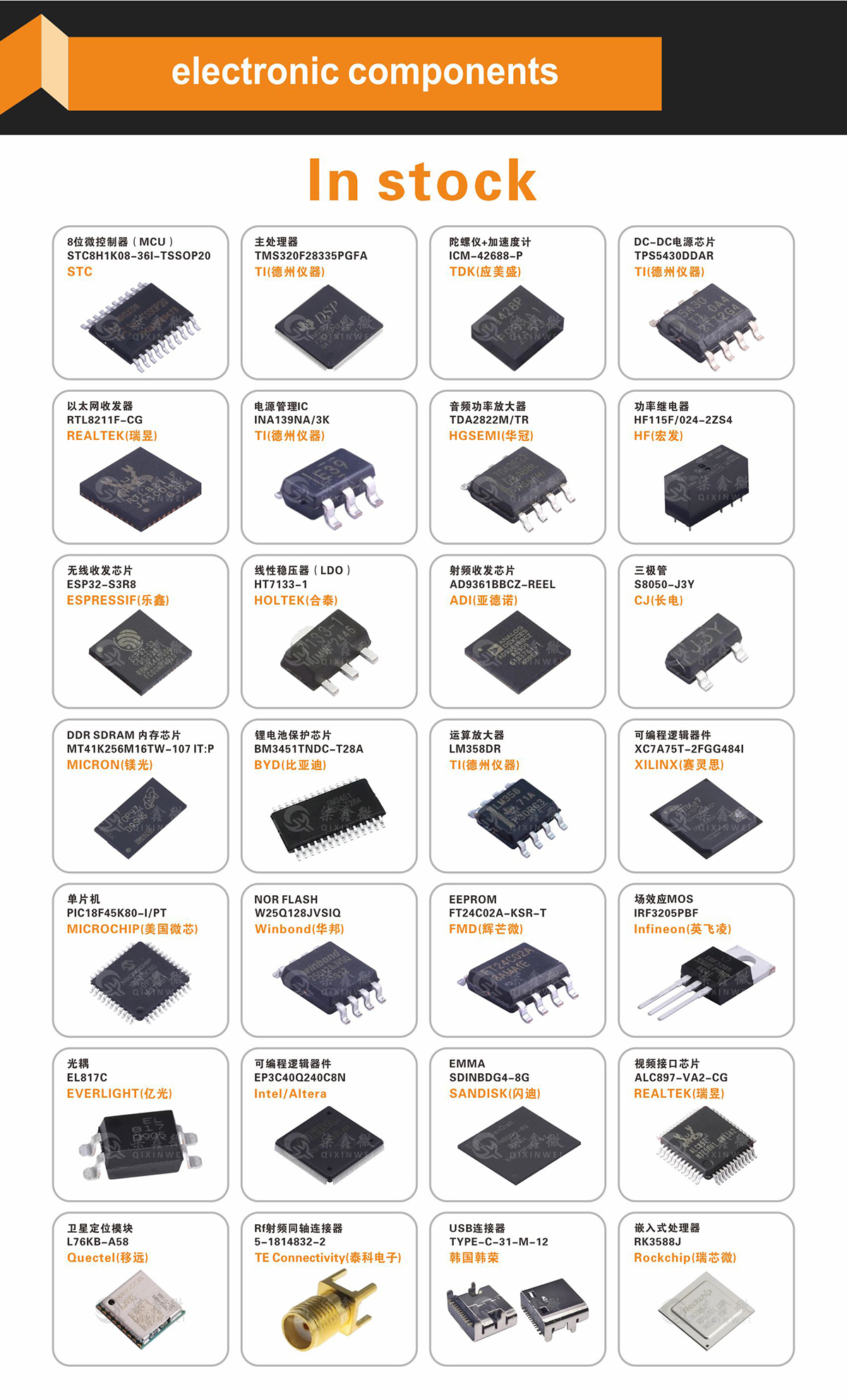
STM32F767VIT6 ST Mainstream Arm Cortex-M7 High-Performance 32-bit MCU 2MB Flash 512KB SRAM CAN FD Ethernet USB OTG Crypto LQFP-100
STM32F767VIT6 Product Overview
STM32F767VIT6 is a Cortex-M7 MCU at 216 MHz with double-precision FPU, LQFP-100. 2 MB Flash, 512 KB SRAM (128 KB DTCM, 16 KB ITCM), LCD-TFT controller, Chrom-ART (DMA2D), Ethernet MAC, USB OTG HS/FS, DCMI, HW crypto (AES/3DES/HASH/RNG), CAN FD, FMC (SDRAM), Quad SPI, 2×SAI, SPDIF-Rx, 3×12-bit ADCs (16 ch), 2×12-bit DACs, 17 timers (2× advanced motor control). 82 x 5 V-tolerant I/Os. 1.7–3.6 V, -40–85 °C. Compact 100-pin package with 2 MB Flash and CAN FD for space-constrained large-code applications.
STM32F767VIT6 Core Features
Core: Cortex-M7 216 MHz, DPFPU + L1 cache + ART Memory: 2 MB Flash, 512 KB SRAM (128 KB DTCM, 16 KB ITCM) Display: LCD-TFT, Chrom-ART (DMA2D) Memory I/F: FMC (SDRAM/NOR/NAND) Connectivity: Ethernet MAC, USB OTG HS/FS, CAN FD, DCMI, SDIO, Quad SPI, 2×SAI, SPDIF-Rx, 4×USART+4×UART, 6×SPI/I2S, 3×I2C Security: AES/3DES/HASH (MD5/SHA-1), True RNG Analog: 3×12-bit ADCs (16 ch), 2×12-bit DACs Timers: 17 (2× motor control PWM/deadtime, 10× GP, 2× basic, 2× WDT) I/Os: 82 (5 V-tolerant) Package: LQFP-100
STM32F767VIT6 Applications
Industrial HMI, real-time Ethernet & CAN FD nodes, advanced motor control, audio processing, secure communication, space-constrained high-integration systems
STM32F767VIT6 Key Advantages
DPFPU + 2 MB Flash + 512 KB SRAM: High compute power and massive storage CAN FD + Ethernet: High-speed industrial communication LCD-TFT + Chrom-ART: Smooth graphics Hardware crypto engine: Data security 82 I/Os in compact 100-pin package
Why Choose QIXINWEI
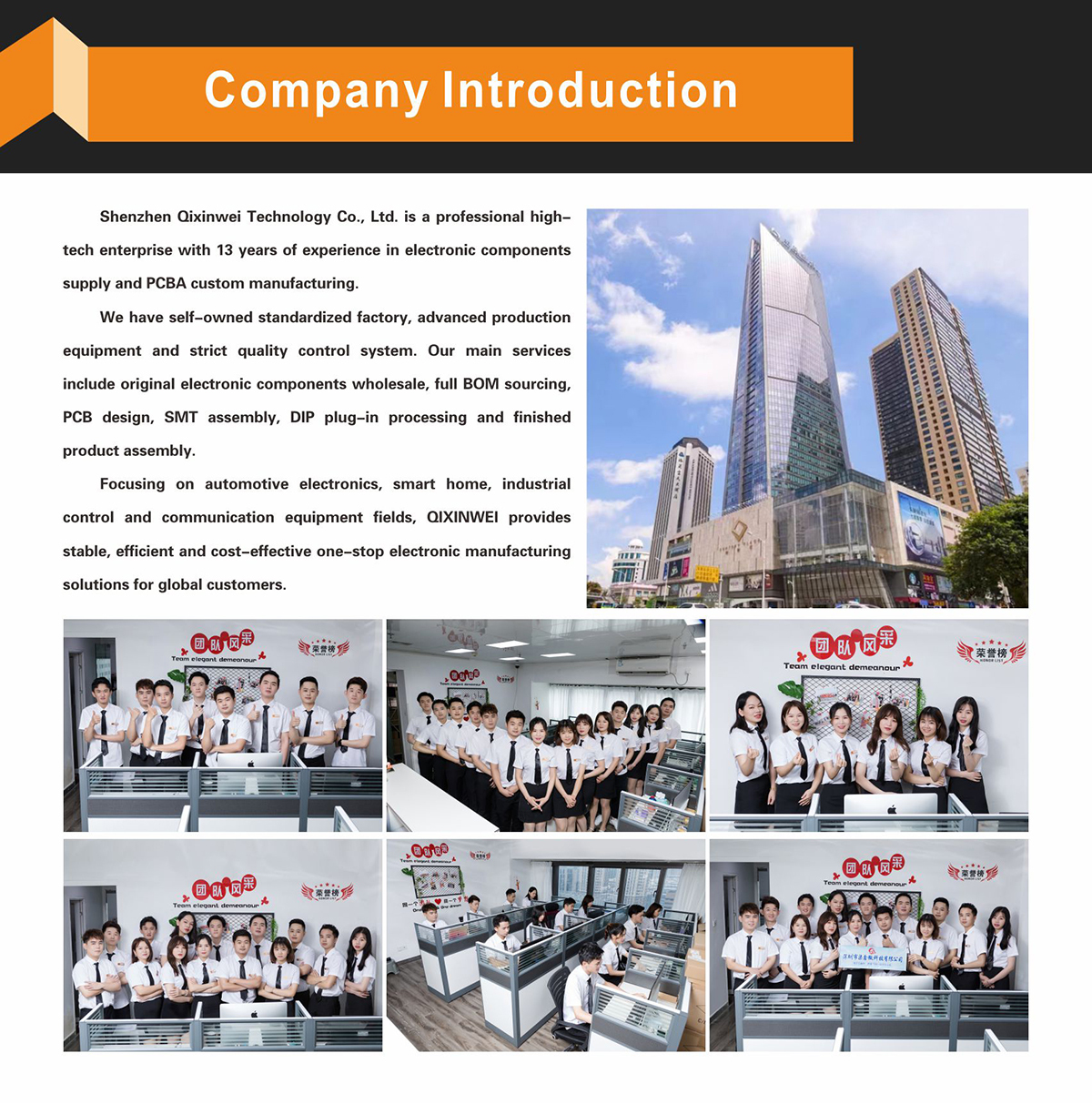
Years of experience in the electronics industry. Trusted by global customers.
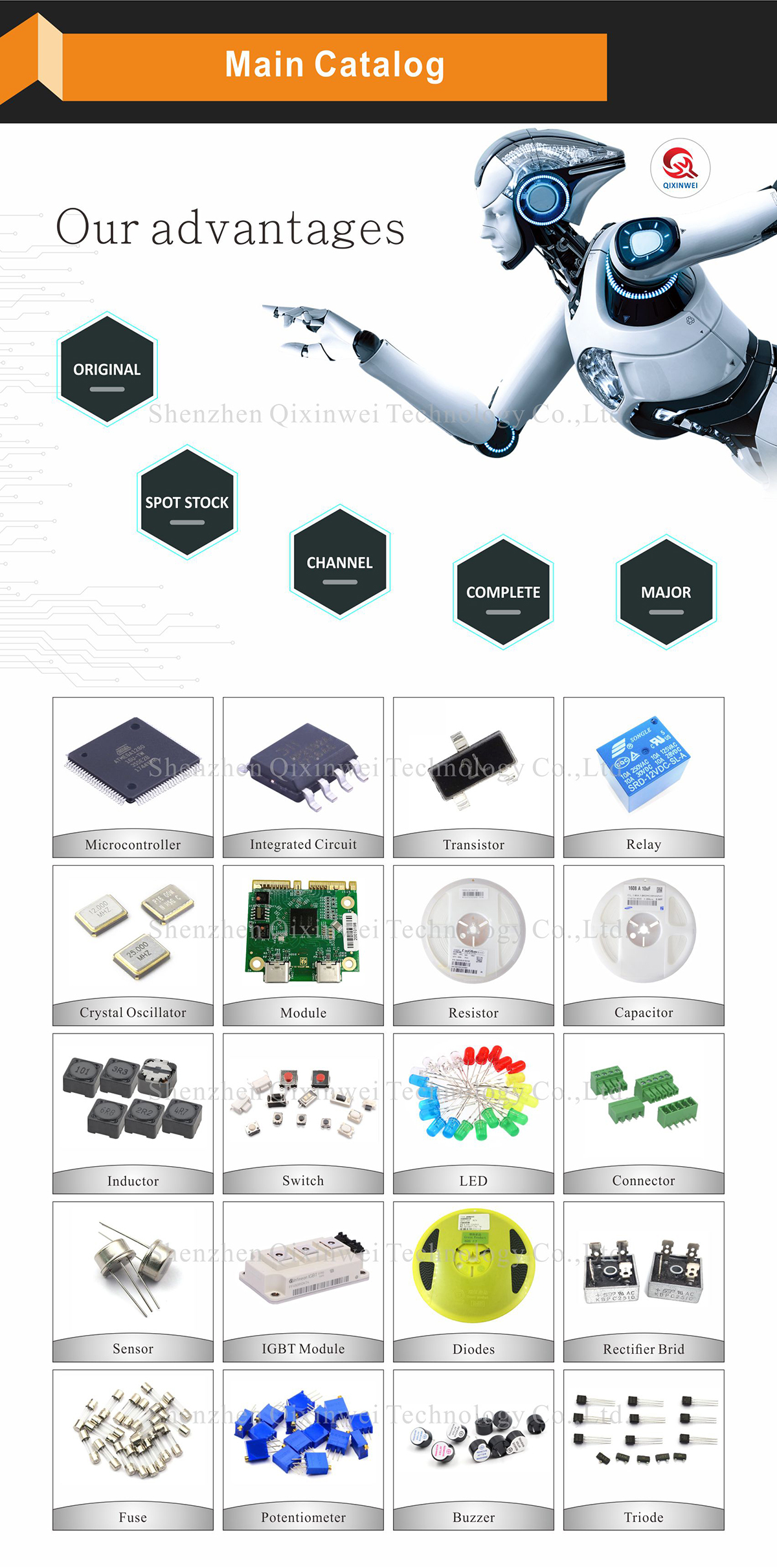
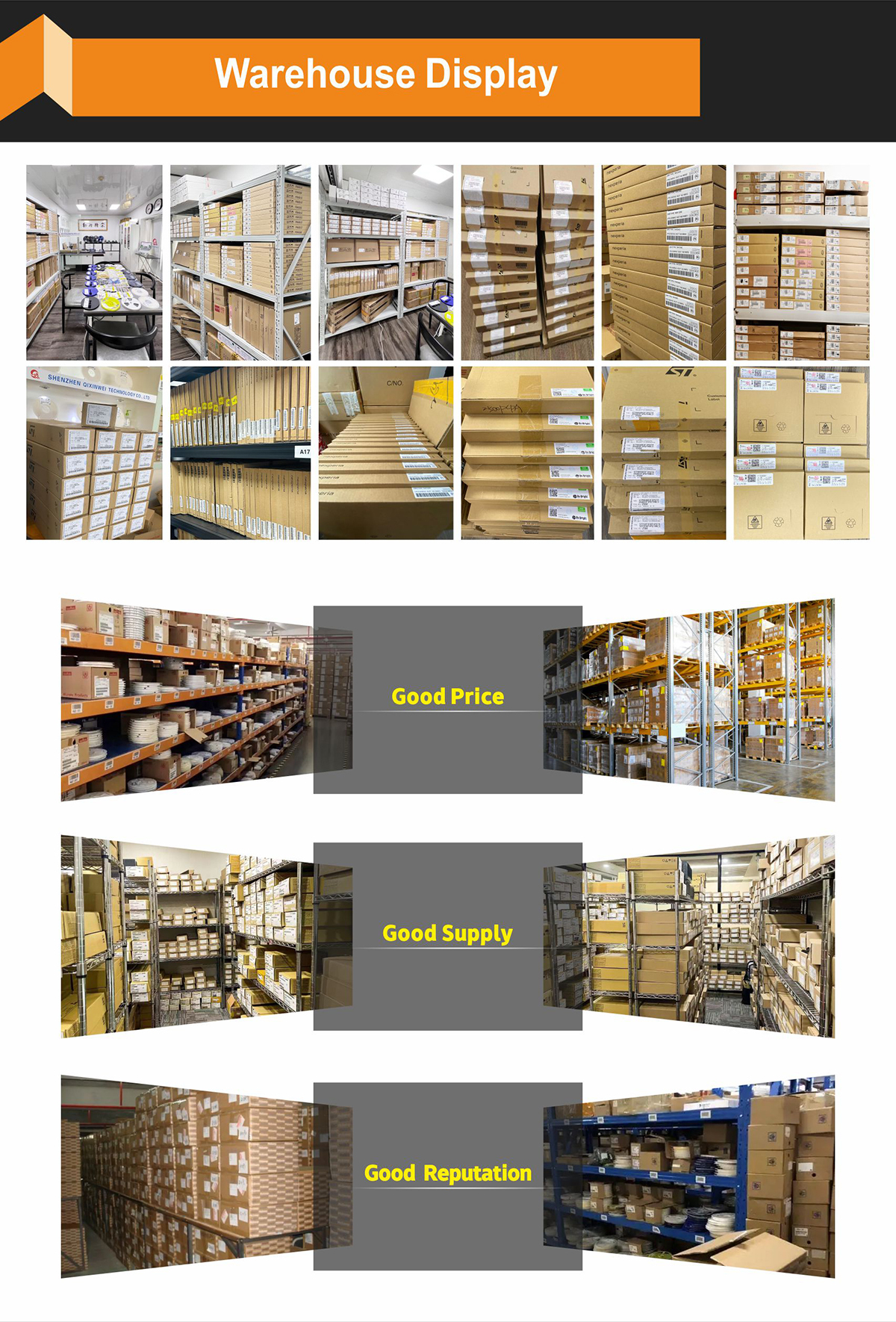
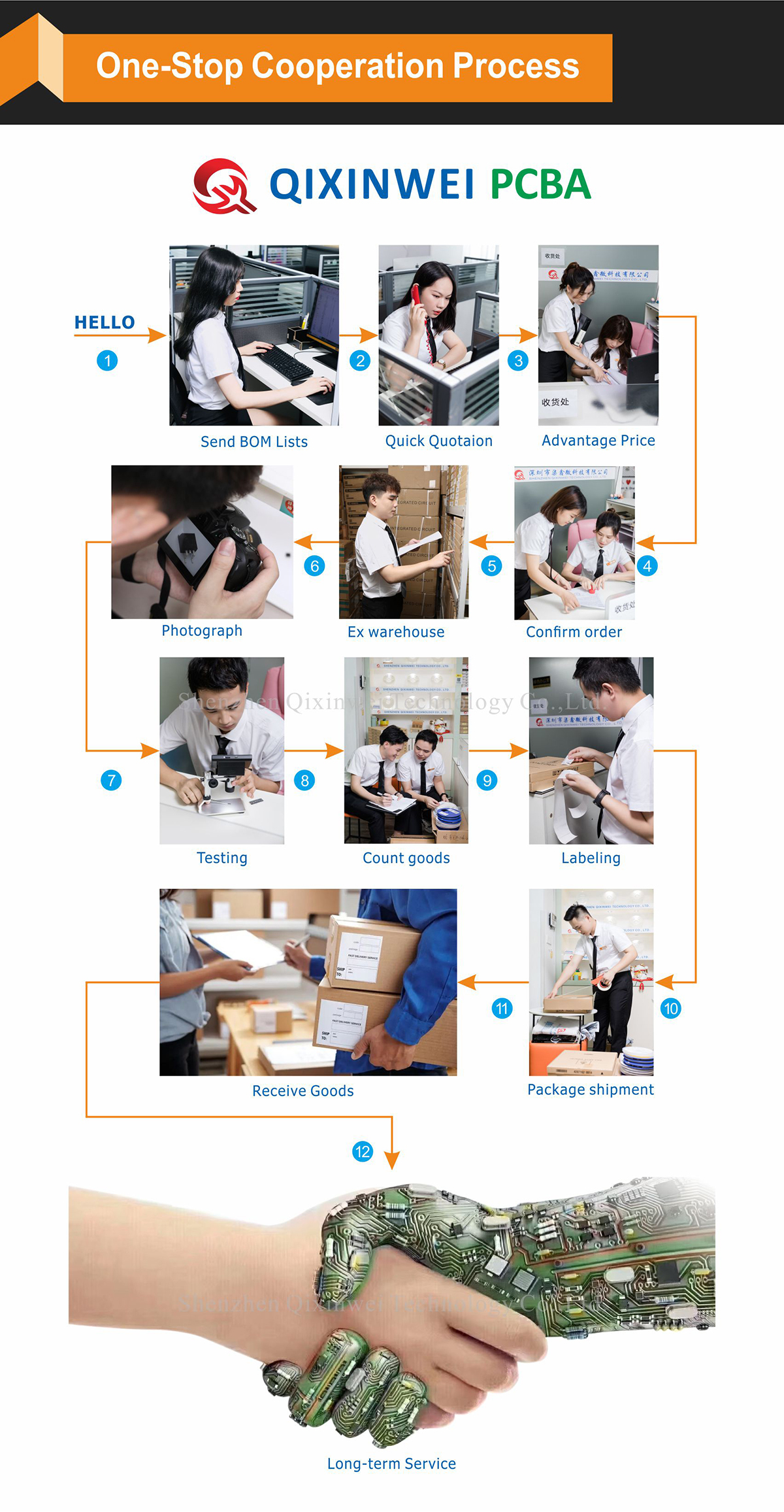
Massive In-Stock Inventory – Ready to ship promptly.
BOM Matching Service – One-stop solution, save time.
PCBA Customization – Professional engineering team creates tailor-made solutions based on your needs.
Cost-Effective & Efficient – Better channel, better cost.
A dedicated team makes your procurement smoother.
Contact us for BOM quotes or PCBA inquiries.



FAQ:
What is the STM32F767VIT6 and what makes it stand out in the F7 series?
The STM32F767VIT6 is a high‑performance Arm Cortex‑M7 microcontroller running at 216 MHz with double‑precision FPU, 2 MB of Flash, and 512 KB of SRAM. Packaged in a compact LQFP‑100 body, it delivers the core F7 graphics features (Chrom‑ART Accelerator and TFT‑LCD controller) but with double the Flash of the common 1 MB variants. It is tailored for feature‑rich applications that require large firmware and asset storage without moving to a BGA package.How can the 2 MB Flash be used effectively? Can it store GUI images, fonts, and a file system together with the application?
Absolutely. 2 MB of Flash provides enough room for a full‑featured RTOS, a complex communication stack, and still leaves 500 KB to 1 MB for graphical assets (images, fonts, icons) or even a small embedded file system. This frequently removes the need for an external NOR or NAND Flash, reducing both board space and BOM cost.How does the STM32F767VIT6 differ from the STM32F767ZGT6? When should I pick VIT6 over ZGT6?
Both share the same core, Chrom‑ART, and 512 KB SRAM. The main differences are Flash size and I/O count: VIT6 provides 2 MB of Flash in an LQFP‑100 package, while ZGT6 offers 1 MB of Flash in a larger LQFP‑144 package. Choose VIT6 when you need double the Flash for code and assets but want a smaller, lower‑pin‑count PCB; pick ZGT6 if 1 MB Flash is enough and your design requires many more I/O pins.Is the LQFP‑100 package suitable for hand soldering and prototyping, and how does it compare to BGA?
Yes. With a 0.5 mm pitch and exposed leads, LQFP‑100 can be reliably drag‑soldered using a fine‑tip iron and flux. It is much more prototyping‑friendly than BGA packages and allows visual inspection of every joint. This makes it a great choice for low‑volume production and lab environments where rework is expected.What graphics performance can the STM32F767VIT6 deliver without MIPI DSI or hardware JPEG?
The Chrom‑ART Accelerator (DMA2D) handles pixel‑format conversion, blending, and copying in hardware, offloading the CPU during GUI rendering. The parallel TFT‑LCD controller supports resolutions up to XGA (1024×768). While it lacks MIPI DSI, most industrial and home‑automation panels still use parallel RGB interfaces, so the VIT6 is a perfect fit. The absence of hardware JPEG means software JPEG decoding may be needed, but for vector graphics and pre‑decoded images this is often not an issue.Can the STM32F767VIT6 handle Ethernet, USB high‑speed, and a full GUI at the same time?
Yes. It includes a 10/100 Ethernet MAC, a USB high‑speed OTG (with ULPI), and a full‑speed USB OTG. The 512 KB SRAM and intelligent DMA system allow TCP/IP traffic, USB data transfers, and LCD refresh to happen concurrently without overwhelming the CPU. This is a typical configuration for smart industrial gateways with local display.How does the double‑precision FPU benefit real‑world applications? Can it improve motor control algorithms?
The double‑precision floating‑point unit accelerates 64‑bit math in hardware, drastically reducing execution time for control loops, FFT, and sensor fusion. It provides higher dynamic range and accuracy than single‑precision alone, which is especially important for long‑running industrial drives and precision measurement instruments that must avoid cumulative numerical errors.What development tools and GUI frameworks support the STM32F767VIT6? Is TouchGFX free?
It is fully supported by STM32CubeIDE (free), IAR EWARM, and Keil MDK. TouchGFX, ST’s free graphical framework, takes full advantage of the Chrom‑ART accelerator. You can quickly prototype on a compatible evaluation board, then re‑target to the VIT6 by adjusting the linker script and pin assignment in CubeMX.Can I perform secure firmware updates on the STM32F767VIT6? How does the 2 MB Flash help?
Yes. The 2 MB Flash can be partitioned into two application images (e.g., two 1 MB areas) for A/B swap OTA updates, or a single application and a large backup area. This allows true dual‑bank‑like update schemes even without hardware dual‑bank, providing a safe rollback mechanism when combined with a small custom bootloader.What are the best application scenarios for the STM32F767VIT6 with its 2 MB Flash and LQFP‑100 package?
It is ideal for feature‑dense industrial HMI panels, advanced motor drives with graphical configuration screens, building automation controllers, medical device user interfaces, and communication concentrators. The 2 MB Flash fits extensive firmware and graphical resources, while the LQFP‑100 package keeps manufacturing simple and cost‑effective compared to BGA alternatives.
- Property:
- Specification
- Product Type:
- Arm Cortex-M7 High-Performance 32-bit MCU
- Brand:
- STMicroelectronics
- Core:
- Cortex-M7 216 MHz (Double-precision FPU)
- Package:
- LQFP-100
- Memory:
- 2 MB Flash, 512 KB SRAM
- Connectivity:
- Ethernet, USB OTG, CAN FD, DCMI
- Display:
- LCD-TFT, Chrom-ART
- Security:
- AES/3DES/HASH/RNG
- I/Os:
- 82
- Voltage:
- 1.7V–3.6V