qixinwei-pcba


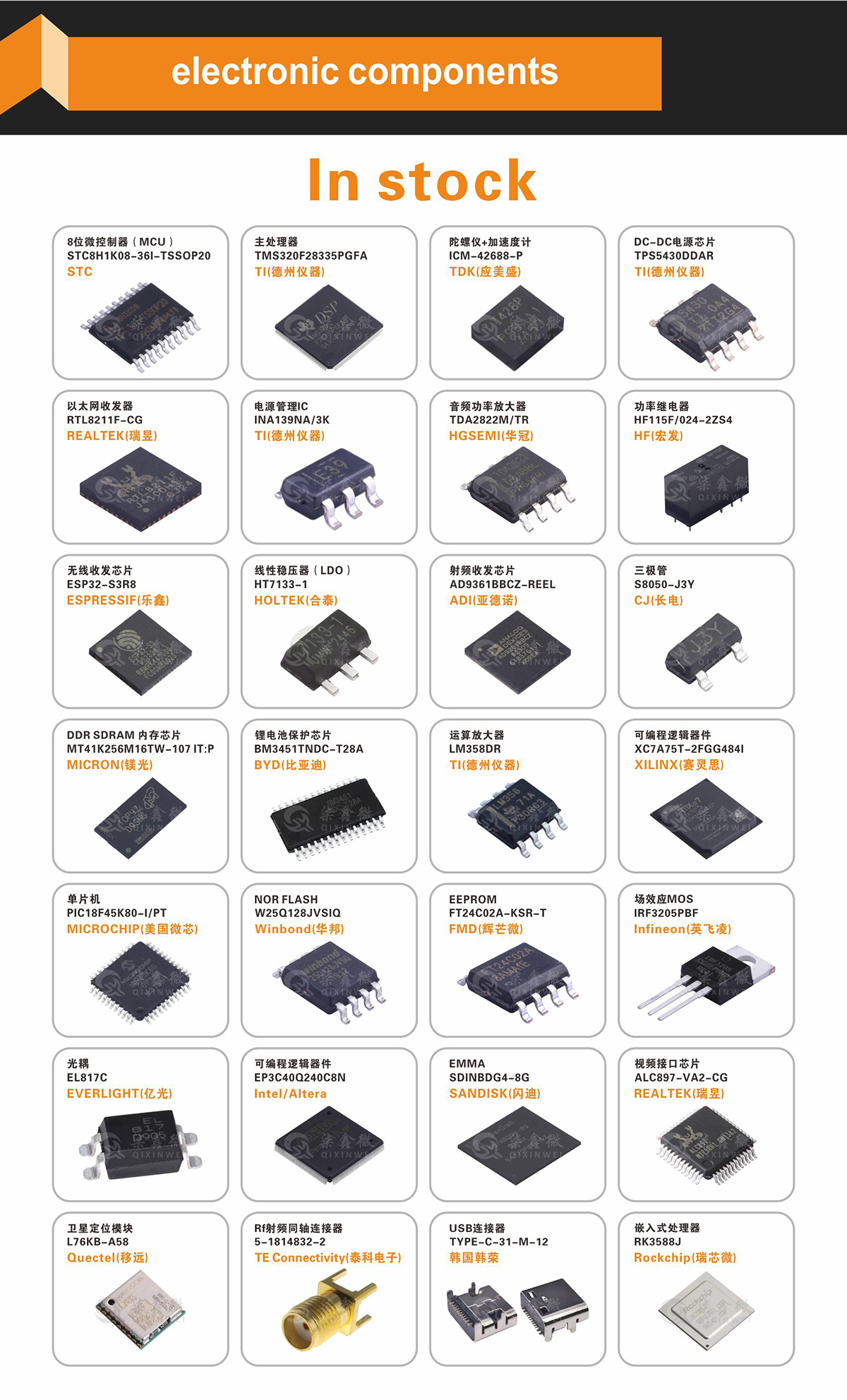
STM32F767BIT6 ST Mainstream Arm Cortex-M7 High-Performance 32-bit MCU 2MB Flash 512KB SRAM CAN FD Ethernet USB OTG Crypto LQFP-208
STM32F767BIT6 Product Overview
STM32F767BIT6 is a Cortex-M7 MCU at 216 MHz with double-precision FPU, LQFP-208. 2 MB Flash, 512 KB SRAM, LCD-TFT controller, Chrom-ART (DMA2D), Ethernet MAC, USB OTG HS/FS, DCMI, HW crypto (AES/3DES/HASH/RNG), CAN FD, FMC (SDRAM), Quad SPI, 2×SAI, SPDIF-Rx, 3×12-bit ADCs (24 ch), 2×12-bit DACs, 17 timers (2× advanced motor control). 168 x 5 V-tolerant I/Os. 1.7–3.6 V, -40–85 °C. Compared to F765, offers more I/Os and 24 ADC channels for complex system integration.
STM32F767BIT6 Core Features
Core: Cortex-M7 216 MHz, DPFPU + L1 cache + ART Memory: 2 MB Flash, 512 KB SRAM (128 KB DTCM, 16 KB ITCM) Display: LCD-TFT, Chrom-ART (DMA2D) Memory I/F: FMC (SDRAM/NOR/NAND) Connectivity: Ethernet MAC, USB OTG HS/FS, CAN FD, DCMI, SDIO, Quad SPI, 2×SAI, SPDIF-Rx, 4×USART+4×UART, 6×SPI/I2S, 3×I2C Security: AES/3DES/HASH (MD5/SHA-1), True RNG Analog: 3×12-bit ADCs (24 ch), 2×12-bit DACs Timers: 17 (2× motor control PWM/deadtime, 10× GP, 2× basic, 2× WDT) I/Os: 168 (5 V-tolerant) Package: LQFP-208
STM32F767BIT6 Applications
Industrial HMI, real-time Ethernet & CAN FD gateways, advanced motor control, audio processing, secure complex systems
STM32F767BIT6 Key Advantages
DPFPU + 2 MB Flash + 512 KB SRAM: Massive storage and compute power CAN FD + Ethernet: High-speed industrial bus and networking LCD-TFT + Chrom-ART: Smooth graphics Hardware crypto engine: Data security 168 I/Os in 208-pin high-integration package
Why Choose QIXINWEI
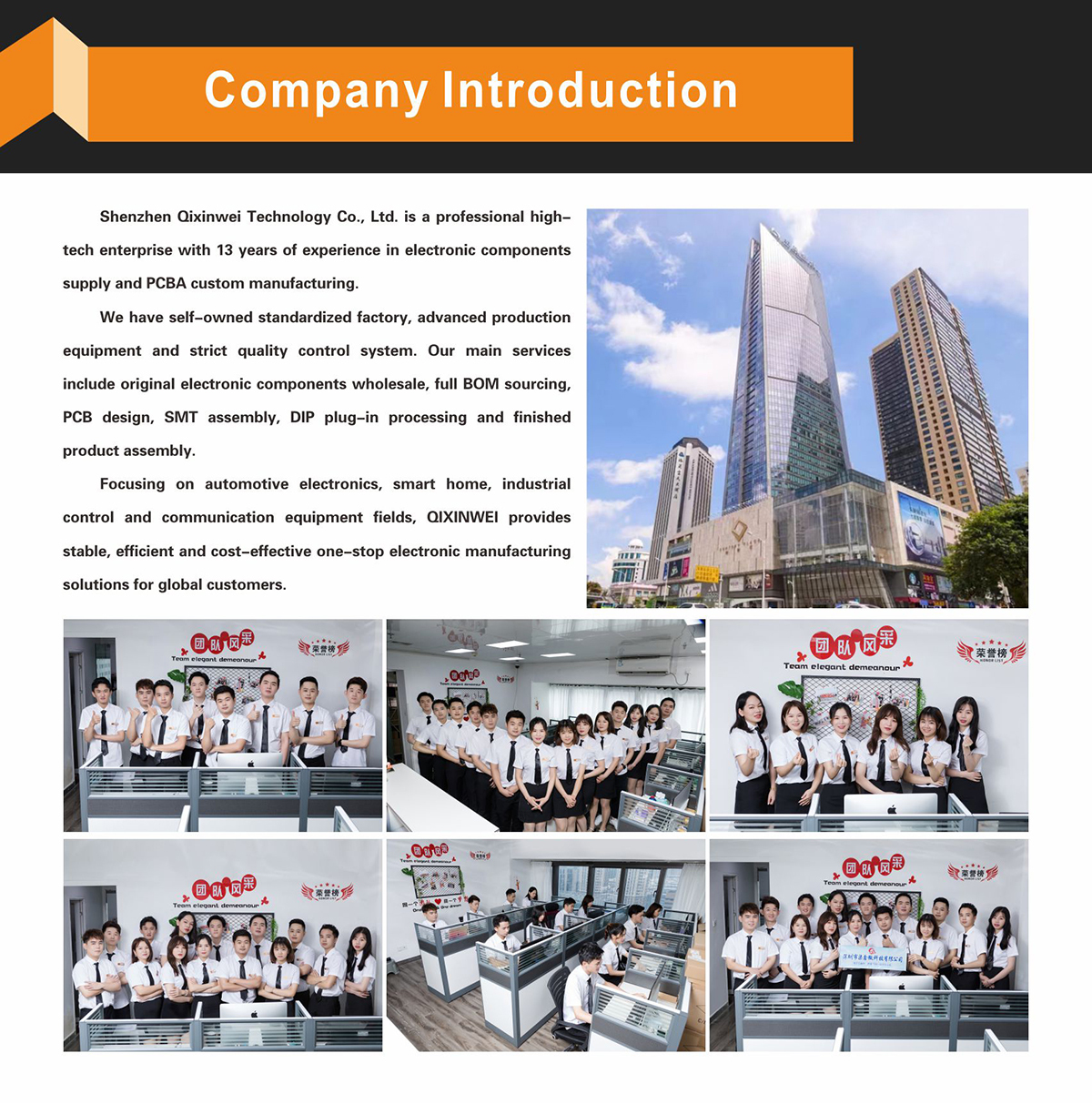
Years of experience in the electronics industry. Trusted by global customers.
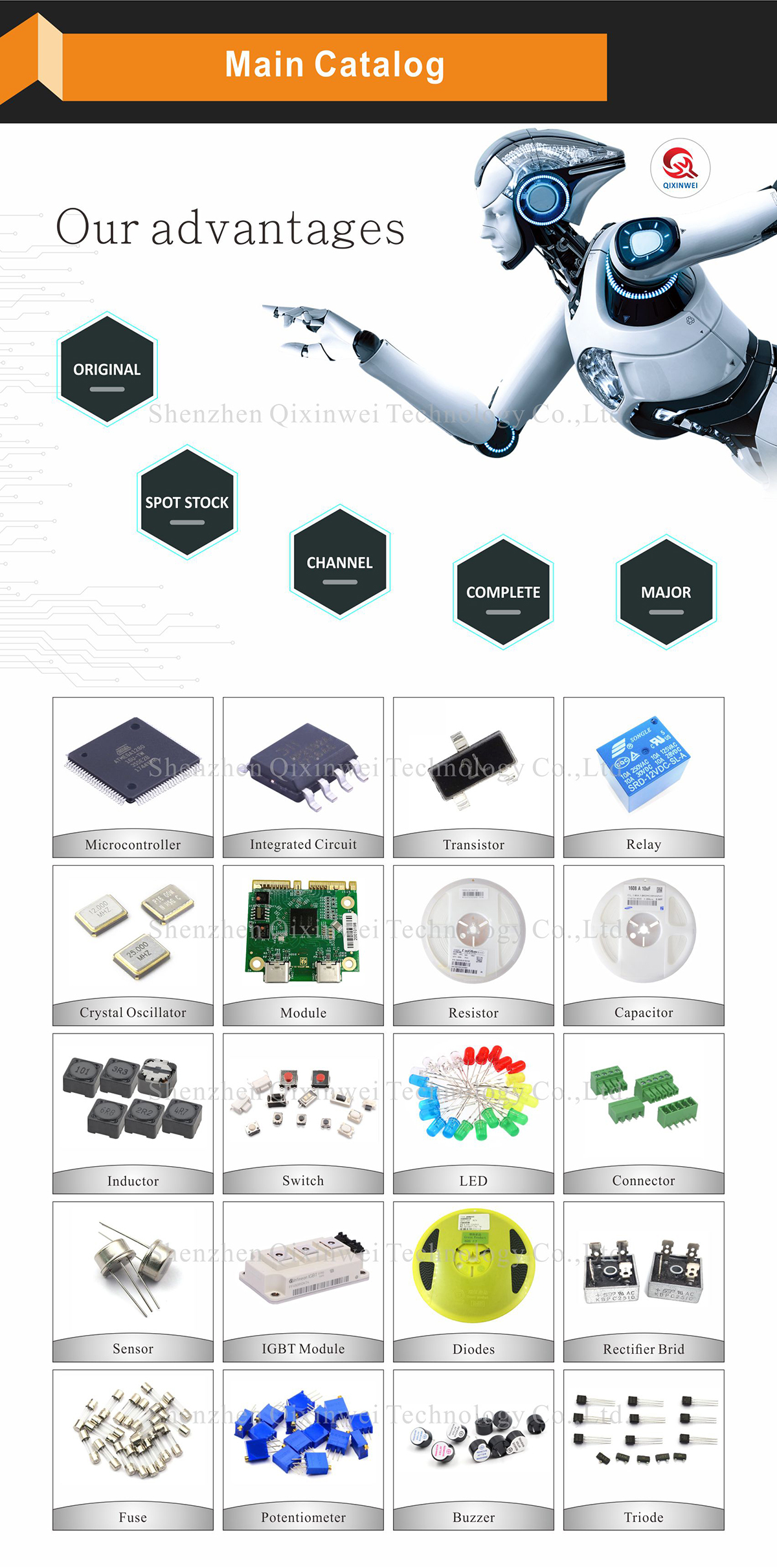
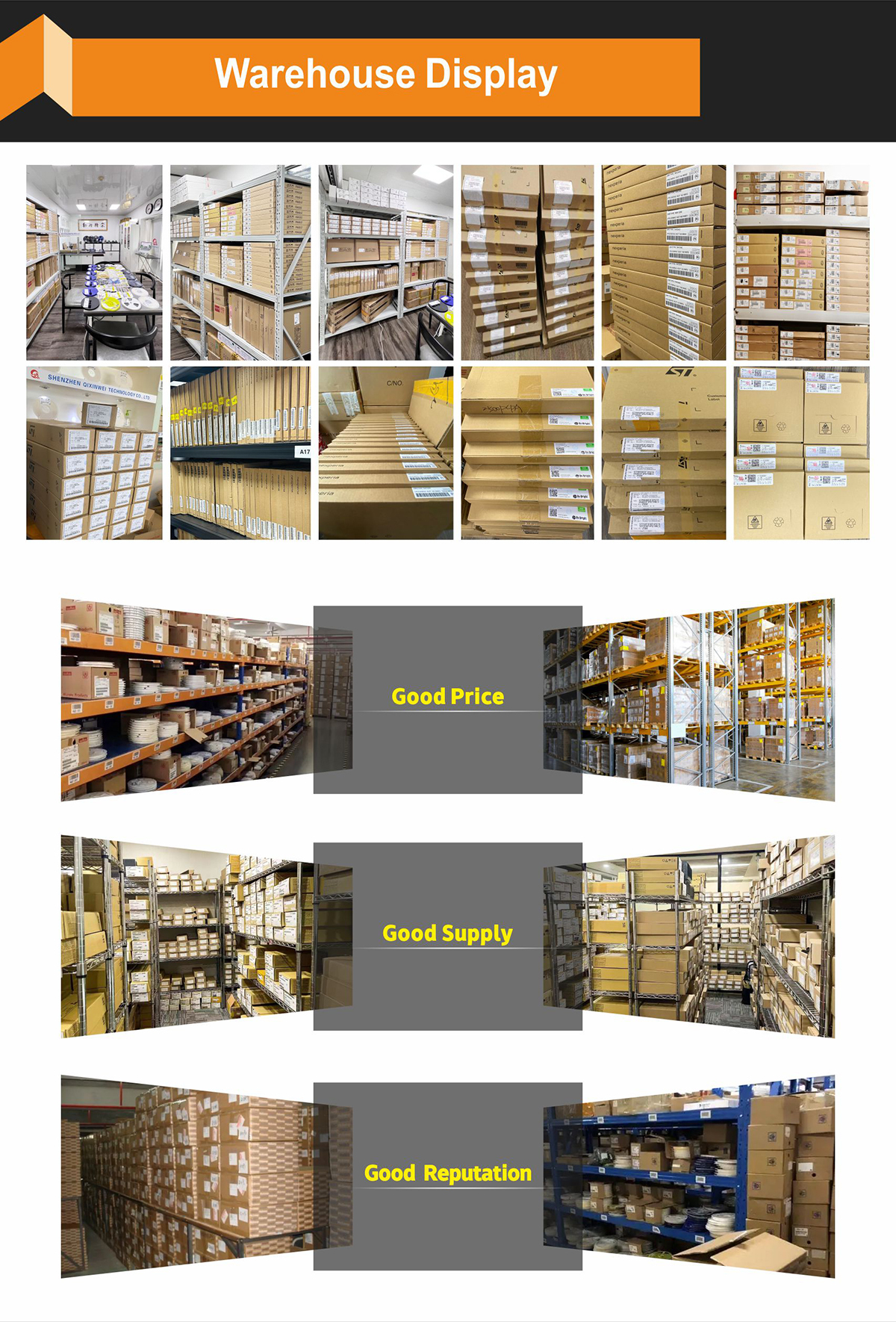
Massive In-Stock Inventory – Ready to ship promptly.
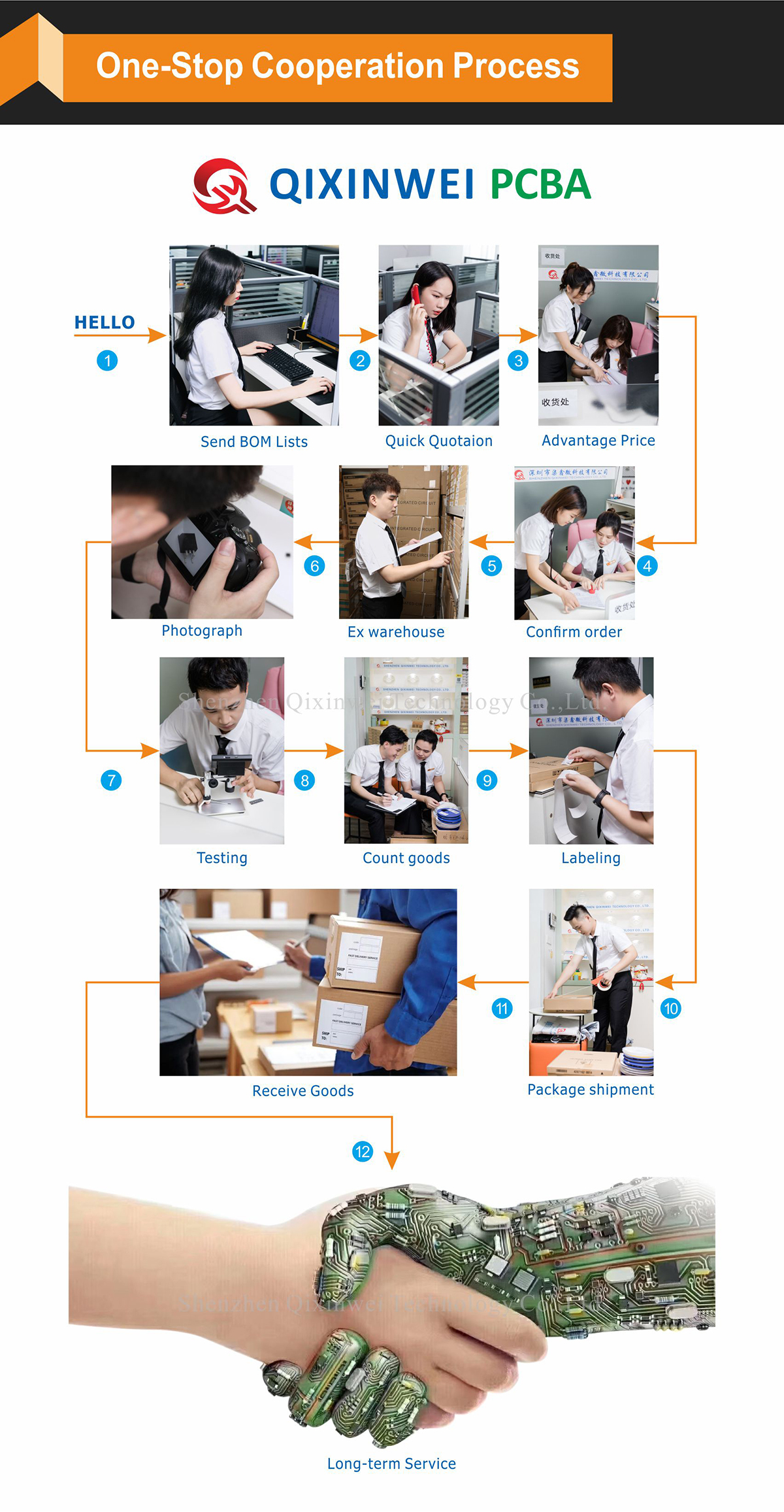
BOM Matching Service – One-stop solution, save time.
PCBA Customization – Professional engineering team creates tailor-made solutions based on your needs.
Cost-Effective & Efficient – Better channel, better cost.
A dedicated team makes your procurement smoother.
Contact us for BOM quotes or PCBA inquiries.



FAQ:
What is the STM32F767BIT6 and how does it sit at the top of the F767 lineup?
The STM32F767BIT6 is the highest‑pin‑count variant in the STM32F767 series, featuring a 216 MHz Cortex‑M7 core, 2 MB Flash, 512 KB SRAM, and the Chrom‑ART accelerator in an LQFP‑208 package. It offers the maximum I/O count of the family (up to 168 GPIOs), targeting designs that need extensive connectivity, multiple parallel interfaces, and large code storage without moving to a BGA package.How many I/O pins does the LQFP‑208 package actually provide? Can it truly replace an MCU plus external I/O expanders?
It provides up to 168 usable I/Os. With that many pins, you can connect a parallel TFT LCD, 10/100 Ethernet, USB high‑speed, multiple UARTs, SPIs, I2Cs, a keyboard matrix, and still have pins left for digital I/O or an external memory bus. In many industrial controllers, this completely eliminates the need for external I/O expanders or CPLDs, consolidating the design around a single chip.How does the STM32F767BIT6 differ from the STM32F767IIT6 and IGT6? When should I choose BIT6?
All three are high‑pin‑count devices, but BIT6 uses an LQFP‑208 (168 I/Os) while IIT6 uses LQFP‑176 (140 I/Os) and IGT6 is the 1 MB Flash version of IIT6. Choose BIT6 when even 140 GPIOs are not enough—for example, when you need to interface a 32‑bit external SRAM, a large TFT, multiple CAN/UART ports, and a complex keypad simultaneously. It also keeps 2 MB Flash, so you do not sacrifice code space.Can the 2 MB Flash store a full RTOS, TCP/IP stack, CANopen, and a complete TouchGFX GUI without external memory?
Yes. 2 MB of on‑chip Flash comfortably holds a feature‑rich RTOS, Ethernet and fieldbus stacks, plus a full GUI with fonts and bitmaps. You can reserve a dedicated area for graphical assets, leaving the external memory interface free for other purposes or simply not populating it, which reduces PCB size and BOM cost.Does the STM32F767BIT6 support simultaneous Ethernet, USB high‑speed, and TFT LCD operation?
Absolutely. The 10/100 Ethernet MAC, USB high‑speed OTG (with ULPI), and parallel TFT controller (up to XGA resolution) can all operate at the same time. The 512 KB SRAM and multi‑channel DMA handle data movement in the background, leaving the 216 MHz CPU free for application logic.How does the Chrom‑ART accelerator perform without MIPI DSI? Is the parallel RGB interface enough?
Chrom‑ART handles pixel blending, color conversion, and block copying in hardware. The built‑in LTDC drives standard parallel RGB panels up to 1024×768, which still dominate the industrial, medical, and home automation markets. The absence of MIPI DSI is rarely an issue, and the parallel interface works smoothly with the DMA2D to deliver fluid user interfaces.What are the practical advantages of the double‑precision FPU in a high‑pin‑count system like the BIT6?
The double‑precision FPU accelerates 64‑bit floating‑point math for advanced motor control, digital power conversion, and precision sensor fusion. In the BIT6, you can run multiple control loops while simultaneously managing a rich graphical interface and numerous peripherals, all without running out of I/O or computational precision.Can I migrate from an older STM32F4 design (e.g., STM32F439) to the STM32F767BIT6? Is it pin‑compatible?
The LQFP‑208 package is often used across the STM32 family, and many high‑end STM32F4 devices share a similar pinout. While a full pin‑to‑pin match is not guaranteed, the migration is straightforward: the core HAL drivers are compatible, and you can reuse most of your peripheral code. The F767 delivers a higher clock speed and the Chrom‑ART accelerator, significantly boosting graphics performance.How can I implement safe OTA firmware updates on the STM32F767BIT6 using its 2 MB single‑bank Flash?
The 2 MB Flash can be split into two 1 MB application areas (A/B scheme) or a bootloader plus a large application and a download buffer. The 512 KB SRAM can buffer the new image received via Ethernet or USB before it is written. This approach provides a full fail‑safe update mechanism, even without hardware dual‑bank Flash.What are the ideal applications for the STM32F767BIT6, and why would anyone need 168 I/Os?
It is designed for complex embedded systems that require many simultaneous interfaces: high‑end industrial HMIs with large TFTs and touch, PLC‑like controllers, CNC machine panels, energy management systems, and medical diagnostic stations. The 168 I/Os enable a single‑chip solution for what traditionally required a main MCU plus I/O expanders, reducing complexity and improving reliability.
- Property:
- Specification
- Product Type:
- Arm Cortex-M7 High-Performance 32-bit MCU
- Brand:
- STMicroelectronics
- Core:
- Cortex-M7 216 MHz (Double-precision FPU)
- Package:
- LQFP-208
- Memory:
- 2 MB Flash, 512 KB SRAM
- Connectivity:
- Ethernet, USB OTG, CAN FD, DCMI
- Display:
- LCD-TFT, Chrom-ART
- Security:
- AES/3DES/HASH/RNG
- I/Os:
- 168
- Voltage:
- 1.7V–3.6V