qixinwei-pcba


STM32F765VGT6 ST Mainstream Arm Cortex-M7 High-Performance 32-bit MCU 1MB Flash 512KB SRAM CAN FD Ethernet USB OTG Crypto LQFP-100
STM32F765VGT6 Product Overview
STM32F765VGT6 is a Cortex-M7 MCU at 216 MHz with double-precision FPU, LQFP-100. 1 MB Flash, 512 KB SRAM, LCD-TFT controller, Chrom-ART (DMA2D), Ethernet MAC, USB OTG HS/FS, DCMI, HW crypto (AES/3DES/HASH/RNG), CAN FD, FMC (SDRAM), Quad SPI, 2×SAI, SPDIF-Rx, 3×12-bit ADCs (16 ch), 2×12-bit DACs, 17 timers (2× advanced motor control). 82 x 5 V-tolerant I/Os. 1.7–3.6 V, -40–85 °C. Upgraded with 512 KB SRAM and CAN FD for high-bandwidth real-time control and graphics.
STM32F765VGT6 Core Features
Core: Cortex-M7 216 MHz, double-precision FPU + L1 cache + ART Memory: 1 MB Flash, 512 KB SRAM (128 KB DTCM, 16 KB ITCM) Display: LCD-TFT, Chrom-ART (DMA2D) Memory I/F: FMC (SDRAM/NOR/NAND) Connectivity: Ethernet MAC, USB OTG HS/FS, CAN FD, DCMI, SDIO, Quad SPI, 2×SAI, SPDIF-Rx, 4×USART+4×UART, 6×SPI/I2S, 3×I2C Security: AES/3DES/HASH (MD5/SHA-1), True RNG Analog: 3×12-bit ADCs (16 ch), 2×12-bit DACs Timers: 17 (2× motor control PWM/deadtime, 10× GP, 2× basic, 2× WDT) I/Os: 82 (5 V-tolerant) Package: LQFP-100
STM32F765VGT6 Applications
Industrial HMI, real-time Ethernet and CAN FD gateways, advanced motor control, audio processing, secure communication terminals
STM32F765VGT6 Key Advantages
Double-precision FPU + 512 KB SRAM: High compute power and large buffer CAN FD + Ethernet: Faster industrial bus and networking LCD-TFT + Chrom-ART: Smooth graphics Hardware crypto engine: Data security 82 I/Os in compact 100-pin package
Why Choose QIXINWEI
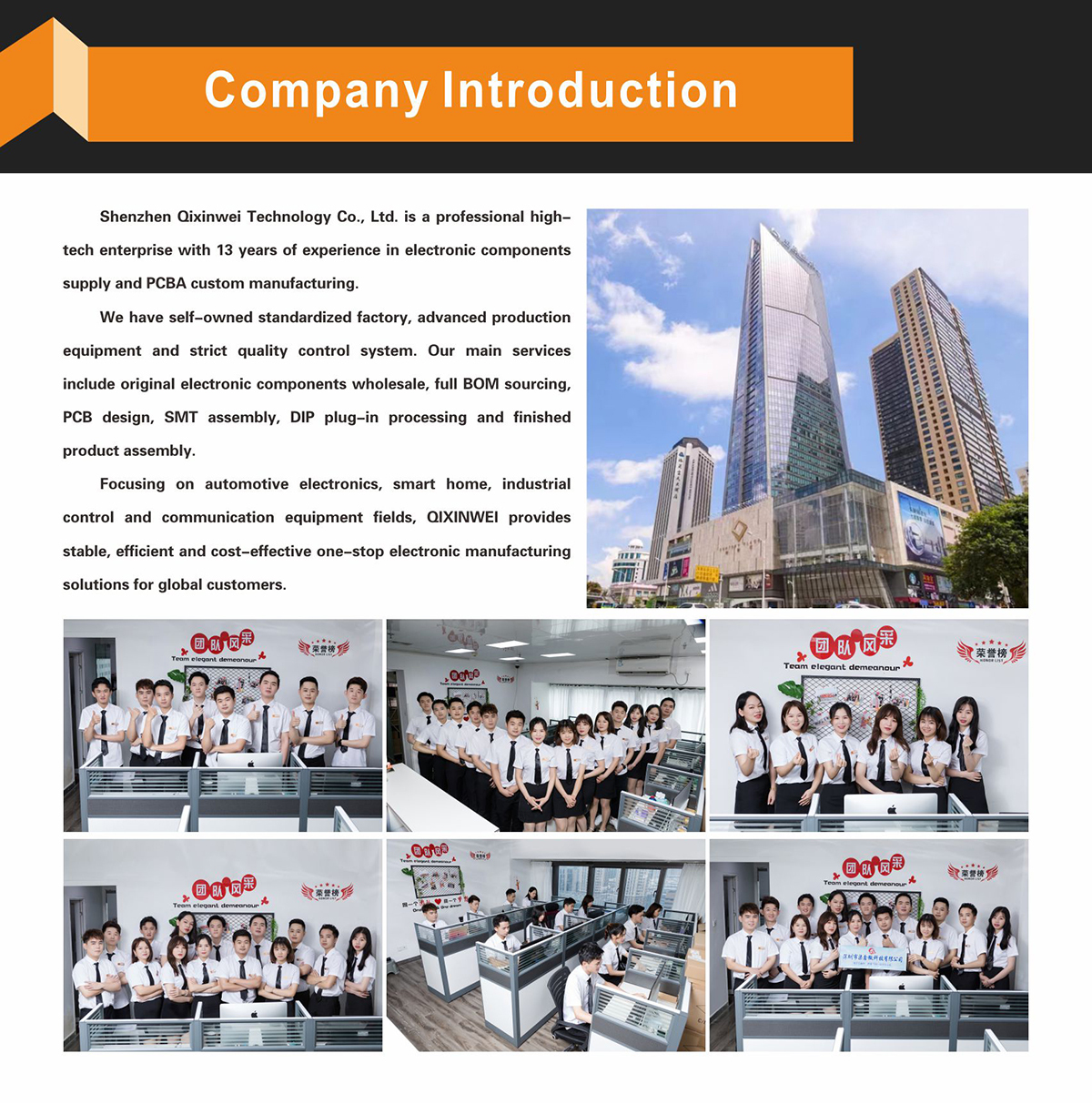
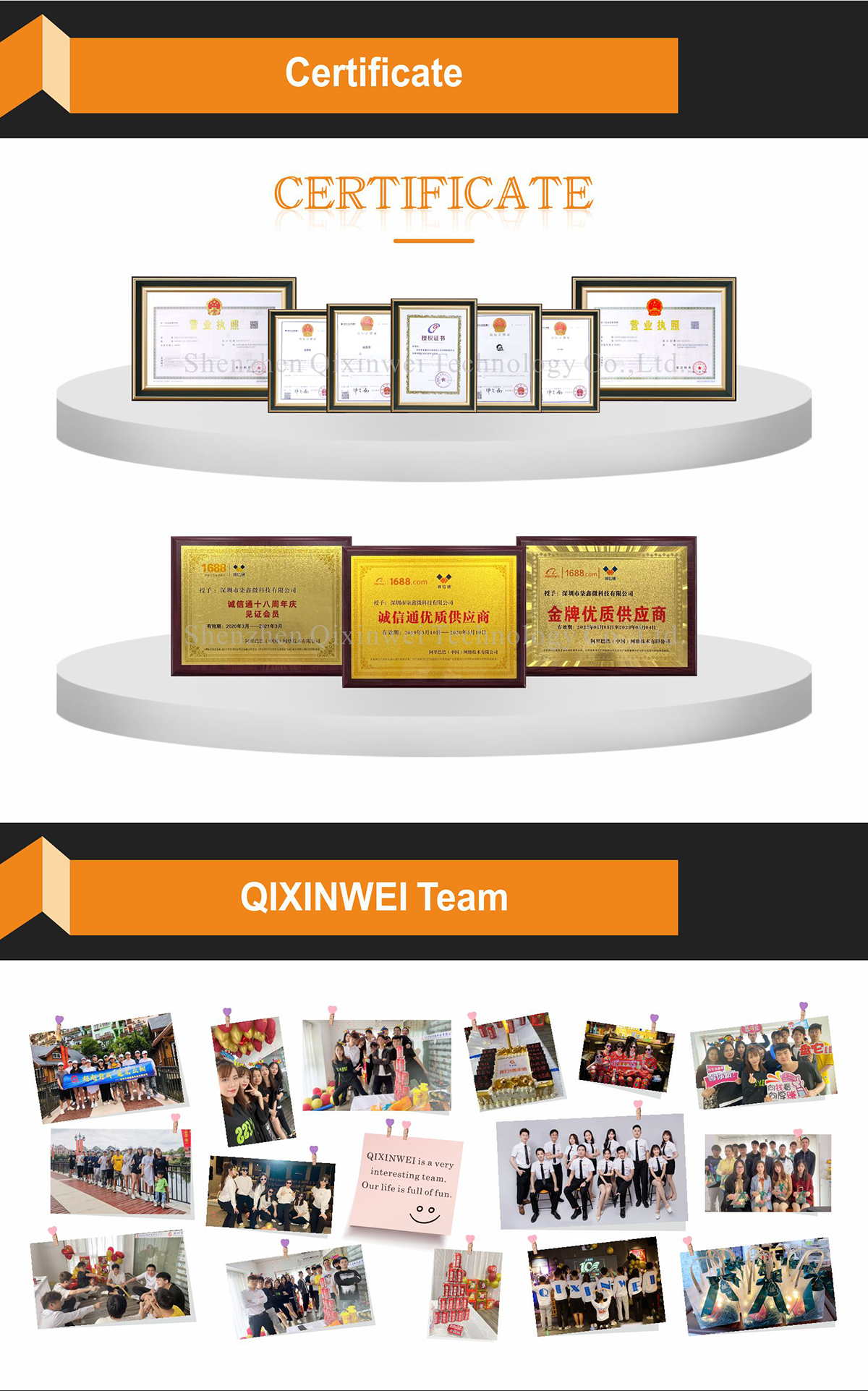
Years of experience in the electronics industry. Trusted by global customers.
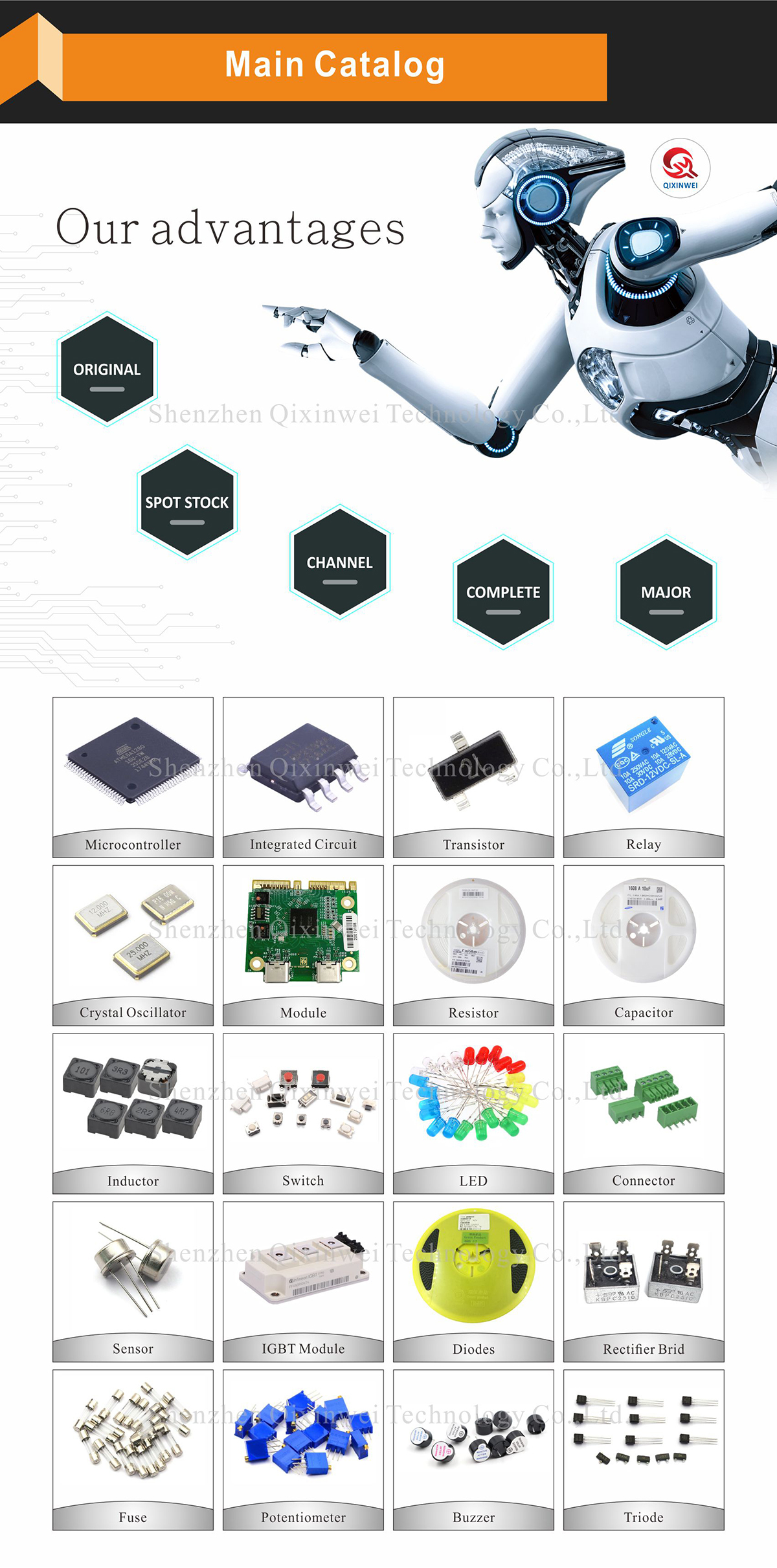
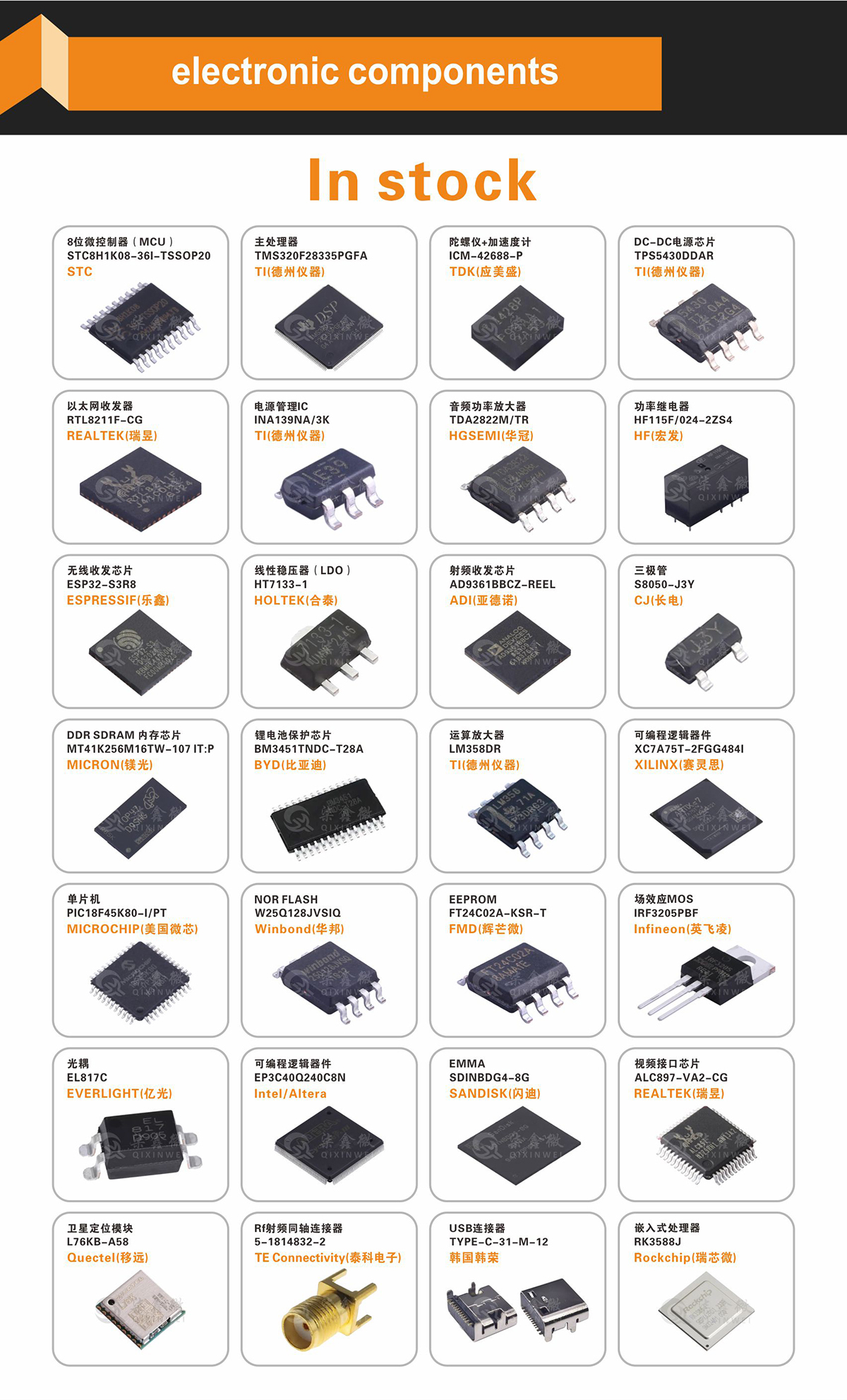
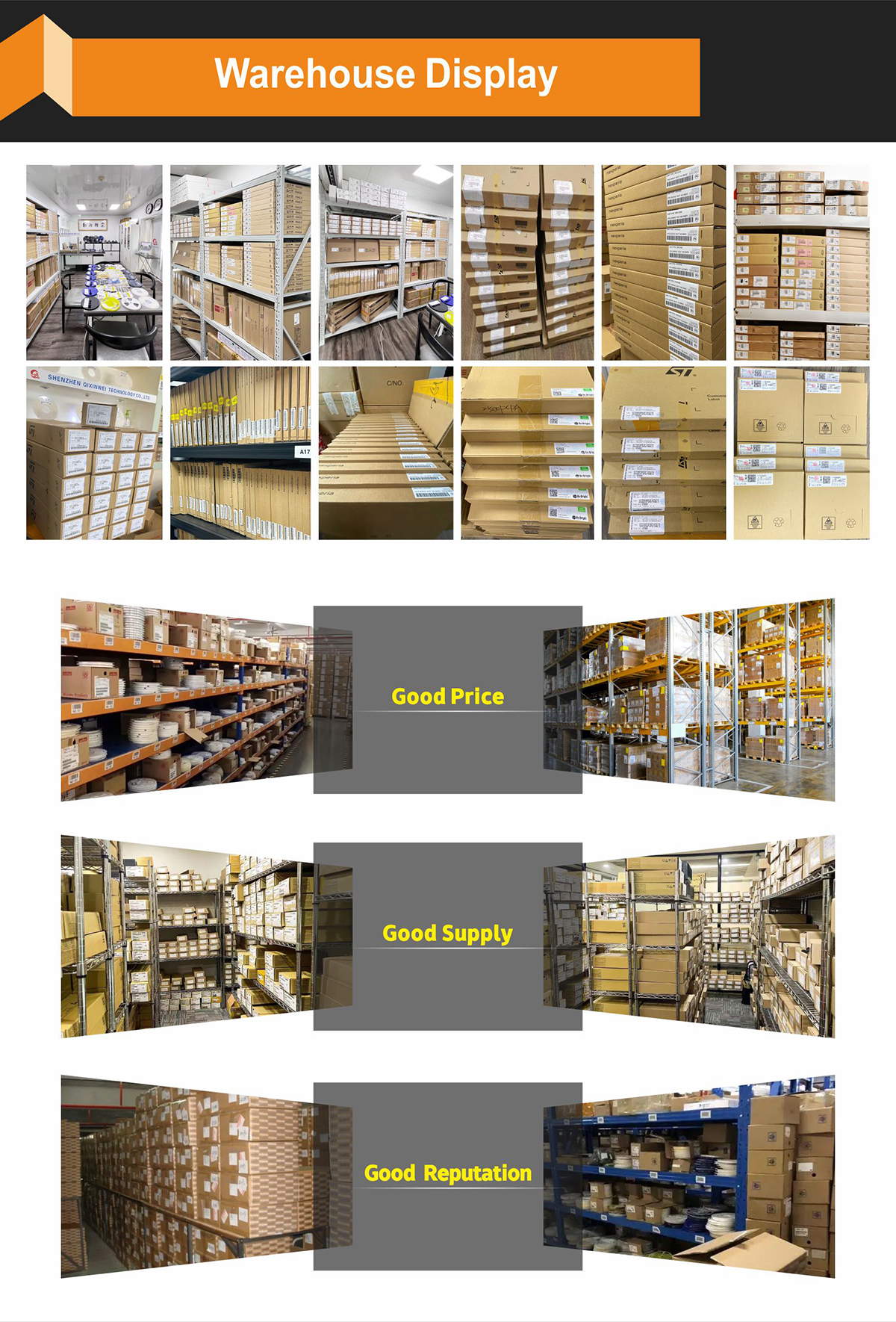
Massive In-Stock Inventory – Ready to ship promptly.
BOM Matching Service – One-stop solution, save time.
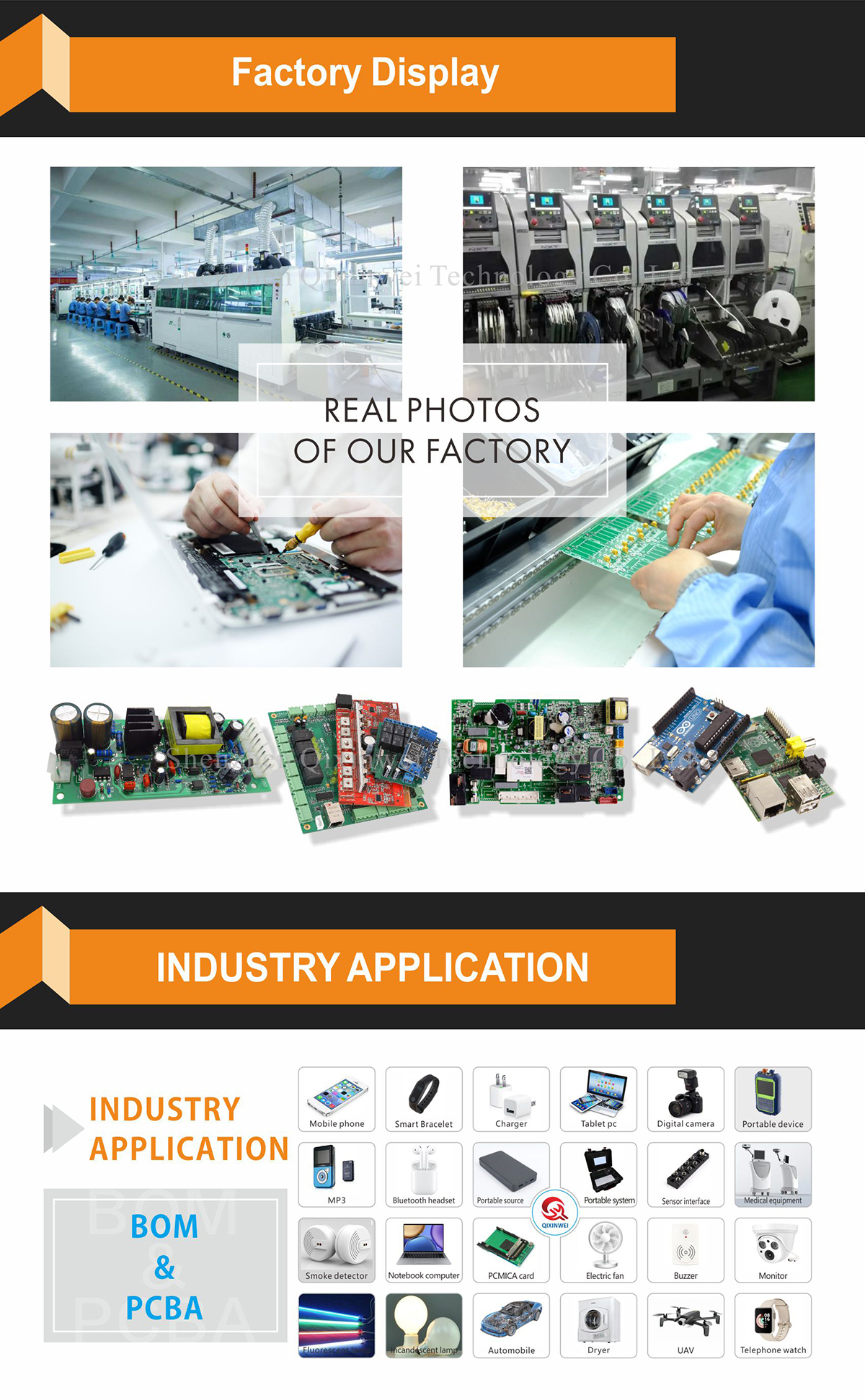
PCBA Customization – Professional engineering team creates tailor-made solutions based on your needs.
Cost-Effective & Efficient – Better channel, better cost.
A dedicated team makes your procurement smoother.
Contact us for BOM quotes or PCBA inquiries.




FAQ:
What is the STM32F765VGT6 and how does it compare to the STM32F765VIT6?
The STM32F765VGT6 is a 216 MHz Cortex‑M7 microcontroller with double‑precision FPU, 1 MB Flash, and 512 KB SRAM in an LQFP‑100 package. It is the 1 MB Flash variant of the F765 family, while the VIT6 offers 2 MB Flash. Both share identical peripherals, connectivity, and performance—the only difference is code storage capacity. Choose VGT6 when your firmware fits comfortably within 1 MB.Is 1 MB of Flash enough for a real‑time operating system, Ethernet stack, and CANopen protocol?
Yes. A typical RTOS (e.g., FreeRTOS), a full TCP/IP stack, and CANopen library together consume well under 512 KB. The remaining space can hold application logic, custom algorithms, and a modest amount of static data. For many industrial gateways, motor drives, and data loggers, 1 MB provides a comfortable margin without wasted memory.Why should I pick the STM32F765VGT6 over the VIT6 when both have the same pin count and peripherals?
If your compiled code is less than 1 MB, the VGT6 offers the same high‑speed connectivity (Ethernet, USB HS, triple CAN) and DSP power as the VIT6 but with a smaller Flash that reduces system cost. It is the practical choice for cost‑optimised designs that do not need the extra Flash headroom, especially in high‑volume production.How does the STM32F765VGT6 differ from the STM32F765ZGT6, and when should I choose LQFP‑100 instead of LQFP‑144?
Both have 1 MB Flash and 512 KB SRAM. The VGT6 uses an LQFP‑100 package with fewer I/Os, while the ZGT6 offers an LQFP‑144 with more pins for external memory buses or additional parallel interfaces. Choose the VGT6 when 100 pins are sufficient, giving you a smaller PCB footprint and easier layout. Go with the ZGT6 if you need to connect external SDRAM or require a high number of I/Os.Does the STM32F765VGT6 support Ethernet, USB high‑speed, and CAN simultaneously on an LQFP‑100 package?
Yes. With careful pin mapping, you can route 10/100 Ethernet (RMII), USB high‑speed (ULPI), up to 3 CAN 2.0B interfaces, and still have room for several UART, SPI, or I2C peripherals. The LQFP‑100 package provides enough I/Os to build a fully featured industrial communication node without pin conflicts.How can the 512 KB SRAM be used effectively in a display‑less, headless system like one based on the VGT6?
The large SRAM excels at buffering real‑time Ethernet and CAN traffic, holding deep data logs, storing large lookup tables for motor control or DSP algorithms, and acting as a safe staging area for OTA firmware updates. You can also implement a RAM‑based file system or temporary database without any external memory.What advantages does the double‑precision FPU bring to industrial control when using the STM32F765VGT6?
The hardware double‑precision floating‑point unit accelerates 64‑bit math, enabling high‑accuracy field‑oriented control (FOC), digital power conversion, and sensor fusion. It provides better numerical stability than single‑precision FPUs, reducing drift and cumulative errors in long‑running processes—crucial for precision motor drives and instrumentation.Is the STM32F765VGT6 a good upgrade from older STM32F407 or F417 designs? What performance gains can I expect?
Absolutely. The F765 runs at 216 MHz (vs. 168 MHz), features a much larger SRAM (512 KB vs. 192 KB), and adds a double‑precision FPU. The LQFP‑100 package is often pin‑compatible with existing STM32F4 boards, making a hardware swap feasible. You get a significant DSP performance boost and more headroom for communication stacks without redesigning the PCB from scratch.Can I implement fail‑safe OTA updates on the STM32F765VGT6 with only 1 MB of single‑bank Flash?
Yes. A common approach is to split the 1 MB into a bootloader, an active application area, and a download buffer. The 512 KB SRAM can temporarily hold the new firmware image as it arrives via Ethernet or USB. Once verified, the image is written to Flash. While an A/B scheme with 1 MB is tight, a carefully sized application (e.g., 700 KB) leaves enough room for a backup image or a compressed update process.What are the ideal applications for the STM32F765VGT6, especially when no display is needed?
It is perfectly suited for headless industrial IoT gateways, multi‑axis motor controllers, programmable logic controllers (PLCs), high‑speed data loggers, precision instrumentation, and any embedded system that requires strong DSP, multiple connectivity options, and a compact LQFP‑100 form factor without the overhead of a graphics subsystem.
- Property:
- Specification
- Product Type:
- Arm Cortex-M7 High-Performance 32-bit MCU
- Brand:
- STMicroelectronics
- Core:
- Cortex-M7 216 MHz (Double-precision FPU)
- Package:
- LQFP-100
- Memory:
- 1 MB Flash, 512 KB SRAM
- Connectivity:
- Ethernet, USB OTG, CAN FD, DCMI
- Display:
- LCD-TFT, Chrom-ART
- Security:
- AES/3DES/HASH/RNG
- I/Os:
- 82
- Voltage:
- 1.7V–3.6V