qixinwei-pcba


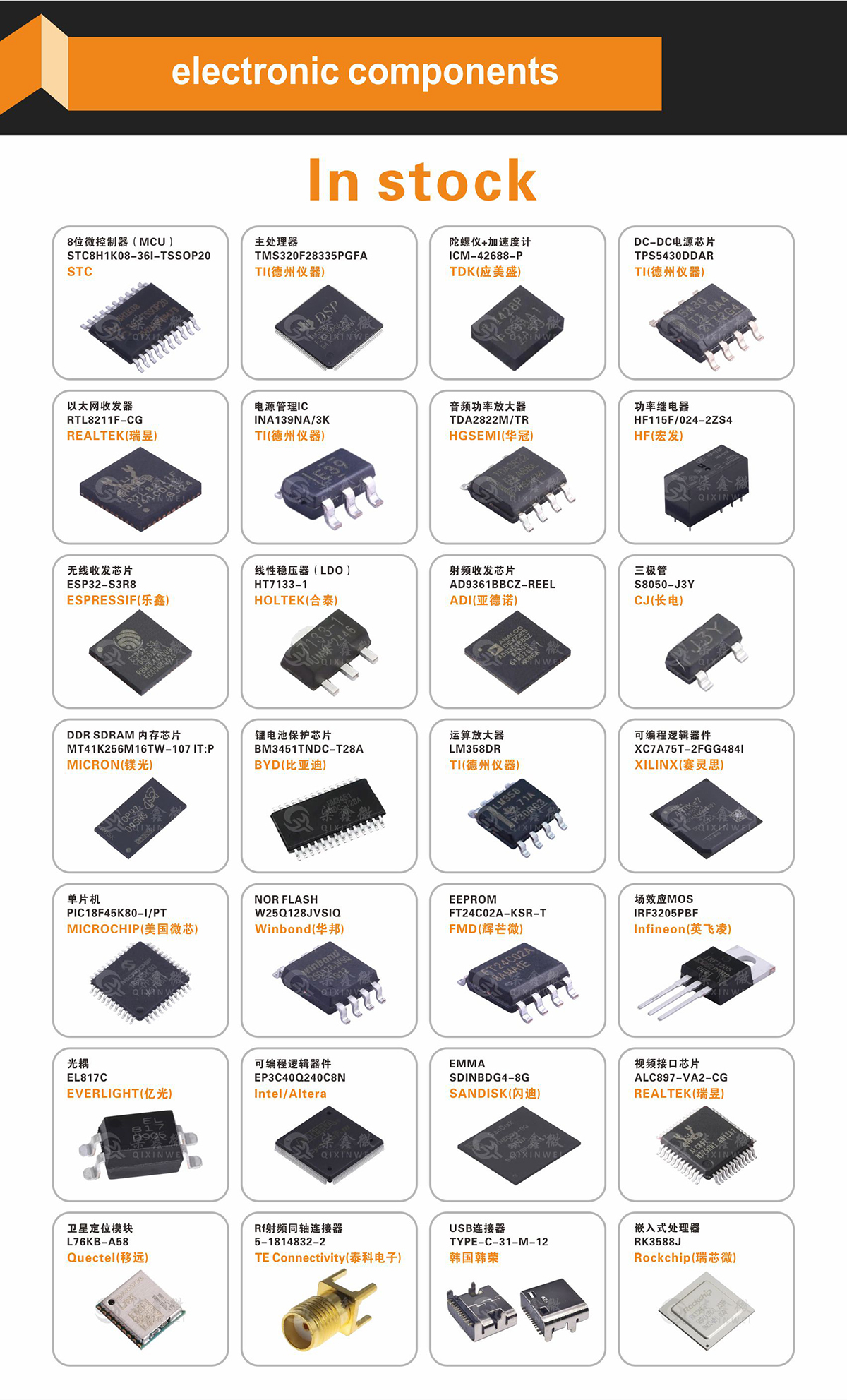
STM32F723ZET6 ST Mainstream Arm Cortex-M7 High-Performance 32-bit MCU 512KB Flash 216MHz FPU USB HS PHY Quad SPI SAI LQFP-144
STM32F723ZET6 Product Overview
STM32F723ZET6 is a Cortex-M7 MCU at 216 MHz, LQFP-144. 512 KB Flash, 256 KB SRAM, USB OTG HS/FS (on-chip HS PHY), Quad SPI, 2×SAI, SPDIF-Rx, SDIO, dual CAN, 3×12-bit ADCs (16 ch), 2×12-bit DACs, 17 timers (2× advanced motor control). 112 x 5 V-tolerant I/Os. 1.7–3.6 V, -40–85 °C. Integrated USB HS PHY reduces BOM, ideal for high-speed USB and real-time control.
STM32F723ZET6 Core Features
Core: Cortex-M7 216 MHz, FPU + L1 cache + ART Accelerator Memory: 512 KB Flash, 256 KB SRAM Connectivity: USB OTG HS/FS (on-chip HS PHY), SDIO, Quad SPI, 2×SAI, SPDIF-Rx, Dual CAN 2.0B, 4×USART, 2×UART, 5×SPI/I2S, 3×I2C Analog: 3×12-bit ADCs (16 ch), 2×12-bit DACs Timers: 17 (2× motor control PWM/deadtime, 8× GP, 2× basic, 2× WDT) I/Os: 112 (5 V-tolerant) Package: LQFP-144
STM32F723ZET6 Applications
High-speed USB devices, industrial control, audio processing, multi-CAN systems, real-time embedded systems
STM32F723ZET6 Key Advantages
216 MHz Cortex-M7: Strong real-time performance On-chip USB HS PHY: Simplifies high-speed USB design Quad SPI + SAI + SPDIF: Fast memory expansion and high-quality audio 112 I/Os: Rich pin resources for system expansion
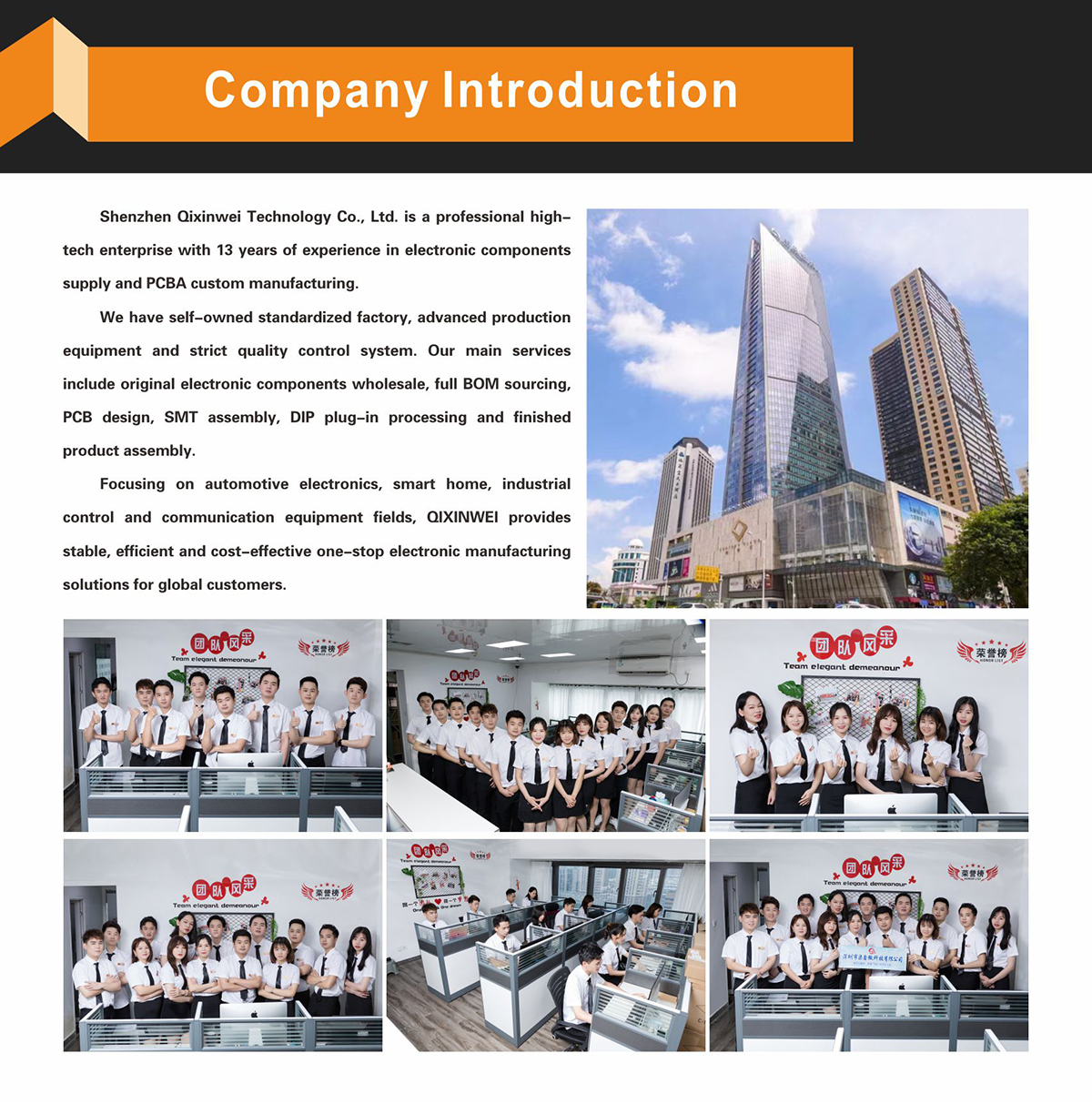
Why Choose QIXINWEI
Years of experience in the electronics industry. Trusted by global customers.
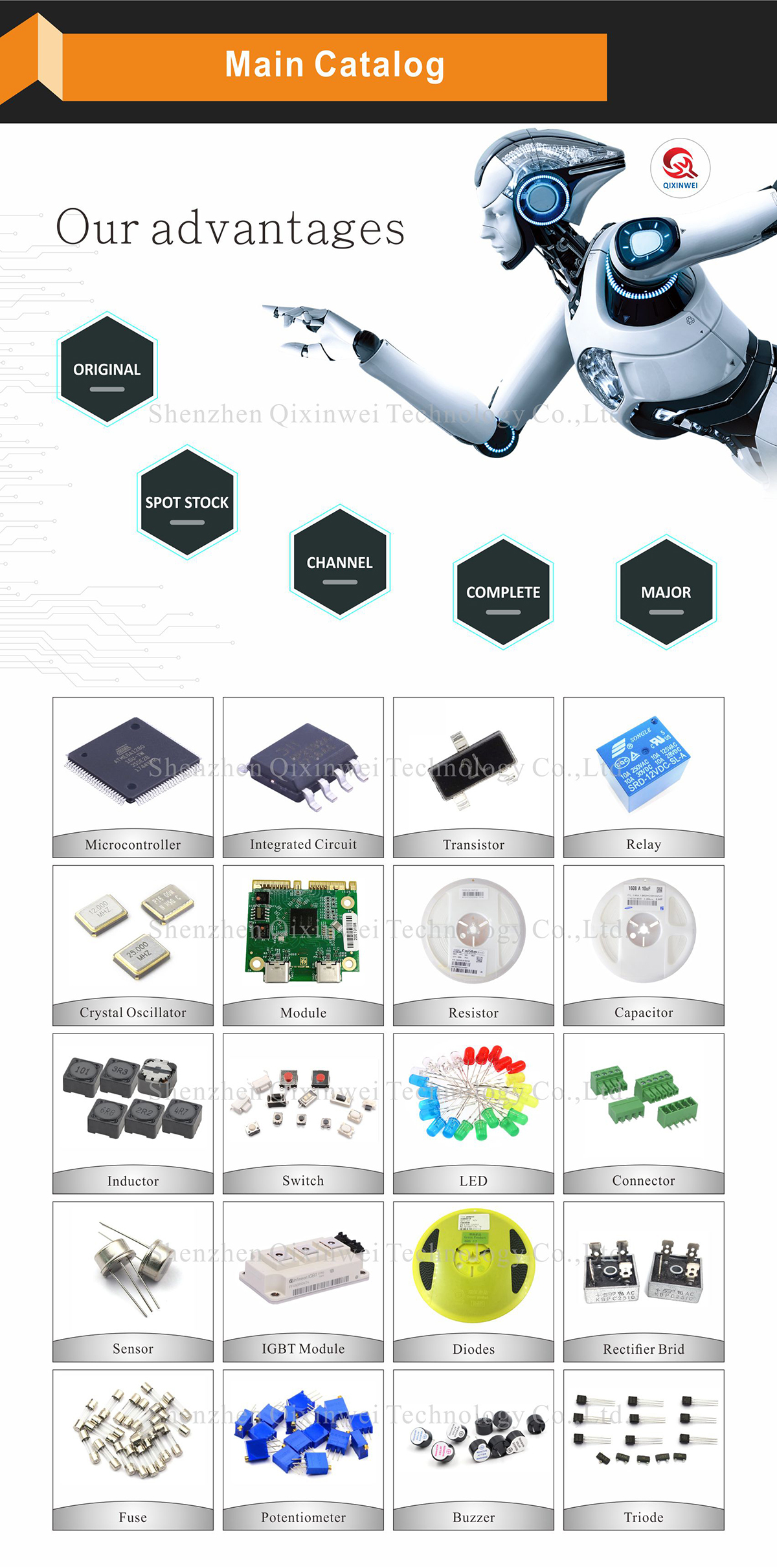
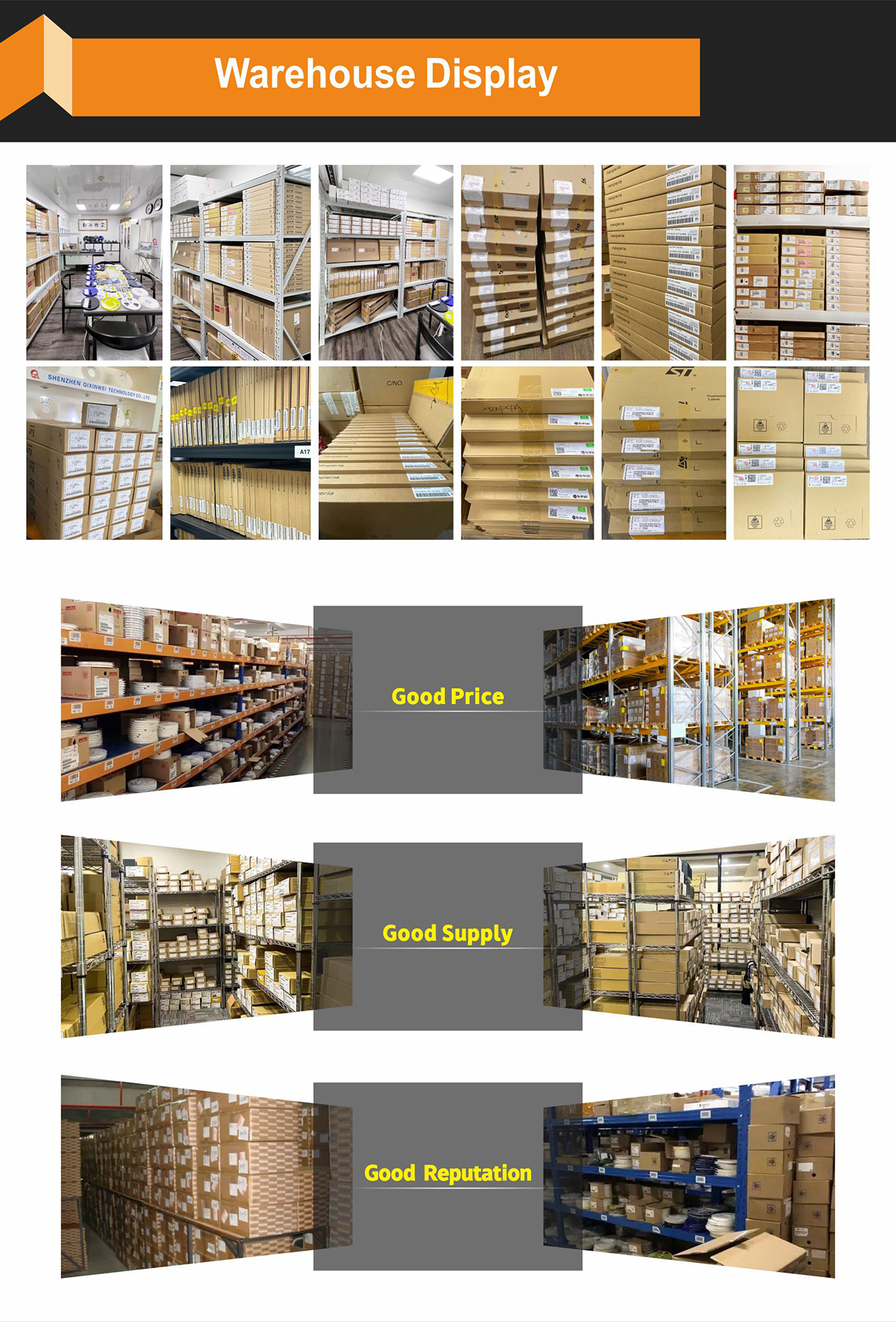
Massive In-Stock Inventory – Ready to ship promptly.
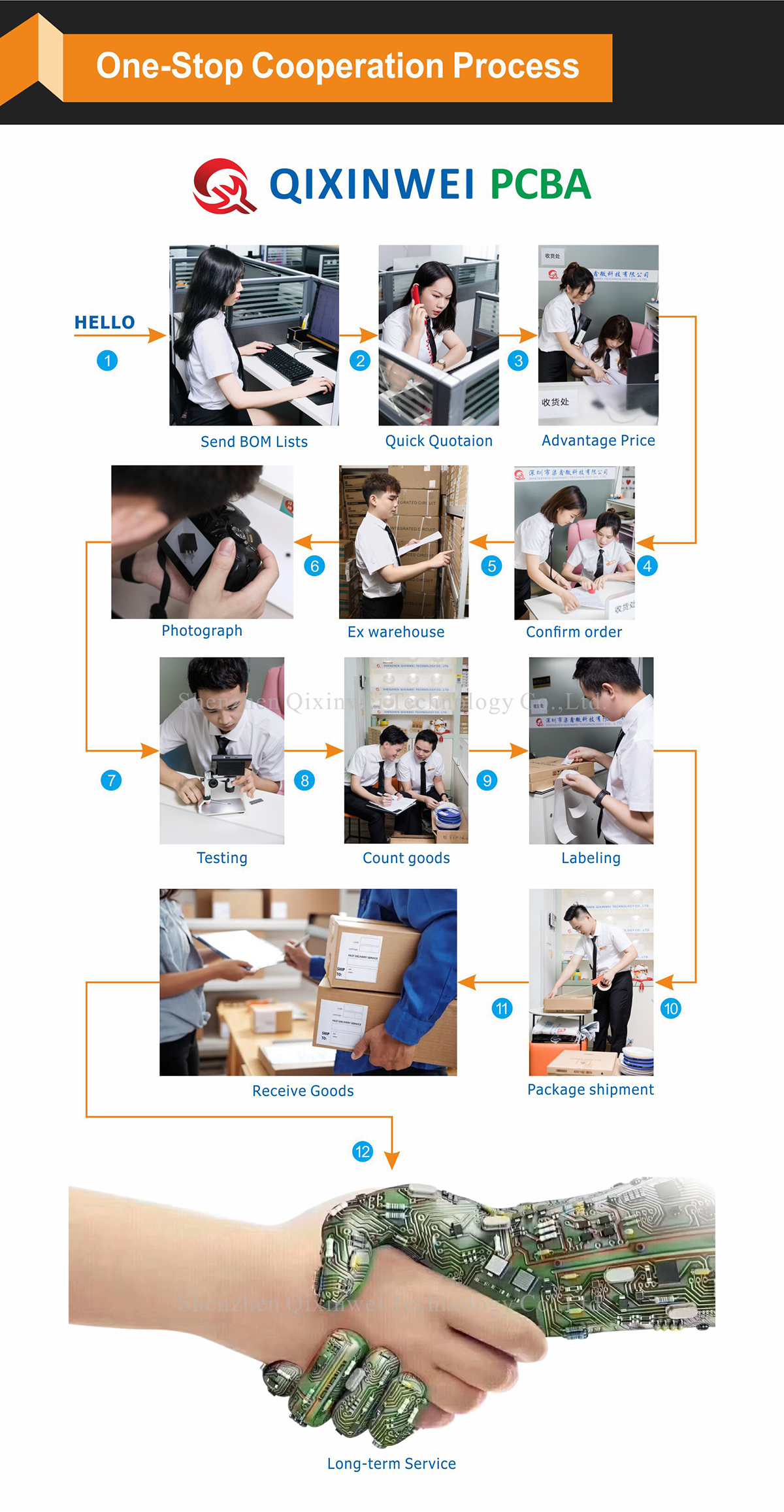
BOM Matching Service – One-stop solution, save time.
PCBA Customization – Professional engineering team creates tailor-made solutions based on your needs.
Cost-Effective & Efficient – Better channel, better cost.
A dedicated team makes your procurement smoother.
Contact us for BOM quotes or PCBA inquiries.

FAQ:
What is the STM32F723ZET6 and what makes it stand out from other F7 series MCUs?
The STM32F723ZET6 is a 216 MHz Arm Cortex‑M7 microcontroller with 512 KB of on‑chip Flash, 336 KB of total SRAM (including 256 KB general‑purpose, 16 KB ITCM, and 64 KB DTCM), and a built‑in USB high‑speed PHY. Unlike many other F7 devices that require an external ULPI chip for USB HS, the F723 integrates the PHY directly, simplifying board design and reducing BOM count.Why does the STM32F723ZET6 include an on‑chip USB HS PHY? How much does this simplify a design?
The integrated USB high‑speed physical layer means you can connect the USB D+ and D‑ lines directly to a USB receptacle without an external ULPI transceiver. This saves a dedicated 12‑pin chip, simplifies PCB routing, and lowers the total component count. It is a key differentiator that makes the F723 particularly attractive for USB‑centric applications such as audio interfaces, data loggers, and industrial gateways.Does the STM32F723ZET6 need an external QSPI Flash to run its application, like the F730 or F750?
No. With 512 KB of internal Flash, the F723 can store a complete RTOS, a TCP/IP stack, and substantial application code entirely on‑chip. The QSPI peripheral is still available if you need additional memory for data logging or resources, but it is not required for booting. This makes the F723 a more straightforward, self‑contained solution compared to the XIP‑based F730 and F750.How does the STM32F723ZET6 compare with the STM32F407? Is it a good upgrade path?
Compared to the popular STM32F407 (168 MHz Cortex‑M4), the F723 raises the clock to 216 MHz, switches to a more efficient Cortex‑M7 pipeline, and more than doubles the general‑purpose SRAM (256 KB vs 128 KB). It also adds the integrated USB HS PHY, allowing true high‑speed USB communication without external components. In LQFP‑144, it is often pin‑compatible, making a hardware upgrade feasible.What audio interfaces does the STM32F723ZET6 provide? Can it serve as a USB audio device?
It includes a full set of audio peripherals: SAI (Serial Audio Interface), I2S, SPDIF input, and USB HS with the on‑chip PHY. This allows a single F723 to act as a high‑quality USB audio device, streaming multi‑channel audio to a PC or recording from external codecs, all without an extra USB transceiver.How is the SRAM organized, and which part should I use for real‑time critical data?
The 336 KB of total SRAM is split into 256 KB of general‑purpose SRAM, 16 KB of ITCM (Instruction TCM), and 64 KB of DTCM (Data TCM). Place time‑critical interrupt service routines and real‑time control loops in ITCM for zero‑wait‑state execution. Use DTCM for stack and hot data that needs fast access, and keep communication buffers and larger data structures in the general‑purpose SRAM.Does the STM32F723ZET6 have a TFT‑LCD controller or Chrom‑ART? What if I need a display?
No, the F723 does not include any display controller or graphics accelerator. If your application requires a graphical UI, you should look at the F746 or F750 series. The F723 is optimized for high‑performance headless applications—industrial control, USB devices, audio processing, and data gateways.Can I perform over‑the‑air firmware updates with the STM32F723ZET6's 512 KB of Flash?
Yes. The 512 KB of internal Flash can be partitioned into a bootloader plus an application area, or two application slots for a simple A/B update scheme. The large SRAM can buffer the new firmware image received via Ethernet, USB, or a wireless module before it is verified and written to Flash, ensuring a safe update process even on a single‑bank Flash.What development tools support the STM32F723ZET6? Is the onboard USB HS PHY easy to configure in STM32CubeMX?
All major tools—STM32CubeIDE (free), Keil MDK, and IAR EWARM—fully support the F723. In STM32CubeMX, enabling the USB HS peripheral and the integrated PHY is done with a single drop‑down selection. The tool generates the correct pin assignments and clock tree configuration automatically, making it straightforward to set up a high‑speed USB device with minimal effort.What are the ideal use cases for the STM32F723ZET6? When should I pick it over an F730 or F407?
It excels in USB high‑speed devices (audio interfaces, data loggers, USB‑to‑Ethernet bridges), industrial controllers that need fast connectivity without a display, and any embedded system where the 512 KB of Flash is sufficient and you want the simplest possible USB HS implementation. Pick it over the F730 when you do not want to rely on external QSPI Flash for booting, and over the F407 when you need the extra processing power and the integrated USB PHY.
- Property:
- Specification
- Product Type:
- Arm Cortex-M7 High-Performance 32-bit MCU
- Brand:
- STMicroelectronics
- Core:
- Cortex-M7 216 MHz (FPU + L1 cache)
- Package:
- LQFP-144
- Memory:
- 512 KB Flash, 256 KB SRAM
- Connectivity:
- USB HS/FS (on-chip PHY), Quad SPI, SAI, Dual CAN
- Analog:
- 3×12-bit ADCs, 2×12-bit DACs
- I/Os:
- 112
- Voltage:
- 1.7V–3.6V