qixinwei-pcba


STM32F446VET6 ST Mainstream Arm Cortex-M4 High-Performance 32-bit MCU 512KB Flash 180MHz FPU USB OTG Quad SPI SAI LQFP-100
STM32F446VET6 Product Overview
STM32F446VET6 is a Cortex-M4 MCU at 180 MHz, LQFP-100. 512 KB Flash, 128 KB SRAM, USB OTG HS/FS, Quad SPI, 2×SAI, SDIO, dual CAN, 3×12-bit ADCs (16 ch), 2×12-bit DACs, 17 timers (2× advanced motor control). 81 x 5 V-tolerant I/Os. 1.7–3.6 V, -40–85 °C. Compared to the 64-pin version, offers more I/Os for peripheral-intensive applications.
STM32F446VET6 Core Features
Core: Cortex-M4 180 MHz, FPU + ART Memory: 512 KB Flash, 128 KB SRAM Connectivity: USB OTG HS/FS, SDIO, Quad SPI, 2×SAI, Dual CAN 2.0B, 4×USART, 2×UART, 3×SPI/I2S, 3×I2C Analog: 3×12-bit ADCs (16 ch), 2×12-bit DACs Timers: 17 (2× motor control PWM/deadtime, 8× GP, 2× basic, 2× WDT) I/Os: 81 (5 V-tolerant) Package: LQFP-100
STM32F446VET6 Applications
Industrial control, motor drives, audio devices, IoT gateways, high-performance embedded systems requiring rich I/O
STM32F446VET6 Key Advantages
180 MHz FPU + 512 KB Flash: High performance and large storage 81 I/Os: Ample pins for peripheral connectivity Quad SPI + SAI: Fast memory expansion and high-quality audio USB HS/FS + SDIO + Dual CAN: Comprehensive data interfaces and industrial buses
Why Choose QIXINWEI
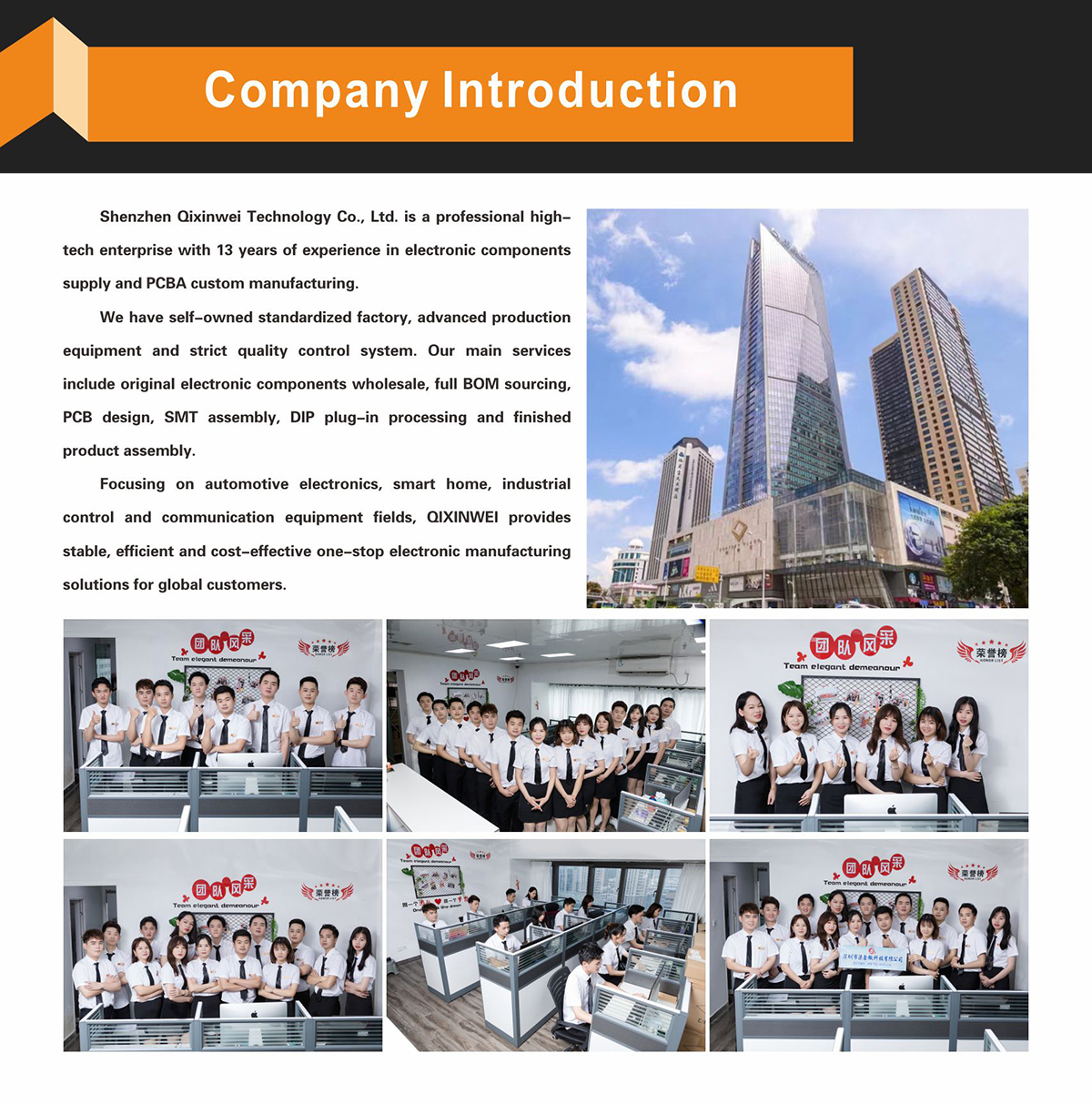
Years of experience in the electronics industry. Trusted by global customers.
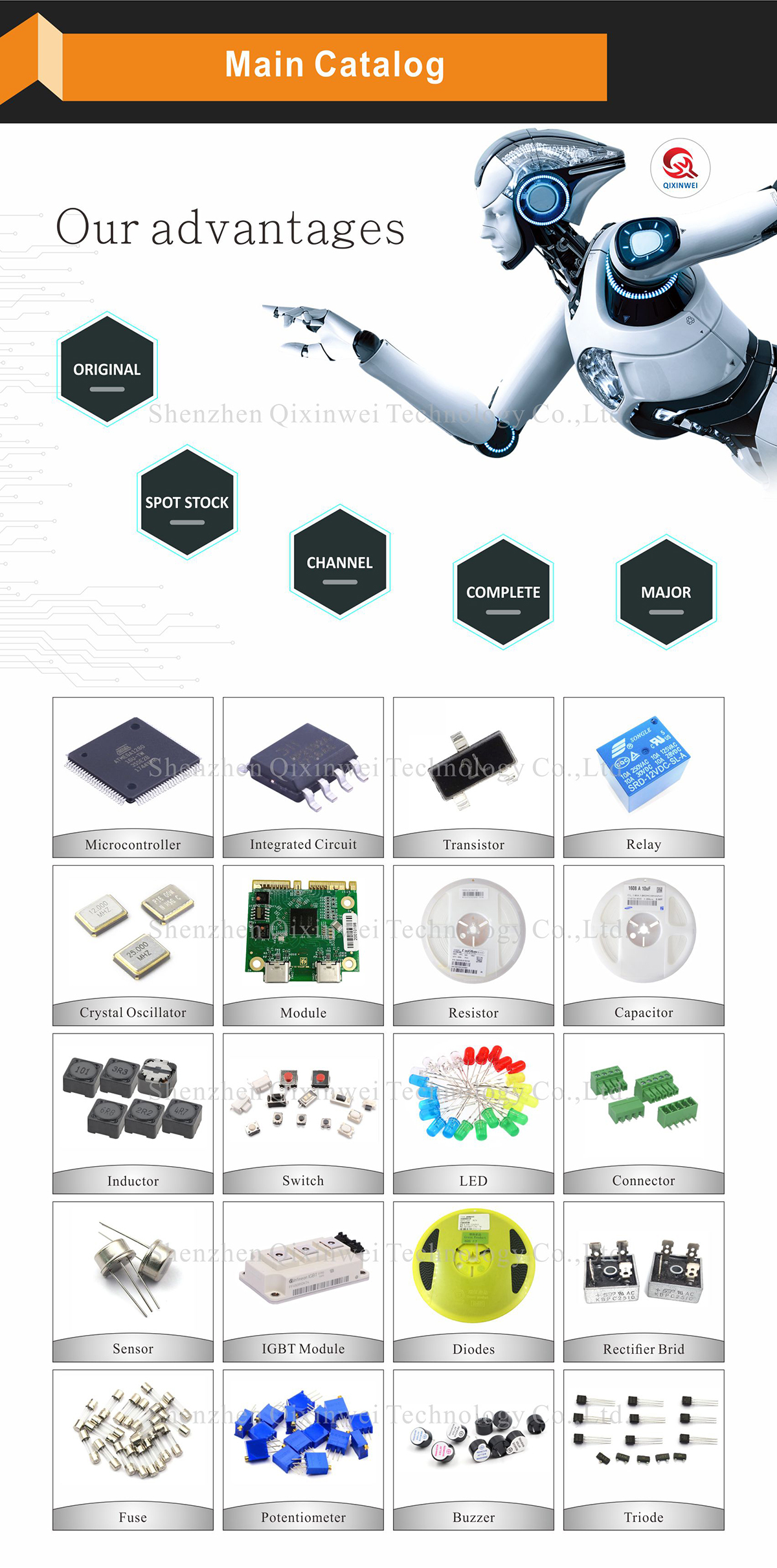
Massive In-Stock Inventory – Ready to ship promptly.
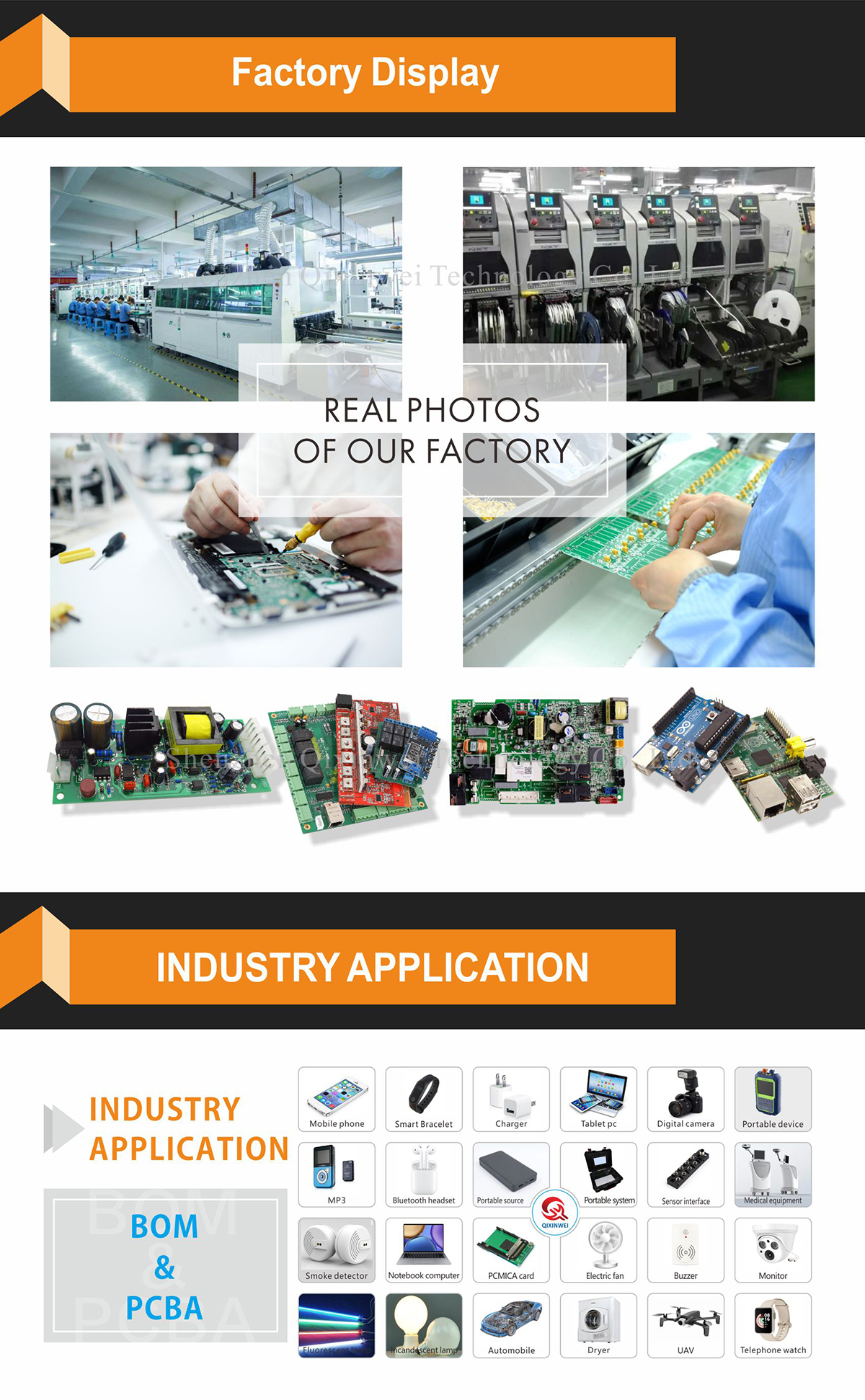
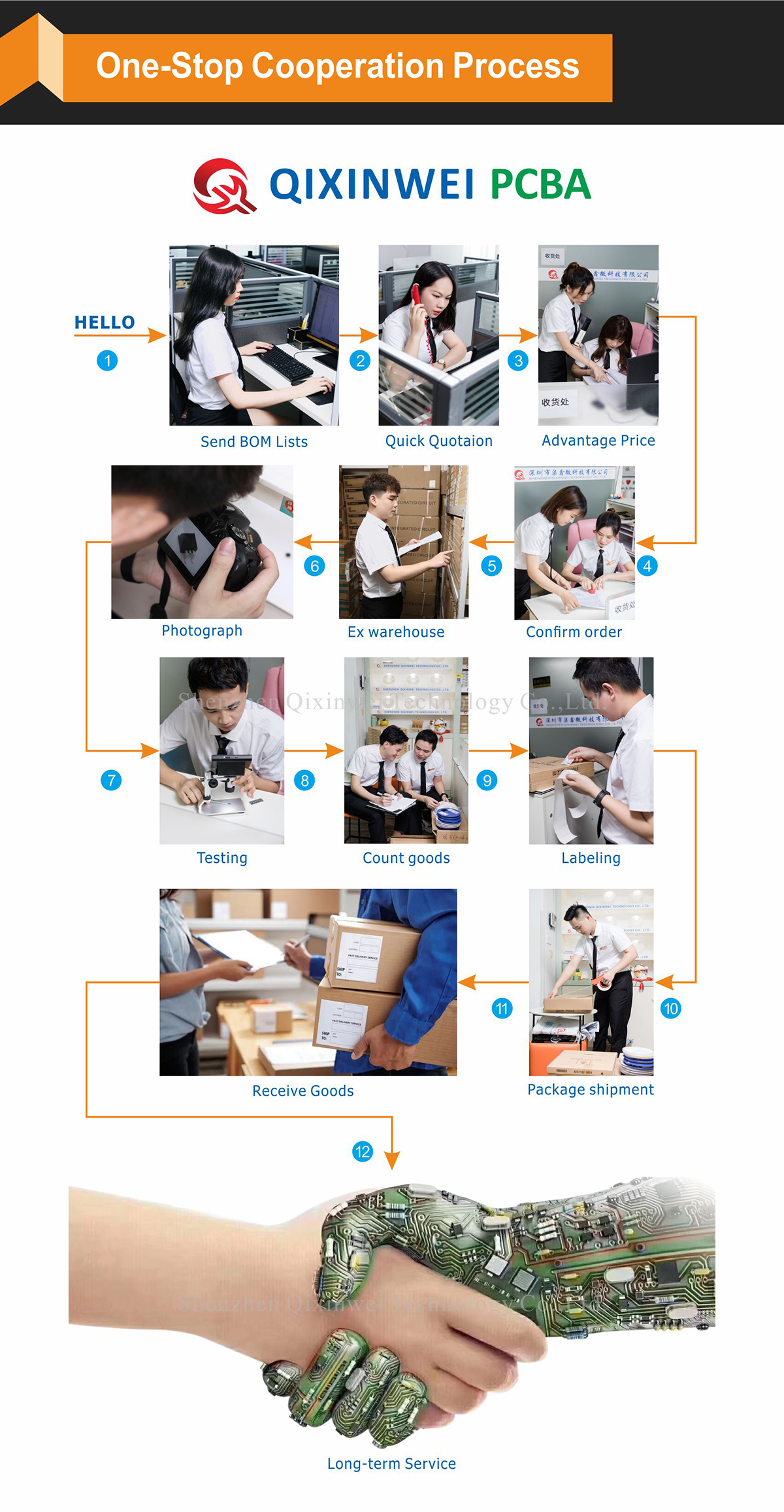
BOM Matching Service – One-stop solution, save time.
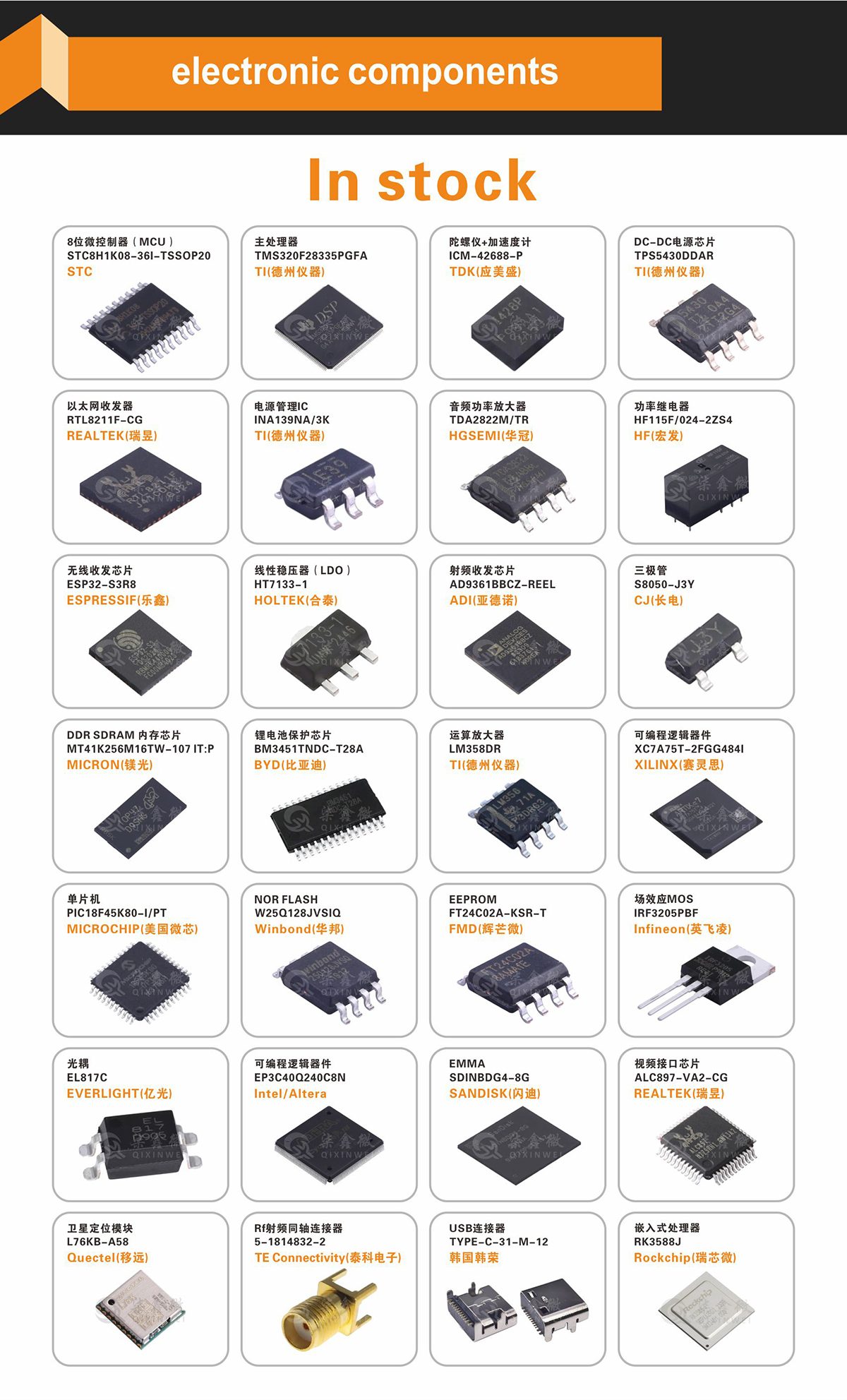
PCBA Customization – Professional engineering team creates tailor-made solutions based on your needs.
Cost-Effective & Efficient – Better channel, better cost.
A dedicated team makes your procurement smoother.
Contact us for BOM quotes or PCBA inquiries.




FAQ:
What is the STM32F446VET6 and how does it differ from the classic STM32F407?
The STM32F446VET6 is a high‑performance Cortex‑M4 microcontroller running at 180 MHz with 512 KB of Flash, 128 KB of SRAM, and an LQFP‑100 package. Compared to the popular STM32F407 (168 MHz), it boosts the clock by 7%, increases the Flash/SRAM capacity, and adds a flexible memory controller that supports SDRAM. It also moves the USB HS to an external ULPI PHY, while the full‑speed PHY remains on‑chip. It’s a drop‑in upgrade for many F407 designs that need a bit more headroom and memory.Can 512 KB of Flash and 128 KB of SRAM handle a complex real‑time control system with communication stacks?
Absolutely. 512 KB of Flash comfortably holds a real‑time OS, a complete TCP/IP or CANopen stack, motor‑control libraries, and application code. The 128‑KB SRAM is enough for runtime data, communication buffers, and a small frame buffer for a basic display, though graphical interfaces are not the main focus. For data‑intensive tasks, the flexible memory controller allows adding external SRAM or SDRAM.Does the STM32F446VET6 need an external PHY for USB high‑speed, or is the PHY built in?
The STM32F446VET6 includes an on‑chip full‑speed USB PHY, so you can directly connect a USB FS device without extra components. For USB high‑speed (480 Mbps), the chip provides a ULPI interface that requires an external HS PHY (e.g., USB3300). This approach allows you to choose between simpler FS only or adding HS when bandwidth demands it, without changing the MCU.How much performance gain does the 180‑MHz Cortex‑M4 with FPU offer over older 168‑MHz F4 parts?
The 180‑MHz clock alone gives a 7% frequency uplift, but the real benefit lies in the M4’s single‑precision FPU and DSP extensions. Single‑cycle multiply‑accumulate, hardware floating‑point, and SIMD instructions accelerate digital filters, PID loops, and sensor fusion algorithms. Compared to a 168‑MHz part, you can typically achieve about 10–15% more control‑loop throughput while still having enough cycles for communication and housekeeping tasks.What communication peripherals are available, and can I use dual CAN and multiple UARTs on the LQFP‑100 package?
The F446VET6 provides up to 2 CAN 2.0B interfaces, 4 USART/UART ports, 3 I2C, 4 SPI/I2S, and a USB OTG FS/HS. With careful pin assignment, you can run both CAN channels, two UARTs, one SPI, and one I2C concurrently on the LQFP‑100 package without pin conflicts. This makes it well suited for industrial gateways and multi‑drop communication nodes.Is the STM32F446VET6 a good fit for digital power supplies or motor control, and what peripherals support this?
Yes. It includes two advanced‑control timers with complementary PWM outputs and dead‑time insertion, ideal for half‑bridge and full‑bridge topologies. Three independent 12‑bit ADCs can sample up to 7.2 Msps in interleaved mode, enabling fast current‑loop feedback. The built‑in FPU and DSP instructions handle field‑oriented control (FOC) and digital‑power algorithms efficiently, making the F446 a solid choice for drives and converters.What development tools and libraries support the STM32F446VET6? Can I use STM32CubeMX for configuration?
All mainstream tools—free STM32CubeIDE, Keil MDK, and IAR EWARM—fully support the chip. STM32CubeMX provides graphical pin‑out and clock‑tree configuration, and the STM32CubeF4 firmware package includes HAL/LL drivers and ready‑to‑run examples for USB, CAN, motor control, and more. You can start prototyping with zero tooling cost using the free IDE and a Nucleo or Discovery board with a compatible F4 device.Can I perform over‑the‑air firmware updates on the STM32F446VET6 with its single‑bank 512‑KB Flash?
Yes. You can partition the 512‑KB Flash into a bootloader and an application area, or two application slots for a simple A/B update scheme. The 128‑KB SRAM can buffer the new firmware received via Ethernet, USB, or a wireless module before verification and programming. This approach provides a safe update mechanism without requiring hardware dual‑bank Flash.How good is the 12‑bit ADC on the STM32F446VET6? Can it be used for audio sampling or fast data acquisition?
The three 12‑bit ADCs can each achieve up to 2.4 Msps, and in triple‑interleaved mode they deliver up to 7.2 Msps. This is sufficient for sampling audio (up to about 3.6 kHz bandwidth with oversampling), vibration analysis, or high‑speed current sensing in motor drives. The ADCs also support hardware oversampling to increase effective resolution to 16 bits for precision measurements.What are the ideal applications for the STM32F446VET6, given its performance and LQFP‑100 package?
It excels in industrial motor drives, digital power converters, CNC controllers, IoT gateways with multiple communication channels, and advanced sensing instruments. The LQFP‑100 package is easy to hand‑solder and manufacture, and the 180‑MHz core with FPU provides plenty of headroom for real‑time control and data processing without needing a more complex Cortex‑M7 design.
- Property:
- Specification
- Product Type:
- Arm Cortex-M4 High-Performance 32-bit MCU
- Brand:
- STMicroelectronics
- Core:
- Cortex-M4 180 MHz (FPU + ART)
- Package:
- LQFP-100
- Memory:
- 512 KB Flash, 128 KB SRAM
- Connectivity:
- USB OTG, Quad SPI, SAI, Dual CAN
- Analog:
- 3×12-bit ADCs, 2×12-bit DACs
- I/Os:
- 81
- Voltage:
- 1.7V–3.6V