qixinwei-pcba


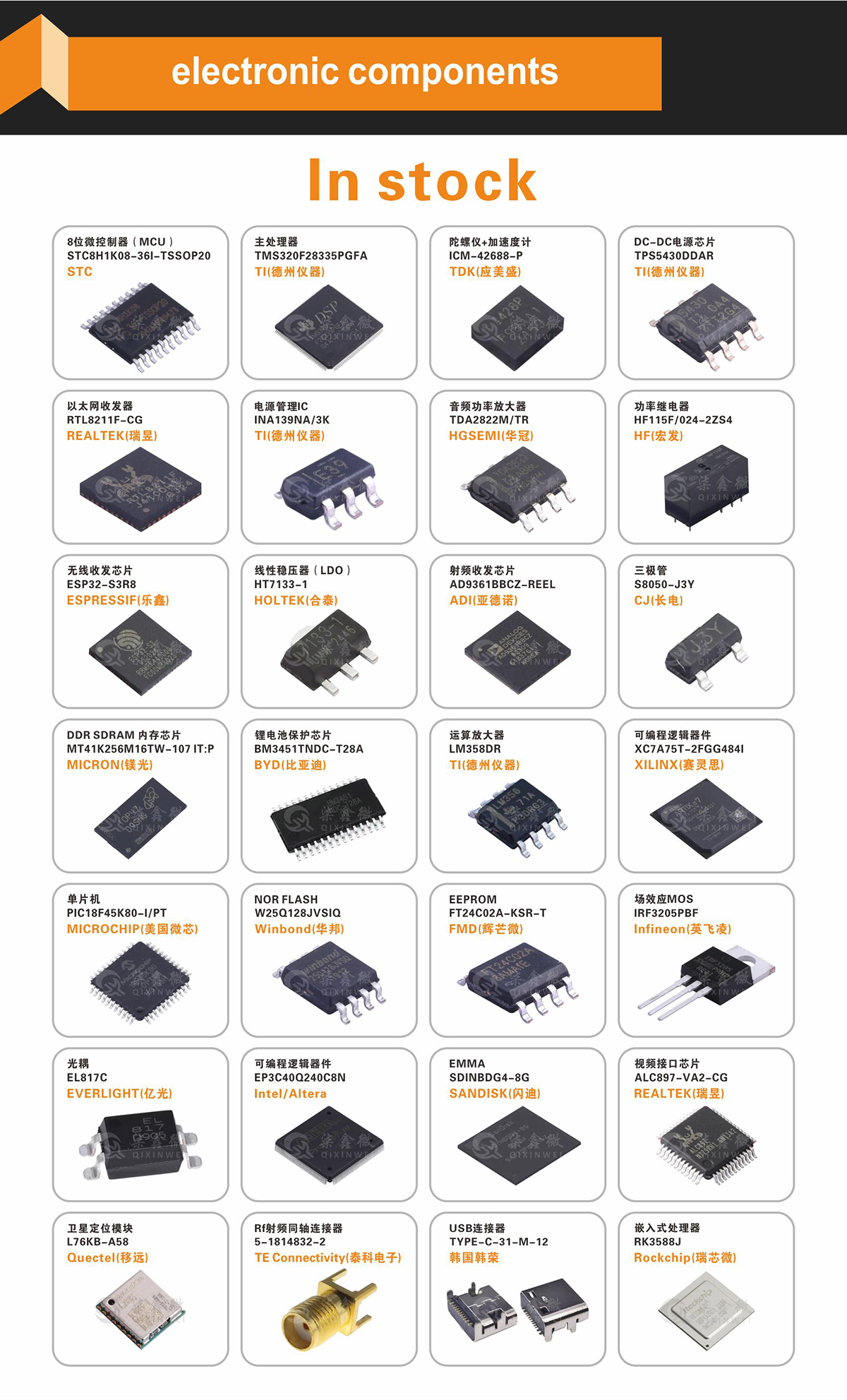
STM32F437VIT6 ST Mainstream Arm Cortex-M4 High-Performance 32-bit MCU 2MB Flash 180MHz FPU HW Crypto Ethernet USB OTG DCMI LQFP-100
STM32F437VIT6 Product Overview
STM32F437VIT6 is a Cortex-M4 MCU at 180 MHz, LQFP-100. 2 MB Flash, 256 KB SRAM (64 KB CCM), FMC (NOR/PSRAM), Ethernet MAC, USB OTG HS/FS, DCMI, HW crypto (AES/3DES/HASH/RNG), dual CAN 2.0B, 3×12-bit ADCs (16 ch), 2×12-bit DACs, 17 timers (2× advanced motor control). 82 x 5 V-tolerant I/Os. 1.8–3.6 V, -40–85 °C. Compared to STM32F437IGT6 (176-pin), offers a more compact form factor for space-constrained secure applications.
STM32F437VIT6 Core Features
Core: Cortex-M4 180 MHz, FPU + ART Memory: 2 MB Flash, 256 KB SRAM (64 KB CCM) Memory I/F: FMC (NOR/PSRAM/SRAM, no SDRAM) Connectivity: Ethernet MAC, USB OTG HS/FS, Dual CAN 2.0B, DCMI, SDIO, 4×USART+4×UART, 6×SPI/I2S, 3×I2C Security: AES/3DES/HASH (MD5/SHA-1), True RNG Analog: 3×12-bit ADCs (16 ch), 2×12-bit DACs Timers: 17 (2× motor control PWM/deadtime, 10× GP, 2× basic, 2× WDT) I/Os: 82 (5 V-tolerant) Package: LQFP-100
STM32F437VIT6 Applications
Industrial Ethernet, PLC, motor drives, IoT security gateways, image capture, data encryption terminals
STM32F437VIT6 Key Advantages
180 MHz FPU + 2 MB Flash: High performance, large storage HW crypto engine: AES/3DES/HASH/RNG for data security Rich peripherals: Ethernet, USB OTG, dual CAN, DCMI Compact package: 100-pin with 82 I/Os, space-saving
Why Choose QIXINWEI
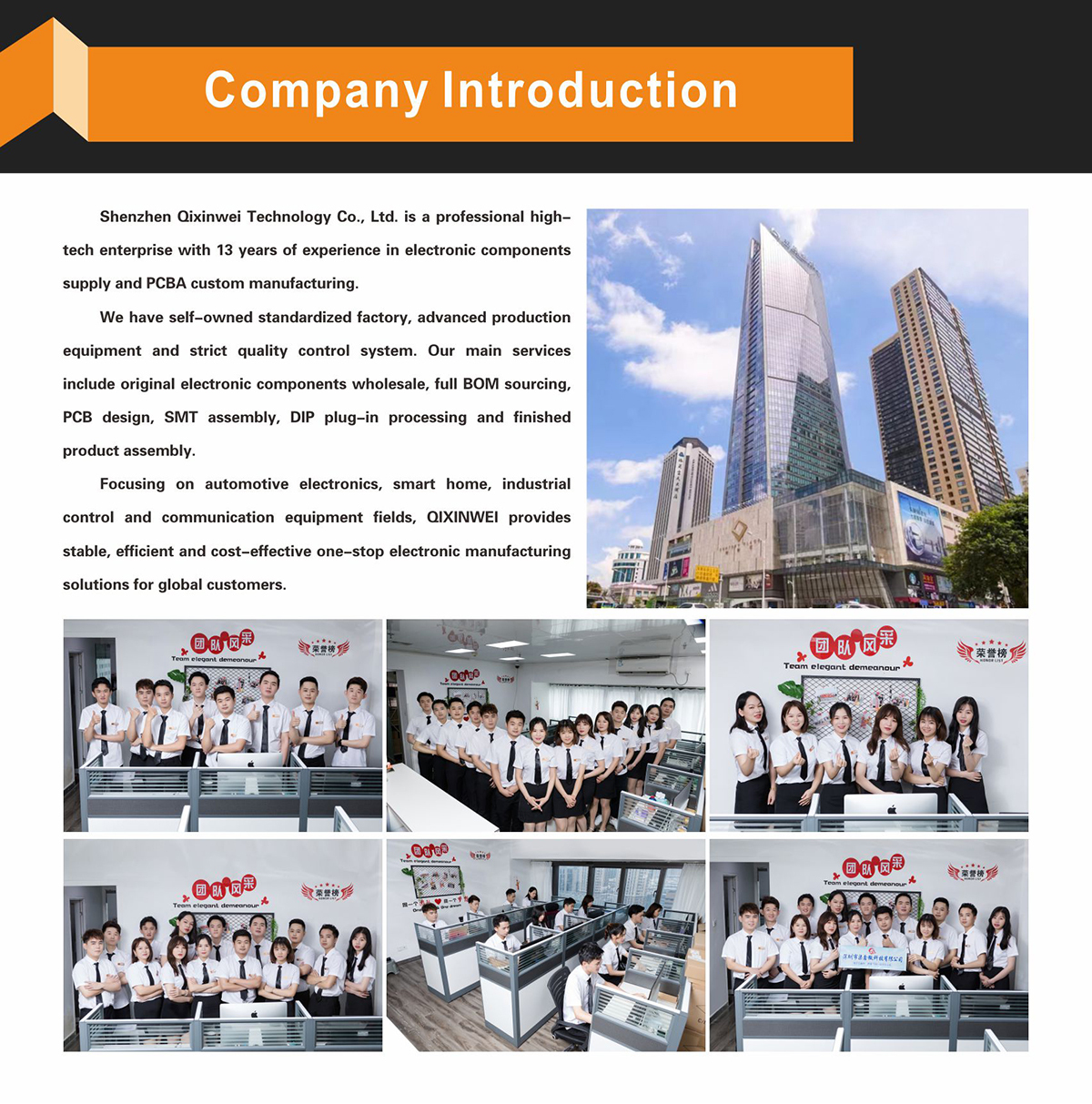
Years of experience in the electronics industry. Trusted by global customers.
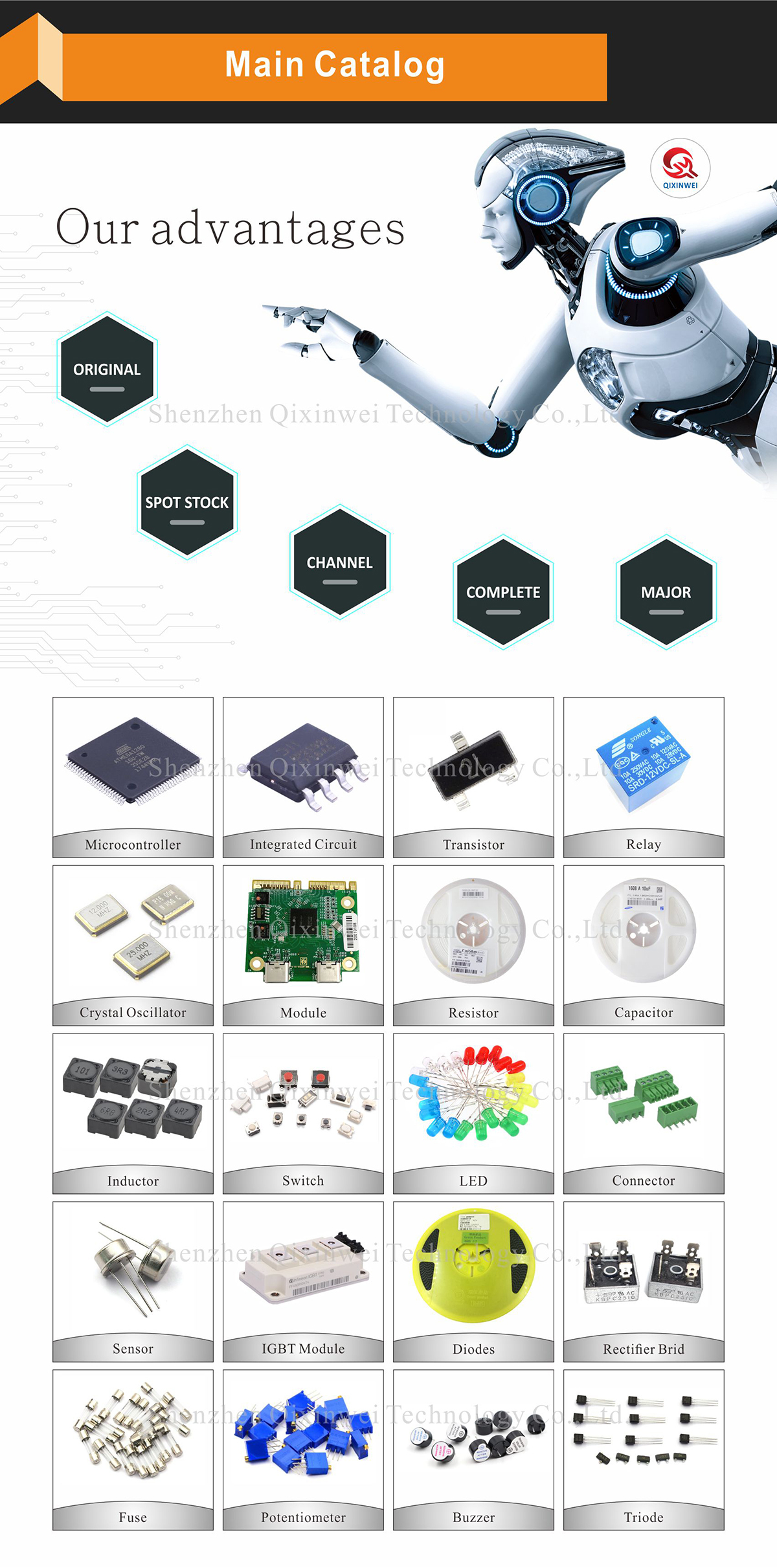
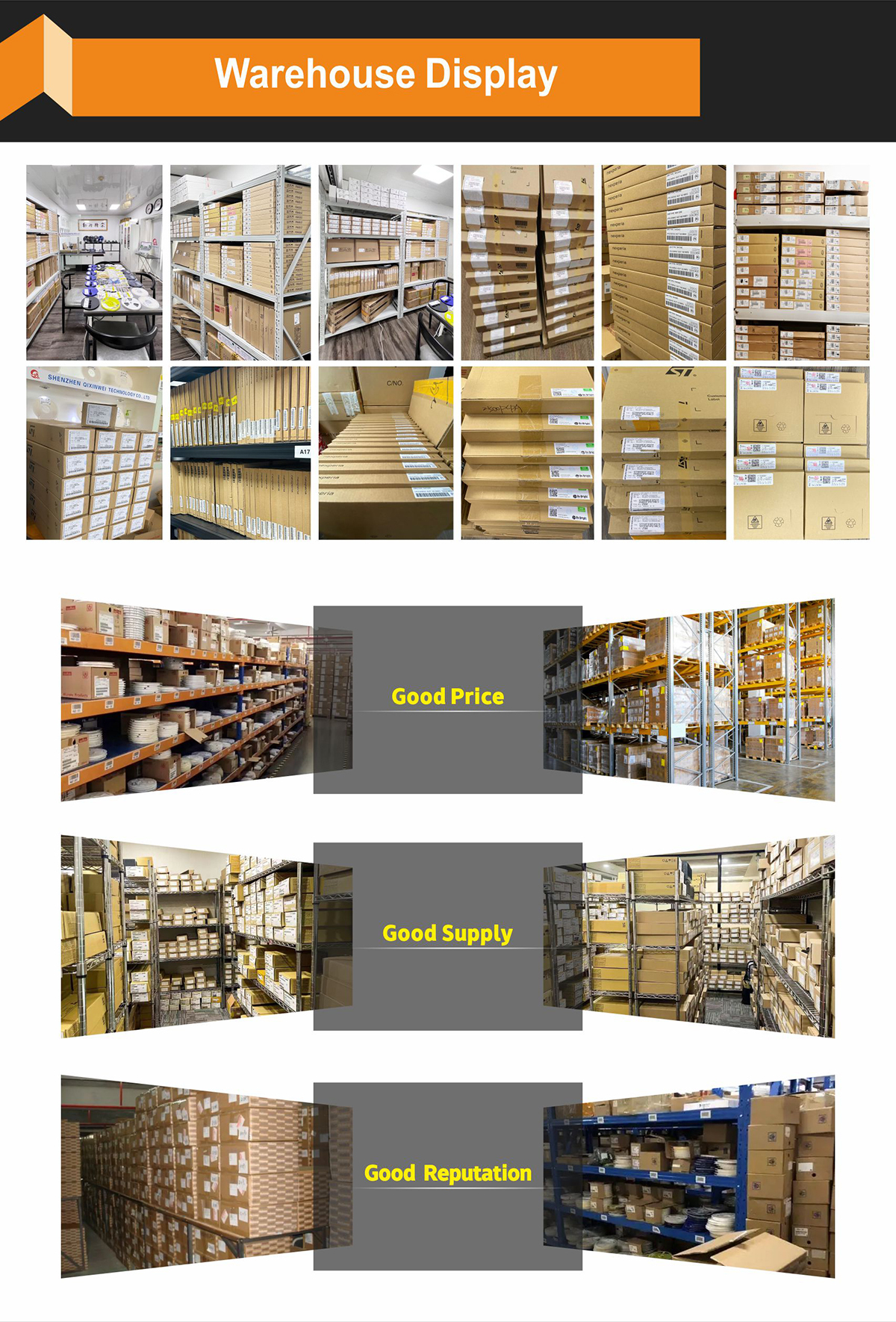
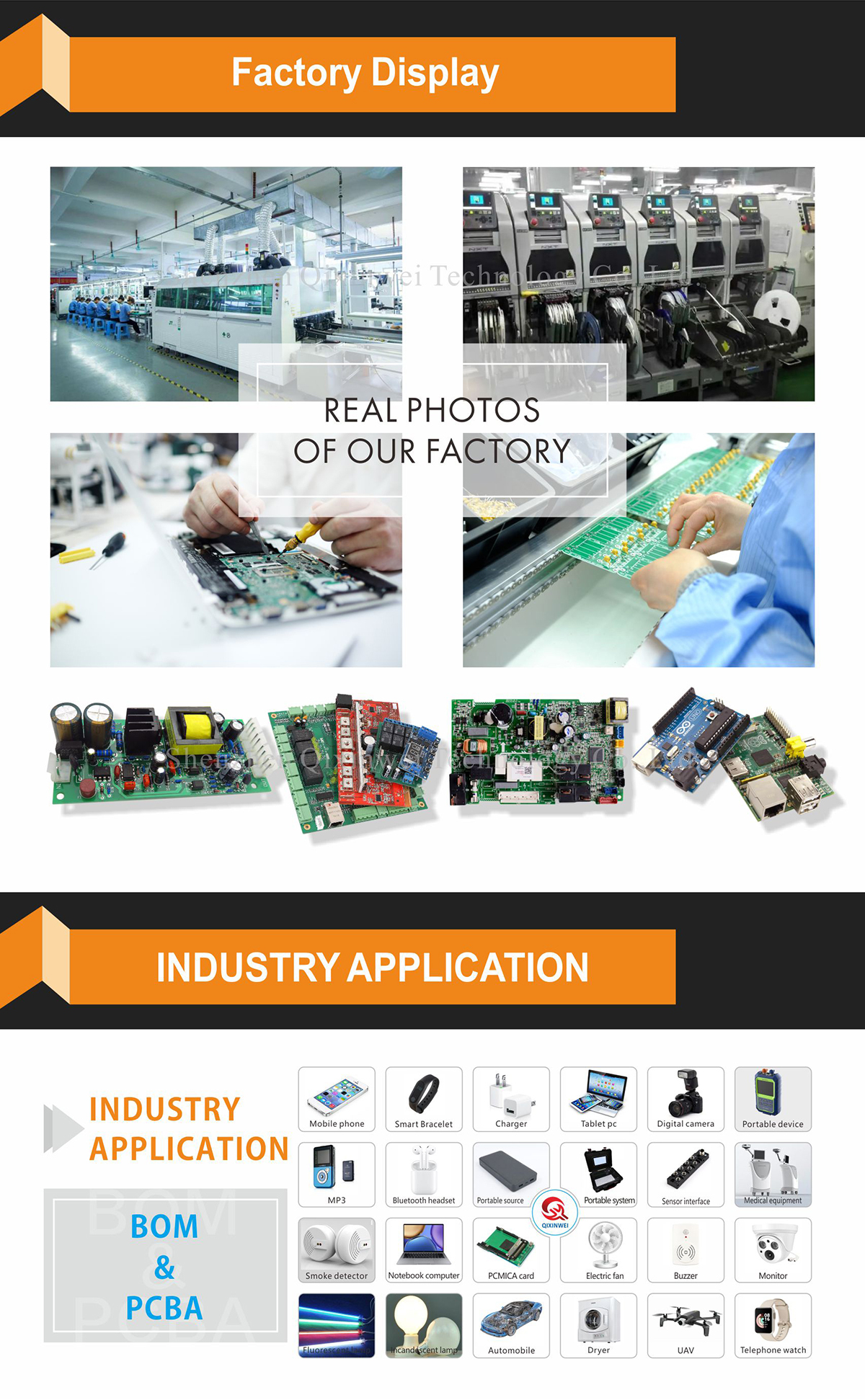
Massive In-Stock Inventory – Ready to ship promptly.
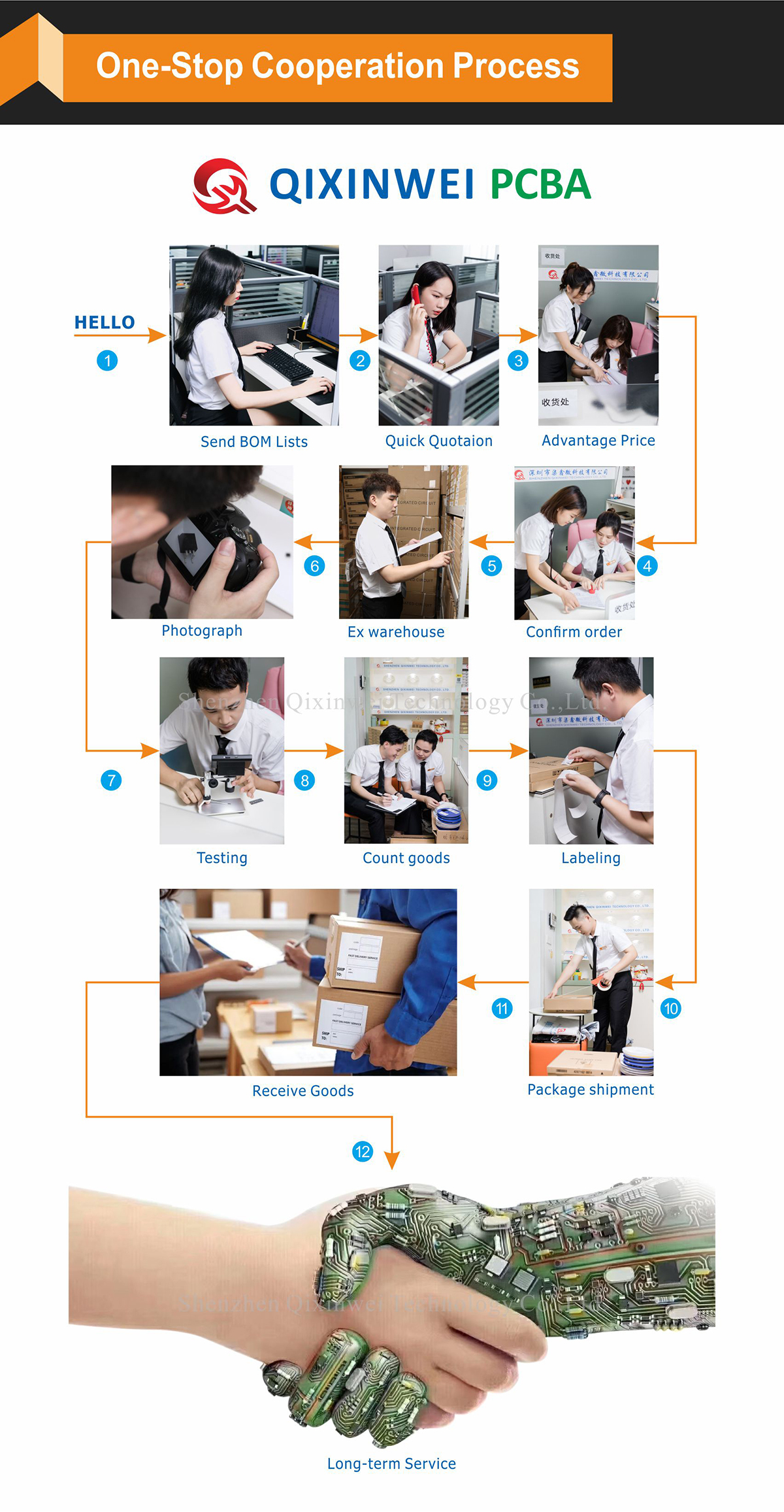
BOM Matching Service – One-stop solution, save time.
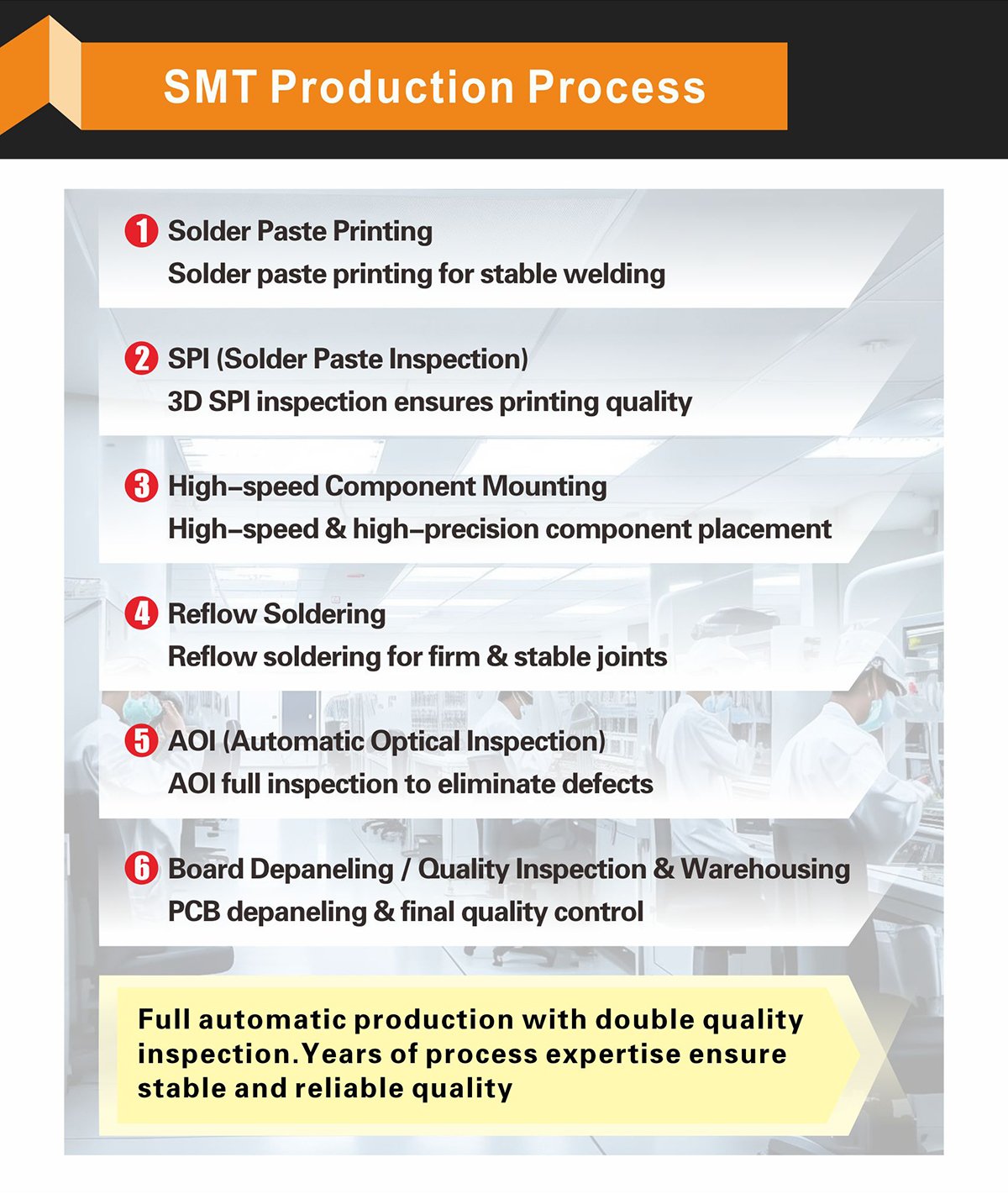
PCBA Customization – Professional engineering team creates tailor-made solutions based on your needs.
Cost-Effective & Efficient – Better channel, better cost.
A dedicated team makes your procurement smoother.
Contact us for BOM quotes or PCBA inquiries.

FAQ:
What is the STM32F437VIT6 and how does it differ from the classic STM32F407?
The STM32F437VIT6 is a 180 MHz Cortex‑M4 microcontroller with a hardware cryptographic accelerator, a DCMI camera interface, 2 MB of Flash, and 256 KB of SRAM in an LQFP‑100 package. Compared to the STM32F407, it adds the AES, DES, 3DES, and hash processor (MD5, SHA‑1, SHA‑2) plus a true random number generator, making it suitable for secure IoT nodes. It also expands the Flash from 1 MB to 2 MB and includes a flexible memory controller for SDRAM, enabling richer data‑intensive applications without moving to a high‑end series.What hardware cryptographic engines does the STM32F437VIT6 integrate? Can it perform AES‑256 encryption on the fly?
The chip features a dedicated crypto processor that supports AES‑128, AES‑192, and AES‑256 in ECB, CBC, CTR, and GCM modes, as well as DES and 3DES. It also includes hardware hashing for MD5, SHA‑1, and SHA‑2, plus an HMAC engine and a true random number generator (RNG). You can encrypt and decrypt data on the fly without loading the CPU, making it perfect for secure boot, TLS/SSL communication, and firmware integrity checks.How does the DCMI digital camera interface work on the STM32F437VIT6? What camera sensors can I connect?
The DCMI is an 8‑ to 14‑bit parallel interface that receives pixel data and synchronization signals directly from image sensors. It supports ITU‑R BT.656 and raw data formats, and can capture up to 54 MB/s (enough for VGA at 60 fps). Compatible sensors include popular OV2640, OV7670, and MT9V034 cameras. This allows the F437 to act as a compact vision processor for barcode scanners, factory inspection, and home‑automation cameras.How can the 2 MB Flash and 256 KB SRAM be utilized in a real project? Can I fit a complete TCP/IP stack, TLS, and camera application?
Absolutely. The 2‑MB Flash holds a real‑time OS, LwIP or uIP TCP/IP stack, a TLS library (mbedTLS with hardware crypto), the camera driver, and a rich application. The 256‑KB SRAM includes 112 KB of general‑purpose RAM, 16 KB of ITCM, 64 KB of DTCM, and 64 KB of CCM (core‑coupled memory) for critical data. You can buffer multiple camera frames in external SDRAM via the FMC, while the internal SRAM handles time‑sensitive control loops.Does the STM32F437VIT6 support simultaneous Ethernet and USB high‑speed operation? What real‑time performance can I expect?
Yes. It integrates a 10/100 Ethernet MAC (MII/RMII) and a USB high‑speed OTG (with ULPI for HS). Both can operate concurrently with the 180‑MHz CPU, thanks to multiple DMA streams. In practice, you can stream camera images over Ethernet while having a USB flash drive write a log, and still have plenty of CPU headroom for encryption or control tasks.How does the STM32F437VIT6 compare with the STM32F429? When should I pick it instead of the F429?
The STM32F429 includes a TFT‑LCD controller and Chrom‑ART graphics accelerator, but lacks the cryptographic engines and DCMI. The F437VIT6 has the crypto block, DCMI, and identical CPU and memory, but no LCD‑TFT. Choose the F437 if your product needs hardware security and a camera interface, but either uses an SPI display or no display at all. If you need a parallel RGB screen, the F429 is the better fit.Can the STM32F437VIT6 drive a graphical display even though it has no TFT‑LCD controller?
It can drive SPI‑connected TFTs, parallel displays using GPIO bit‑banging or an external controller chip, but it does not have a dedicated LCD‑TFT interface. For simple user interfaces, a fast SPI display works well. If you need a large RGB or MIPI screen, consider the STM32F429 or F469 series instead. The F437’s strength lies in secure, camera‑equipped, headless systems.What are the benefits of the dual CAN 2.0B interfaces in industrial applications?
The two CAN controllers enable redundant bus connections or separate networks for real‑time control and diagnostics. With the hardware crypto, you can also implement secure CAN communication (e.g., encrypted J1939 frames) to protect against tampering. This makes the F437 particularly attractive for building automation, vehicle telematics, and secure industrial gateways.What low‑power modes does the STM32F437VIT6 support, and can the crypto engine operate in Sleep or Stop modes?
It offers Sleep, Stop, and Standby modes. The crypto processor is a bus master and can remain active in Sleep mode, processing data with DMA while the CPU core is idle. In Stop mode, all clocks are off by default, but you can wake up via an external event (e.g., camera vsync) or RTC alarm and quickly resume crypto operations. Typical Stop current with full SRAM retention is a few microamps.What development tools and libraries support the STM32F437VIT6, and how easy is it to migrate from an STM32F407 design?
All major tools—free STM32CubeIDE, Keil MDK, IAR EWARM—fully support the chip. The STM32CubeF4 package provides HAL/LL drivers, camera (DCMI) and crypto examples, and an mbedTLS integration. Migration from an STM32F407 on LQFP‑100 is straightforward: the pinout is compatible, and you only need to enable the new crypto and DCMI peripherals in CubeMX. The extra 1‑MB Flash and larger SRAM require no hardware changes.
- Property:
- Specification
- Product Type:
- Arm Cortex-M4 High-Performance 32-bit MCU
- Brand:
- STMicroelectronics
- Core:
- Cortex-M4 180 MHz (FPU + ART)
- Package:
- LQFP-100
- Memory:
- 2 MB Flash, 256 KB SRAM
- Security:
- AES/3DES/HASH/RNG
- Connectivity:
- Ethernet, USB OTG, Dual CAN, DCMI
- Analog:
- 3×12-bit ADCs, 2×12-bit DACs
- I/Os:
- 82
- Voltage:
- 1.8V–3.6V