qixinwei-pcba


STM32F429ZIT6 ST Mainstream Arm Cortex-M4 High-Performance 32-bit MCU 2MB Flash 180MHz FPU LCD-TFT Ethernet USB OTG DCMI Crypto LQFP-144
STM32F429ZIT6 Product Overview
STM32F429ZIT6 is a Cortex-M4 MCU at 180 MHz, LQFP-144. 2 MB Flash, 256 KB SRAM (64 KB CCM), LCD-TFT controller (up to XGA), Chrom-ART (DMA2D), Ethernet MAC, USB OTG FS/HS, DCMI, HW crypto, FMC (SDRAM), dual CAN, 3×12-bit ADCs (24 ch), 2×12-bit DACs, 17 timers (2× advanced motor control). 114 x 5 V-tolerant I/Os. 1.8–3.6 V, -40–85 °C. Compared to STM32F429ZGT6 (1 MB Flash), Flash doubled to 2 MB for larger programs and graphics.
STM32F429ZIT6 Core Features
Core: Cortex-M4 180 MHz, FPU + ART Memory: 2 MB Flash, 256 KB SRAM (64 KB CCM) Display: LCD-TFT (XGA), Chrom-ART (DMA2D) Memory I/F: FMC (SDRAM/NOR/NAND) Connectivity: Ethernet MAC, USB OTG HS/FS, Dual CAN 2.0B, DCMI, SDIO, 4×USART+2×UART, 3×SPI/I2S, 3×I2C Analog: 3×12-bit ADCs (24 ch), 2×12-bit DACs Timers: 17 (2× motor control PWM/deadtime, 12× GP, 2× basic, 2× WDT) Security: AES/3DES/HASH/RNG I/Os: 114 (5 V-tolerant) Package: LQFP-144
STM32F429ZIT6 Applications
Industrial HMI, PLC, motor drives, Ethernet gateways, image capture, IoT security, large-program systems
STM32F429ZIT6 Key Advantages
2 MB Flash + Chrom-ART: Massive code space with hardware graphics acceleration LCD-TFT direct drive + SDRAM: High-res display with external frame buffer 180 MHz FPU: Powerful DSP and floating-point performance 114 I/Os + 24 ADC channels: Rich pin and analog resources Ethernet + DCMI + Crypto + Dual CAN: Multi-protocol on single chip
Why Choose QIXINWEI
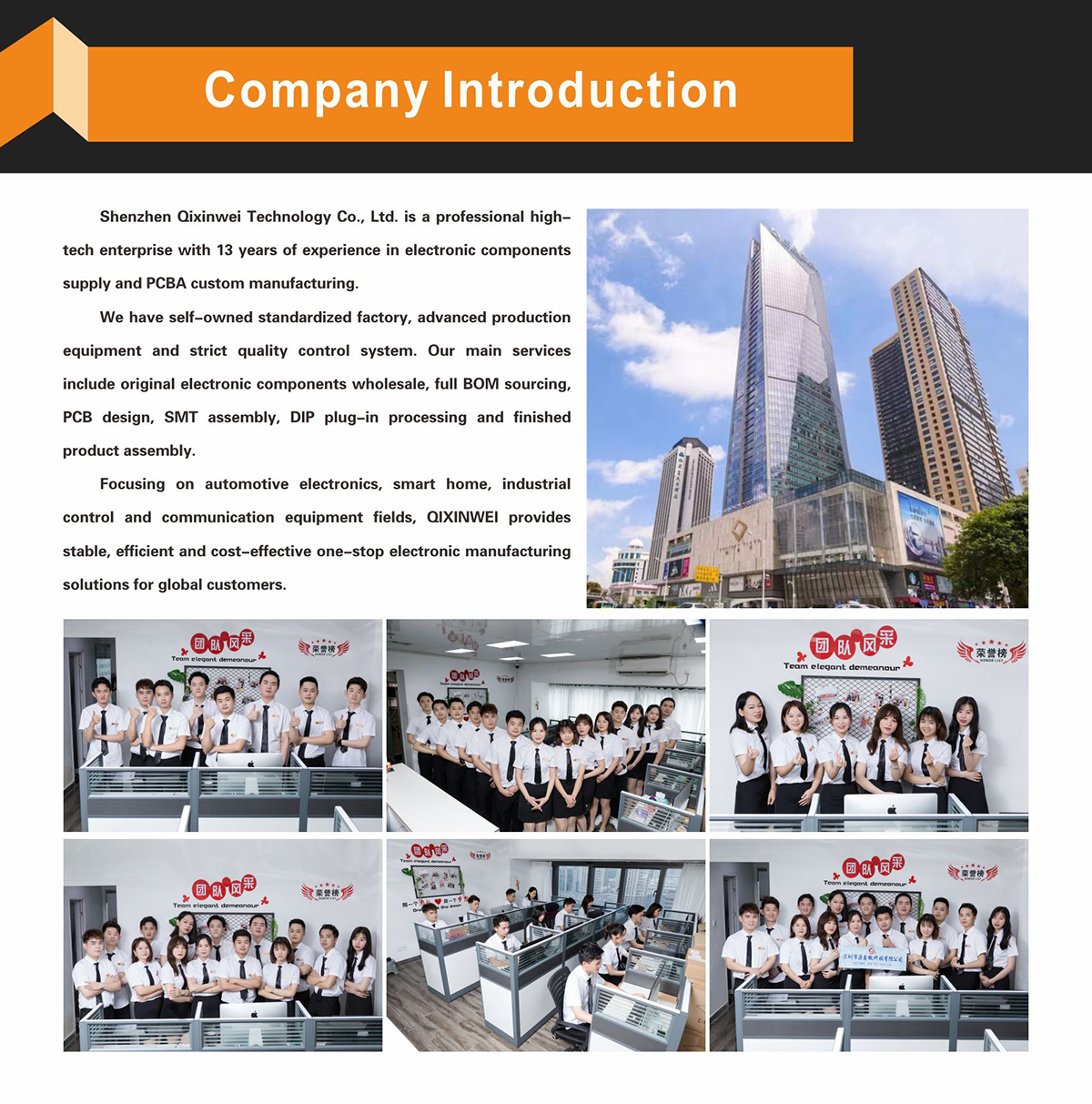
Years of experience in the electronics industry. Trusted by global customers.
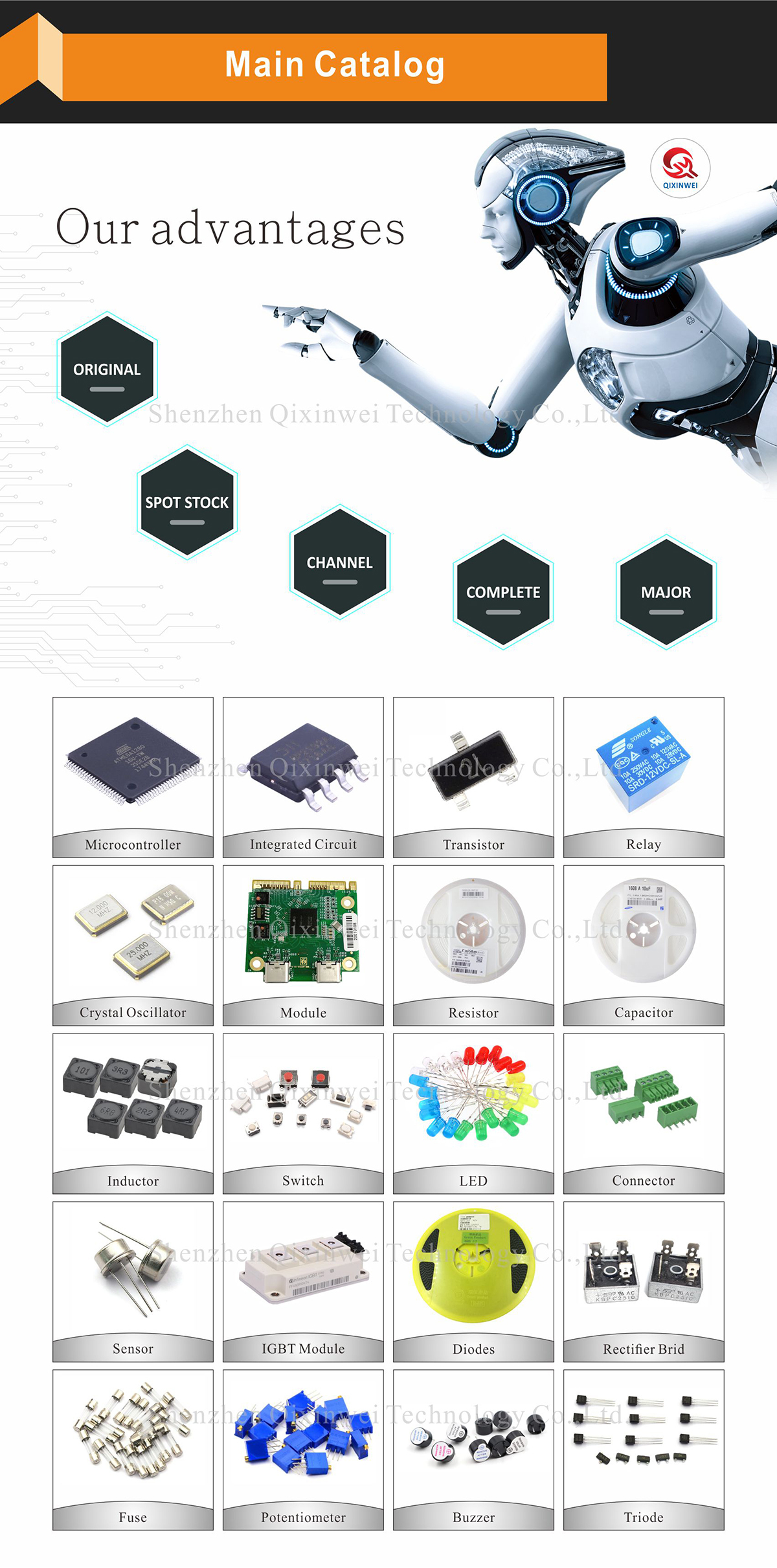
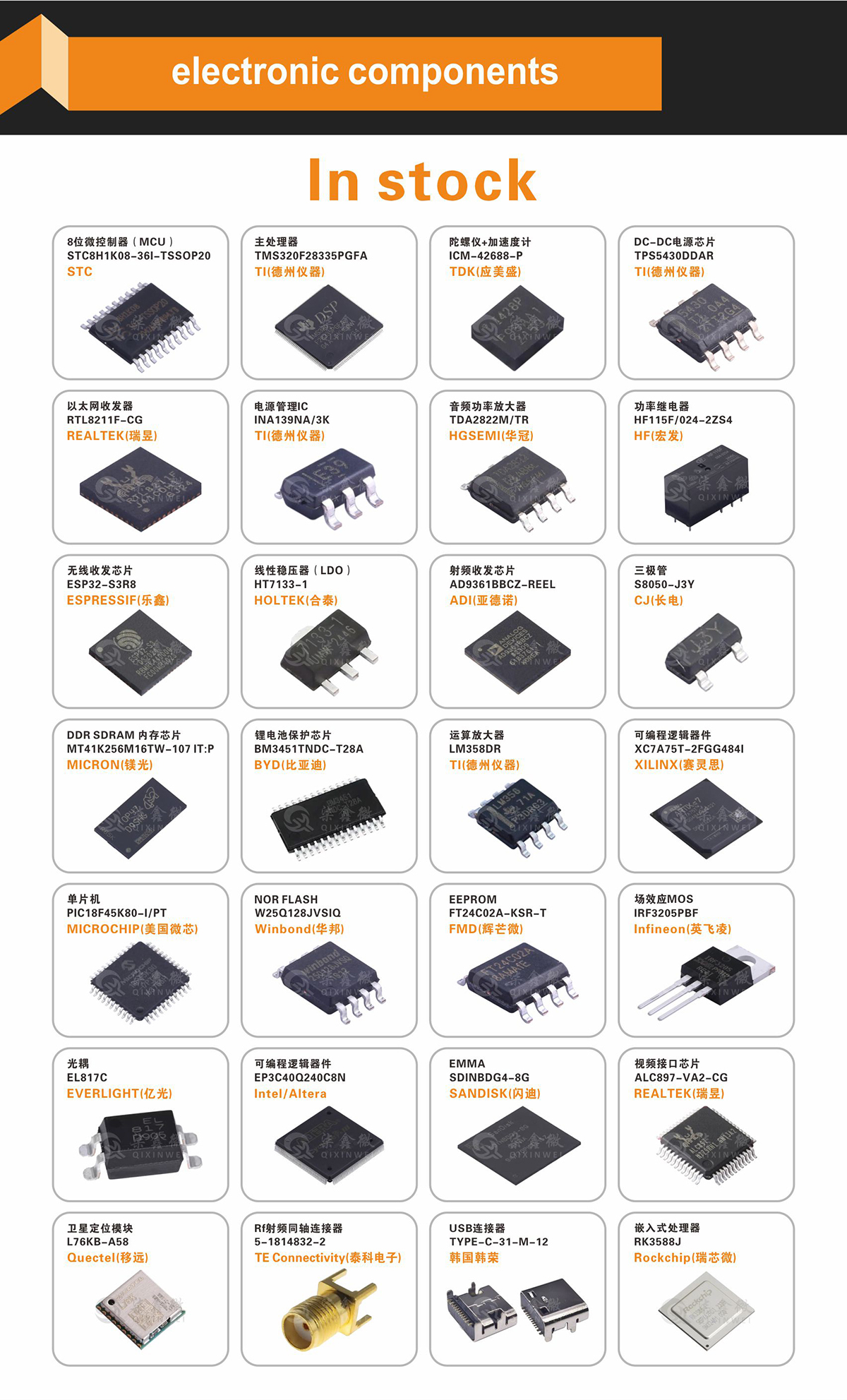
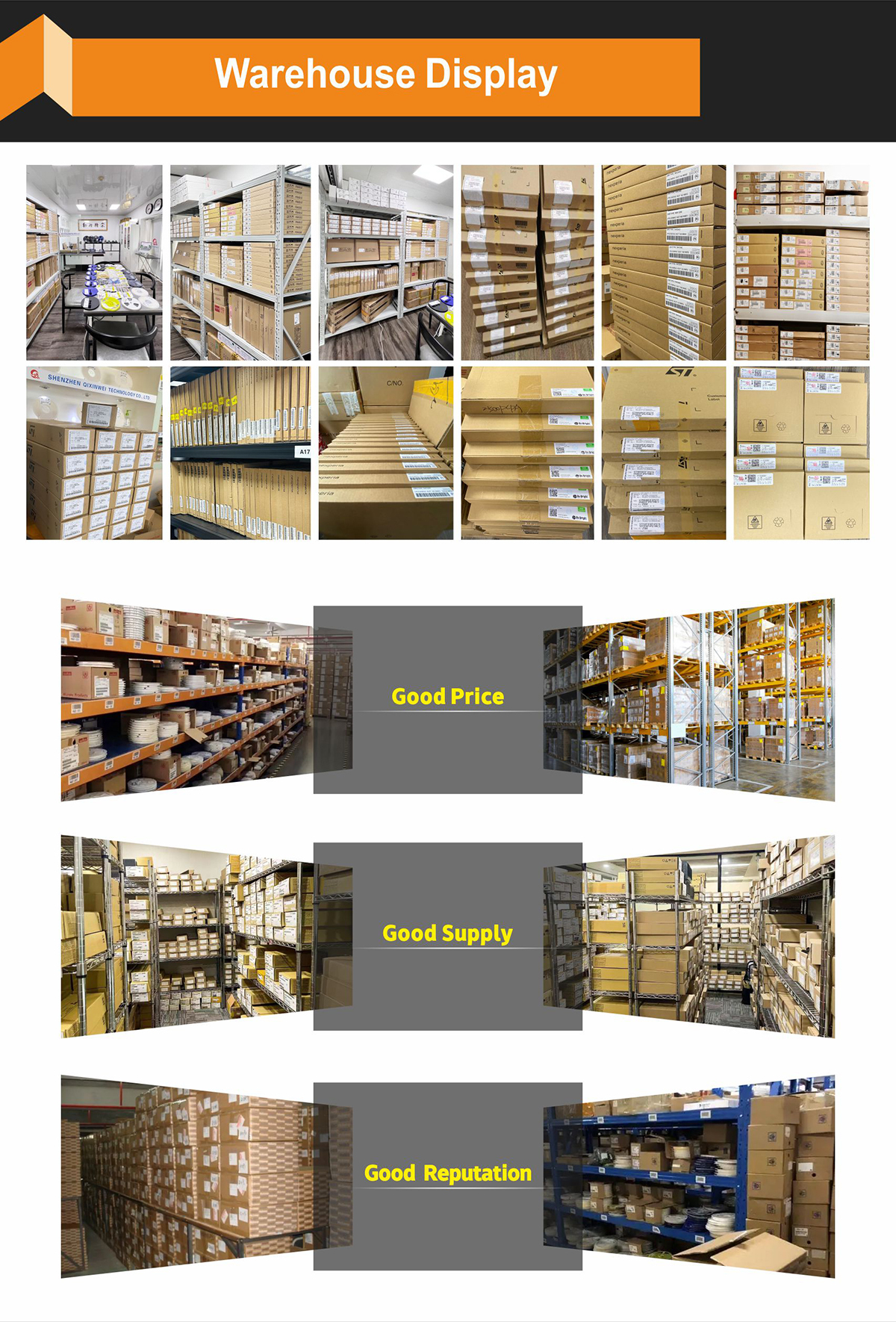
Massive In-Stock Inventory – Ready to ship promptly.
BOM Matching Service – One-stop solution, save time.
PCBA Customization – Professional engineering team creates tailor-made solutions based on your needs.
Cost-Effective & Efficient – Better channel, better cost.
A dedicated team makes your procurement smoother.
Contact us for BOM quotes or PCBA inquiries.

FAQ:
What is the STM32F429ZIT6 and what are its core strengths?
The STM32F429ZIT6 is a high‑performance Arm Cortex‑M4 microcontroller running at 180 MHz, equipped with 2 MB of Flash, 256 KB of SRAM, a hardware Chrom‑ART graphics accelerator, a TFT‑LCD controller, and a DCMI camera interface. Packaged in an LQFP‑144 body, it is designed for feature‑rich graphical HMIs, industrial displays, and camera‑enabled embedded systems where advanced pixel processing and a large code storage are essential.How does the Chrom‑ART Accelerator improve graphics performance, and what display resolutions can the integrated TFT‑LCD controller drive?
Chrom‑ART (DMA2D) handles pixel‑format conversion, alpha blending, and block transfers entirely in hardware, offloading the CPU during GUI rendering. The on‑chip TFT‑LCD controller supports parallel RGB panels up to XGA (1024×768) with 24‑bit color. Together they enable smooth animations, low‑latency touch responses, and professional‑grade user interfaces without an external graphics processor.Does the STM32F429ZIT6 have a camera interface, and can it handle both a display and a camera at the same time?
Yes, it includes an 8‑ to 14‑bit parallel DCMI (Digital Camera Interface) that can receive data from sensors like the OV2640 or OV5640. With the Chrom‑ART accelerator and the multi‑layer bus matrix, the F429ZIT6 can capture camera frames, process them, and update the display simultaneously. The DCMI and the LCD controller use independent DMA channels, so they can run in parallel without stalling the CPU.How can I best use the 2‑MB Flash and 256‑KB SRAM in a real GUI project? Is external SDRAM still necessary?
The 2‑MB Flash can hold a complete RTOS, a GUI framework such as TouchGFX, a TCP/IP stack, and a rich set of fonts and bitmaps. The 256‑KB SRAM is split into 112 KB of general‑purpose RAM, 64 KB of CCM, 64 KB of DTCM, and 16 KB of ITCM. For a single frame buffer at 800×480, you typically need about 768 KB, which exceeds the internal SRAM. An external SDRAM (easily attached via the flexible memory controller) is therefore commonly used for the frame buffer, while the internal memories handle the stack, real‑time data, and critical code.How does the STM32F429ZIT6 differ from the STM32F437? When should I choose one over the other?
The STM32F429ZIT6 features the TFT‑LCD controller and Chrom‑ART accelerator, making it ideal for graphical displays. The STM32F437 replaces these with a hardware cryptographic engine (AES, SHA, etc.) and keeps the DCMI, targeting secure camera or data‑processing applications without a native display. If your product needs a rich screen interface, pick the F429. If hardware security and camera processing are more important, the F437 is the better match.Is the STM32F429ZIT6 a straightforward upgrade from the STM32F407? What benefits will I see?
In most cases, yes. The F429ZIT6 offers the same LQFP‑144 package and a similar pin‑out to the popular F407Zx series. You gain double the Flash (2 MB vs 1 MB), the Chrom‑ART accelerator for much smoother graphics, a dedicated TFT‑LCD controller, and the DCMI camera interface. Existing HAL‑based code can be reused with minimal changes, giving an immediate boost in graphical performance and storage headroom.What communication peripherals can be active simultaneously on the STM32F429ZIT6 without pin conflicts?
With the LQFP‑144 package and up to 114 I/O pins, you can typically run a 10/100 Ethernet MAC (RMII or MII), USB high‑speed (ULPI), up to two CAN 2.0B interfaces, multiple UART/SPI/I2C ports, and still have pins for an external SDRAM, an SD card, and the LCD controller. Careful pin planning with STM32CubeMX allows almost all major interfaces to be used concurrently.Which development tools and graphics frameworks support the STM32F429ZIT6? Can I use TouchGFX for free?
The free STM32CubeIDE, along with Keil MDK and IAR EWARM, fully support the F429. ST’s TouchGFX framework is also free for STM32 devices and is highly optimized for the Chrom‑ART accelerator. You can quickly generate a running GUI prototype on a Discovery board, then re‑target to the ZIT6 by adjusting the linker script and pin assignment in CubeMX.How should I partition the 256‑KB SRAM for best real‑time performance in a display‑based system?
Place time‑critical interrupt handlers and control loops in ITCM (16 KB) for zero‑wait‑state execution. Use DTCM (64 KB) for the stack and hot data that needs deterministic access. The 64‑KB CCM is ideal for frequently accessed lookup tables or rendering structures that do not use DMA. The general‑purpose 112‑KB SRAM and any external SDRAM handle the frame buffer, communication stacks, and large data objects.What are the most typical applications for the STM32F429ZIT6, given its graphics and camera capabilities?
It powers industrial HMI panels, home‑automation touch screens, medical device displays, high‑end instrument front panels, and security camera control units. The combination of Chrom‑ART, TFT‑LCD, DCMI, and large Flash/SRAM makes it a versatile single‑chip solution for any embedded product that needs a rich graphical interface and optional camera input.
- Property:
- Specification
- Product Type:
- Arm Cortex-M4 High-Performance 32-bit MCU
- Brand:
- STMicroelectronics
- Core:
- Cortex-M4 180 MHz (FPU + ART)
- Package:
- LQFP-144
- Memory:
- 2 MB Flash, 256 KB SRAM
- Display:
- LCD-TFT, Chrom-ART
- Connectivity:
- Ethernet, USB OTG, Dual CAN, DCMI
- Security:
- AES/3DES/HASH/RNG
- I/Os:
- 114
- Voltage:
- 1.8V–3.6V