qixinwei-pcba


STM32F429IIT6 ST Mainstream Arm Cortex-M4 High-Performance 32-bit MCU 2MB Flash 180MHz FPU LCD-TFT Ethernet USB OTG DCMI Crypto LQFP-176
STM32F429IIT6 Product Overview
The STM32F429IIT6 is a Cortex-M4 high-performance MCU from STMicroelectronics in an LQFP-176 package. It runs at 180 MHz with FPU and ART Accelerator. It integrates 2 MB Flash, 256 KB SRAM (incl. 64 KB CCM), LCD-TFT controller (up to XGA resolution), Chrom-ART Accelerator (DMA2D) for hardware 2D graphic operations, Ethernet 10/100 MAC (IEEE 1588 PTP, MII/RMII), USB 2.0 OTG (FS/HS, FS on-chip PHY), camera interface (DCMI), hardware crypto/HASH/true random number processor, FMC (supporting SRAM/PSRAM/NOR/NAND/SDRAM), dual CAN 2.0B, two 12-bit DACs, three 12-bit ADCs (24ch, up to 7.2 MSPS in triple-interleaved mode), up to 17 timers (incl. 2 advanced motor control PWM/deadtime). 140 I/Os, all 5 V-tolerant. Supply 1.8–3.6 V, -40–85 °C. Compared to the STM32F429IGT6 (1 MB Flash), this model doubles the Flash to 2 MB, making it the memory flagship in the LQFP-176 package, meeting the demands of larger firmware and complex protocol stacks. Compared to the STM32F429BIT6 (LQFP-208, 168 I/Os), it offers slightly fewer I/Os while retaining the complete LCD-TFT, Chrom-ART, Ethernet, and crypto features, providing a balanced choice between space and functionality. Compared to the STM32F427IIT6 (without LCD, Chrom-ART, and SDRAM), this model adds an LCD-TFT controller, Chrom-ART accelerator, and FMC with SDRAM support, significantly enhancing HMI and graphics processing capabilities.
STM32F429IIT6 Core Features
Core: Arm Cortex-M4 180 MHz + FPU + ART Accelerator Memory: 2 MB Flash, 256 KB SRAM (incl. 64 KB CCM) LCD-TFT Controller: Up to 1024×768 resolution, parallel RGB interface Chrom-ART Accelerator (DMA2D): Hardware 2D graphic operations, offloading CPU FMC: Supports SRAM, PSRAM, NOR, NAND, and SDRAM for flexible external memory expansion Ethernet MAC: 10/100 Mbit/s, IEEE 1588 PTP hardware support, MII/RMII USB 2.0 OTG: FS + HS, FS on-chip PHY, HS requires external ULPI SDIO + HW Crypto: SD/MMC interface; AES 128/192/256, 3DES, HASH (MD5, SHA-1), True RNG Dual CAN 2.0B: Supports dual industrial bus communication Camera Interface: 8–14-bit parallel DCMI 3×12-bit ADCs: 24 channels, 2.4 MSPS (up to 7.2 MSPS in triple-interleaved mode) 2×12-bit DACs: Buffered output Timers: Up to 17 (2× motor control PWM/deadtime/emergency stop, 12× 16-bit GP/quadrature encoder, 2× basic, 2× watchdogs, SysTick) Communication Interfaces: 4×USART + 2×UART (ISO7816/LIN/IrDA), 3×SPI (30 Mbit/s), 2×I2S, 3×I2C (SMBus), USB OTG, SDIO, Ethernet I/Os: 140, all 5 V-tolerant Low Power: Sleep/Stop/Standby, VBAT backup RTC Package: LQFP-176 (24×24×1.4 mm)
STM32F429IIT6 Applications
Industrial: PLCs, inverters, precision motor drives, industrial Ethernet gateways HMI: High-end graphical display panels, industrial touch screens, portable medical devices Motor Control: Dual-motor FOC, servo drives, pumps Image Capture: Simple camera monitoring, barcode scanning, industrial vision Network Communication: Ethernet control nodes, IoT gateways Security Applications: IoT security, payment terminals, data integrity verification Complex Embedded Systems: Applications requiring LCD display, graphics acceleration, and multi-peripheral connectivity
STM32F429IIT6 Key Advantages
LCD-TFT Controller + Chrom-ART: High-resolution display with hardware graphics acceleration for HMI and embedded GUI applications FMC + SDRAM: Expandable large external SDRAM for graphics frame buffer and big data processing 180 MHz Cortex-M4 + FPU: Powerful performance for complex DSP and floating-point operations 2 MB Flash + 256 KB SRAM: Large memory capacity for large firmware and complex algorithms Ethernet + DCMI + Crypto + Dual CAN: Network communication, image capture, data security, and dual industrial bus in an LQFP package Hardware Crypto Engine + RNG: AES/3DES/HASH/true random number for data security and integrity Dual DACs + 3 ADCs: Comprehensive analog functions with multi-channel synchronous acquisition 17 Timers (incl. 2 Motor Control): Supports dual-motor FOC Mature STM32 Ecosystem: CubeIDE/CubeMX/HAL/LL
Why Choose QIXINWEI
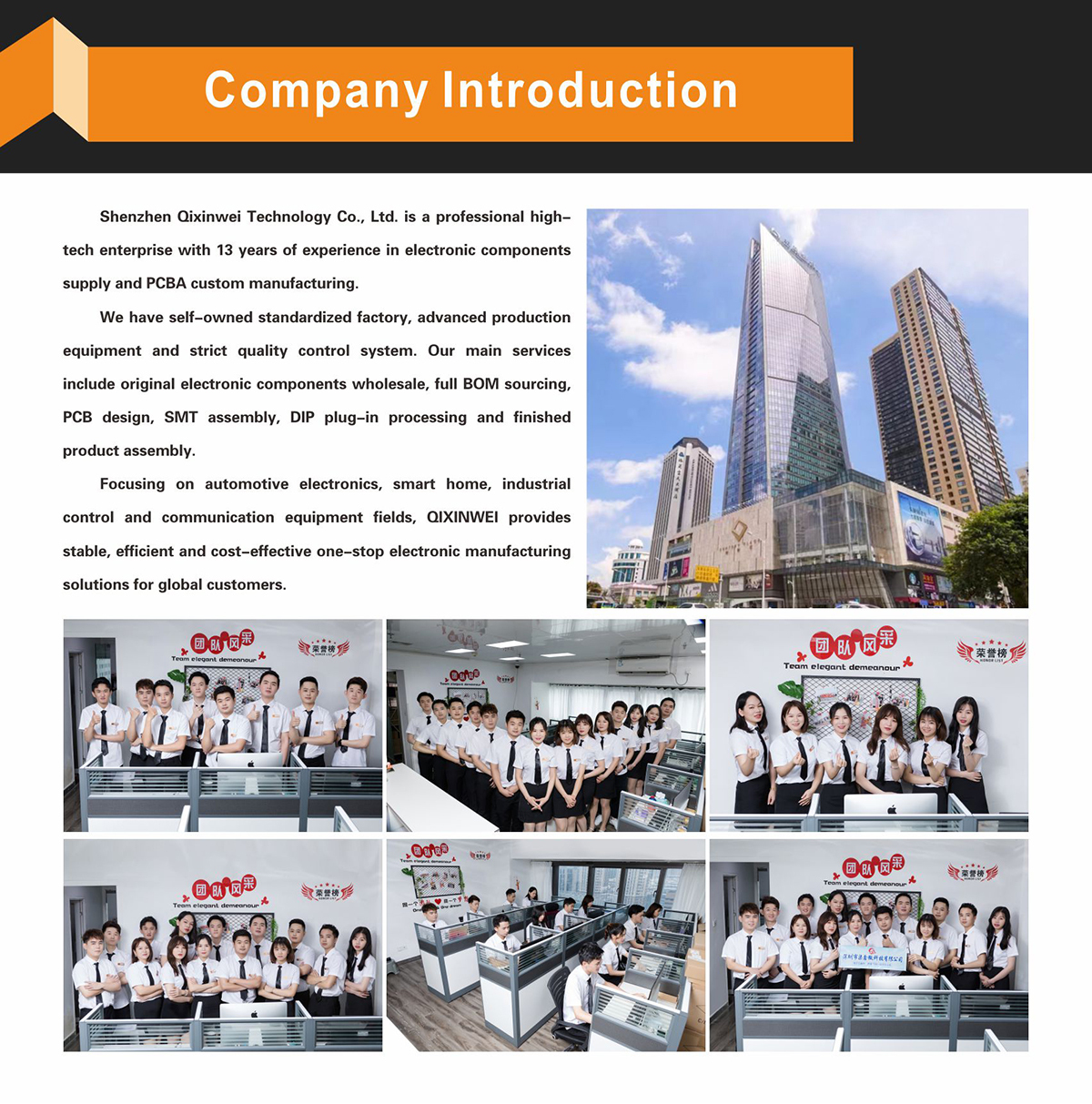
Years of experience in the electronics industry. Trusted by global customers.
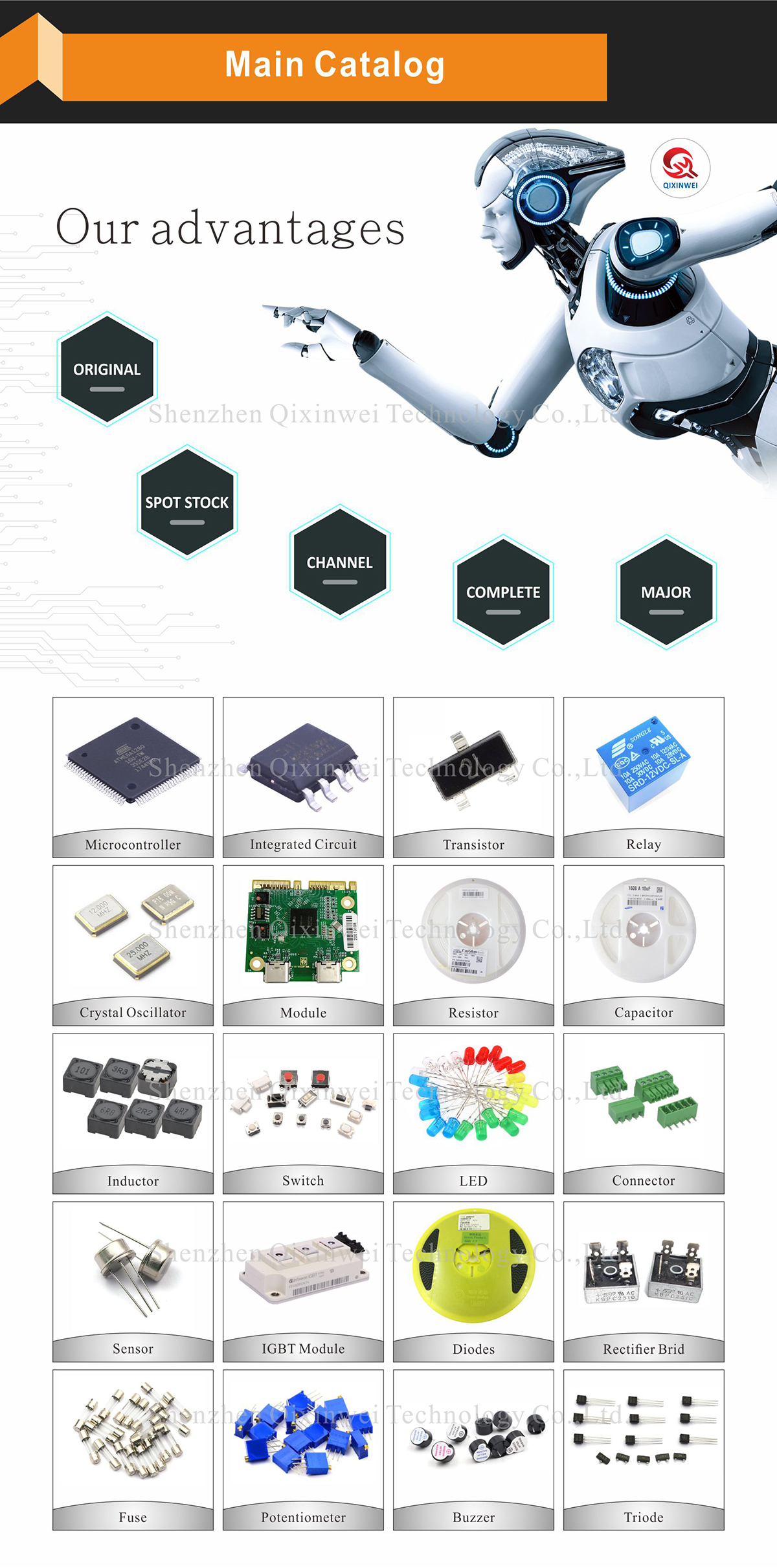
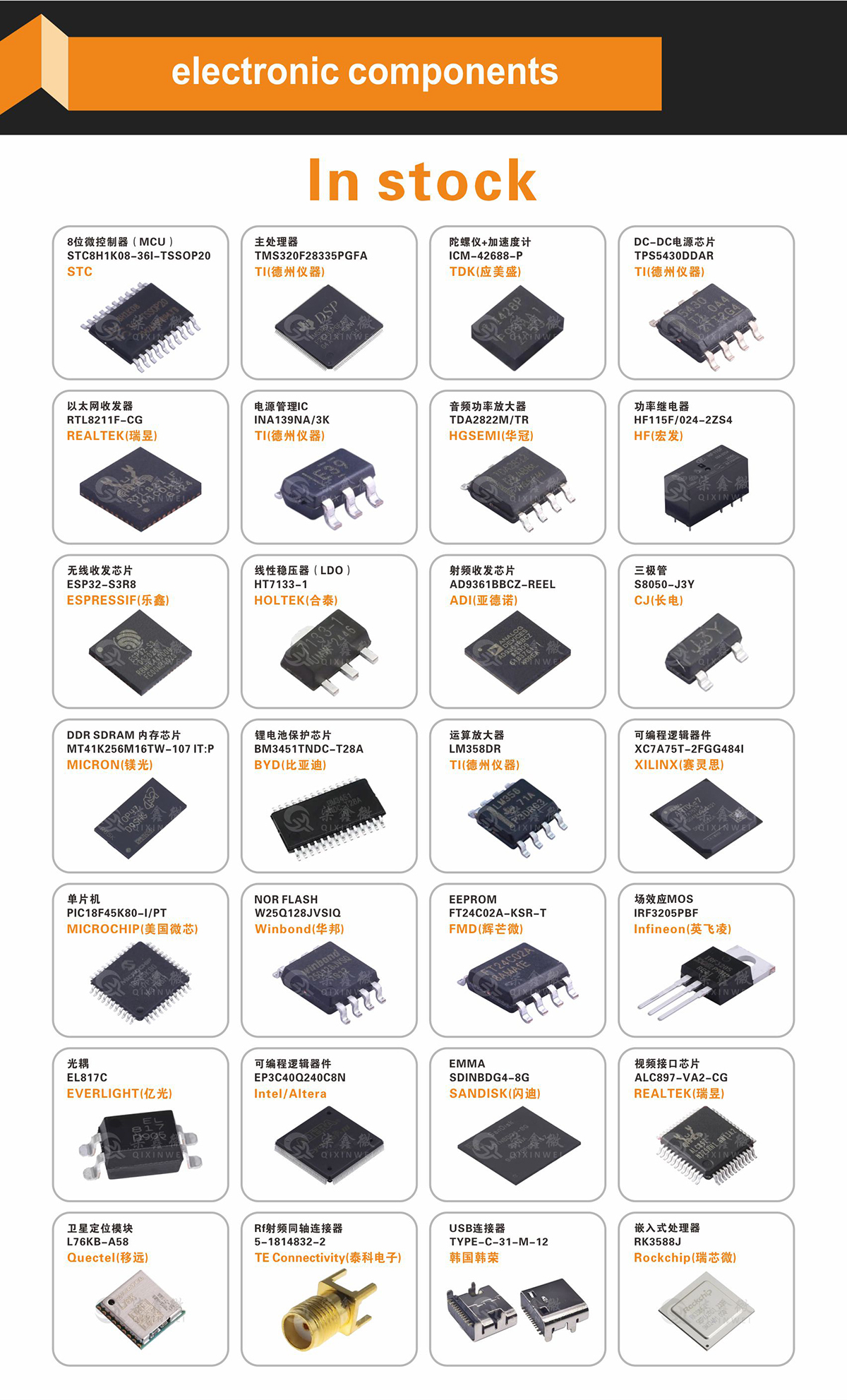
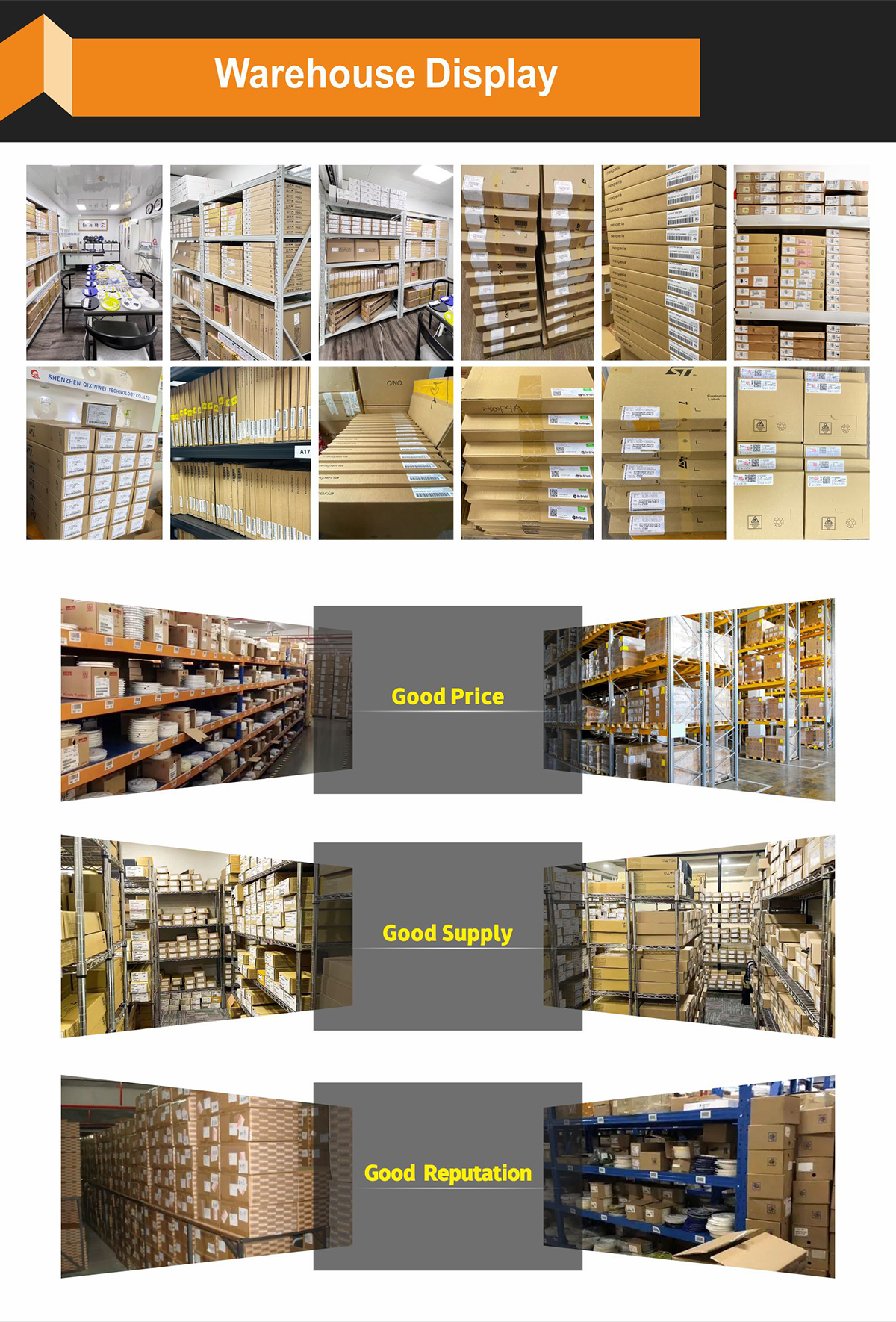
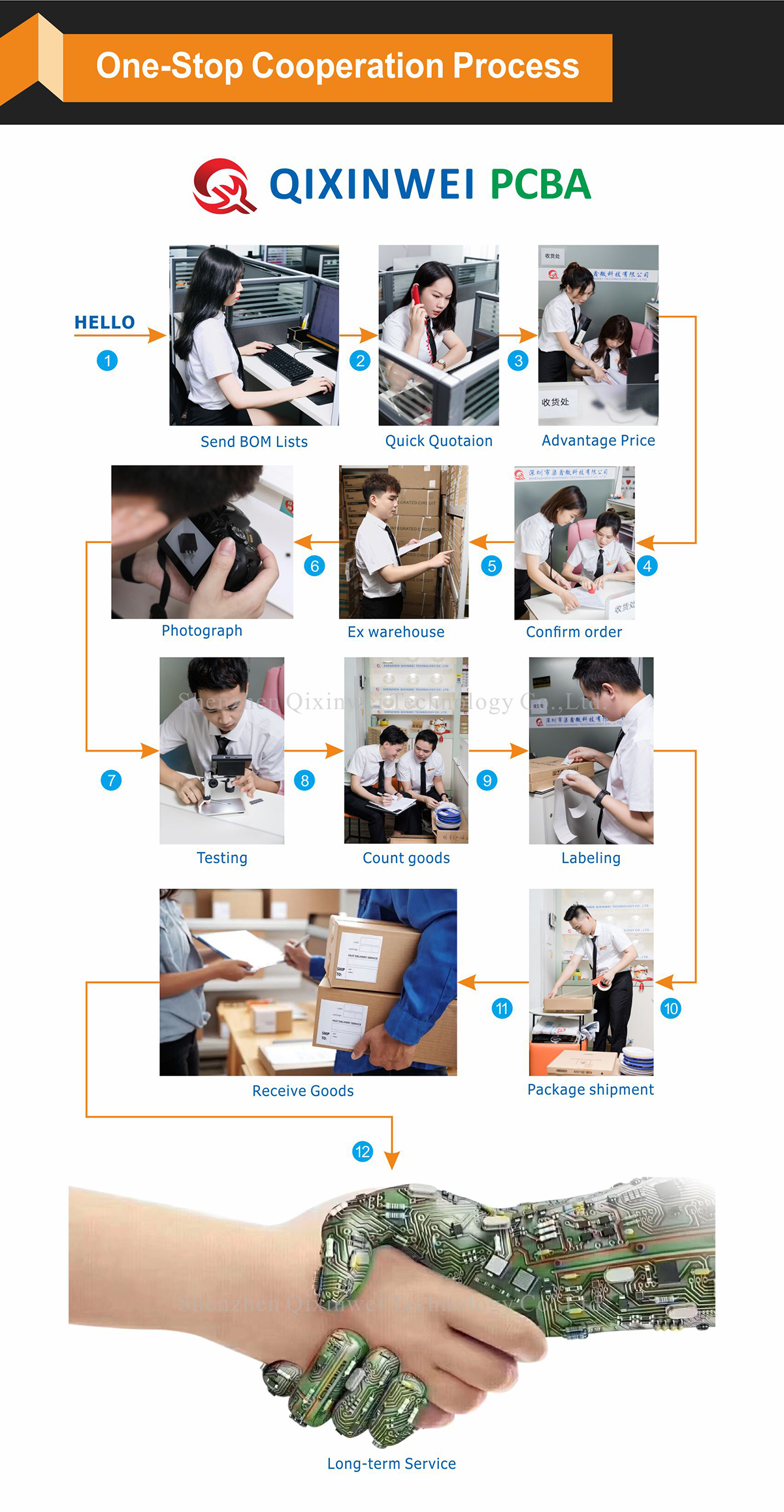
Massive In-Stock Inventory – Ready to ship promptly.
BOM Matching Service – One-stop solution, save time.
PCBA Customization – Professional engineering team creates tailor-made solutions based on your needs.
Cost-Effective & Efficient – Better channel, better cost.
A dedicated team makes your procurement smoother.
Contact us for BOM quotes or PCBA inquiries.

FAQ:
What is the STM32F429IIT6 and where does it fit in the F429 lineup?
The STM32F429IIT6 is a 180 MHz Cortex‑M4 microcontroller with 2 MB Flash, 256 KB SRAM, Chrom‑ART graphics accelerator, TFT‑LCD controller, and DCMI camera interface, housed in an LQFP‑176 package. It offers the same maximum Flash capacity as the ZIT6 (LQFP‑144) and NIH6 (BGA‑216), but with more I/O pins (up to 140) than the ZIT6, making it the best choice for designs that need a large number of parallel interfaces without moving to a BGA package.How does the STM32F429IIT6 differ from the STM32F429ZIT6? When should I choose the IIT6?
Both have 2 MB Flash and the same core peripherals. The key difference is the package: IIT6 uses LQFP‑176 with up to 140 I/Os, while ZIT6 uses LQFP‑144 with up to 114 I/Os. Choose the IIT6 when you need extra I/Os for a full 32‑bit SDRAM interface, multiple CAN/UART/SPI ports, a TFT‑LCD, and a camera, all without pin conflicts. The ZIT6 is sufficient if 114 I/Os meet your requirements.Why pick the LQFP‑176 IIT6 over the BGA‑216 NIH6? What are the practical benefits?
The LQFP‑176 package uses externally accessible leads with a 0.5 mm pitch, which can be drag‑soldered and visually inspected—ideal for prototyping, low‑volume production, and rework. The BGA‑216 requires reflow soldering and X‑ray inspection. For teams that value easy manufacturing and field repair, the IIT6 delivers the same 2‑MB Flash and 140 I/Os in a much more production‑friendly form factor.Can the 2 MB Flash and 256 KB SRAM handle a complete TouchGFX GUI, RTOS, and camera application?
Yes. The 2‑MB Flash can comfortably store a full RTOS, a TCP/IP stack, the TouchGFX framework, multiple fonts, and a rich set of bitmaps. The 256‑KB SRAM (112 KB general‑purpose, 64 KB CCM, 64 KB DTCM, 16 KB ITCM) handles critical real‑time data. External SDRAM is usually added for the frame buffer, but all code and static assets can live on‑chip.Can the IIT6 drive a high‑resolution TFT display and capture camera data simultaneously?
Absolutely. The TFT‑LCD controller (up to XGA 1024×768) and the DCMI camera interface use independent DMA channels, allowing concurrent operation without CPU intervention. You can stream camera images to the display or Ethernet while the Chrom‑ART accelerator handles pixel blending and color conversion entirely in hardware.What external memory does the LQFP‑176 package support? Can I use a 32‑bit SDRAM?
Yes, the LQFP‑176 package provides enough pins to connect a full 32‑bit SDRAM via the flexible memory controller (FMC), which is often difficult on smaller 144‑pin packages without sacrificing other peripherals. You can also add NOR/NAND Flash and use the QSPI interface for additional storage, making the IIT6 ideal for data‑intensive GUIs and data loggers.Is the STM32F429IIT6 a good upgrade from an STM32F407? What benefits do I get?
Yes, the migration is straightforward, especially if you already use an LQFP‑176 F407 variant. You gain double the Flash (2 MB vs 1 MB), a larger SRAM (256 KB vs 192 KB), the Chrom‑ART accelerator for smooth graphics, a dedicated TFT‑LCD controller, and the DCMI camera interface. Existing HAL code can be reused with minimal changes.What communication peripherals can run simultaneously on the IIT6 without pin conflicts?
With 140 I/Os, you can typically run Ethernet (MII or RMII), USB high‑speed (ULPI), two CAN 2.0B, multiple UART/SPI/I2C, an SD card interface, and still have pins for a 32‑bit SDRAM, the TFT‑LCD, and the DCMI camera. Use STM32CubeMX to verify your exact pin assignment.Which development tools and graphics frameworks support the STM32F429IIT6? Is TouchGFX free?
All major tools—free STM32CubeIDE, Keil MDK, and IAR EWARM—fully support the chip. TouchGFX is free for STM32 devices and optimized for the Chrom‑ART accelerator. You can prototype on a Discovery board with a similar F429 and then retarget to the IIT6 by updating the linker script and CubeMX pin configuration.What are the most typical applications for the STM32F429IIT6?
It is ideal for high‑end industrial HMI panels, medical imaging systems, avionics displays, high‑channel‑count data loggers, and any embedded system that requires a rich graphical user interface, camera input, and a large number of wired peripherals. The LQFP‑176 package balances high I/O count with easy assembly, making it a popular choice for professional products that must be manufactured and serviced reliably.
- Product Type:
- Mainstream Arm Cortex-M4 High-Performance 32-bit MCU
- Brand:
- STMicroelectronics
- Core:
- Arm Cortex-M4 180MHz (FPU + ART Accelerator)
- Package:
- LQFP-176 (24×24×1.4mm)
- Memory:
- 2MB Flash, 256KB SRAM (incl. 64KB CCM)
- Peripherals:
- LCD-TFT Controller (up to XGA), Chrom-ART Accelerator (DMA2D), FMC (SDRAM support), Ethernet 10/100 MAC (IEEE 1588 PTP), USB 2.0 OTG FS/HS, SDIO, DCMI, HW Crypto (AES/3DES/HASH/RNG), Dual CAN 2.0B, 3×12-bit ADCs (24ch/2.4MSPS), 2×12-bit DACs, 2× Motor control PWM (deadtime), 12×16-bit GP timers (quadrature encoder), Calendar RTC
- Interfaces:
- 4×USART, 2×UART, 3×SPI (30Mbit/s), 2×I2S, 3×I2C (SMBus), Ethernet
- I/Os:
- 140
- Voltage:
- 1.8V~3.6V
- Temperature:
- -40°C~85°C