qixinwei-pcba


STM32F413ZHT6 ST Mainstream Arm Cortex-M4 Dynamic Efficiency 32-bit MCU 1MB Flash 100MHz FPU CAN DFSDM LQFP-144
STM32F413ZHT6 Product Overview
The STM32F413ZHT6 is a Cortex-M4 dynamic efficiency MCU from STMicroelectronics in an LQFP-144 package. It runs at 100 MHz with FPU and ART Accelerator. It integrates 1 MB Flash, 320 KB SRAM, CAN 2.0B, USB 2.0 OTG (FS), SDIO, 4 SPIs (one with I2S), 4 USARTs, 3 I2Cs, BAM batch acquisition mode, two 12-bit DACs, DFSDM (Digital Filter for Sigma-Delta Modulators), up to 17 timers (incl. 2 advanced motor control PWM/deadtime), and a 12-bit ADC (16ch, 2.4MSPS). 114 I/Os, all 5 V-tolerant. Supply 1.7–3.6 V, -40–85 °C. Compared to the STM32F413VGT6 (LQFP-100, 81 I/Os), the package is upgraded to LQFP-144, providing extremely rich I/O resources. Compared to the STM32F407ZGT6, this model does not feature Ethernet or DCMI, but offers larger SRAM (320 KB vs 192 KB), and integrates DFSDM and dual DACs, making it an optimized choice for high-precision analog acquisition with rich I/O connectivity.
STM32F413ZHT6 Core Features
Core: Arm Cortex-M4 100 MHz + FPU + ART Accelerator Memory: 1 MB Flash, 320 KB SRAM CAN 2.0B + USB 2.0 OTG: CAN industrial bus; USB FS, supports Device/Host/OTG SDIO: SD/MMC card interface support BAM: Batch Acquisition Mode for low-power batch sensor data reading DFSDM: 4-channel digital Sigma-Delta filter for connecting external modulators for high-precision ADC 12-bit ADC: 16 channels, 2.4 MSPS (up to 7.2 MSPS interleaved) 2×12-bit DACs: Buffered output Timers: 2× advanced motor control PWM (deadtime/emergency stop), 10× 16-bit GP (incl. 2 quadrature encoders), 2× basic, 2× watchdogs, SysTick Communication Interfaces: 4×USART (ISO7816/LIN/IrDA), 4×SPI/I2S, 3×I2C (SMBus), USB OTG, SDIO, CAN I/Os: 114, all 5 V-tolerant Low Power: Sleep/Stop/Standby, VBAT backup RTC, BAM mode Package: LQFP-144 (20×20×1.4 mm)
STM32F413ZHT6 Applications
Industrial: CAN bus nodes, sensor transmitters, data acquisition nodes, PLCs Motor Control: Dual-motor FOC (2 advanced timers), BLDC/PMSM, fans, pumps High-Precision Sensor Nodes: DFSDM for connecting external Sigma-Delta ADCs/sensors, 114 I/Os for multi-channel connectivity Consumer: Game controllers, remote controls, drone flight controllers IoT Nodes USB OTG/SDIO Storage Applications
STM32F413ZHT6 Key Advantages
Cortex-M4 + FPU + ART Accelerator: 100 MHz high performance with DSP and floating-point support 320 KB SRAM + 1 MB Flash: Large SRAM for complex data processing and buffering CAN 2.0B + USB OTG + SDIO: Combines industrial bus, general communication, and storage interfaces DFSDM Digital Filter: Connects to external Sigma-Delta modulators for flexible high-precision measurement 2 × 12-bit DACs + 2 Advanced Motor Control Timers: Supports dual-motor FOC and dual analog outputs BAM Batch Acquisition Mode: Low-power batch sensor data reading, optimized battery life LQFP-144 Package: 114 I/Os, extremely rich resources for complex applications requiring numerous I/Os Mature STM32 Ecosystem: CubeIDE/CubeMX/HAL/LL
Why Choose QIXINWEI
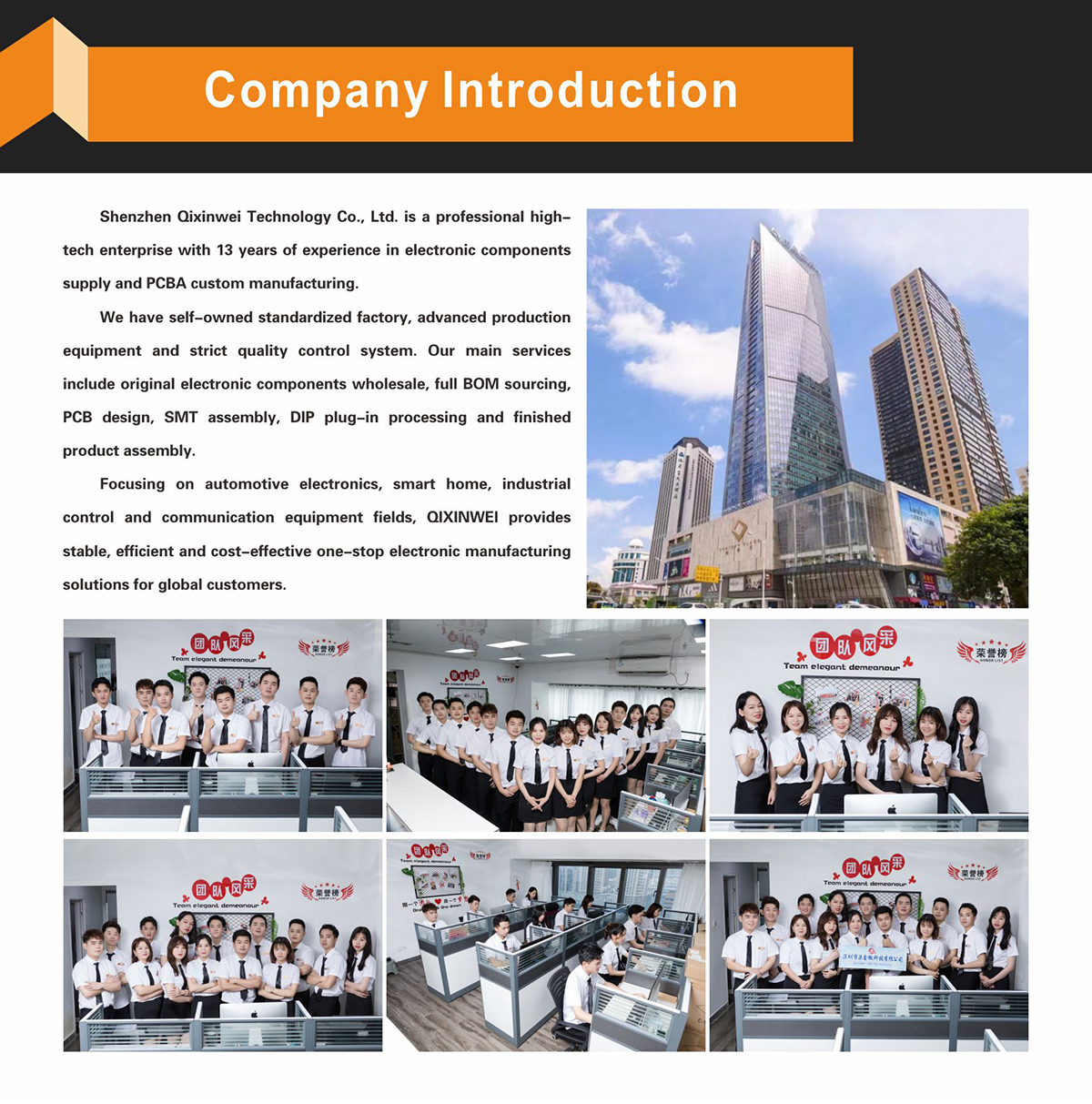
Years of experience in the electronics industry. Trusted by global customers.
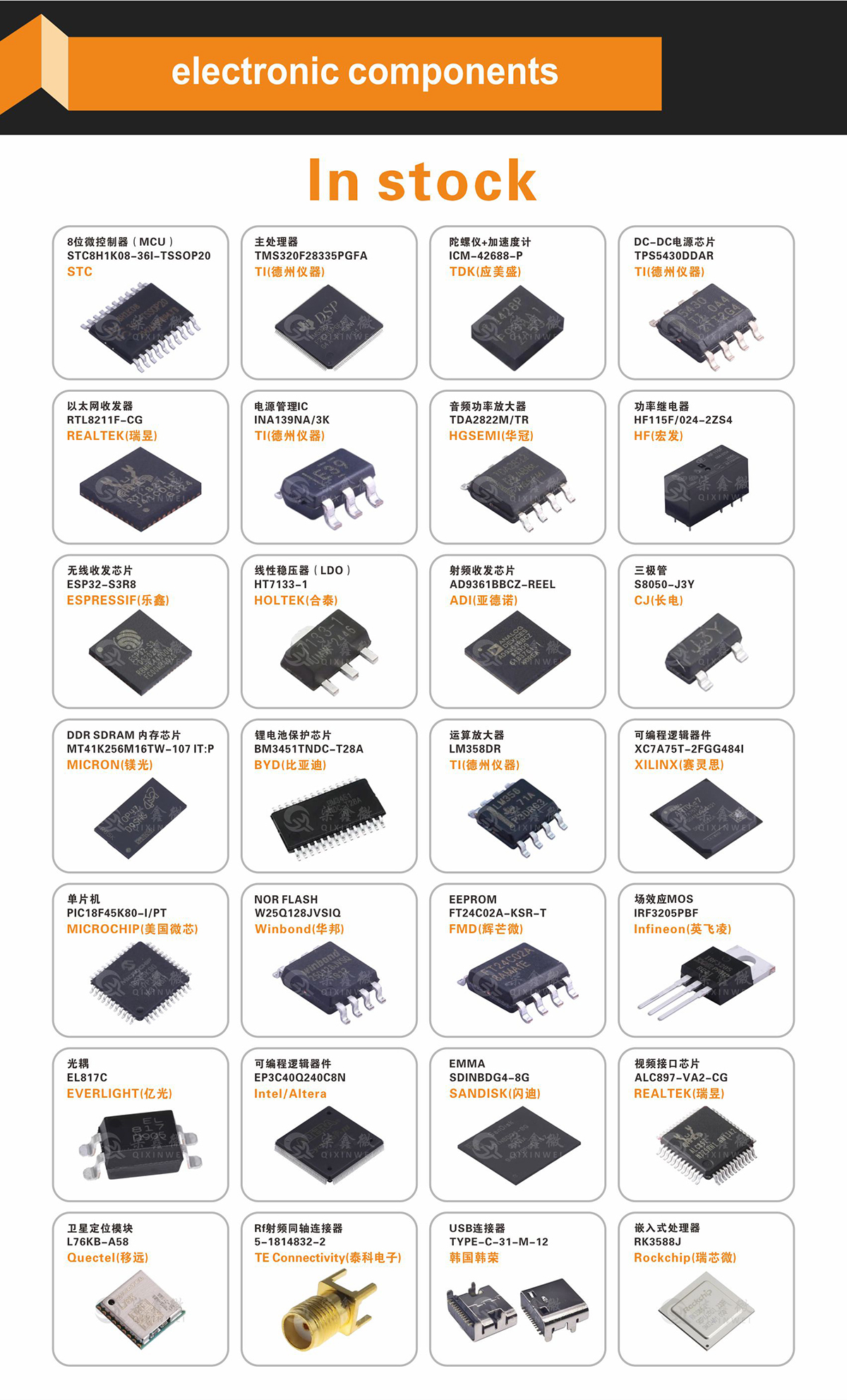
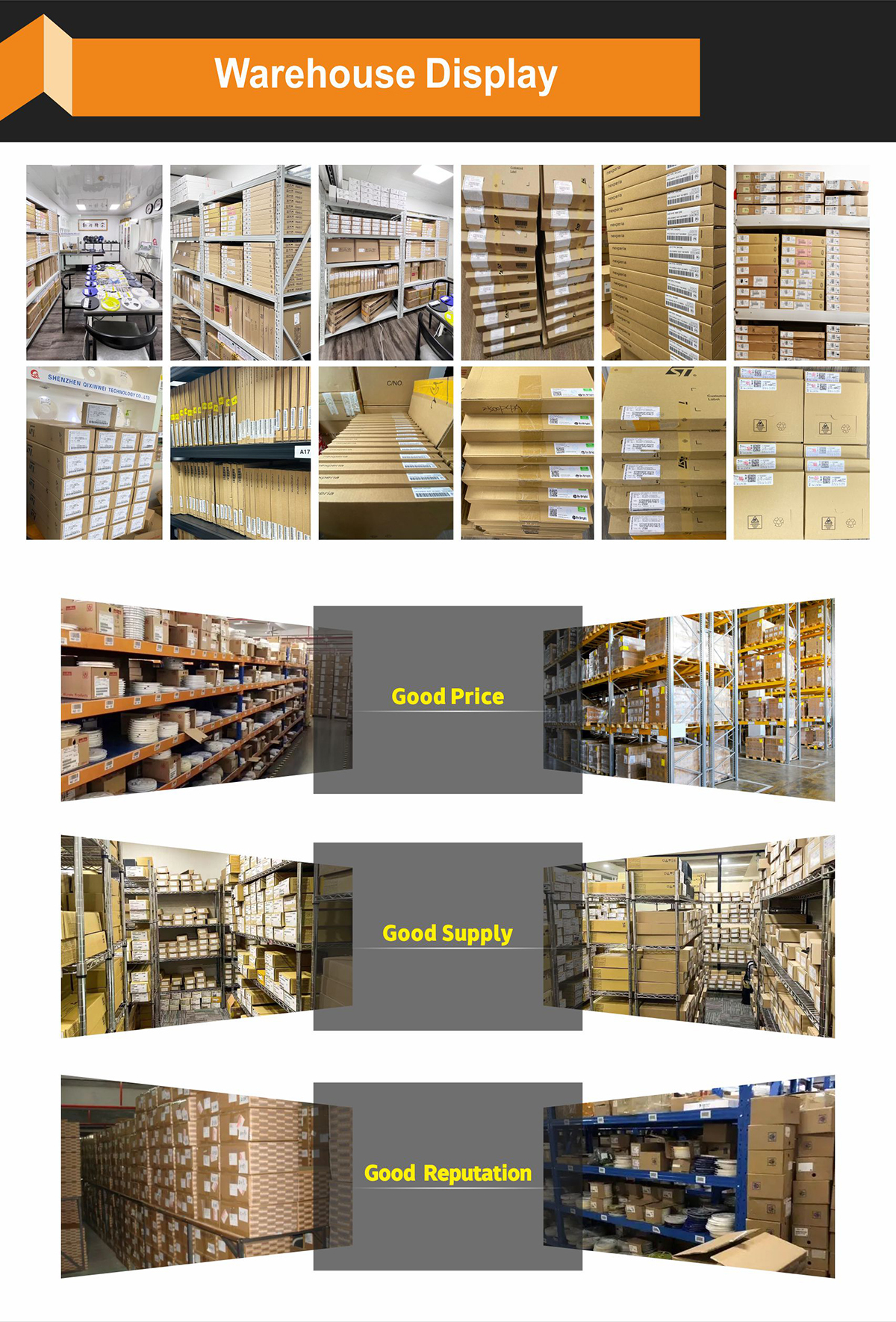
Massive In-Stock Inventory – Ready to ship promptly.
BOM Matching Service – One-stop solution, save time.
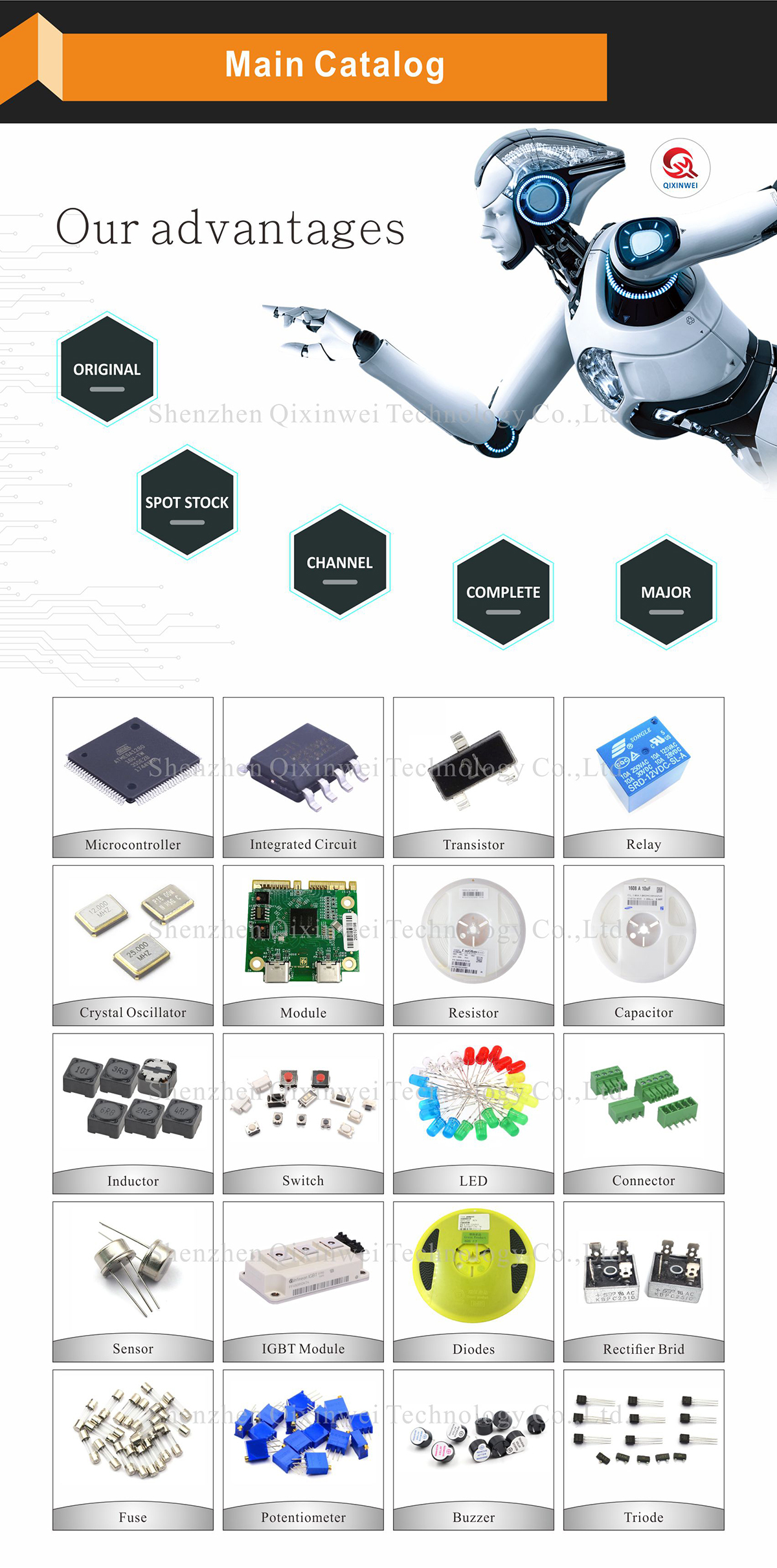
PCBA Customization – Professional engineering team creates tailor-made solutions based on your needs.
Cost-Effective & Efficient – Better channel, better cost.
A dedicated team makes your procurement smoother.
Contact us for BOM quotes or PCBA inquiries.

FAQ:
What is the STM32F413ZHT6 and what makes its 1.5 MB Flash unique?
The STM32F413ZHT6 is a 100 MHz Cortex‑M4F microcontroller with a rarely seen 1.5 MB of on‑chip Flash and 320 KB of SRAM. It sits between the classic 1 MB and 2 MB Flash variants, giving you extra headroom for complex firmware, graphical assets, or a robust OTA update scheme without moving to a higher‑speed series. The generous Flash, combined with a rich set of connectivity and camera interface, makes it a highly balanced MCU for feature‑rich yet cost‑conscious designs.How much SRAM does the STM32F413ZHT6 provide, and how is it organized?
It offers 320 KB of total SRAM: 256 KB of system SRAM and 64 KB of core‑coupled memory (CCM). The CCM provides zero‑wait‑state access for the CPU and is ideal for real‑time critical data and the stack, while the 256 KB system RAM handles DMA buffers, communication stacks, and application data. There is also a 4 KB backup SRAM that can retain data in the lowest‑power modes through a dedicated VBAT supply.How does the STM32F413ZHT6 differ from the classic STM32F407? Is it a good upgrade?
Compared to the 168 MHz STM32F407, the F413ZHT6 runs at a lower but more power‑efficient 100 MHz. It significantly upgrades the Flash (1.5 MB vs 1 MB), SRAM (320 KB vs 192 KB), and adds features like a DCMI camera interface, an FMC supporting SDRAM, dual CAN 2.0B, and a QSPI interface. Existing F407 code can be reused with minimal changes, giving you more memory, a camera input, and better low‑power performance without a major redesign.Does the STM32F413ZHT6 have a camera interface? Can it also drive a TFT display?
Yes, it includes an 8‑ to 14‑bit DCMI (Digital Camera Interface) that can receive data from sensors like OV2640 or OV5640. It does not have a dedicated TFT‑LCD controller or Chrom‑ART accelerator, so driving large RGB panels is not its primary role. However, you can connect small SPI or parallel LCDs via GPIO or use an external display controller, while the DCMI handles camera input for applications such as barcode scanning, simple machine vision, or photo capture.What external memory options does the F413ZHT6 support, and can it run SDRAM?
The flexible memory controller (FMC) on the STM32F413ZHT6 supports external SDRAM, NOR Flash, NAND Flash, and SRAM. You can add a large SDRAM for frame buffers or data logging, and a QSPI interface is also available for serial Flash expansion. This makes the chip capable of handling memory‑intensive tasks despite its moderate CPU frequency.What is the maximum CPU speed and what power‑saving modes does the F413ZHT6 offer?
The Cortex‑M4F core runs at up to 100 MHz. It supports three low‑power modes: Sleep, Stop, and Standby. In Stop mode with the main regulator off, current drops to about 100 µA while retaining all SRAM. A separate VBAT domain can power the real‑time clock and backup registers, making it highly suitable for battery‑operated devices that need to wake up quickly on external events.Can the STM32F413ZHT6 handle USB high‑speed or be used for USB audio?
The chip provides a full‑speed USB OTG controller with an integrated PHY, and a separate USB high‑speed controller that requires an external ULPI PHY. This allows you to build USB audio interfaces, high‑speed data loggers, or virtual COM ports. The 1.5 MB Flash can store audio processing algorithms, USB descriptors, and a file system, while the FMC or QSPI can hold additional audio data.How can I use the 1.5 MB Flash for secure over‑the‑air firmware updates?
You can logically partition the 1.5 MB Flash into a bootloader, an active application area, and a large download buffer, or even implement an A/B update scheme with two 700 KB slots. The generous SRAM buffers the new firmware during reception over Ethernet, USB, or a wireless module, and a CRC or cryptographic signature check can be performed before committing the update, ensuring a safe and reliable OTA process.What development tools and IDEs support the STM32F413ZHT6?
All major environments—free STM32CubeIDE, Keil MDK, and IAR EWARM—fully support the chip. You can start prototyping on a NUCLEO‑F413ZH board (which uses the same MCU in an LQFP‑144 package) and develop with STM32CubeMX to configure the DCMI, FMC, and QSPI peripherals. The STM32CubeF4 firmware package includes ready‑to‑run examples for all major features.What are the most typical applications for the STM32F413ZHT6?
It is ideal for compact digital cameras, barcode readers, industrial sensor nodes with camera input, IoT gateways with SDRAM buffer, portable medical devices, and USB‑connected data acquisition systems. Its unique 1.5 MB Flash and 320 KB SRAM in an LQFP‑144 package provide a sweet spot of memory capacity, camera capability, and low‑power operation for professional embedded products.
- Product Type:
- Mainstream Arm Cortex-M4 Dynamic Efficiency 32-bit MCU
- Brand:
- STMicroelectronics
- Core:
- Arm Cortex-M4 100MHz (FPU + ART Accelerator)
- Package:
- LQFP-144 (20×20×1.4mm)
- Memory:
- 1MB Flash, 320KB SRAM
- Peripherals:
- CAN 2.0B, USB 2.0 OTG FS, SDIO, BAM mode, DFSDM digital filter, 12-bit ADC (16ch/2.4MSPS), 2×12-bit DACs, 2× Advanced motor control PWM (deadtime), 10×16-bit GP timers (quadrature encoder), Calendar RTC
- Interfaces:
- 4×USART, 4×SPI/I2S, 3×I2C (SMBus)
- I/Os:
- 114
- Voltage:
- 1.7V~3.6V
- Temperature:
- -40°C~85°C