qixinwei-pcba


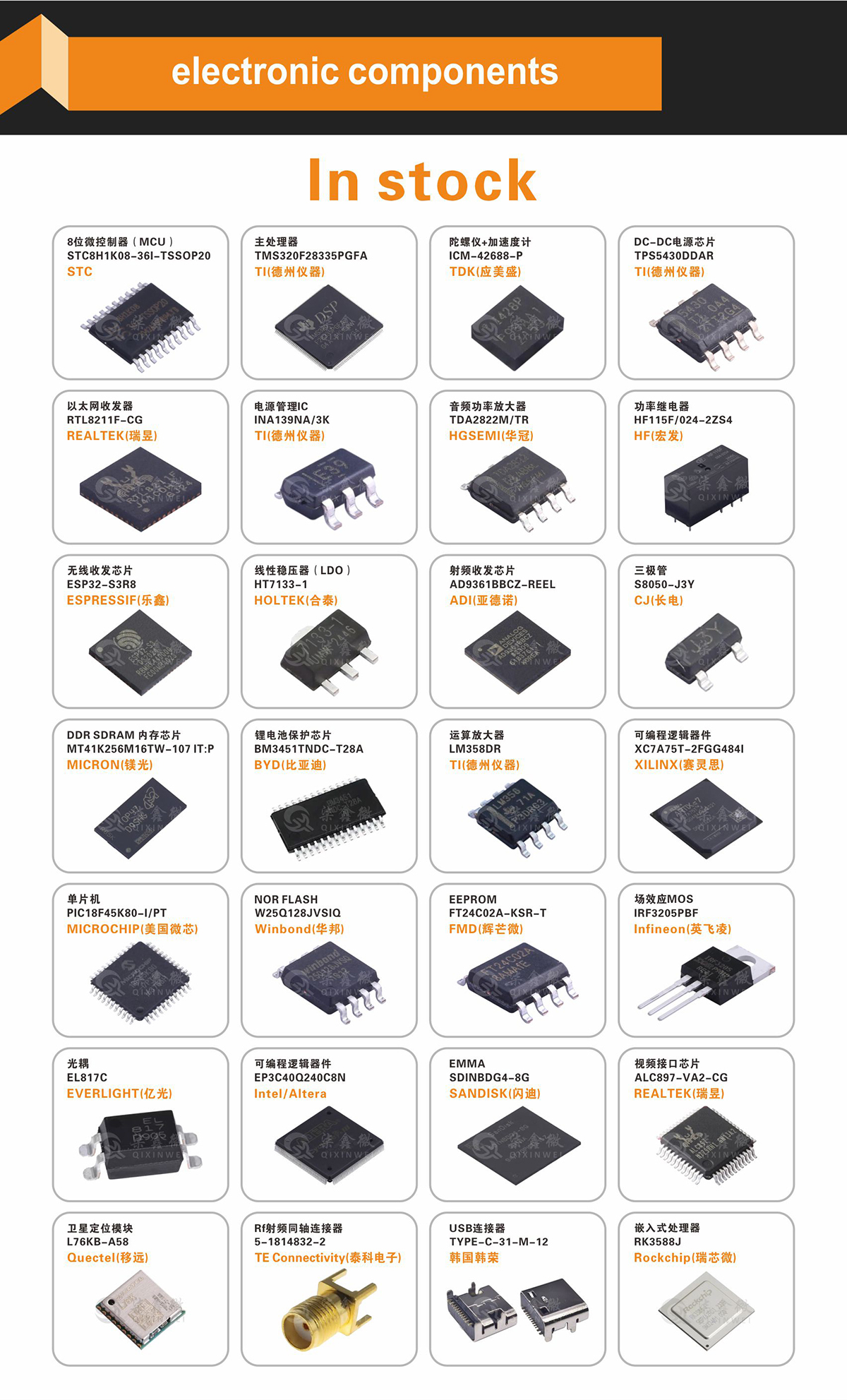
STM32F412ZGT6 ST Mainstream Arm Cortex-M4 Dynamic Efficiency 32-bit MCU 1MB Flash 100MHz FPU USB OTG DFSDM LQFP-144
STM32F412ZGT6 Product Overview
The STM32F412ZGT6 is a Cortex-M4 dynamic efficiency MCU from STMicroelectronics in an LQFP-144 package. It runs at 100 MHz with FPU and ART Accelerator. It integrates 1 MB Flash, 256 KB SRAM, USB 2.0 OTG (FS), SDIO, 4 SPIs, 4 USARTs, 3 I2Cs, BAM batch acquisition mode, DFSDM (Digital Filter for Sigma-Delta Modulators), up to 13 timers (incl. 1 motor control PWM/deadtime), and a 12-bit ADC (16ch, 2.4MSPS). 114 I/Os, all 5 V-tolerant. Supply 1.7–3.6 V, -40–85 °C. Compared to the STM32F412ZET6 (512 KB Flash, 256 KB SRAM), this model doubles the Flash to 1 MB, meeting the demands of larger firmware and complex protocol stacks. Compared to the STM32F103ZGT6 (Cortex-M3), it upgrades to a Cortex-M4 core with FPU, significantly increases SRAM, and adds DFSDM, BAM, and USB OTG, delivering an overall improvement in performance and connectivity. Compared to the STM32F407ZGT6, this model does not feature Ethernet or DCMI, but offers larger SRAM (256 KB vs 192 KB) and integrates the DFSDM digital filter, making it an optimized choice for high-precision analog acquisition and large application storage.
STM32F412ZGT6 Core Features
Core: Arm Cortex-M4 100 MHz + FPU + ART Accelerator Memory: 1 MB Flash, 256 KB SRAM USB 2.0 OTG: FS, supports Device/Host/OTG SDIO: SD/MMC card interface support BAM: Batch Acquisition Mode for low-power batch sensor data reading DFSDM: 8-channel digital Sigma-Delta filter for connecting external modulators for high-precision ADC 12-bit ADC: 16 channels, 2.4 MSPS (up to 7.2 MSPS interleaved) Timers: 1× motor control PWM (deadtime/emergency stop), 7× 16-bit GP (incl. 2 quadrature encoders), 2× basic, 2× watchdogs, SysTick Communication Interfaces: 4×USART (ISO7816/LIN/IrDA), 4×SPI/I2S, 3×I2C (SMBus), USB OTG, SDIO I/Os: 114, all 5 V-tolerant Low Power: Sleep/Stop/Standby, VBAT backup RTC, BAM mode Package: LQFP-144 (20×20×1.4 mm)
STM32F412ZGT6 Applications
High-Precision Sensor Nodes: DFSDM for connecting external Sigma-Delta ADCs/sensors, 114 I/Os for multi-channel connectivity Industrial: Sensor transmitters, data acquisition nodes, PLCs Motor Control: BLDC/PMSM FOC, fans, pumps Consumer: Game controllers, remote controls, drone flight controllers IoT Nodes USB OTG/SDIO Storage Applications
STM32F412ZGT6 Key Advantages
Cortex-M4 + FPU + ART Accelerator: 100 MHz high performance with DSP and floating-point support 1 MB Flash + 256 KB SRAM: Large memory capacity for large firmware and complex data processing DFSDM Digital Filter: Connects to external Sigma-Delta modulators for flexible high-precision measurement BAM Batch Acquisition Mode: Low-power batch sensor data reading, optimized battery life USB OTG + SDIO: USB communication and SD card storage LQFP-144 Package: 114 I/Os, rich resources for complex applications requiring numerous I/Os 12-bit ADC 2.4 MSPS Fast Conversion Mature STM32 Ecosystem: CubeIDE/CubeMX/HAL/LL
Why Choose QIXINWEI
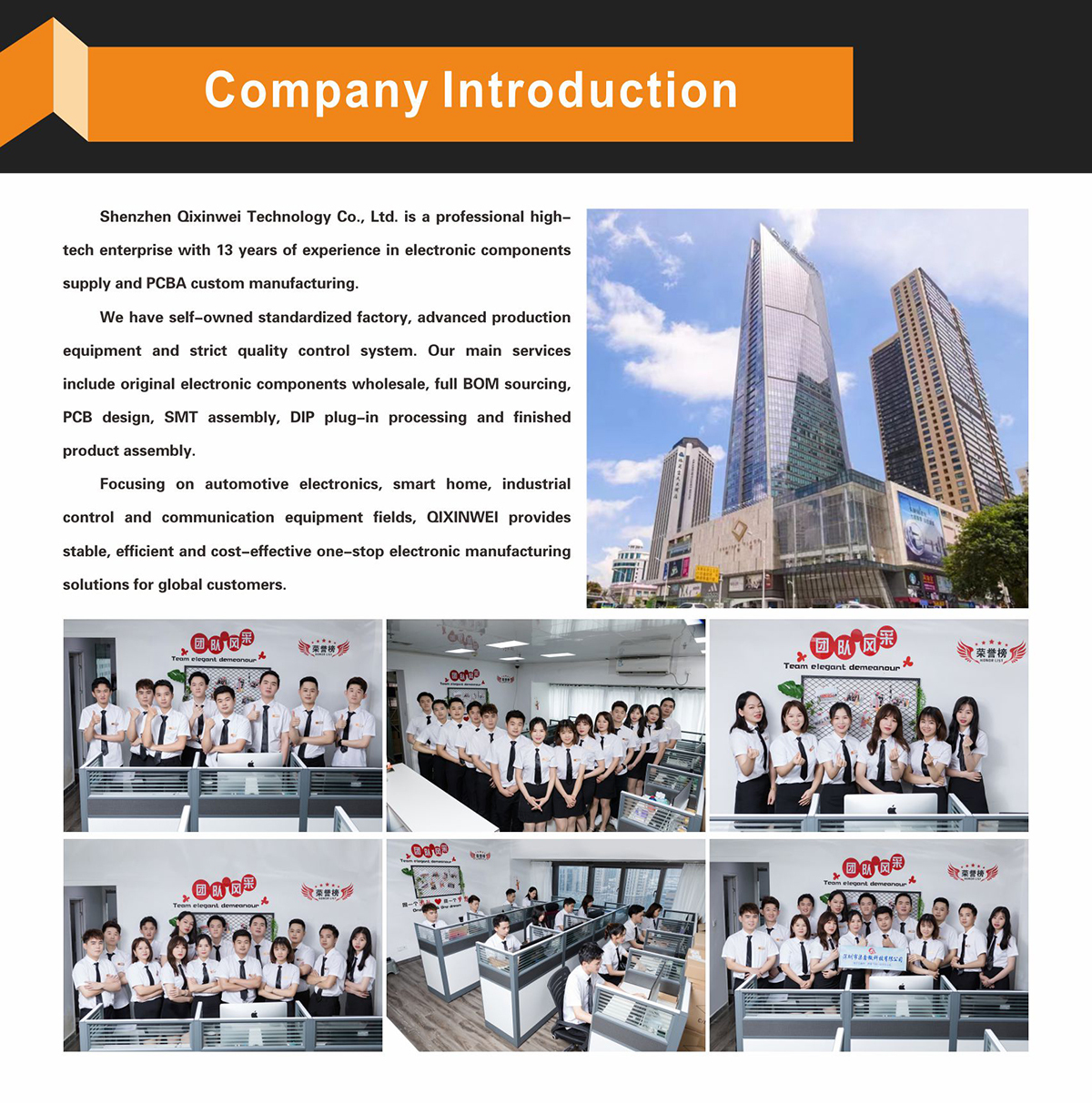
Years of experience in the electronics industry. Trusted by global customers.
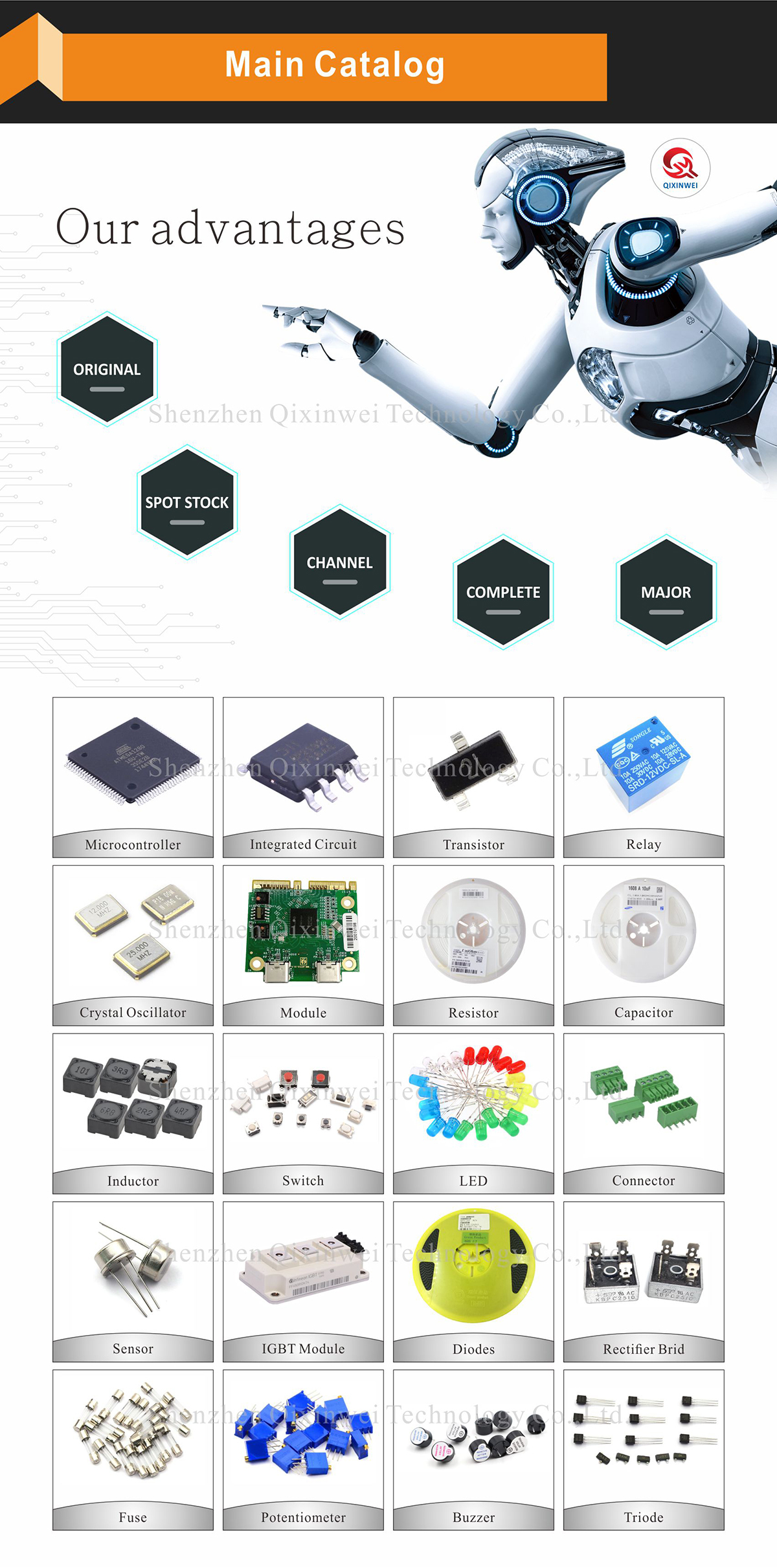
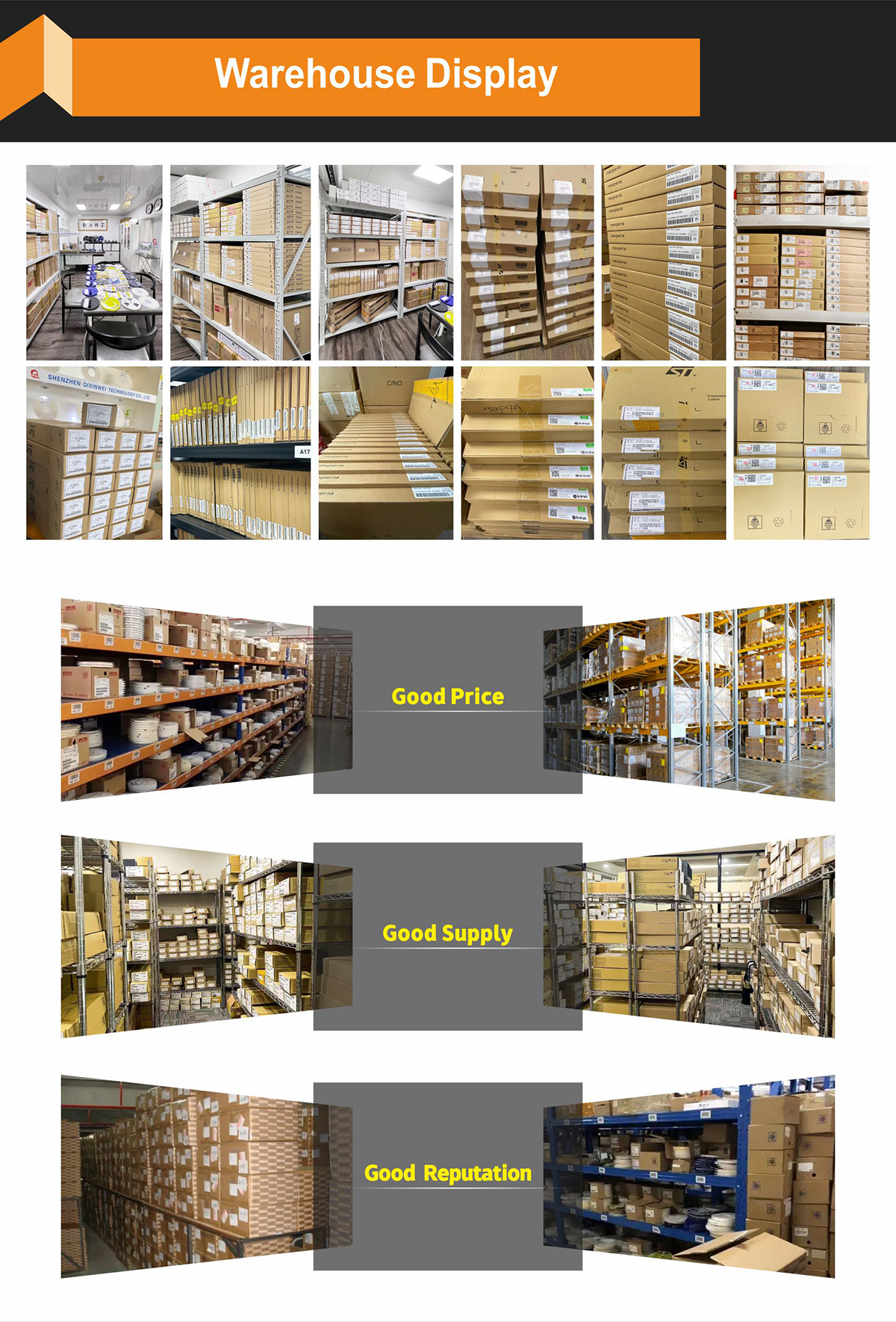
Massive In-Stock Inventory – Ready to ship promptly.
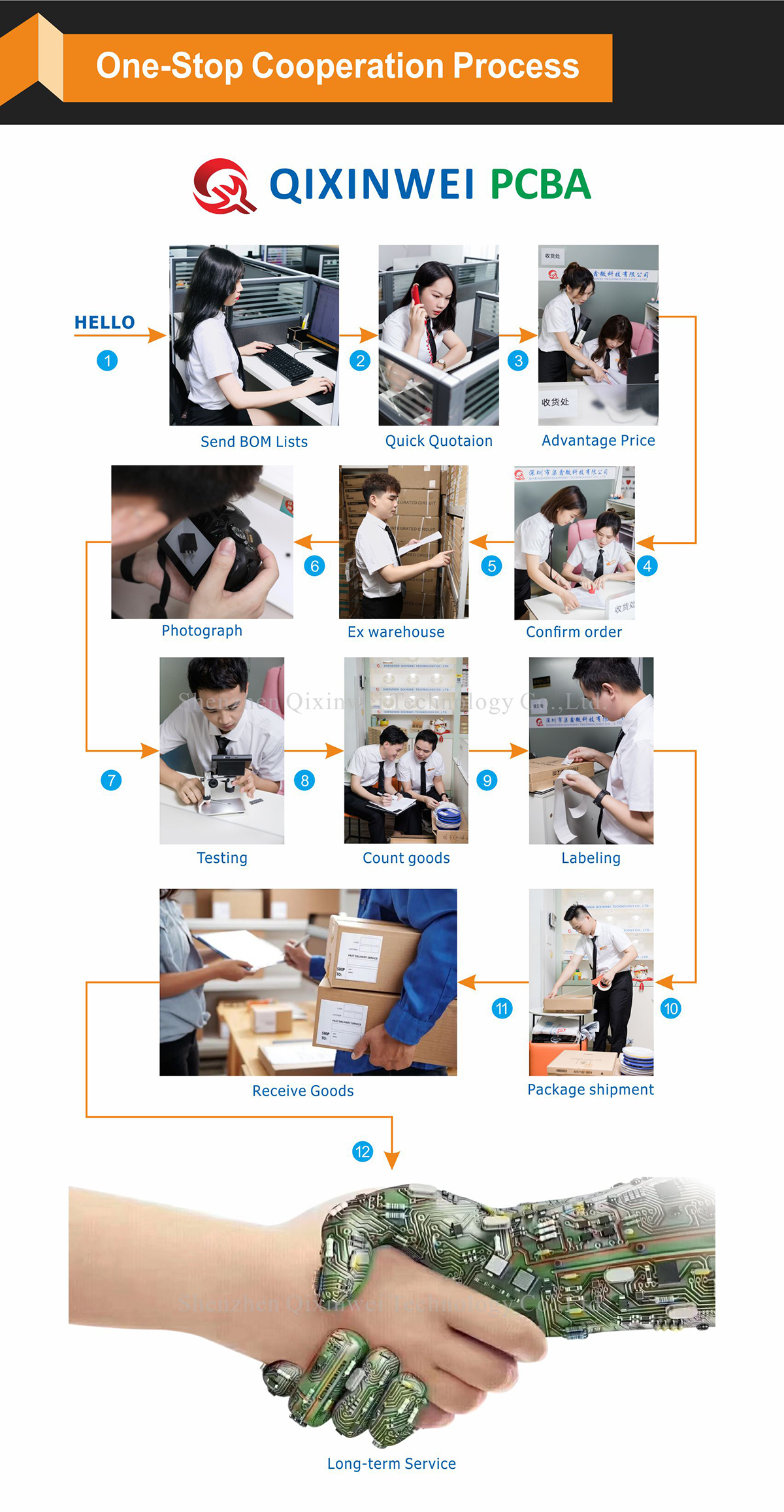
BOM Matching Service – One-stop solution, save time.
PCBA Customization – Professional engineering team creates tailor-made solutions based on your needs.
Cost-Effective & Efficient – Better channel, better cost.
A dedicated team makes your procurement smoother.
Contact us for BOM quotes or PCBA inquiries.


FAQ:
What is the STM32F412ZGT6 and where does it fit in the STM32F4 family?
The STM32F412ZGT6 is a 100 MHz Cortex‑M4F microcontroller with 1 MB of Flash, 256 KB of SRAM, and a DCMI camera interface, all in an LQFP‑144 package. It is positioned as a cost‑optimised device for applications that need a high‑pin‑count package, a solid set of communication peripherals, and a camera input, but do not require the larger SRAM, SDRAM controller, or QSPI found on the STM32F413. The F412 maintains the core M4 DSP and FPU capabilities, making it a strong choice for mid‑range embedded systems.How does the STM32F412ZGT6 differ from the STM32F413ZGT6? When should I choose the F412?
Both share the same 100 MHz CPU and 1 MB Flash. The key differences are SRAM (256 KB on the F412 vs 320 KB on the F413), the FMC (the F412 does not support SDRAM, only NOR/PSRAM/NAND; the F413 adds SDRAM and QSPI), and slight peripheral variations. Choose the F412ZGT6 when your design does not need external SDRAM or the larger SRAM, and you want to optimise cost. It remains an excellent platform for camera‑based systems that use parallel PSRAM or simply rely on on‑chip memory.Can the STM32F412ZGT6 handle a camera and still have enough memory? Is 256 KB SRAM enough?
Yes. 256 KB of SRAM is sufficient for many DCMI‑based applications, such as capturing and processing VGA (640×480) frames from an OV2640 sensor. You can use line‑by‑line processing or a simple frame buffer if the resolution is kept modest. For larger frame buffers, you can connect an external parallel PSRAM (supported by the FMC) or use a serial SPI RAM, giving you flexible options without needing SDRAM. The 1 MB Flash provides ample code storage for the camera driver, image processing algorithms, and a real‑time OS.What external memory does the STM32F412ZGT6 support? Is SDRAM possible?
The flexible memory controller (FMC) on the F412 supports NOR Flash, PSRAM, and NAND Flash, but it does **not** support SDRAM. This is the main hardware difference from the STM32F413. For designs that need a large frame buffer, many engineers use a fast parallel PSRAM (e.g., 8 MB) connected to the FMC, or they add a serial SPI/QSPI RAM if available. The lack of SDRAM keeps the F412’s power consumption lower and the package cost down.How does the DCMI camera interface work on the STM32F412ZGT6, and what sensors are supported?
The DCMI is an 8‑ to 14‑bit parallel interface that receives pixel data and synchronization signals directly from CMOS image sensors. It supports ITU‑R BT.656 and raw data formats, with a maximum pixel clock of up to 54 MHz. Popular sensors such as the OV2640, OV7670, and OV5640 work without issues. The DCMI can stream data into the 256 KB SRAM using DMA, allowing the CPU to process images in real time.Does the STM32F412ZGT6 support USB high‑speed? What USB modes are available?
Yes. It includes a full‑speed USB OTG controller with an integrated PHY, and a separate USB high‑speed controller that works with an external ULPI PHY. You can use it as a USB HS device, host, or OTG. This is useful for streaming camera images to a PC, acting as a USB video class (UVC) device, or connecting a high‑speed USB flash drive for data storage.How does the STM32F412ZGT6 compare with the classic STM32F407ZGT6? Is it an upgrade?
The STM32F407ZGT6 also features 1 MB Flash and 144 pins, but the F412ZGT6 runs at a more power‑efficient 100 MHz (vs 168 MHz on the F407) and significantly increases the SRAM (256 KB vs 192 KB). It also adds a dedicated DCMI camera interface and improves the FMC to support PSRAM. Existing F407 code can be ported with minimal effort, providing a solid memory upgrade and camera capability while reducing power consumption.What low‑power modes does the STM32F412ZGT6 offer, and how does it perform?
It supports Sleep, Stop, and Standby modes. In Stop mode with the main regulator off and full SRAM retention, the current drops to about 100 µA. The chip can wake up quickly from Stop on USB, CAN, or external interrupts. This makes it suitable for battery‑powered camera sensors, portable data loggers, and IoT edge devices that spend most of their time in low‑power states.What development tools and evaluation boards are available for the STM32F412ZGT6?
All major IDEs—free STM32CubeIDE, Keil MDK, and IAR EWARM—fully support the chip. You can prototype firmware on a NUCLEO‑F413ZH board (which uses a similar F413 and is software‑compatible), then re‑target to the F412ZGT6 by adjusting the linker script and disabling the SDRAM/QSPI options in CubeMX. The STM32CubeF4 package includes ready‑to‑run examples for the DCMI, USB, and other peripherals.What are the most typical applications for the STM32F412ZGT6?
It is ideal for cost‑sensitive digital cameras, barcode scanners, industrial vision sensors, USB‑connected imaging devices, and IoT gateways that need a high pin count and a camera interface but do not require external SDRAM. The combination of 1 MB Flash, 256 KB SRAM, DCMI, and an LQFP‑144 package that is easy to manufacture makes it a practical choice for many professional embedded products.
- Product Type:
- Mainstream Arm Cortex-M4 Dynamic Efficiency 32-bit MCU
- Brand:
- STMicroelectronics
- Core:
- Arm Cortex-M4 100MHz (FPU + ART Accelerator)
- Package:
- LQFP-144 (20×20×1.4mm)
- Memory:
- 1MB Flash, 256KB SRAM
- Peripherals:
- USB 2.0 OTG FS, SDIO, BAM mode, DFSDM digital filter, 12-bit ADC (16ch/2.4MSPS), 1× Motor control PWM (deadtime), 7×16-bit GP timers (quadrature encoder), Calendar RTC
- Interfaces:
- 4×USART, 4×SPI/I2S, 3×I2C (SMBus)
- I/Os:
- 114
- Voltage:
- 1.7V~3.6V
- Temperature:
- -40°C~85°C