qixinwei-pcba


STM32F411CEU6 ST Mainstream Arm Cortex-M4 Dynamic Efficiency 32-bit MCU 512KB Flash 100MHz FPU USB OTG SDIO UFQFPN-48
STM32F411CEU6 Product Overview
The STM32F411CEU6 is a Cortex-M4 dynamic efficiency MCU from STMicroelectronics in an UFQFPN-48 package (7×7 mm). It runs at 100 MHz with FPU and ART Accelerator. It integrates 512 KB Flash, 128 KB SRAM, USB 2.0 OTG (FS), SDIO, 5 SPIs, 3 USARTs, 3 I2Cs, BAM batch acquisition mode, up to 11 timers (incl. 1 motor control PWM/deadtime), and a 12-bit ADC (10ch, 2.4MSPS). 36 I/Os, all 5 V-tolerant. Supply 1.7–3.6 V, -40–85 °C. Compared to the STM32F411CCU6 (256 KB Flash), this model doubles the Flash to 512 KB, meeting the demands of larger firmware and complex protocol stacks, making it the memory flagship in a 48-pin package. Compared to the STM32F401CEU6 (84 MHz, 512 KB Flash, 96 KB SRAM), the core frequency is increased to 100 MHz, SRAM is upgraded to 128 KB, and BAM batch acquisition mode is added, delivering dual enhancements in performance and functionality. Compared to the STM32F103C8T6 (Cortex-M3, 72 MHz), it upgrades to a Cortex-M4 core with FPU, offers higher frequency, significantly larger memory, and adds USB OTG and SDIO.
STM32F411CEU6 Core Features
Core: Arm Cortex-M4 100 MHz + FPU + ART Accelerator Memory: 512 KB Flash, 128 KB SRAM USB 2.0 OTG: FS, supports Device/Host/OTG SDIO: SD/MMC card interface support BAM: Batch Acquisition Mode for low-power batch sensor data reading 12-bit ADC: 10 channels, 2.4 MSPS (up to 7.2 MSPS interleaved) Timers: 1× motor control PWM (deadtime/emergency stop), 6× 16-bit GP (incl. 2 quadrature encoders), 2× watchdogs, SysTick Communication Interfaces: 3×USART (ISO7816/LIN/IrDA), 5×SPI/I2S, 3×I2C (SMBus), USB OTG, SDIO I/Os: 36, all 5 V-tolerant Low Power: Sleep/Stop/Standby, VBAT backup RTC, BAM mode Package: UFQFPN-48 (7×7×0.55 mm)
STM32F411CEU6 Applications
Industrial: Sensor transmitters, data acquisition nodes Motor Control: BLDC/PMSM FOC, fans, pumps Consumer: Game controllers, remote controls, drone flight controllers IoT Nodes USB OTG/SDIO Storage Applications High-Performance Upgrades from Legacy 8/16-bit MCUs
STM32F411CEU6 Key Advantages
Cortex-M4 + FPU + ART Accelerator: 100 MHz high performance with DSP and floating-point support 512 KB Flash + 128 KB SRAM: Ample memory for large firmware and data buffering BAM Batch Acquisition Mode: Low-power batch sensor data reading, optimized battery life USB OTG + SDIO: USB communication and SD card storage UFQFPN-48 Ultra-Compact Package: 7×7 mm, 36 I/Os, ideal for space-constrained designs 12-bit ADC 2.4 MSPS Fast Conversion Mature STM32 Ecosystem: CubeIDE/CubeMX/HAL/LL, rich development board support (e.g., Black Pill)
Why Choose QIXINWEI
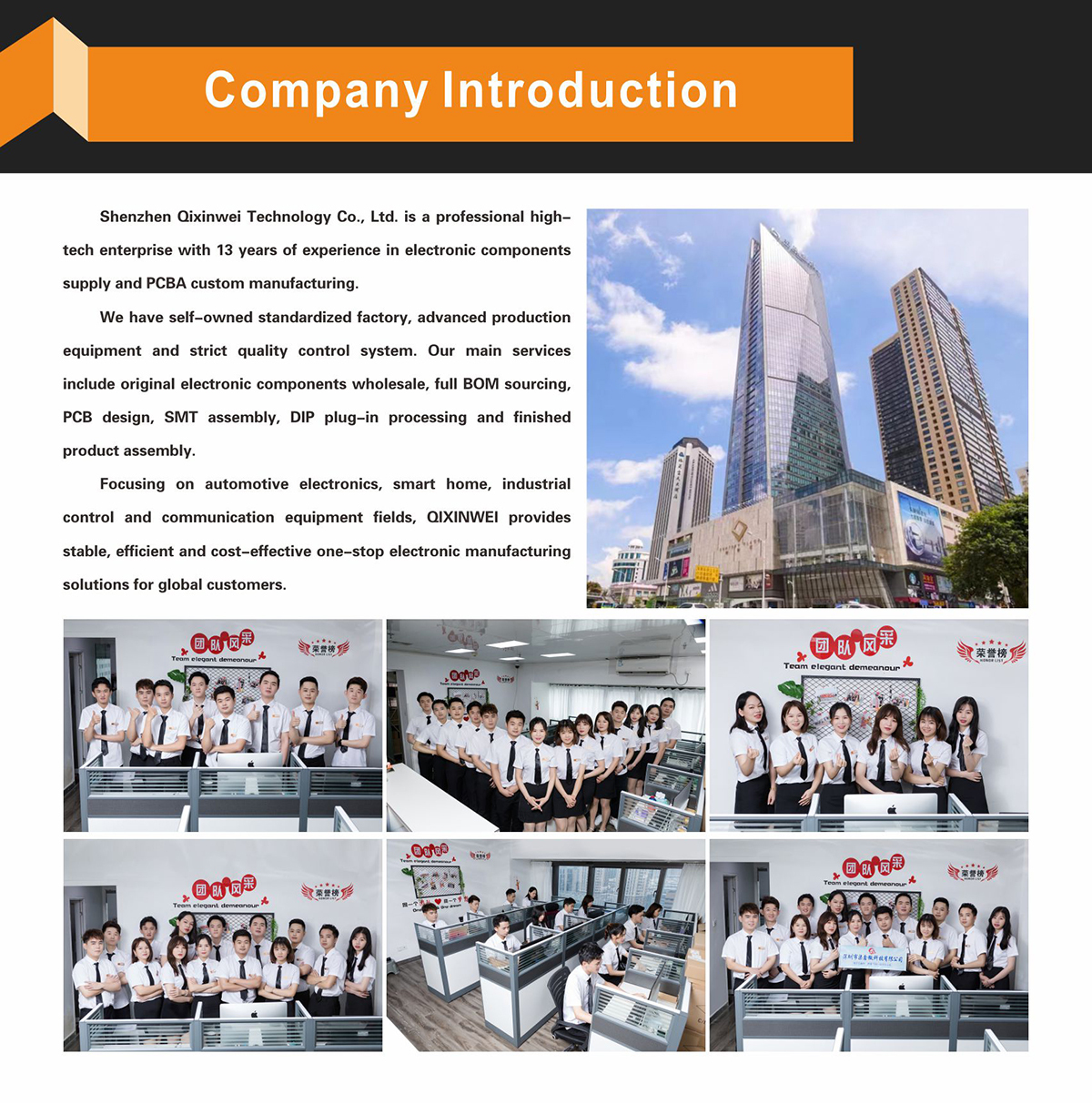
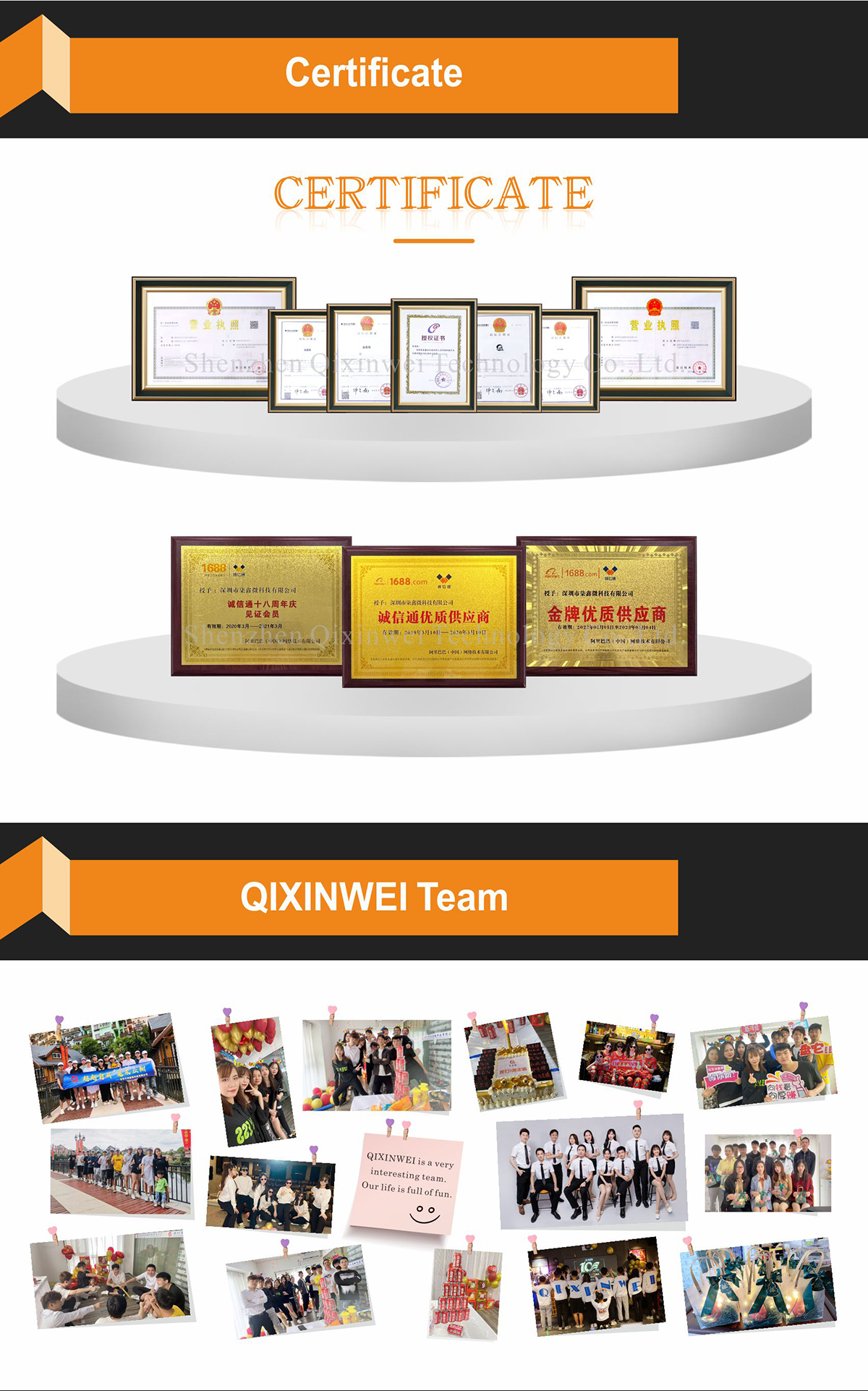
Years of experience in the electronics industry. Trusted by global customers.
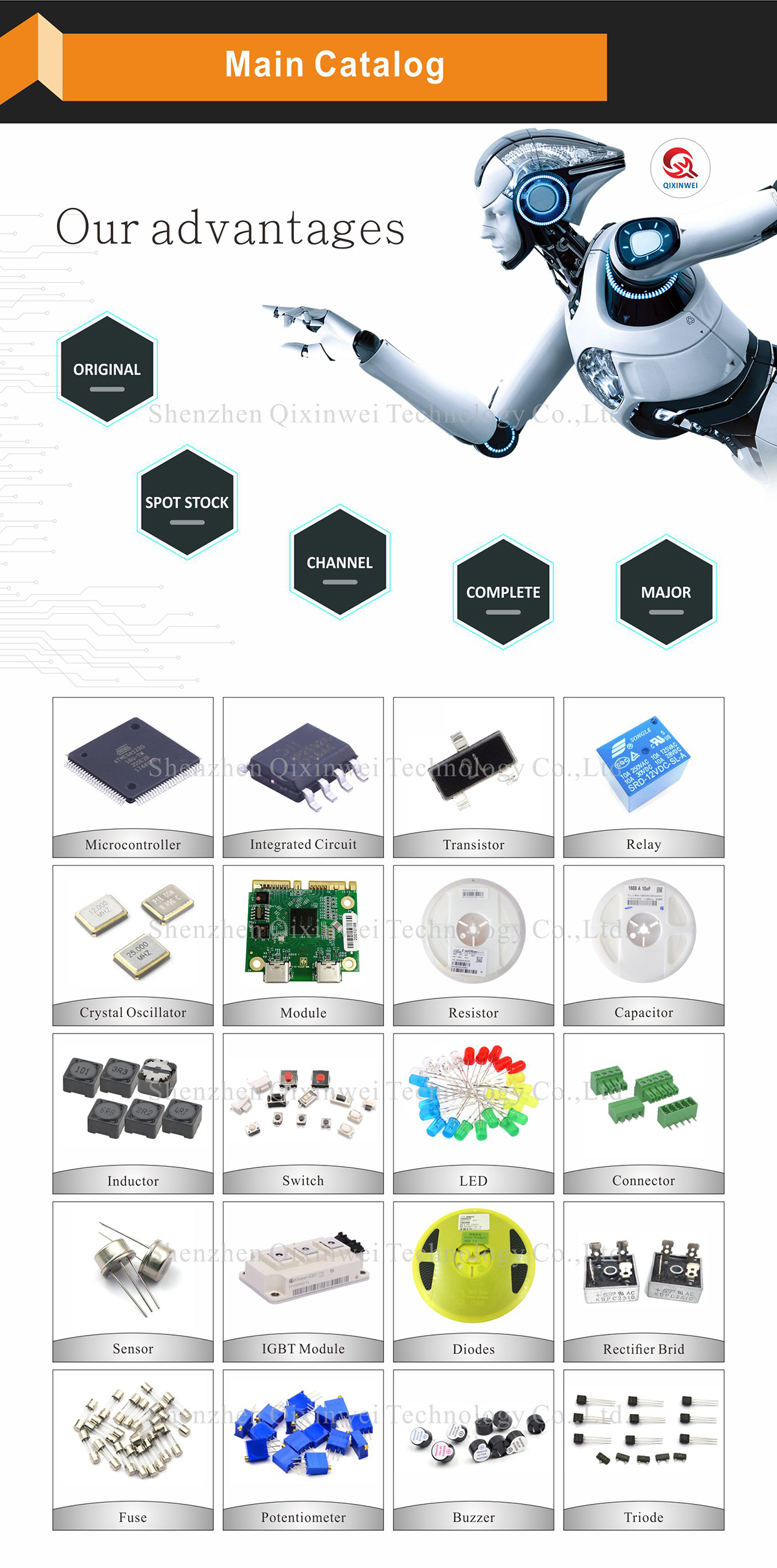
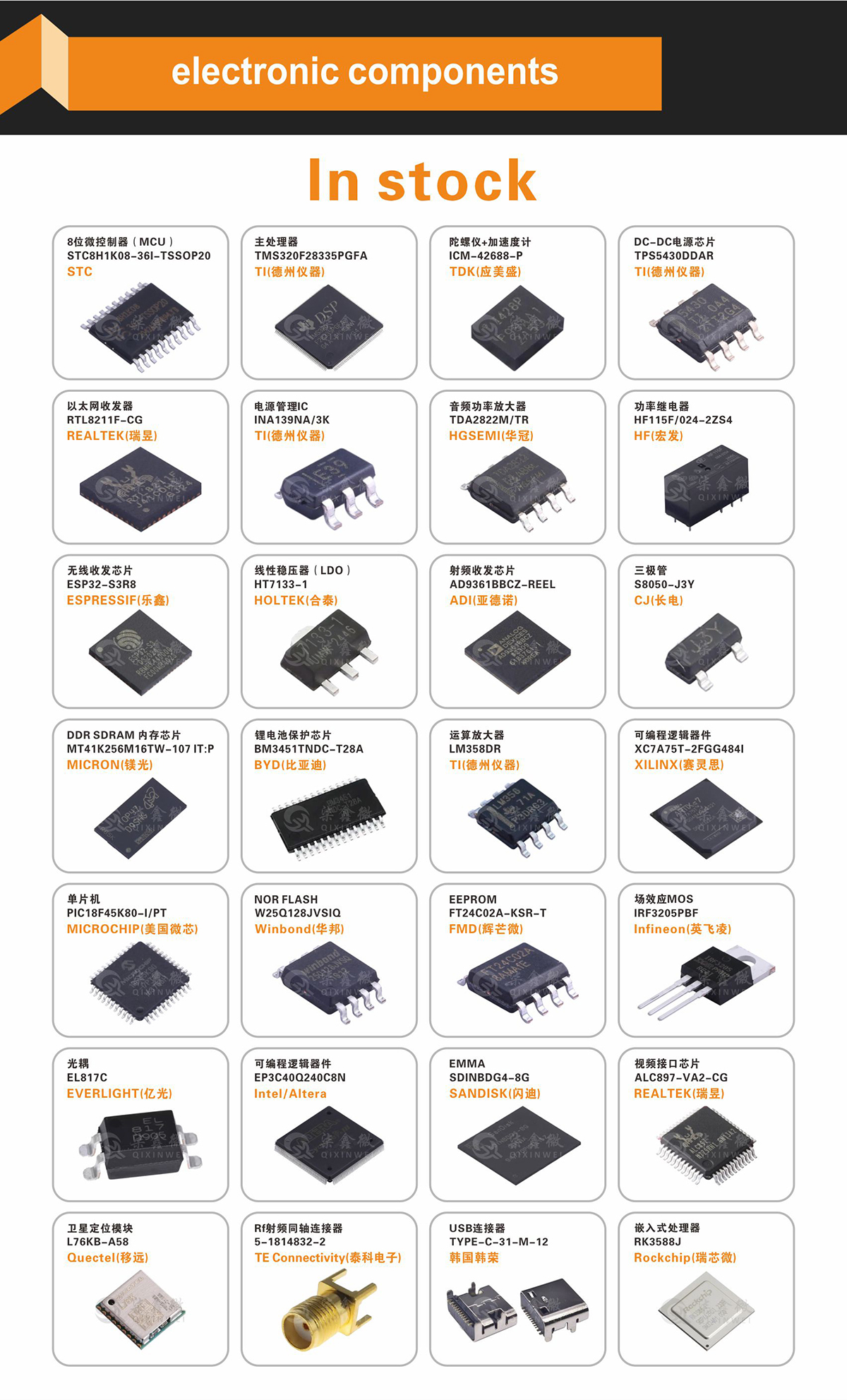
Massive In-Stock Inventory – Ready to ship promptly.
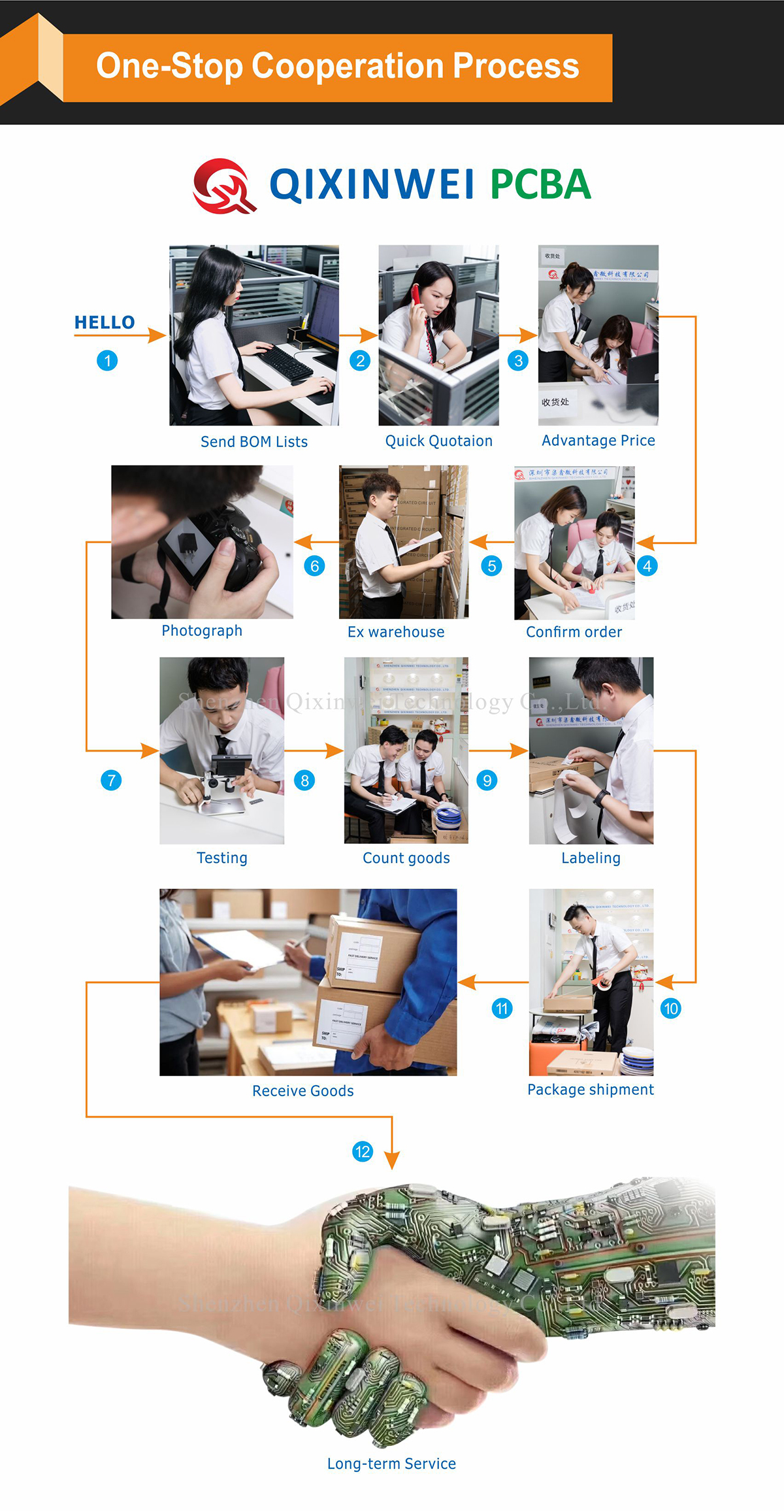
BOM Matching Service – One-stop solution, save time.
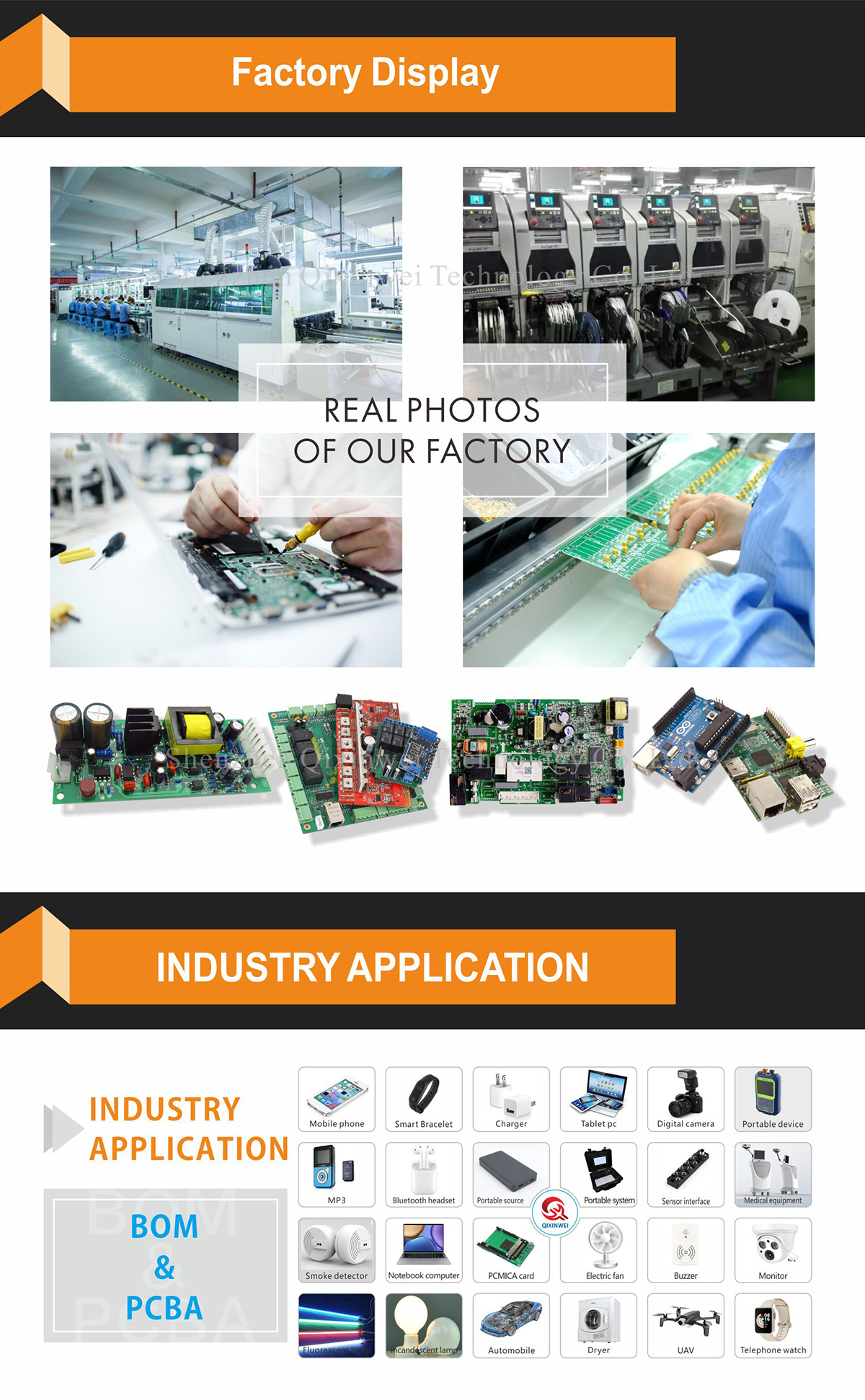
PCBA Customization – Professional engineering team creates tailor-made solutions based on your needs.
Cost-Effective & Efficient – Better channel, better cost.
A dedicated team makes your procurement smoother.
Contact us for BOM quotes or PCBA inquiries.



FAQ:
What is the STM32F411CEU6 and why is it popular in compact designs?
The STM32F411CEU6 is a 100 MHz Arm Cortex‑M4F microcontroller with 512 KB Flash and 128 KB SRAM, housed in a tiny UFQFPN‑48 package. It integrates a full‑speed USB OTG controller with an on‑chip PHY, five SPI, three I2C, and three USART peripherals. Its standout feature is delivering the full performance and memory of the STM32F411 line in a 48‑pin, hand‑solderable footprint that fits onto very small PCBs, making it a favourite for space‑constrained USB devices, wearables, and IoT sensor nodes.How does the STM32F411CEU6 differ from the STM32F411RET6? When should I choose the CEU6?
Both share identical core speed, 512 KB Flash, and 128 KB SRAM. The difference is the package: the RET6 uses an LQFP‑64 with up to 50 I/Os, while the CEU6 uses a UFQFPN‑48 with up to 36 I/Os. All other features—DSP, FPU, USB FS OTG, serial peripherals, and low‑power modes—are the same. Choose the CEU6 when your design is extremely space‑limited and 36 I/Os are sufficient; the RET6 is better if you need more GPIOs or a slightly easier soldering process.How does the STM32F411CEU6 compare with the STM32F401CCU6? Is it a direct upgrade?
Both come in the same UFQFPN‑48 package, but the STM32F411CEU6 offers significant improvements: double the Flash (512 KB vs 256 KB), a higher CPU clock (100 MHz vs 84 MHz), and an additional SPI interface. Power consumption in Stop mode is also lower. The pin‑out is compatible, so you can often replace an F401CCU6 with an F411CEU6 without any PCB changes and immediately gain more code space and processing speed.Does the STM32F411CEU6 support USB high‑speed, or only full‑speed? Can I build a USB audio device with it?
The STM32F411 family supports only full‑speed USB (12 Mbps) through its integrated PHY; there is no ULPI interface for high‑speed. Full‑speed is perfectly adequate for USB audio (isochronous transfers), virtual COM ports, HID keyboards, and mass‑storage class devices. With 512 KB Flash and 128 KB SRAM, the CEU6 comfortably runs a USB stack and audio processing routines in a tiny form factor.How low can the power consumption go on the STM32F411CEU6, and what low‑power modes are available?
It supports Sleep, Stop, and Standby modes. In Stop mode with the main regulator off and all 128 KB of SRAM retained, typical current is around 100 µA. A separate VBAT domain keeps the RTC and backup registers alive with just a few hundred nanoamps. The chip can wake up quickly from Stop on USB activity, an external interrupt, or an RTC alarm, making it excellent for battery‑operated devices that wake, process data, and return to sleep.Is 512 KB Flash and 128 KB SRAM sufficient for a real‑time OS, USB stack, and application code?
Absolutely. A typical configuration with FreeRTOS, a USB device or host stack, and a complex application leaves comfortable headroom. Many production designs—USB sensors, portable data loggers, and motor controllers—fit within this memory envelope. If you need more RAM later, you cannot add external SDRAM (the F411 has no FMC), but you can connect a serial SPI SRAM or PSRAM for additional data buffering.Can the STM32F411CEU6 be used for digital signal processing or motor control?
Yes. The Cortex‑M4F core features a single‑precision FPU and DSP instructions (single‑cycle MAC, SIMD), making it well‑suited for digital filters, FFTs, and PID control loops. Advanced‑control timers with complementary PWM outputs and dead‑time insertion are available even in the 48‑pin package, enabling single‑axis motor drives, digital power supplies, and sensorless FOC implementations.How many serial peripherals can I use simultaneously on the STM32F411CEU6's 48‑pin package?
With up to 36 I/O pins, you can typically configure USB, two SPI, two I2C, and two USART concurrently without pin conflicts. Careful pin mapping with STM32CubeMX is essential to maximise peripheral usage. Many successful designs run USB, one SPI, one I2C, and two UARTs simultaneously on this tiny package.Does the STM32F411CEU6 support external Flash or memory expansion?
It does not have a flexible memory controller (FMC) for parallel NOR or SDRAM, but you can connect external serial Flash or PSRAM through the SPI interfaces. A common approach is to use a dedicated QSPI Flash (though the F411 itself lacks a QSPI peripheral, standard SPI can still address serial memories). The 512 KB internal Flash usually eliminates the need for external code storage, but SPI RAM can be added for data logging.What development tools and prototyping boards work with the STM32F411CEU6?
All major IDEs—free STM32CubeIDE, Keil MDK, and IAR EWARM—fully support the chip. There is no Nucleo board in the UFQFPN‑48 format, but the NUCLEO‑F411RE (64‑pin) is fully software‑compatible and can be used for initial firmware development. Simply adjust the linker script and pin configuration in CubeMX when moving to the CEU6 target. Many third‑party tiny breakout boards are also available to speed up prototyping.
- Product Type:
- Mainstream Arm Cortex-M4 Dynamic Efficiency 32-bit MCU
- Brand:
- STMicroelectronics
- Core:
- Arm Cortex-M4 100MHz (FPU + ART Accelerator)
- Package:
- UFQFPN-48 (7×7×0.55mm)
- Memory:
- 512KB Flash, 128KB SRAM
- Peripherals:
- USB 2.0 OTG FS, SDIO, BAM mode, 12-bit ADC (10ch/2.4MSPS), 1× Motor control PWM (deadtime), 6×16-bit GP timers (quadrature encoder), Calendar RTC
- Interfaces:
- 3×USART, 5×SPI/I2S, 3×I2C (SMBus)
- I/Os:
- 36
- Voltage:
- 1.7V~3.6V
- Temperature:
- -40°C~85°C