qixinwei-pcba


STM32F407V Development Board STM32F407VET6/VGT6 Core Board Cortex-M4 168MHz with OLED/TFT/SD Interfaces
STM32F407V Development Board Product Overview
This is a Cortex-M4 core development board built around the STM32F407VGT6 / STM32F407VET6 in LQFP100, running at 168MHz with single-cycle DSP instructions and a single-precision FPU, delivering 210 DMIPS. The MCU provides 512KB–1MB Flash and 192KB+4KB SRAM, with 3×SPI, 3×USART + 2×UART, 2×I2S, 3×I2C, 1×FSMC, 1×SDIO, 2×CAN, USB OTG FS/HS, 10/100 Ethernet MAC, and an 8–12-bit parallel camera interface. The board features a Type-C USB port, W25Q16 SPI Flash, 8MHz high-speed crystal, and 32.768kHz RTC crystal, plus a plug-and-play 0.96" OLED header, a TFT LCD header (1.44"/1.8"), and an SD/TF card slot. All CPU pins are broken out on 2×22P 2.54mm headers. On-board resources include power and user LEDs, user and reset buttons, an SWD debug header, and φM3 mounting holes. Its design philosophy — “fixed pin definition, fluid chip model” — allows the same PCB to accept LQFP100 MCUs from ST, GigaDevice, and HDSC, making it suitable for embedded learning, competitions, prototyping, and DIY projects.
| Main Chip | STM32F407VET6 (512KB Flash) / STM32F407VGT6 (1MB Flash) |
| Chip Core | Arm Cortex-M4 32-bit RISC (with FPU and DSP instructions) |
| Operating Frequency | 168 MHz |
| Performance | 210 DMIPS (1.25 DMIPS/MHz) |
| Operating Voltage | 1.8V ~ 3.6V (chip level) / 5V to 3.3V LDO onboard |
| Package | LQFP100 |
| Memory | 512KB/1MB Flash, 192KB + 4KB SRAM |
| Onboard Storage | W25Q16 SPI Flash |
| Onboard Crystals | 8MHz high-speed, 32.768K low-speed (RTC) |
| USB Interface | Type-C (connects to STM32 USB 2.0 FS/HS controller) |
| Debug Interface | SWD (standard 4-pin debug header) |
| Display Interface | Plug-and-play (supports 0.96" OLED, 1.44/1.8" TFT) |
| Expansion IO | 22×2P-2.54mm headers, all CPU IO exposed |
| Other Onboard Resources | SD/TF card socket, power/programmable LEDs, user button K1, reset button RST, M3 mounting holes |
| Chip Peripherals | 3× SPI, 3× USART, 2× UART, 2× I2S, 3× I2C, 2× CAN, 1× SDIO, 1× FSMC, 1× USB FS/HS, 1× USB HS ULPI, 1× Ethernet MAC, 1× camera interface, 3× 12-bit ADC (24 channels), 2× 12-bit DAC |
Typical Applications
Arm Cortex-M4 embedded system learning and teaching labs
Industrial control, motor drive, and data acquisition prototyping
Portable instruments and control panels with displays
IoT terminal devices and communication gateways
Audio processing, USB devices, and Ethernet communication applications
Core control module for custom PCB carrier boards
FAQ
Q: What is the difference between STM32F407VET6 and STM32F407VGT6?
A: Both share the same core, frequency (168MHz), SRAM (192+4KB), and peripheral resources. The only difference is Flash capacity: 512KB for VET6 vs. 1MB for VGT6. For larger programs or storing fonts/images, the VGT6 version is recommended.
Q: What displays does the onboard OLED/TFT interface support?
A: The interface is plug-and-play, supporting 0.96-inch OLED (typically SSD1306 driver, I2C/SPI) and 1.44-inch/1.8-inch full-color TFT LCDs (typically ST7735 driver, SPI). Specific pin definitions and driver code are provided in the accompanying resources. For other display models, connect via jumper wires to the exposed IO headers.
Q: Are all CPU IO pins exposed?
A: Yes. The board features 22×2P-2.54mm pitch headers on both sides, exposing all available STM32F407V IO pins with silkscreen labels for connecting external sensors, actuators, or custom carrier boards. The 2.54mm (100mil) pitch is compatible with breadboards and standard prototyping boards.
Q: How is the board powered and programmed?
A: The onboard 5V Type-C port and 5V header can both power the board, with an onboard 3.3V LDO supplying the MCU. Programming is available via the Type-C port (using STM32 built-in DFU or USB virtual serial, depending on firmware configuration) or via the onboard SWD debug interface (with ST-Link, J-Link, or similar debuggers).
Q: What are the onboard W25Q16 Flash and SD card socket used for?
A: The W25Q16 is a 2MB SPI Flash suitable for storing fonts, images, configuration files, or data logs. The SD/TF card socket supports large-capacity cards, suitable for logging large amounts of data (sampling logs, audio files) or reading image resources.
Why Choose QIXINWEI
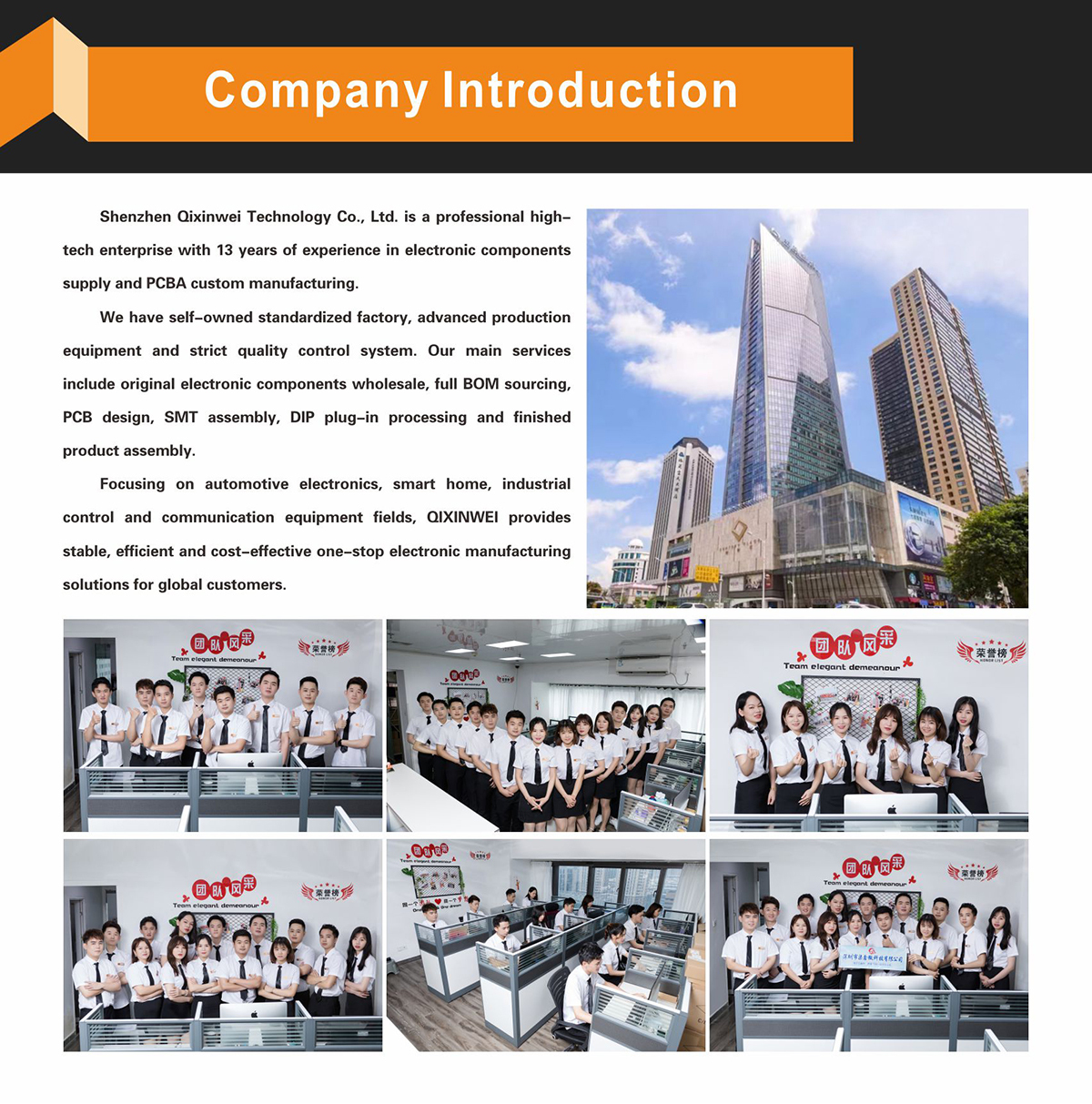
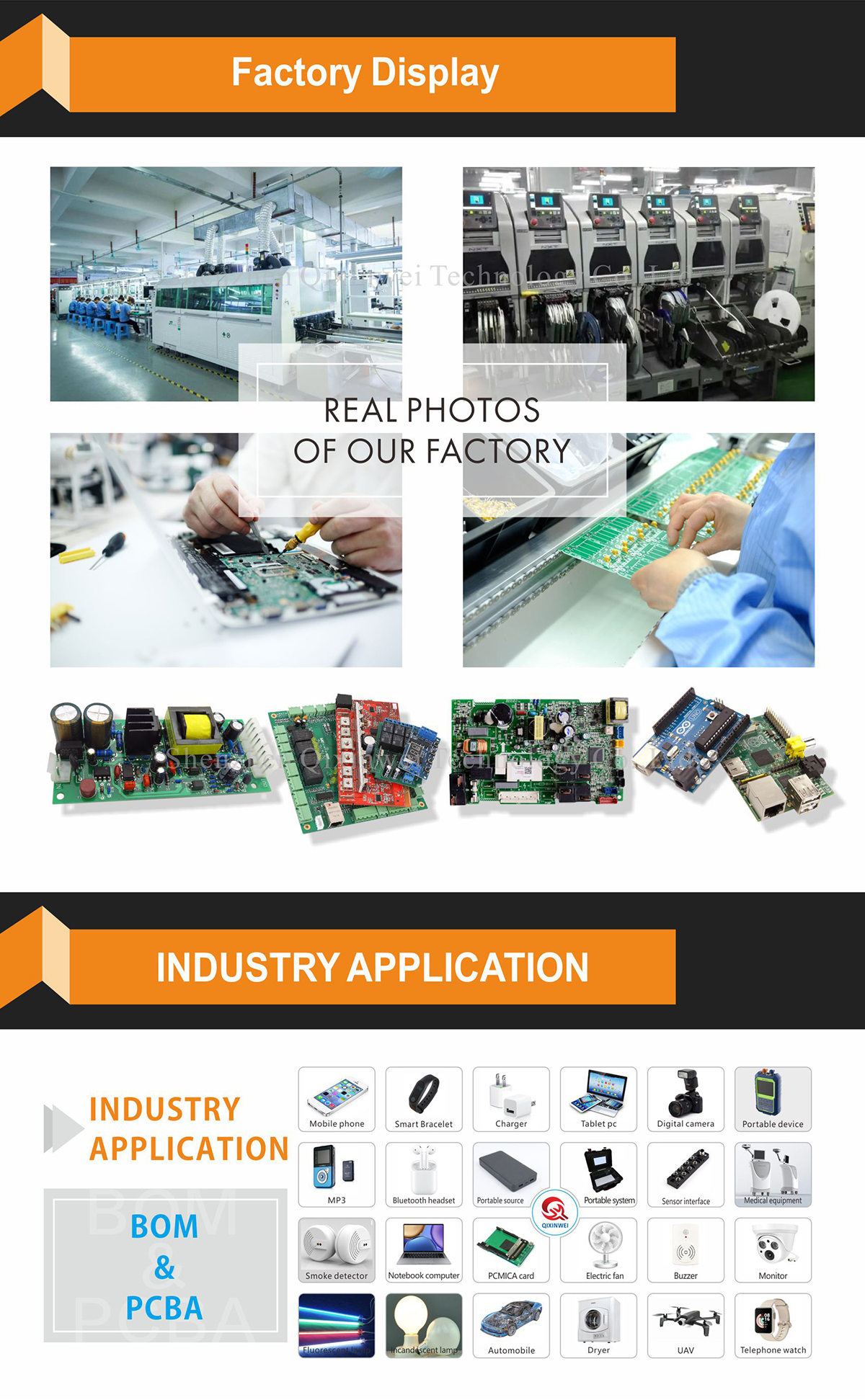
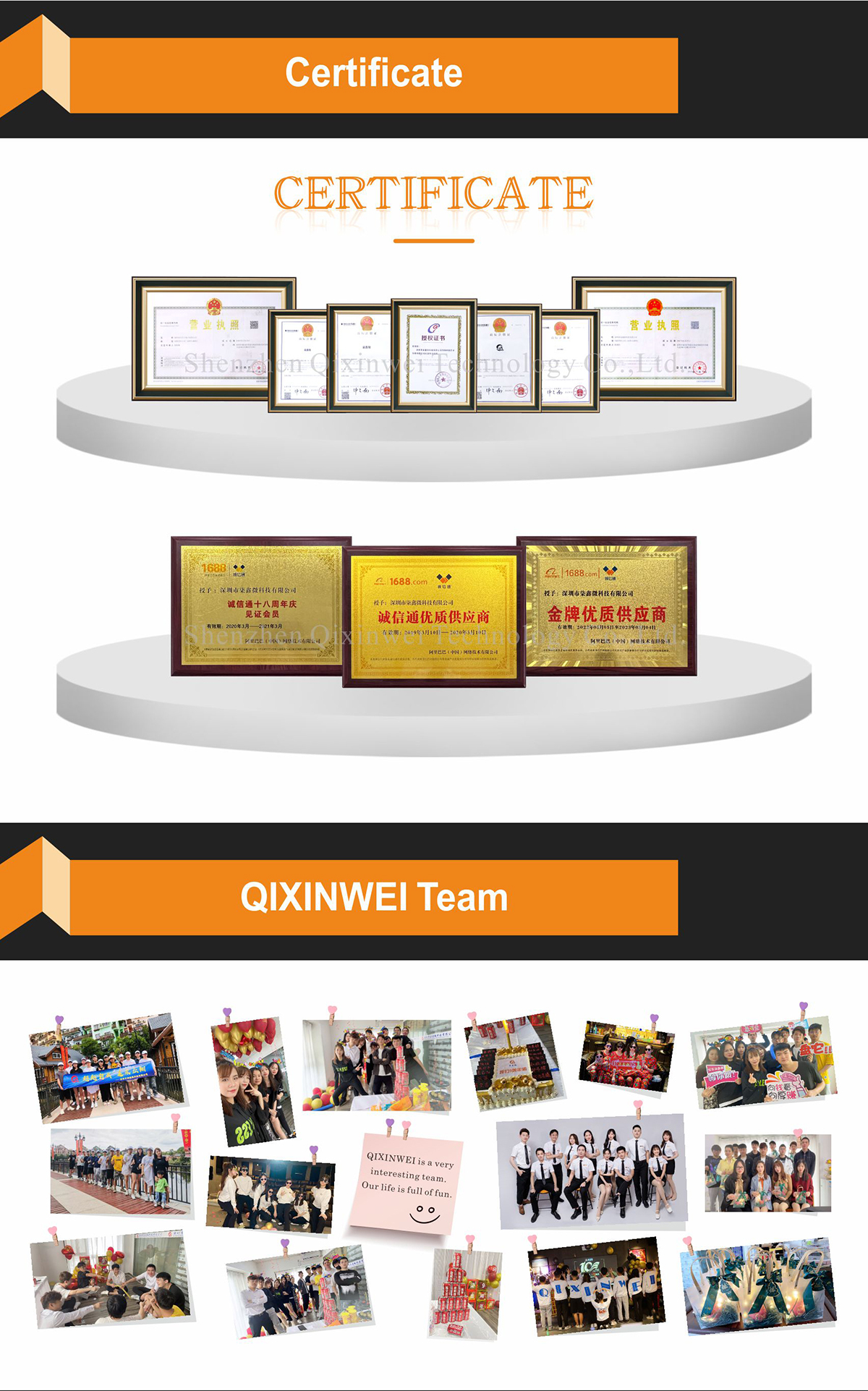
Years of experience in the electronics industry. Trusted by global customers.
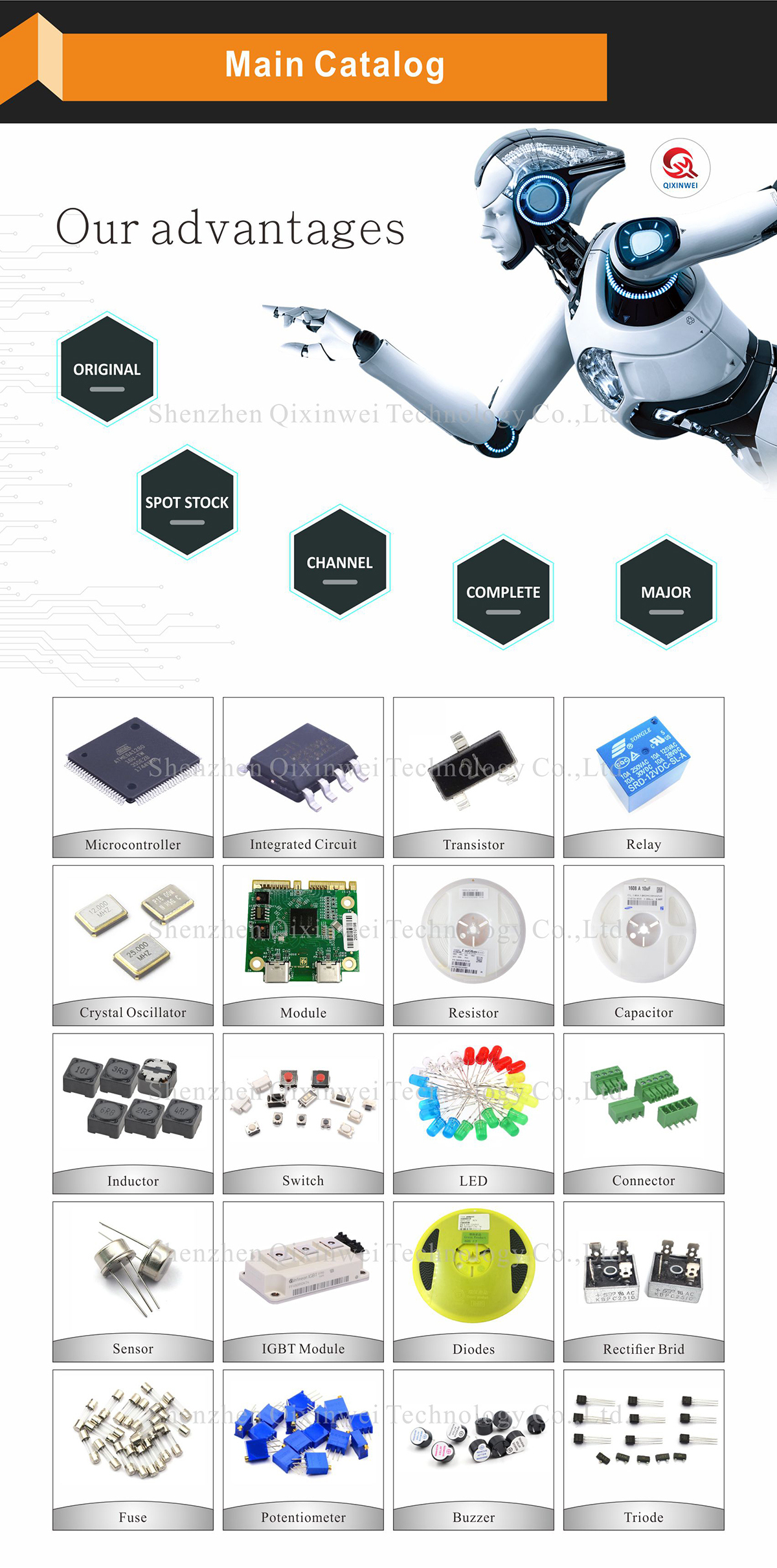
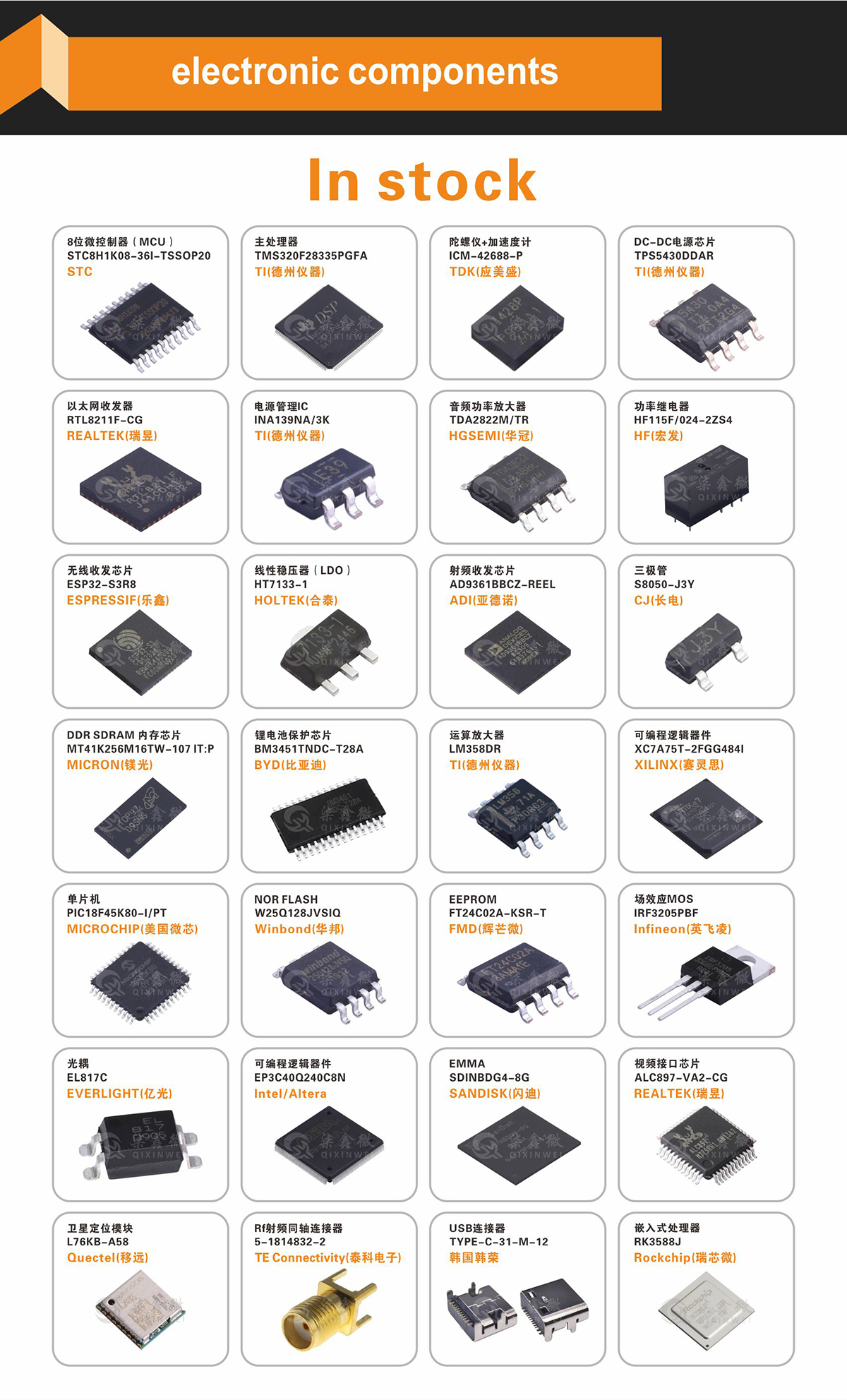
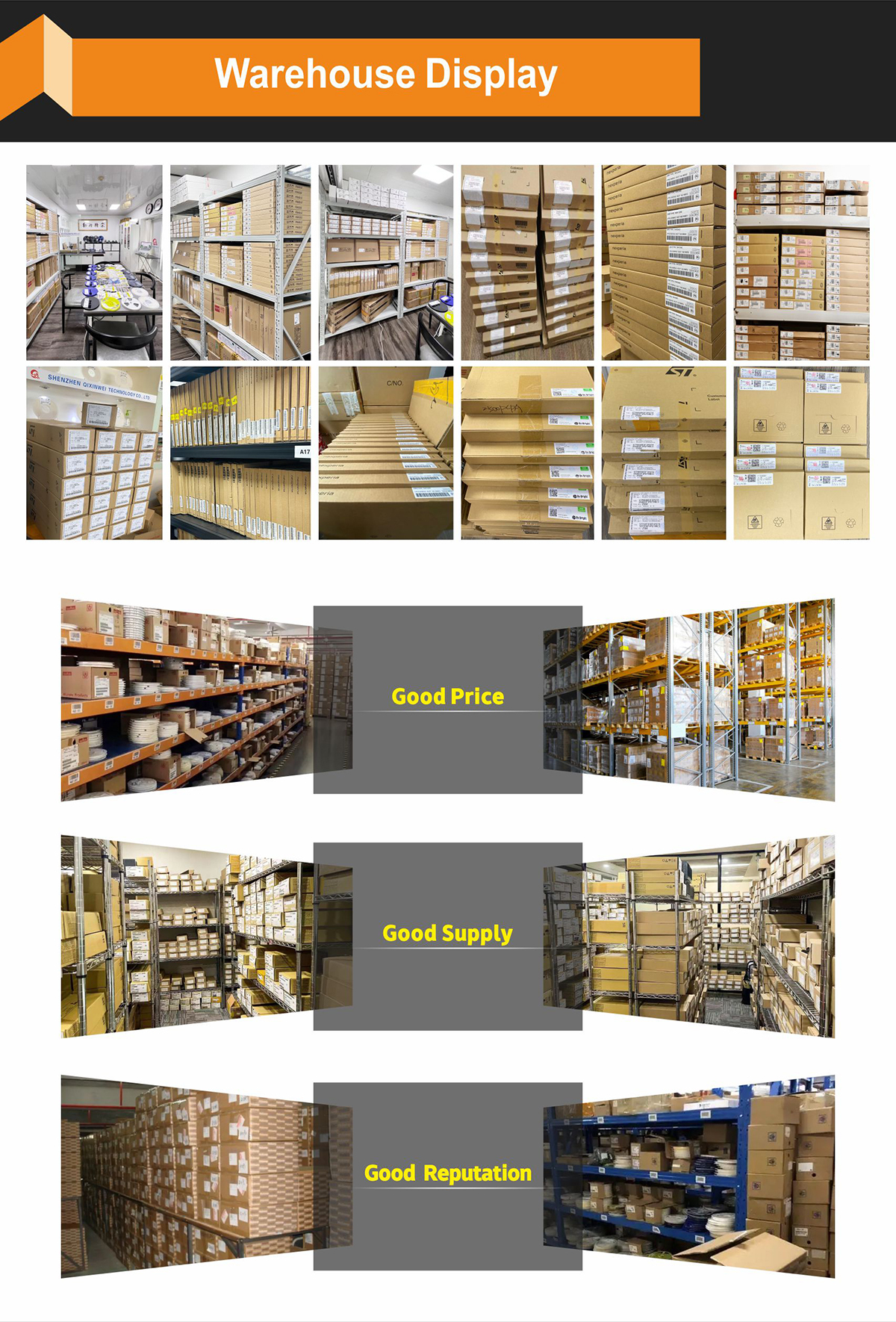
Massive In-Stock Inventory – Ready to ship promptly
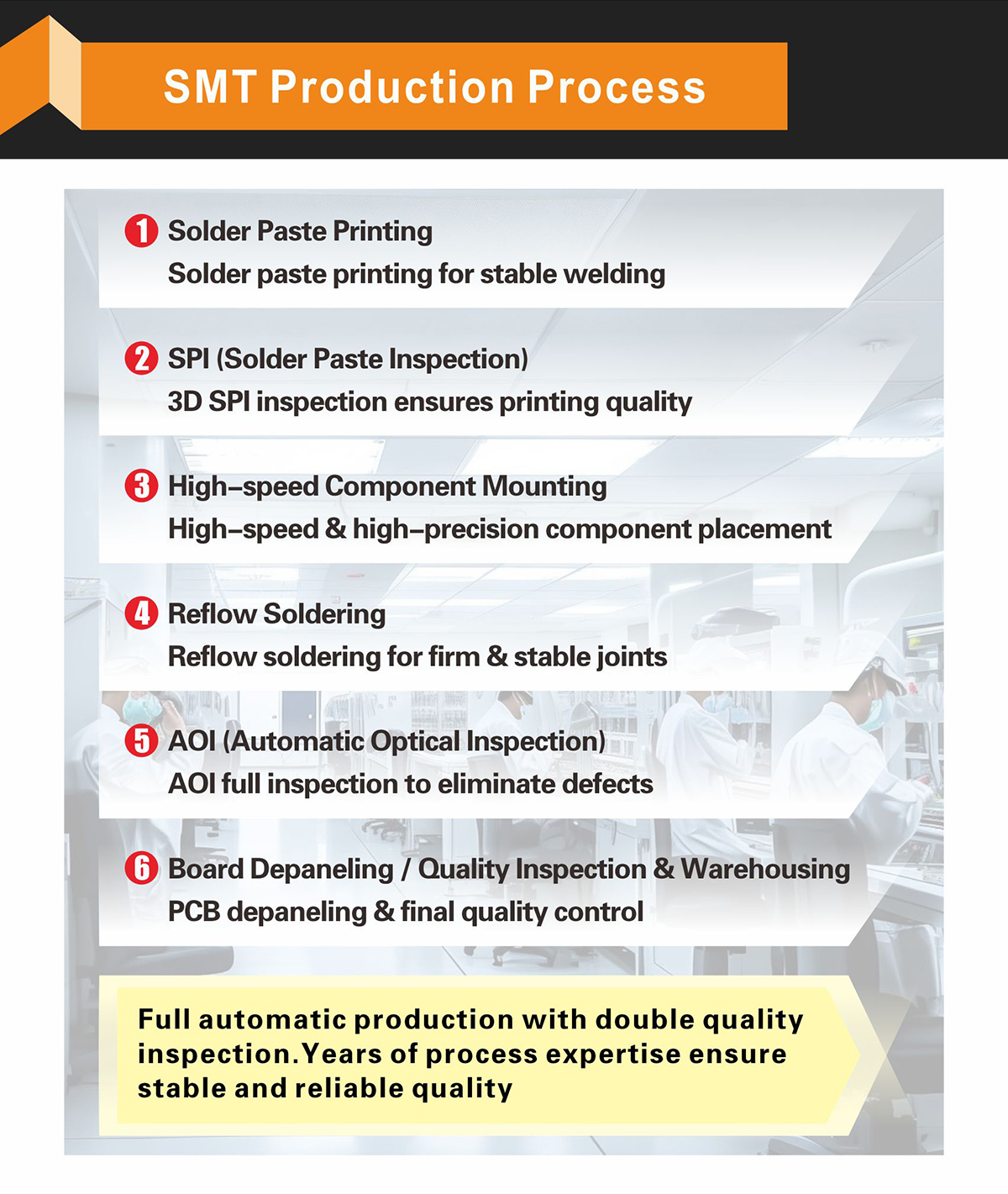
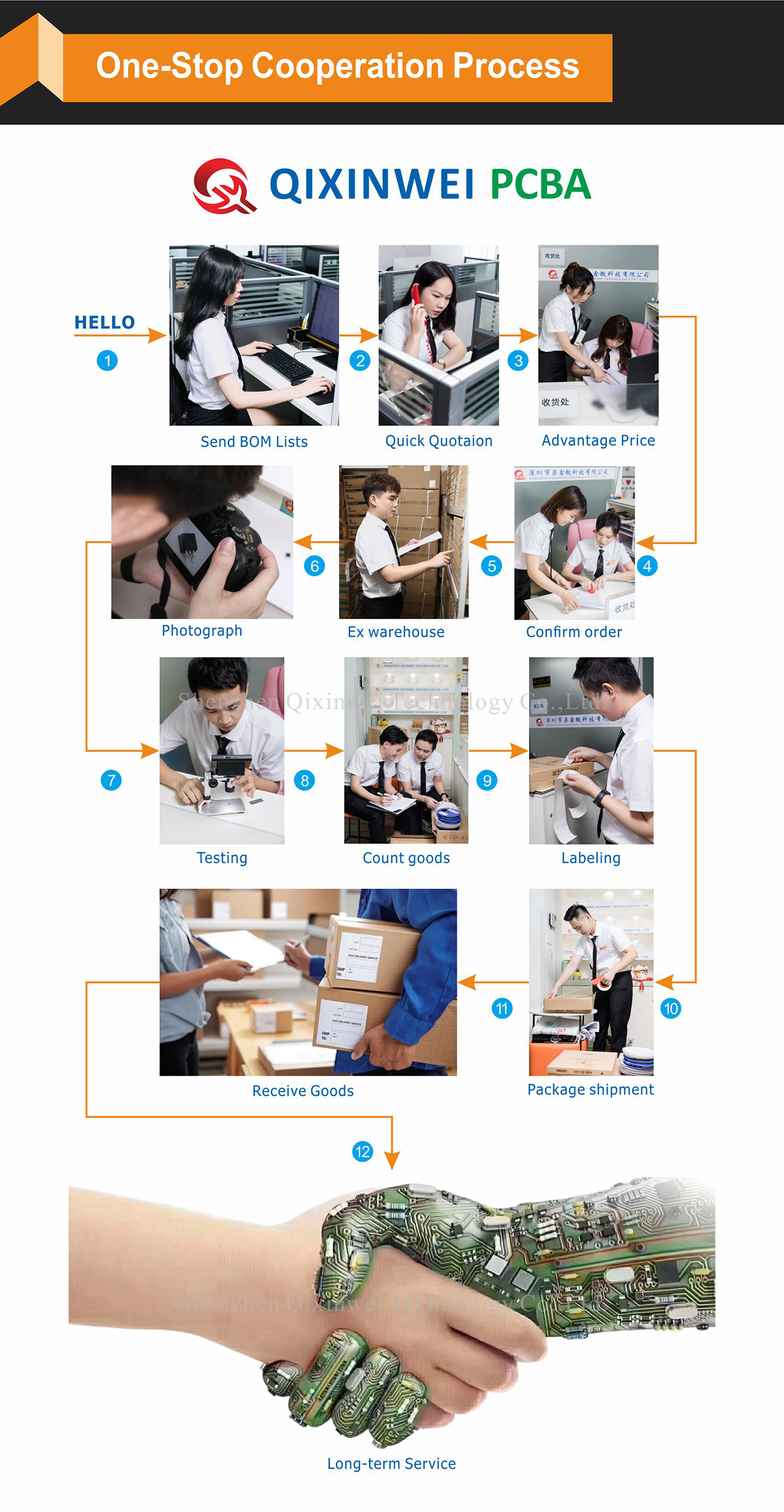
BOM Matching Service – One-stop solution, save time
PCBA Customization – Professional engineering team creates tailor-made solutions based on your needs
Cost-Effective & Efficient – Better channel, better cost
A dedicated team makes your procurement smoother.
Contact us for BOM quotes or PCBA inquiries

- Part number:
- STM32F407V Development Board
- Main Chip:
- STM32F407VET6(512KB)/ STM32F407VGT6(1MB)
- Chip Type:
- Arm Cortex-M4 32-bit RISC
- Operating Frequency:
- 168 MHz
- Performance:
- 210 DMIPS(1.25 DMIPS/MHz)
- Memory:
- 512KB/1MB Flash,192KB + 4KB SRAM
- Onboard Storage:
- W25Q16 SPI Flash