qixinwei-pcba


STM32F405RGT6 ST Mainstream Arm Cortex-M4 High-Performance 32-bit MCU 1MB Flash 168MHz FPU USB OTG SDIO DCMI LQFP-64
STM32F405RGT6 Product Overview
The STM32F405RGT6 is a Cortex-M4 high-performance MCU from STMicroelectronics in an LQFP-64 package. It runs at 168 MHz with FPU and ART Accelerator. It integrates 1 MB Flash, 192 KB SRAM, USB 2.0 OTG (FS/HS), SDIO, camera interface (DCMI), hardware crypto/HASH processor, two 12-bit DACs, three 12-bit ADCs (16ch, 3x interleaved up to 6 MSPS), up to 17 timers (incl. 2 advanced motor control PWM/deadtime). 51 I/Os, all 5 V-tolerant. Supply 1.8–3.6 V, -40–85 °C. Compared to the STM32F401RET6 (84 MHz Cortex-M4), this model doubles the core frequency, significantly increases SRAM and Flash capacity, and adds advanced peripherals including DCMI, crypto engine, and a second DAC, comprehensively surpassing the F401 series in performance and functionality. It is the performance benchmark for Cortex-M4 MCUs in an LQFP-64 package.
STM32F405RGT6 Core Features
Core: Arm Cortex-M4 168 MHz + FPU + ART Accelerator Memory: 1 MB Flash, 192 KB SRAM USB 2.0 OTG: FS + HS, FS on-chip PHY, HS requires external ULPI SDIO + HW Crypto: SD/MMC interface; AES 128/192/256, 3DES, HASH (MD5, SHA-1), RNG Camera Interface: 8–14-bit parallel DCMI 3×12-bit ADCs: 16 channels, 2.4 MSPS (up to 7.2 MSPS in triple-interleaved mode) 2×12-bit DACs: Buffered output Timers: Up to 17 (2× motor control PWM/deadtime/emergency stop, 12× 16-bit GP/quadrature encoder, 2× basic, 2× watchdogs, SysTick) Communication Interfaces: 4×USART + 2×UART (ISO7816/LIN/IrDA), 3×SPI (30 Mbit/s), 2×I2S, 3×I2C (SMBus), USB OTG, SDIO I/Os: 51, all 5 V-tolerant Low Power: Sleep/Stop/Standby, VBAT backup RTC Package: LQFP-64 (10×10×1.4 mm)
STM32F405RGT6 Applications
Industrial: PLCs, inverters, precision motor drives Motor Control: Dual-motor FOC, servo drives, pumps Image Capture: Simple camera monitoring, barcode scanning, industrial vision Consumer: Drone flight controllers, game controllers, high-end remote controls Security Applications: IoT security, payment terminals Portable Medical Devices
STM32F405RGT6 Key Advantages
168 MHz Cortex-M4 + FPU: Strongest performance in this package class, supporting complex DSP and floating-point operations 192 KB SRAM + 1 MB Flash: Ample memory for large firmware and complex algorithms DCMI Camera Interface: Supports CMOS sensors for image capture and vision applications Hardware Crypto Engine: AES/3DES/HASH/RNG for data security Dual DACs + 3 ADCs: Comprehensive analog functions with multi-channel synchronous acquisition 17 Timers (incl. 2 Motor Control): Supports dual-motor FOC Mature STM32 Ecosystem: CubeIDE/CubeMX/HAL/LL
Why Choose QIXINWEI
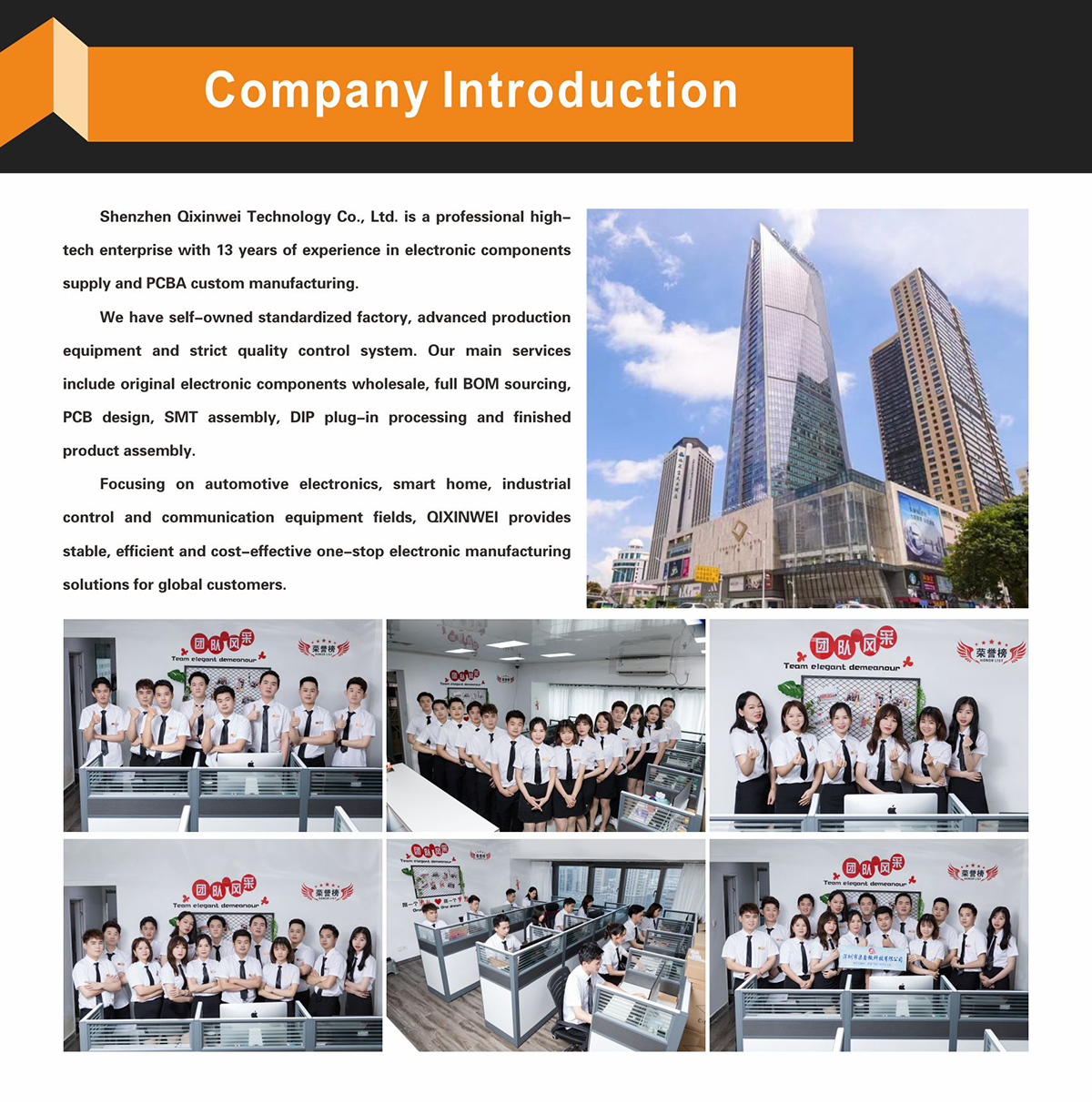
Years of experience in the electronics industry. Trusted by global customers.
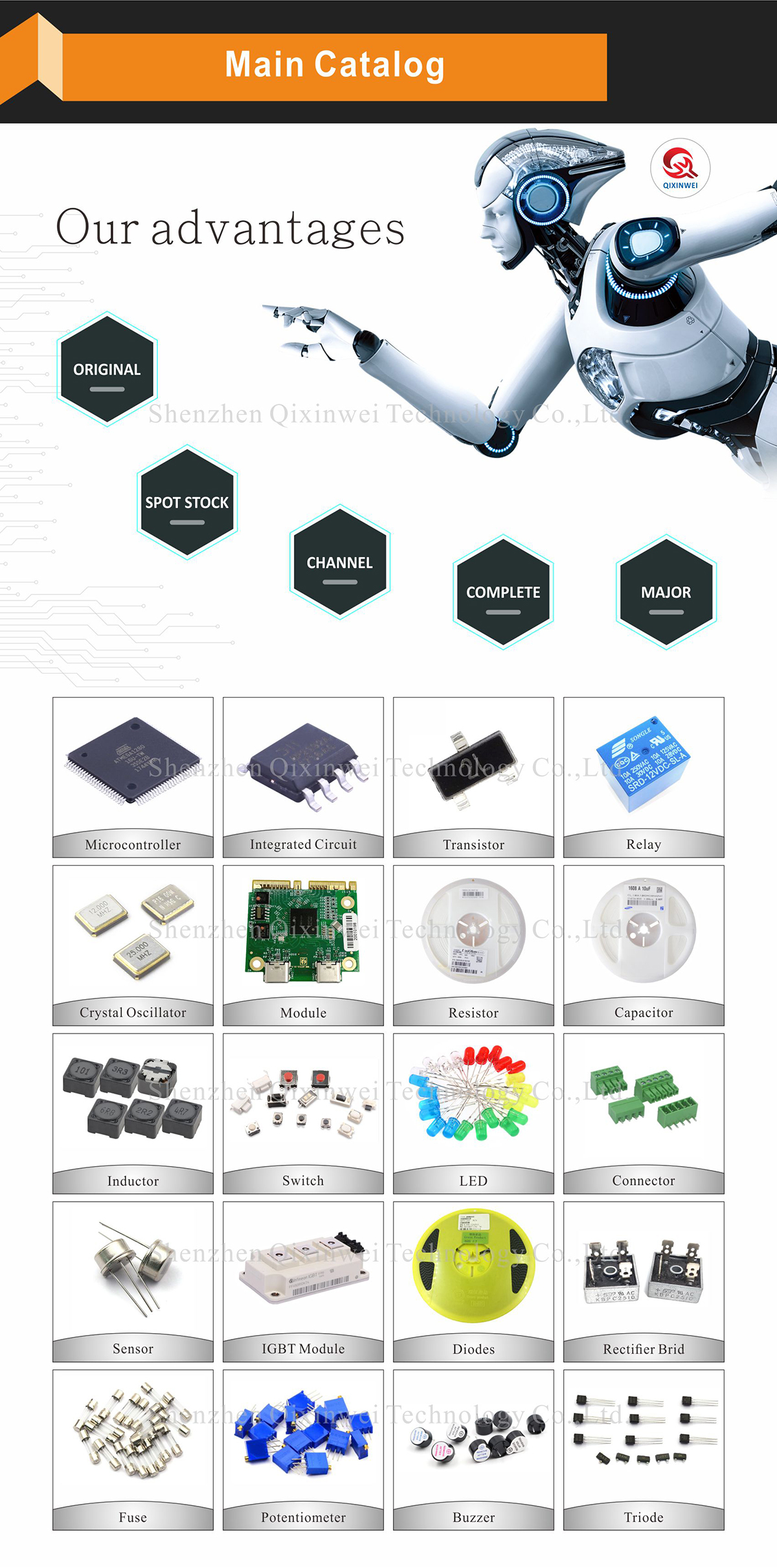
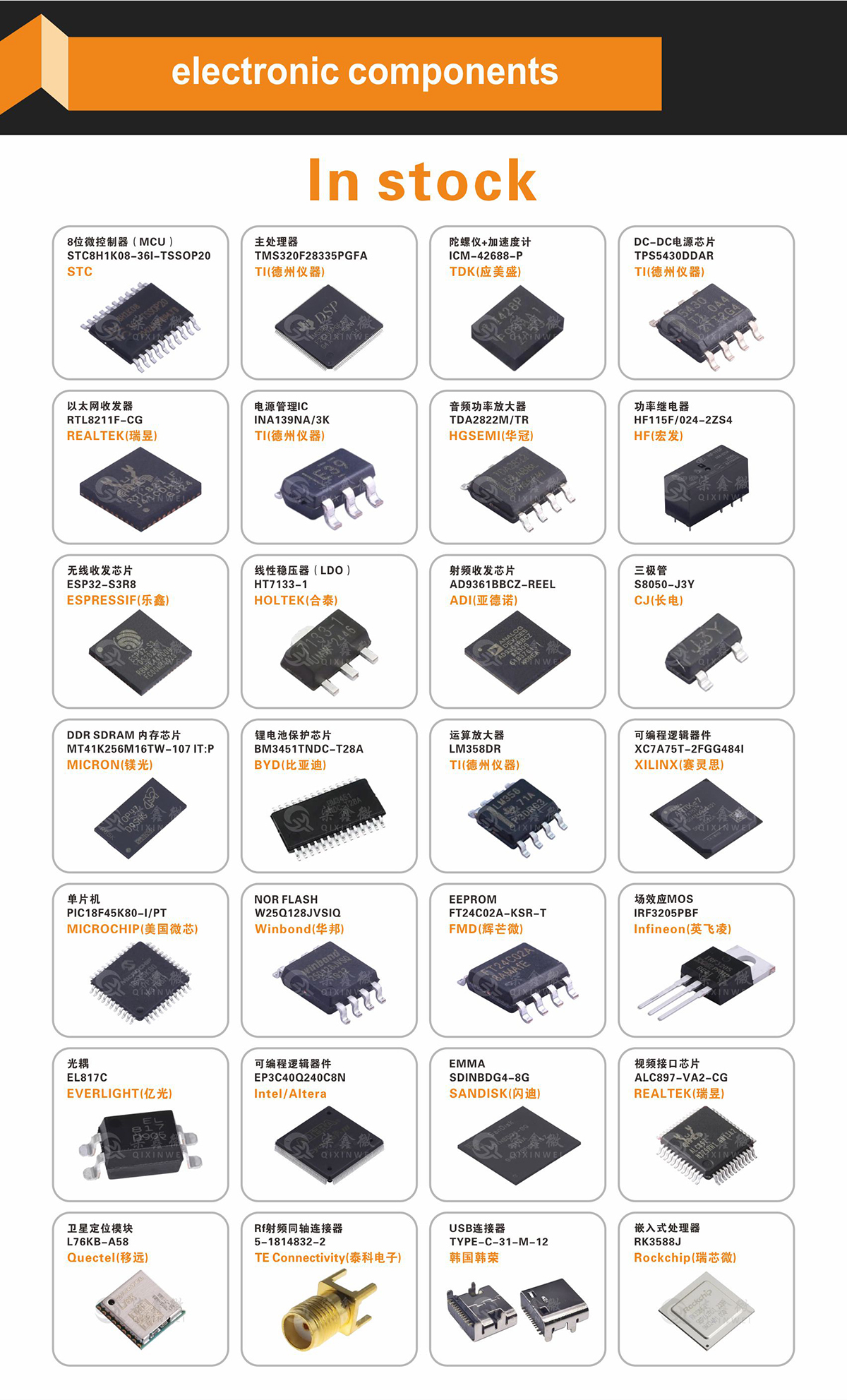
Massive In-Stock Inventory – Ready to ship promptly.
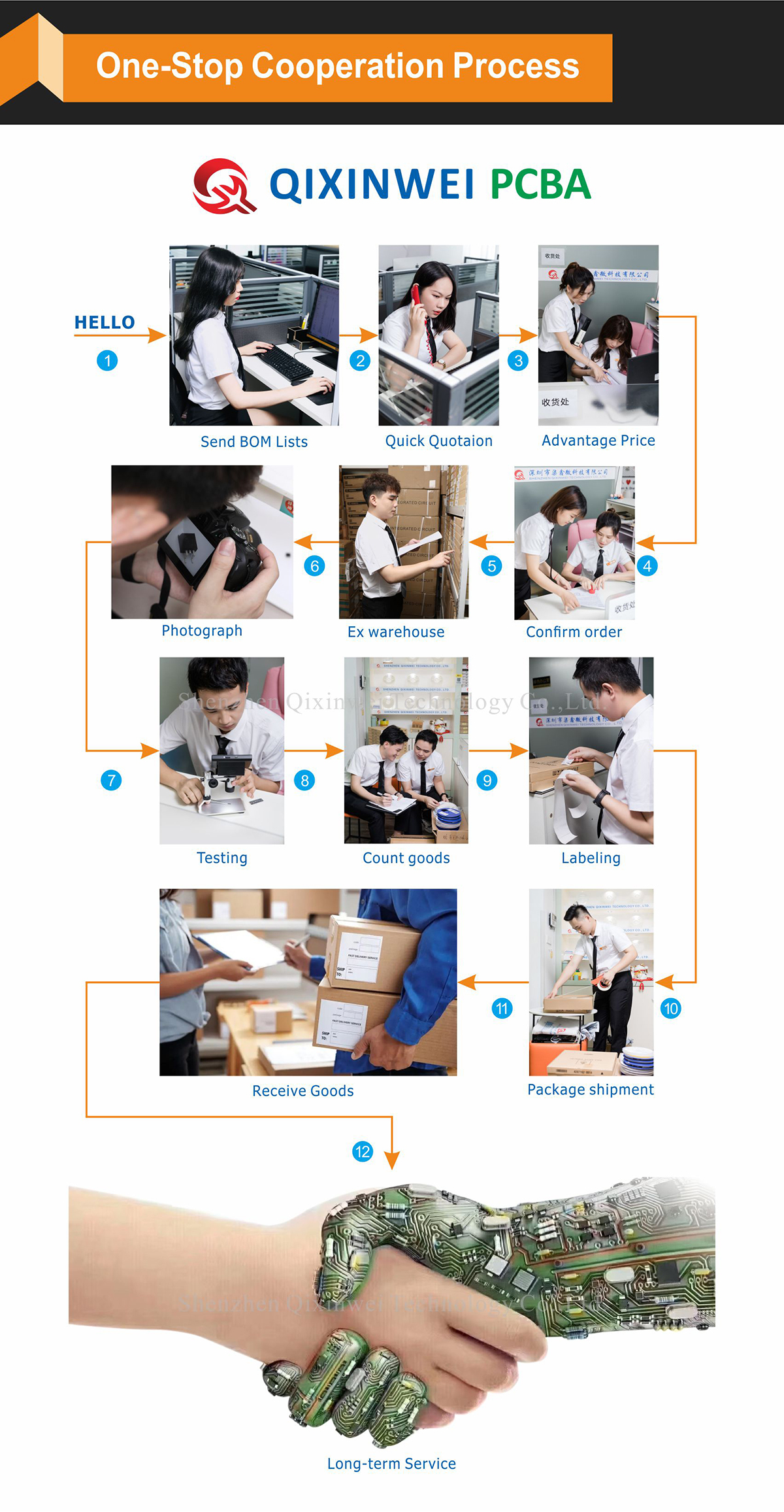
BOM Matching Service – One-stop solution, save time.
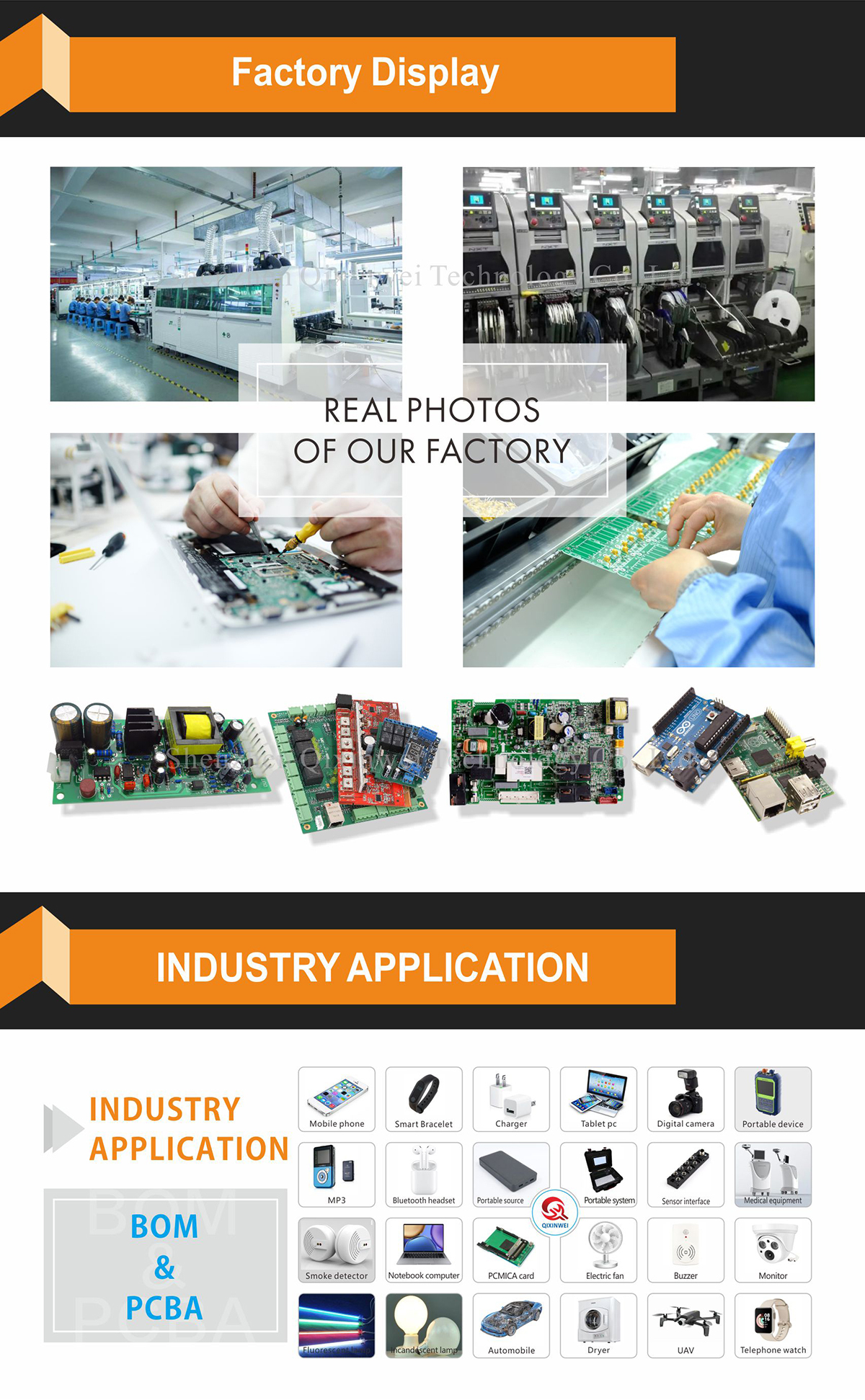
PCBA Customization – Professional engineering team creates tailor-made solutions based on your needs.
Cost-Effective & Efficient – Better channel, better cost.
A dedicated team makes your procurement smoother.
Contact us for BOM quotes or PCBA inquiries.



FAQ:
What is the STM32F405RGT6 and how does it differ from the STM32F405RGT7?
The STM32F405RGT6 is a 168 MHz Arm Cortex‑M4F microcontroller with 1 MB Flash and 192 KB SRAM in an LQFP‑64 package. The only difference from the RGT7 is the operating temperature range: the RGT6 is rated for -40 °C to +85 °C (standard industrial), while the RGT7 extends the high end to +105 °C (extended industrial). All other features—core speed, memory size, USB OTG HS/FS, dual CAN, and FSMC—are identical. Choose the RGT6 when standard industrial temperatures are sufficient for your product.How does the STM32F405RGT6 compare with the STM32F407RET6? When should I pick the F405?
The STM32F407RET6 adds an Ethernet MAC and a DCMI camera interface to the same core and memory configuration, but uses a similar 64‑pin package. The F405RGT6 removes those dedicated connectivity peripherals to reduce cost. Pick the F405RGT6 if your design does not need native Ethernet or a parallel camera, and you want the most cost‑optimised access to the Cortex‑M4 DSP/FPU engine, USB HS, and dual CAN in a tiny footprint.Is 1 MB Flash and 192 KB SRAM enough for a complex motor control or USB application on a 64‑pin device?
Absolutely. 1 MB Flash comfortably holds a real‑time OS, motor‑control libraries (FOC, digital PFC), a USB device/host stack, and a substantial application. The 192 KB SRAM is sufficient for control loops, communication buffers, and moderate data logging. Many production‑proven motor drives, USB instruments, and compact industrial controllers use this exact configuration without external memory.Can I connect external memory to the STM32F405RGT6? Does the 64‑pin package limit this?
Yes, the FSMC (Flexible Static Memory Controller) supports NOR Flash, PSRAM, and NAND Flash, but **does not** support SDRAM. On the 64‑pin package, the FSMC data bus is limited to 8‑ or 16‑bits due to the reduced I/O count. You can still connect a fast 16‑bit PSRAM for additional data buffering, or use the SDIO interface to store data on an SD card. The internal 192 KB SRAM handles most real‑time needs without external memory.Why doesn't the STM32F405RGT6 have Ethernet or a camera interface? How can I add connectivity?
The STM32F405 family intentionally omits these peripherals to lower cost for applications that do not need them. For Ethernet, you can connect an external SPI‑to‑Ethernet controller (e.g., W5500) via one of the SPI ports. For a camera, use a module with a built‑in FIFO connected to the FSMC. If native Ethernet or a parallel camera is essential, the pin‑compatible STM32F407RET6 is a direct upgrade path.Can the STM32F405RGT6 handle USB high‑speed? Is an external PHY required?
Yes. The chip includes a full‑speed USB OTG controller with an integrated PHY, and a separate high‑speed controller that works with an external ULPI PHY. You can implement USB HS devices or hosts—such as high‑speed data loggers, audio interfaces, or virtual COM ports—even on the 64‑pin package, provided you plan the pins carefully with STM32CubeMX.What makes the STM32F405RGT6 well‑suited for motor control and digital power supplies?
The Cortex‑M4F core features a single‑precision FPU and DSP instructions (single‑cycle MAC, SIMD). Two advanced‑control timers provide complementary PWM outputs with dead‑time insertion. Three independent 12‑bit ADCs can achieve up to 7.2 Msps in interleaved mode for precise current sensing. All of this fits in the compact 64‑pin package, making it a popular choice for single‑axis motor drives, digital PFC converters, and other real‑time control systems.How can I perform over‑the‑air (OTA) firmware updates with the STM32F405RGT6's 1 MB single‑bank Flash?
The 1 MB Flash can be logically partitioned into a bootloader, an active application, and a download buffer, or split into two 512 KB slots for an A/B update scheme. The 192 KB SRAM can temporarily hold the new firmware image during reception via USB, UART, or an external SPI‑to‑Wi‑Fi module. A CRC or signature check ensures a safe update without hardware dual‑bank Flash.What low‑power modes does the STM32F405RGT6 support, and what is the typical Stop‑mode current?
It supports Sleep, Stop, and Standby modes. In Stop mode with full 192 KB SRAM retention, typical current is around 110 µA. The chip can wake up quickly on USB, CAN, or external interrupts. Its FPU and DSP let you finish processing faster and return to sleep sooner, making it suitable for battery‑powered industrial sensors and portable instruments.What are the most typical applications for the STM32F405RGT6, given its compact size and proven core?
It excels in compact motor drives, USB‑connected instruments, industrial sensor nodes, handheld data loggers, and any space‑constrained design that needs the M4’s DSP muscle, generous Flash, and reliable industrial‑grade operation. Its wide availability and mature ecosystem make it a safe, long‑term choice for professional embedded products.
- Product Type:
- Mainstream Arm Cortex-M4 High-Performance 32-bit MCU
- Brand:
- STMicroelectronics
- Core:
- Arm Cortex-M4 168MHz (FPU + ART Accelerator)
- Package:
- LQFP-64 (10×10×1.4mm)
- Memory:
- 1MB Flash, 192KB SRAM
- Peripherals:
- USB 2.0 OTG FS/HS, SDIO, DCMI, HW Crypto (AES/3DES/HASH/RNG), 3×12-bit ADCs (16ch/2.4MSPS), 2×12-bit DACs, 2× Motor control PWM (deadtime), 12×16-bit GP timers (quadrature encoder), Calendar RTC
- Interfaces:
- 4×USART, 2×UART, 3×SPI (30Mbit/s), 2×I2S, 3×I2C (SMBus)
- I/Os:
- 51
- Voltage:
- 1.8V~3.6V
- Temperature:
- -40°C~85°C