qixinwei-pcba


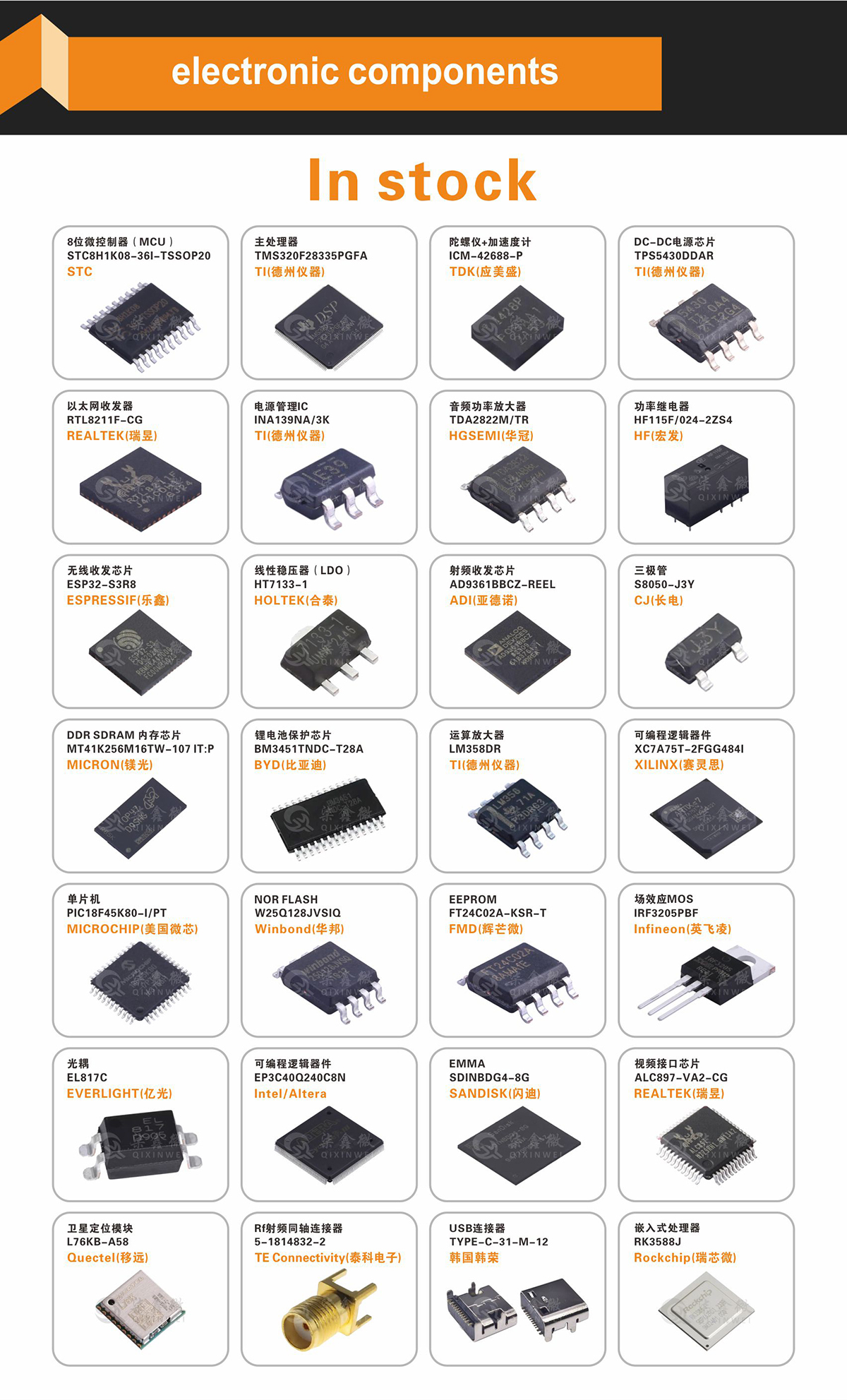
STM32F402RCT6 ST Mainstream Arm Cortex-M4 Dynamic Efficiency 32-bit MCU 256KB Flash 84MHz FPU USB OTG SDIO LQFP-64
STM32F402RCT6 Product Overview
The STM32F402RCT6 is a Cortex-M4 dynamic efficiency MCU from STMicroelectronics in an LQFP-64 package. It is an upgraded version of the STM32F401 series, designed for applications requiring enhanced memory performance and low-power BAM (Batch Acquisition Mode). It runs at 84 MHz with FPU and ART Accelerator. It integrates 256 KB Flash, 64 KB SRAM, USB 2.0 OTG (FS/HS), SDIO, 4 SPIs, 3 USARTs, 3 I2Cs, up to 12 timers (incl. 1 motor control PWM/deadtime), and a 12-bit ADC (10ch, 2.4MSPS). 50 I/Os, all 5 V-tolerant. Supply 1.7–3.6 V, -40–85 °C. Compared to the STM32F401RCT6, this model adds BAM functionality, supporting batch sensor data acquisition mode with optimized low-power performance. Compared to the STM32F103RCT6 (Cortex-M3), it upgrades to a Cortex-M4 core with FPU, offers higher frequency, and adds USB OTG HS/FS and SDIO, delivering an overall improvement in performance and connectivity.
STM32F402RCT6 Core Features
Core: Arm Cortex-M4 84 MHz + FPU + ART Accelerator Memory: 256 KB Flash, 64 KB SRAM USB 2.0 OTG: FS + HS, FS on-chip PHY, HS requires external ULPI SDIO: SD/MMC card interface support BAM: Batch Acquisition Mode for low-power batch sensor data reading 12-bit ADC: 10 channels, 2.4 MSPS (7.2 MSPS interleaved) Timers: 1× motor control PWM (deadtime/emergency stop), 7× 16-bit GP (incl. 2 quadrature encoders), 2× watchdogs, SysTick Communication Interfaces: 3×USART (ISO7816/LIN/IrDA), 4×SPI/I2S, 3×I2C (SMBus), USB OTG, SDIO I/Os: 50, all 5 V-tolerant Low Power: Sleep/Stop/Standby, VBAT backup RTC, BAM mode Package: LQFP-64 (10×10×1.4 mm)
STM32F402RCT6 Applications
Industrial: Sensor transmitters, data acquisition nodes, PLCs Motor Control: BLDC/PMSM FOC, fans, pumps Sensor Batch Acquisition: Periodic multi-sensor data reading in BAM mode Consumer: Game controllers, remote controls, drone flight controllers IoT Nodes USB OTG/SDIO Storage Applications
STM32F402RCT6 Key Advantages
Cortex-M4 + FPU + ART Accelerator: 84 MHz high performance with DSP and floating-point support BAM Batch Acquisition Mode: Low-power batch sensor data reading, optimized for battery-powered device runtime 256 KB Flash + 64 KB SRAM: Ample memory for complex applications USB OTG HS/FS + SDIO: High-speed USB and SD card storage LQFP-64 Package: 50 I/Os, rich resources 12-bit ADC 2.4 MSPS Fast Conversion Mature STM32 Ecosystem: CubeIDE/CubeMX/HAL/LL
Why Choose QIXINWEI
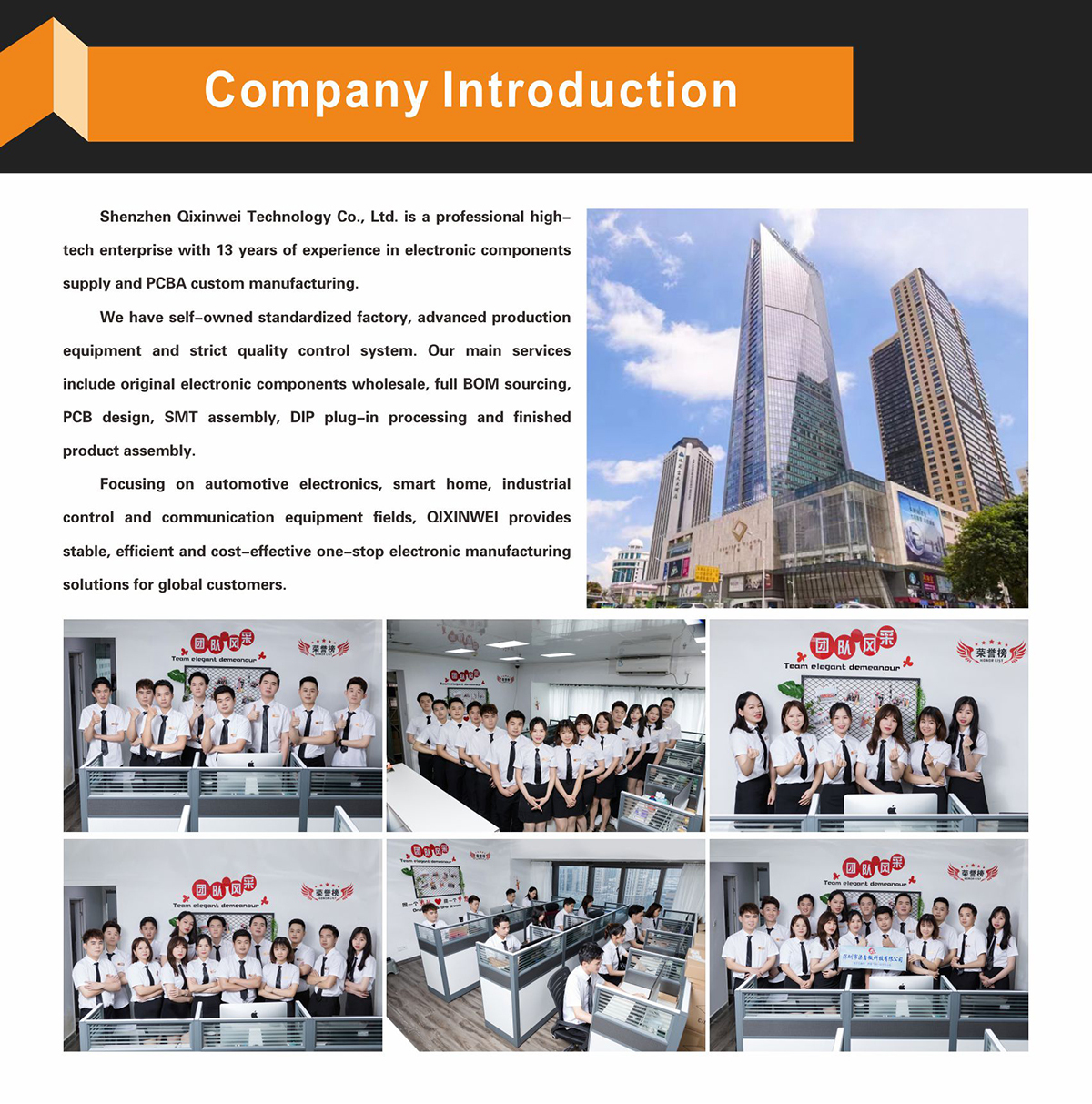
Years of experience in the electronics industry. Trusted by global customers.
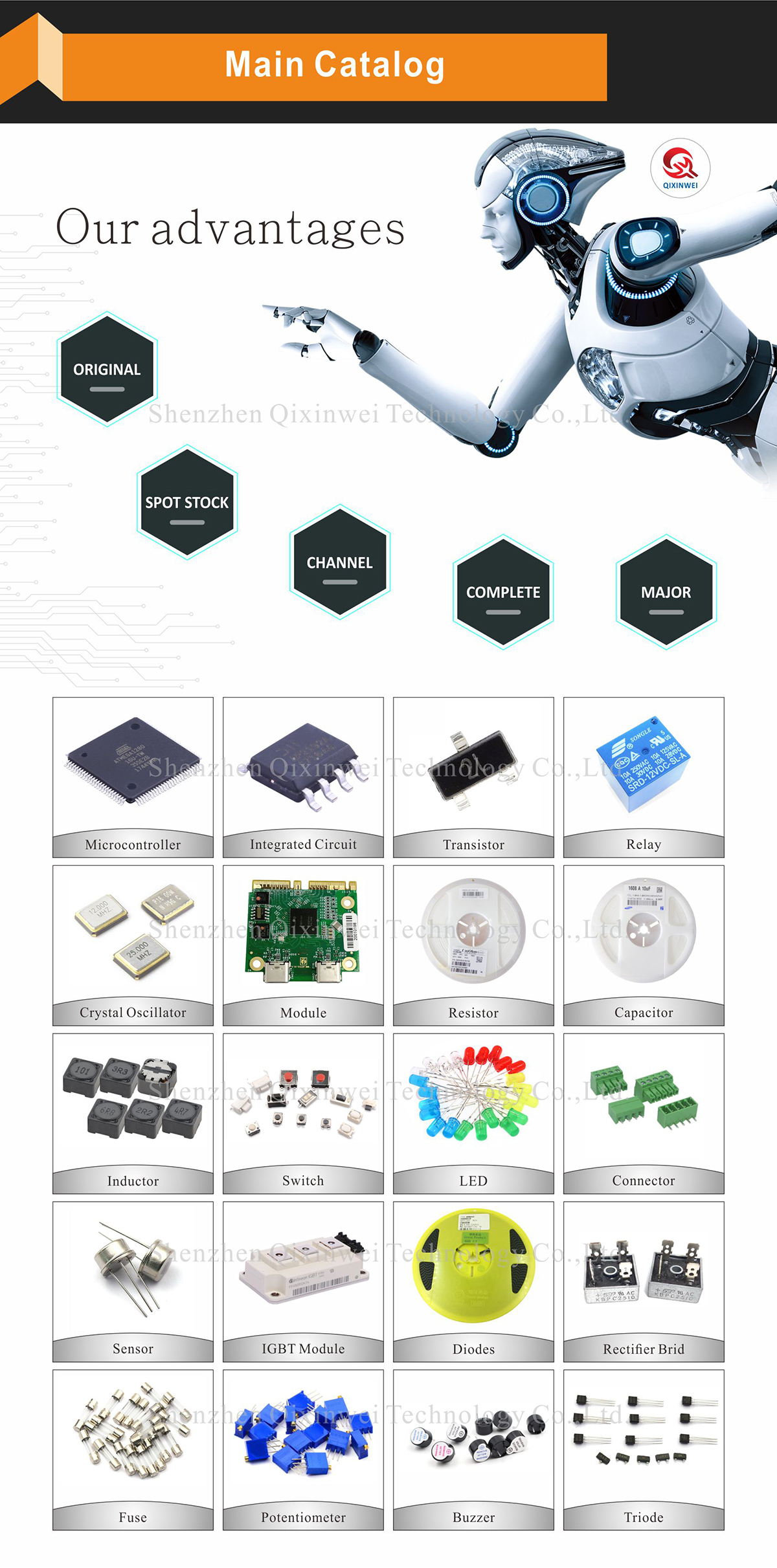
Massive In-Stock Inventory – Ready to ship promptly.
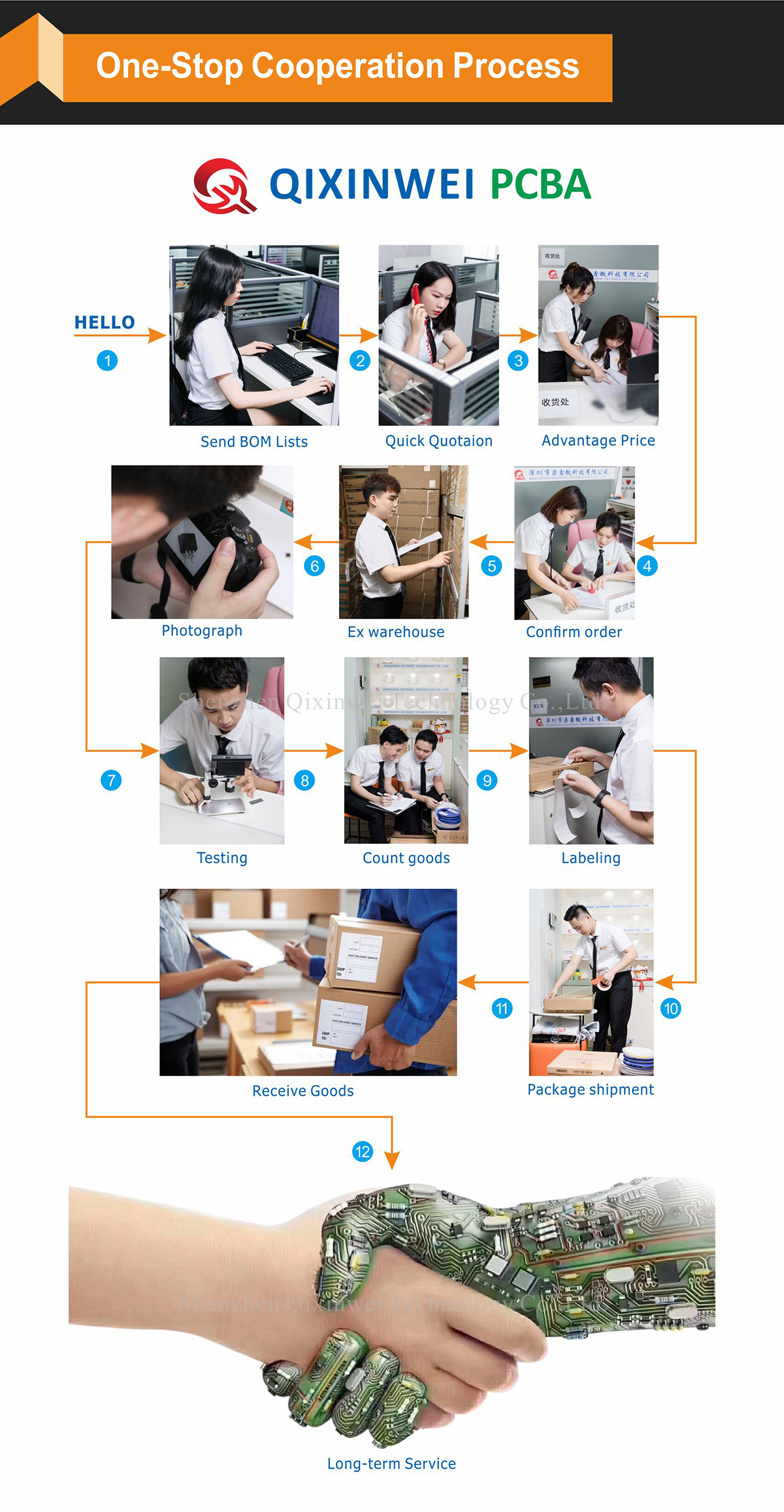
BOM Matching Service – One-stop solution, save time.
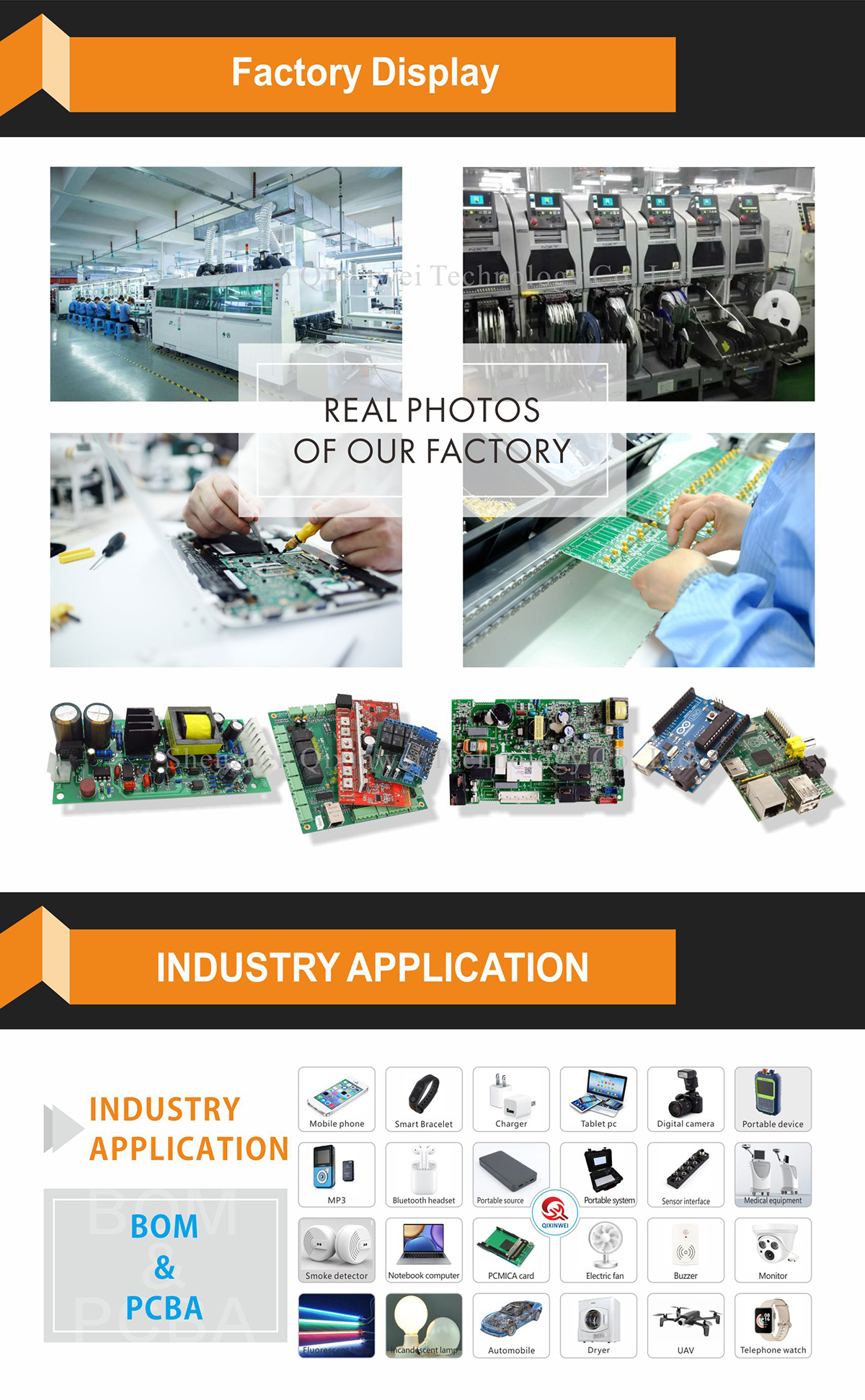
PCBA Customization – Professional engineering team creates tailor-made solutions based on your needs.
Cost-Effective & Efficient – Better channel, better cost.
A dedicated team makes your procurement smoother.
Contact us for BOM quotes or PCBA inquiries.


FAQ:
What is the STM32F402RCT6 and where does it sit in the STM32F4 lineup?
The STM32F402RCT6 is an entry‑level Arm Cortex‑M4F microcontroller running at 84 MHz with 256 KB Flash and 64 KB SRAM in an LQFP‑64 package. It retains the core M4 DSP and FPU, a USB OTG FS controller with integrated PHY, and a mix of serial interfaces (SPI, I2C, USART), but omits higher‑end features like Ethernet, camera, and the FSMC external memory bus. This makes it a cost‑optimised choice for applications that need the M4 instruction set and USB connectivity without the overhead of larger peripherals.How does the STM32F402RCT6 compare with the STM32F401RCT6? Is it a direct replacement?
Both share the same 84 MHz Cortex‑M4F core, 256 KB Flash, 64 KB SRAM, and LQFP‑64 package. The peripheral mix is extremely similar. The STM32F402 is often positioned as a more cost‑focused variant with a slightly updated peripheral set—often including an extra I2C or SPI in some configurations—but in practice many designs can migrate between them with minimal pin‑out changes. If your code fits within 256 KB and you only need USB FS plus basic serial I/O, either model works well; the F402 may offer a small cost advantage in production.Is 84 MHz with an FPU and DSP really capable of handling real‑time control algorithms?
Absolutely. The Cortex‑M4F core at 84 MHz delivers single‑cycle MAC and SIMD instructions, which accelerate digital filters, PID loops, and sensor fusion. It is powerful enough for moderate‑speed motor control (FOC of a single axis), digital power conversion, and audio processing at sample rates up to 48 kHz, all while consuming less power than the higher‑clocked F4 variants.Can 256 KB Flash and 64 KB SRAM run a real‑time OS and a USB stack?
Yes. A lightweight RTOS (e.g., FreeRTOS), a USB device stack, and a typical sensor‑oriented application can comfortably fit in 256 KB of Flash. The 64 KB SRAM is enough for system stacks, communication buffers, and moderate data processing. If you need more RAM, you can add an external SPI SRAM or PSRAM via one of the SPI ports, as the F402 does not have a parallel memory controller.Does the STM32F402RCT6 support USB high‑speed, or only full‑speed?
The chip provides a full‑speed USB OTG controller with an on‑chip PHY, meaning you can connect a USB cable directly to the MCU for device or host operation at 12 Mbps. There is no high‑speed ULPI interface. For applications like virtual COM ports, HID devices, or audio streaming, full‑speed is usually sufficient.Can I connect external Flash or RAM to the STM32F402RCT6? Does it have an FSMC?
No. The STM32F402 does not have an FSMC or FMC parallel memory controller. You can, however, use a SPI port to connect serial Flash (for data storage or code shadowing) or SPI PSRAM for additional buffering. The internal 256 KB Flash is meant to hold all application code, while external serial memory handles data logging or assets if needed.What low‑power modes does the STM32F402RCT6 offer, and how low can the current go?
It supports Sleep, Stop, and Standby modes. In Stop mode with the main regulator off and all 64 KB SRAM retained, the typical current is approximately 100 µA. A VBAT domain keeps the RTC and backup registers alive with just a few hundred nanoamps. This makes it suitable for battery‑powered sensor nodes and portable devices that spend most of their time in sleep.How does the STM32F402RCT6 compare to the STM32F411? When should I spend more for the F411?
The STM32F411 runs at 100 MHz, offers 512 KB Flash and 128 KB SRAM, and has an extra SPI. If your firmware outgrows the 256 KB/64 KB limits of the F402, or you need more processing headroom, the F411 is a natural pin‑compatible upgrade. For simpler applications that stay comfortably within the F402’s resources, there is no need to pay for the extra memory.Can the STM32F402RCT6 be used for motor control? What timer resources does it have?
Yes. It includes advanced‑control timers with complementary PWM outputs and programmable dead‑time insertion, suitable for single‑axis brushed or brushless motor drives. Combined with the FPU and DSP instructions, it can run field‑oriented control or digital power loops efficiently. The fast 12‑bit ADC (up to 2.4 Msps) handles current sensing for most moderate‑speed drives.What are the most typical applications for the STM32F402RCT6?
It is widely used in USB‑connected peripherals (virtual COM ports, audio dongles, HID devices), cost‑sensitive sensor hubs, portable data loggers, compact motor controllers, and any design that needs a Cortex‑M4 DSP engine with basic USB connectivity in a small, easy‑to‑solder LQFP‑64 package. Its low cost and mature ecosystem make it a popular entry point into the STM32F4 world.
- Product Type:
- Mainstream Arm Cortex-M4 Dynamic Efficiency 32-bit MCU
- Brand:
- STMicroelectronics
- Core:
- Arm Cortex-M4 84MHz (FPU + ART Accelerator)
- Package:
- LQFP-64 (10×10×1.4mm)
- Memory:
- 256KB Flash, 64KB SRAM
- Peripherals:
- USB 2.0 OTG FS/HS, SDIO, BAM mode, 12-bit ADC (10ch/2.4MSPS), 1× Motor control PWM (deadtime), 7×16-bit GP timers (quadrature encoder), Calendar RTC
- Interfaces:
- 3×USART, 4×SPI/I2S, 3×I2C (SMBus)
- I/Os:
- 50
- Voltage:
- 1.7V~3.6V
- Temperature:
- -40°C~85°C