qixinwei-pcba


STM32F401RBT6 ST Mainstream Arm Cortex-M4 Dynamic Efficiency 32-bit MCU 128KB Flash 84MHz FPU USB OTG SDIO LQFP-64
STM32F401RBT6 Product Overview
The STM32F401RBT6 is a Cortex-M4 dynamic efficiency MCU from STMicroelectronics in an LQFP-64 package. It runs at 84 MHz with FPU and ART Accelerator. It integrates 128 KB Flash, 64 KB SRAM, USB 2.0 OTG (FS/HS), SDIO, 4 SPIs, 3 USARTs, 3 I2Cs, up to 11 timers (incl. 1 motor control PWM/deadtime), and a 12-bit ADC (10ch, 2.4MSPS). 50 I/Os, all 5 V-tolerant. Supply 1.7–3.6 V, -40–85 °C. Compared to the STM32F103RBT6 (Cortex-M3, 72 MHz, 128 KB Flash, 20 KB SRAM), this model upgrades to a Cortex-M4 core with FPU, offers higher frequency, triples the SRAM, and adds USB OTG HS/FS and SDIO. Compared to the STM32F401CCU6 (UFQFPN-48, 36 I/Os), this model upgrades to an LQFP-64 package with more I/Os, suitable for applications requiring additional connectivity.
STM32F401RBT6 Core Features
Core: Arm Cortex-M4 84 MHz + FPU + ART Accelerator Memory: 128 KB Flash, 64 KB SRAM USB 2.0 OTG: FS + HS, FS on-chip PHY, HS requires external ULPI SDIO: SD/MMC card interface support 12-bit ADC: 10 channels, 2.4 MSPS (7.2 MSPS interleaved) Timers: 1× motor control PWM (deadtime/emergency stop), 6× 16-bit GP (incl. 2 quadrature encoders), 2× watchdogs, SysTick Communication Interfaces: 3×USART (ISO7816/LIN/IrDA), 4×SPI/I2S, 3×I2C (SMBus), USB OTG, SDIO I/Os: 50, all 5 V-tolerant Low Power: Sleep/Stop/Standby, VBAT backup RTC Package: LQFP-64 (10×10×1.4 mm)
STM32F401RBT6 Applications
Industrial: Sensor transmitters, data acquisition nodes, PLCs Motor Control: BLDC/PMSM FOC, fans, pumps Consumer: Game controllers, remote controls, drone flight controllers IoT Nodes USB OTG/SDIO Storage Applications High-Performance Upgrades from Legacy 8/16-bit MCUs
STM32F401RBT6 Key Advantages
Cortex-M4 + FPU + ART Accelerator: 84 MHz high performance with DSP and floating-point support 64 KB SRAM: Triple the RAM of the STM32F103RBT6, meeting complex data buffering needs USB OTG HS/FS + SDIO: High-speed USB and SD card storage LQFP-64 Package: 50 I/Os, rich resources 12-bit ADC 2.4 MSPS Fast Conversion Mature STM32 Ecosystem: CubeIDE/CubeMX/HAL/LL
Why Choose QIXINWEI
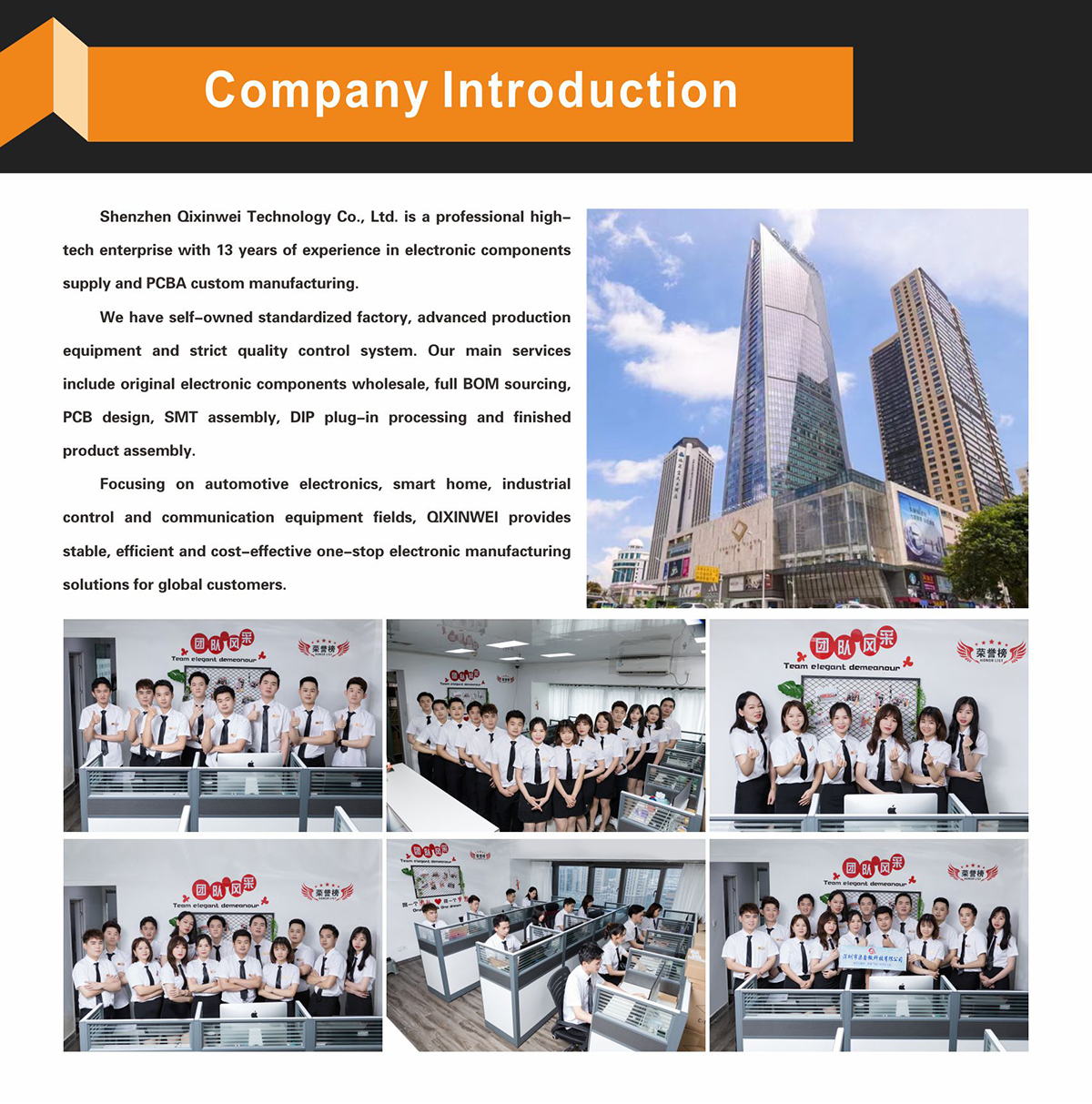
Years of experience in the electronics industry. Trusted by global customers.
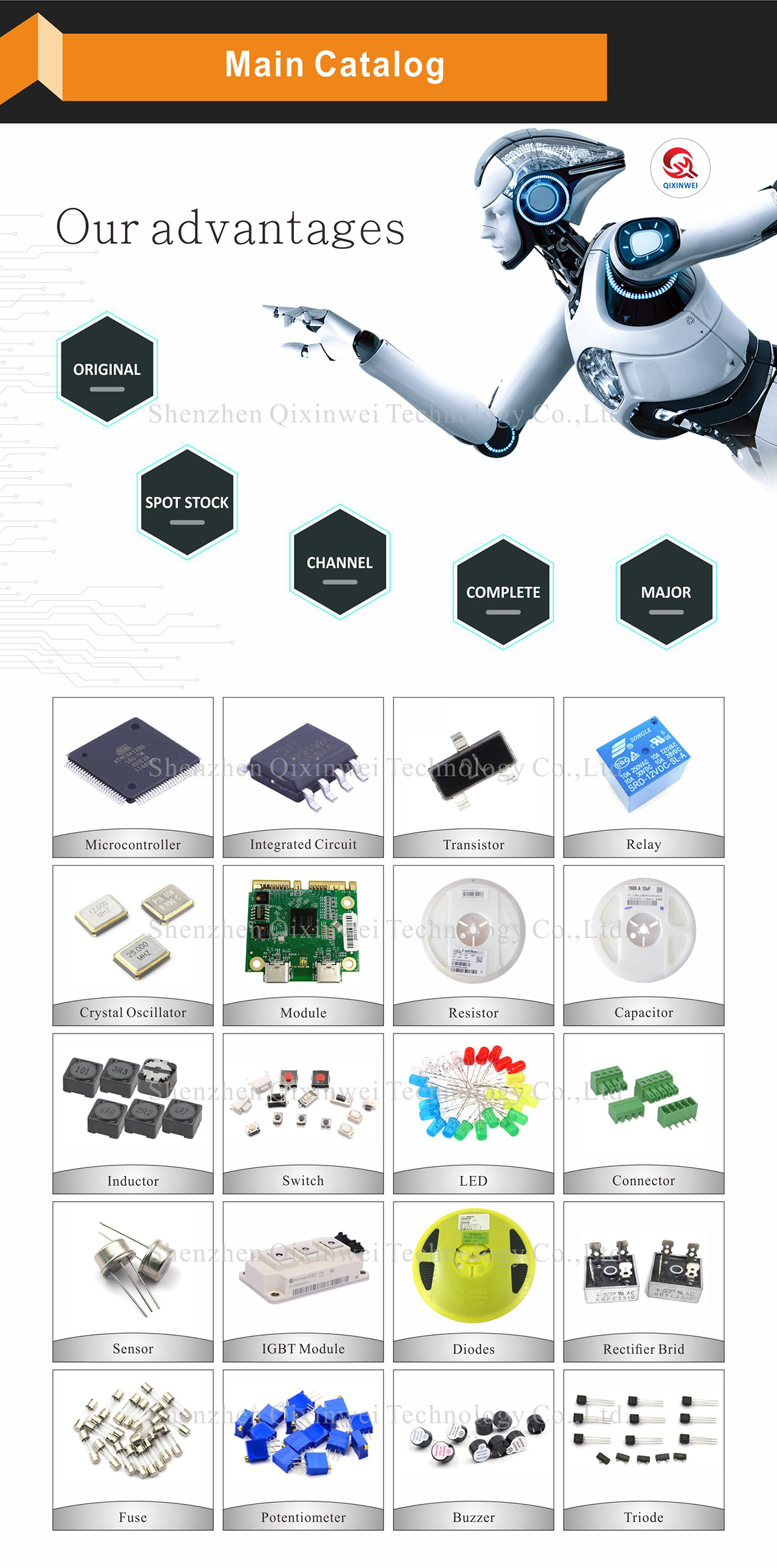
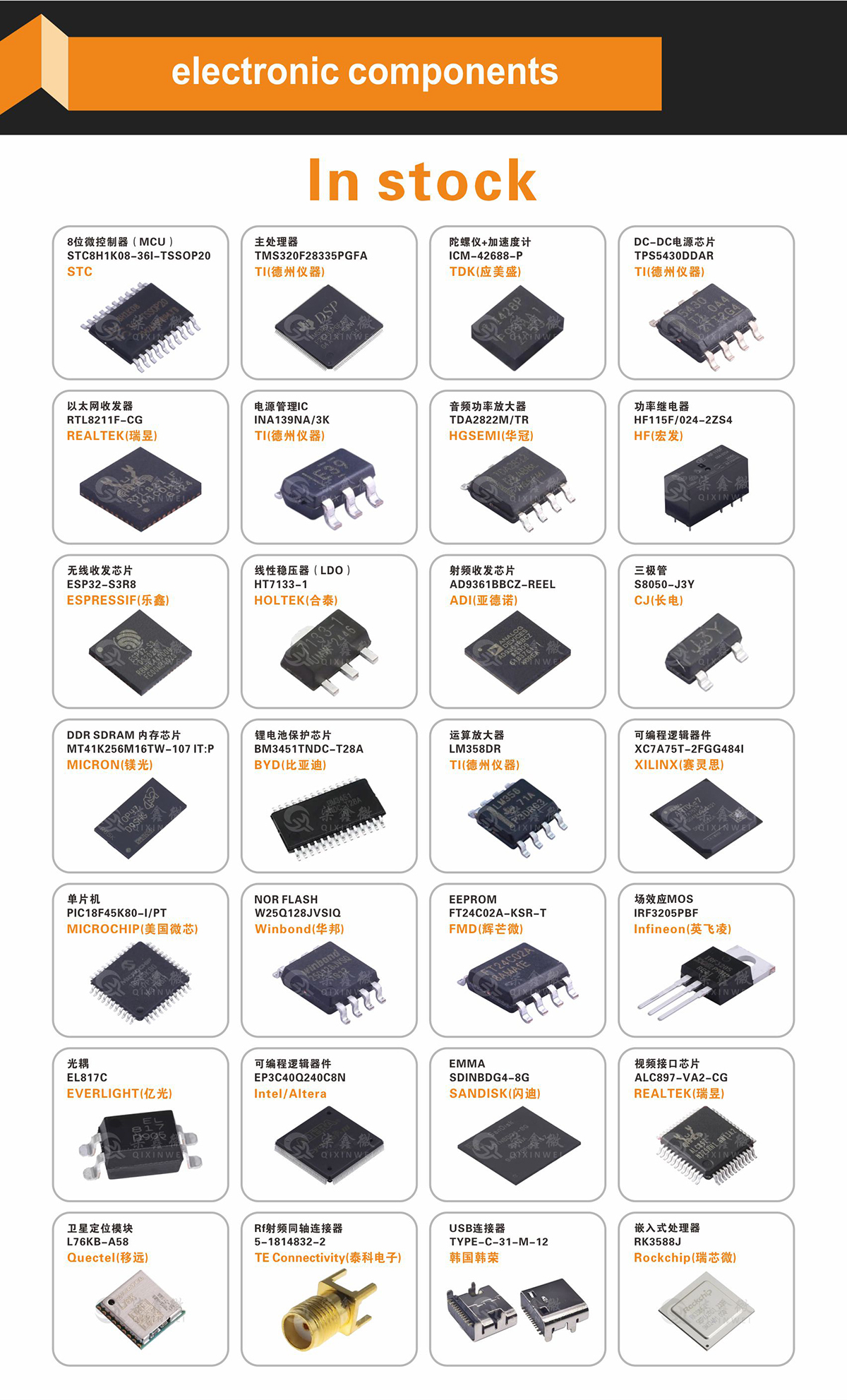
Massive In-Stock Inventory – Ready to ship promptly.
BOM Matching Service – One-stop solution, save time.
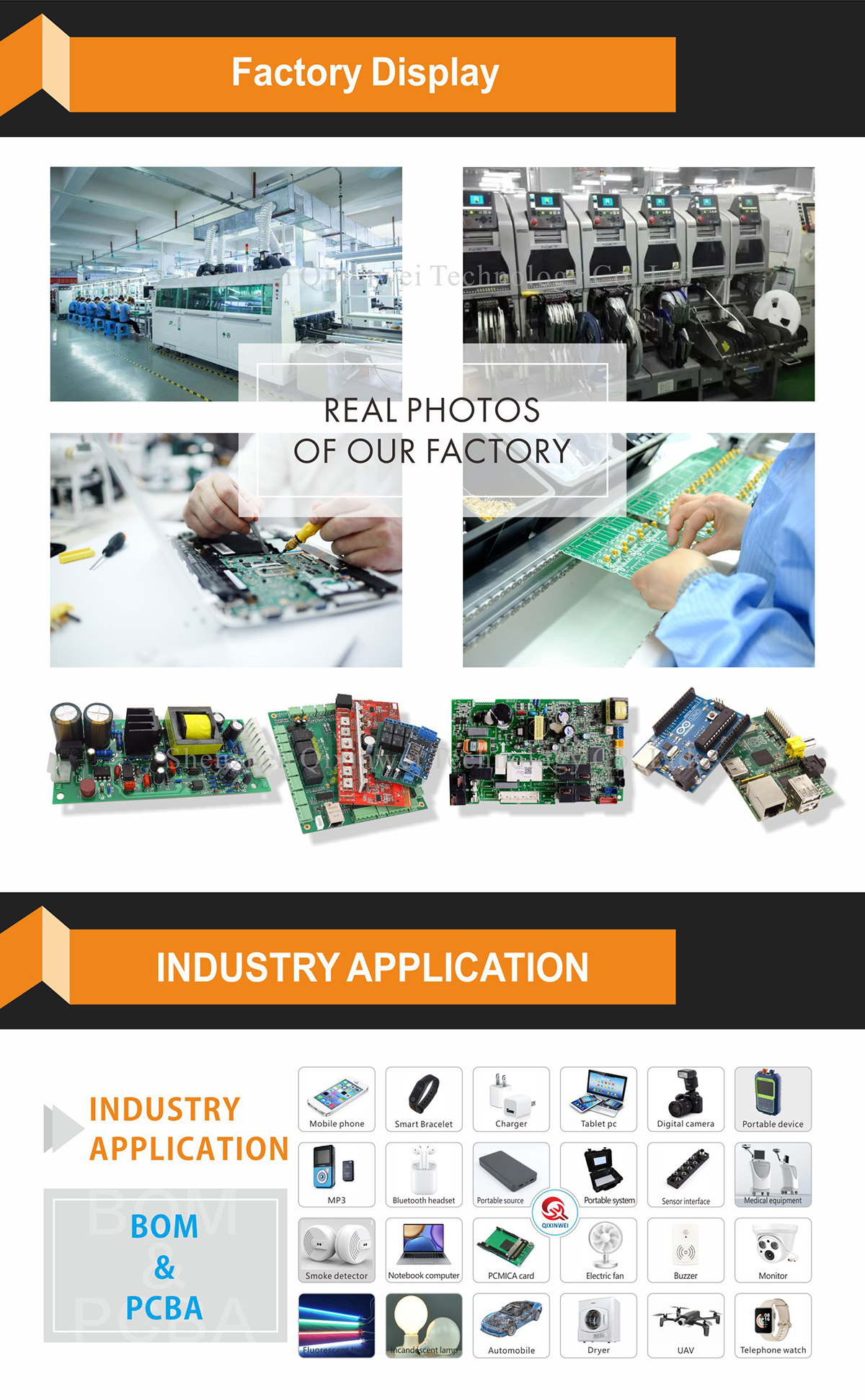
PCBA Customization – Professional engineering team creates tailor-made solutions based on your needs.
Cost-Effective & Efficient – Better channel, better cost.
A dedicated team makes your procurement smoother.
Contact us for BOM quotes or PCBA inquiries.


FAQ:
What is the STM32F401RBT6 and how does it differ from the STM32F401RCT6?
The STM32F401RBT6 is an 84 MHz Arm Cortex‑M4F microcontroller with 128 KB Flash and 64 KB SRAM in an LQFP‑64 package. It includes a full‑speed USB OTG controller with integrated PHY, plus standard serial interfaces. The only difference from the RCT6 is Flash size: the RBT6 has 128 KB, while the RCT6 offers 256 KB. All other features—CPU speed, SRAM, peripherals, and pin‑out—are identical. Choose the RBT6 when your firmware is compact and you want the most cost‑effective Cortex‑M4 with USB connectivity.Is 128 KB of Flash and 64 KB of SRAM enough to run a real‑time operating system and USB?
Yes. A lightweight RTOS (such as FreeRTOS), a USB device stack, and a focused application can fit well within 128 KB of Flash. The 64 KB SRAM is sufficient for stack, buffers, and basic data processing. Many USB sensors, simple motor controllers, and serial bridges ship with this exact memory configuration. If you later need more space, the pin‑compatible STM32F401RCT6 (256 KB) provides a direct upgrade path without PCB changes.How does the STM32F401RBT6 compare with the STM32F103? Is it a worthwhile upgrade?
Absolutely. Compared to a typical STM32F103 (72 MHz Cortex‑M3, up to 128 KB Flash and 20 KB SRAM), the F401RBT6 adds an FPU, DSP instructions, a higher clock speed, three times the SRAM (64 KB), and a built‑in full‑speed USB OTG controller. The LQFP‑64 package is often pin‑compatible with high‑end F103 boards, enabling a performance and memory boost with minimal hardware changes.Why doesn't the STM32F401RBT6 have an FSMC? How can I add external memory?
The STM32F401 series omits the parallel memory controller to keep the chip small, low‑cost, and power‑efficient. If more storage is needed, you can add an SPI Flash or SPI PSRAM via one of the SPI ports. For most applications that stay within 128 KB of Flash, no external memory is required, and the internal Flash holds all firmware and constant data.Can the STM32F401RBT6 handle USB audio or a virtual COM port? Does it support USB high‑speed?
It supports full‑speed USB OTG (12 Mbps) with an on‑chip PHY, which is perfectly adequate for USB Audio Class 1, virtual COM ports, HID devices, and mass‑storage applications. There is no ULPI high‑speed interface. The 128 KB Flash and 64 KB SRAM can host a compact USB stack and basic signal processing, making it a practical choice for simple USB‑connected peripherals.How power‑efficient is the STM32F401RBT6, and can it be used in battery‑powered designs?
It is one of the most power‑savvy members of the STM32F4 family. In Stop mode with full 64 KB SRAM retention, the typical current is about 100 µA. The 84 MHz core finishes tasks quickly, allowing the chip to return to sleep and extend battery life. A dedicated VBAT pin can keep the RTC alive from a coin cell, making it ideal for portable sensors and USB‑powered gadgets.Can the STM32F401RBT6 be used for motor control or digital signal processing?
Yes. The Cortex‑M4F core provides a single‑precision FPU and DSP instructions. Advanced‑control timers with complementary PWM outputs and dead‑time insertion are available for single‑axis motor drives. The 12‑bit ADC (up to 2.4 Msps) enables accurate current sensing. While the Flash and SRAM are limited, many sensorless FOC and digital power loops fit comfortably within 128 KB.What development tools and boards can I use with the STM32F401RBT6?
All major IDEs—free STM32CubeIDE, Keil MDK, and IAR EWARM—fully support the chip. You can prototype on the NUCLEO‑F401RE board (which uses a 512 KB Flash STM32F401RE) and then re‑target to the RBT6 by adjusting the linker script to 128 KB Flash. The STM32CubeF4 firmware package includes ready‑to‑run examples for USB, low‑power modes, and motor control.How does the STM32F401RBT6 compare with the STM32F411? When should I spend more for the F411?
The STM32F411 runs at 100 MHz, offers 512 KB Flash and 128 KB SRAM, and has an extra SPI. The F401RBT6 is a much lower‑cost option for designs where 128 KB Flash and 64 KB SRAM are sufficient. If your application is simple and well‑contained, the RBT6 provides the same DSP/FPU core and USB connectivity without the extra expense. Move to the F411 only when you need the additional performance or memory.What are the most typical applications for the STM32F401RBT6?
It is widely used in cost‑sensitive USB peripherals (virtual COM ports, simple HID controllers), compact IoT sensor nodes, portable data loggers, basic motor drives, and any space‑constrained design that needs a Cortex‑M4 with USB in a small, easy‑to‑solder package. Its ultra‑low cost and mature ecosystem make it a popular entry point for embedded systems wanting an FPU and DSP without extra overhead.
- Product Type:
- Mainstream Arm Cortex-M4 Dynamic Efficiency 32-bit MCU
- Brand:
- STMicroelectronics
- Core:
- Arm Cortex-M4 84MHz (FPU + ART Accelerator)
- Package:
- LQFP-64 (10×10×1.4mm)
- Memory:
- 128KB Flash, 64KB SRAM
- Peripherals:
- USB 2.0 OTG FS/HS, SDIO, 12-bit ADC (10ch/2.4MSPS), 1× Motor control PWM (deadtime), 6×16-bit GP timers (quadrature encoder), Calendar RTC
- Interfaces:
- 3×USART, 4×SPI/I2S, 3×I2C (SMBus)
- I/Os:
- 50
- Voltage:
- 1.7V~3.6V
- Temperature:
- -40°C~85°C