qixinwei-pcba


STM32F303RET6 ST Mainstream Arm Cortex-M4 Mixed-Signal 32-bit MCU 512KB Flash 72MHz FPU CAN ADC DAC Op-Amp LQFP-64
STM32F303RET6 Product Overview
The STM32F303RET6 is a Cortex-M4 mixed-signal MCU from STMicroelectronics in an LQFP-64 package. It runs at 72 MHz with FPU and ART Accelerator. It integrates 512 KB Flash, 80 KB SRAM, CAN 2.0B, USB 2.0 FS (crystal-less), 4×12-bit ADCs (18ch, 0.2µs), 12-bit DAC (2ch), 7 ultra-fast comparators (25ns), 4 programmable op-amps (PGA), up to 13 timers (incl. 2 motor control PWM/deadtime), and up to 15 communication interfaces (3×USART/3×UART/3×SPI/I2S/2×I2C/USB/CAN). 51 I/Os, all 5 V-tolerant. Supply 2.0–3.6 V, -40–85 °C. Compared to the STM32F303RCT6 (256 KB Flash/48 KB SRAM), Flash and SRAM are significantly upgraded, timers increase from 11 to 13, and ADC channels from 15 to 18, making this the highest-capacity model in the series within the LQFP-64 package. Compared to the STM32F103RET6 (Cortex-M3), it upgrades to a Cortex-M4 core with FPU and significantly enhanced analog peripherals.
STM32F303RET6 Core Features
Core: Arm Cortex-M4 72 MHz + FPU + ART Accelerator Memory: 512 KB Flash, 80 KB SRAM CAN 2.0B + USB 2.0 FS: Crystal-less USB, LPM and BCD support 4×12-bit ADCs: 18 channels, 0.2 µs, 0–3.6 V 12-bit DAC: 2 channels, buffered 7 Ultra-Fast Comparators: 25 ns 4 Programmable Op-Amps (PGA): Gain ×2/×4/×8/×16 Timers: 2× motor control PWM (deadtime/emergency stop), 3× 16-bit GP, 1× 32-bit GP, 2× watchdogs, SysTick Communication Interfaces: 3×USART + 3×UART (ISO7816/LIN/IrDA), 3×SPI/I2S, 2×I2C (SMBus), USB FS, CAN 2.0B I/Os: 51, all 5 V-tolerant Low Power: Sleep/Stop/Standby, VBAT backup RTC Package: LQFP-64 (10×10×1.4 mm)
STM32F303RET6 Applications
Digital Power: SMPS, inverters, PFC Motor Control: Dual-motor FOC (2 advanced timers), BLDC/PMSM, fans, pumps Industrial Automation: CAN bus nodes, inverters Consumer: Game controllers, remote controls IoT Nodes Sensor Signal Conditioning
STM32F303RET6 Key Advantages
Cortex-M4 + FPU + Op-Amps/Comparators + CAN: Extremely high mixed-signal integration for digital power, motor control, and industrial communication 512 KB Flash + 80 KB SRAM: Largest memory capacity in this series within the LQFP-64 package, supporting complex algorithms and multi-protocol stacks 4 ADCs + 4 PGAs + 7 Comparators: Rich analog peripherals, no external op-amps/comparators needed, saves significant BOM Dual Advanced Timers: Supports dual-motor FOC 72 MHz FPU: Single-cycle DSP and floating-point operations Crystal-less USB + CAN 2.0B: Combines industrial bus and general communication ADC 0.2 µs Fast Conversion Mature STM32 Ecosystem: CubeIDE/CubeMX/HAL/LL
Why Choose QIXINWEI
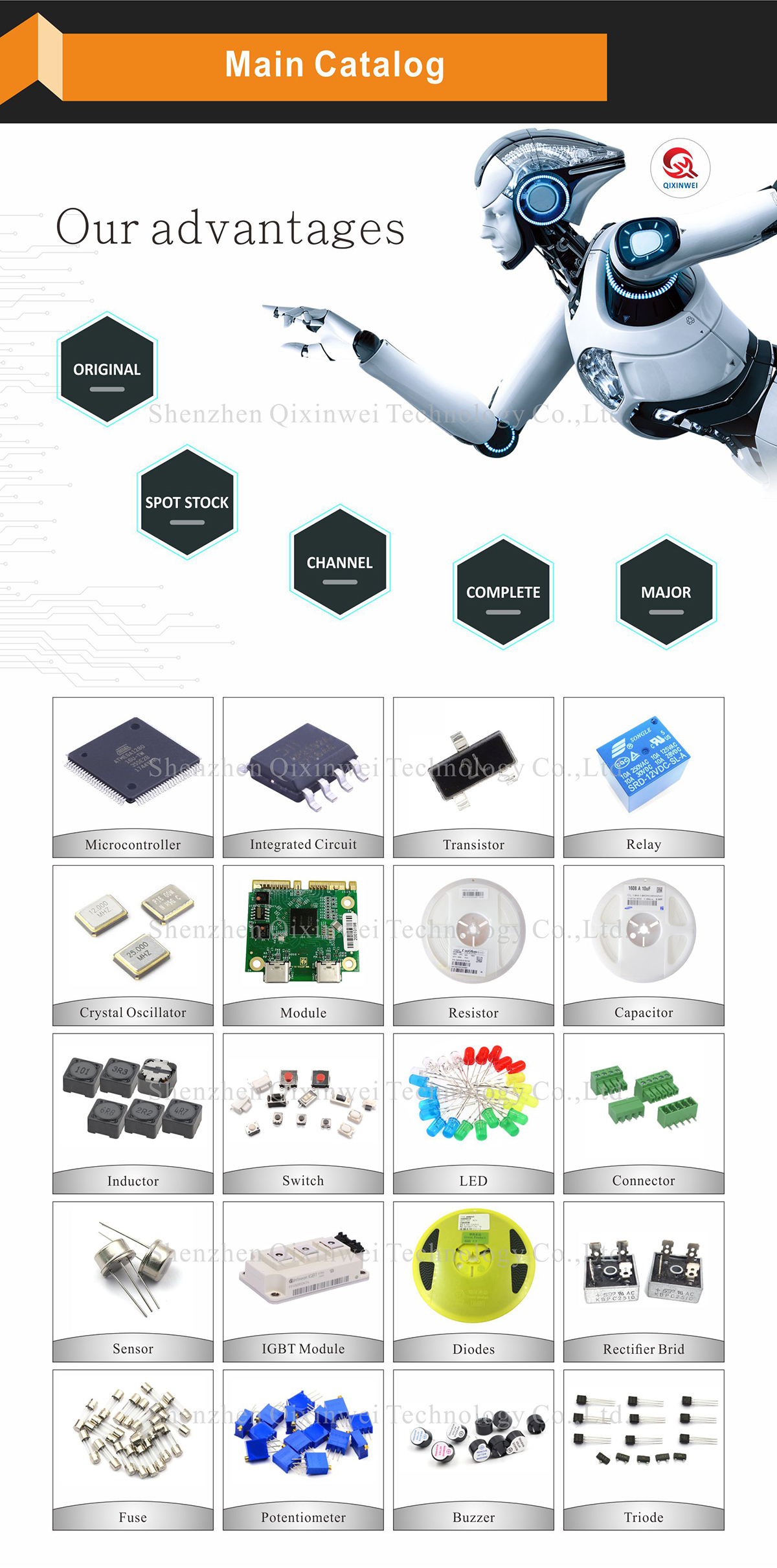
Years of experience in the electronics industry. Trusted by global customers.
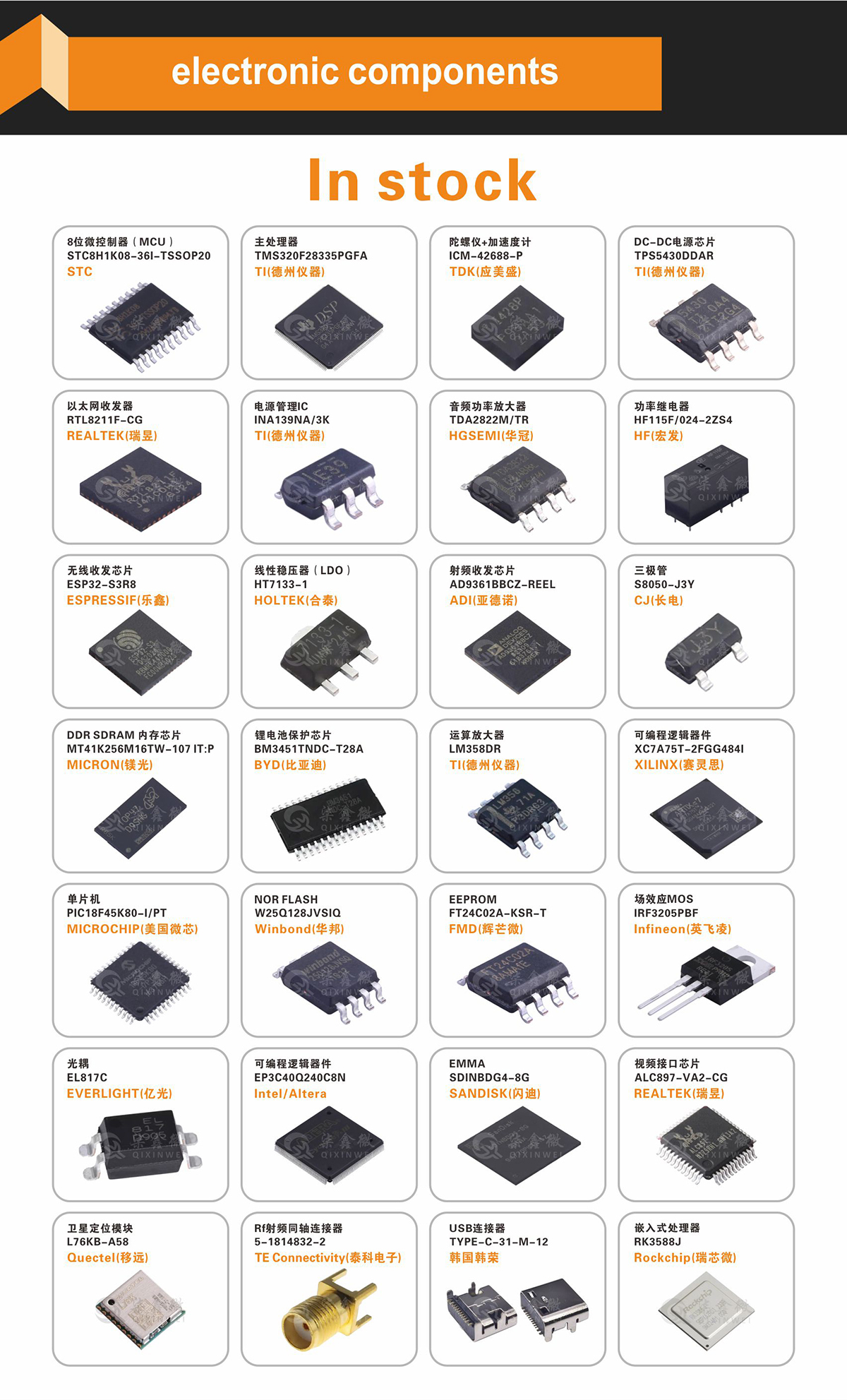
Massive In-Stock Inventory – Ready to ship promptly.
BOM Matching Service – One-stop solution, save time.
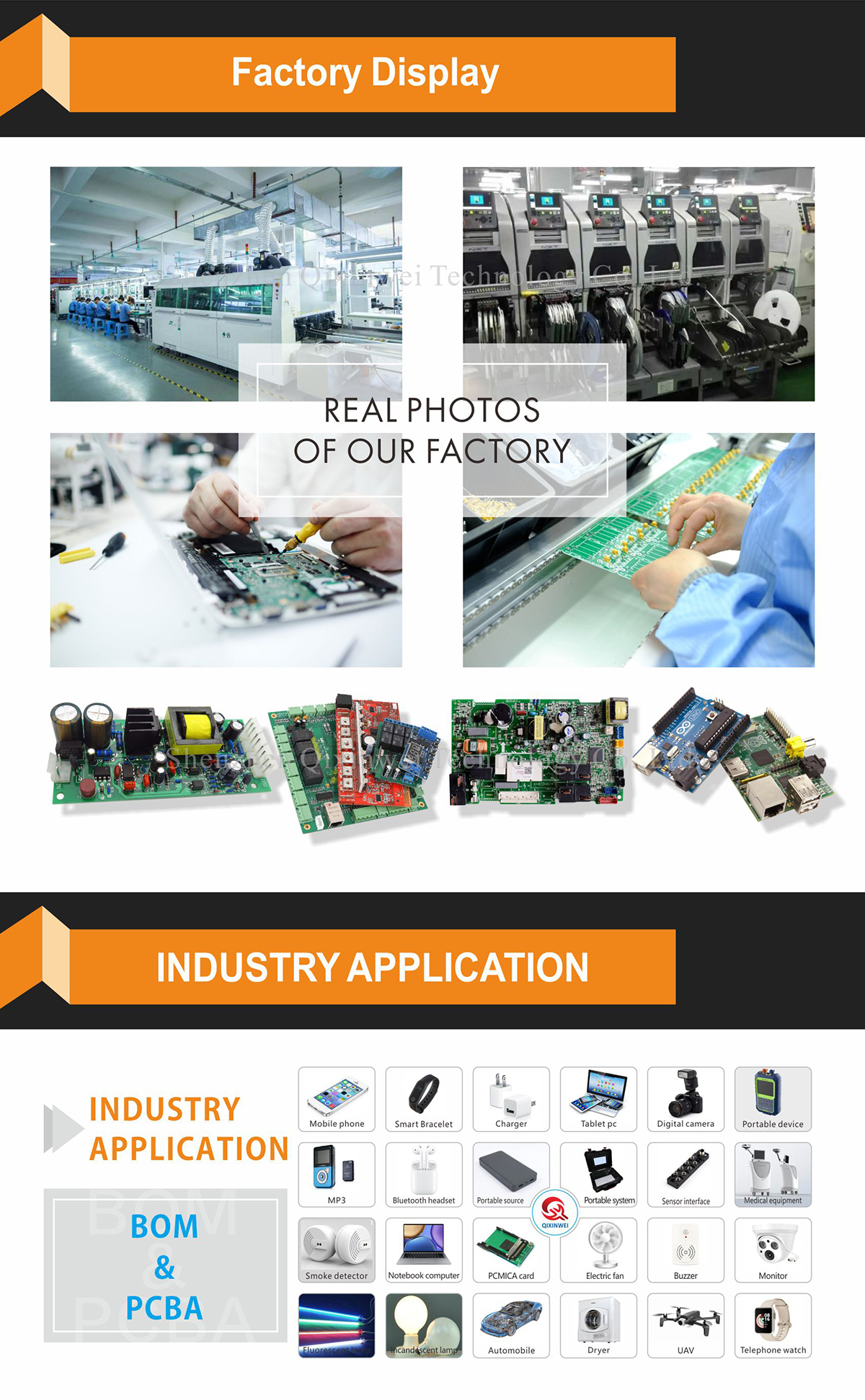
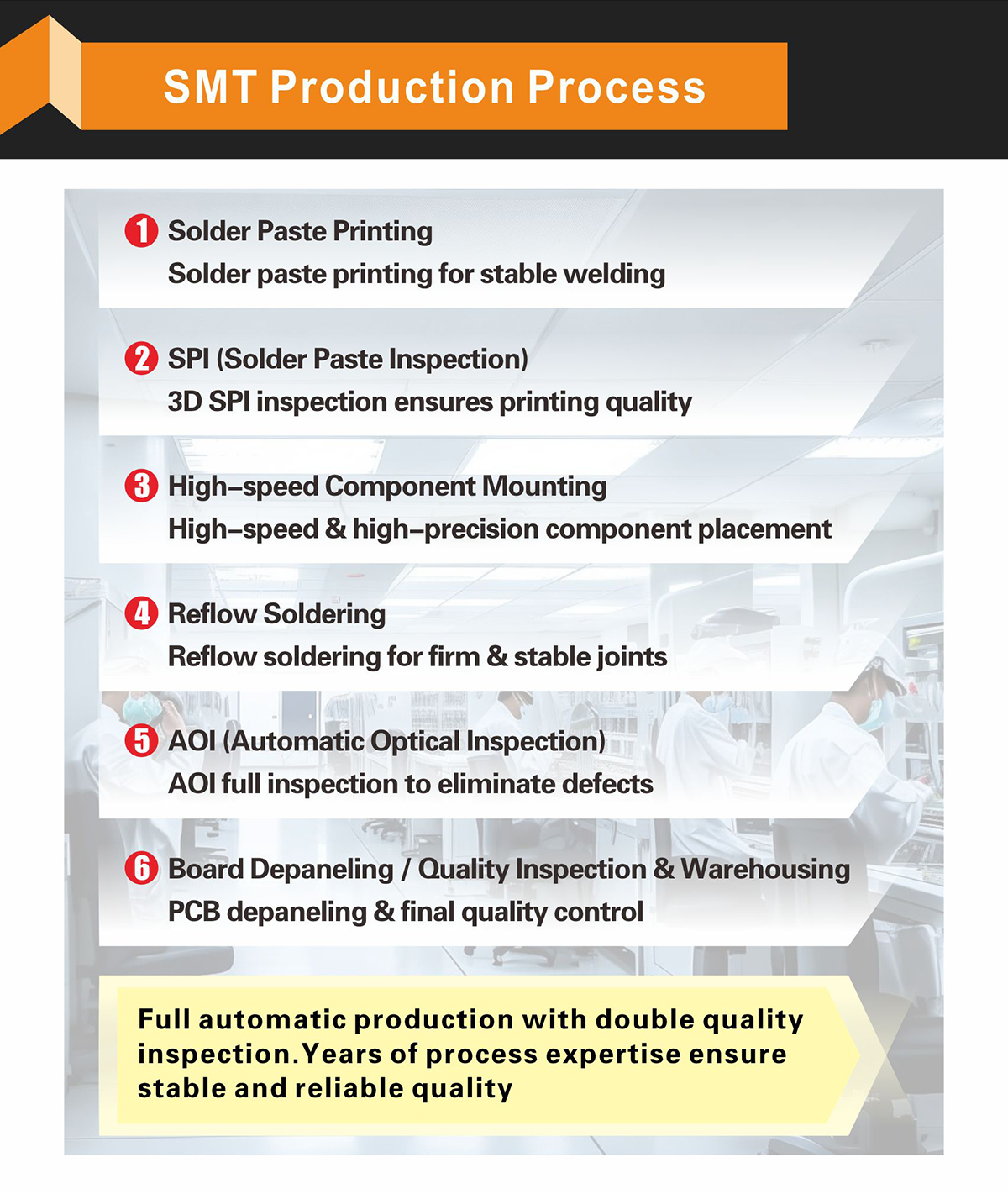
PCBA Customization – Professional engineering team creates tailor-made solutions based on your needs.
Cost-Effective & Efficient – Better channel, better cost.
A dedicated team makes your procurement smoother.
Contact us for BOM quotes or PCBA inquiries.







FAQ:
What is the STM32F303RET6 and how does it differ from the STM32F303VET6?
The STM32F303RET6 is a 72 MHz Arm Cortex‑M4F microcontroller with 512 KB Flash and 64 KB SRAM (including 16 KB of CCM), packed in an LQFP‑64 package. It includes the exact same high‑speed analog front‑end as the larger 100‑pin VET6: four 12‑bit ADCs at 5 Msps, two DACs, seven comparators, four PGAs, plus CAN and USB. The only difference is the I/O count—up to 51 pins on the RET6 vs 83 on the VET6—and a smaller footprint. Choose the RET6 when you need the full mixed‑signal power of the F303 in a space‑saving, hand‑solderable 64‑pin body.Why pick a 64‑pin MCU when you need high‑speed ADCs and motor control peripherals?
The RET6 gives you the best of both worlds: the complete analog chain (fast ADCs, PGAs, comparators) required for field‑oriented control (FOC) and digital power, all in a compact LQFP‑64. It can drive a single motor with full current and voltage sensing, communicate over CAN and USB, and still leave pins for GPIOs. For many single‑axis drives, the 64‑pin package is the sweet spot between performance and board area.How can the built‑in PGAs simplify my motor‑control hardware design?
The four embedded programmable gain amplifiers (with gain up to 32) directly interface with shunt resistors for phase‑current measurement. They eliminate the need for external op‑amps, saving at least two to four amplifier ICs and their associated passives. Combined with the seven fast analog comparators for over‑current protection, the F303RET6’s analog front‑end dramatically reduces BOM cost and PCB area—especially valuable in the tight 64‑pin layout.How does the STM32F303RET6 compare to the classic STM32F103RET6? Is it worth upgrading?
Absolutely. Compared to the STM32F103RET6 (Cortex‑M3, no FPU, 12‑bit ADC at 1 Msps), the F303RET6 adds a single‑precision FPU, DSP instructions, dramatically faster ADCs (5 Msps), dual DACs, built‑in PGAs, high‑speed comparators, and a true CAN/USB combo. Flash remains at 512 KB, but SRAM jumps to 64 KB with a zero‑wait‑state CCM block. The pin‑out is often very similar, making the hardware migration easy while delivering a major boost in control‑loop performance and analog precision.How fast are the ADCs on the STM32F303RET6, and can they sample simultaneously?
The four 12‑bit ADCs can each achieve up to 5 Msps, and in dual‑interleaved mode two ADCs can reach 10 Msps. They support true simultaneous sampling across multiple channels—essential for accurate three‑phase current and voltage measurement in motor drives. The ADCs are tightly coupled to the timers, enabling precise triggering at the PWM center or edge with zero software overhead.What is the CCM (Core Coupled Memory) on the RET6, and how should I use it?
The 16 KB CCM is a block of SRAM directly connected to the CPU data bus, providing zero‑wait‑state access. It is perfect for the real‑time control stack, critical variables, and lookup tables that must be accessed with minimal latency. However, CCM cannot be accessed by DMA, so place all DMA‑driven buffers (ADC, UART, USB) in the remaining 48 KB of system SRAM. Proper use of the CCM can reduce control‑loop jitter and improve determinism.Can the STM32F303RET6 use USB and CAN at the same time? What other interfaces are available?
Yes. It includes a full‑speed USB device controller (external pull‑up resistor required; no on‑chip PHY) and a CAN 2.0B interface that can operate concurrently. Additionally, you have three USARTs, two SPIs, and two I2Cs. This makes the RET6 a powerful single‑motor drive node that communicates over CAN in an industrial network and over USB for configuration or firmware updates—all from a single 64‑pin chip.When should I choose the STM32F303RET6 over the STM32F373? What are the analog trade‑offs?
The STM32F373 offers a 16‑bit sigma‑delta ADC for high‑resolution, low‑frequency measurements (weight scales, pressure sensors). The F303RET6 replaces that with multiple fast 5 Msps SAR ADCs and PGAs, making it far better for high‑speed applications: motor control, digital power, and multi‑sensor acquisition. Pick the F303 when sampling speed and simultaneous measurement matter more; choose the F373 for precision DC‑like signals.What development tools and motor‑control libraries support the STM32F303RET6?
All major IDEs—free STM32CubeIDE, Keil MDK, and IAR EWARM—fully support the chip. ST provides the X‑CUBE‑MCSDK (Motor Control Software Development Kit) with optimized FOC and six‑step algorithms that leverage the F303’s fast ADCs and PGAs. For evaluation, you can use the NUCLEO‑F303ZE board (144‑pin, software‑compatible) and then migrate to the RET6 by adjusting the linker script and pin‑out in CubeMX.What are the most typical applications for the STM32F303RET6?
It excels in compact single‑axis motor drives (PMSM/BLDC), digital power supplies, industrial inverters, multi‑sensor acquisition nodes, and any embedded system that needs a high‑performance mixed‑signal MCU with CAN and USB connectivity, all in a space‑saving LQFP‑64 package that is easy to hand‑solder and prototype.
- Product Type:
- Mainstream Arm Cortex-M4 Mixed-Signal 32-bit MCU
- Brand:
- STMicroelectronics
- Core:
- Arm Cortex-M4 72MHz (FPU + ART Accelerator)
- Package:
- LQFP-64 (10×10×1.4mm)
- Memory:
- 512KB Flash, 80KB SRAM
- Peripherals:
- CAN 2.0B, USB 2.0 FS (crystal-less), 4×12-bit ADCs (18ch/0.2µs), 12-bit DAC (2ch), 7× Ultra-fast comparators (25ns), 4× Programmable op-amps (PGA), 2× Motor control PWM (deadtime), Calendar RTC
- Interfaces:
- 3×USART, 3×UART, 3×SPI/I2S, 2×I2C (SMBus)
- I/Os:
- 51
- Voltage:
- 2.0V~3.6V
- Temperature:
- -40°C~85°C