qixinwei-pcba


STM32F205ZGT6 ST Mainstream Arm Cortex-M3 Advanced Performance Line 32-bit MCU 1MB Flash 120MHz CPU USB OTG CAN LQFP-144
STM32F205ZGT6 Product Overview
The STM32F205ZGT6 is a Cortex-M3 advanced performance MCU from STMicroelectronics in an LQFP-144 package. It runs at 120 MHz with ART Accelerator for zero-wait Flash execution. Integrated 1 MB Flash, 128 KB SRAM, USB 2.0 OTG (FS/HS), dual CAN 2.0B, SDIO, hardware crypto/HASH, 3×12-bit ADCs (16ch/2.4MSPS/triple sampling), 2×12-bit DACs, 16-stream DMA, up to 17 timers (incl. 2 motor control PWM/deadtime/emergency stop), and 15 communication interfaces (4×USART/2×UART/3×SPI/3×I2C/SDIO/USB/CAN). 114 I/Os (LQFP-144), all 5 V-tolerant. Supply 1.8–3.6 V, -40–85 °C, ECOPACK®2. Compared to the STM32F205VGT6 (LQFP-100, 82 I/Os), the package is upgraded to LQFP-144, significantly increasing I/Os to 114. Compared to the STM32F103ZGT6 (72 MHz Cortex-M3), core frequency is increased to 120 MHz, adding ART Accelerator, USB OTG HS, hardware crypto engine, more ADC/DAC channels and timers.
STM32F205ZGT6 Core Features
Core: Arm Cortex-M3 120 MHz, ART Accelerator, 1.25 DMIPS/MHz Memory: 1 MB Flash, 128 KB SRAM, CRC USB 2.0 OTG: FS + HS, FS on-chip PHY, HS requires external ULPI Dual CAN 2.0B: 512 bytes dedicated SRAM, 11 filters SDIO + HW Crypto: AES 128/192/256, 3DES, HASH (MD5, SHA-1), RNG 3×12-bit ADCs: 16 channels, 2.4 MSPS (7.2 MSPS interleaved), triple sample-and-hold 2×12-bit DACs: Buffered DMA: 16 streams, memory-to-memory, peripheral-to-memory Timers: Up to 17 (2× motor control PWM/deadtime/emergency stop, 10× GP/quadrature encoder, 2× basic, 2× watchdogs, SysTick) Communication Interfaces: 4×USART + 2×UART (ISO7816/LIN/IrDA), 3×SPI (30 Mbit/s), 3×I2C (SMBus), 2×I2S, SDIO, USB OTG, CAN I/Os: 114, all 5 V-tolerant Low Power: Sleep/Stop/Standby, VBAT backup RTC Package: LQFP-144 (20×20×1.4 mm)
STM32F205ZGT6 Applications
Industrial: PLCs, inverters, dual CAN nodes, industrial Ethernet Dual-Motor FOC Control: 2 advanced-control timers USB HS Communication, Audio Devices Security Applications: IoT security, payment terminals Medical & Handheld Devices Automotive: Sensor nodes (non-safety-critical) Video Intercom, HVAC
STM32F205ZGT6 Key Advantages
120 MHz + ART Accelerator: Zero-wait Flash execution, performance close to Cortex-M4, far surpassing standard Cortex-M3 USB OTG HS/FS + Dual CAN + Crypto Engine: Rare configuration combining high-speed communication and security 1 MB Flash + 128 KB SRAM: High-capacity storage for large complex protocol stacks, graphical interfaces, and algorithms LQFP-144 Package: 114 I/Os with extremely rich resources for multi-peripheral connection 3 ADCs (Triple Sampling) + 2 DACs: Comprehensive analog functions 17 Timers (incl. 2 Motor Control): Supports dual-motor FOC 15 Communication Interfaces: Rich resources Mature STM32 Ecosystem: CubeIDE/CubeMX/HAL/LL
Why Choose QIXINWEI
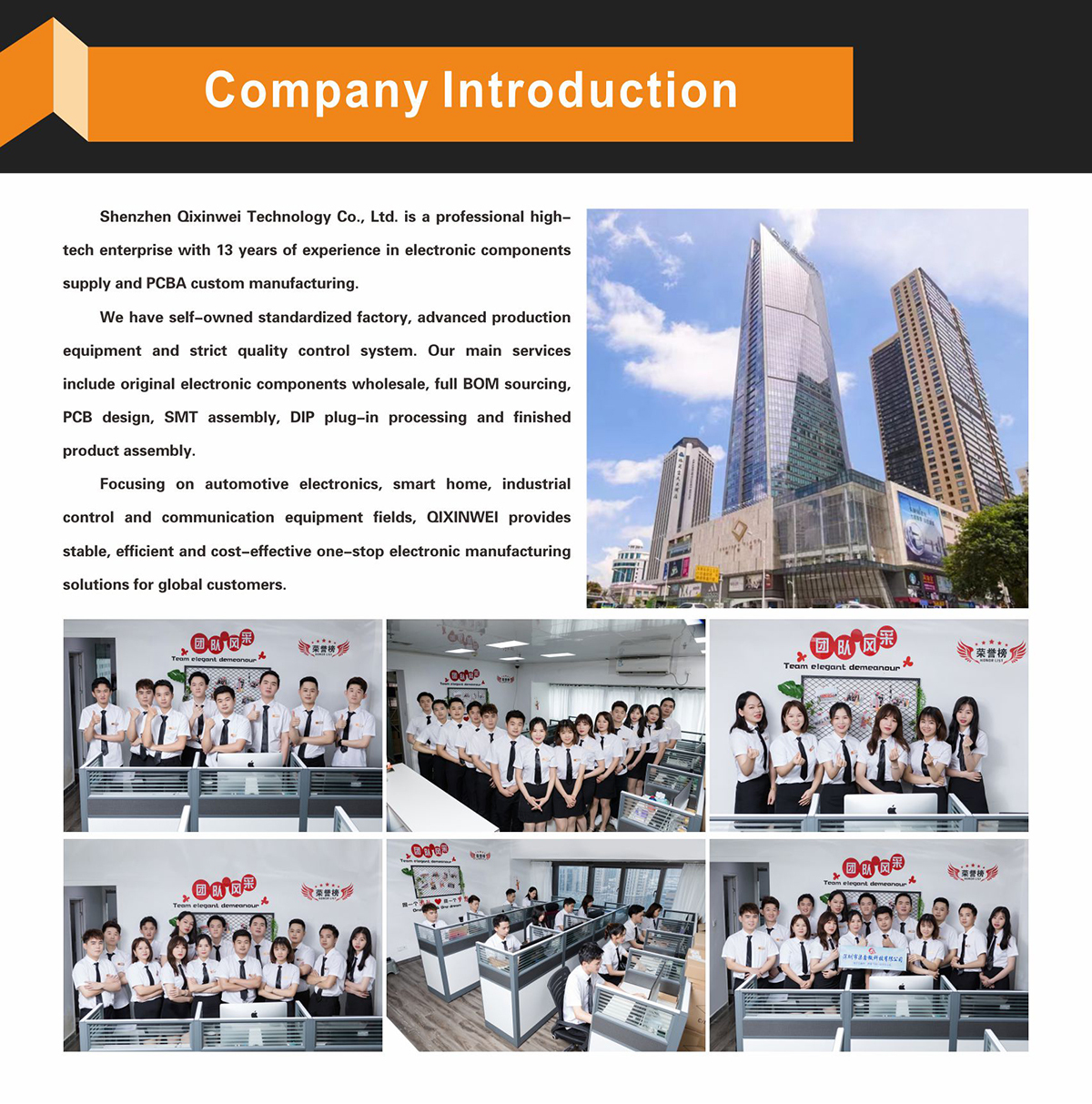
Years of experience in the electronics industry. Trusted by global customers.
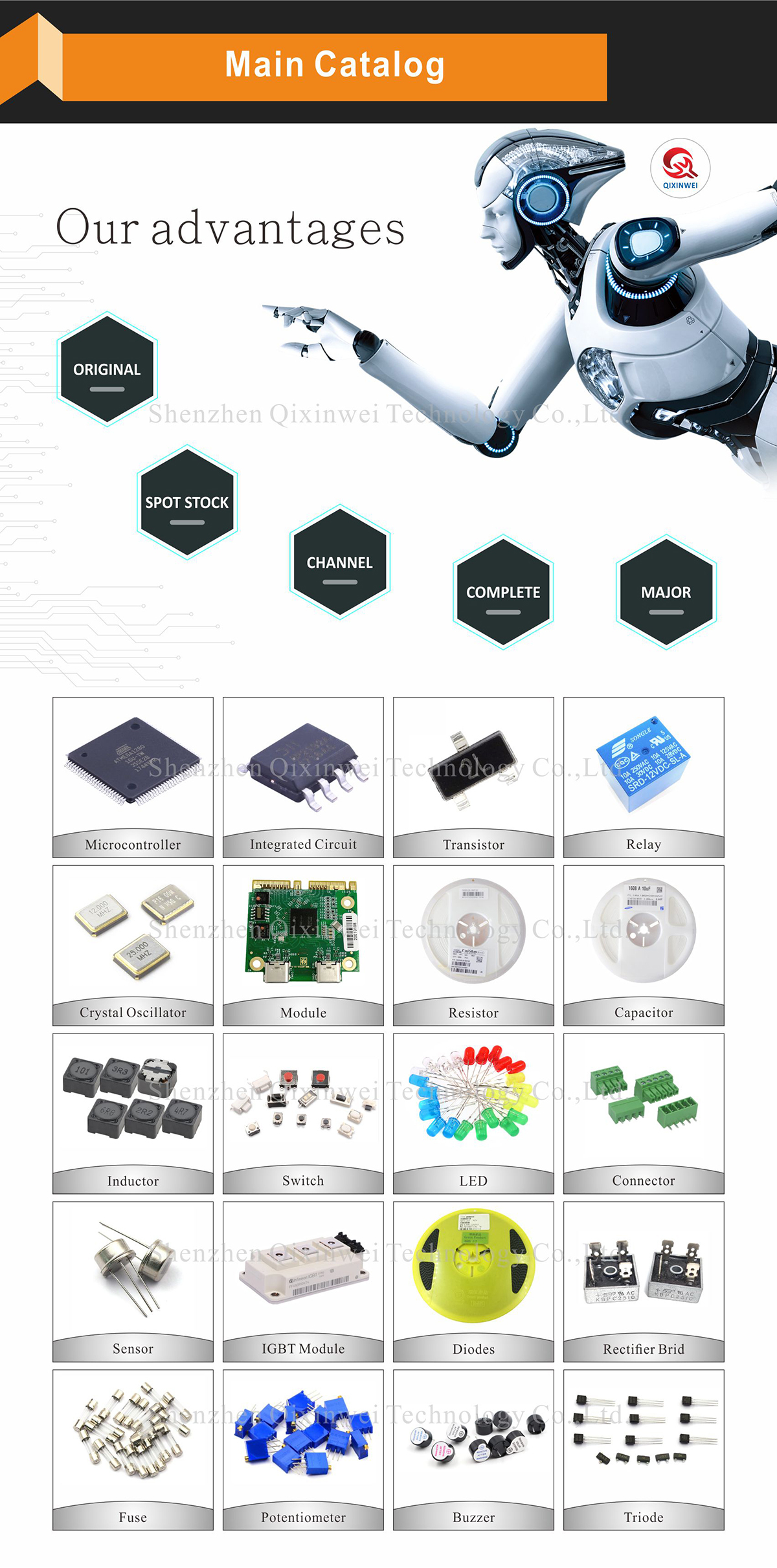
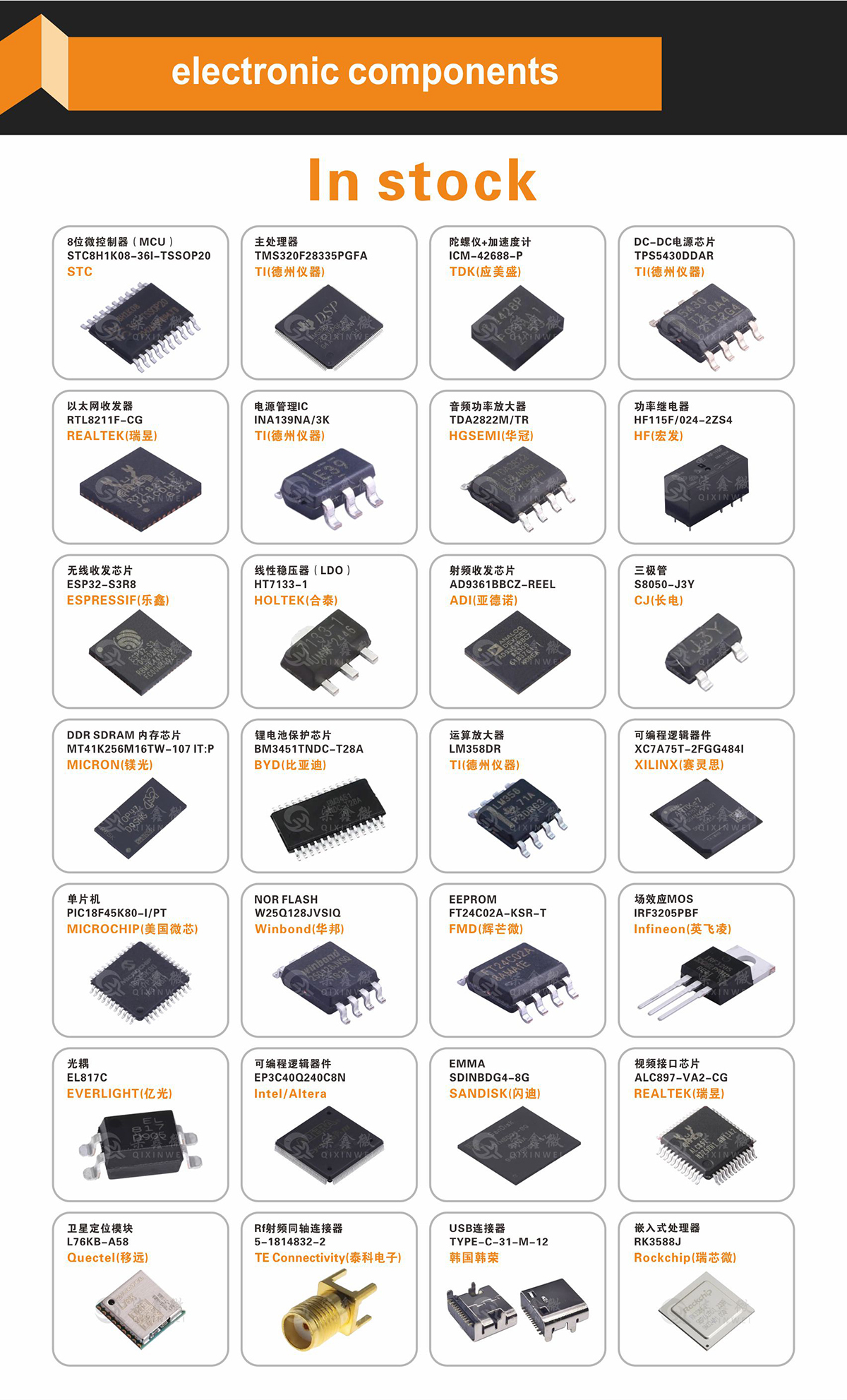
Massive In-Stock Inventory – Ready to ship promptly.
BOM Matching Service – One-stop solution, save time.
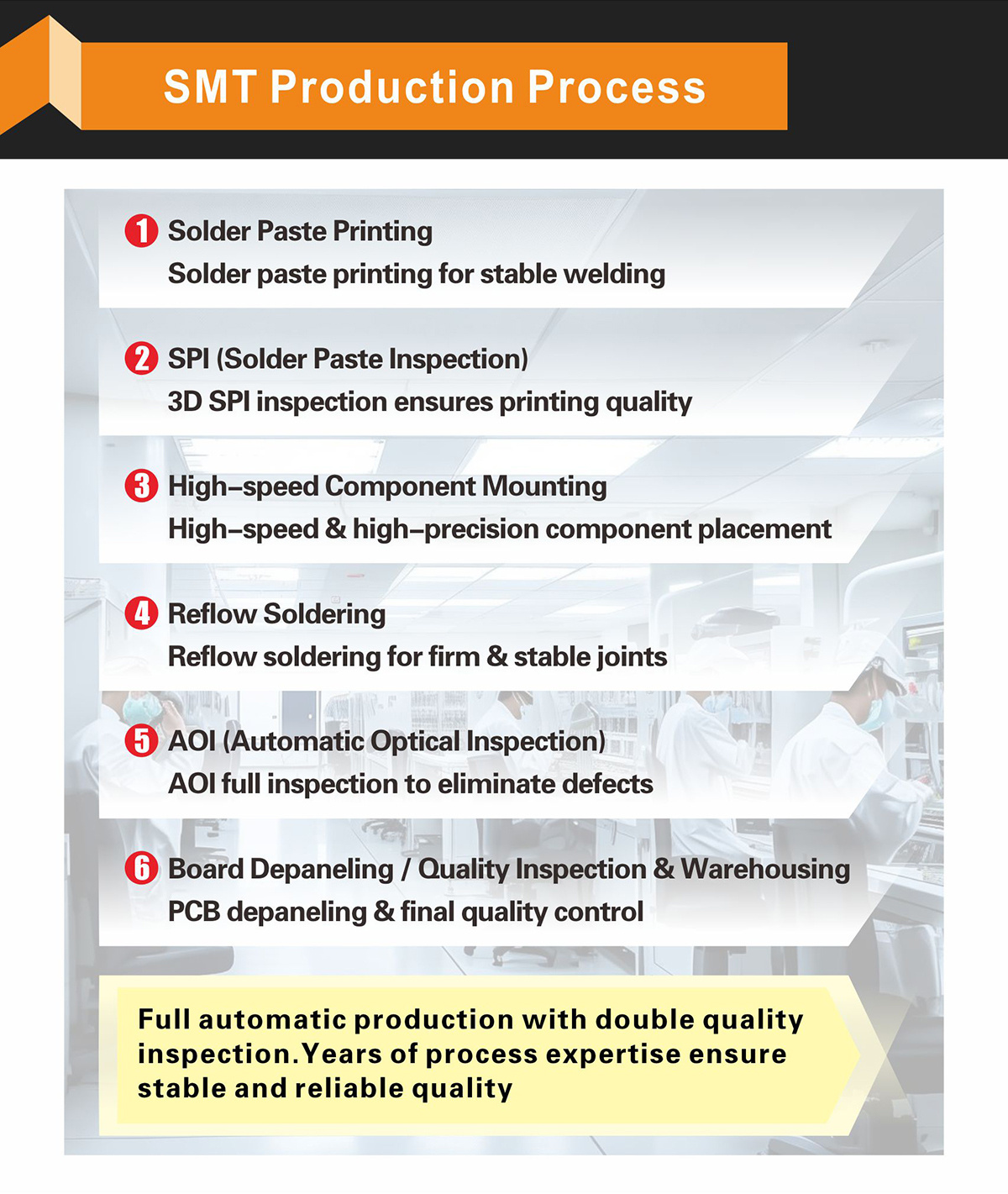
PCBA Customization – Professional engineering team creates tailor-made solutions based on your needs.
Cost-Effective & Efficient – Better channel, better cost.
A dedicated team makes your procurement smoother.
Contact us for BOM quotes or PCBA inquiries.







FAQ:
What is the STM32F205ZGT6 and how does it differ from the STM32F207ZGT6?
The STM32F205ZGT6 is a 120 MHz Arm Cortex‑M3 microcontroller with 1 MB Flash, 128 KB SRAM, USB OTG FS/HS, dual CAN, and a flexible static memory controller (FSMC), all in an LQFP‑144 package. The key difference from the F207ZGT6 is that the F205 omits the Ethernet MAC and the camera interface. This makes the F205 a more cost‑focused choice for applications that need high‑performance serial connectivity and external memory expansion, but do not require wired networking or image capture.Why would I pick the STM32F205ZGT6 over the STM32F207ZGT6? What do I give up?
Choose the F205 when your design does not need Ethernet or a camera, but still demands the full 120 MHz Cortex‑M3 speed, 1 MB Flash, 128 KB SRAM, and dual CAN/USB connectivity. You sacrifice the Ethernet MAC and DCMI camera interface, but in return you get a lower‑cost chip that is otherwise functionally identical to the F207. It is the perfect solution for cost‑sensitive industrial gateways, motor controllers, and data loggers that rely on CAN, USB, or serial communication.How does the STM32F205ZGT6 compare to the STM32F405? When should I choose one over the other?
The STM32F405 is a 168 MHz Cortex‑M4F with FPU and DSP, while the STM32F205ZGT6 is a 120 MHz Cortex‑M3 without FPU. If your application does not require floating‑point math or DSP acceleration and you simply need a fast, reliable processor for CAN, USB, and serial interfaces, the F205ZGT6 provides a cost‑optimized alternative with the same 1 MB Flash, 128 KB SRAM, and LQFP‑144 footprint. Both share the same FSMC, USB OTG, and CAN peripherals.Can the STM32F205ZGT6 handle USB high‑speed, or is it limited to full‑speed?
Yes, it supports USB high‑speed. The chip includes a full‑speed USB OTG controller with an integrated PHY, and a separate high‑speed controller that requires an external ULPI PHY. You can implement USB HS devices or hosts—such as high‑speed data loggers, audio interfaces, or communication bridges—by adding a ULPI transceiver. The 1 MB Flash and 128 KB SRAM comfortably host the USB stack and application code.Is 128 KB of SRAM enough for a complex application with multiple communication stacks?
Absolutely. A typical design with a lightweight RTOS, a CANopen protocol, a USB device stack, and moderate application buffers fits easily within 128 KB. If you need more RAM for data logging or larger communication buffers, the FSMC allows you to connect external PSRAM or NOR Flash. The 1 MB internal Flash is generous for even very large firmware images.What external memory can I connect to the STM32F205ZGT6? Does it support SDRAM?
The FSMC (Flexible Static Memory Controller) on the F205 supports parallel NOR Flash, PSRAM, and NAND Flash, but it does **not** support SDRAM. For SDRAM, you need to move to the STM32F405 or F407 series. However, you can easily add external parallel PSRAM for extra data buffering, or use the SDIO interface to connect an SD card for mass storage.How does the STM32F205ZGT6 perform in low‑power applications compared to the STM32F1 series?
Built on a more advanced process, the F205ZGT6 is more power‑efficient than the STM32F1 at comparable clock speeds. It supports Sleep, Stop, and Standby modes, with a typical Stop‑mode current of around 110 µA while retaining all 128 KB of SRAM. Its 120 MHz core can finish tasks faster and return to sleep, making it suitable for battery‑powered devices that need periodic CAN or USB communication.Can I use the STM32F205ZGT6 for motor control or real‑time systems without an FPU?
Yes. The Cortex‑M3 core is deterministic and efficient for integer‑based control algorithms. Many successful motor drives, digital power controllers, and industrial inverters use the STM32F205. If your algorithm relies heavily on floating‑point calculations, you may consider the STM32F405 instead, but for well‑optimized fixed‑point or integer‑math designs, the F205 delivers excellent performance at a lower cost.How can I implement over‑the‑air (OTA) firmware updates with the 1 MB single‑bank Flash?
The 1 MB Flash can be logically partitioned into a bootloader, an active application, and a download buffer, or split into two 500 KB slots for an A/B update scheme. The 128 KB SRAM can temporarily buffer the new firmware received via USB, CAN, or an external SPI‑to‑Wi‑Fi module. A CRC or signature check ensures a safe update without hardware dual‑bank Flash.What development tools and evaluation boards support the STM32F205ZGT6?
All major IDEs—free STM32CubeIDE, Keil MDK, and IAR EWARM—fully support the chip. While there is no dedicated Nucleo board for the F205, you can prototype on a STM3220G‑EVAL board or use the NUCLEO‑F207ZG (software‑compatible, just ignore the Ethernet peripheral). The STM32CubeF2 firmware package provides HAL/LL drivers and ready‑to‑run examples for USB, CAN, and FSMC.
- Product Type:
- Mainstream Arm Cortex-M3 Advanced Performance 32-bit MCU
- Brand:
- STMicroelectronics
- Core:
- Arm Cortex-M3 120MHz (ART Accelerator)
- Package:
- LQFP-144 (20×20×1.4mm)
- Memory:
- 1MB Flash, 128KB SRAM
- Peripherals:
- USB 2.0 OTG FS/HS, Dual CAN 2.0B, SDIO, HW Crypto (AES/3DES/HASH/RNG), 3×12-bit ADCs (16ch/2.4MSPS), 2×12-bit DACs, 2× Motor control PWM (deadtime), Calendar RTC
- Interfaces:
- 4×USART, 2×UART, 3×SPI (30Mbit/s), 3×I2C (SMBus), 2×I2S
- I/Os:
- 114
- Voltage:
- 1.8V~3.6V
- Temperature:
- -40°C~85°C