qixinwei-pcba


STM32F205VET6 ST Mainstream Arm Cortex-M3 Advanced Performance Line 32-bit MCU 512KB Flash 120MHz CPU USB OTG CAN LQFP-100
STM32F205VET6 Product Overview
The STM32F205VET6 is a Cortex-M3 advanced performance MCU from STMicroelectronics in an LQFP-100 package. It runs at 120 MHz with ART Accelerator for zero-wait Flash execution. Integrated 512 KB Flash, 128 KB SRAM, USB 2.0 OTG (FS/HS), dual CAN 2.0B, SDIO, hardware crypto/HASH, 3×12-bit ADCs (16ch/2.4MSPS/triple sampling), 2×12-bit DACs, 16-stream DMA, up to 17 timers (incl. 2 motor control PWM/deadtime/emergency stop), and 15 communication interfaces (4×USART/2×UART/3×SPI/3×I2C/SDIO/USB/CAN). 82 I/Os (LQFP-100), all 5 V-tolerant. Supply 1.8–3.6 V, -40–85 °C, ECOPACK®2. Compared to the STM32F205RCT6 (256 KB Flash/96 KB SRAM, LQFP-64, 51 I/Os), Flash is upgraded to 512 KB, SRAM to 128 KB, and the package is upgraded to LQFP-100 with significantly more I/O resources. Compared to the STM32F103VET6 (72 MHz Cortex-M3), core frequency is increased to 120 MHz, adding ART Accelerator, USB OTG HS, hardware crypto engine, more ADC/DAC channels and timers.
STM32F205VET6 Core Features
Core: Arm Cortex-M3 120 MHz, ART Accelerator, 1.25 DMIPS/MHz Memory: 512 KB Flash, 128 KB SRAM, CRC USB 2.0 OTG: FS + HS, FS on-chip PHY, HS requires external ULPI Dual CAN 2.0B: 512 bytes dedicated SRAM, 11 filters SDIO + HW Crypto: AES 128/192/256, 3DES, HASH (MD5, SHA-1), RNG 3×12-bit ADCs: 16 channels, 2.4 MSPS (7.2 MSPS interleaved), triple sample-and-hold 2×12-bit DACs: Buffered DMA: 16 streams, memory-to-memory, peripheral-to-memory Timers: Up to 17 (2× motor control PWM/deadtime/emergency stop, 10× GP/quadrature encoder, 2× basic, 2× watchdogs, SysTick) Communication Interfaces: 4×USART + 2×UART (ISO7816/LIN/IrDA), 3×SPI (30 Mbit/s), 3×I2C (SMBus), 2×I2S, SDIO, USB OTG, CAN I/Os: 82, all 5 V-tolerant Low Power: Sleep/Stop/Standby, VBAT backup RTC Package: LQFP-100 (14×14×1.4 mm)
STM32F205VET6 Applications
Industrial: PLCs, inverters, dual CAN nodes, industrial Ethernet Dual-Motor FOC Control: 2 advanced-control timers USB HS Communication, Audio Devices Security Applications: IoT security, payment terminals Medical & Handheld Devices Automotive: Sensor nodes (non-safety-critical) Video Intercom, HVAC
STM32F205VET6 Key Advantages
120 MHz + ART Accelerator: Zero-wait Flash execution, performance close to Cortex-M4, far surpassing standard Cortex-M3 USB OTG HS/FS + Dual CAN + Crypto Engine: Rare configuration combining high-speed communication and security 512 KB Flash + 128 KB SRAM: High-capacity storage for complex protocol stacks and algorithms LQFP-100 Package: 82 I/Os with rich resources for multi-peripheral connection 3 ADCs (Triple Sampling) + 2 DACs: Comprehensive analog functions 17 Timers (incl. 2 Motor Control): Supports dual-motor FOC 15 Communication Interfaces: Rich resources Mature STM32 Ecosystem: CubeIDE/CubeMX/HAL/LL
Why Choose QIXINWEI
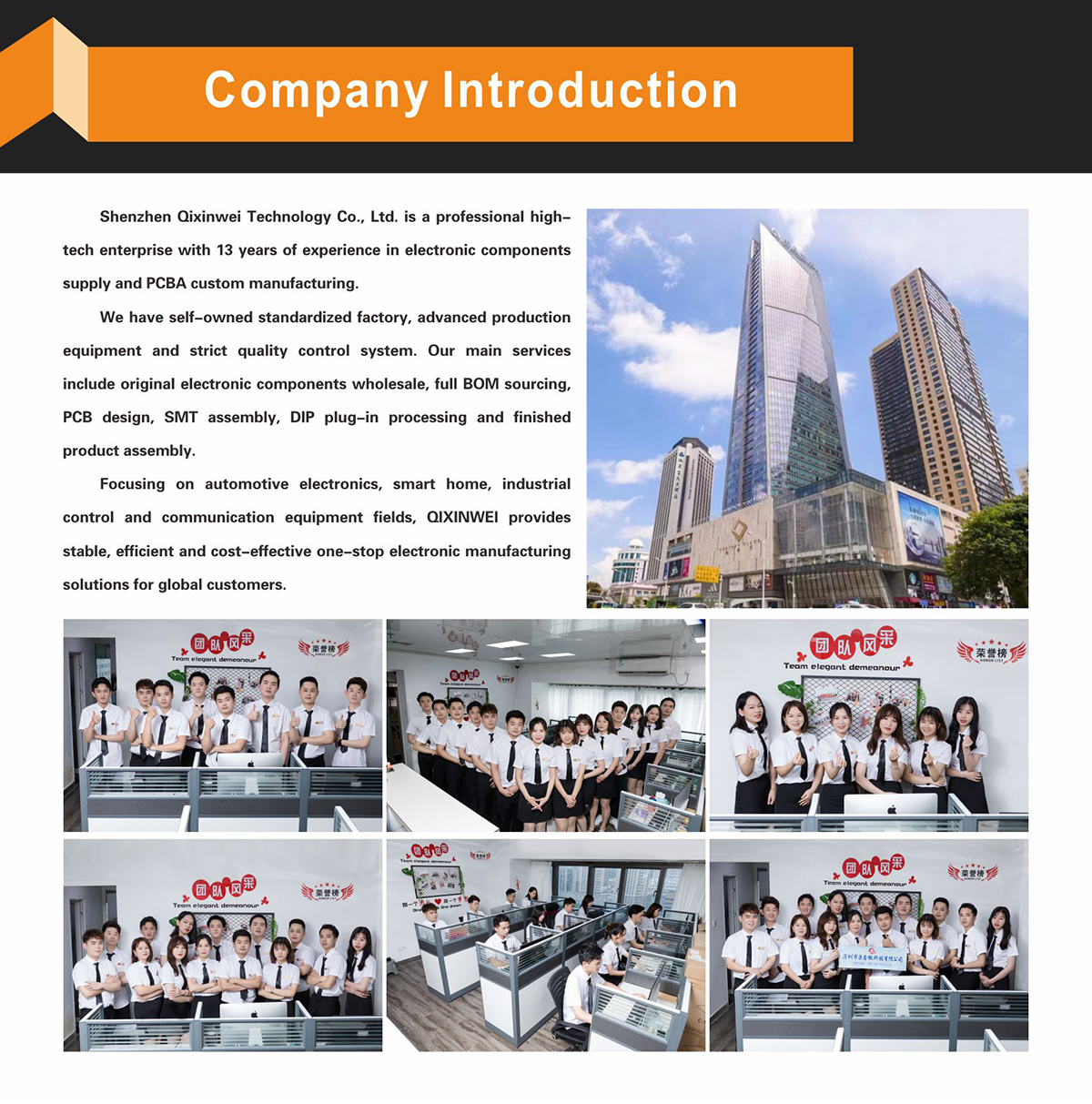
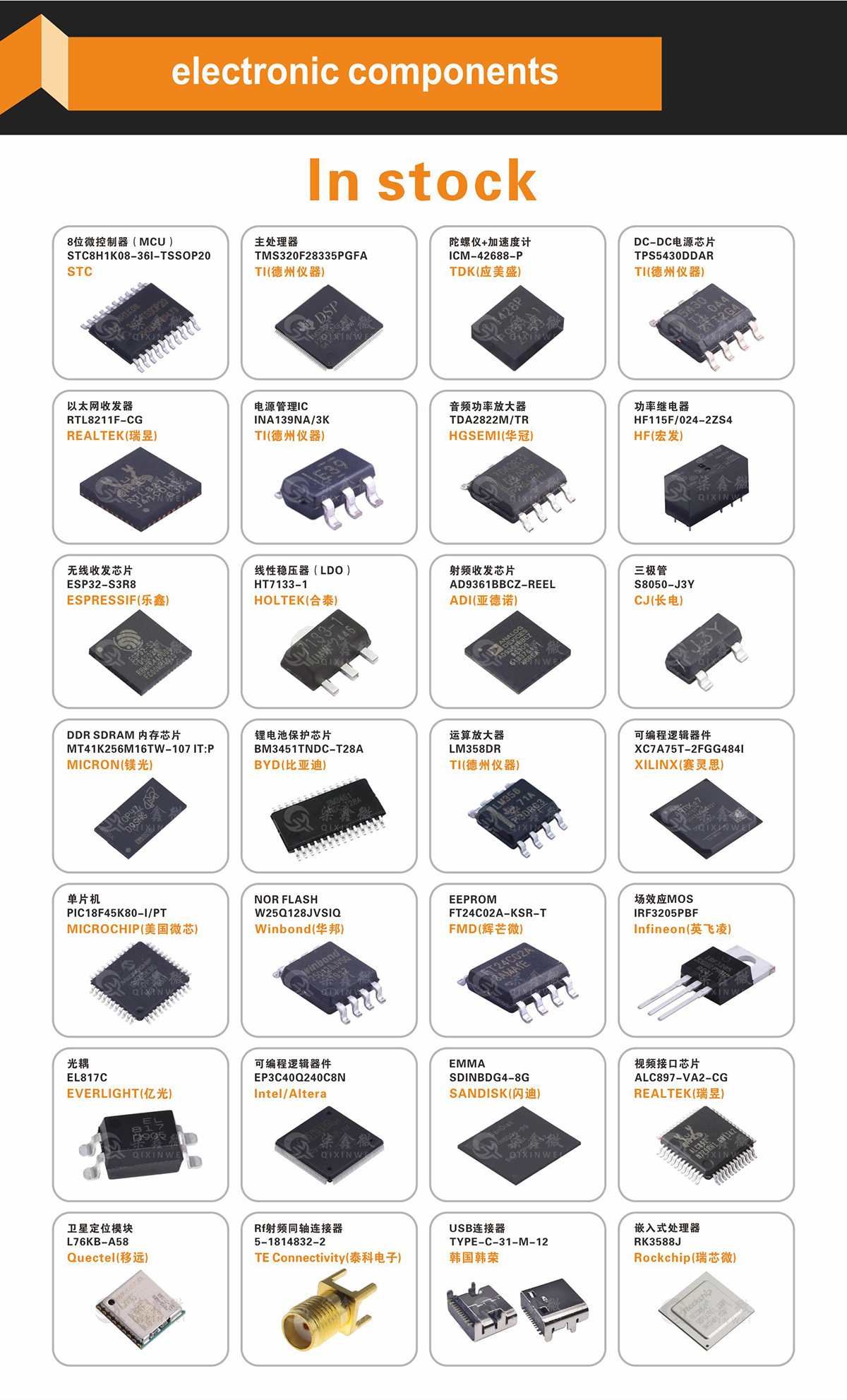
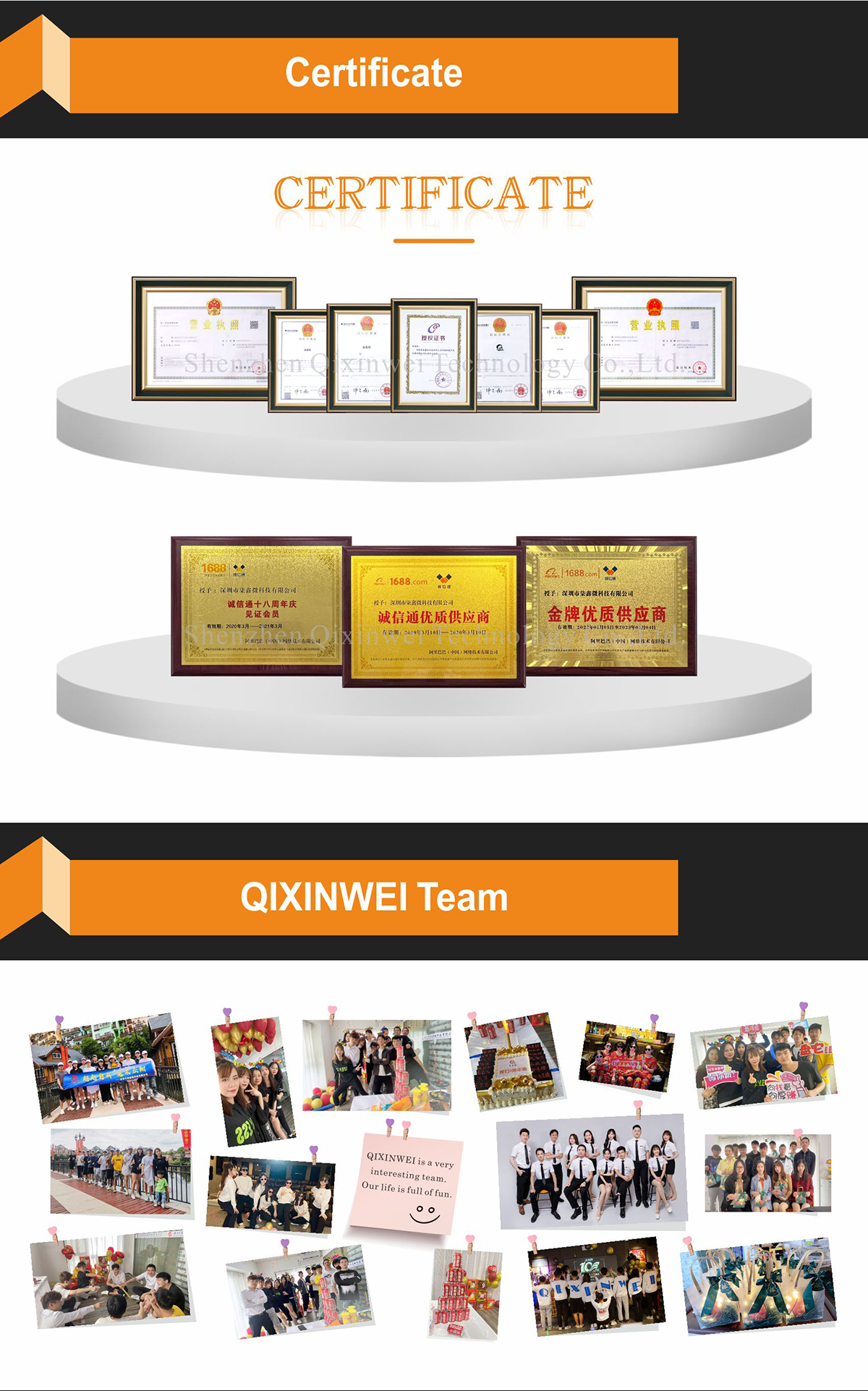
Years of experience in the electronics industry. Trusted by global customers.
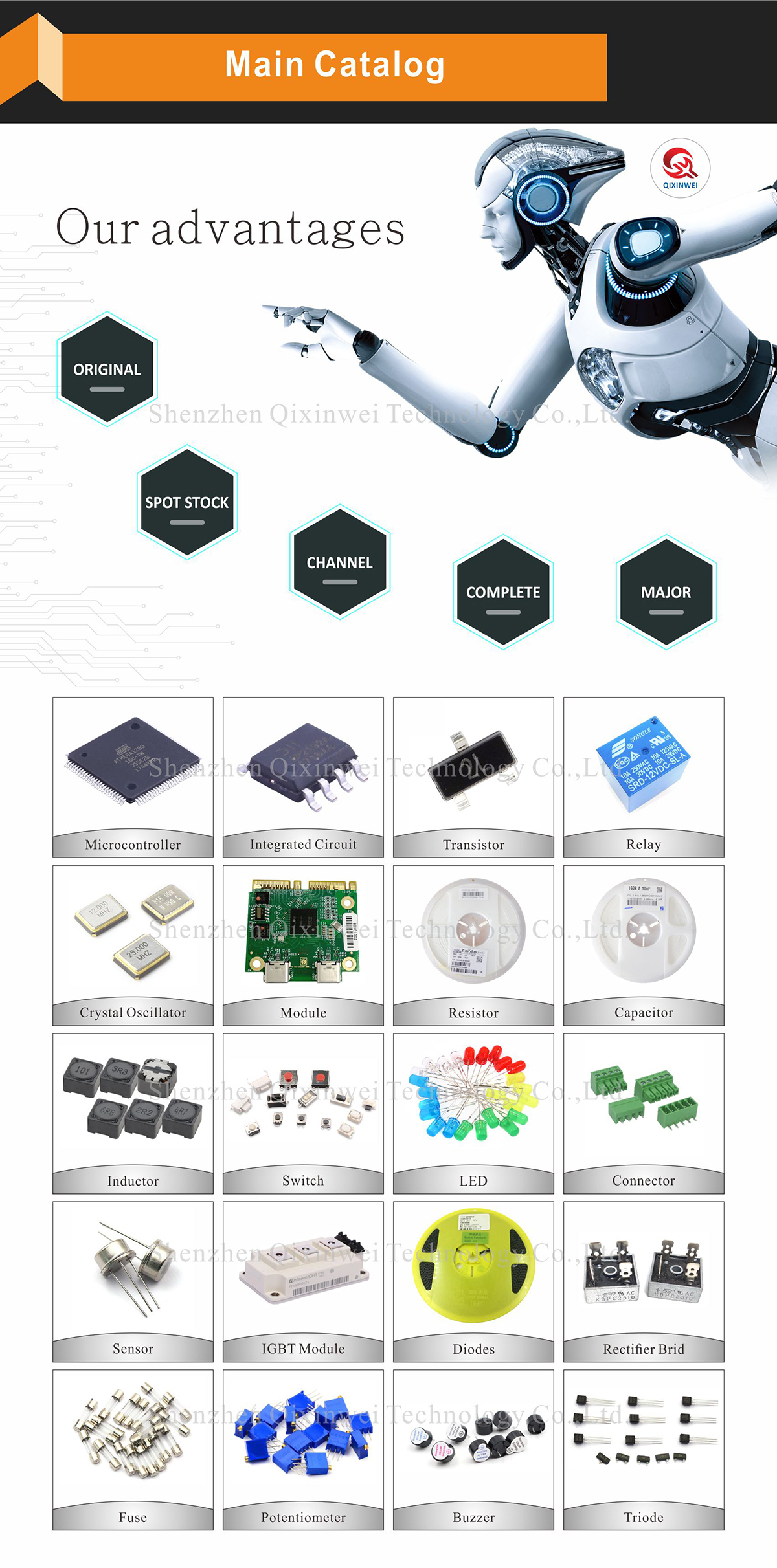
Massive In-Stock Inventory – Ready to ship promptly.
BOM Matching Service – One-stop solution, save time.
PCBA Customization – Professional engineering team creates tailor-made solutions based on your needs.
Cost-Effective & Efficient – Better channel, better cost.
A dedicated team makes your procurement smoother.
Contact us for BOM quotes or PCBA inquiries.






FAQ:
What is the STM32F205VET6 and how does it differ from the STM32F207VET6?
The STM32F205VET6 is a 120 MHz Arm Cortex‑M3 microcontroller with 512 KB Flash, 128 KB SRAM, USB OTG FS/HS, dual CAN, and a flexible static memory controller (FSMC), all in an LQFP‑100 package. It is the non‑Ethernet, non‑camera variant of the STM32F2 series. The F207VET6 adds a 10/100 Ethernet MAC and a DCMI camera interface; the F205VET6 removes those to deliver the same core, memory, and serial connectivity at a lower cost, making it ideal for industrial gateways and controllers that rely on CAN and USB without wired networking.How does the STM32F205VET6 compare to the STM32F205VGT6? When should I pick the VET6?
Both share the same 120 MHz Cortex‑M3 core, 128 KB SRAM, and identical peripherals (USB OTG, dual CAN, FSMC). The only difference is Flash size: the VET6 provides 512 KB, while the VGT6 doubles it to 1 MB. All other features—CPU speed, SRAM, I/O count, and pin‑out—are identical. Choose the VET6 when your firmware fits comfortably within 512 KB and you want a more cost‑effective entry into the high‑performance F2 series. If you later need more code space, the pin‑compatible VGT6 offers a direct drop‑in upgrade.Is 512 KB Flash and 128 KB SRAM enough for a complex industrial application with CAN and USB?
Absolutely. A lightweight RTOS, a CANopen protocol stack, a USB device/host stack, and a substantial application can fit easily within 512 KB. The 128 KB SRAM is generous for communication buffers and real‑time data. Many production‑proven industrial gateways, motor drives, and USB‑to‑CAN converters ship with this exact configuration. If you need more RAM, the FSMC allows you to add external PSRAM.Can the STM32F205VET6 handle USB high‑speed? Is an external PHY required?
Yes. The chip provides a full‑speed USB OTG controller with an integrated PHY, and a separate high‑speed controller that works with an external ULPI PHY. You can implement USB HS devices or hosts—such as high‑speed data loggers or audio interfaces—by adding a ULPI transceiver. The 512 KB Flash and 128 KB SRAM comfortably host the USB stack and application code.Can the STM32F205VET6 run both CAN ports and USB at the same time on the 100‑pin package?
Yes, with careful pin planning. Since the F205 does not have Ethernet, you can allocate the two CAN 2.0B ports, USB OTG (FS or HS with ULPI), and several UART/SPI/I2C interfaces without conflicts. STM32CubeMX helps you verify the exact pin‑multiplexing. This makes the VET6 a powerful, compact communication hub even in its space‑saving package.What external memory does the FSMC on the STM32F205VET6 support? Can I add SDRAM?
The FSMC supports parallel NOR Flash, PSRAM, and NAND Flash, but does **not** support SDRAM (that requires the STM32F407 series). On the 100‑pin package, the FSMC data bus is limited to 8‑ or 16‑bit width due to the reduced I/O count. You can still connect a fast 16‑bit PSRAM for additional data buffering, or use the SDIO interface for an SD card. The internal 512 KB Flash is usually enough for the application code, so external parallel Flash is rarely needed.How does the STM32F205VET6 compare to the classic STM32F107 as an upgrade? What do I gain?
The STM32F107 is a 72 MHz Ethernet‑enabled Cortex‑M3 with only 256 KB Flash and 64 KB SRAM. The F205VET6 doubles the CPU speed, doubles the Flash, doubles the SRAM, adds a second CAN, a more flexible FSMC, and a faster USB OTG controller. The LQFP‑100 package is often pin‑compatible, allowing a smooth hardware migration that dramatically boosts performance and memory while saving cost if Ethernet and camera are not needed.What low‑power modes does the STM32F205VET6 support, and is it suitable for battery‑powered devices?
It supports Sleep, Stop, and Standby modes. In Stop mode with all 128 KB SRAM retained, the typical current is around 110 µA. The 120 MHz core can complete tasks quickly and return to sleep, making it a good fit for battery‑powered industrial sensors and portable instruments that need periodic CAN or USB communication.How can I perform over‑the‑air (OTA) firmware updates with the 512 KB single‑bank Flash?
The 512 KB Flash can be logically partitioned into a bootloader, an active application, and a download buffer. A typical split reserves 16–32 KB for the bootloader, leaving about 480 KB for the application. The 128 KB SRAM can temporarily buffer the new firmware image received via USB, CAN, or an external wireless module. A CRC or signature check ensures a safe update without hardware dual‑bank Flash.What are the most typical applications for the STM32F205VET6?
It excels in cost‑sensitive industrial gateways, CAN‑to‑USB converters, motor drives, multi‑sensor data loggers, and any embedded system that needs a fast, reliable Cortex‑M3 core with generous memory, dual CAN, USB HS, and a compact LQFP‑100 footprint. Its balanced feature set makes it a popular choice for high‑volume professional products that do not require Ethernet or a camera.
- Product Type:
- Mainstream Arm Cortex-M3 Advanced Performance 32-bit MCU
- Brand:
- STMicroelectronics
- Core:
- Arm Cortex-M3 120MHz (ART Accelerator)
- Package:
- LQFP-100 (14×14×1.4mm)
- Memory:
- 512KB Flash, 128KB SRAM
- Peripherals:
- USB 2.0 OTG FS/HS, Dual CAN 2.0B, SDIO, HW Crypto (AES/3DES/HASH/RNG), 3×12-bit ADCs (16ch/2.4MSPS), 2×12-bit DACs, 2× Motor control PWM (deadtime), Calendar RTC
- Interfaces:
- 4×USART, 2×UART, 3×SPI (30Mbit/s), 3×I2C (SMBus), 2×I2S
- I/Os:
- 82
- Voltage:
- 1.8V~3.6V
- Temperature:
- -40°C~85°C