qixinwei-pcba


STM32F103TBU6 ST Mainstream Arm Cortex-M3 Medium-Density 32-bit MCU 128KB Flash 72MHz USB CAN VFQFPN-36
STM32F103TBU6 Product Overview
The STM32F103TBU6 is a medium-density performance line Cortex-M3 MCU from STMicroelectronics in a VFQFPN-36 package (6×6×0.88 mm). It features a 72 MHz Cortex-M3 core at 1.25 DMIPS/MHz with single-cycle multiplication and hardware division, 128 KB Flash, and 20 KB SRAM. This model is the 128 KB Flash upgrade of the STM32F103T8U6, offering a 36-pin ultra-compact package for space-constrained applications that still demand full USB+CAN performance. The MCU integrates CAN 2.0B, USB 2.0 FS, dual 12-bit ADCs (10 channels, 1 µs, dual-sample and hold), temperature sensor, 7-channel DMA, up to 7 timers (including 1×16-bit advanced-control with PWM/deadtime/emergency stop), and 9 communication interfaces (2×I2C/3×USART/2×SPI/USB/CAN). 26 I/Os, all 5 V-tolerant, mappable on 16 external interrupt vectors. Supply 2.0–3.6 V, -40–85 °C, ECOPACK®2. Comparison with similar models: Compared to the STM32F103T8U6 (64 KB Flash), Flash is doubled to 128 KB while all other core specifications remain identical (20 KB SRAM, CAN/USB/dual ADCs/7 timers/9 communication interfaces). Core specifications are also identical to the STM32F103C8T6 (LQFP-48, 37 I/Os), with the package upgraded to VFQFPN-36 (6×6 mm) and I/Os reduced from 37 to 26. This is one of the highest-memory 36-pin models in the STM32F103 family.
STM32F103TBU6 Core Features
Core: Arm Cortex-M3 72 MHz, 1.25 DMIPS/MHz, single-cycle multiplication/hardware division, SWD & JTAG debug Memory: 128 KB Flash, 20 KB SRAM, CRC, 96-bit unique ID CAN 2.0B + USB 2.0 FS: Rare dual interface in this class, fully preserved in a 36-pin package Dual 12-bit ADCs: 10 channels, 1 µs, 0–3.6 V, dual-sample and hold, temperature sensor 7-ch DMA: Supporting timers, ADC, SPI, I2C, USART Up to 7 Timers: 3×16-bit GP (IC/OC/PWM/quadrature encoder), 1×16-bit advanced-control (PWM/deadtime/emergency stop), 2×watchdogs, SysTick Communication: 2×I2C (SMBus/PMBus), 3×USART (ISO7816/LIN/IrDA), 2×SPI (18 Mbit/s), USB 2.0 FS, CAN 2.0B Low Power: Sleep/Stop/Standby, VBAT backup RTC and backup registers Clock: 4–16 MHz XTAL, 32 kHz RTC XTAL (calibrated), 8 MHz RC (factory-trimmed), 40 kHz RC, PLL I/Os: 26 fast I/Os, all 5 V-tolerant, mappable on 16 ext. interrupt vectors Supply/Temp: VDD 2.0 V–3.6 V, POR/PDR/PVD, -40 °C to 85 °C Package: VFQFPN-36 (6×6×0.88 mm), Tray
STM32F103TBU6 Applications
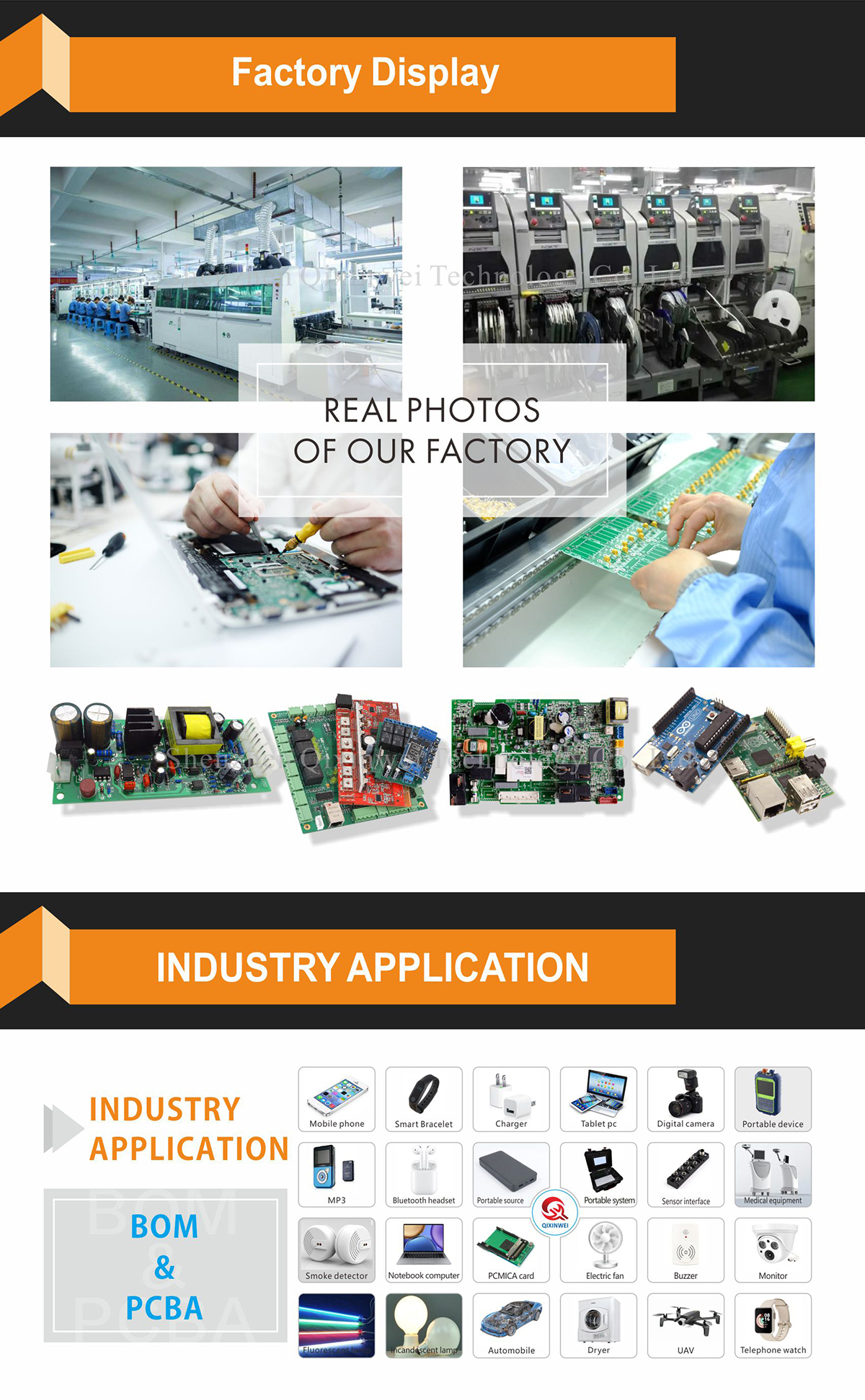
Industrial: Sensor transmitters, CAN nodes, small actuators Motor Control: Fans, pumps, small motors (advanced-control timer/PWM/deadtime) Consumer: Remote controls, handhelds, PC peripherals Medical: Handheld medical terminals IoT: Wireless sensors, environmental monitoring, smart home Automotive: Light control, window anti-pinch, sensor nodes (non-safety-critical) Compact Designs: Space-constrained portable devices requiring CAN/USB and full 32-bit performance
STM32F103TBU6 Key Advantages
VFQFPN-36 Ultra-Compact: 6×6×0.88 mm, 26 I/Os — one of the smallest CAN/USB packages in the STM32F103 family 128 KB Flash: Double that of the T8U6 (64 KB), one of the highest-memory 36-pin models in the family 72 MHz Cortex-M3: 1.25 DMIPS/MHz, single-cycle multiplication/hardware division CAN + USB Dual Interface: Rare in this class, full functionality preserved in a 36-pin package Dual 12-bit ADCs: 10 channels, 1 µs, dual-sample and hold, temperature sensor 7-ch DMA: Direct peripheral-to-memory transfers, offloads CPU 7 Timers (incl. Advanced-Control): Advanced-control timer/PWM/deadtime/emergency stop + 3 GP timers/quadrature encoder 9 Communication Interfaces: 2×I2C + 3×USART + 2×SPI + USB + CAN 26 I/Os All 5 V-Tolerant Calendar RTC: VBAT backup Mature STM32 Ecosystem: CubeIDE/CubeMX/HAL/LL
Why Choose QIXINWEI
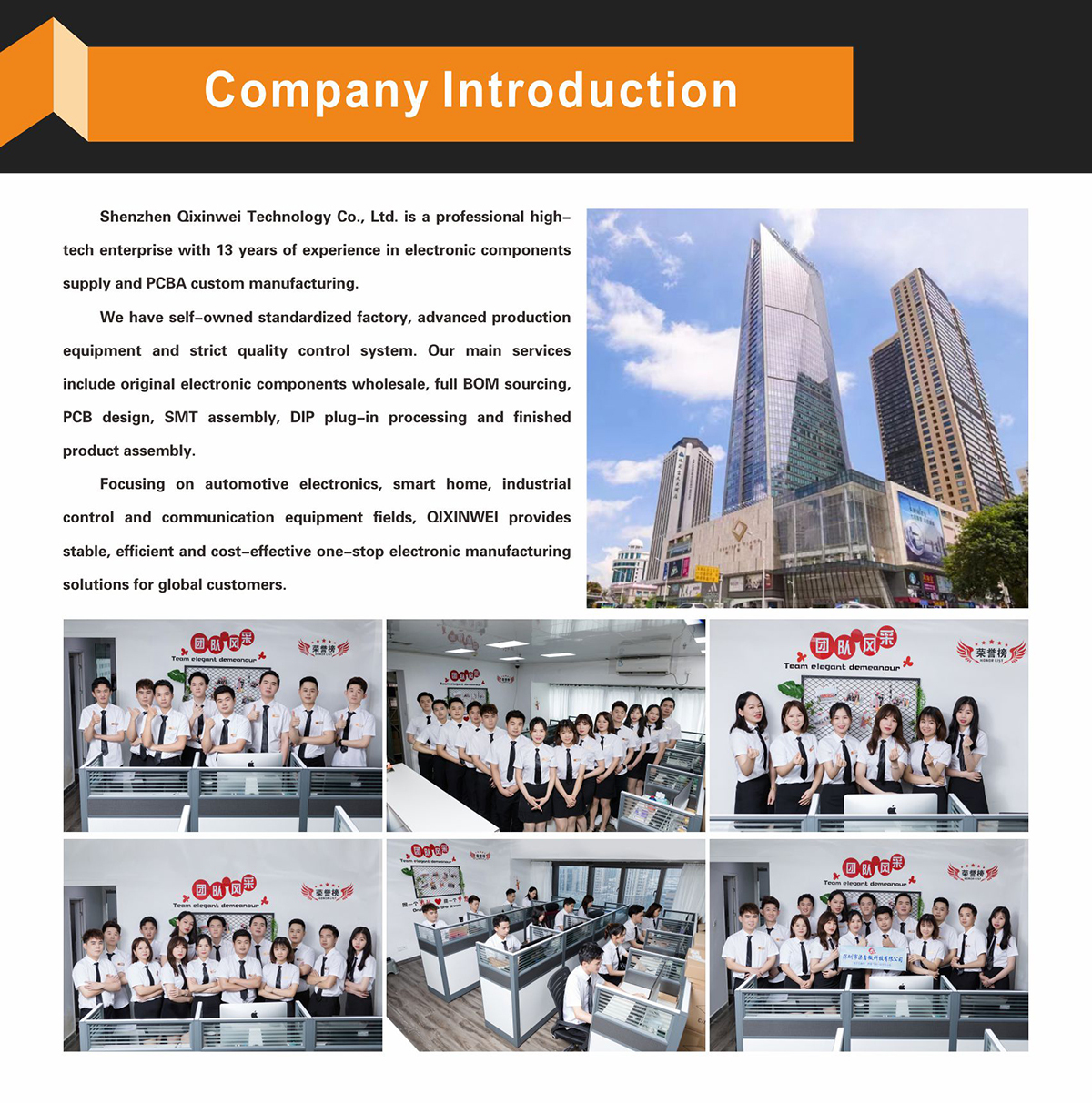
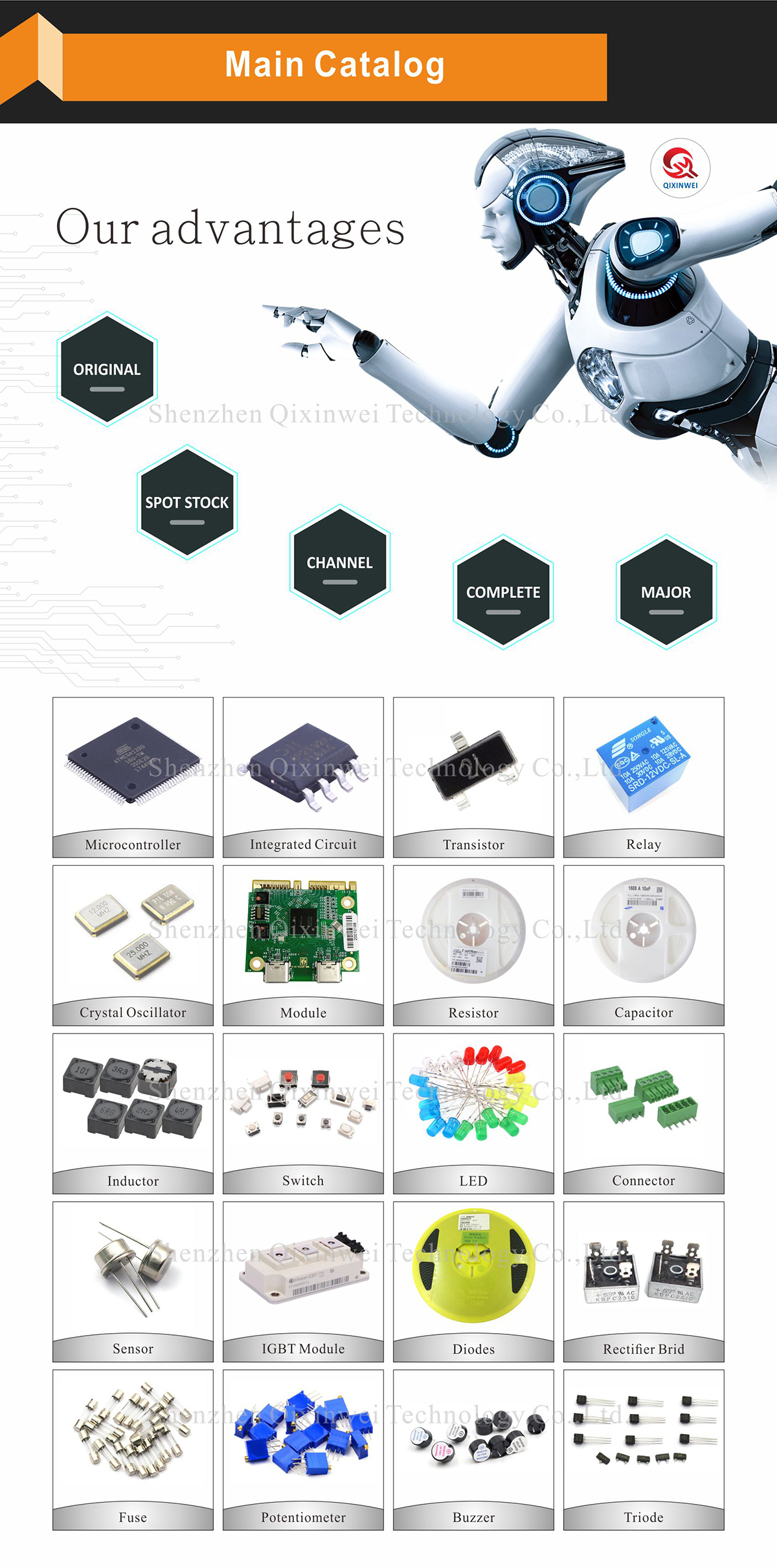
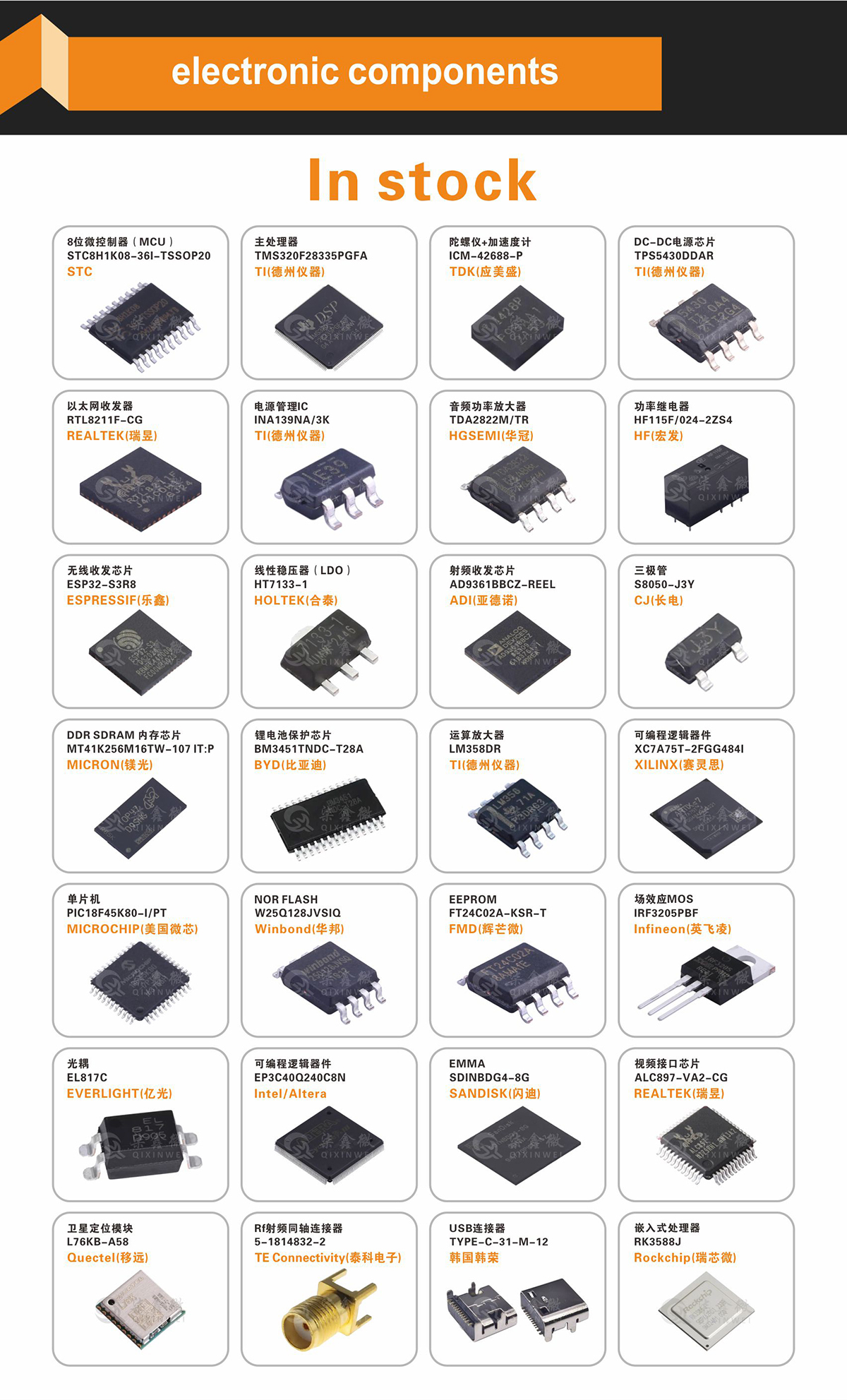
Years of experience in the electronics industry. Trusted by global customers. Massive In-Stock Inventory – Ready to ship promptly BOM Matching Service – One-stop solution, save time PCBA Customization – Professional engineering team creates tailor-made solutions based on your needs Cost-Effective & Efficient – Better channel, better cost A dedicated team makes your procurement smoother. Contact us for BOM quotes or PCBA inquiries.



FAQ:
What is the STM32F103TBU6 and how does it differ from the STM32F103RBT6?
The STM32F103TBU6 is a 72 MHz Arm Cortex‑M3 microcontroller with 128 KB Flash and 20 KB SRAM, housed in a tiny VFQFPN‑36 package. It offers the same core and memory as the popular RBT6, but in a much smaller 36‑pin QFN body with up to 26 I/Os. This makes it the ideal choice for space‑constrained designs that still need a proven 32‑bit processor, CAN, USB, and multiple serial interfaces. Unlike the RBT6 (LQFP‑64), the TBU6 lacks the FSMC external memory controller, but this is rarely an issue in compact embedded nodes where external parallel memory is not needed.Why choose the VFQFPN‑36 package over the LQFP‑64 or LQFP‑100? What are the trade‑offs?
The VFQFPN‑36 measures only 6 × 6 mm, saving significant PCB area compared to LQFP‑64 or LQFP‑100 packages. It provides up to 26 I/Os, which is enough for CAN, USB, two USARTs, SPI, I2C, and a few GPIOs. You sacrifice the FSMC, a few timers, and some serial ports, but gain a much smaller footprint and lower cost. This package is perfect for miniature sensor nodes, USB dongles, and compact motor controllers where board space is at a premium.Can the STM32F103TBU6 really run CAN and USB simultaneously with only 26 I/Os?
Yes, with careful pin planning. The CAN TX/RX pins and USB D+/D‑ signals are fixed to specific pins, and they do not conflict. You can allocate CAN, USB, two USARTs, one SPI, one I2C, and still have a few GPIOs left. STM32CubeMX is essential for verifying the exact pin‑multiplexing. This makes the TBU6 a capable, ultra‑compact communication node for CAN‑to‑USB bridges, sensor gateways, and portable data loggers.Is 128 KB Flash and 20 KB SRAM enough for an RTOS, CAN, USB, and application code?
Yes, for well‑optimized, dedicated applications. A lightweight RTOS (e.g., FreeRTOS), a USB device stack, a CANopen protocol, and control logic can be tightly packed into 128 KB. The 20 KB SRAM requires careful buffer management, but using DMA for UART/SPI transfers and placing constants in Flash helps save RAM. Many proven CAN‑to‑USB converters, compact motor drives, and portable instruments use this exact configuration.How does the STM32F103TBU6 compare to the STM32F103C8T6? Is it a drop‑in replacement?
Both share the same Cortex‑M3 core, 128 KB Flash, and 20 KB SRAM. The C8T6 comes in an LQFP‑48 package with 37 I/Os, while the TBU6 uses a smaller VFQFPN‑36 with 26 I/Os. The TBU6 is not a drop‑in replacement for the C8T6 because the pinout differs, but it offers the same peripherals (CAN, USB, timers) in a much smaller footprint. Choose the TBU6 for new designs where board space is critical; the C8T6 is better when you need more I/Os and easier hand‑soldering.Does the STM32F103TBU6 have a built‑in DAC or FSMC? What are my options for adding these features?
No, the TBU6 does not include a DAC or an FSMC. If you need an analog output, you can use an external SPI or I2C DAC chip, or generate a PWM signal with an RC low‑pass filter. For external memory, you can connect serial Flash or PSRAM via the SPI ports. If your design absolutely requires a built‑in DAC or FSMC, the larger STM32F103VCT6 (LQFP‑100) or F4 series are more suitable.Is the STM32F103TBU6 suitable for battery‑powered devices? What are its low‑power capabilities?
The chip supports Sleep, Stop, and Standby modes. In Stop mode with all 20 KB SRAM retained, the typical current is around 14 µA. Wake‑up from Stop is fast enough to respond to CAN, USB, or external interrupts. While it is not as power‑efficient as the STM32L series, the TBU6 can still be used in battery‑powered sensors and portable instruments that spend most of their time in deep sleep and wake up periodically to process data and communicate.Can I perform over‑the‑air (OTA) firmware updates with the 128 KB single‑bank Flash?
Yes. You can partition the 128 KB Flash into a small bootloader (8–16 KB) and a compact application. The 20 KB SRAM can temporarily buffer the new firmware image received via USB, CAN, or an external wireless module. A CRC check ensures a safe update. An A/B update scheme is not practical with this Flash size; a download‑and‑overwrite approach is recommended.What are the typical applications for the STM32F103TBU6?
It is widely used in space‑constrained CAN nodes, USB‑to‑serial converters, miniature motor controllers, portable medical devices, and compact IoT sensor hubs. Any design that needs a proven 32‑bit processor with CAN and USB in the smallest possible footprint will benefit from the TBU6's combination of performance, memory, and tiny VFQFPN‑36 package.What development tools and libraries support the STM32F103TBU6? Is the F1 ecosystem mature?
The TBU6 is fully supported by STM32CubeIDE, Keil MDK, and IAR EWARM. The vast STM32F1 HAL/LL library, countless online tutorials, and community‑driven code examples make development straightforward. You can prototype on a NUCLEO‑F103RB board (64‑pin, same core and memory) and then easily migrate to the TBU6 by adjusting the pin‑out and linker script in CubeMX.
- Product Type:
- Mainstream Arm Cortex-M3 Medium-Density 32-bit MCU
- Brand:
- STMicroelectronics
- Core:
- Arm Cortex-M3 72MHz
- Package:
- VFQFPN-36 (6×6×0.88mm)
- Memory:
- 128KB Flash, 20KB SRAM
- Peripherals:
- CAN 2.0B, USB 2.0 FS, Dual 12-bit ADCs (10ch/1µs), 1×16-bit advanced-control timer (PWM/deadtime), 3×16-bit GP timers (quadrature encoder), Calendar RTC, CRC
- Interfaces:
- 2×I2C (SMBus/PMBus), 3×USART (ISO7816/LIN/IrDA), 2×SPI (18Mbit/s)
- I/Os:
- 26
- Voltage:
- 2.0V~3.6V
- Temperature:
- -40°C~85°C