qixinwei-pcba


STM32F103RET6 ST Mainstream Arm Cortex-M3 High-Density 32-bit MCU 512KB Flash 72MHz FSMC USB CAN LQFP-64
STM32F103RET6 Product Overview
The STM32F103RET6 is a high-density performance line Cortex-M3 MCU from STMicroelectronics in an LQFP-64 package. It features a 72 MHz Cortex-M3 core at 1.25 DMIPS/MHz with single-cycle multiplication and hardware division, 512 KB Flash, and 64 KB SRAM. This model offers the highest memory capacity among 64-pin devices in the STM32F103 family. The MCU integrates FSMC (supporting SRAM/PSRAM/NOR/NAND/Compact Flash), LCD parallel interface, CAN 2.0B, USB 2.0 FS, SDIO, 3×12-bit ADCs (16 channels, 1 µs, triple sample-and-hold), 2×12-bit DACs, 12-channel DMA, up to 11 timers (including 2 advanced-control with PWM/deadtime), and 13 communication interfaces (5×USART/3×SPI/2×I2C/2×I2S/USB/CAN/SDIO). It provides 51 I/Os, all 5 V-tolerant, and operates from 2.0 V to 3.6 V over -40 °C to 85 °C. Core peripherals are identical to the STM32F103RDT6 (384 KB Flash); only Flash is upgraded to 512 KB.
STM32F103RET6 Core Features
Core: Arm Cortex-M3 72 MHz, 1.25 DMIPS/MHz, single-cycle multiplication/hardware division Memory: 512 KB Flash, 64 KB SRAM FSMC: External SRAM/PSRAM/NOR/NAND/Compact Flash, 4 chip selects; LCD 8080/6800 interface SDIO + CAN + USB: Storage card interface, industrial bus, full-speed USB 3×12-bit ADCs: 16 channels, 1 µs, triple sample-and-hold, temperature sensor 2×12-bit DACs: Buffered output Timers: 2× advanced-control (6-ch PWM/deadtime), 4× GP (quadrature encoder), 2× basic (DAC drive), 2× watchdogs, SysTick Communication Interfaces: 5×USART (ISO7816/LIN/IrDA), 3×SPI (18 Mbit/s), 2×I2C (SMBus), 2×I2S DMA: 12 channels I/Os: 51, all 5 V-tolerant Low Power: Sleep/Stop/Standby, VBAT backup RTC Package: LQFP-64 (10×10×1.4 mm)
STM32F103RET6 Applications
Industrial: PLCs, inverters, CAN nodes Dual-Motor FOC Control: 2 advanced-control timers Complex Systems: External SRAM/NAND expansion Medical & Handheld Devices IoT Gateways, Smart Home Automotive: Sensor nodes (non-safety-critical) Video Intercom, HVAC
STM32F103RET6 Key Advantages
512 KB Max Flash: Highest memory capacity in the STM32F103 family within a 64-pin package for large firmware and complex algorithms FSMC in 64 Pins: External memory and LCD support without upgrading to a 100-pin package Dual Advanced Timers: Independent dual-motor FOC control Rich Analog: 3 ADCs with triple sampling + 2 DACs Peripheral Superset: SDIO, CAN, USB, 5 USARTs, 3 SPIs, 2 I2S Mature STM32 Ecosystem: CubeIDE/CubeMX/HAL/LL
Why Choose QIXINWEI
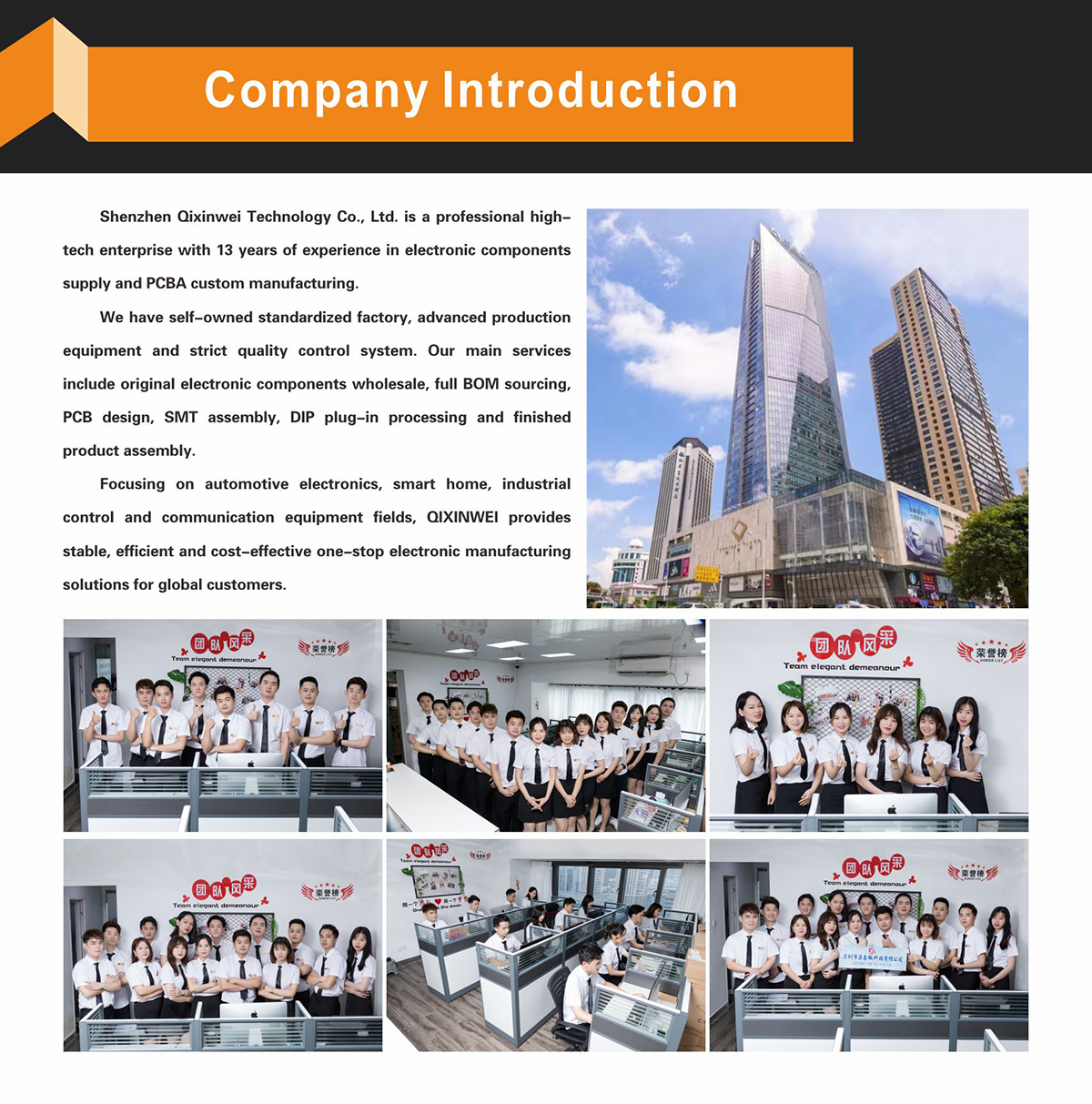
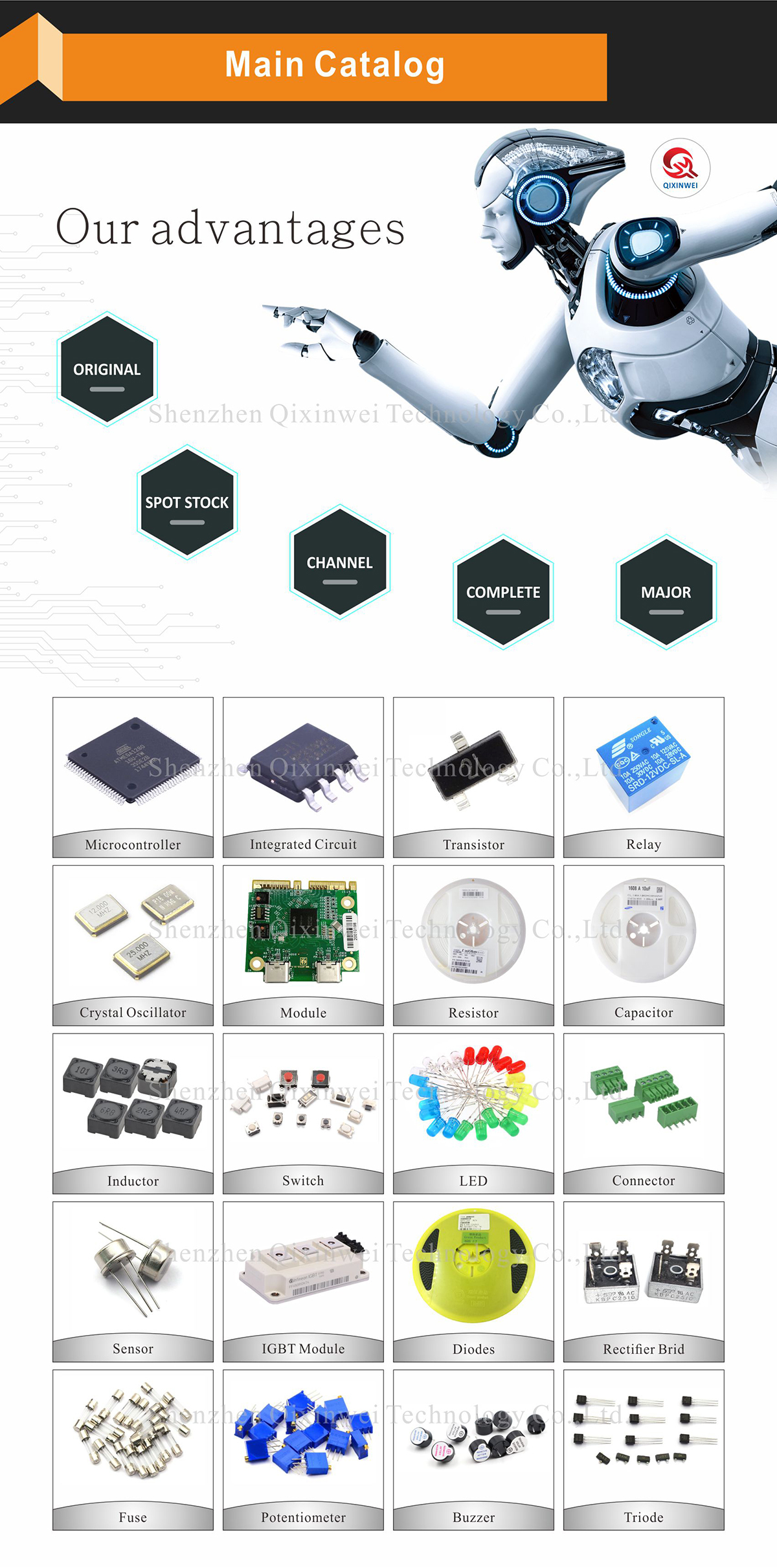
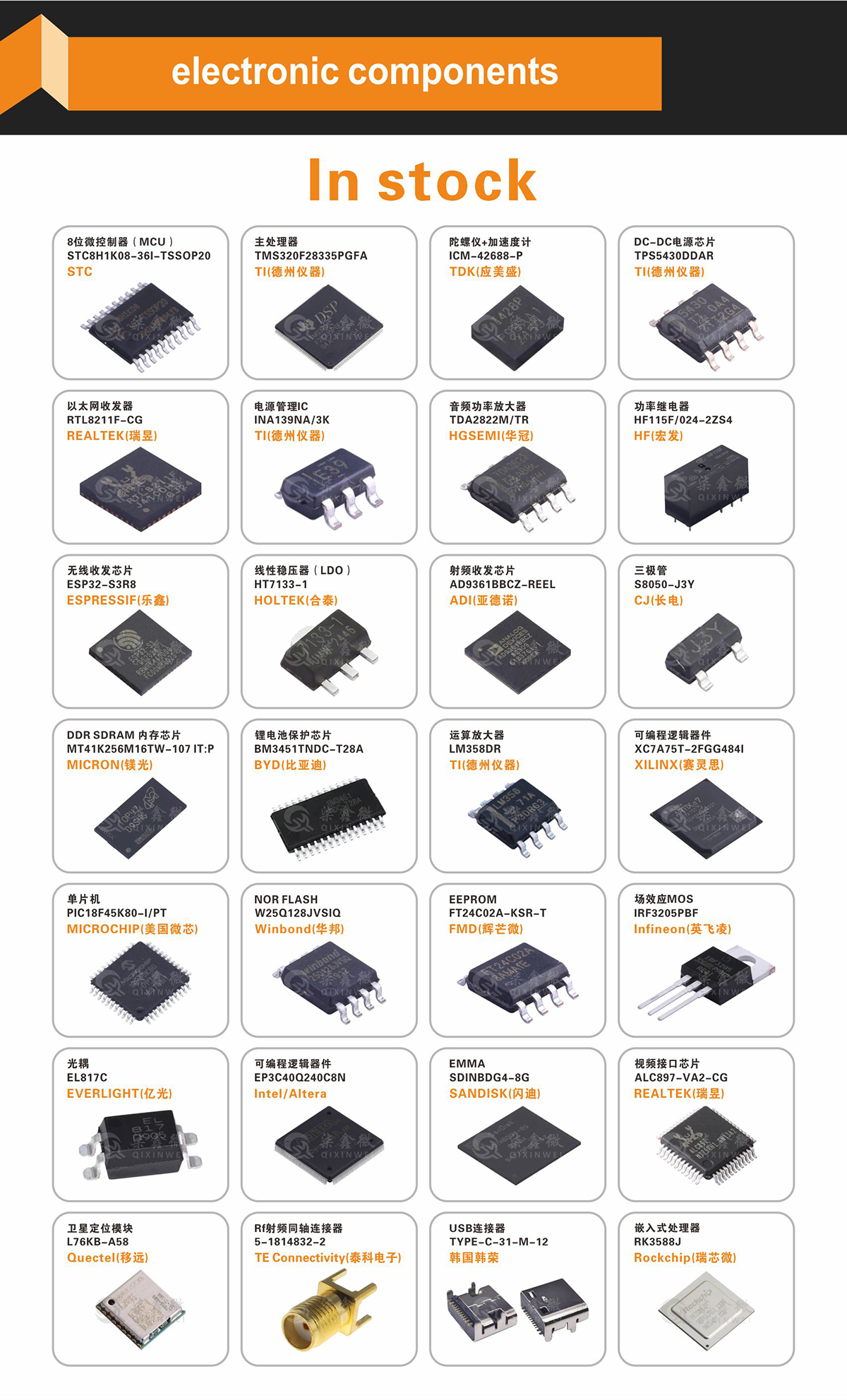
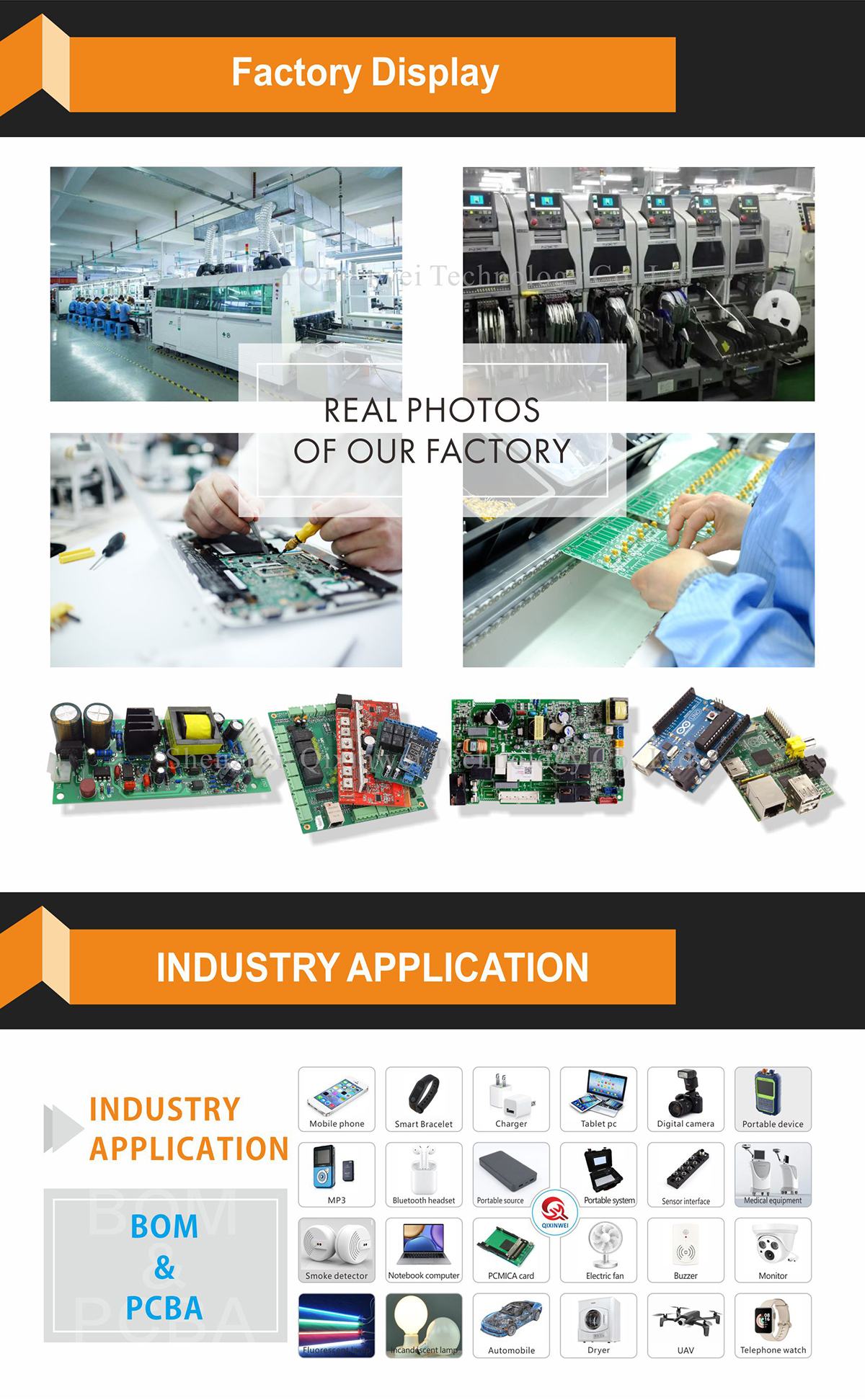
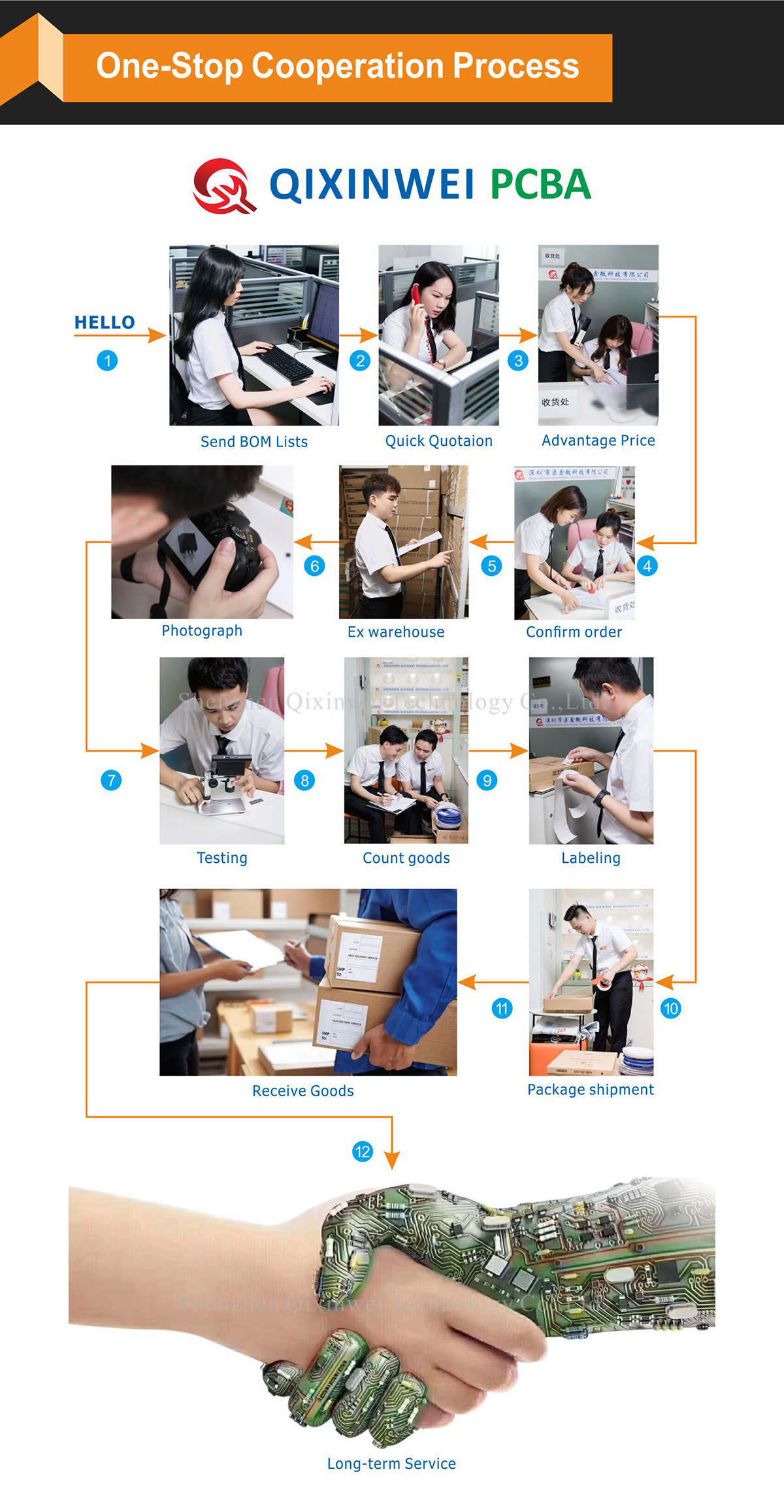
Years of experience in the electronics industry. Trusted by global customers. Massive In-Stock Inventory – Ready to ship promptly BOM Matching Service – One-stop solution, save time PCBA Customization – Professional engineering team creates tailor-made solutions based on your needs Cost-Effective & Efficient – Better channel, better cost A dedicated team makes your procurement smoother. Contact us for BOM quotes or PCBA inquiries.




FAQ:
What is the STM32F103RET6 and why is it one of the most popular STM32F103 variants?
The STM32F103RET6 is a 72 MHz Arm Cortex‑M3 microcontroller with 512 KB Flash, 64 KB SRAM, and an FSMC external memory controller, all in a compact LQFP‑64 package. It sits in the perfect sweet spot between memory capacity, I/O count, and cost—making it the go‑to choice for a vast range of industrial control, motor drive, and consumer applications. Its large 512 KB Flash eliminates the need for external code storage in most designs, while the FSMC provides a straightforward path to add parallel SRAM, NOR Flash, or a TFT display when needed.How does the STM32F103RET6 differ from the STM32F103RCT6? When should I choose the RET6?
Both share the same LQFP‑64 package, FSMC, and identical peripherals. The only difference is memory: the RCT6 offers 256 KB Flash and 48 KB SRAM, while the RET6 doubles the Flash to 512 KB and increases SRAM to 64 KB. Choose the RET6 when your firmware exceeds the 256 KB limit of the RCT6, or when you need the extra SRAM for larger communication buffers or real‑time data. It is a drop‑in upgrade—no PCB changes are required, making it the simplest way to extend the life and functionality of an existing F103 design.Is 512 KB Flash and 64 KB SRAM enough for a complex industrial application with RTOS, CAN, and USB?
Absolutely. A real‑time operating system, a CANopen or Modbus protocol stack, a USB library, and a substantial application can fit comfortably within 512 KB. The 64 KB SRAM provides ample room for communication buffers, task stacks, and real‑time data. Millions of industrial devices—PLCs, motor controllers, and building automation nodes—have shipped with this exact configuration. If you need even more code space, the pin‑compatible RFT6 (768 KB Flash) or RGT6 (1 MB Flash) offer direct upgrade paths.What can I do with the FSMC on the STM32F103RET6, and how does the 64‑pin package limit it?
The FSMC (Flexible Static Memory Controller) lets you connect external parallel NOR Flash, PSRAM, NAND Flash, and memory‑mapped LCD displays. On the 64‑pin package, the data bus is limited to 8‑ or 16‑bit width due to the pin count, but you can still add a fast 16‑bit PSRAM for data buffering or drive a small TFT screen. The RET6 also includes an SDIO interface, so you can connect an SD card for mass storage without using any FSMC pins at all. For a full 32‑bit wide external bus, a 100‑pin V‑series or 144‑pin Z‑series variant is needed.How does the STM32F103RET6 compare to the VET6? When should I pick the 64‑pin version over the 100‑pin?
The VET6 (LQFP‑100) offers the same 512 KB Flash and 64 KB SRAM but with 82 I/Os instead of 51. The RET6 packs the same core and memory into a smaller footprint, saving board space and cost. Choose the RET6 when 51 I/Os are enough and you want a compact design. If you need a wider FSMC bus, more serial interfaces, or many GPIOs, the VET6 is the better fit. The two are software‑compatible, so moving between them is straightforward.Can the RET6 handle multiple UART, SPI, I2C, and CAN interfaces at the same time on a 64‑pin package?
Yes, with careful pin planning. With up to 51 I/Os, you can easily run five USART/UART ports, three SPI interfaces, two I2C buses, one CAN 2.0B channel, a USB 2.0 full‑speed device, and still have pins left for the FSMC bus or general‑purpose I/O. STM32CubeMX helps you verify the exact pin‑multiplexing for your configuration, ensuring no conflicts.Is the STM32F103RET6 still a good choice for new designs, or should I move to an STM32F2 or F4?
The RET6 remains a very strong candidate for applications that do not need the higher clock speeds, FPU, or advanced peripherals of the F2/F4 series. Its combination of 512 KB Flash, 64 KB SRAM, FSMC, and a compact 64‑pin package is still highly cost‑competitive, and the mature F1 ecosystem—libraries, tools, and community knowledge—dramatically reduces development time. If your design requires Ethernet, a camera interface, or DSP, consider the F2 or F4. Otherwise, the RET6 is a proven, long‑term‑available workhorse.What low‑power modes does the STM32F103RET6 support, and what is the typical Stop‑mode current?
The chip supports Sleep, Stop, and Standby modes. In Stop mode with the main regulator off and all 64 KB SRAM retained, the typical current is around 14 µA. Wake‑up from Stop is fast enough to respond to external interrupts or communication events. While it is not as power‑efficient as the STM32L series, the RET6 can still be used in battery‑powered devices that spend most of their time in deep sleep and wake up periodically to process data and communicate.Can I perform over‑the‑air (OTA) firmware updates with the 512 KB single‑bank Flash?
Yes. You can partition the 512 KB Flash into a bootloader, an active application area, and a download buffer. A typical split reserves 16–32 KB for the bootloader, leaving about 480 KB for the application. The 64 KB SRAM can temporarily hold the new firmware image received via USB, UART, or a wireless module. A CRC or signature check ensures a safe update without hardware dual‑bank Flash. An A/B scheme with two 240 KB slots is also possible for compact applications.What are the most typical applications for the STM32F103RET6?
It is widely used in industrial motor drives, programmable logic controllers (PLCs), building automation controllers, multi‑channel data loggers, medical instruments, and advanced consumer appliances. Any embedded system that needs a proven 32‑bit processor, generous on‑chip Flash and SRAM, the ability to expand with external parallel memory or an SD card, and a compact 64‑pin footprint will benefit from the RET6. Its balance of performance, memory, and connectivity has made it a perennial favorite in the STM32 family.
- Product Type:
- Mainstream Arm Cortex-M3 High-Density 32-bit MCU
- Brand:
- STMicroelectronics
- Core:
- Arm Cortex-M3 72MHz
- Package:
- LQFP-64 (10×10×1.4mm)
- Memory:
- 512KB Flash, 64KB SRAM
- Peripherals:
- FSMC, LCD parallel I/F, CAN 2.0B, USB 2.0 FS, SDIO, 3×12-bit ADCs (16ch/1µs), 2×12-bit DACs, 2×16-bit advanced-control timers (PWM/deadtime), 4×16-bit GP timers (quadrature encoder), Calendar RTC, CRC
- Interfaces:
- 2×I2C (SMBus), 3×SPI (18Mbit/s), 2×I2S, 5×USART (ISO7816/LIN/IrDA)
- I/Os:
- 51
- Voltage:
- 2.0V~3.6V
- Temperature:
- -40°C~85°C