qixinwei-pcba


STM32F103RDT6 ST Mainstream Arm Cortex-M3 Performance Line 32-bit MCU 384KB Flash 72MHz CPU USB CAN FSMC LQFP-64
STM32F103RDT6 Product Overview
The STM32F103RDT6 is a mainstream Arm Cortex-M3 performance line MCU from STMicroelectronics, belonging to the high-density product line, LQFP-64 package (10×10×1.4 mm). 72 MHz Cortex-M3 core, 1.25 DMIPS/MHz, single-cycle multiplication and hardware division. 384 KB Flash, 64 KB SRAM. This model is the high-density upgrade of the STM32F103RBT6, featuring significantly larger Flash and SRAM, and adding FSMC, SDIO, DAC, and other advanced peripherals. It integrates FSMC (Flexible Static Memory Controller, supporting SRAM/PSRAM/NOR/NAND/Compact Flash, 4 chip selects), LCD parallel interface (8080/6800 modes), CAN 2.0B, USB 2.0 FS, SDIO, 3×12-bit ADCs (up to 16 channels, 1 µs, triple-sample and hold), 2×12-bit DACs, 12-channel DMA, up to 11 timers (4×16-bit GP/IC/OC/PWM/quadrature encoder, 2×16-bit advanced-control/PWM/deadtime/emergency stop, 2×basic timers for DAC, 2×watchdogs, 24-bit SysTick), up to 13 communication interfaces (up to 2×I2C/up to 5×USART/up to 3×SPI/2×I2S/USB/CAN/SDIO). 51 I/Os (64-pin package), all 5 V-tolerant, mappable on 16 external interrupt vectors. VDD 2.0 V–3.6 V, -40 °C to 85 °C, ECOPACK®2. Product Line Positioning: Compared to the STM32F103RBT6 (medium-density, 128 KB Flash/20 KB SRAM), this model upgrades Flash to 384 KB and SRAM to 64 KB, and adds FSMC controller, LCD parallel interface, SDIO, 2 DACs, a third ADC, more timers (11 vs 7), and more communication interfaces (13 vs 9). Compared to the STM32F103RET6 (512 KB Flash), it has a smaller Flash capacity while all other core peripherals remain identical. This model is one of the most feature-complete, largest-memory devices in the STM32F103 family in a 64-pin package.
STM32F103RDT6 Core Features
Core: Arm Cortex-M3 72 MHz, 1.25 DMIPS/MHz, single-cycle multiplication/hardware division, SWD & JTAG debug Memory: 384 KB Flash, 64 KB SRAM, CRC, 96-bit unique ID FSMC Controller: Supports SRAM, PSRAM, NOR, NAND, Compact Flash, 4 chip selects LCD Parallel Interface: 8080/6800 modes CAN 2.0B + USB 2.0 FS + SDIO: Industrial bus, general communication, and storage expansion in one 3×12-bit ADCs: Up to 16 channels, 1 µs, 0–3.6 V, triple-sample and hold, temperature sensor 2×12-bit DACs: Buffered output 12-ch DMA: Supporting timers, ADCs, DAC, SDIO, I2Ss, SPIs, I2Cs, USARTs Up to 11 Timers: 4×16-bit GP (quadrature encoder), 2×16-bit advanced-control (PWM/deadtime/emergency stop), 2×basic timers (for DAC), 2×watchdogs, 24-bit SysTick Up to 13 Communication Interfaces: Up to 2×I2C (SMBus/PMBus), up to 5×USART (ISO 7816/LIN/IrDA), up to 3×SPI (18 Mbit/s), 2×I2S, USB 2.0 FS, CAN 2.0B, SDIO Low Power: Sleep/Stop/Standby, VBAT for RTC and backup registers Clock: 4–16 MHz XTAL, 32 kHz RTC XTAL (calibrated), 8 MHz RC (factory-trimmed), 40 kHz RC, PLL I/Os: 51 fast I/Os, all 5 V-tolerant, mappable on 16 ext. interrupt vectors Supply/Temp: VDD 2.0 V–3.6 V, POR/PDR/PVD, -40 °C to 85 °C Package: LQFP-64 (10×10×1.4 mm), Tray
STM32F103RDT6 Applications
Industrial: PLCs, sensor transmitters, RS-485/CAN nodes, inverters, industrial automation Motor Control: BLDC motors, servo motors, fans, pumps (2 advanced-control timers for dual-motor PWM/deadtime/emergency stop) Consumer: Remote controls, handhelds, PC peripherals, GPS platforms, gaming peripherals Medical: Handheld medical terminals, health monitoring devices Home Appliances: Panels, HVAC, alarms, video intercoms Security: Access control, alarms, smoke detectors IoT: Wireless sensors, environmental monitoring, smart home LED Lighting: Dimming, RGB strips, SMPS Automotive: Light control, window anti-pinch, sensor nodes (non-safety-critical) Memory Expansion: Complex embedded systems requiring external SRAM/NAND/NOR Flash
STM32F103RDT6 Key Advantages
Arm Cortex-M3 Core: 72 MHz, 1.25 DMIPS/MHz, single-cycle multiplication/hardware division, far exceeding Cortex-M0/M0+ performance High-Density Product Line: 384 KB Flash + 64 KB SRAM, both over 3x that of RBT6, meeting large firmware and complex algorithm demands FSMC + LCD Parallel Interface: Supports external SRAM/PSRAM/NOR/NAND/Compact Flash and direct LCD connection — premium peripherals usually found only on 100-pin+ packages, now available in LQFP-64 CAN + USB + SDIO: Rare tri-combination in this class for industrial bus, general communication, and storage expansion 3 ADCs + 2 DACs: Triple-sample and hold ADCs for high-precision multi-channel synchronous acquisition; dual DACs with buffered output for audio/sensor excitation/control loops 11 Timers (incl. 2 Advanced-Control): 2 advanced-control timers (PWM/deadtime/emergency stop) + 4 GP timers (quadrature encoder) + 2 basic timers (for DAC), supporting dual-motor FOC control 12-ch DMA: Direct peripheral-to-memory transfers, offloads CPU 13 Communication Interfaces: 2×I2C + 5×USART + 3×SPI + 2×I2S + USB + CAN + SDIO, meeting multi-bus connectivity needs 51 I/Os: LQFP-64 package, all 5 V-tolerant Calendar RTC: VBAT backup, ideal for scheduled sensing and low-power applications Mature STM32 Ecosystem: CubeIDE/CubeMX/HAL/LL libraries, abundant development boards and reference designs Cost-Effective Performance Line: 32-bit ARM + CAN + USB + SDIO + FSMC + dual DACs + advanced timers, ideal upgrade from 8/16-bit MCUs
Why Choose QIXINWEI
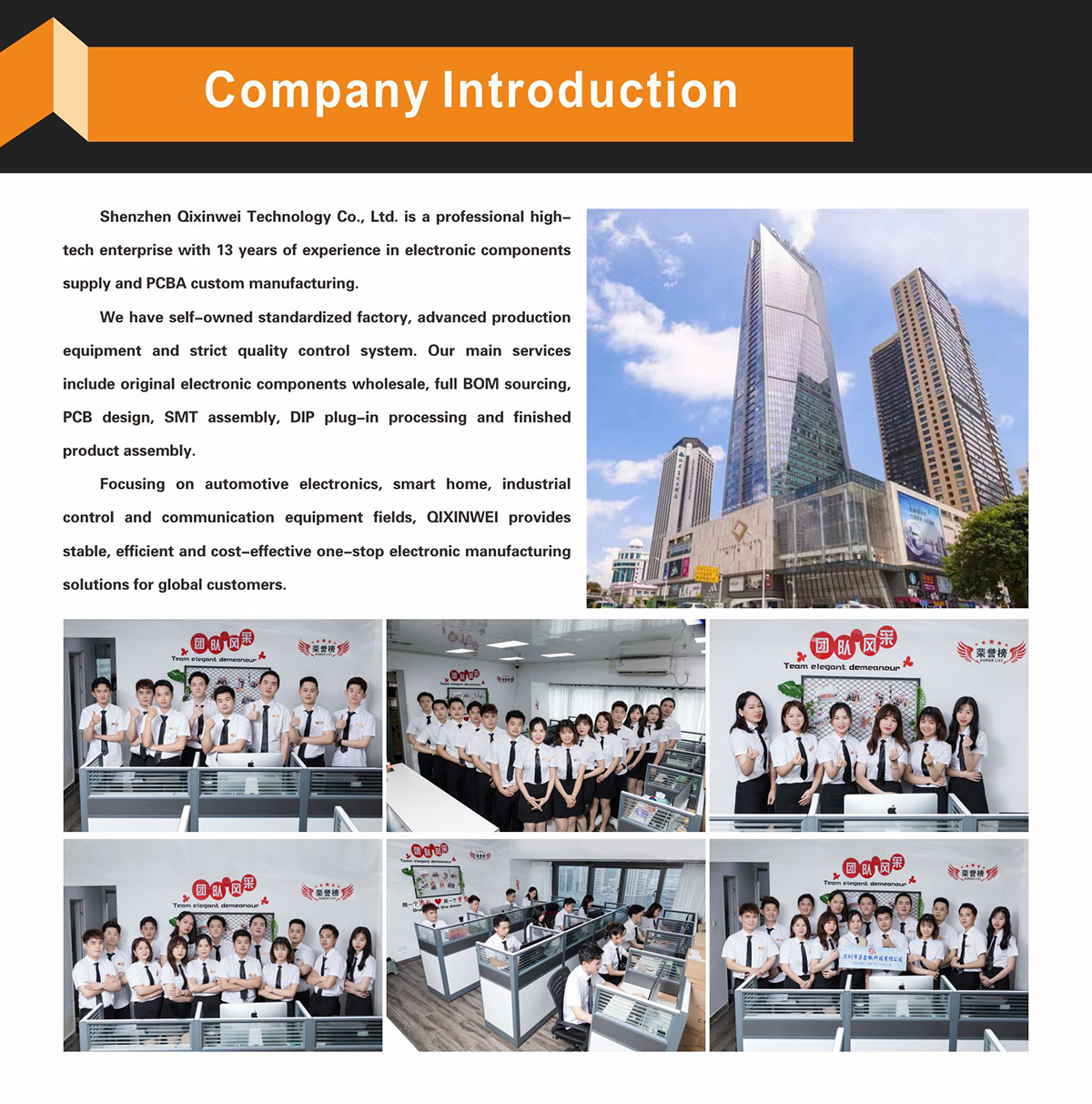
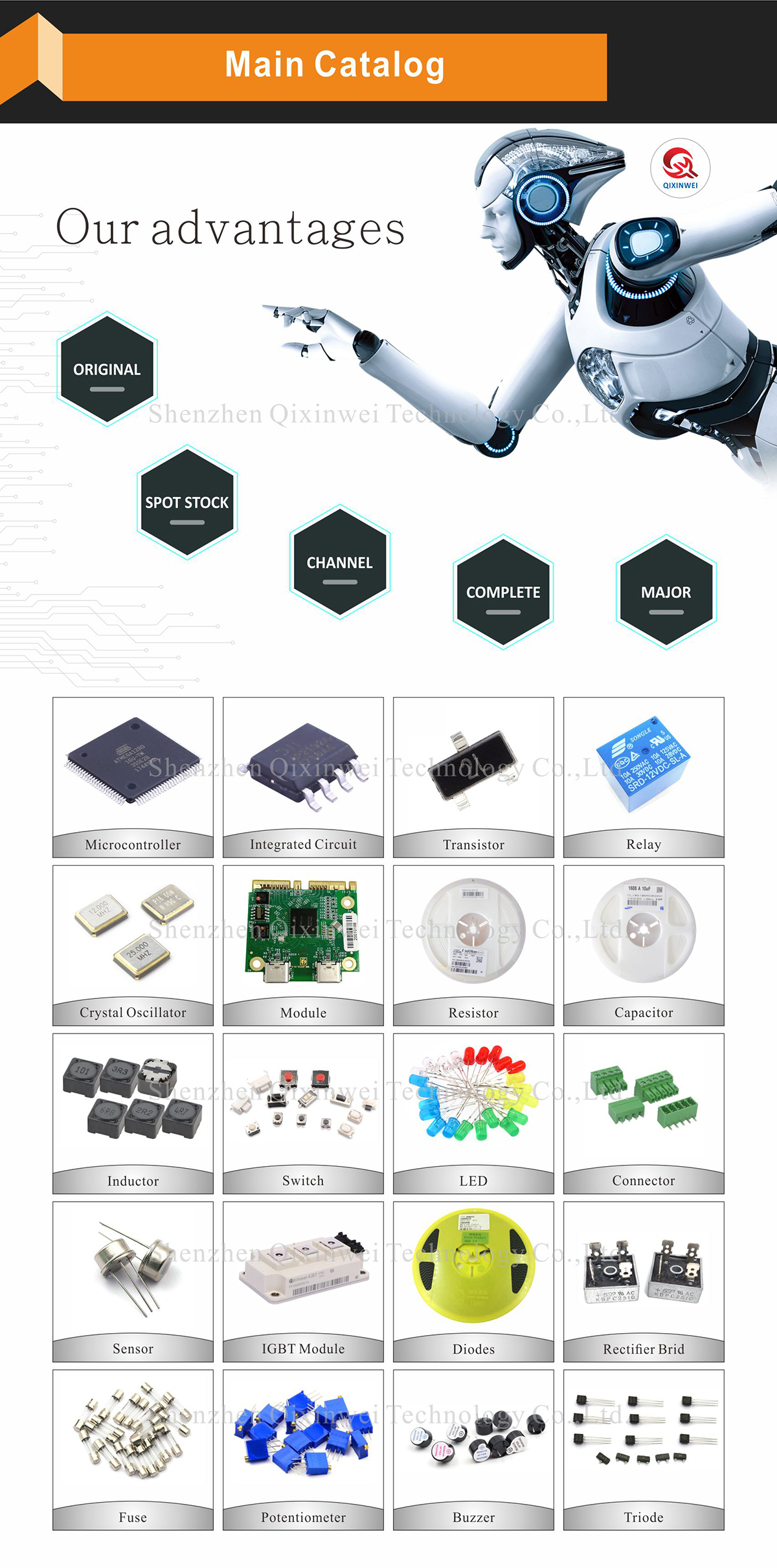
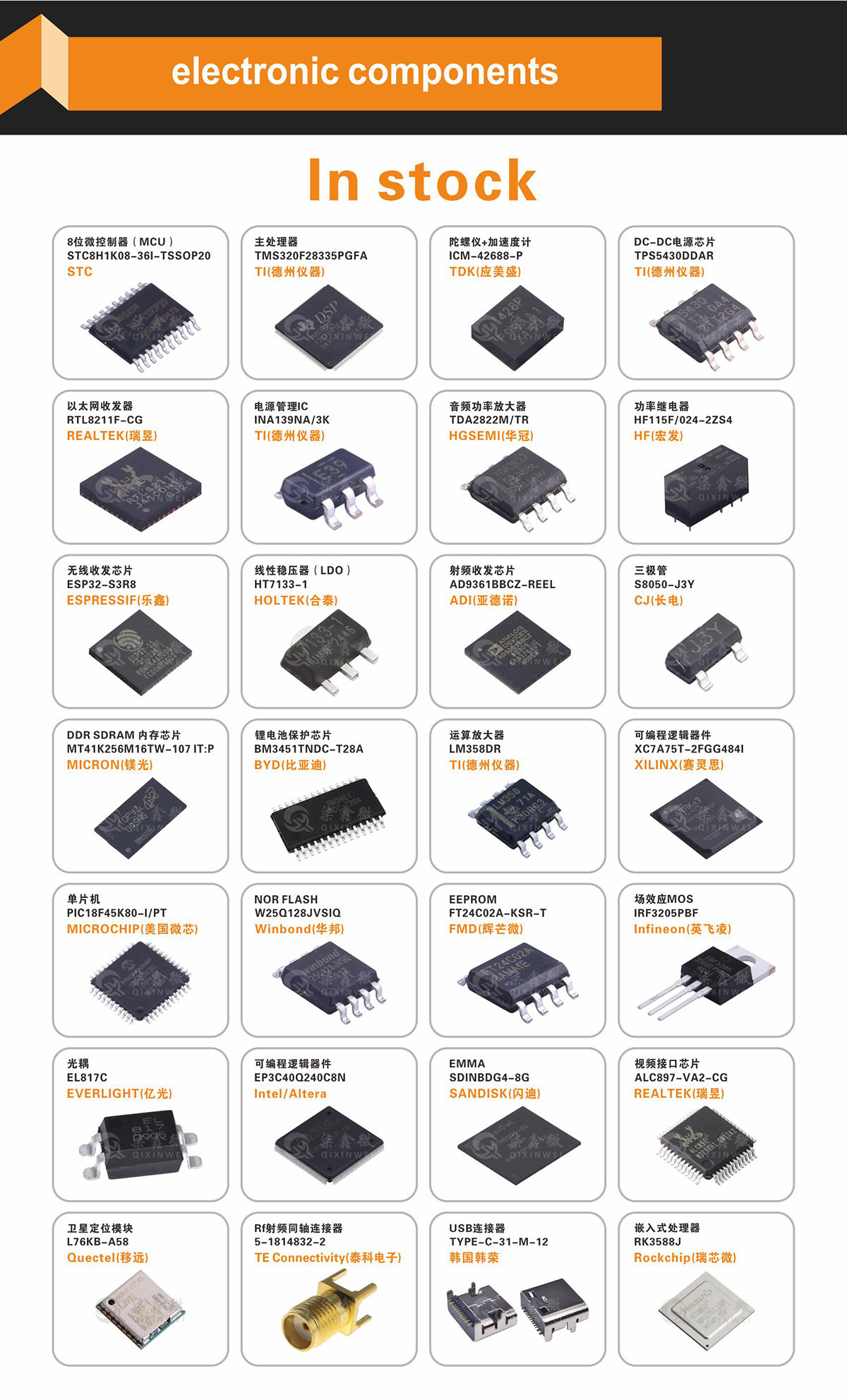
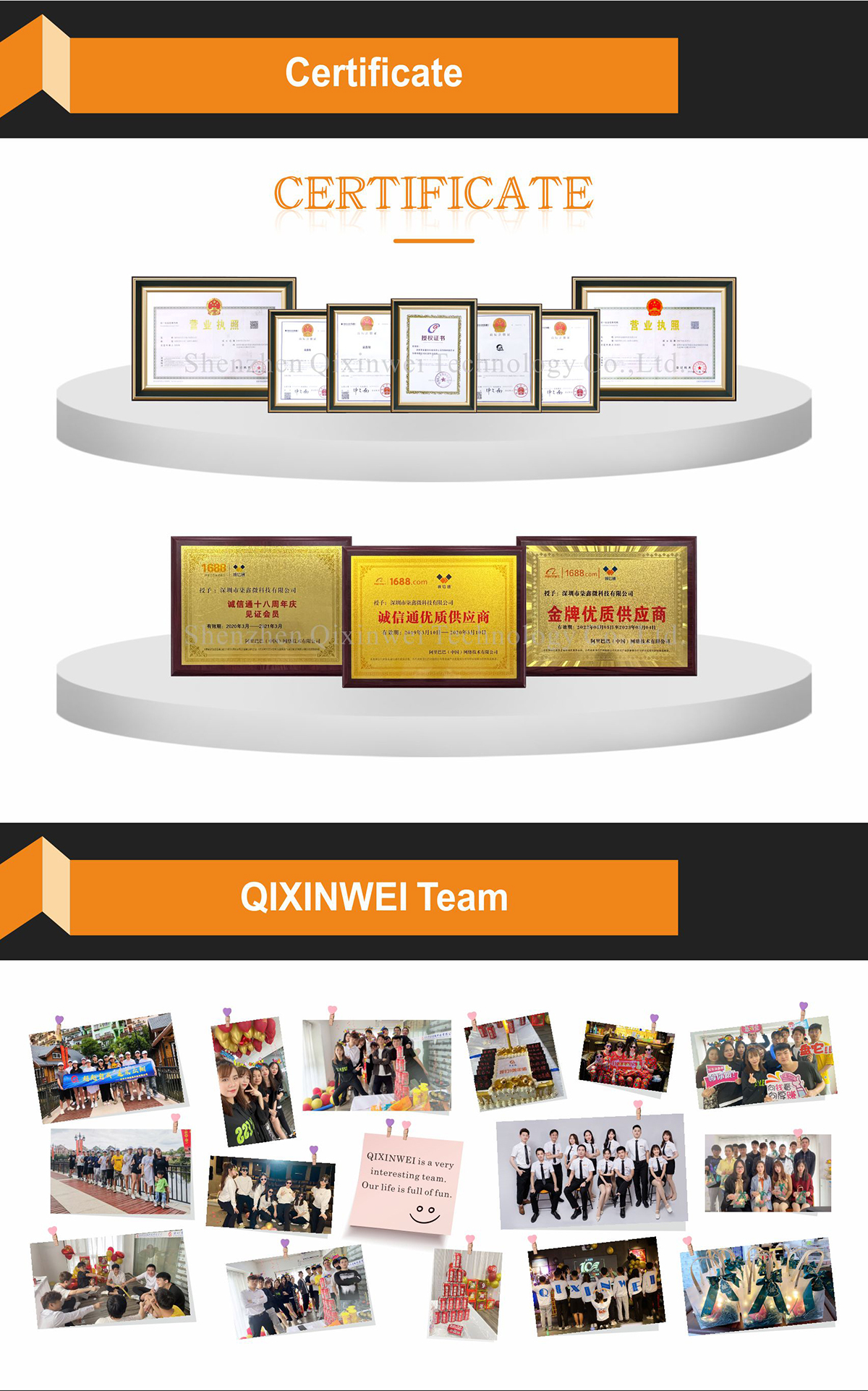
Years of experience in the electronics industry. Trusted by global customers. Massive In-Stock Inventory – Ready to ship promptly BOM Matching Service – One-stop solution, save time PCBA Customization – Professional engineering team creates tailor-made solutions based on your needs Cost-Effective & Efficient – Better channel, better cost A dedicated team makes your procurement smoother. Contact us for BOM quotes or PCBA inquiries.







FAQ:
What is the STM32F103RDT6 and what makes its 384 KB Flash unique?
The STM32F103RDT6 is a 72 MHz Arm Cortex‑M3 microcontroller with an unusual 384 KB of Flash and 64 KB of SRAM, housed in a compact LQFP‑64 package. It sits between the 256 KB RCT6 and the 512 KB RET6, offering a rare intermediate Flash density that provides 50% more code space than the entry‑level RCT6 while remaining more cost‑effective than the RET6. It retains the full FSMC external memory controller and SDIO interface, making it an excellent choice for designs that need more than 256 KB of firmware storage but do not require the full 512 KB.How does the STM32F103RDT6 differ from the RCT6 and RET6? When should I choose the RDT6?
All three share the same LQFP‑64 package, FSMC, SDIO, and identical peripherals. The RCT6 provides 256 KB Flash and 48 KB SRAM. The RET6 offers 512 KB Flash and 64 KB SRAM. The RDT6 gives you the same 64 KB SRAM as the RET6, but with 384 KB of Flash—exactly 50% more than the RCT6, yet more cost‑optimized than the RET6. Choose the RDT6 when your firmware has outgrown 256 KB but does not need 512 KB, and you want to keep the larger SRAM of the higher‑end models without paying for unused Flash space. It is also a drop‑in upgrade from the RCT6 with zero PCB changes.Is 384 KB Flash and 64 KB SRAM enough for a complex industrial application with RTOS, CAN, and USB stacks?
Absolutely. 384 KB of Flash comfortably holds a real‑time operating system, a CANopen or Modbus protocol stack, a USB device library, and substantial application logic. The 64 KB SRAM provides generous room for communication buffers, task stacks, and real‑time data. This configuration fits perfectly between the basic 256 KB designs and the more memory‑hungry 512 KB applications, covering a wide range of industrial gateways, motor controllers, and data loggers without external RAM. If additional storage is needed, the on‑chip FSMC and SDIO interfaces allow you to add external parallel memory or an SD card.What can I do with the FSMC on the STM32F103RDT6, and how does the 64‑pin package limit it?
The FSMC (Flexible Static Memory Controller) allows you to connect external parallel NOR Flash, PSRAM, NAND Flash, and memory‑mapped LCD displays. On the 64‑pin package, the FSMC data bus is limited to 8‑ or 16‑bit width due to the reduced I/O count, but you can still add a fast 16‑bit PSRAM for additional data buffering or drive a small TFT display. The RDT6 also includes a full SDIO interface, so you can connect a standard microSD or SD card for mass storage without using any FSMC pins at all. For a 32‑bit wide external bus, you would need to move to a 100‑pin or 144‑pin variant.How does the STM32F103RDT6 compare to the VCT6? When should I pick the 64‑pin version?
The VCT6 (LQFP‑100) offers 256 KB Flash and 48 KB SRAM with 82 I/Os. The RDT6 provides 50% more Flash (384 KB vs 256 KB) and more SRAM (64 KB vs 48 KB) in a smaller 64‑pin package with up to 51 I/Os. Choose the RDT6 when board space is tight, you need more memory than the VCT6 can offer, and 51 I/Os are sufficient for your design. The VCT6 is better if you need a higher pin count for more parallel peripherals or a wider FSMC bus without moving to a larger PCB.Can the RDT6 replace an older STM32F103RCT6 design? What benefits do I get?
Yes, the RDT6 is a direct, pin‑compatible upgrade from the RCT6. You gain 50% more Flash (384 KB vs 256 KB) and 33% more SRAM (64 KB vs 48 KB) without any PCB changes. All peripherals, I/O assignments, and the FSMC functionality remain identical. This is the simplest way to extend the life of a proven F103 design, add new features, or accommodate larger firmware without any hardware redesign.Does the STM32F103RDT6 have an SDIO interface? Can I connect an SD card directly?
Yes, the RDT6 includes a full SDIO interface, which is independent of the FSMC. This allows you to connect a standard microSD or SD card directly to the MCU for mass storage, data logging, or firmware updates, without consuming FSMC pins. Combined with the generous on‑chip Flash and SRAM, the SDIO makes the RDT6 a powerful single‑chip data‑logging platform in a tiny 64‑pin package.Can the RDT6 run multiple UART, SPI, I2C, and CAN interfaces simultaneously on its 64‑pin package?
Yes, with careful pin planning. With up to 51 I/O pins, you can accommodate five USART/UART ports, three SPI interfaces, two I2C buses, one CAN 2.0B channel, a USB 2.0 full‑speed device, and still have pins left for the FSMC bus or general‑purpose I/O. STM32CubeMX helps you verify the exact pin‑multiplexing for your configuration.Is the STM32F103RDT6 still a good choice for new designs, or should I move to a newer series?
The RDT6 remains a very competitive choice for applications that do not require the higher clock speeds, FPU, or advanced peripherals of the F2/F4 series. Its unique 384 KB Flash, 64 KB SRAM, FSMC, and SDIO in a 64‑pin package offer an excellent memory‑to‑cost ratio that is not replicated in many other STM32 families. The mature F1 ecosystem—libraries, tools, and community support—dramatically reduces development time. If your design needs Ethernet, a camera interface, or DSP, consider the F2 or F4. Otherwise, the RDT6 is a proven, long‑term‑available workhorse with a sweet‑spot memory configuration.What low‑power modes does the STM32F103RDT6 support, and what is the typical Stop‑mode current?
The chip supports Sleep, Stop, and Standby modes. In Stop mode with the main regulator off and all 64 KB SRAM retained, the typical current is around 14 µA. Wake‑up from Stop is fast enough to respond to external interrupts or communication events. While it is not as power‑efficient as the STM32L series, the RDT6 can still be used in battery‑powered devices that spend most of their time in deep sleep and wake up periodically to process data and communicate.
- Product Type:
- Mainstream Arm Cortex-M3 Performance Line 32-bit MCU
- Brand:
- STMicroelectronics
- Core:
- Arm Cortex-M3 72MHz
- Package:
- LQFP-64 (10×10×1.4mm)
- Memory:
- 384KB Flash, 64KB SRAM
- Peripherals:
- FSMC, LCD parallel I/F, CAN 2.0B, USB 2.0 FS, SDIO, 3×12-bit ADCs (16ch/1µs), 2×12-bit DACs, 2×16-bit advanced-control timers (PWM/deadtime), 4×16-bit GP timers (quadrature encoder), Calendar RTC, CRC
- Interfaces:
- Up to 2×I2C (SMBus/PMBus), up to 5×USART (ISO 7816/LIN/IrDA), up to 3×SPI (18 Mbit/s), 2×I2S
- I/Os:
- 51
- Voltage:
- VDD 2.0V~3.6V
- Temperature:
- -40°C~85°C