qixinwei-pcba


STM32F103C6T7A ST Mainstream Arm Cortex-M3 Performance Line 32-bit MCU 32KB Flash 72MHz CPU USB CAN LQFP-48
STM32F103C6T7A Product Overview
The STM32F103C6T7A is a mainstream Arm Cortex-M3 performance line MCU, low-density product line, LQFP-48 package (7×7 mm). 72 MHz Cortex-M3 core, 1.25 DMIPS/MHz. 32 KB Flash, 10 KB SRAM. Process-optimized A revision with extended 105 °C temperature range. Integrates CAN 2.0B, USB 2.0 FS, dual 12-bit ADCs (10 channels, 1 µs), 7-channel DMA, up to 4 GP timers (3×16-bit/IC/OC/PWM/quadrature encoder), 24-bit SysTick, 7 communication interfaces (2×I2C/3×USART/2×SPI/USB/CAN). 37 I/Os, all 5 V-tolerant. VDD 2.0 V–3.6 V, -40 °C to 105 °C, ECOPACK®2.
STM32F103C6T7A Core Features
Core: Arm Cortex-M3 72 MHz, 1.25 DMIPS/MHz, single-cycle multiplication/hardware division Memory: 32 KB Flash, 10 KB SRAM, 96-bit unique ID CAN 2.0B + USB 2.0 FS: Rare dual interface in this class Dual 12-bit ADCs: 10 channels, 1 µs, 0–3.6 V 7-ch DMA: Timers/ADC/SPI/I2C/USART Up to 4 GP Timers: 3×16-bit/IC/OC/PWM/quadrature encoder + independent/window WDG + 24-bit SysTick Communication: 2×I2C (SMBus/PMBus), 3×USART (ISO 7816/LIN/IrDA), 2×SPI (18 Mbit/s), USB, CAN Low Power: Sleep/Stop/Standby, VBAT for RTC I/Os: 37 fast I/Os, all 5 V-tolerant Supply/Temp: VDD 2.0 V–3.6 V, -40 °C to 105 °C Package: LQFP-48 (7×7 mm), Tray
STM32F103C6T7A Applications
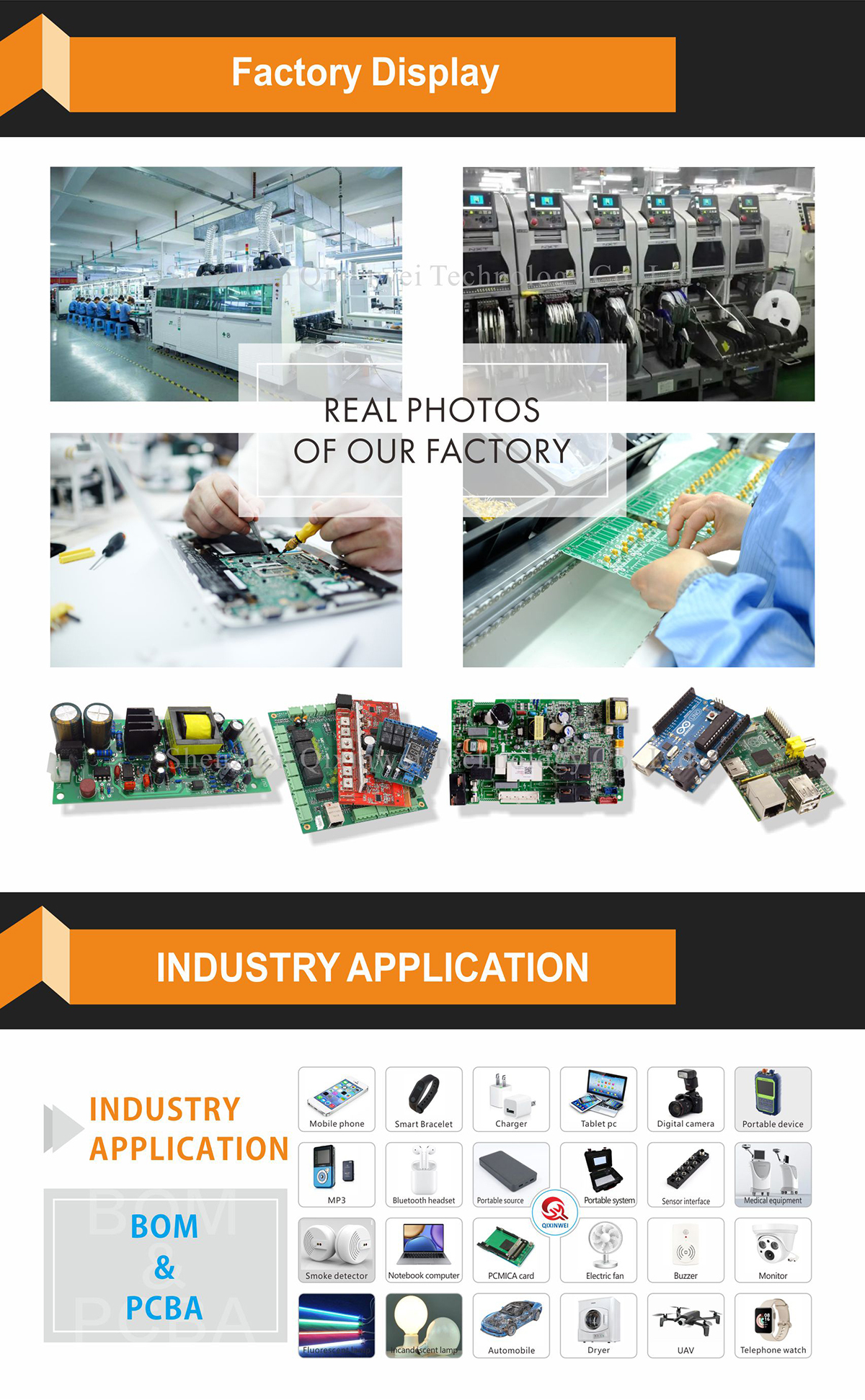
Industrial: PLCs, sensor transmitters, RS-485/CAN nodes, inverters Motor Control: Fans, pumps, small motors (3×16-bit GP timers/PWM) Consumer: Remote controls, handhelds, PC peripherals Medical: Handheld medical terminals Home/Security: Panels, HVAC, access control, alarms IoT: Wireless sensors, environmental monitoring LED Lighting: Dimming, RGB strips, SMPS Automotive: Light control, sensor nodes (non-safety-critical)
STM32F103C6T7A Key Advantages
72 MHz Cortex-M3: 1.25 DMIPS/MHz, single-cycle multiplication/hardware division, far exceeding Cortex-M0/M0+ CAN + USB Dual Interface: Rare in this class Process-Optimized A Revision + 105 °C: Enhanced stability, suitable for industrial/automotive high-temperature environments Dual 12-bit ADCs: 1 µs, 10 channels, separate analog supply LQFP-48: 37 I/Os (all 5 V-tolerant), balanced package and I/O 7-ch DMA: Direct peripheral-to-memory transfers, offloads CPU 7 Communication Interfaces: 2×I2C + 3×USART + 2×SPI + USB + CAN Calendar RTC: VBAT backup Mature STM32 Ecosystem: CubeIDE/CubeMX/HAL/LL libraries Cost-Effective Performance Line: Ideal upgrade from 8/16-bit MCUs
Why Choose QIXINWEI
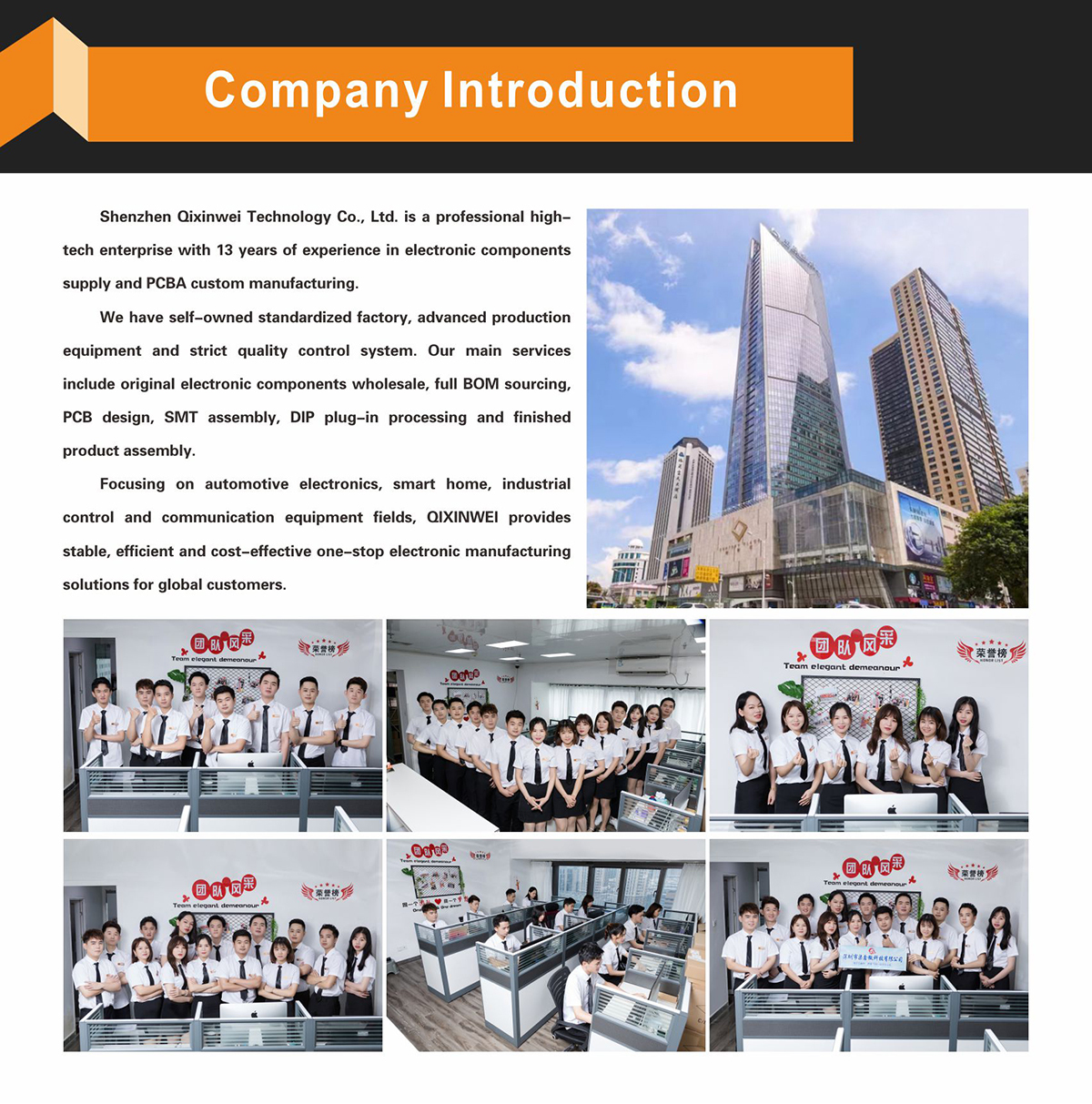
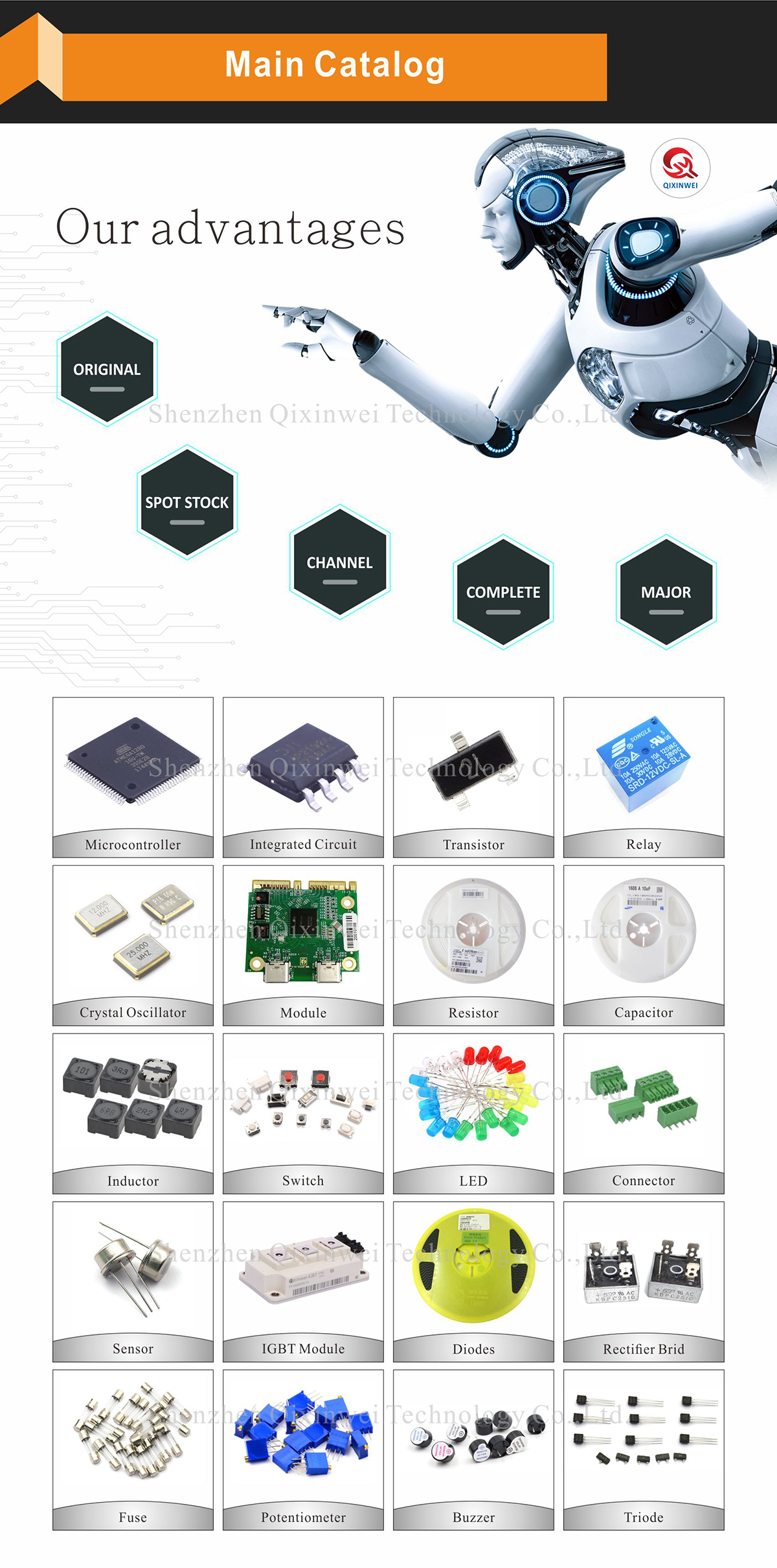
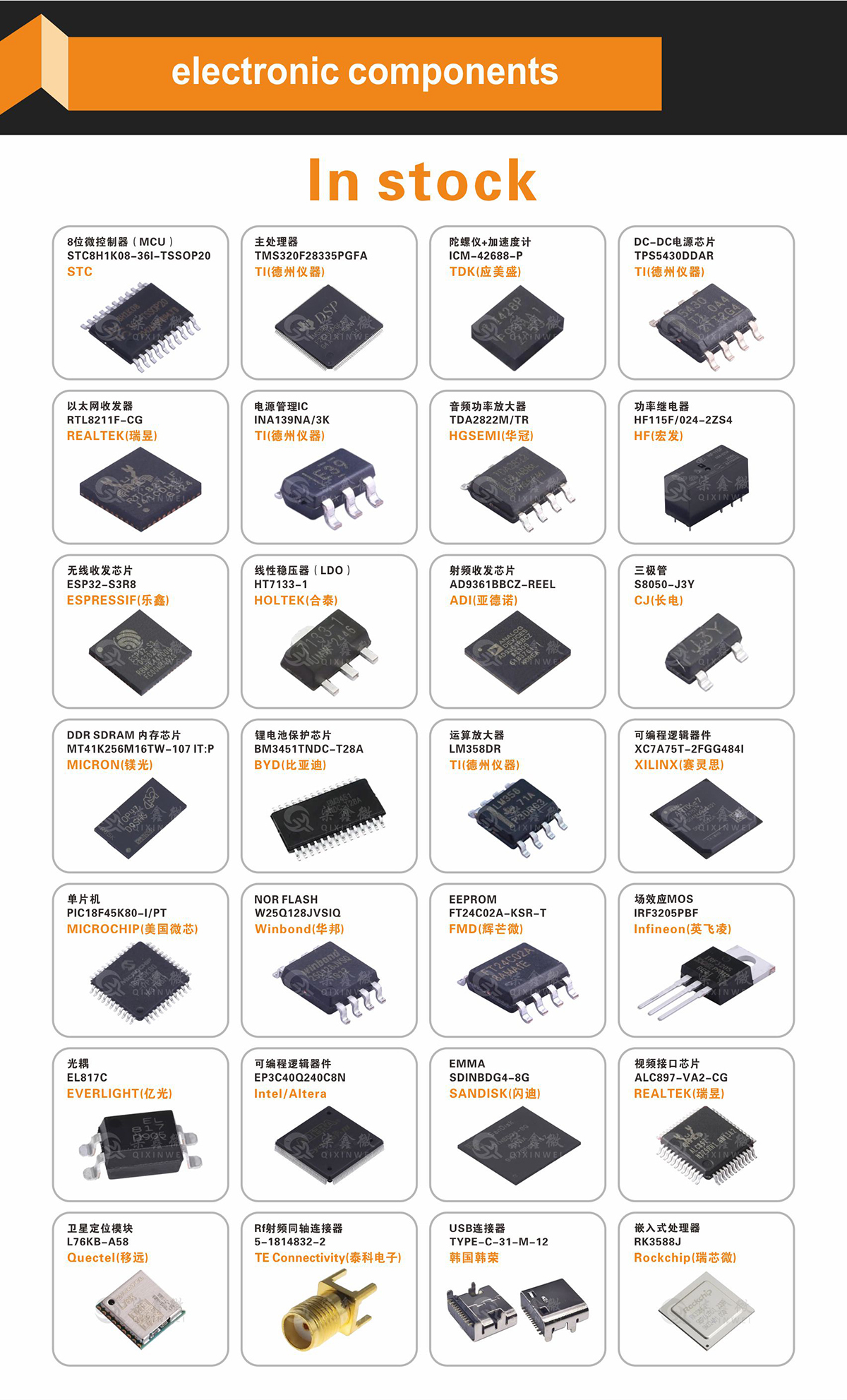
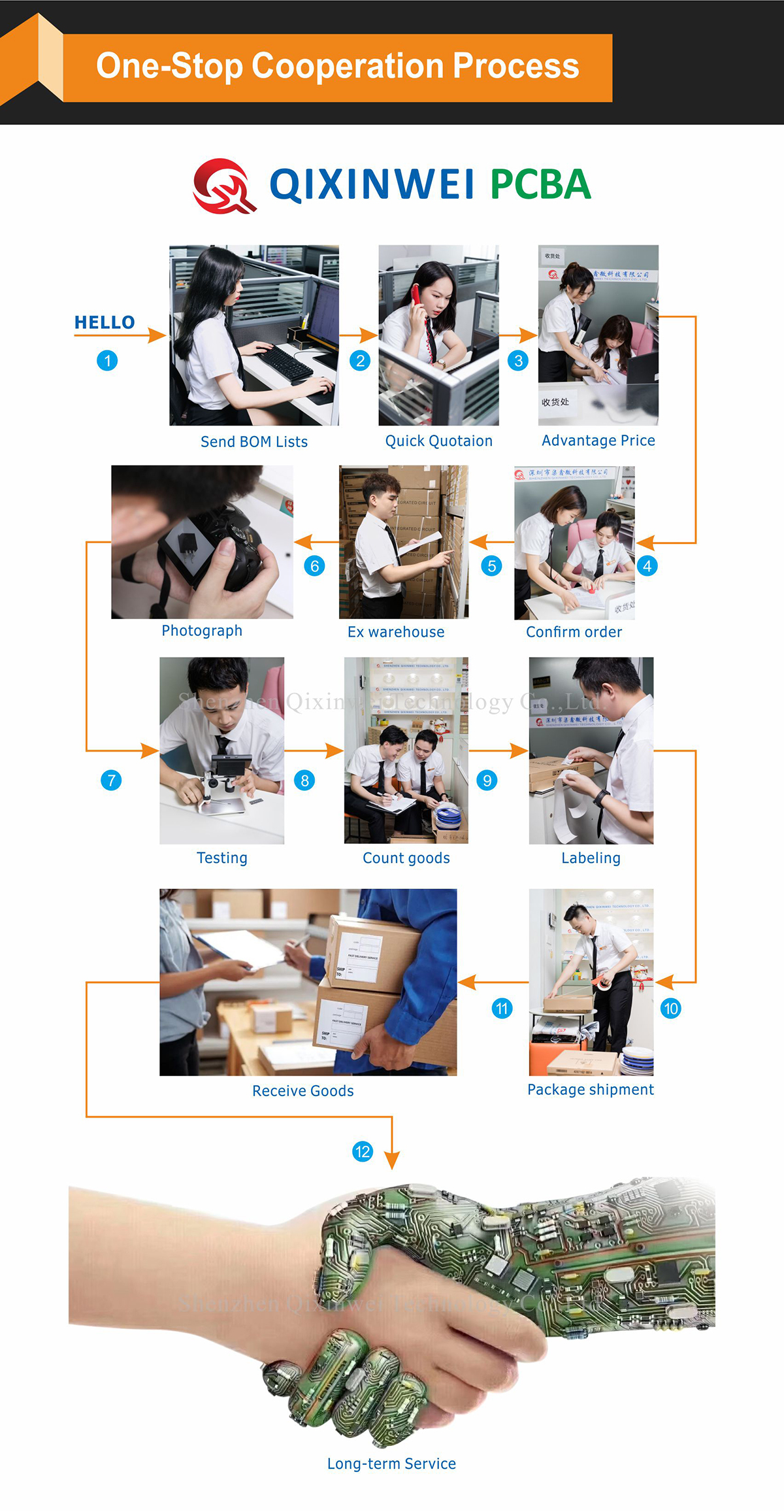
Years of experience in the electronics industry. Trusted by global customers. Massive In-Stock Inventory – Ready to ship promptly BOM Matching Service – One-stop solution, save time PCBA Customization – Professional engineering team creates tailor-made solutions based on your needs Cost-Effective & Efficient – Better channel, better cost A dedicated team makes your procurement smoother. Contact us for BOM quotes or PCBA inquiries.



FAQ:
What is the STM32F103C6T7A and how does it differ from the STM32F103C6T6?
The STM32F103C6T7A is a 72 MHz Arm Cortex‑M3 microcontroller with 32 KB Flash and 10 KB SRAM in an LQFP‑48 package. The key difference from the standard C6T6 is the operating temperature range: the C6T7A is rated for ‑40 °C to +105 °C (industrial extended), while the C6T6 covers ‑40 °C to +85 °C. The “A” suffix also often indicates enhanced noise immunity or automotive‑grade qualification. All other features—CPU speed, memory, peripherals (USB, USART, SPI, I2C, ADC), and pin‑out—are identical. Choose the C6T7A when your product must withstand high ambient temperatures, such as in automotive under‑hood sensors, industrial furnace controllers, or outdoor equipment exposed to direct sunlight.Why should I choose the STM32F103C6T7A over the more popular STM32F103C8T6? What is the trade‑off?
The C8T6 provides 64 KB Flash and 20 KB SRAM, double the memory of the C6T7A, and it also includes a CAN 2.0B interface. The C6T7A sacrifices CAN and half the memory for a lower cost and, more importantly, the +105 °C temperature rating. Pick the C6T7A when your firmware is compact and well‑optimized, you do not need CAN, and your primary requirement is reliable operation in hot environments. The C8T6 is better suited for applications that need more code space, CAN communication, or operate within standard industrial temperature limits.Is 32 KB Flash and 10 KB SRAM really enough for a real‑time control application? What can fit in this space?
Absolutely, for tightly coded, single‑purpose tasks. A bare‑metal or lightweight RTOS application handling sensor reading, simple PID control, and USART/USB communication can fit in 32 KB. The 10 KB SRAM requires careful allocation—using DMA for serial transfers and minimizing global buffers—but many proven designs such as LED drivers, small motor controllers, and LIN‑bus slaves operate comfortably within this memory. The C6T7A is often chosen as an upgrade from 8‑bit MCUs where a 32‑bit core is needed but the code base remains small.Does the STM32F103C6T7A have a CAN controller? How can I add CAN communication if needed?
No, the STM32F103C6T7A does not include a CAN peripheral. If your design requires CAN, you can either select the pin‑compatible STM32F103C8T6 (which includes CAN) or add an external SPI‑to‑CAN controller such as the MCP2515. For high‑temperature applications that still demand CAN, the STM32F103C8T7A (64 KB Flash, +105 °C, with CAN) is a suitable upgrade without changing the package.What is the maximum operating temperature of the STM32F103C6T7A and why is it important?
The C6T7A is rated for an ambient temperature range of ‑40 °C to +105 °C. This extended rating is critical for electronics placed near heat sources—such as motor drive boards, LED lighting fixtures, or engine‑compartment sensors—where the standard +85 °C limit would be exceeded. The chip’s robust design ensures stable operation even in poorly ventilated enclosures, reducing the risk of thermal shutdown or data corruption in safety‑related systems.Can I perform over‑the‑air (OTA) firmware updates with the 32 KB single‑bank Flash?
Yes, but with extreme discipline. A minimal bootloader (2–4 KB) and a compact application must be implemented. The 10 KB SRAM can buffer small chunks of the new firmware received via USB or USART, and the update is performed sector‑by‑sector. An A/B update scheme is impossible; the recommended approach is a verified download‑and‑overwrite process. For products that demand OTA, moving to the pin‑compatible C8T6 (64 KB) provides a more comfortable margin without any PCB changes.How many serial ports does the STM32F103C6T7A have, and can they be used together?
The chip provides 2× USART, 1× SPI, 1× I2C, and 1× USB 2.0 full‑speed device. With 37 I/Os on the LQFP‑48, you can simultaneously use both USARTs, SPI, I2C, and USB without pin conflicts. Careful planning with STM32CubeMX ensures all these interfaces can operate concurrently, making the C6T7A a capable compact communication node for sensor gateways and human‑machine interfaces.What low‑power modes does the STM32F103C6T7A support, and is it suitable for battery‑powered devices?
It supports Sleep, Stop, and Standby modes. In Stop mode with the main regulator off and all 10 KB SRAM retained, the typical current is around 14 µA. Wake‑up from Stop is fast enough to respond to USB or external interrupts. While it is not as power‑efficient as the STM32L series, the C6T7A can still be used in battery‑powered sensors that spend most of their time in deep sleep and wake up periodically to process and transmit data, especially in high‑temperature outdoor environments.Is the STM32F103C6T7A compatible with existing STM32F103 code and libraries? Can I use the Arduino IDE?
Yes, it is fully compatible with the STM32F1 HAL/LL libraries and Standard Peripheral Library. Any code written for the C6T6 or C8T6 can run on the C6T7A without modification, as long as the memory footprint is respected. The Arduino IDE also supports the STM32F103C6 series through the “STM32duino” core; simply select the appropriate board and adjust the linker script for 32 KB Flash and 10 KB SRAM.What are the most typical applications for the STM32F103C6T7A?
It excels in cost‑sensitive, high‑temperature embedded systems that do not require CAN: automotive interior sensors (seat position, HVAC flap control), industrial motor drivers, outdoor LED controllers, solar charge controllers, and simple USB‑connected instruments. Its wide temperature range and proven Cortex‑M3 core make it a reliable choice for products that must operate 24/7 in harsh thermal environments with a very compact firmware footprint.
- Product Type:
- Mainstream Arm Cortex-M3 Performance Line 32-bit MCU
- Brand:
- STMicroelectronics
- Core:
- Arm Cortex-M3 72MHz
- Package:
- LQFP-48 (7×7mm)
- Memory:
- 32KB Flash, 10KB SRAM
- Peripherals:
- CAN 2.0B, USB 2.0 FS, Dual 12-bit ADCs (10ch/1µs), 3×16-bit GP timers (IC/OC/PWM/quadrature encoder), Calendar RTC
- Interfaces:
- 2×I2C (SMBus/PMBus), 3×USART (ISO 7816/LIN/IrDA), 2×SPI (18 Mbit/s)
- I/Os:
- 37
- Voltage:
- VDD 2.0V~3.6V
- Temperature:
- -40°C~105°C