qixinwei-pcba


STM32F102C8T6 ST Mainstream Arm Cortex-M3 USB Access Line 32-bit MCU 64KB Flash 48MHz CPU USB FS LQFP-48
STM32F102C8T6 Product Overview
The STM32F102C8T6 is a mainstream Arm Cortex-M3 USB access line MCU from STMicroelectronics, LQFP-48 package (7×7 mm). 48 MHz Cortex-M3 core, 1.25 DMIPS/MHz, single-cycle multiplication and hardware division. 64 KB Flash, 10 KB SRAM. Integrates USB 2.0 full-speed device, 12-bit ADC (10 channels, 1.2 µs), temperature sensor, 7-channel DMA (supporting timers, ADC, SPI, I2C, USART), up to 5 timers (1×16-bit GP/IC/OC/PWM/pulse counter, independent/window WDG, 24-bit SysTick), up to 8 communication interfaces (up to 2×I2C/SMBus/PMBus, up to 3×USART/ISO 7816/LIN/IrDA/modem control, up to 2×SPI/12 Mbit/s, USB 2.0 FS). 37 I/Os, almost all 5 V-tolerant, mappable on 16 external interrupt vectors. VDD 2.0 V–3.6 V, -40 °C to 85 °C, ECOPACK®2.
STM32F102C8T6 Core Features
Core: Arm Cortex-M3 48 MHz, 1.25 DMIPS/MHz, single-cycle multiplication/hardware division, SWD & JTAG debug Memory: 64 KB Flash, 10 KB SRAM, CRC, 96-bit unique ID USB 2.0 FS Device: Integrated USB FS interface 12-bit ADC: 10 channels, 1.2 µs, 0–3.6 V, temperature sensor 7-ch DMA: Supporting timers, ADC, SPI, I2C, USART Up to 5 Timers: 1×16-bit GP (up to 4 IC/OC/PWM/pulse counter), independent/window WDG, 24-bit SysTick Communication: Up to 2×I2C (SMBus/PMBus), up to 3×USART (ISO 7816/LIN/IrDA/modem control), up to 2×SPI (12 Mbit/s), USB 2.0 FS Low Power: Sleep/Stop/Standby, VBAT for RTC and backup registers Clock: 4–16 MHz XTAL, 32 kHz RTC XTAL (calibrated), 8 MHz RC (factory-trimmed), 40 kHz RC, PLL I/Os: 37 fast I/Os, almost all 5 V-tolerant, mappable on 16 ext. interrupt vectors Supply/Temp: VDD 2.0 V–3.6 V, POR/PDR/PVD, -40 °C to 85 °C Package: LQFP-48 (7×7×1.4 mm), Tray
STM32F102C8T6 Applications
Industrial: PLCs, sensor transmitters, inverters, printers Consumer: Remote controls, handhelds, PC peripherals, GPS platforms, gaming peripherals Medical: Handheld medical terminals Home Appliances: Panels, HVAC, alarms, video intercoms Security: Access control, alarms, smoke detectors IoT: Wireless sensors, environmental monitoring, smart home LED Lighting: Dimming, RGB strips, SMPS Automotive: Vehicle light control, window anti-pinch, automotive sensor nodes (non-safety-critical)
STM32F102C8T6 Key Advantages
Arm Cortex-M3 Core: 48 MHz, 1.25 DMIPS/MHz, single-cycle multiplication/hardware division, far exceeding Cortex-M0 performance at same frequency USB 2.0 FS Device: Integrated USB FS interface eliminates external USB controller 64 KB Flash + 10 KB SRAM: For low-to-medium complexity applications LQFP-48 Package: 7×7 mm, 37 I/Os (almost all 5 V-tolerant), balanced package size and I/O resources 12-bit ADC: 1.2 µs conversion time, 10 channels, temperature sensor, separate analog supply 7-ch DMA: Direct peripheral-to-memory transfers, offloads CPU Up to 8 Communication Interfaces: 2×I2C + 3×USART (ISO 7816/LIN/IrDA/modem control) + 2×SPI (12 Mbit/s) + USB 2.0 FS, meeting multi-bus connectivity needs 5 Timers: 16-bit GP/IC/OC/PWM/pulse counter + independent/window WDG + 24-bit SysTick Calendar RTC: VBAT backup, ideal for scheduled sensing and low-power applications Mature STM32 Ecosystem: CubeIDE/CubeMX/HAL/LL libraries, abundant development boards and reference designs Cost-Effective USB Access Line: 32-bit ARM + USB + ADC + DMA + rich communication interfaces, ideal upgrade from 8/16-bit MCUs
Why Choose QIXINWEI
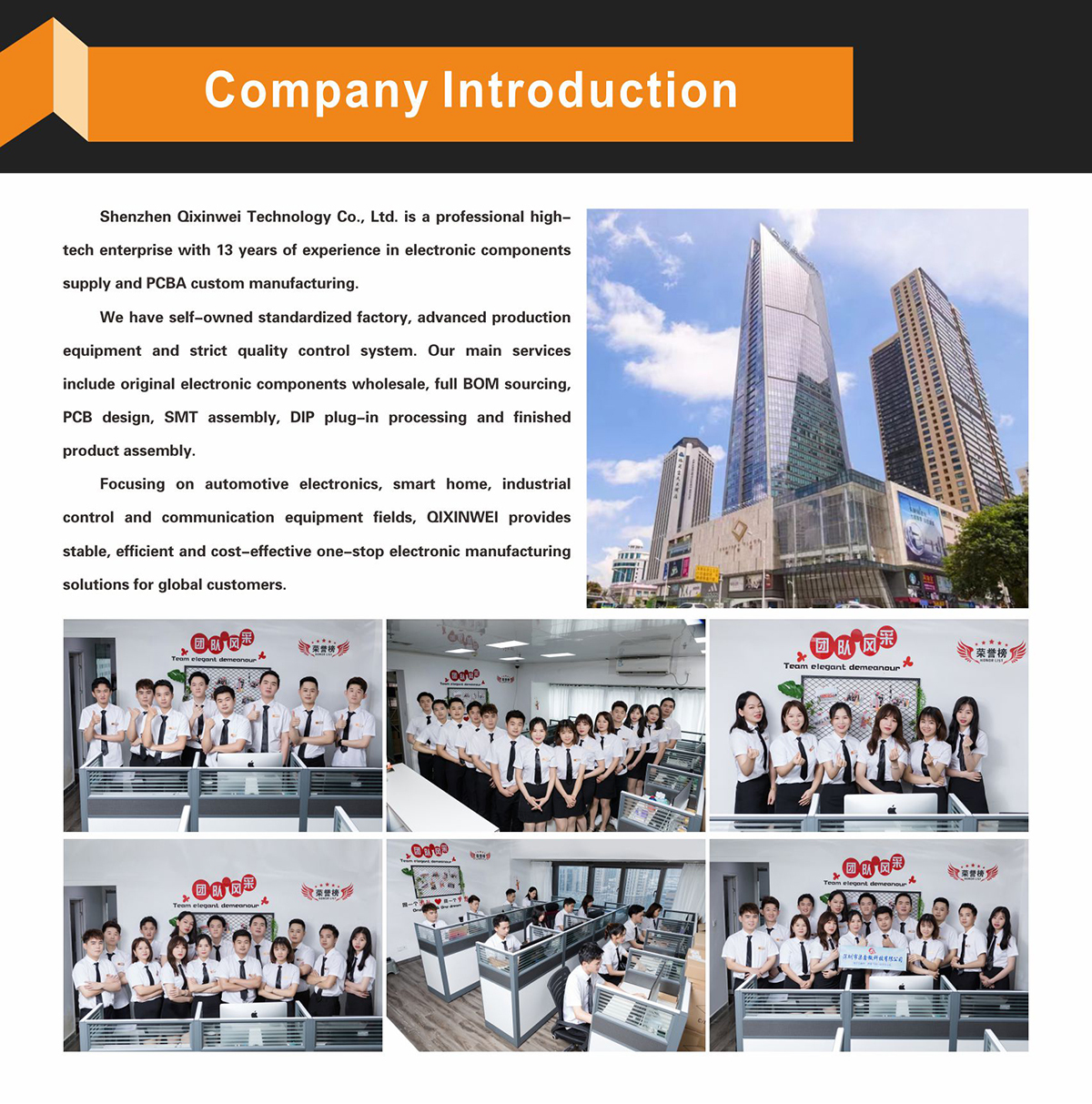
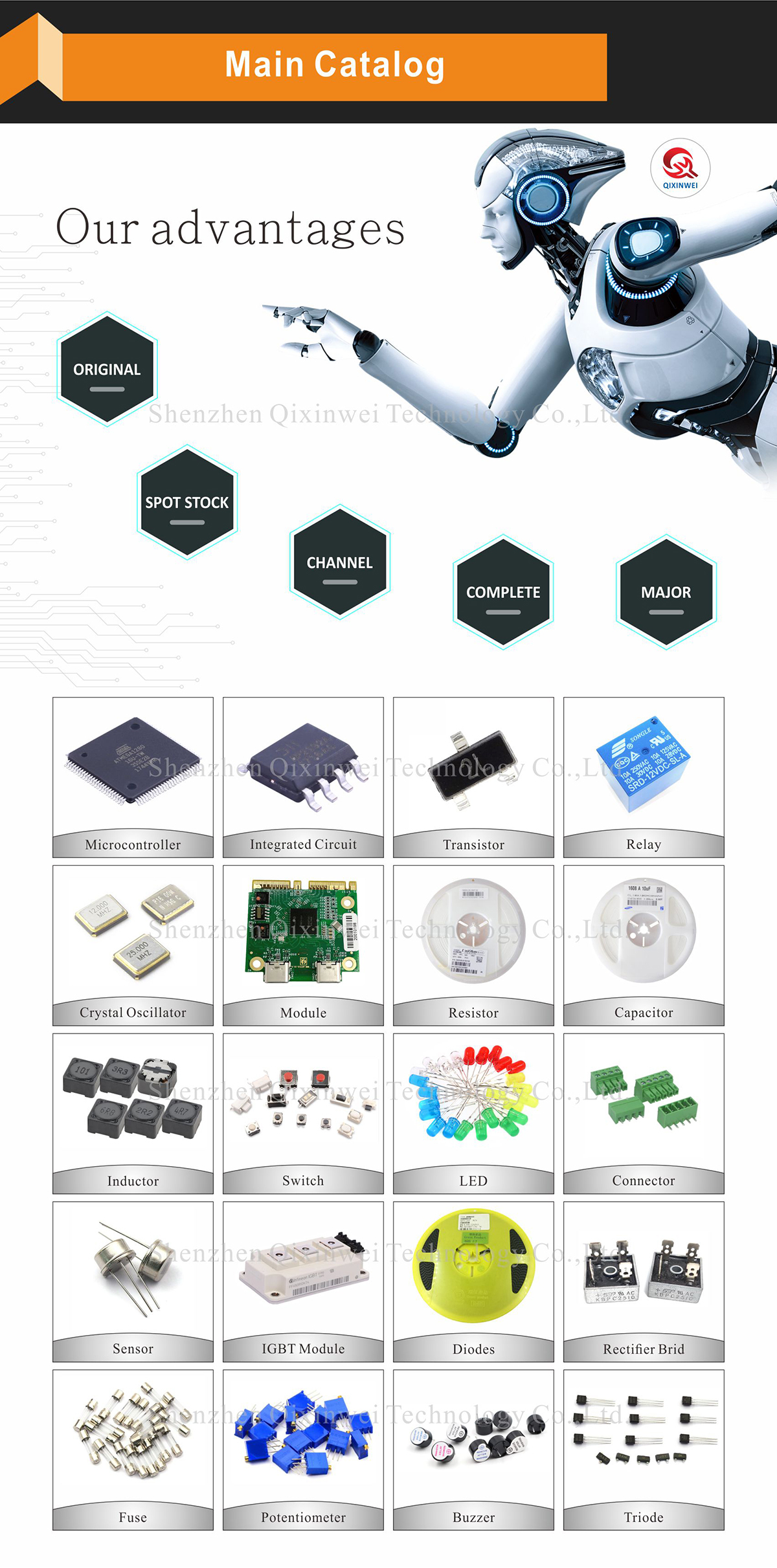
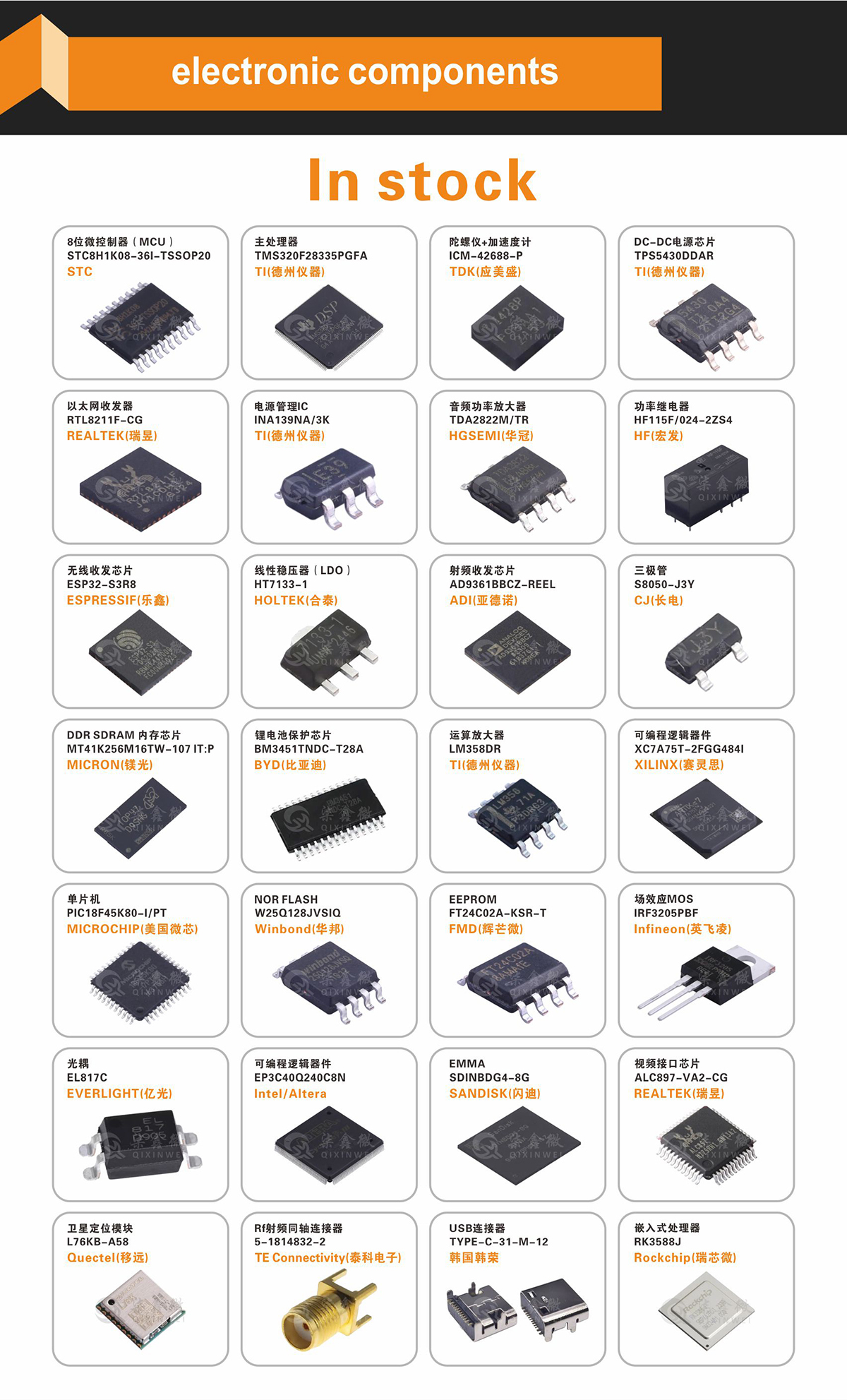
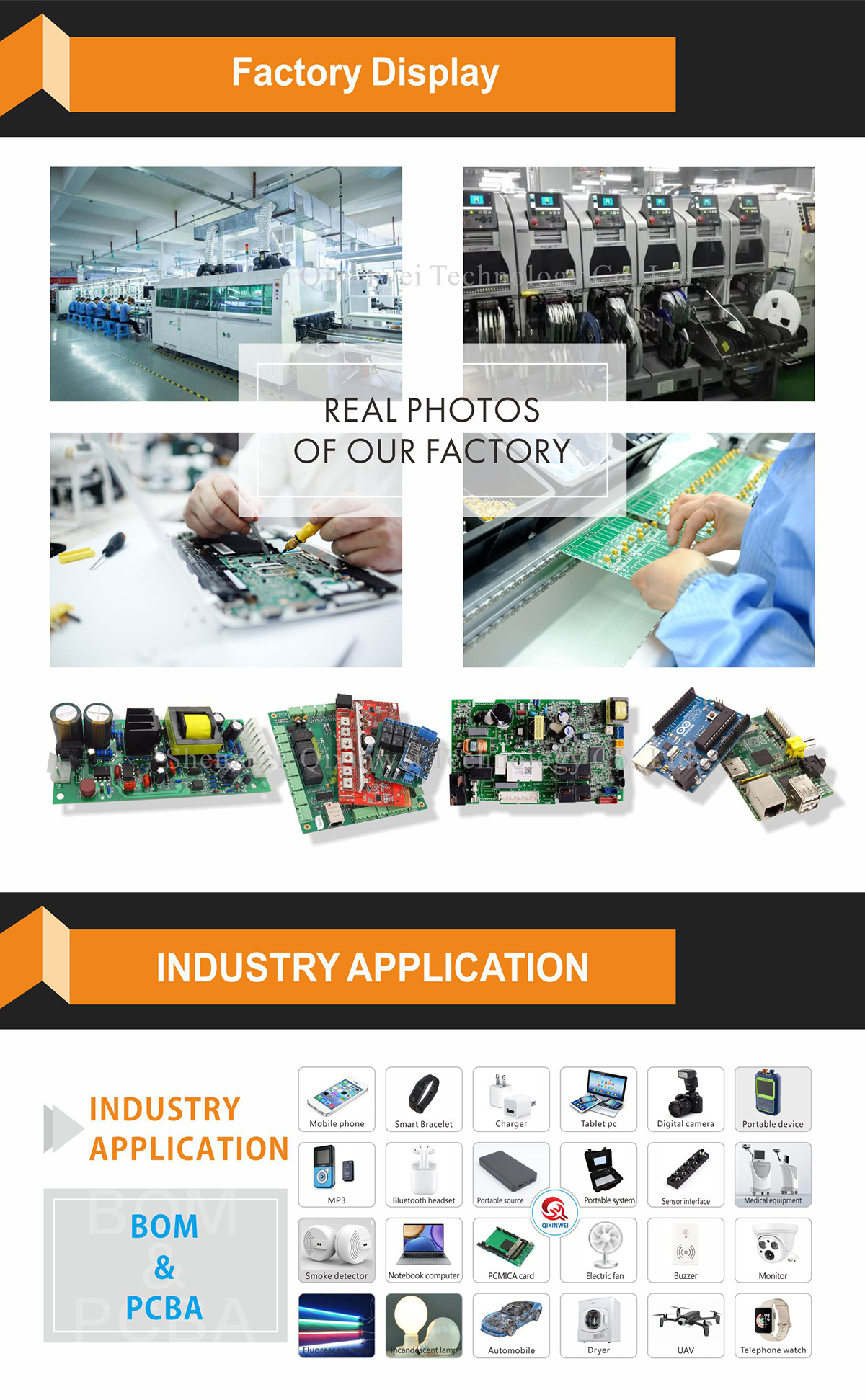
Years of experience in the electronics industry. Trusted by global customers. Massive In-Stock Inventory – Ready to ship promptly BOM Matching Service – One-stop solution, save time PCBA Customization – Professional engineering team creates tailor-made solutions based on your needs Cost-Effective & Efficient – Better channel, better cost A dedicated team makes your procurement smoother. Contact us for BOM quotes or PCBA inquiries.



FAQ:
What is the STM32F102C8T6 and how does it differ from the popular STM32F103C8T6?
The STM32F102C8T6 is a 48 MHz Arm Cortex‑M3 microcontroller with 64 KB Flash and 10 KB SRAM in an LQFP‑48 package. It is part of the STM32F102 “USB Access” line, designed specifically for cost‑sensitive applications that need a full‑speed USB device interface. Unlike the STM32F103C8T6 (72 MHz, CAN, more timers), the F102 runs at a lower clock speed, omits the CAN controller, and reduces some advanced peripherals to achieve a lower price point. This makes it an ideal entry‑level USB MCU for projects that do not require CAN or the extra processing power of the F103.Why does the STM32F102C8T6 run at only 48 MHz? Is it powerful enough for USB applications?
The 48 MHz clock is deliberately chosen to provide a cost‑optimized, low‑power solution that can still handle USB 2.0 full‑speed communication (12 Mbps) without any issues. The Cortex‑M3 core at 48 MHz is more than capable of running a USB device stack, simple sensor processing, and communication protocols simultaneously. For applications like virtual COM ports, USB HID keyboards/mice, and basic data loggers, 48 MHz provides an excellent balance of performance and power consumption, often exceeding the capabilities of 8‑bit USB MCUs while remaining very affordable.Does the STM32F102C8T6 support CAN, FSMC, or other advanced peripherals? What are my options if I need them?
No, the F102C8T6 does not include a CAN controller, FSMC external memory interface, or advanced timers found on the F103. It focuses on essential peripherals: USB 2.0 full‑speed device, 2× USART, 1× SPI, 1× I2C, and a 12‑bit ADC. If your design requires CAN, FSMC, or higher CPU performance, the pin‑compatible STM32F103C8T6 (72 MHz, CAN, more timers) is a direct upgrade with zero PCB changes. For ultra‑low‑cost USB designs where these features are unnecessary, the F102 delivers exceptional value.Is 64 KB Flash and 10 KB SRAM enough for a USB device application? What can I fit in this space?
Absolutely, for dedicated USB devices. A USB CDC (virtual COM port), HID, or mass‑storage stack along with application logic can be comfortably packed into 64 KB of Flash. The 10 KB SRAM is sufficient for USB packet buffers and modest application data, provided you use DMA and avoid large static arrays. Many proven designs—USB‑to‑UART bridges, simple USB sensors, and keyboard controllers—use this exact memory configuration. If your firmware grows later, the pin‑compatible STM32F103C8T6 offers the same Flash size but more SRAM (20 KB) as a potential upgrade.How does the STM32F102C8T6 compare to an 8‑bit USB MCU? Why choose a 32‑bit Cortex‑M3?
Compared to popular 8‑bit USB microcontrollers, the STM32F102C8T6 offers a significant performance boost with its 32‑bit Cortex‑M3 core running at 48 MHz. It executes instructions more efficiently, supports modern C/C++ development with no code‑size penalties, and provides a richer set of peripherals. The extensive STM32 ecosystem—including STM32CubeIDE, HAL libraries, and a large online community—also simplifies development. For USB applications that may need to scale in complexity, starting with a 32‑bit MCU like the F102 provides a future‑proof foundation at a cost comparable to many 8‑bit solutions.Can the STM32F102C8T6 be used for USB high‑speed, or is it limited to full‑speed?
The STM32F102C8T6 includes a full‑speed USB device controller with an integrated PHY (12 Mbps). It does not support USB high‑speed (480 Mbps). For virtual COM ports, HID devices, and moderate‑speed data loggers, full‑speed is usually sufficient. If you require high‑speed USB, you must move to the STM32F2 or F4 series, which offer ULPI interfaces for external HS PHYs.What low‑power modes does the STM32F102C8T6 support, and is it suitable for battery‑powered devices?
The chip supports Sleep, Stop, and Standby modes. In Stop mode with the main regulator off and all 10 KB SRAM retained, the typical current is around 14 µA. Wake‑up from Stop is fast enough to respond to USB or external interrupts. The lower 48 MHz clock also contributes to reduced dynamic power consumption compared to higher‑frequency STM32 variants. While not as power‑efficient as the STM32L series, the F102C8T6 is still a viable choice for battery‑powered USB sensors and portable instruments that spend most of their time in deep sleep.Can I perform over‑the‑air (OTA) firmware updates with the 64 KB single‑bank Flash?
Yes. You can partition the 64 KB Flash into a small bootloader (4–8 KB) and a compact application. The 10 KB SRAM can temporarily buffer new firmware chunks received via USB or USART, and the update is performed sector‑by‑sector. An A/B update scheme is not practical with this Flash size; a download‑and‑overwrite approach is recommended. If OTA is a key requirement, the STM32F103C8T6 (64 KB Flash, but with 20 KB SRAM) provides more comfortable buffer space.What development tools and libraries support the STM32F102C8T6? Is it compatible with the STM32F103 HAL?
The STM32F102C8T6 is fully supported by STM32CubeIDE, Keil MDK, and IAR EWARM. It uses the same STM32F1 HAL/LL libraries as the F103 series, with minor peripheral differences handled automatically by the drivers. Any code written for the F103 can generally be ported to the F102 with minimal effort, as long as you respect the lower clock speed, smaller SRAM, and absence of CAN/FSMC. The Arduino IDE also supports the STM32F102 through the “STM32duino” core, enabling rapid prototyping with a familiar environment.What are the most typical applications for the STM32F102C8T6?
It is widely used in cost‑sensitive USB‑connected devices: USB‑to‑UART bridges, virtual COM port dongles, USB HID keyboards and mice, simple USB sensors, portable data loggers, and educational USB development boards. Any embedded system that needs a reliable 32‑bit processor with built‑in full‑speed USB, without the overhead of CAN or advanced peripherals, is a strong fit for the F102C8T6. Its low cost and mature ecosystem make it a popular entry point into the STM32 world.
- Product Type:
- Mainstream Arm Cortex-M3 USB Access Line 32-bit MCU
- Brand:
- STMicroelectronics
- Core:
- Arm Cortex-M3 48MHz
- Package:
- LQFP-48 (7×7×1.4mm)
- Memory:
- 64KB Flash, 10KB SRAM
- Peripherals:
- USB 2.0 FS, 12-bit ADC (10ch/1.2µs), Temperature sensor, 1×16-bit GP timer (IC/OC/PWM), Calendar RTC, CRC
- Interfaces:
- Up to 2×I2C (SMBus/PMBus), up to 3×USART (ISO 7816/LIN/IrDA), up to 2×SPI (12 Mbit/s)
- I/Os:
- 37
- Voltage:
- VDD 2.0V~3.6V
- Temperature:
- -40°C~85°C