qixinwei-pcba


STM32F091RCT6 ST Mainstream Arm Cortex-M0 Access Line 32-bit MCU 256KB Flash 48MHz CPU CAN CEC LQFP-64
STM32F091RCT6 Product Overview
The STM32F091RCT6 is a mainstream Arm Cortex-M0 access line MCU from STMicroelectronics, LQFP-64 package (10×10 mm). It features a 48 MHz Cortex-M0 core, 256 KB Flash, and 32 KB SRAM with HW parity. The MCU integrates CAN 2.0A/B, HDMI CEC, a 12-bit ADC (up to 19 channels, 1.0 µs), a 12-bit DAC (2 channels), 2 analog comparators, a 12-channel DMA, up to 24 capacitive touch sensing channels, a calendar RTC with VBAT backup, up to 12 timers (1×16-bit advanced-control/6-ch PWM/deadtime/emergency stop, 1×32-bit GP, 7×16-bit GP/IC/OC/IR decode, independent/window WDG, SysTick), 2× I2C (1 Mbit/s Fast Mode Plus, 20 mA sink), up to 8× USART (3 with ISO7816/LIN/IrDA/auto baud rate/wakeup), and 2× SPI (18 Mbit/s, with I2S mux). It provides 52 I/Os (up to 69 5V-tolerant, 19 independent VDDIO2), operates from VDD 2.0 V to 3.6 V over -40 °C to 85 °C, and is ECOPACK®2 compliant.
STM32F091RCT6 Core Features
Core: Arm Cortex-M0 48 MHz, NVIC, SWD, 96-bit unique ID Memory: 256 KB Flash, 32 KB SRAM (HW parity), CRC CAN 2.0A/B: Industrial fieldbus communication HDMI CEC: Wakeup on header reception 12-bit ADC: Up to 19 channels, 1.0 µs, 0–3.6 V, separate analog supply 12-bit DAC: 2 channels, buffered output 2 Analog Comparators: Programmable input/output 24-ch Capacitive Touch: Keys/linear/rotary 12-ch DMA: Flexible mapping Up to 12 Timers: 1× 16-bit advanced-control (6-ch PWM/deadtime/emergency stop), 1× 32-bit GP, 7× 16-bit GP (IC/OC/IR decode/DAC control), Independent/Window WDG, SysTick Communication: 2× I2C (1 Mbit/s Fast Mode Plus, 20 mA sink, SMBus/PMBus, Stop wakeup), up to 8× USART (3× ISO7816/LIN/IrDA/auto baud/wakeup), 2× SPI (18 Mbit/s, I2S mux) Low Power: Sleep/Stop/Standby, VBAT for RTC and backup registers Clock: 4–32 MHz XTAL, 32 kHz RTC XTAL (calibrated), 8 MHz RC (×6 PLL), 40 kHz RC, 48 MHz RC (auto trim) I/Os: 52 fast I/Os, all ext. interrupt mappable Supply/Temp: VDD 2.0 V–3.6 V, -40 °C to 85 °C Package: LQFP-64 (10×10 mm), Tray
STM32F091RCT6 Applications
Industrial: PLCs, sensor transmitters, RS-485/CAN nodes, inverters Motor Control: Fans, pumps, small motors (6-ch PWM/deadtime/emergency stop) HMI: Touch keys/sliders/wheels (24-ch capacitive touch) Consumer: Remote controls, handhelds, PC peripherals, A/V receivers, digital TV Home Appliances: Panels, HVAC, alarms, video intercoms Security: Access control, alarms, smoke detectors IoT: Wireless sensors, environmental monitoring, smart home LED Lighting: Dimming, RGB strips, SMPS
STM32F091RCT6 Key Advantages
256 KB Flash + 32 KB SRAM: For complex protocol stacks and algorithms LQFP-64 Package: 10×10 mm, 52 I/Os, rich I/O resources CAN + 8 USARTs + 12-bit DAC (2-ch): Rare in this class, combining industrial bus, multi-serial communication, and analog output Up to 8 USARTs: One of the highest serial port counts in this series, meeting multi-device communication needs 12-bit DAC (2-ch): Buffered output, supports audio/sensor excitation/control loops 24-ch Capacitive Touch: No external touch IC needed, reduces BOM 12-ch DMA: Direct peripheral-to-memory transfers, offloads CPU 2× I2C Fast Mode Plus: Dual I2C, 1 Mbit/s, 20 mA sink, SMBus/PMBus 12 Timers: Advanced-control/PWM/deadtime/emergency stop + 1× 32-bit + 7× 16-bit GP/IR decode/DAC control Calendar RTC: Alarm/periodic wakeup, VBAT backup Mature STM32 Ecosystem: CubeIDE/CubeMX/HAL/development boards Cost-Effective: 32-bit ARM + CAN + DAC + 8 USARTs + capacitive touch, ideal upgrade from 8/16-bit MCUs
Why Choose QIXINWEI
Years of experience in the electronics industry. Trusted by global customers.
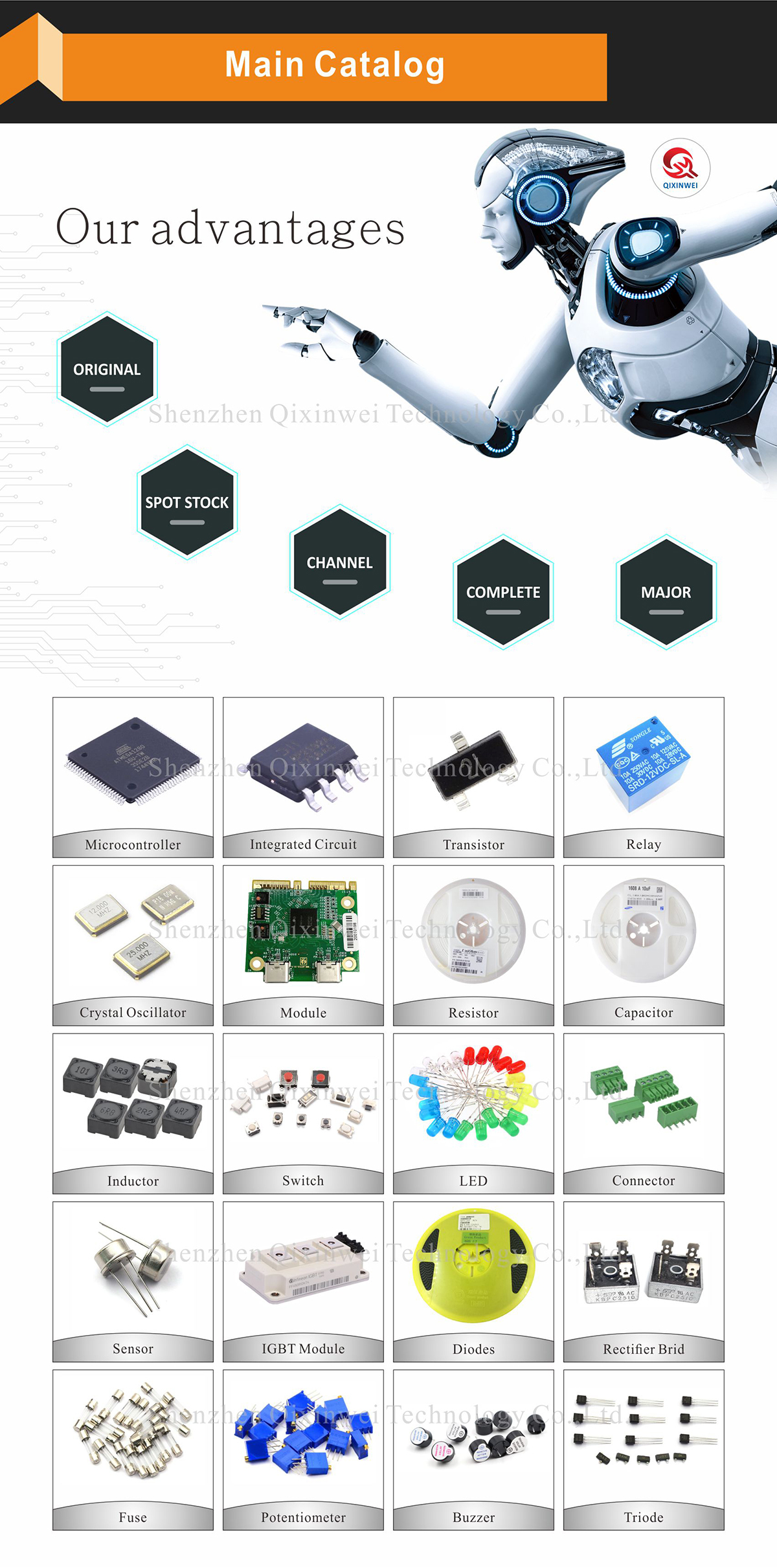
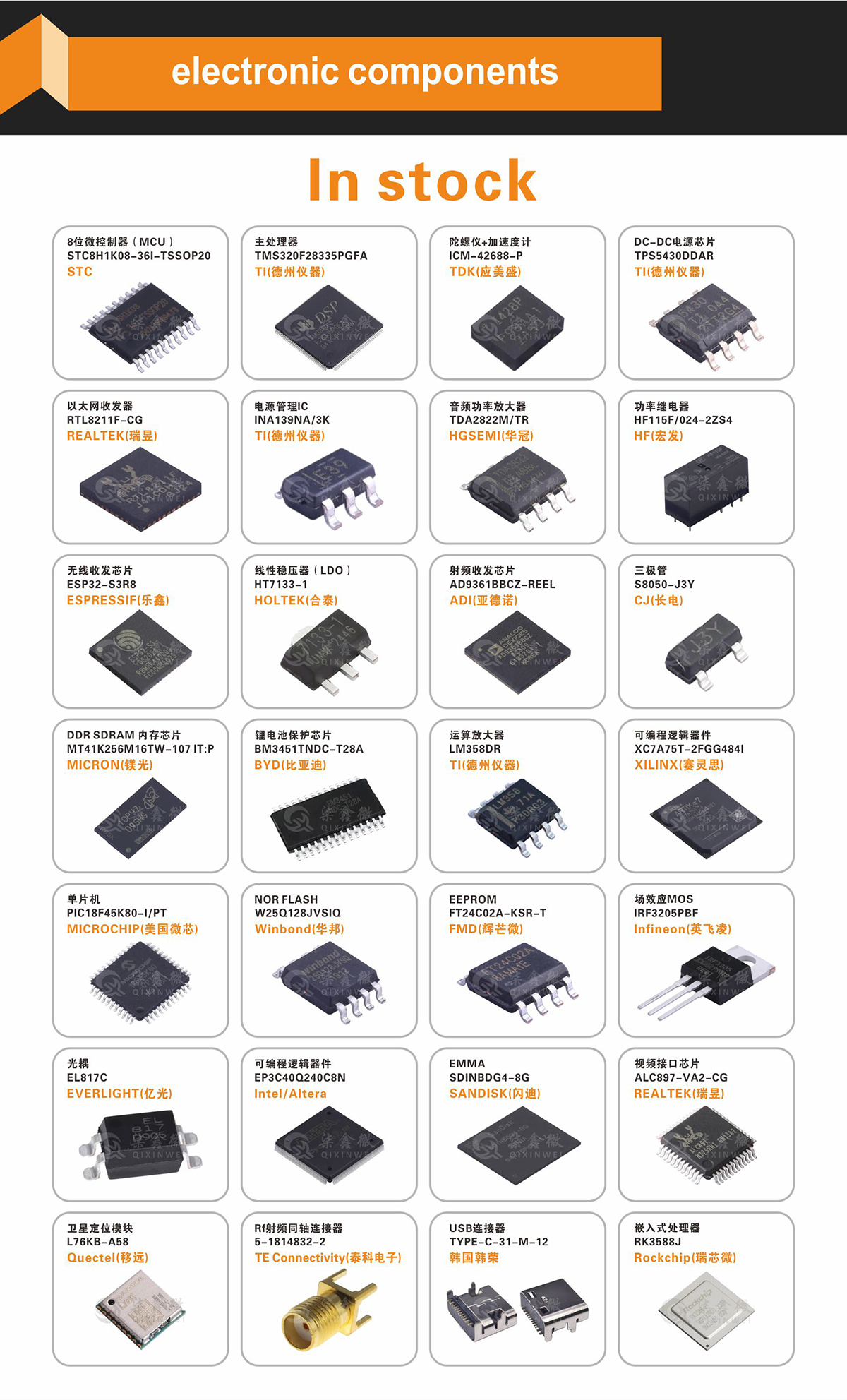
Massive In-Stock Inventory – Ready to ship promptly
BOM Matching Service – One-stop solution, save time
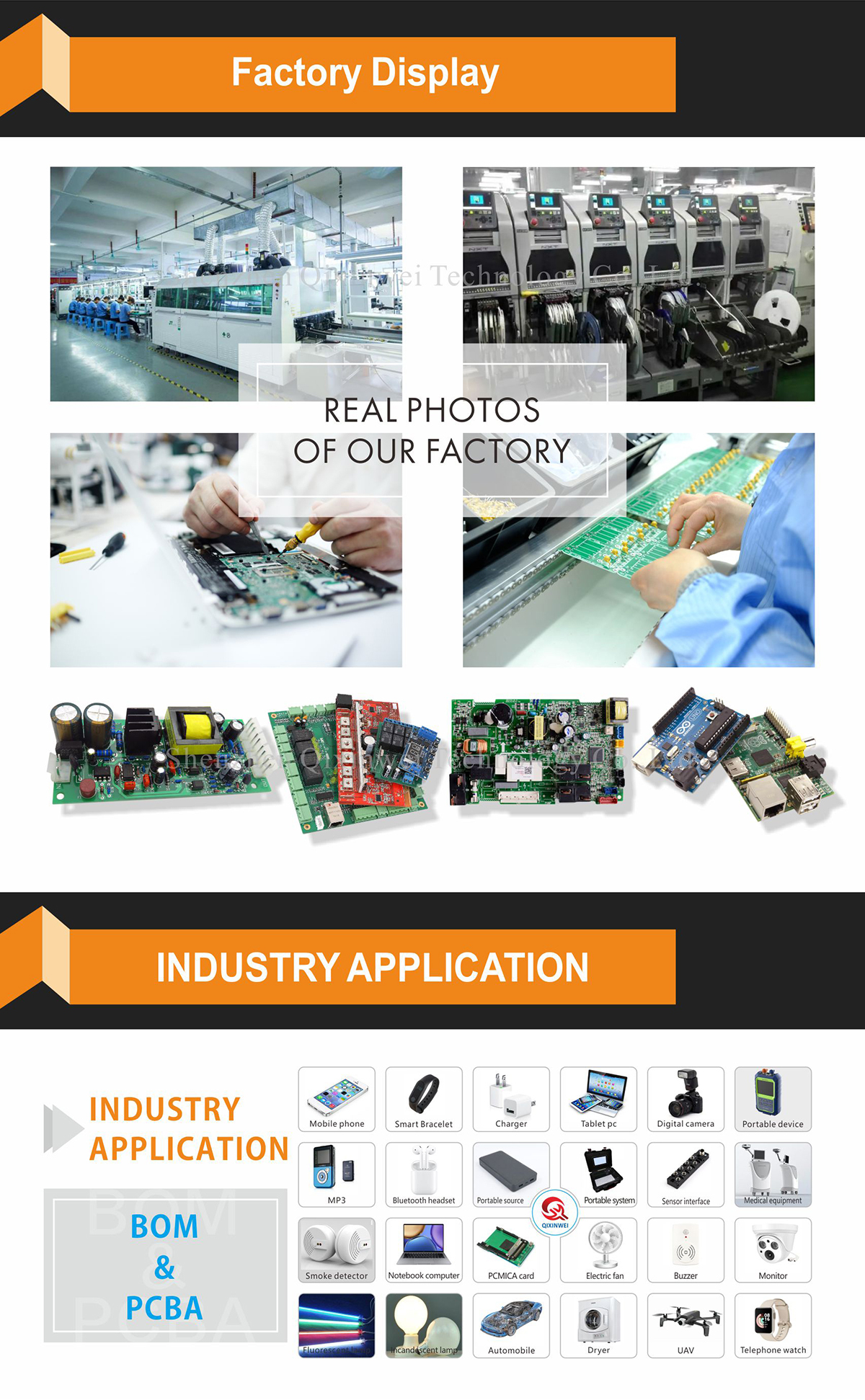
PCBA Customization – Professional engineering team creates tailor-made solutions based on your needs
Cost-Effective & Efficient – Better channel, better cost
A dedicated team makes your procurement smoother.
Contact us for BOM quotes or PCBA inquiries






FAQ:
What is the STM32F091RCT6 and what makes it special among Cortex‑M0 MCUs?
The STM32F091RCT6 is a 48 MHz Arm Cortex‑M0 microcontroller with 256 KB Flash and 32 KB SRAM, housed in an LQFP‑64 package. It is one of the most feature‑rich Cortex‑M0 devices on the market, uniquely combining a CAN 2.0B controller, a 2‑channel 12‑bit DAC, capacitive touch‑sensing channels, and a generous memory allocation. This allows it to tackle complex industrial communication and mixed‑signal tasks that normally require a more expensive Cortex‑M3 or M4, making it an excellent cost‑effective and low‑power solution for CAN bus nodes, smart sensors, and advanced control panels.How does the STM32F091RCT6 differ from the STM32F091VCT6? When should I pick the 64‑pin RCT6?
Both share the same core, 256 KB Flash, 32 KB SRAM, CAN, DAC, and touch‑sensing peripherals. The only difference is the package: the RCT6 is an LQFP‑64 with up to 52 I/Os, while the VCT6 is an LQFP‑100 with up to 86 I/Os. Choose the RCT6 when your design needs a compact footprint and 52 I/Os are sufficient. The VCT6 provides extra I/Os for designs that require a large number of sensors, actuators, or a keypad, but the RCT6 saves valuable board space and cost for the majority of common applications.How does the STM32F091RCT6 compare to the popular STM32F103RCT6? What are the main trade‑offs?
The STM32F103RCT6 is a 72 MHz Cortex‑M3 with the same 256 KB Flash and 48 KB SRAM, plus USB and an FSMC external memory bus. The STM32F091RCT6 sacrifices USB, FSMC, CPU speed, and some SRAM, but adds a 12‑bit DAC and capacitive touch‑sensing channels, all while consuming significantly less power and costing less. Choose the F091RCT6 when your design needs CAN, analog voltage output, or a modern touch interface, and does not require external parallel memory or USB. It delivers the precise feature set needed for industrial CAN nodes and smart controllers without the overhead of a more powerful core.Is 256 KB Flash and 32 KB SRAM enough for a complex CAN application with an RTOS?
Absolutely. 256 KB of Flash provides ample space for a real‑time operating system, a complete CANopen or J1939 protocol stack, a graphical user interface library, and application logic—often with room left over for future over‑the‑air updates. The 32 KB SRAM is sufficient for communication buffers, task stacks, and touch‑sensing data. Many proven industrial CAN gateways, motor controllers, and building automation nodes run comfortably within this memory envelope.What low‑power modes does the STM32F091RCT6 support, and can I use it in a battery‑powered CAN node?
The chip supports Sleep, Stop, and Standby modes. In Stop mode with the main regulator off and all 32 KB SRAM retained, the typical current is around 3 µA—several times lower than a comparable Cortex‑M3. Wake‑up from Stop is fast enough to respond to CAN bus activity or external interrupts. The 48 MHz Cortex‑M0 core is inherently power‑efficient, making the F091RCT6 an excellent choice for battery‑powered industrial sensors and portable diagnostic tools that spend most of their time in deep sleep and wake periodically to communicate over CAN.Does the STM32F091RCT6 really have CAN and a DAC? Why is that important for a Cortex‑M0?
Yes, it integrates a CAN 2.0B controller and a 2‑channel 12‑bit DAC. These peripherals are typically reserved for higher‑end Cortex‑M3 or M4 devices. Having them on a low‑power Cortex‑M0 allows you to implement CAN‑bus communication and analog control outputs—such as waveform generation, sensor excitation, or audio playback—at a significantly lower system cost and power budget. This combination is rare among M0‑class MCUs and makes the F091RCT6 a standout choice for cost‑sensitive CAN nodes and mixed‑signal industrial controllers.Can the STM32F091RCT6 implement capacitive touch buttons without extra components?
Yes, it supports up to 24 capacitive touch‑sensing channels using ST’s Touch Sensing Controller (TSC) peripheral. The charge‑transfer method requires only a few external resistors, eliminating the need for a dedicated touch IC. You can implement touch keys, sliders, and wheels directly on the PCB, perfect for modern industrial control panels, home appliances, and consumer interfaces that need a clean, button‑free design. ST provides the STMTouch library to simplify firmware development.How many communication interfaces does the STM32F091RCT6 provide, and can they be used at the same time?
With up to 52 I/O pins, the RCT6 can simultaneously run CAN, up to 6 USART/UART ports, 2 SPI, 2 I2C, the DAC outputs, and still have GPIOs left for touch‑sensing. The flexible pin‑multiplexing of the STM32F0 series allows you to assign almost every peripheral to multiple pin locations, minimizing conflicts. STM32CubeMX helps you verify the exact pin‑out for your configuration.Can I perform over‑the‑air (OTA) firmware updates with the 256 KB single‑bank Flash?
Yes. You can partition the 256 KB Flash into a bootloader, an active application area, and a download buffer. A typical split reserves 16–32 KB for the bootloader, leaving over 200 KB for the application. The 32 KB SRAM can temporarily hold the new firmware image received via CAN, USART, or an external wireless module. A CRC or signature check ensures a safe update. An A/B scheme with two 110 KB slots is also possible for fail‑safe updates.What are the most typical applications for the STM32F091RCT6?
It is widely used in industrial CAN‑bus nodes, smart sensors with analog output, building automation controllers, capacitive touch panels, motor drives, and portable diagnostic instruments. Any application that needs a proven 32‑bit core with CAN communication, a built‑in DAC, touch‑sensing capability, and a compact 64‑pin footprint—at the lowest possible power and cost—is a strong fit for the F091RCT6.
- Product Type:
- Mainstream Arm Cortex-M0 Access Line 32-bit MCU
- Brand:
- STMicroelectronics
- Core:
- Arm Cortex-M0 48MHz
- Package:
- LQFP-64 (10×10mm)
- Memory:
- 256KB Flash, 32KB SRAM
- Peripherals:
- CAN 2.0A/B, HDMI CEC, 12-bit ADC (19ch/1.0µs), 12-bit DAC (2-ch), Dual analog comparators, 24ch capacitive touch, 16-bit advanced-control timer (6ch PWM), 32-bit GP timer, 7×16-bit GP timers, Calendar RTC, CRC
- Interfaces:
- 2×I2C (1Mbit/s), 2×SPI (18Mbit/s, I2S mux), up to 8×USART (3×ISO7816/LIN/IrDA)
- I/Os:
- 52
- Voltage:
- VDD 2.0V~3.6V
- Temperature:
- -40°C~85°C