qixinwei-pcba


Seeed Grove Vision AI V2 Vision Module Dual Cortex-M55 YOLO Support
Vision AI V2 Module Product Overview
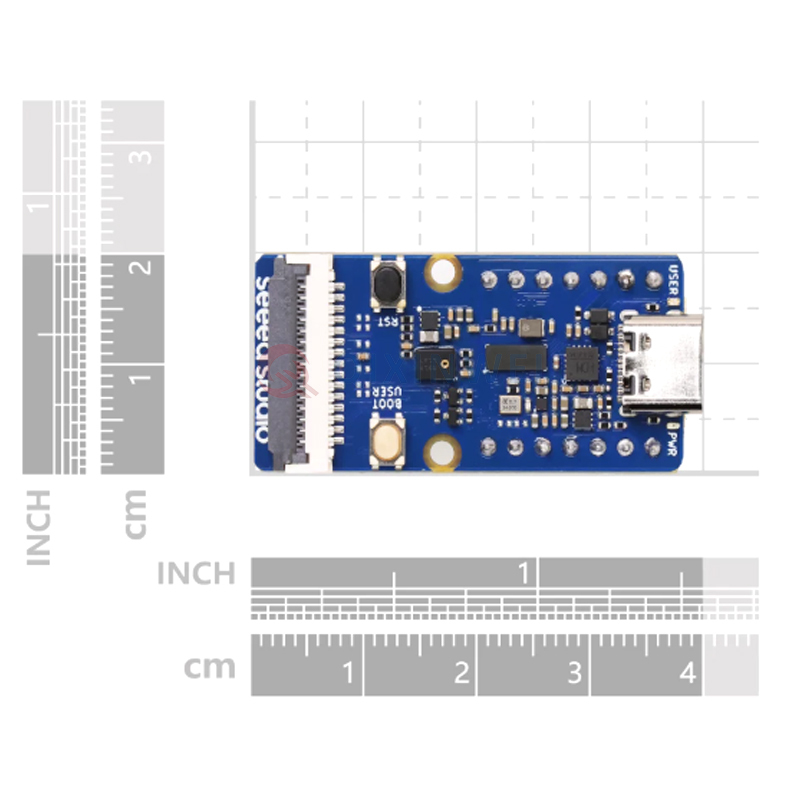
The Vision AI V2 Module, also known as Grove Vision AI Module V2, is a thumb-sized AI vision recognition module from Seeed Studio, powered by the Himax WiseEye2 HX6538 processor featuring a dual-core Arm Cortex-M55 architecture (400MHz + 150MHz) and an integrated Arm Ethos-U55 microNPU (400MHz). Equipped with a standard CSI camera interface compatible with Raspberry Pi cameras (e.g., OV5647), an onboard PDM digital microphone, and an SD card slot, Vision AI V2 Module supports TensorFlow and PyTorch AI frameworks. With Seeed Studio's SenseCraft AI no-code platform, users can deploy trained AI models without writing any code. Vision AI V2 Module is compatible with XIAO series, Arduino, Raspberry Pi, ESP32, and other mainstream platforms, the module is an ideal choice for embedded vision AI applications in industrial automation, smart homes, and mobile IoT devices.
Vision AI V2 Module Key Features
Himax WiseEye2 HX6538 Dual-Core AI Processor: Vision AI V2 Module features a dual-core Arm Cortex-M55 processor with big core up to 400MHz and little core at 150MHz, integrated with an Arm Ethos-U55 microNPU (400MHz). Compared to the previous generation WiseEye1 (H6537), Vision AI V2 Module delivers 32x inference speed improvement and 50x energy efficiency improvement. Supports DVFS (Dynamic Voltage and Frequency Scaling) for microamp-level ultra-low power consumption.
Large Memory and Storage: Vision AI V2 Module features up to 2432KB SRAM and 64KB boot ROM, with 16MB external flash for firmware. Additionally, Vision AI V2 Module provides 60MB onboard flash for AI model deployment and data storage.
Standard CSI Camera Interface: Equipped with a MIPI CSI connector, Vision AI V2 Module is compatible with Raspberry Pi OV5647 camera (5MP), with support for more camera models coming soon.
Onboard PDM Digital Microphone: Vision AI V2 Module integrates PDM digital microphone for audio signal acquisition, enabling voice command recognition and voice control applications.
SD Card Slot: Vision AI V2 Module features onboard Micro SD card slot supporting DS mode up to 25MHz for data storage and model expansion.
Rich Interfaces and Expandability: Vision AI V2 Module provides a Grove I2C connector and two 7-pin headers (supporting I2C, UART, SPI), compatible with Seeed Studio XIAO series boards. Powered and programmed via USB Type-C (with onboard CH343 serial chip).
No-Code AI Model Deployment: Through the SenseCraft AI platform, Vision AI V2 Module users can deploy pre-trained AI models without writing any code. Supported models include MobilenetV1, MobilenetV2, Efficientnet-Lite, YOLOv5, and YOLOv8.
High-Performance Inference: Vision AI V2 Module inference time of just 33ms with a frame rate of 30.3 FPS and power consumption of only 0.35W, making it ideal for battery-powered edge AI devices.
Cross-Platform Compatibility: Vision AI V2 Module is compatible with Arduino IDE, Raspberry Pi, Seeed Studio XIAO series, ESP32, BeagleBoard, and other mainstream platforms.
Fully Open Source: Vision AI V2 Module all code, design files, and schematics are open-source for modification and use.
Vision AI V2 Module Applications
With its powerful AI computing capability and flexible peripheral interfaces, Vision AI V2 Module is widely used in:
Industrial Automation: Vision AI V2 Module is used for quality inspection, predictive maintenance, voice control
Smart Cities: Vision AI V2 Module supports equipment monitoring, energy management, traffic analysis
Smart Homes: Vision AI V2 Module enables gesture recognition, face recognition door locks, environmental monitoring
Smart Agriculture: Vision AI V2 Module is applied in crop disease detection, environmental monitoring
Mobile IoT Devices: Vision AI V2 Module is used in wearables, handheld terminals
Transportation & Logistics: Vision AI V2 Module is used for status monitoring, location tracking
Object Detection & Classification: Vision AI V2 Module supports YOLO target detection, image classification, face recognition
TinyML Edge AI Applications: Vision AI V2 Module enables ultra-low-power local inference
Vision AI V2 Module Advantages
Vision AI V2 Module stands out by combining a powerful dual-core Cortex-M55 AI processor and Ethos-U55 neural accelerator with exceptional ease of use. Compared to the previous generation, Vision AI V2 Module delivers 32x faster inference and 50x better energy efficiency, enabling complex models like YOLOv5/v8 to run while maintaining ultra-low power consumption. The SenseCraft AI no-code platform eliminates the need for AI programming expertise, dramatically lowering the development barrier. With compatibility for Raspberry Pi OV5647 cameras, the XIAO ecosystem, and Arduino/MicroPython development environments, Vision AI V2 Module streamlines the journey from prototype to production. Whether for industrial vision inspection, smart home control, or edge AI prototyping, Vision AI V2 Module delivers a cost-effective solution.
Why Choose QIXINWEI
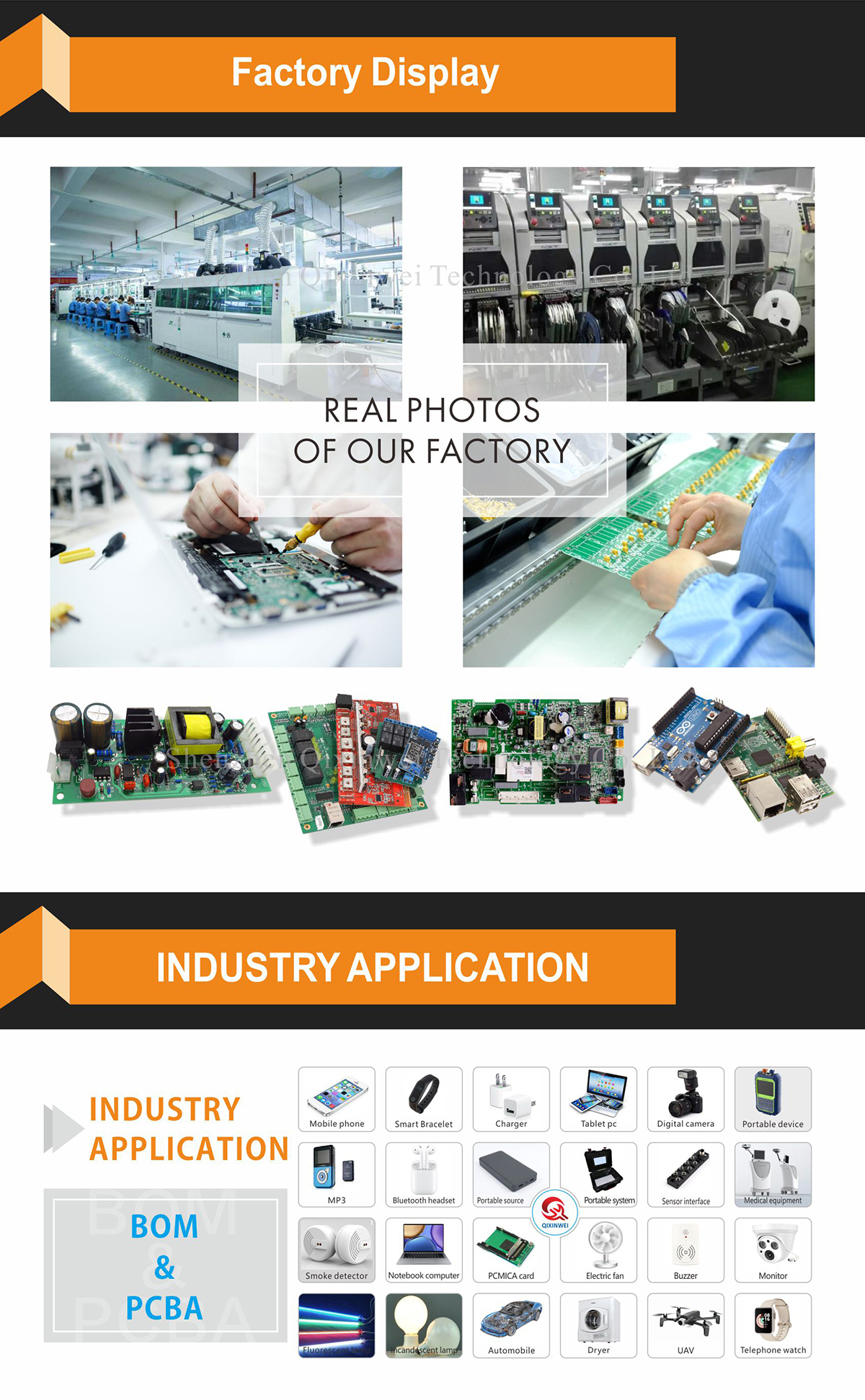
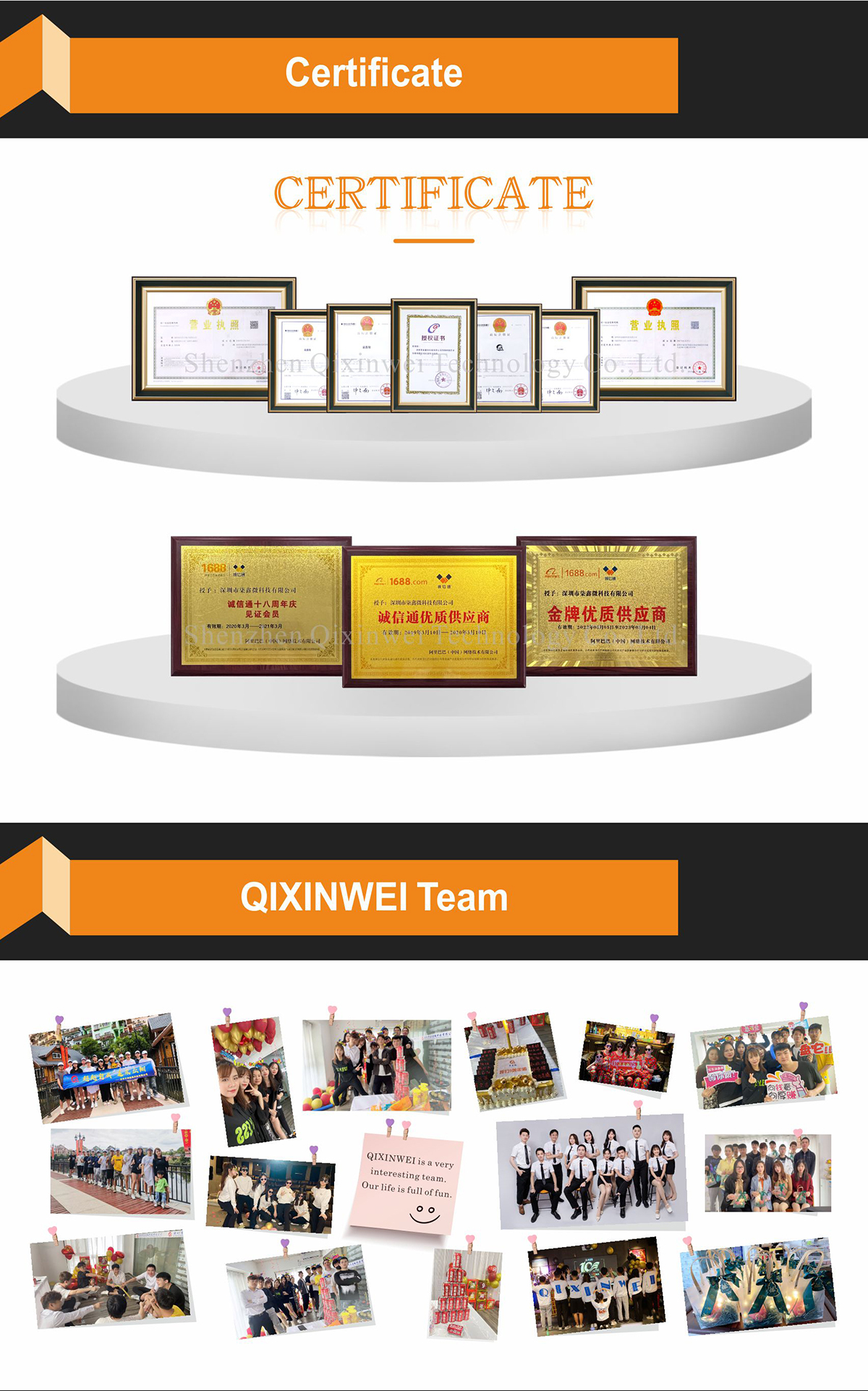
Years of experience in the electronics industry. Trusted by global customers.
Massive In-Stock Inventory – Ready to ship promptly
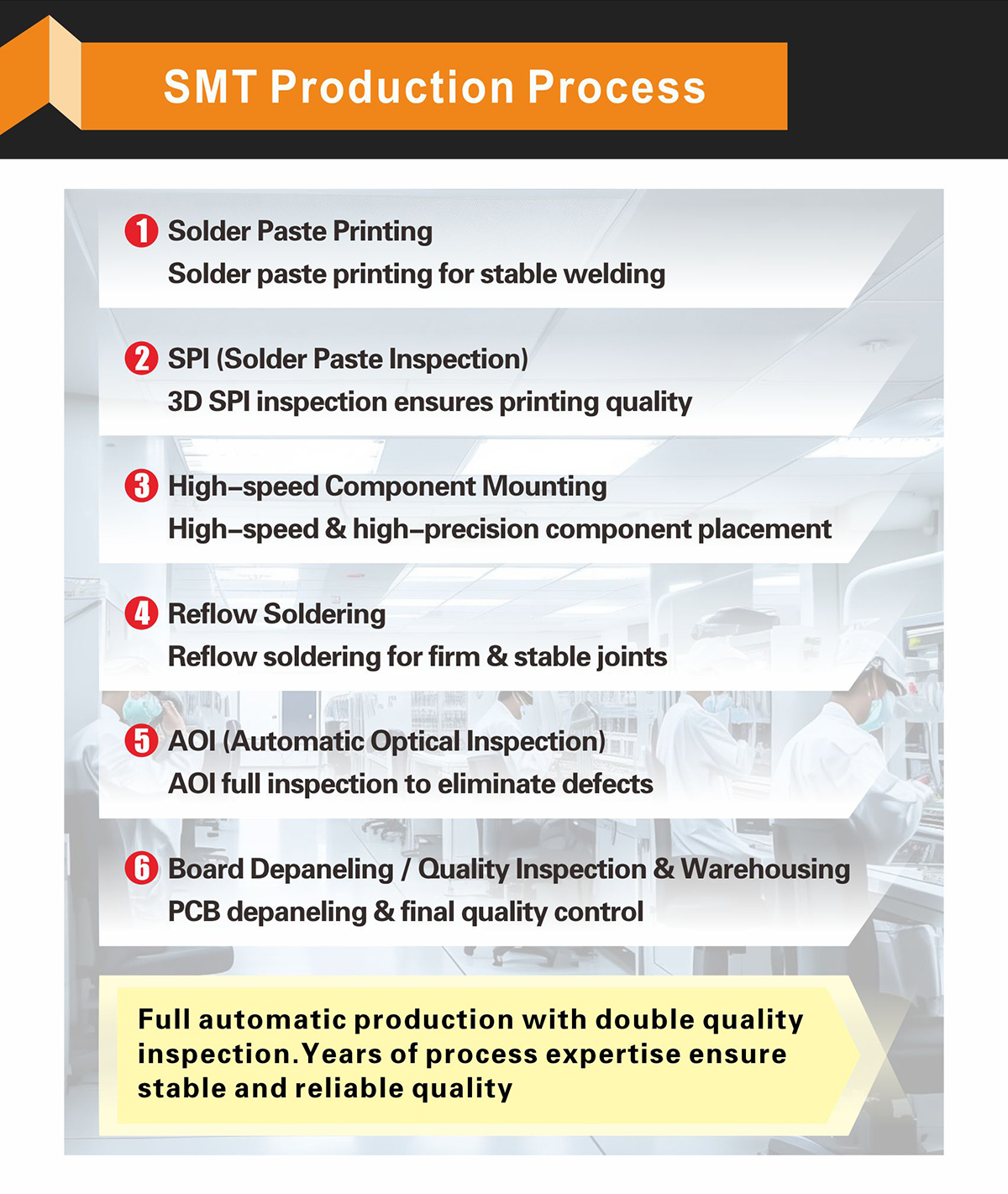
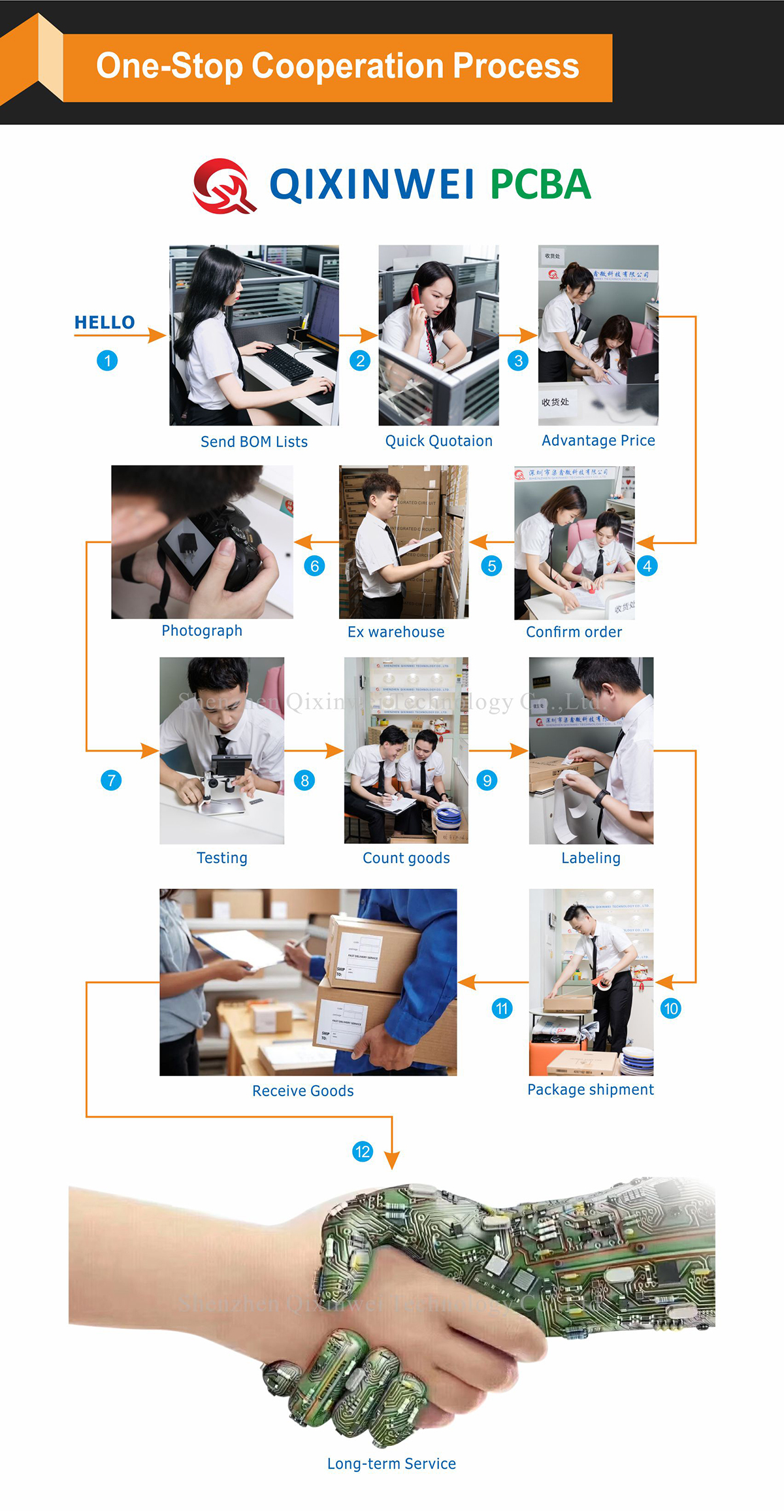
BOM Matching Service – One-stop solution, save time
PCBA Customization – Professional engineering team creates tailor-made solutions based on your needs
Cost-Effective & Efficient – Better channel, better cost
A dedicated team makes your procurement smoother.
Contact us for BOM quotes or PCBA inquiries



FAQs:
Q: What main interfaces does this module use to connect with other devices?
A: Vision AI V2 Module provides common interfaces such as I2C, UART, and SPI, along with a Seeed XIAO‑spec pin header socket, making it easy to connect to Arduino, Raspberry Pi, or XIAO‑series development boards.
Q: How is the module’s AI inference performance?
A: Vision AI V2 Module built‑in Ethos‑U55 NPU delivers significant improvement over previous generations. Inference time for image classification tasks is about 15 ms (~70 FPS), and for human pose detection it is about 121 ms (~8 FPS), with processing speeds roughly 14× faster than traditional Arm‑M7 chips.
Q: What types of vision AI models does it support for deployment?
A: Vision AI V2 Module supports mainstream models such as MobileNet V1/V2, EfficientNet‑Lite, and YOLO v5/v8, as well as custom models imported via TensorFlow or PyTorch frameworks.
Q: Is the model deployment process complicated?
A: For Vision AI V2 Module, the process is relatively straightforward. Upload the model through the SenseCraft AI platform or Edge Impulse, then connect the module to a computer via a USB Type‑C cable for flashing—all without the need to write core code.
Q: Which cameras can be used with this module?
A: Vision AI V2 Module is compatible with standard Raspberry Pi CSI‑interface cameras, with the OV5647 module being officially recommended. The board also features an onboard PDM digital microphone to support audio recognition.
Q: What is the biggest hardware advantage of this module?
A: The core advantage of Vision AI V2 Module lies in the architecture—vision processing and inference are completely offloaded to the local chip, reducing the computational burden on the host MCU and greatly improving real‑time system responsiveness.
Q: Are there open‑source resources available for secondary development?
A: Yes, Vision AI V2 Module official resources include complete open‑source code, including low‑level drivers, hardware schematics, and comprehensive SDK documentation, facilitating deeper custom development.
Q: What is the power consumption during prolonged operation?
A: Vision AI V2 Module operating power is low—around 420 mW for basic image classification tasks, and about 825 mW when running more complex human pose detection models.
Q: What hardware components are included in the default package?
A: The standard version of Vision AI V2 Module includes the Vision AI V2 main board, connecting cables, and Grove ribbons. Please note that the OV5647 camera module is usually not included and must be purchased separately based on application needs.
Q: Since the camera is not included, what should be noted during initial use?
A: When starting model deployment or flashing firmware on Vision AI V2 Module, be sure to securely connect the camera module to the CSI interface to avoid poor contact, which could cause model loading failures or recognition errors.
- Model:
- Vision AI V2 Module
- Processor:
- Himax WiseEye2 HX6538
- Big Core Frequency:
- 400 MHz
- Little Core Frequency:
- 150 MHz
- NPU Frequency:
- 400 MHz(Arm Ethos-U55)
- SRAM:
- 2432KB
- Onboard Flash:
- 16MB+ 60MB
- Inference Time:
- 33 ms
- Frame Rate:
- 30.3 FPS
- Supported Models:
- MobilenetV1/V2, Efficientnet-Lite, YOLOv5, YOLOv8